
Sichuan Ryori Kae puts Sichuan cooking into Tokyo’s small-room, reservation-led dining tier rather than the city’s casual Chinese bracket. The case for paying attention is concrete: Tabelog Chinese TOKYO 100 selection in 2026, a 3.74 Tabelog score, 18 seats, private-room capacity, and a price band that places it above everyday Otsuka dining but below Tokyo’s trophy-counter extremes.
Pearl is the En Primeur Club membership app — saves, bookings, and concierge access live there. Same editors, same standards.
- Address
- Japan, 〒170-0005 Tokyo, Toshima City, Minamiotsuka, 3 Chome−45−7 ザ・シティ大塚 B1
- Phone
- +81 3-6682-5824
- Website
- tablecheck.com
 Saves & bookings on Pearl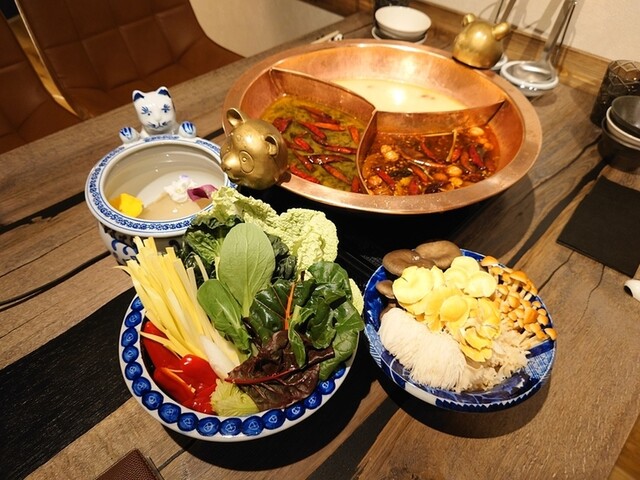
Below street level in Minamiotsuka, Sichuan Ryori Kae signals a specific Tokyo dining mood: compact, controlled, and built for diners who want the evening contained rather than theatrical. Otsuka is not Ginza, and that matters. The neighbourhood’s strength is range, from everyday curry and ramen to reservation-only rooms that use lower-key addresses to keep focus on the table. Kae belongs to the latter category: spectacle is not the draw, but a tighter reading of Chinese cooking inside Tokyo’s disciplined small-restaurant culture.
The value proposition sits between casual Chinese dining and the city’s luxury omakase economy. In Tokyo, Sichuan food often splits into accessible mapo tofu and noodle shops on one side, controlled course formats on the other. This address operates in the second lane. Its categories, Sichuan, Chinese, and Chinese hot pot, point to a kitchen organized around heat, broth, spice structure, and shared pacing rather than single-plate convenience. Its Tabelog Chinese TOKYO 100 selection for 2026 gives an external signal in a category where reputation is often hyperlocal and difficult for visitors to read.
Sichuan cooking priced for a full evening, not a quick fix
Tokyo’s Chinese dining scene has become more stratified. At one end are neighbourhood places where the bill competes with casual Japanese set meals; at the other are compact rooms priced closer to tasting-menu territory, asking diners to treat Chinese cuisine with the attention they give sushi, tempura, or kaiseki. Sichuan Ryori Kae sits in that higher bracket for Otsuka, with a dinner range of JPY 15,000 to JPY 19,999 and a 10 percent service charge. That is not casual spending, but it remains materially different from the city’s trophy dining tier.
Nearby comparisons clarify the positioning. Yappari India and Yoshoku GOTOO serve a lower-cost, everyday Tokyo function; Soten Minamiguchi ten and Otsuka Miyaho occupy a mid-to-upper local dinner band; Nakiryu represents the area’s destination ramen pull. This room asks a different question: how much structure, privacy, and recognition does a diner get for a serious but not runaway Tokyo dinner budget? The answer is strongest for parties wanting Sichuan flavors in a controlled setting rather than a quick counter meal.
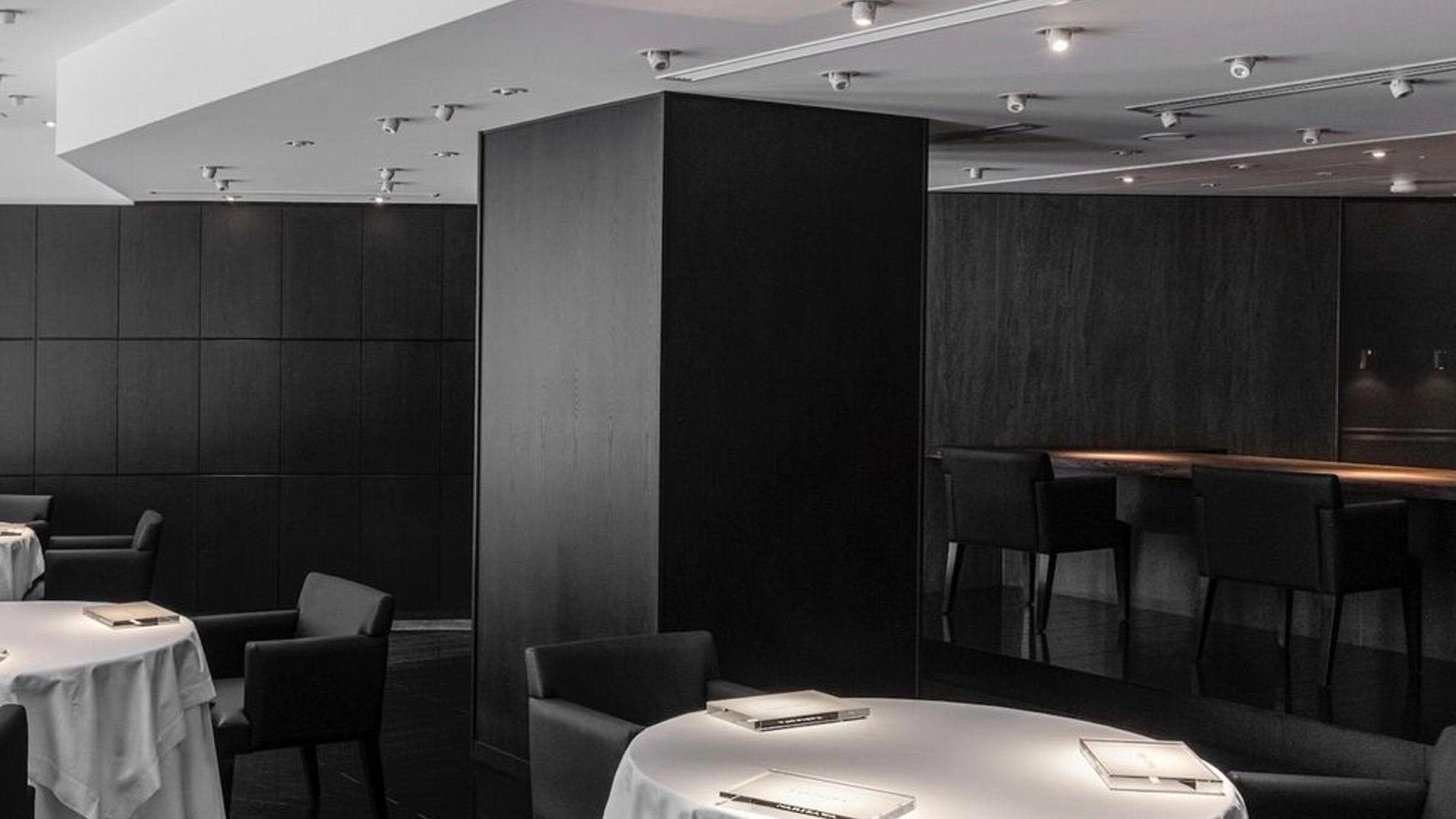
Room size matters. Eighteen table seats create a scale closer to specialist Japanese dining than to a large Chinese dining room. Private rooms for four, partitioned tables, and private use for up to 20 people push the experience toward contained-group dining. That makes the address useful for spice-led Chinese cooking without the noise profile of a banquet restaurant. It also explains the cost: the spend is partly on format and privacy, not only ingredients.
Otsuka's advantage is discretion, not central-Tokyo theatre
Otsuka sits on the JR Yamanote Line but keeps a different rhythm from Shinjuku, Shibuya, or Ginza. The dining scene is practical, mixed, and less dependent on international attention, fertile ground for restaurants that do not need a postcard address to attract serious diners. The station-area setting also shapes the itinerary: this is a north-central Tokyo dinner decision, suited to travelers exploring Ikebukuro, Sugamo, Koishikawa, or the quieter side of the Yamanote loop.
The 2026 Tabelog 100 recognition filters a category hard to judge from outside. Michelin coverage does not map cleanly onto every style of Chinese cooking in Tokyo, and English-language attention often clusters around ramen, sushi, and yakitori. Tabelog’s Chinese TOKYO list gives a local-market signal: this is not merely a convenient neighbourhood address, but part of the city’s narrower conversation around Chinese restaurants that reward advance planning.
The kitchen’s Chinese hot pot category matters in a city where premium dining often centers on individual progression. Hot pot shifts attention to broth, temperature, and the table’s social mechanics. In a small, partitioned room, the format becomes less about volume and more about pacing. Compared with Japanese counter formats, the value is not watching a single chef perform piece by piece, but sitting down to a shared structure with stronger communal logic.
Who gets the strongest return here
This is sharpest for travelers who understand Tokyo’s dining spread and want to move beyond the usual prestige categories. A first-time visitor chasing sushi counters, tempura bars, and hotel dining may not put Sichuan cooking high on the first itinerary. A repeat visitor, or anyone staying near the Yamanote Line’s northern arc, will read the offer differently. Tabelog recognition, small capacity, private-room options, and a serious but contained dinner band make sense for a planned evening with two to four diners.
It is also a practical alternative to the central wards when the goal is structure without ceremony for ceremony’s sake. The no-smoking policy, wheelchair accessibility, card acceptance, and family-friendly notation broaden the audience beyond the stereotype of a hard-edged spice room. Children are welcome, though the format remains adult in price and pacing. Strong perfume is discouraged, aligning with serious dining rooms across Japan where aroma, broth, and spice need room to register.
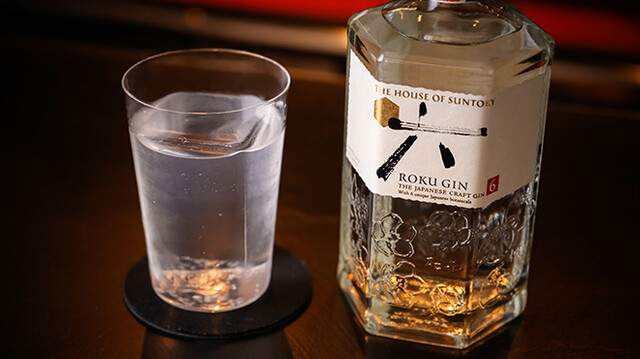
Alcohol planning is part of the decision. Drinks include shochu and wine, while outside alcoholic beverages are not accepted. Treat this as a self-contained dinner rather than a customizable private dining session.
For broader trip planning, compare the restaurant against the city rather than only the neighbourhood. EP Club’s wider Tokyo coverage includes Our full Tokyo restaurants guide, plus companion guides to Our full Tokyo hotels guide, Our full Tokyo bars guide, Our full Tokyo wineries guide, and Our full Tokyo experiences guide. Nearby and category-adjacent Tokyo references include. 鮪と炭火焼き うお炭 秋葉原店, 12/10 Shinjuku ten, 124. KAGURAZAKA (Yakitori), 2D Cafe, and 3 Chome no Curry Ya San. For Japan-wide contrast, see -Grilled beef Sukiyaki- KAMAKURA TANUKIAN 鎌倉 たぬき庵 in Kamakura,.cafe in Osaka,.know in Kumamoto, (Shoku) Vietnam in Kawasaki, [Curry Senmon Ten] Maruyama Kyoju. in Sapporo, and [ki:] in Kyoto. For a trans-Pacific comparison in Japanese drinking and casual food culture, EP Club also covers Jōdo Saké Bar in Los Angeles and Onigiri Time in Pasadena.
Price and Positioning
Comparable venues by price and recognition.
| Venue | Cuisine | Price | Awards | Notes |
|---|---|---|---|---|
| Sichuan Ryori KaeThis venue — the venue you are viewing | $$$ | , | ||
| Chinese Hanten Ichigaya ten | $$$ | , | Chiyoda, Seasonal Shanghai Chinese (Chuugokuhanten Ichigaya) | |
| NOGI | Minato, Chinese | $$$ | , | |
| jiubar | Shinjuku, Modern Chinese Bistro & Bar | $$$ | , | |
| Chinese Sai Lao Shisen Pyaoshan Ginza mitsukoshi ten | $$$ | , | Chūō, Traditional Sichuan by Piao Xiang in Ginza Mitsukoshi | |
| CHEF'S | $$$ | , | Shinjuku, Traditional Shanghai Chinese with a “subtractive” philosophy |





At a Glance
- Cozy
- Intimate
- Hidden Gem
- Sophisticated
- Classic
- Group Dining
- Celebration
- Special Occasion
- Family
- Date Night
- Standalone
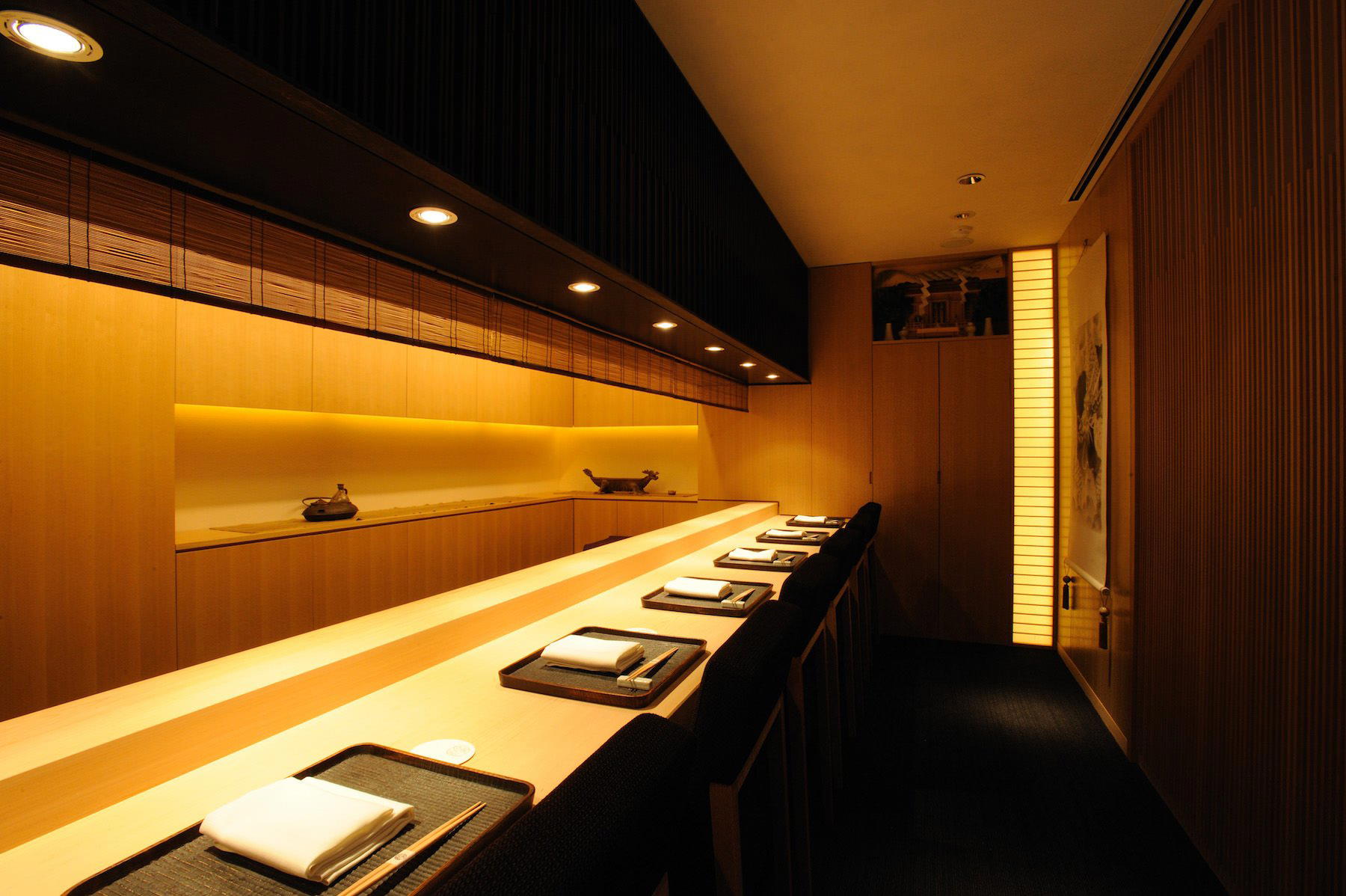
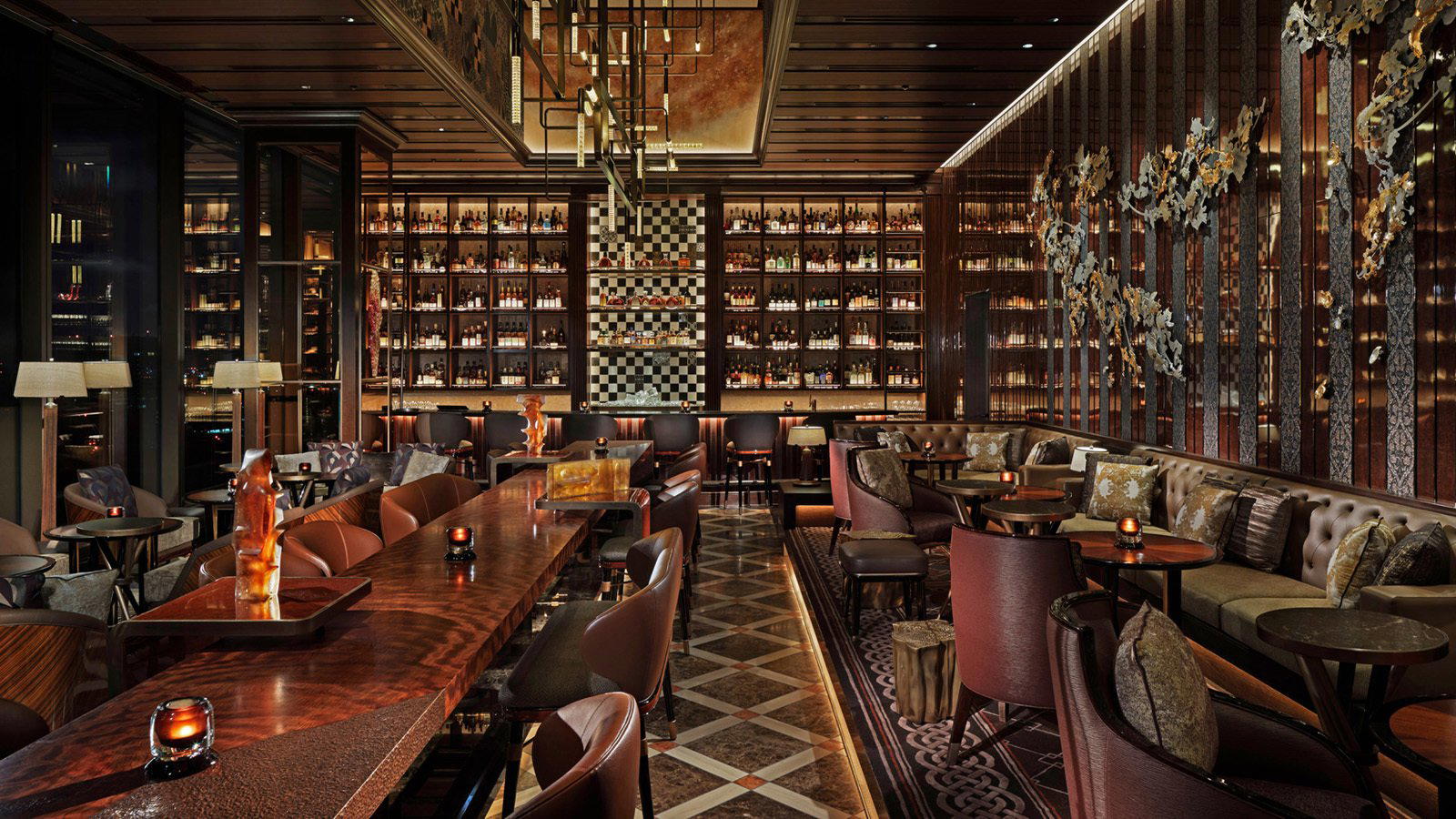
A cozy, tucked-away dining room with carefully selected river tables made from Mizunara oak and chef-painted wall art, creating a warm hideout feel.