
Shimura Tokujuen belongs to Tokyo’s smaller, neighbourhood-rooted yakiniku tier: a 17-seat Itabashi room with tatami seating, beef tongue and tripe in its stated category mix, and selection for Tabelog 100 Yakiniku Tokyo 2025. The draw is not Ginza polish, but a compact grill format where advance planning matters and the city’s outer-ward dining culture feels central rather than peripheral.
Pearl is the En Primeur Club membership app — saves, bookings, and concierge access live there. Same editors, same standards.
- Address
- 2 Chome-9-4 Shimura, Itabashi City, Tokyo 174-0056, Japan
- Phone
- +81 3-3965-3957
- Website
- shimura-tokujuen.com
 Saves & bookings on Pearl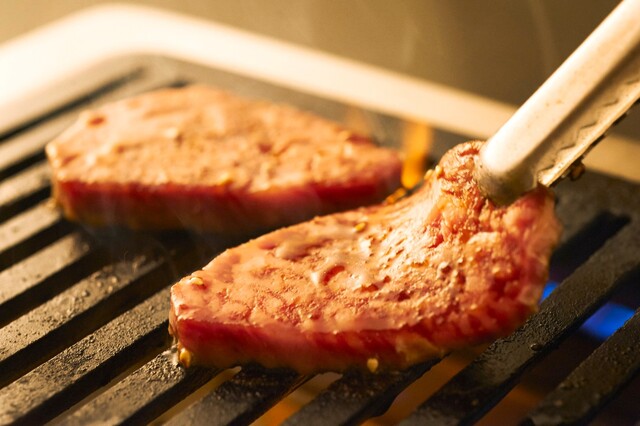
Approach this Tokyo yakiniku through scale: four tables, tatami seating, and a small room built around charcoal, tongs and conversation rather than a chef’s counter or hotel dining room. In Itabashi, that scale makes the meal feel more like a local evening out than a destination tasting menu, while still demanding precision from diners. Arrive with a plan, expect pacing to follow the grill, and know compact rooms do not absorb late decisions gracefully.
Shimura Tokujuen sits in an outer-ward register. Tokyo’s premium dining map is often read through central addresses, but yakiniku has broader geography: station-adjacent rooms, family-run tables and specialist beef houses that build loyalty through repeat use, not spectacle. Residential, practical Itabashi, away from hotel-and-shopping corridors, makes a meal here about Tokyo’s everyday restaurant culture as much as grilled beef.
Itabashi yakiniku, measured by intimacy rather than theatre
Tokyo yakiniku runs from budget chains to high-spend wagyu counters. The useful distinction is control: how meat is cut, seasoning applied, and the room manages heat, time and turnover. Here, the small format makes those details the organizing principle. Orders are cut and seasoned individually after being placed, slower than rapid-fire plate delivery at larger grill rooms.
Yakiniku is not passive dining. The table cooks, the kitchen calibrates, and drinks must support fat and char. The listed drinks are recognisably Japanese: sake, shochu and wine, with particular attention to sake and shochu. For beef, that mix is more useful than a generic international list: sake handles salt and sweetness; shochu works with smoke and offal; wine covers richer cuts.
The cuisine categories are telling: yakiniku, gyutan and tripe. Beef tongue and tripe push the table beyond marbled beef as status object toward cuts that define serious grill culture across Japan and Korea-influenced Tokyo dining. A small yakiniku room earns loyalty not by luxury theatre, but by handling texture, slicing and seasoning consistently enough that regulars return for specific cuts.
Recognition gives the address wider relevance. Selection for Tabelog 100 Yakiniku Tokyo 2025 places Shimura Tokujuen in a citywide grill conversation, not just a local recommendation. It was also selected for Tabelog Yakiniku Tokyo 2023 and 2024, showing continuity rather than a single-year spike. Tabelog’s Hyakumeiten lists are not Michelin stars, but in Japan they carry category-specific weight, especially for ramen, curry, tonkatsu and yakiniku, where local diners track rankings closely.
A compact room changes the way the meal works
The room’s limits are central. Seventeen seats, split between table seating and tatami rooms, create a different social contract from a large urban yakiniku hall: less anonymity, less kitchen slack, and less room for indecision. During busy periods, the venue may use a two-hour limit; common in small Tokyo restaurants, but especially relevant for grill dining, where cooking speed partly depends on the guest.
Tokyo visitors often over-index on central districts because logistics feel safer, but that flattens the city. Itabashi asks for a deliberate evening and offers Tokyo dining not organised around international luxury cues. The nearest station context places the meal in a daily-life corridor rather than a grand dining district. For a broader food itinerary, that contrast matters: a yakitori night in Kagurazaka, a curry stop near Ginza, and a yakiniku reservation in Itabashi reveal more than repeating the same central circuit.
The price tier reinforces the position. Dinner sits in the JPY 8,000 to JPY 9,999 band, with review-based spend higher at JPY 10,000 to JPY 14,999. In Tokyo yakiniku terms, this is a serious evening without the rarefied pricing of luxury wagyu counters. Order with intention: beef tongue and tripe are part of the venue’s identity, and the grill format rewards groups sharing cuts rather than treating the meal as one main course.
Payment and room structure affect suitability. Credit cards are accepted; electronic money and QR code payments are not. Private rooms are not listed, but private use is available for groups up to 20, an unusual quirk given the stated seating count and a reminder that small Japanese restaurants often use flexible social formats. Children are welcome, including babies, preschoolers and school-age children, though the small room requires consideration for nearby tables.
How to place it within a Tokyo food itinerary
Read this address as a counterweight to Tokyo’s central dining mythology. A visitor using Our full Tokyo restaurants guide could pair outer-ward yakiniku with other city formats: seafood-led casual dining at . 鮪と炭火焼き うお炭 秋葉原店, skewers at 124. KAGURAZAKA (Yakitori), curry at 3 Chome no Curry Ya San, or a graphic café detour at 2D Cafe. 12/10 Shinjuku ten belongs to a different Shinjuku rhythm, precisely the point: Tokyo food culture is a network of micro-scenes, not a single hierarchy.
Comparison within the nearby affordable end of Tokyo dining clarifies the choice. Chuka Soba Ibuki, Kotobuki Seimen Yoshikawa Nishidai ekimae ten, Ishida Ya, Miyako Wakemise and Sanuki Udon Iwai occupy cheaper or simpler categories in the broader area. Yakiniku at this level is a different commitment: longer, more social, more dependent on pacing, and substantially more expensive. The choice is between a quick local meal and a grill-focused evening.
For wider planning, the food stop can sit alongside city context from Our full Tokyo hotels guide, drinks planning through Our full Tokyo bars guide, cellar-minded browsing via Our full Tokyo wineries guide, and non-restaurant scheduling in Our full Tokyo experiences guide. Travellers extending beyond Tokyo can compare beef formats at -Grilled beef Sukiyaki- KAMAKURA TANUKIAN 鎌倉 たぬき庵 in Kamakura, then widen the map through.cafe in Osaka.know in Kumamoto, (Shoku) Vietnam in Kawasaki, [Curry Senmon Ten] Maruyama Kyoju. in Sapporo, [ki:] in Kyoto, Jōdo Saké Bar in Los Angeles and Onigiri Time in Pasadena.
The editorial case is strongest for diners who want Tokyo yakiniku without the central-district performance layer. Shimura Tokujuen offers a compact Itabashi version of the genre, backed by repeated Tabelog category recognition and a format that makes smallness meaningful. Treat it as an evening plan, not a casual fallback.
A Credentials Check
Comparable venues by price and recognition.
| Venue | Cuisine | Price | Notes |
|---|---|---|---|
| Shimura TokujuenThis venue — the venue you are viewing | Japanese Yakiniku (Beef Tongue Speciality) | $$$ | Not listed |
| Akagi | Traditional Japanese Izakaya with Aged Eel | $$$ | Taitō |
| Pretty Pork Factory & Katsu Puripo | Pork-focused Japanese shabu-shabu, samgyeopsal & tonkatsu | $$$ | Shibuya |
| Kuroda | Yakiniku (Japanese BBQ) | $$$ | Shibuya |
| Tempura Osaka | Seasonal Tempura Omakase | $$$ | Minato |
| Onikuya Keisuke Sannanbo | Refined Yakiniku & Beef Tongue in Hiroo | $$$ | Shibuya |
Recognition history
Dated appearances from independent guides and award organizations, with the underlying list record or original source where available.
Tabelog 100 #61 · No. 61
Tabelog · Tabelog 100 - Yakiniku - TOKYO - 2025








At a Glance
- Classic
- Cozy
- Intimate
- Sophisticated
- Group Dining
- Celebration
- Business Dinner
- Private Event
- Private Dining
- Standalone
- Beer Program
- Sake Program
Current opening hours
- Monday
- Closed
- Tuesday
- 5–11 PM
- Wednesday
- 5–11 PM
- Thursday
- 5–11 PM
- Friday
- 5–11 PM
- Saturday
- 5–11 PM
- Sunday
- 5–10 PM
Hours can change for holidays and private events. Last verified .
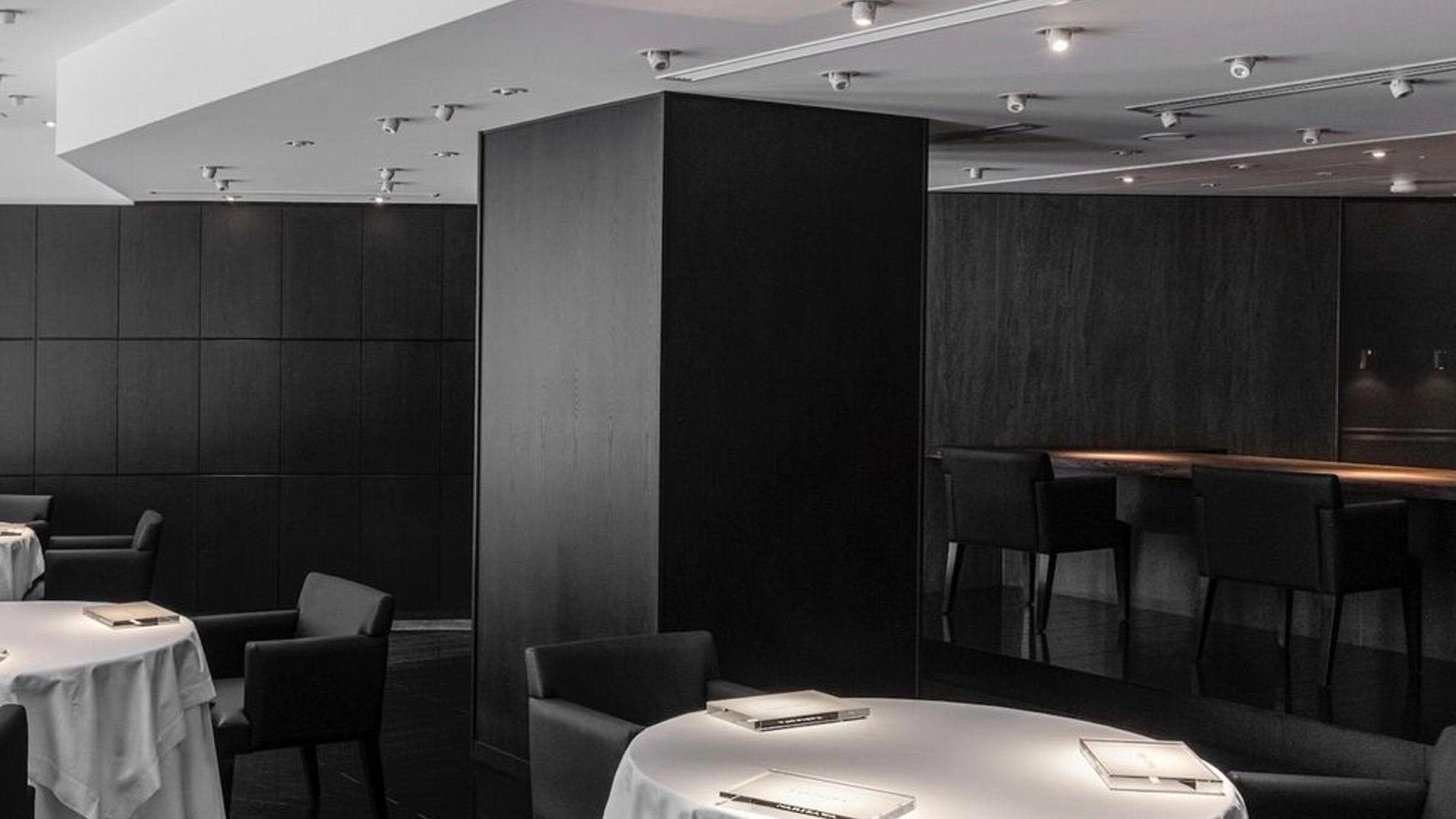
Classic small-room yakiniku atmosphere with an intimate, reservation-driven feel; the focus is on the meat rather than views or a showy design.