
Shikinoaji Enzu sits in Nara's Omiyacho district, earning a Michelin Bib Gourmand in 2025 for Japanese cooking that holds to the city's quieter culinary register. At a mid-range price point, it offers a measured, seasonal approach to the meal in a city better known for temples than dining rooms..
Pearl is the En Primeur Club membership app — saves, bookings, and concierge access live there. Same editors, same standards.
- Address
- 6 Chome-5-14 Omiyacho, Nara, 630-8115, Japan
- Phone
- +81 742-36-0634
- Directions
- Get directions
 Saves & bookings on Pearl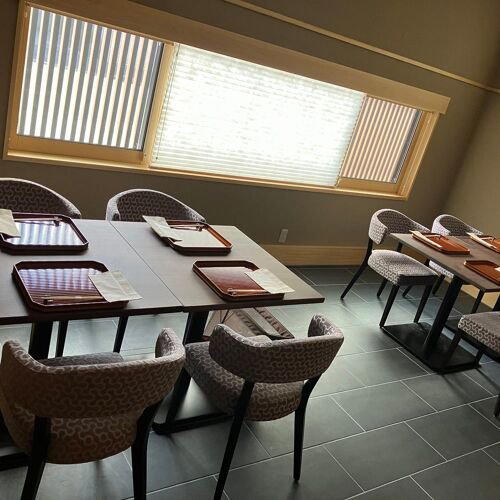
Eating in the Shadow of the Deer Park
Nara's dining scene operates at a different frequency from Osaka or Kyoto. The city draws visitors on day-trip schedules, which means most restaurants along the main tourist corridors serve to the clock rather than the occasion. The streets around Omiyacho, where Shikinoaji Enzu sits at 6 Chome-5-14, sit at a remove from that foot-traffic economy. The neighbourhood has a residential density that keeps it quieter, and the restaurants that survive here tend to do so on the strength of repeat local patronage rather than guidebook spillover. That context matters before you even open the door.
In Japan, the act of sitting down to a proper Japanese meal carries its own grammar. The pacing is deliberate: arrival before the kitchen begins, a moment to settle, an acknowledgment between kitchen and table that the meal is about to move through its stages. This ritual structure is not distinctive to high-end kaiseki; it runs through mid-range Japanese restaurants with any seriousness about the work. At the ¥¥ price point, Shikinoaji Enzu sits in a tier where that grammar still applies but without the formal weight of a full kaiseki counter. Meals here are positioned between the efficient and the ceremonial, which, in a mid-size Japanese city outside the major tourist circuits, is where honest cooking often happens.
The 2025 Bib Gourmand and What It Signals
Michelin's Bib Gourmand classification, awarded to Shikinoaji Enzu in 2025, is a specific designation: it identifies restaurants offering food inspectors consider worth the journey at a price point below the star tier. In practical terms for a Nara restaurant, it means the kitchen has passed a level of scrutiny that most of the city's dining rooms have not. Nara's Michelin presence is thin compared to Kyoto or Osaka, which makes a Bib Gourmand in the city a more pointed signal than the same award in a more saturated market. For a reference point on what the upper tiers of the region look like, Gion Sasaki in Kyoto and HAJIME in Osaka represent the starred end of the Kansai spectrum; Enzu operates deliberately below that register, both in price and formality.
7 across 33 reviews is an early but consistent signal. The low review count reflects the restaurant's position outside the main tourist infrastructure rather than any lack of quality. Restaurants with primarily local clientele in secondary Japanese cities accumulate online reviews slowly; the absence of volume is a structural feature of that market, not a red flag.
The Rhythm of the Meal
The editorial angle worth taking seriously here is how Shikinoaji Enzu fits into the broader Japanese mid-range dining ritual. At this price tier across Japan, the meal tends to unfold in a set format: small appetisers that establish the seasonal register, a sequence of dishes that build in weight and temperature, and a close that returns to simplicity. The kitchen controls the pace; the guest surrenders to it. This is not the same experience as ordering à la carte in a Western sense. Even at ¥¥ pricing, the expectation in a serious Japanese restaurant is that you arrive without a schedule conflict and give the kitchen the time it asks for.
Seasonal rotation is close to non-negotiable in this category of Japanese cooking. The menu at a restaurant like Enzu shifts with the agricultural calendar. Yamato vegetables, a category of heritage vegetables cultivated in Nara Prefecture, have a documented culinary history that predates most of Japan's modern fine dining infrastructure. The broader context of cooking seriously in Nara often includes local produce.
For comparison within Nara's own mid-range tier, Ajinotabibito Roman and Ajinokaze Nishimura occupy adjacent positions. At the upper end of the city's Japanese dining register, Oryori Hanagaki, Tsukumo, and NARA NIKON (¥¥¥) represent the tier above. Enzu's Bib Gourmand positions it as one formally recognised option at its price point in the city.
Placing Enzu in the Wider Japanese Context
The Bib Gourmand category in Japan has become a meaningful tier in its own right over the past decade, as Michelin's inspections deepened into secondary cities and moved away from a purely luxury-restaurant focus. Restaurants like Myojaku in Tokyo and Azabu Kadowaki in Tokyo operate in a much denser competitive field; a Bib Gourmand in Tokyo means something different from the same award in a city where the total number of recognised restaurants is smaller. In Nara, the designation carries more weight per unit because there are fewer restaurants competing for inspector attention in the first place.
This is also worth reading alongside the trajectory of Japanese cities outside the main tourism triangle of Tokyo, Kyoto, and Osaka. Cities like Fukuoka, visible in the work of restaurants such as Goh, and outliers like 1000 in Yokohama and 6 in Okinawa, have developed identifiable dining identities in the past decade. Nara's version of that story is slower-moving, partly because the city's visitor infrastructure is less developed and partly because the local population is smaller. Enzu's 2025 recognition is one data point in that longer arc.
Planning the Visit
The restaurant is located at 6 Chome-5-14 Omiyacho, a short distance from Nara's central area but outside the main tourist corridors. Booking in advance is advisable. Arriving early and without a hard departure time is consistent with the pacing expectations of serious Japanese restaurant meals at any price point.
For a fuller picture of dining in the city, our full Nara restaurants guide maps the range from mid-tier to the upper tier. If you are planning accommodation alongside the meal, our Nara hotels guide covers the options. Rounding out a Nara visit: bars, wineries, and experiences guides cover the full itinerary.
What's the must-try dish at Shikinoaji Enzu?
What the 2025 Michelin Bib Gourmand tells you is that inspectors found the kitchen's output worth directing visitors toward at its price point. In a mid-range Japanese restaurant in Nara, one reliable approach is to follow the set menu or the day's seasonal recommendation rather than ordering selectively, which is also the rhythm the kitchen is designed to deliver.
Where the Accolades Land
Comparable venues nearby, for context on price, style, and recognition.
| Venue | Cuisine | Price | Awards | Notes |
|---|---|---|---|---|
| Shikinoaji EnzuThis venue — the venue you are viewing | Seasonal Kappo | $$ | Bib Gourmand | Not listed |
| Tori Yamaguchi | Yakitori - Yamato Chicken | $$ | Bib Gourmand | Kashihara |
| Chukasoba Oshitani | Modern Chukasoba Ramen | $$ | Bib Gourmand | Nara |
| Nikutoieba Matsuda | Wagyu Kappo Kaiseki | $$$ | Michelin Plate | Naizencho |
| Noto Toto Teuchisoba Tabiki | Handmade Teuchi Soba | $$ | Bib Gourmand | Nara |
| Naramachi Sushi Hanako | Traditional Sushi Omakase | $$$ | Michelin Plate | Nara |
Recognition history
Dated appearances from independent guides and award organizations, with the underlying list record or original source where available.
Michelin Bib Gourmand
Michelin
Continue exploring
More in Nara
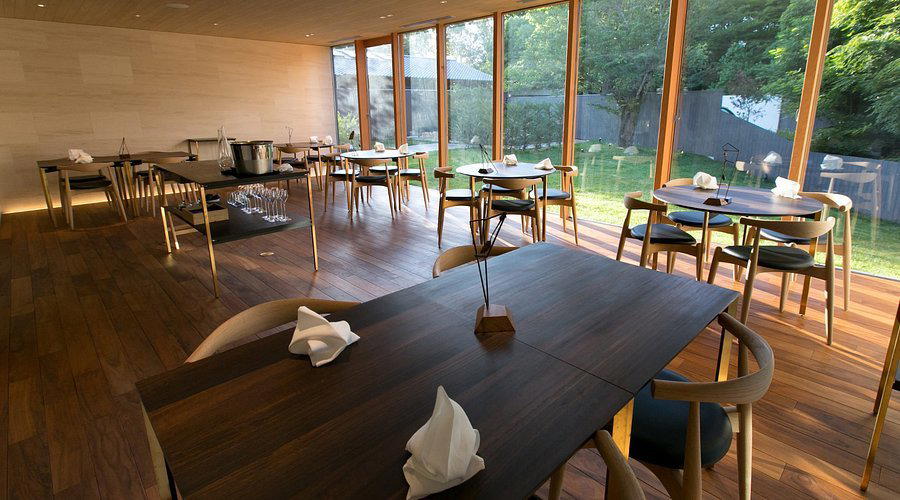




Bars in Nara
Browse all →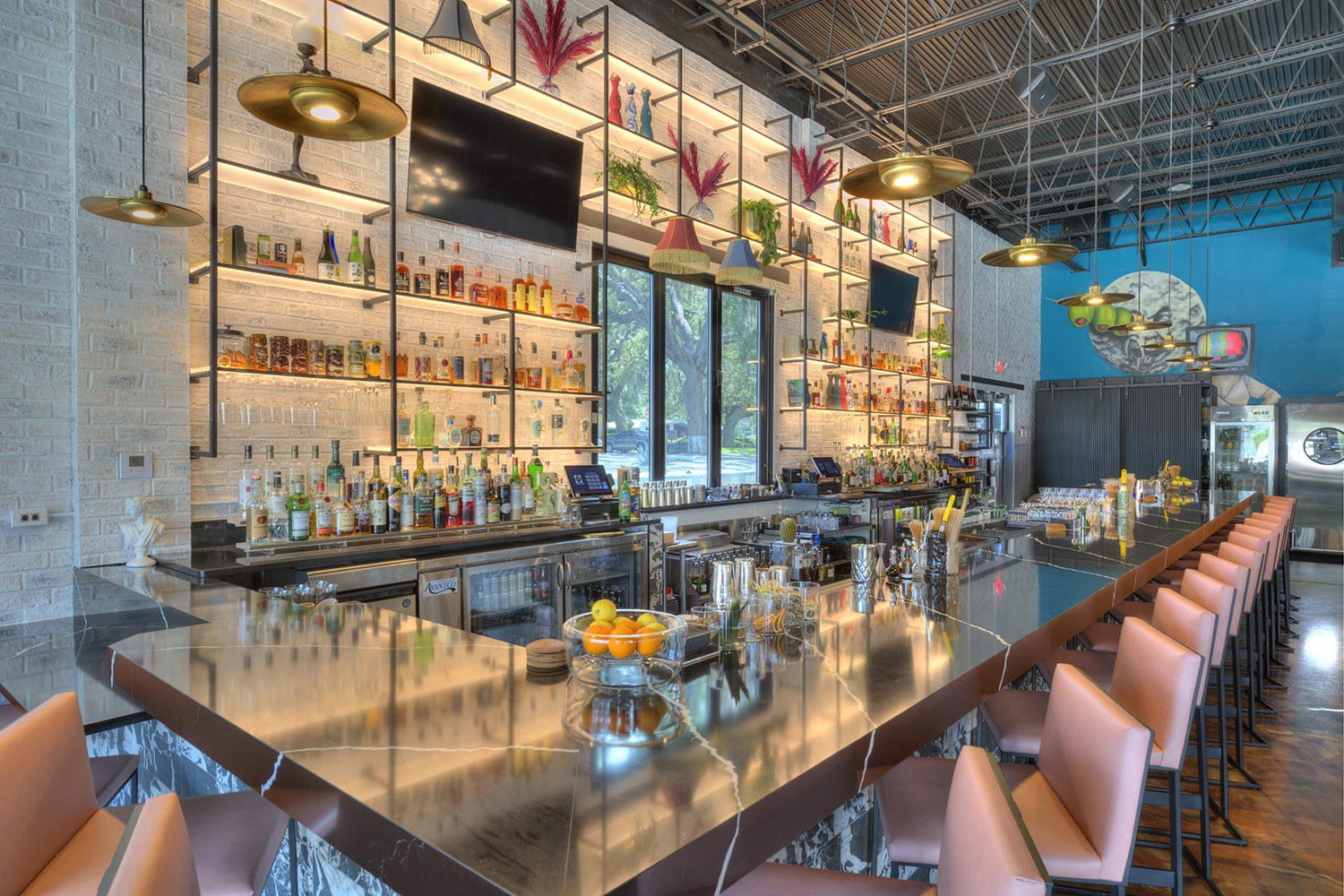




Hotels in Nara
Browse all →




Wineries in Nara
Browse all →
At a Glance
- Cozy
- Intimate
- Date Night
- Solo
- Casual Hangout
- Chefs Counter
- Open Kitchen
- Sake Program
- Local Sourcing
Current opening hours
- Monday
- 6 PM–3 AM
- Tuesday
- 6 PM–3 AM
- Wednesday
- 6 PM–3 AM
- Thursday
- 6 PM–3 AM
- Friday
- 6 PM–3 AM
- Saturday
- 6 PM–3 AM
- Sunday
- Closed
Hours can change for holidays and private events. Last verified .
Cozy triangular bar seating with mellow blues music, subtle cedar perfume, soft washi lantern glow, and warm, welcoming atmosphere.