
Sifon Choi Yoshida brings a compact Chinese dining format to Roppongi, with counter seating, tables, wine service, and a fish-focused kitchen placing it in Tokyo’s more intimate premium Chinese tier. Its 2026 Tabelog 100 selection gives the room a clear trust signal, while the scale keeps the experience closer to a controlled salon than a hotel dining room.
Pearl is the En Primeur Club membership app — saves, bookings, and concierge access live there. Same editors, same standards.
- Address
- 東京都港区六本木4-4-2 ヒルサイドパレス六本木 1F
- Phone
- +817040043072
- Website
- tabelog.com
 Saves & bookings on Pearl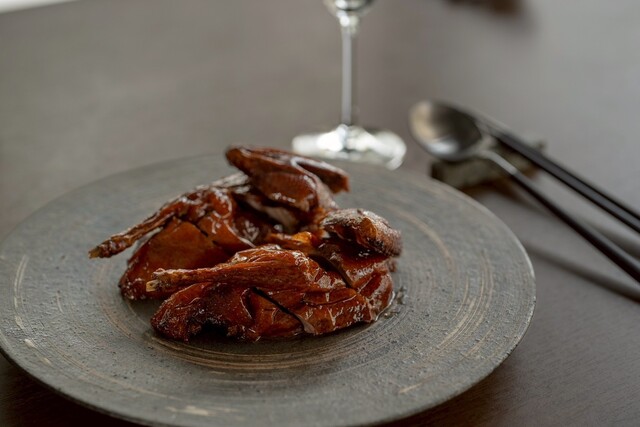
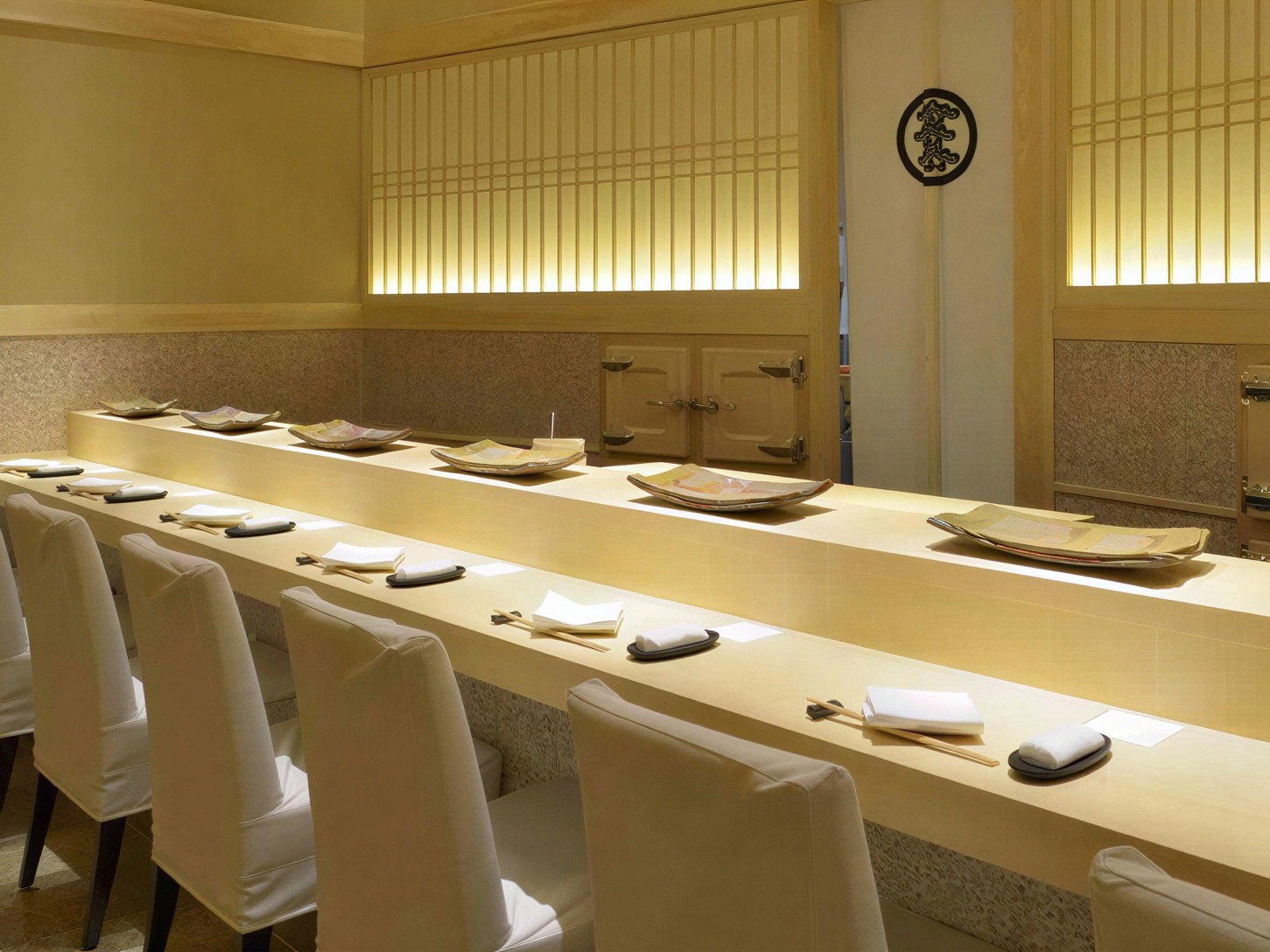
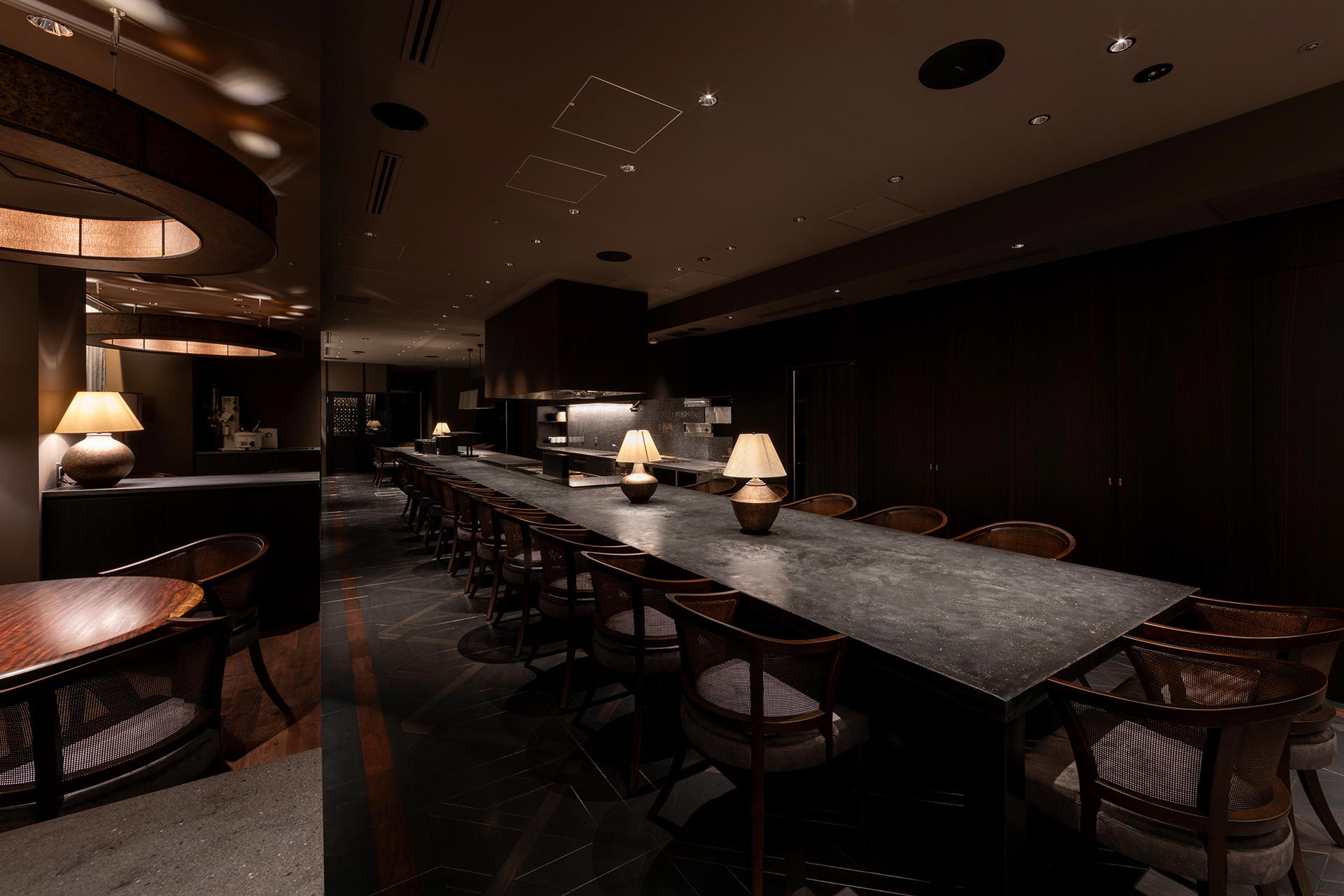
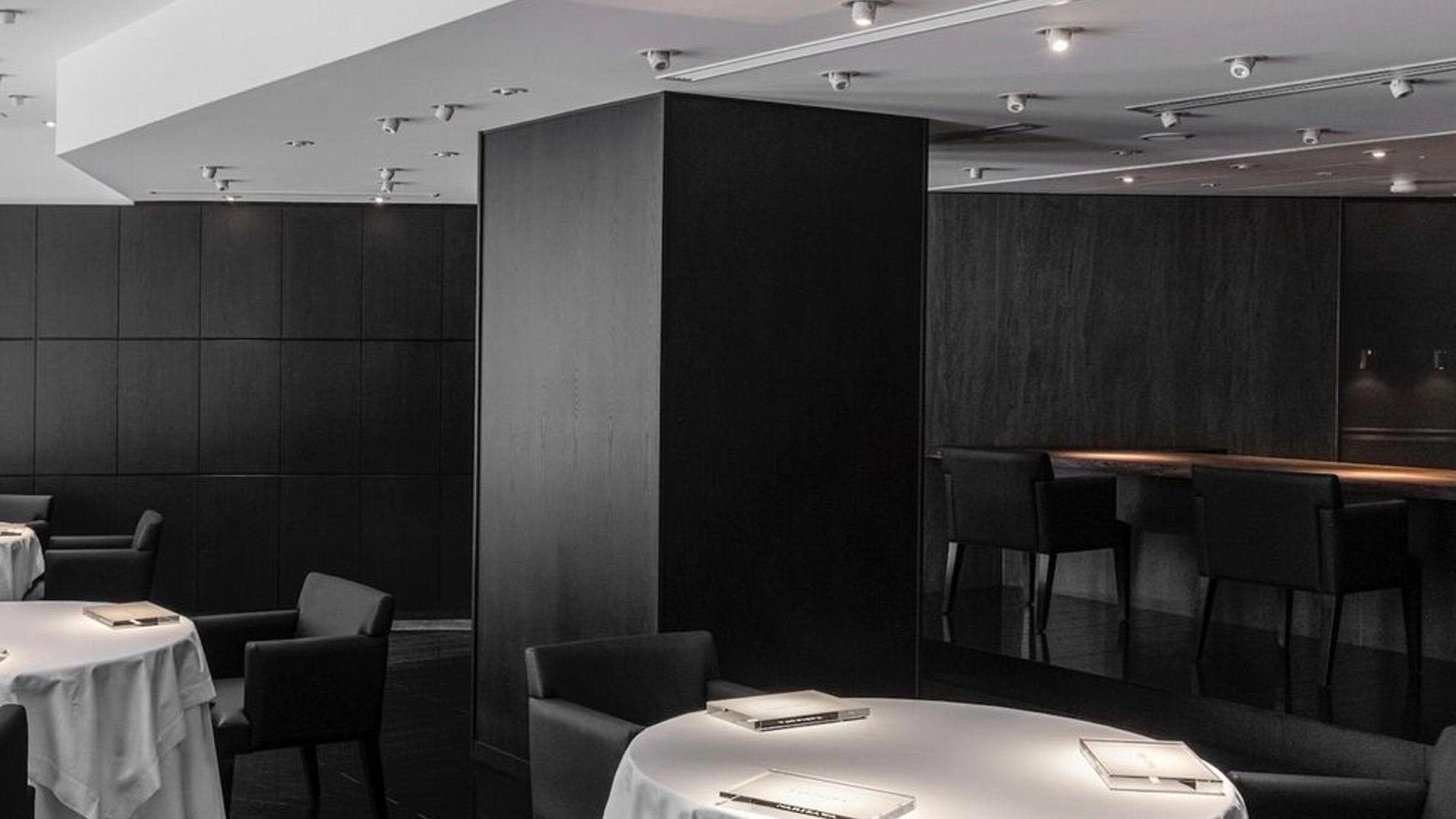
Roppongi dining often announces itself with height, glass, and hotel polish. The better counterpoint is smaller: edited entrances, tight footprints, and tables that feel considered before the menu arrives. Sifon Choi Yoshida fits that category. Its Minato address sits in the late-night orbit, but the format is contained: 20 seats, including a six-seat counter and a handful of tables. In Tokyo’s premium Chinese scene, that scale matters, shifting the meal from banquet logic toward pacing, sightlines, and service rhythm.
Tokyo has long treated Chinese cooking as both luxury dining and neighbourhood comfort, splitting the category between grand Cantonese rooms, Sichuan specialists, and chef-led counters that borrow intimacy from sushi and kappo culture. Sifon Choi Yoshida sits in the latter conversation. Its 2026 selection for Tabelog 100 Chinese cuisine in Tokyo gives it a public benchmark in a crowded field, while its Tabelog score of 3.92 moves it beyond casual discovery, into the range where diners compare format, service depth, and drink programme, not just category.
A Roppongi room built around proximity, not spectacle
The physical container is the point. Six counter seats change how Chinese food reads in Tokyo: less procession, more immediacy. Table seating adds flexibility, but the small count prevents the anonymous rhythm of a large dining floor. It feels closer to Tokyo’s specialist restaurants than to the banquet-room model that still defines much formal Chinese dining across Asia.
Roppongi suits this restaurant because the neighbourhood absorbs contradictions: business dinners, late arrivals, embassy-adjacent regulars, and international diners without demanding one house style. English menus and English-speaking staff are not cosmetic; they change the booking calculus for travellers who want Chinese cooking in Tokyo without losing the precision and compactness of Japanese counter dining.
The room also reflects Tokyo’s premium-casual shift. The old binary between formal luxury and everyday neighbourhood restaurant is less useful. A 20-seat Chinese restaurant with counter seating, wine attention, and a no-smoking policy occupies a newer middle tier: polished enough for a serious dinner, small enough to avoid feeling staged. For a broader itinerary, place it beside compact formats in Our full Tokyo restaurants guide, then pair the night with drinking rooms from Our full Tokyo bars guide or hotels from Our full Tokyo hotels guide.
Chinese cooking through a Tokyo lens of control
The kitchen is listed as Chinese, with an emphasis on fish. That matters more than a generic cuisine label. Tokyo’s strongest Chinese restaurants succeed when they stop imitating scale and use local discipline: seafood handling, compact sequencing, lighter room management, and a tempo suited to smaller parties. Sifon Choi Yoshida fits that direction, with shochu, wine, cocktails, and a sommelier available, suggesting a drinks programme built for pairing across textures rather than a token bottle list.
One named dish shapes planning: Pigeon Aroma Fried, which must be ordered by the day before the reservation. That signals a restaurant where certain items sit outside same-night decision-making, and where diners who treat the booking as part of the meal get more from the format. The recommendation of one pigeon for two people also points to sharing rather than a rigid tasting-menu posture.
Tokyo comparisons sharpen the positioning. IRUCA TOKYO represents ramen precision at a far lower price tier, Ryuzu sits in French fine dining, and Sushi Sagawa occupies a higher sushi bracket. They are not direct substitutes, but they show a traveller’s serious-dinner decision tree: noodle craft, French structure, sushi ceremony, or a compact Chinese room with counter intimacy. Sifon Choi Yoshida is for diners who want Chinese technique filtered through Tokyo’s preference for small rooms and controlled service.
For a wider view of how Tokyo fragments by format, casual addresses such as . 鮪と炭火焼き うお炭 秋葉原店, 12/10 Shinjuku ten, 124. KAGURAZAKA (Yakitori), 2D Cafe, and 3 Chome no Curry Ya San show how sharply the city separates purpose, price, and setting. The lesson is not that every room competes; Tokyo rewards choosing by format first.
How to read it against a wider Japan itinerary
Travellers often overpack Tokyo with sushi and kaiseki, then treat Chinese dining as secondary. That misses one of the city’s quieter strengths. Chinese restaurants in Tokyo can be exacting without copying Hong Kong or Shanghai, and smaller ones often show how Japanese hospitality reframes another cuisine. Here, the counter-and-table layout, multilingual service, and wine attention suit visitors who want a premium dinner without entering the more rule-bound world of omakase.
The practical personality is specific. Children of school age are welcome, a kids menu is available, and non-spicy preparations can be requested, rare enough in this price band to affect group planning. Private use is available for up to 20 people, matching the full seating count, so the room can become a controlled private dinner rather than a partitioned corner of a larger restaurant. Payment is broad, including major credit cards, transport IC cards, and QR payments, another sign of a mixed local and international audience.
Outside Tokyo, Japan’s dining map changes quickly by region and format. Travellers continuing through the country might compare the city’s compact premium rooms with -Grilled beef Sukiyaki- KAMAKURA TANUKIAN 鎌倉 たぬき庵 in Kamakura,.cafe in Osaka,.know in Kumamoto, (Shoku) Vietnam in Kawasaki, [Curry Senmon Ten] Maruyama Kyoju. in Sapporo, and [ki:] in Kyoto. Internationally, Jōdo Saké Bar in Los Angeles and Onigiri Time in Pasadena show how Japanese dining ideas travel differently. For non-restaurant planning, keep Our full Tokyo wineries guide and Our full Tokyo experiences guide separate from dinner; this is a room to anchor a night, not squeeze between appointments.
The case is simple: Sifon Choi Yoshida is not trying to be Roppongi’s grand Chinese restaurant. Its value is the opposite: a small room, counter proximity, and selective food-and-drink frame that make Chinese dining feel precise rather than expansive. In Tokyo, that is often the more persuasive luxury.
At-a-Glance Comparison
Comparable venues at similar price and category levels.
| Venue | Cuisine | Price | Awards | Notes |
|---|---|---|---|---|
| Sifon Choi YoshidaThis venue — the venue you are viewing | Traditional Cantonese à la carte | $$$ | , | |
| Mikokoro Mutenka China 935 | Additive‑Free Modern Chinese | $$$ | , | Chiyoda |
| Chinese Sai ARATA | Modern Sichuan Chinese with Japanese wine pairings | $$$ | , | Chūō |
| Santa Hanten | Chinese Fine Dining | $$$ | , | Minato |
| Renge Equriosity Shinbashi | Modern Shanghai Chinese Fine Dining | $$$$ | , | Chūō |
| Fushue | Chinese restaurant | $$ | , | Chūō |







At a Glance
- Cozy
- Casual
- Hidden Gem
- Date Night
- Solo
- After Work
- Casual Hangout
- Special Occasion
- Chefs Counter
- Standalone
A small, relaxed Chinese dining room with counter seats and a few tables, designed for unpretentious but high-quality Cantonese dining where guests can take their time over shared dishes.[1][3][7]