
Chinese Raika Shikunshiso belongs to Tokyo’s polished Chinese dining tier, where seafood sourcing, wine service, and private-room utility matter as much as regional identity. Its 2026 Tabelog 100 selection for Chinese cuisine in Tokyo, 53-seat format, and Hibiya setting place it closer to business dining and occasion meals than casual neighbourhood Chinese.
Pearl is the En Primeur Club membership app — saves, bookings, and concierge access live there. Same editors, same standards.
- Address
- Japan, 〒100-0006 Tokyo, Chiyoda City, Yurakucho, 1 Chome−1−2 東京ミッドタウン日比谷 3F
- Phone
- +81 3-6273-3327
- Website
- rai-ka.com
 Saves & bookings on Pearl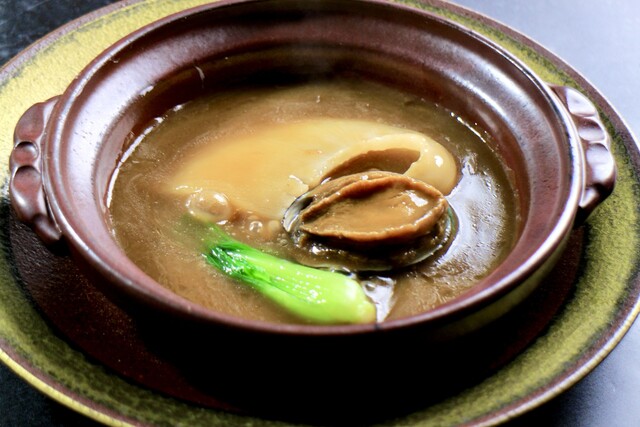
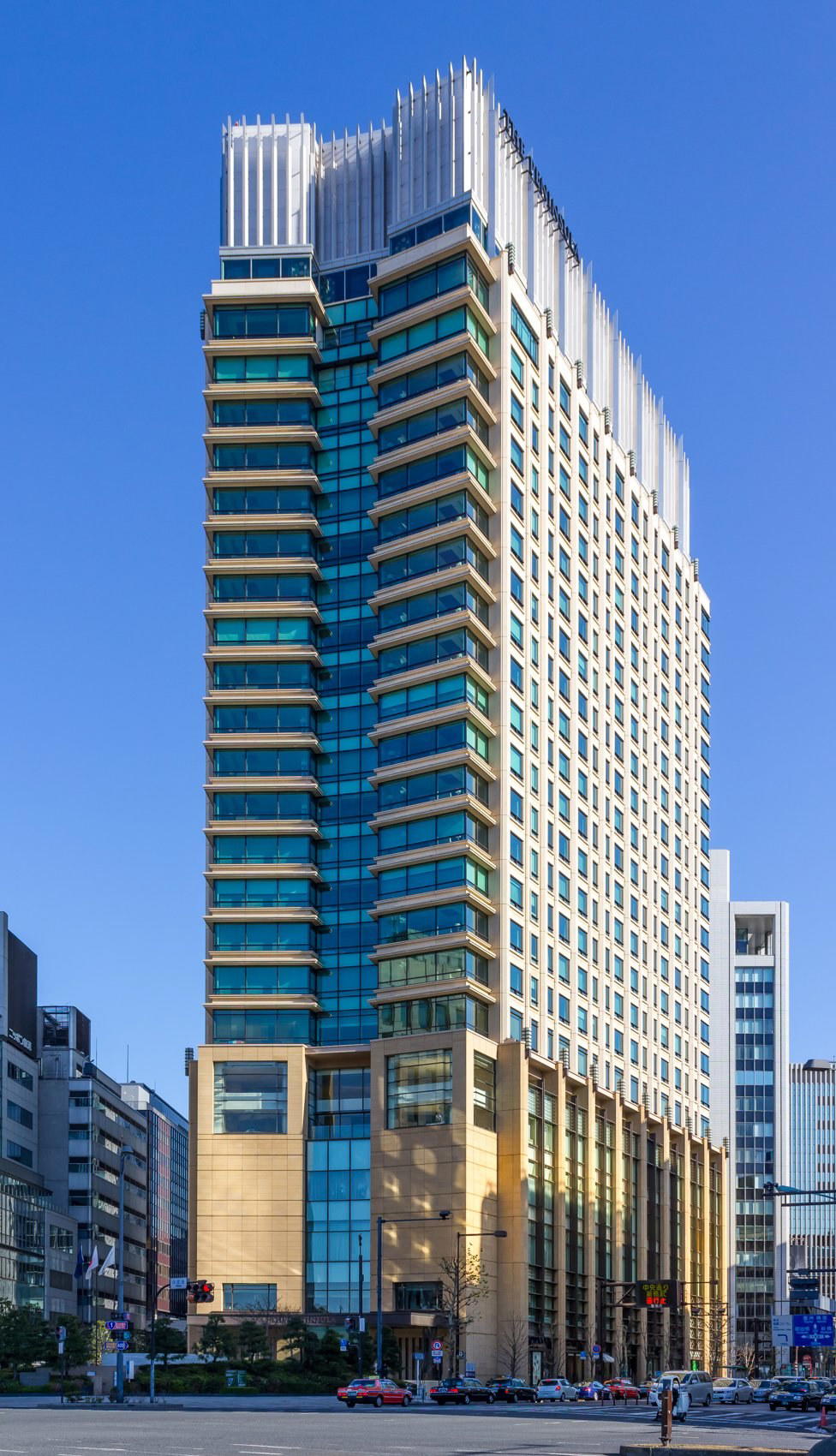
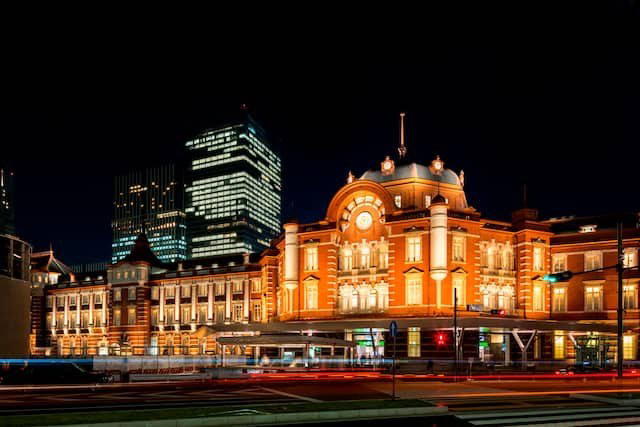
Tokyo Midtown Hibiya sets the mood before the meal: glass, theatre crowds, office traffic, and the calm of an upper-floor dining room above one of the city’s best-connected commercial corners. Here, Chinese dining is not late-night comfort or banquet nostalgia, but a composed urban format for seafood, wine, family tables, and business rooms in the same sitting.
That matters in Tokyo, where Chinese cuisine spans old-school Cantonese rooms, Sichuan specialists defined by heat, ceremonial hotel dining, and modern Shanghai-leaning restaurants tuned to lighter, seasonal, ingredient-led meals. Chinese Raika Shikunshiso sits in the latter conversation. Its public-facing category spans Chinese, wine bar, and seafood, a combination that explains the meal better than décor could: produce, fish, and pairing flexibility over regional cliché.
Seafood-led Chinese cooking in a city that judges ingredients first
Tokyo diners tend to interrogate ingredients before technique, an instinct shaped by sushi counters, kappo rooms, and market culture. Premium Chinese restaurants now compete on fish quality, seasonal references, and restraint as much as on luxury. A kitchen can serve shark fin or Peking duck and still be judged by how it handles seafood, vegetables, and sauces.
The menu signals support that reading. The restaurant identifies fish as a focus, lists a health-and-wellness menu, and gives seafood equal billing with Chinese cooking and wine. Those details move it away from heavy banquet stereotypes and toward the contemporary Tokyo model: Chinese technique adapted to Japanese expectations of seasonality, portion rhythm, and clarity. The room belongs to the same citywide conversation that lets diners move from sushi to kaiseki to polished Chinese without treating those categories as separate worlds.
Recognition adds weight. The restaurant was selected for Tabelog 100 Chinese cuisine Tokyo in 2026, and its public score is 3.73. Tabelog’s Chinese list is not a Michelin-style star system, but in Tokyo it remains useful because the field is deep and fragmented. A Chinese room in Hibiya competes with other Chinese restaurants as well as nearby Japanese, Italian, sushi, and theatre-adjacent options. In that mix, selection for a cuisine-specific Tokyo list matters.
Comparisons help only when they sharpen the decision. Sushi Namba and RyuGin belong to different traditions, yet show the same citywide pressure: precision, sourcing, and controlled pacing carry more authority than spectacle. In Hibiya, Le Petitmec HIBIYA Hibiya ten offers another kind of urban convenience, while 南禅寺 瓢亭 日比谷店 and サローネ トウキョウ show how the district absorbs Kyoto formality, Italian polish, and business-friendly dining under one roof. Against that backdrop, Chinese cooking here reads as another expression of Hibiya’s curated, adult-facing restaurant culture.
The room is built for grown-up utility, not counter theatre
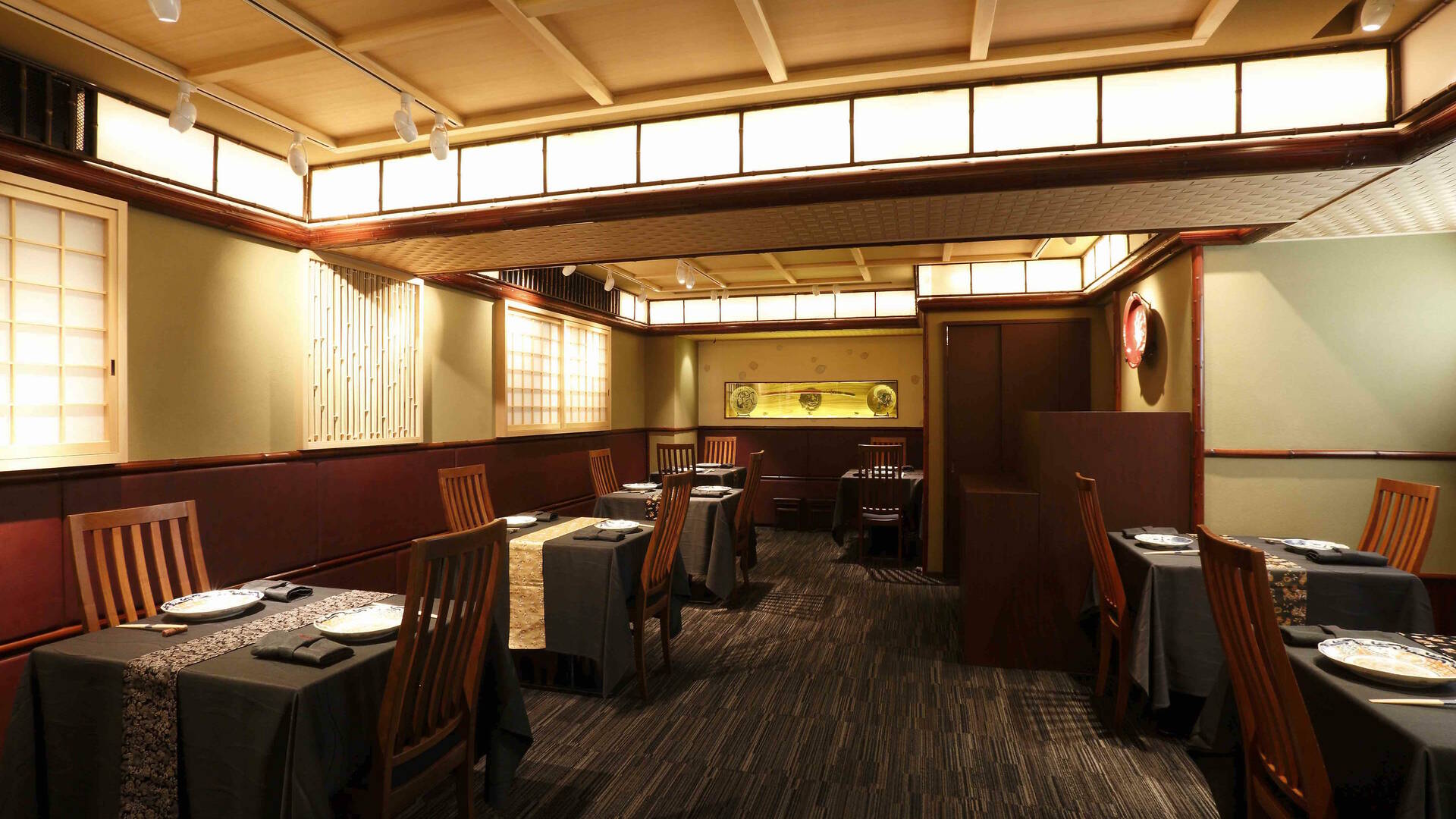
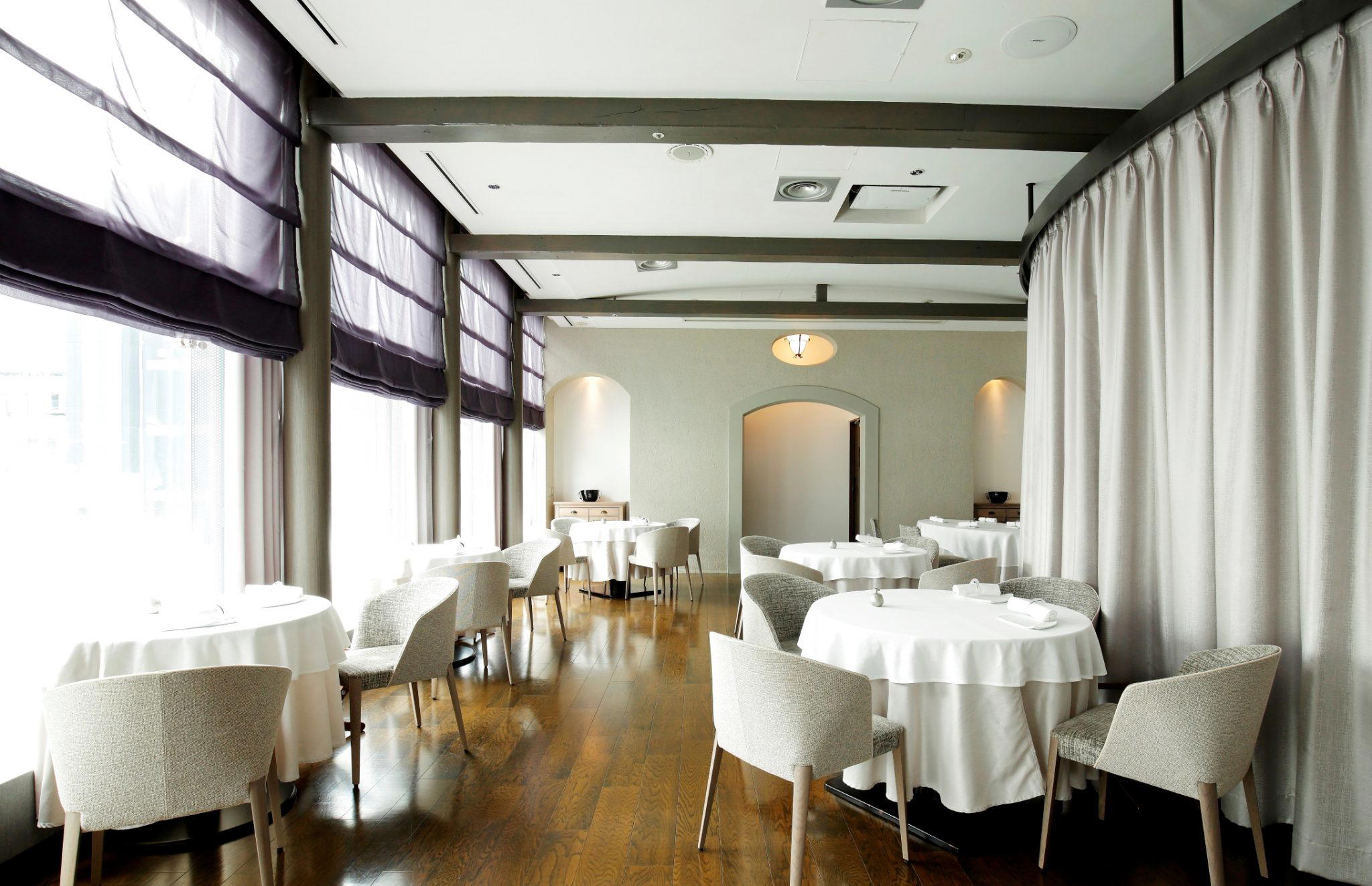
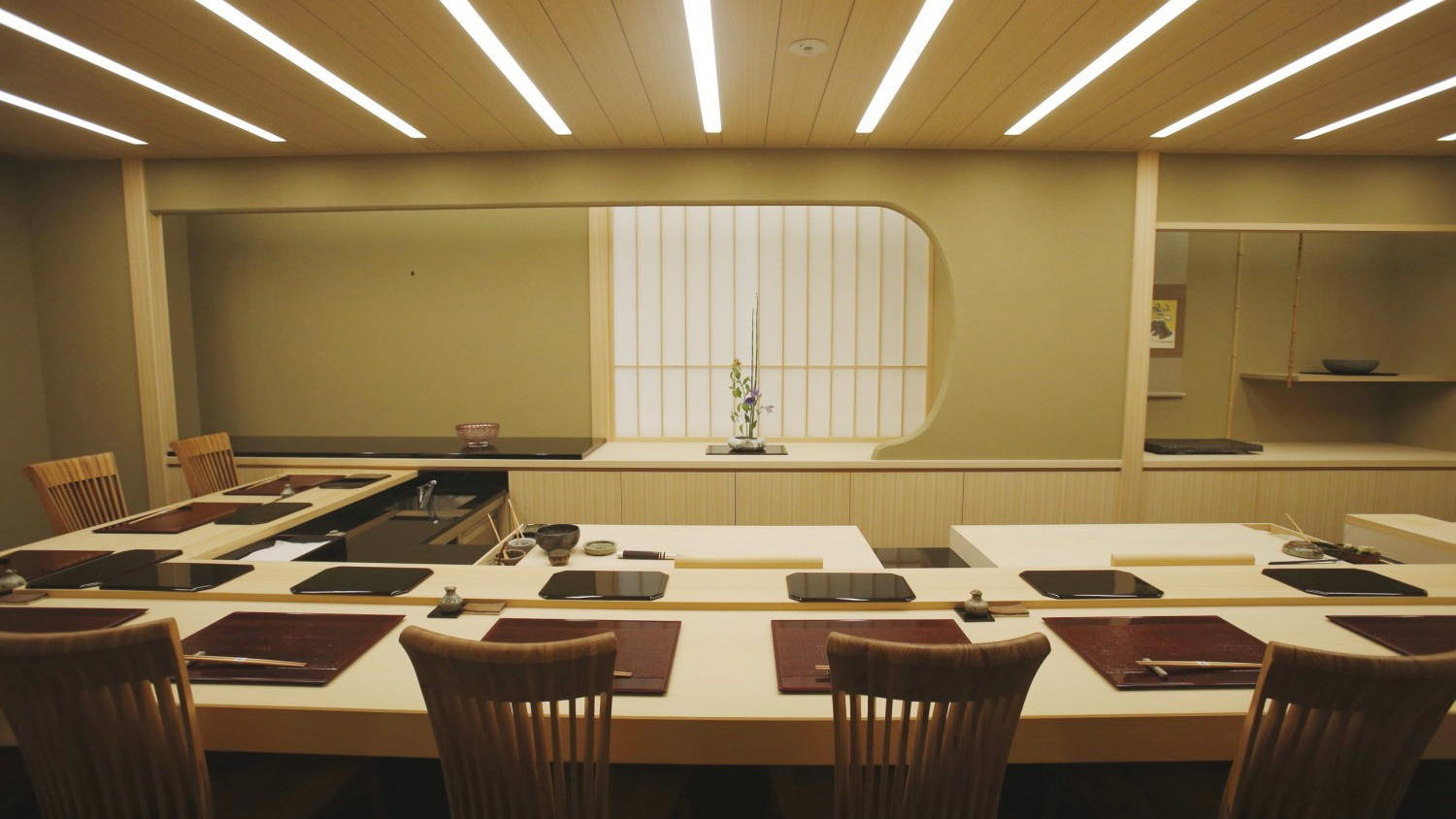
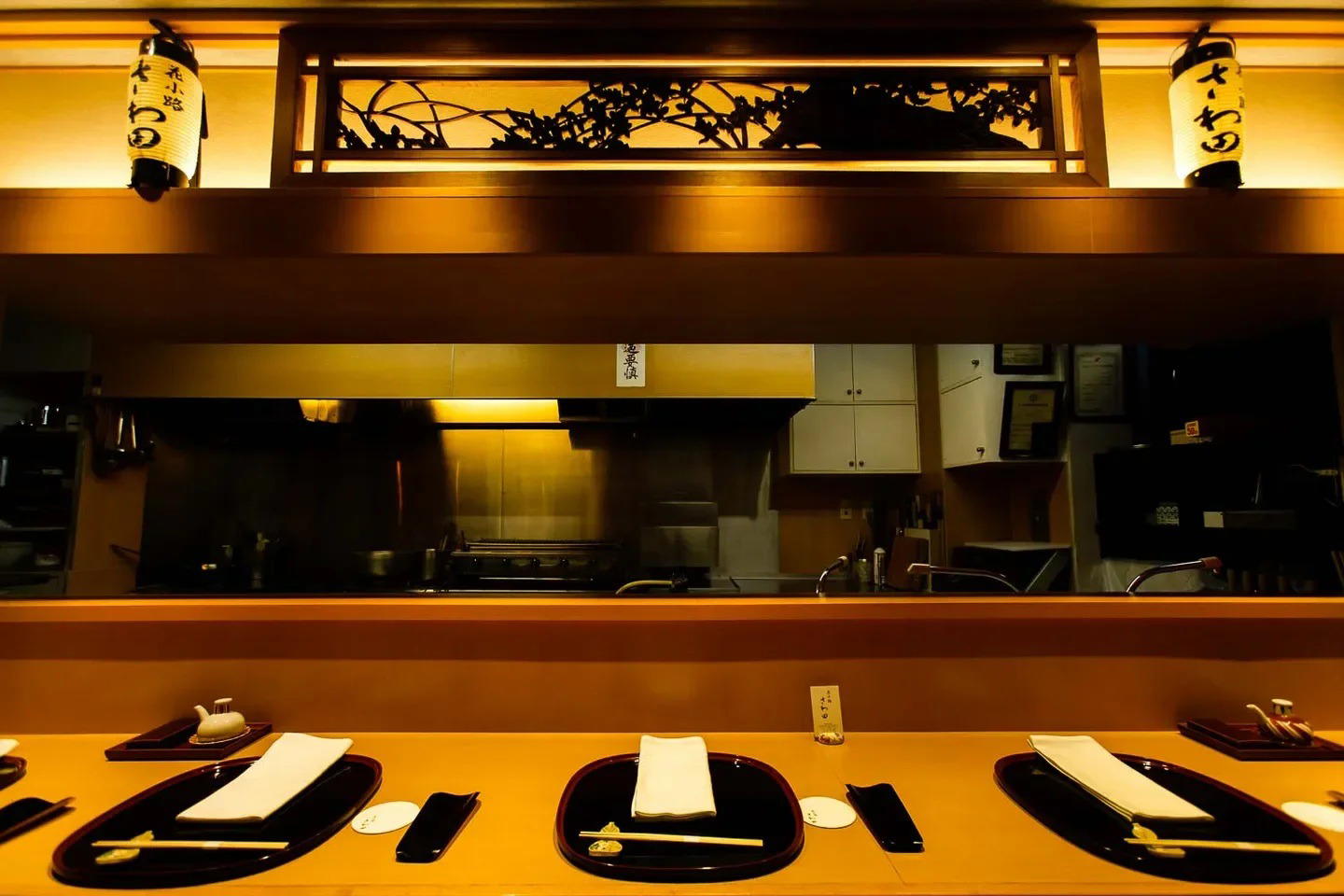
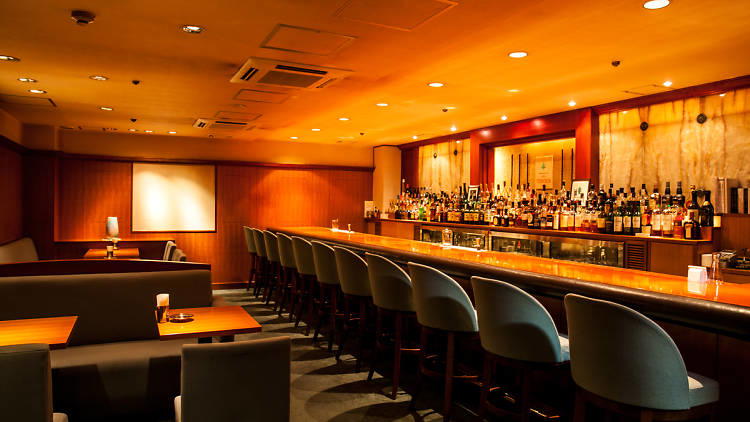
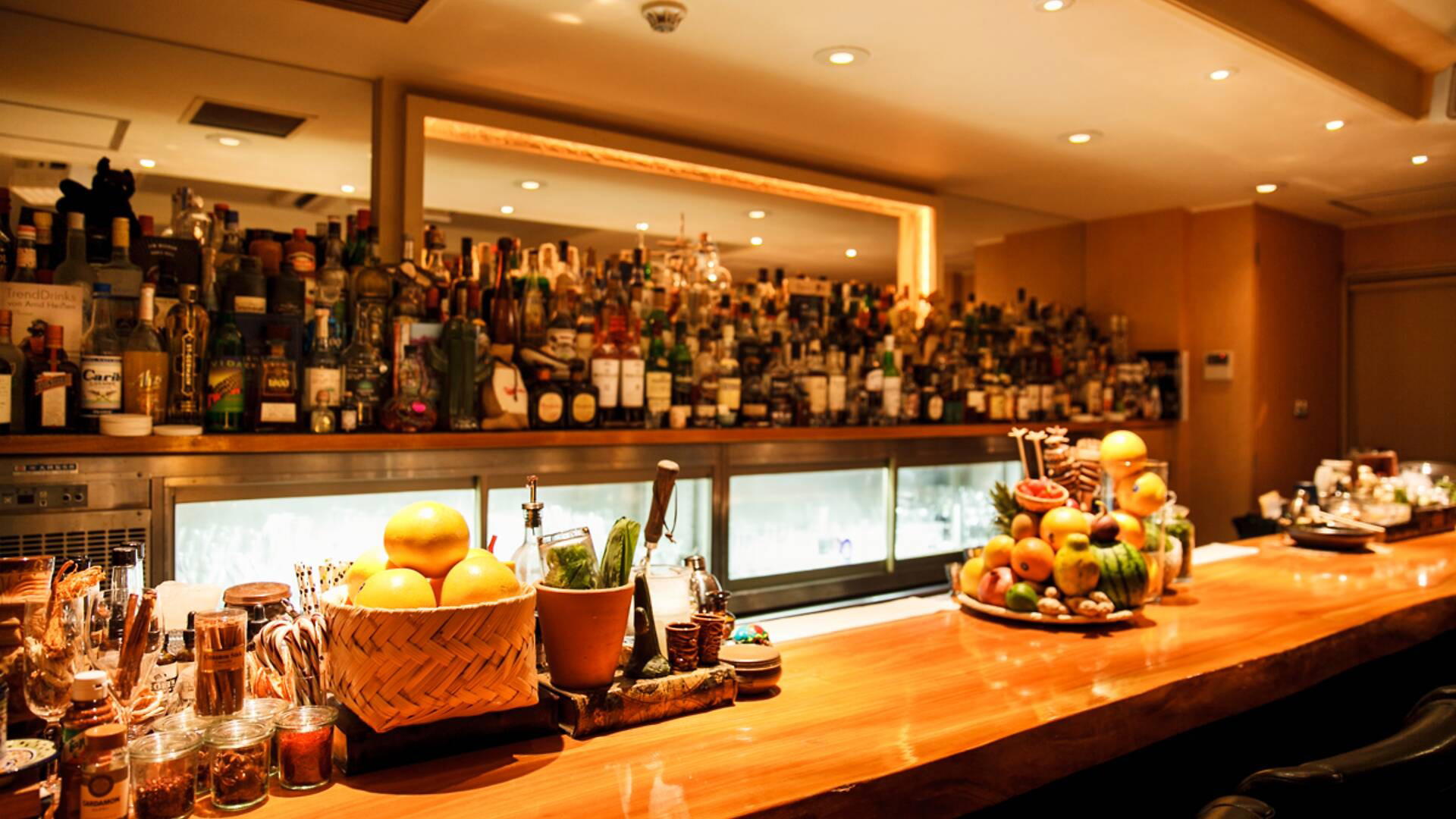
Tokyo’s premium dining often celebrates small counters, chef proximity, and reservation scarcity. This format moves differently. A 53-seat restaurant with private rooms, counter seating, sofa seating, and an open terrace covers client dinners, multi-generation meals, birthdays, and evenings when conversation matters more than choreography. That does not make it less serious; it makes it more useful.
The private-room structure is especially telling. Rooms are available for small groups and larger parties, with private use listed for 20 to 50 people. In Tokyo, that suits hosts who need control: no cramped counter, forced tasting-menu silence, or awkward fit for children or senior guests. A sommelier and drinks list spanning sake, shochu, wine, and cocktails widen the brief. Chinese food in Japan has long had a lower-end wine problem; rooms like this address it by making wine service part of the experience, not an afterthought.
Hibiya also has a strategic neighbourhood advantage. Between Ginza, Marunouchi, Kasumigaseki, and Yurakucho, it draws theatregoers, executives, families, and visitors staying around Tokyo Station or Ginza. The district rewards restaurants that can handle both a precise lunch and a longer evening. For a broader read on the city’s dining range, Our full Tokyo restaurants guide is the natural next stop; travellers building a fuller itinerary can also cross-reference Our full Tokyo hotels guide, Our full Tokyo bars guide, Our full Tokyo wineries guide, and Our full Tokyo experiences guide.
How to think about it within a Tokyo itinerary
This is not for diners chasing counter intimacy or chef-led performance. It is stronger when the brief is ingredient-conscious Chinese food in a polished room, with seafood, wine, and group flexibility doing the heavy lifting. Lunch and dinner pricing bands create two use cases: a lighter midday entry point and a more formal evening tier, with service charge to factor into the final spend.
The sourcing angle is the reason to pay attention. Tokyo has enough technically competent restaurants that technique alone is not sufficient. Here, the case rests on Chinese cuisine translated through local expectations: fish-forward, seasonal, wine-aware, and formatted for occasions requiring comfort without hotel stiffness. For readers comparing across Japan and beyond, useful contrasts include. 鮪と炭火焼き うお炭 秋葉原店, 12/10 Shinjuku ten, 124. KAGURAZAKA (Yakitori), 2D Cafe, 3 Chome no Curry Ya San, -Grilled beef Sukiyaki- KAMAKURA TANUKIAN 鎌倉 たぬき庵 in Kamakura,.cafe in Osaka,.know in Kumamoto, (Shoku) Vietnam in Kawasaki, [Curry Senmon Ten] Maruyama Kyoju. in Sapporo, [ki:] in Kyoto, Jōdo Saké Bar in Los Angeles, and Onigiri Time in Pasadena.
The editorial read is clear: Chinese Raika Shikunshiso is for diners who want Tokyo’s polished Chinese register without losing the practical advantages of a larger room. The award recognition, seafood emphasis, wine service, and private-room structure point to the same conclusion: Hibiya Chinese dining built for adults making plans, not for trend-chasing.
Side-by-Side Snapshot
Nearby venues at a similar price tier for orientation.
| Venue | Cuisine | Price | Awards | Notes |
|---|---|---|---|---|
| Chinese Raika ShikunshisoThis venue — the venue you are viewing | Seasonal Nouvelle Chinese with Shanghai crab and shark fin specialties | $$$ | , | |
| Shangri-La's secret ROPPONGI | Yunnan Mushroom Hot Pot | $$$ | , | Minato |
| Chinese Hanten Mita ten | Classic Chinese restaurant known for Peking duck | $$$ | , | Minato |
| Shinkirow | Omakase Sichuan Chinese | $$$ | , | Itabashi |
| Kohakukyu | Cantonese and Shanghainese Fine Dining | $$$ | , | Chiyoda |
| Chuogo Hanten Mita | Traditional Chinese with Peking Duck | $$$ | Minato |


At a Glance
- Elegant
- Modern
- Sophisticated
- Romantic
- Intimate
- Business Dinner
- Date Night
- Celebration
- Group Dining
- Special Occasion
- After Work
- Private Dining
- Wine Cellar
- Design Destination
- Standalone
- Panoramic View
- Extensive Wine List
- Sommelier Led
- Garden
- Skyline
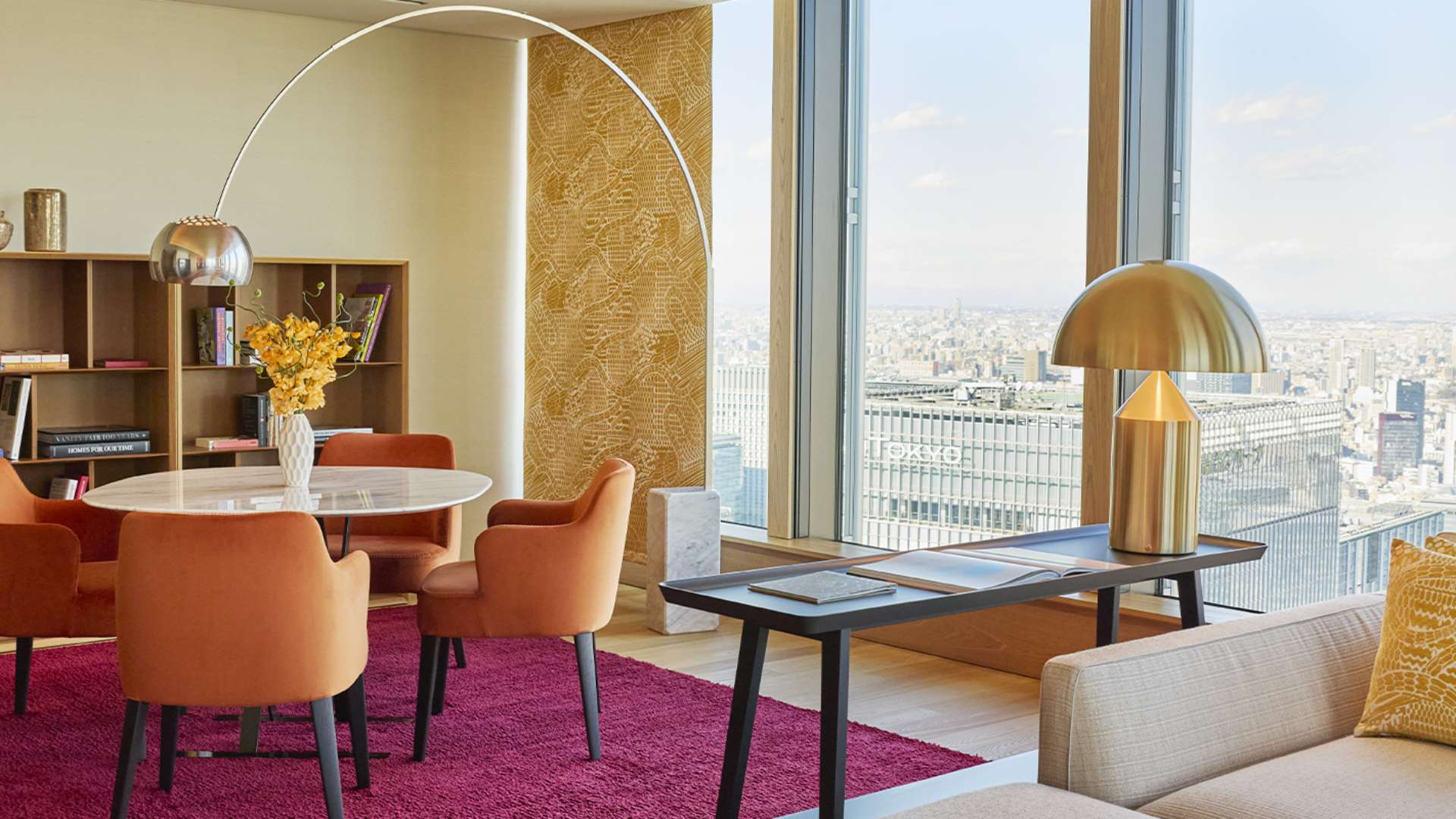
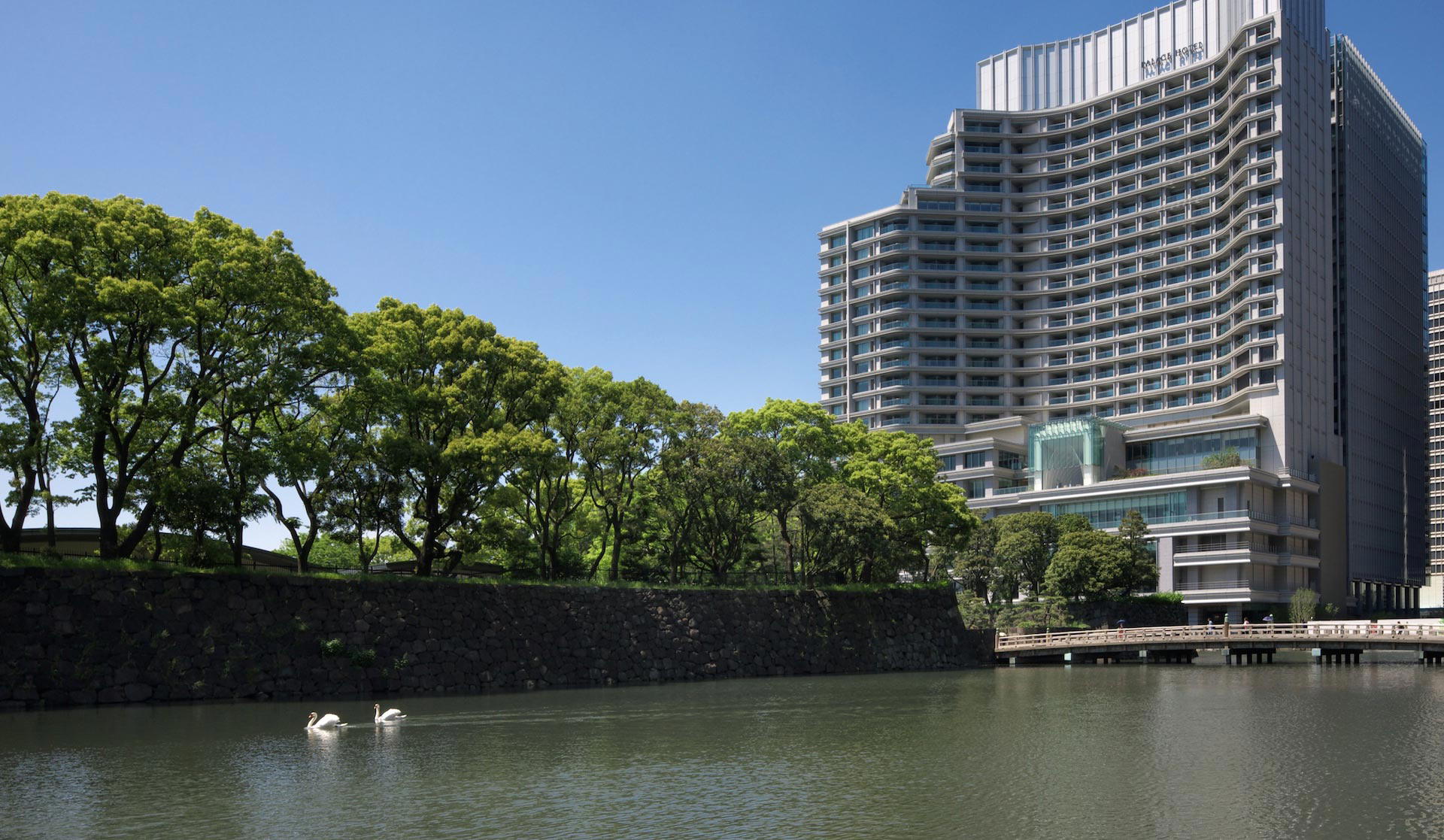
Upscale and quietly sophisticated, with modern decor, soft lighting, and a calm atmosphere suited to celebrations or business dining, plus private rooms that feel intimate while the main dining room offers open views of the surrounding greenery and city.