Servia
Our verdict
Servia occupies a telling address on State Street, steps from the Financial District's edge and the waterfront energy that has reshaped Boston dining over the past decade. With a positioning that sits at the intersection of local sourcing and technique-driven cooking, it belongs to a tier of Boston restaurants where craft and context carry equal weight. An address worth tracking for anyone mapping the city's more considered dining options.

Pearl is the En Primeur Club membership app, where members save venues, book tables and use the concierge.

The menu
What to order
- Mediterranean Sampler
- Four Cheese Ancient Grain Pitza
State Street, Where the City's Eating Has Quietly Changed
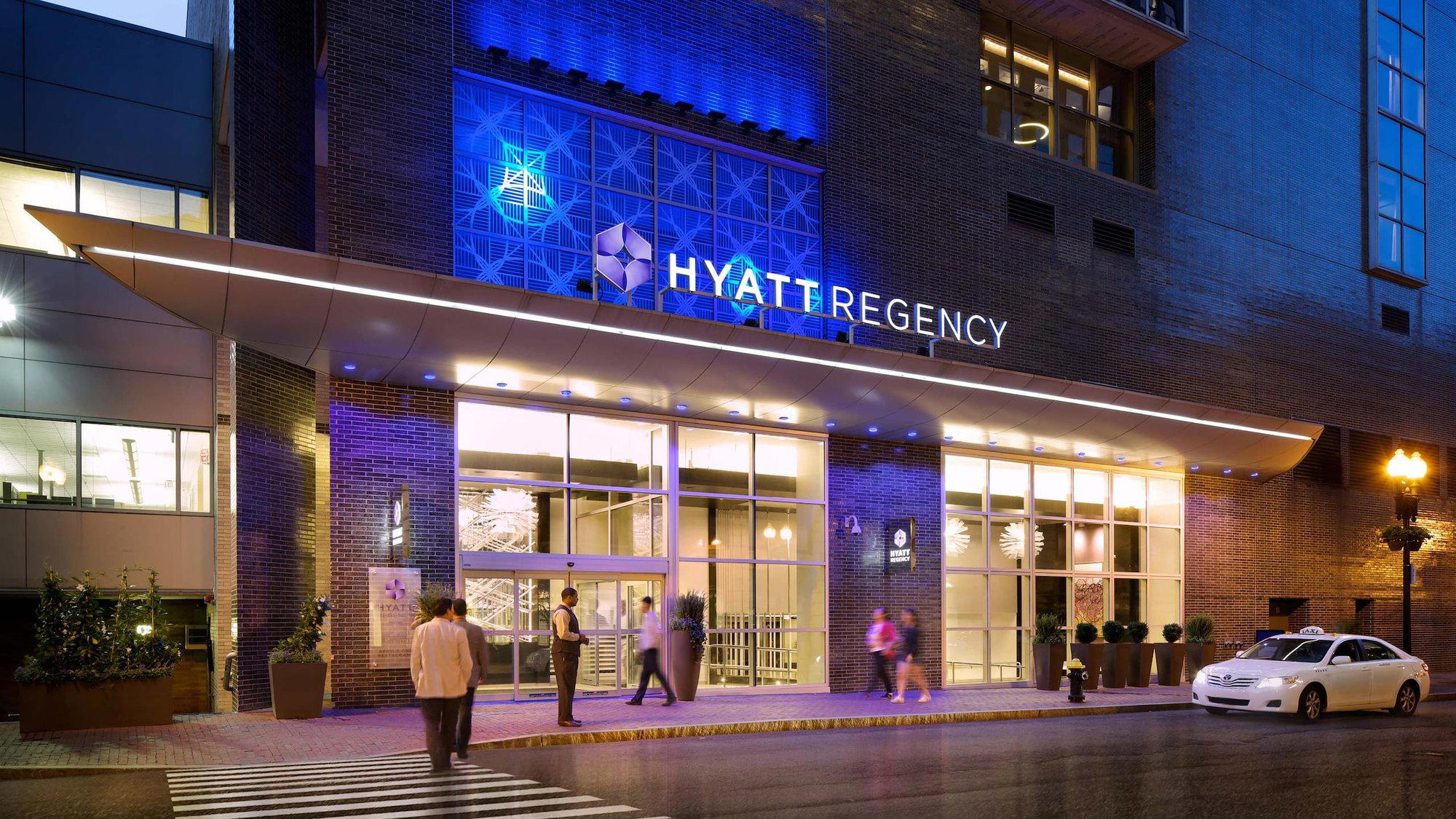
Boston's Financial District has shed much of its midcentury reputation as a dining dead zone. The corridor running from the Rose Kennedy Greenway toward the waterfront now anchors a cluster of restaurants that take their cues from sourcing discipline and technical precision rather than tourist volume or steakhouse convention. Servia, at 126 State Street, sits inside that shift. The address alone signals something: a block that reads as commuter infrastructure to outsiders has become, for those paying attention, a useful barometer for where the city's more serious cooking is heading.
That broader story, Boston's emergence as a city where local ingredients meet globally informed technique, is the frame through which Servia makes most sense. It is the same pattern visible at Agosto, the Portuguese-inspired chef's counter that has made tasting-menu dining feel rooted rather than referential, and at 311 Omakase, where Japanese precision is applied to Atlantic seafood with genuine conviction. The approach is not a trend so much as a structural response to what New England's coastline and hinterland actually offer when treated seriously.
The Argument for Local Ingredients, Applied Globally
The intersection of indigenous product and imported method is where the most interesting American cooking is happening right now, and Boston is better positioned than most cities to participate in that conversation. The Gulf of Maine supplies some of the North Atlantic's more complex cold-water seafood. Massachusetts farms produce ingredients with enough seasonal variation to reward a cooking program built around them. What distinguishes the restaurants that do this well from those that merely invoke it as marketing language is technique: the willingness to apply preparation methods drawn from European, Japanese, or Latin American traditions without erasing the ingredient's regional character.
This is the register in which Servia operates, and it places the restaurant in a peer conversation with addresses well beyond Boston. At the national level, that conversation includes Blue Hill at Stone Barns in Tarrytown, where the farm-to-technique argument has been made most fully, and Single Thread Farm in Healdsburg, where agricultural sourcing is treated as a design constraint rather than a garnish. Further down the formality register, Lazy Bear in San Francisco shows what happens when the same sourcing logic is applied inside a more casual, communal format. These are reference points for understanding where Servia's ambitions sit, even if the scale and context differ.
Boston's Broader Dining Map: Where Servia Fits
To calibrate Servia properly, it helps to hold the wider Boston restaurant picture in view. The city's premium dining tier is occupied by places with long institutional histories, the kind of addresses that have accumulated awards cycles and critical attention over decades. But alongside that established layer, a newer cohort has grown up: smaller, more technically focused, and often more willing to let the season determine the menu rather than the reverse. Servia belongs to that newer cohort.
At the waterfront end of the spectrum, 1928 Rowes Wharf and 75 on Liberty Wharf represent the more expansive, view-driven dining formats where setting carries significant weight alongside the plate. Abe and Louie's anchors the traditional steakhouse tier that still draws significant corporate dining volume. Servia's position is different from all three: it is neither spectacle nor institution, but a restaurant whose case rests on what arrives on the plate and the intelligence of the sourcing decisions behind it.
Nationally, the technique-over-theatre approach Servia represents connects to a lineage running through Le Bernardin in New York, where classical French technique applied to seafood remains the operating model, and Providence in Los Angeles, where sustainable sourcing and high-precision cooking have coexisted for years. The more maximalist end of American tasting-menu culture, represented by Alinea in Chicago or The French Laundry in Napa, sits at a different point on the spectrum. Servia's orientation is closer to the former than the latter: ingredient primacy, applied method, editorial restraint.
Raw Bar Boston and the Seafood Context
Any State Street restaurant operating in the ingredient-driven register has to reckon with Boston's seafood identity. The city's raw bar culture, sustained by addresses like Neptune Oyster in the North End, has set a baseline expectation for product quality that raises the bar for any kitchen working with shellfish or cold-water fish. Internationally, the benchmark for seafood precision at the high end, addresses like 8 1/2 Otto e Mezzo Bombana in Hong Kong or Atomix in New York, demonstrates how globally trained technique can reframe a local ingredient's range of expression. That is the aspiration worth measuring any serious Boston kitchen against.
Servia's positioning on State Street, at the edge of the Financial District and within reasonable reach of the waterfront, puts it in natural dialogue with that seafood tradition. The address implies an evening dining rhythm, a professional clientele arriving from nearby offices or hotels, and an expectation of precision over volume. That context shapes what a restaurant in this location can and should be.
Know Before You Go
Planning Details
- Address: 126 State Street, Boston, MA 02109
- Neighbourhood: Financial District, adjacent to Faneuil Hall and the waterfront
- Pricing: Pricing tier not confirmed at time of publication
- Hours: Operating hours not confirmed; verify before visiting
- Getting There: State Street MBTA station (Blue and Orange Lines) is directly adjacent to the address, making this one of the more transit-accessible dining destinations in central Boston
Frequently asked questions
What do people recommend at Servia?
Because Servia's confirmed menu details are not available in public records at time of publication, specific dish recommendations cannot be responsibly made here. What the restaurant's State Street positioning and the broader Boston dining context suggest is a program oriented around technique and sourcing discipline, qualities that characterise the city's more considered restaurants in this tier. Comparable restaurants in the city, including Agosto for tasting-menu depth and 311 Omakase for precision-led cooking - offer reference points for the style of cooking this address implies.
Is Servia reservation-only?
Servia's booking policy has not been confirmed at time of publication. In the current Boston dining market, restaurants in the Financial District that operate at a considered, technique-driven level typically run reservation-forward systems, particularly for evening service when corporate and leisure demand overlaps. If Servia follows the pattern established by peer addresses in this price tier and part of the city, advance booking is likely advisable. Verify directly with the restaurant before visiting, as walk-in availability, if any, will depend on format and capacity decisions not yet in the public record.
How does Servia's location on State Street compare to Boston's other fine dining neighbourhoods?
State Street sits within the Financial District, a neighbourhood whose dining identity has evolved considerably as the Greenway and waterfront development reshaped foot traffic and clientele. Unlike the North End, which draws heavily on Italian-American tradition and tourist volume, or the Back Bay, which hosts many of Boston's longest-established formal restaurants, the Financial District tends to attract restaurants built around professional diners and a more considered, less scenographic approach to the meal. For a broader map of how Boston's dining neighbourhoods compare, see our full Boston restaurants guide.
In Context: Similar Options
Comparable venues nearby, for context on price, style, and recognition.
| Venue | Cuisine | Price | Awards | Notes |
|---|---|---|---|---|
| ServiaThis venue (the venue you are viewing) | Modern Mediterranean | $30–50 | Not listed | Not listed |
| Kestra | Mediterranean-American with Turkish Influences | $30–50 | Not listed | South Boston Waterfront |
| CAVA | Fast-Casual Mediterranean | $10–20 | Not listed | Financial District |
| Sarma | Modern Mediterranean Meyhane | $100–150 | James Beard Award Semi Finalist | Winter Hill, Somerville |
| Chickadee | Modern Mediterranean | $50–100 | James Beard Award Semi Finalist | South Boston Waterfront |
| Cafe Landwer | Israeli Mediterranean Café | $10–20 | Not listed | Kenmore |
Continue exploring
More in Boston
Restaurants in Boston
All restaurants in Boston →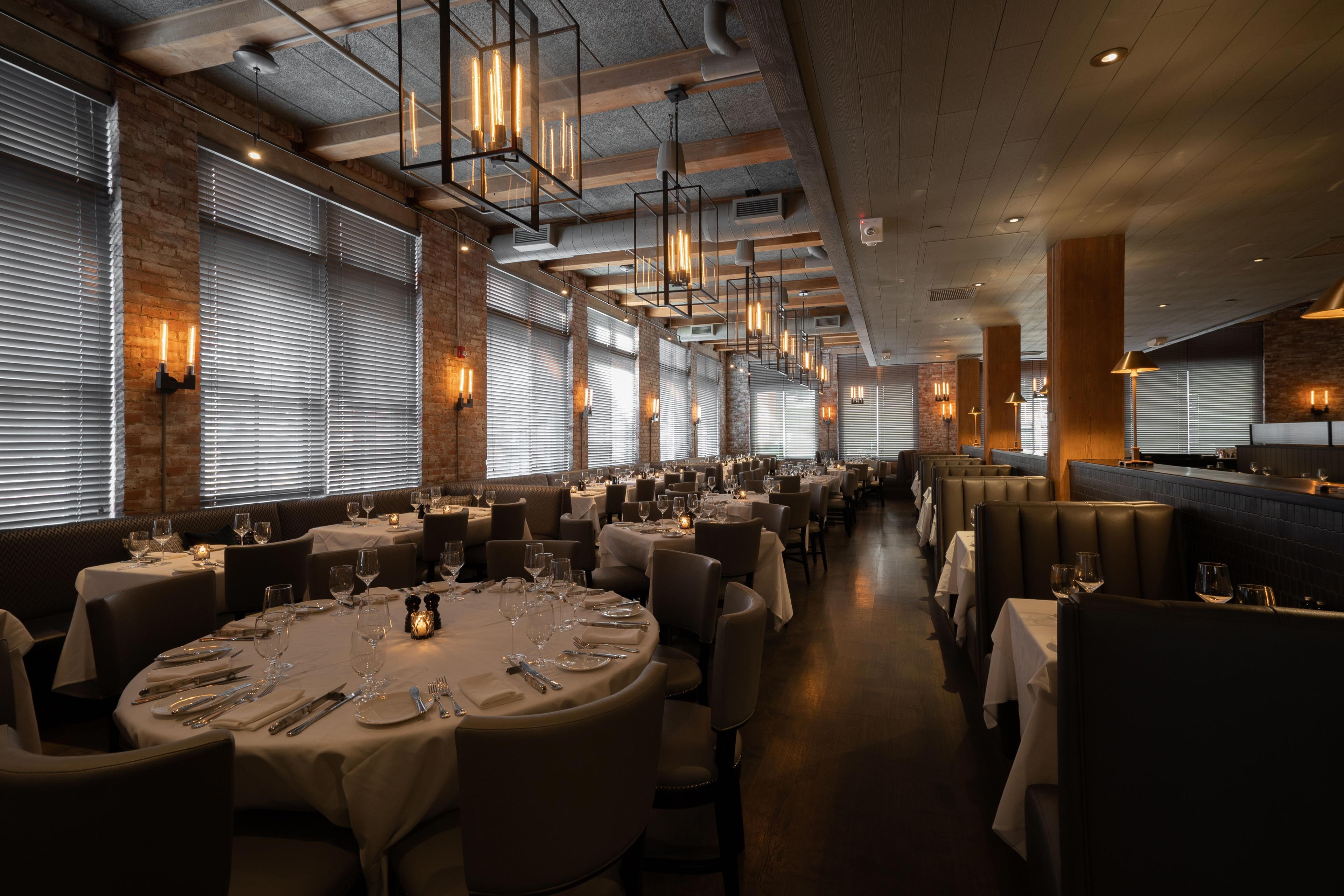
Bars in Boston
All bars in Boston →



Details
- Elegant
- Modern
- Sophisticated
- Date Night
- Special Occasion
- Business Dinner
- Open Kitchen
- Organic
- Local Sourcing
- Small Plates
- A La Carte
- Vegetarian Friendly
Current opening hours
- Monday
- Closed
- Tuesday
- 5–9 PM
- Wednesday
- 5–9 PM
- Thursday
- 5–9 PM
- Friday
- 5–10 PM
- Saturday
- 5–10 PM
- Sunday
- Closed
Hours can change for holidays and private events. Hours as of .
Warm and inviting atmosphere with moderate noise levels, praised for excellent service and memorable aromas from fresh preparations.