Kestra
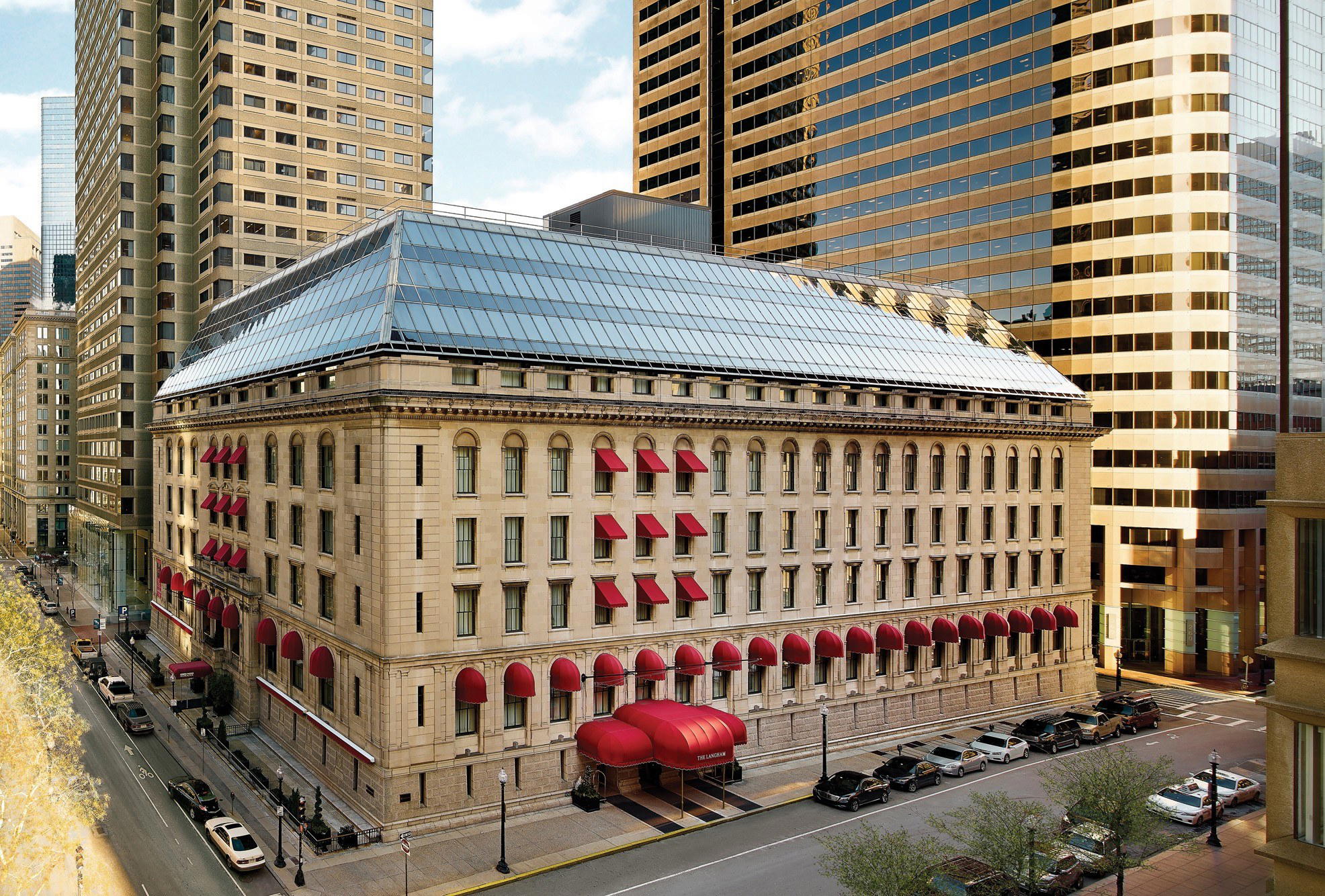
Kestra occupies a notable address at 450 Summer Street in Boston's Seaport, placing it inside one of the city's most contested dining corridors. The restaurant enters a neighborhood where sustainability-minded operators are increasingly defining competitive identity, and where the gap between high-concept and high-execution is where reputations are made or lost. Kestra is worth tracking for anyone building a serious picture of Boston's current fine-dining moment.
Pearl is the En Primeur Club membership app — saves, bookings, and concierge access live there. Same editors, same standards.
- Address
- 450 Summer St, Boston, MA 02210
- Phone
- +16174766664
- Website
- kestrarestaurant.com
- Directions
- Get directions
 Saves & bookings on Pearl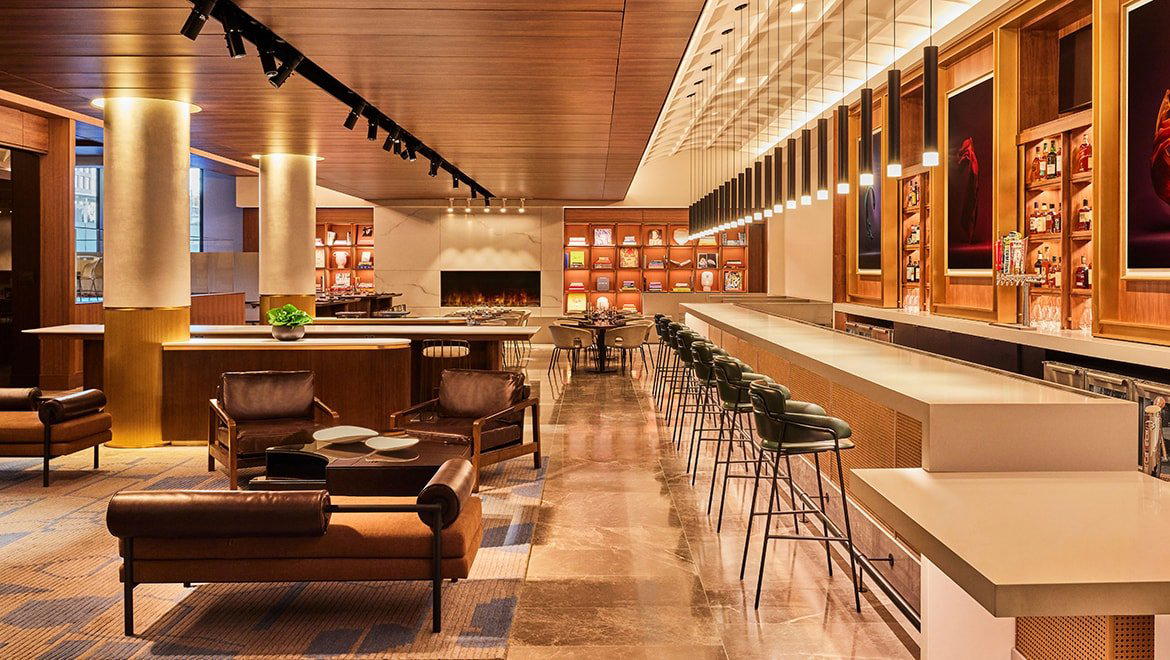
Where Seaport Ambition Meets a Shifting Dining Standard
Boston's Seaport district has undergone a decade of rapid densification, and the dining scene at 450 Summer Street sits inside that transformation. The neighborhood that once functioned primarily as a convention and hotel corridor now hosts a competitive tier of restaurants where operators are under pressure to do more than open a well-designed room and plate recognizable proteins. The restaurants earning sustained attention here are the ones making legible commitments, to sourcing, to waste reduction, to a supply chain that can withstand scrutiny. Kestra is a restaurant at 450 Summer St in Boston, serving Mediterranean-American with Turkish influences and priced around $45 per person.
The city's most discussed openings of the past several years have shared a tendency to anchor menus to regional producers, to shorten the distance between farm and plate, and to treat ethical sourcing not as a marketing layer but as a structural constraint that shapes what gets cooked and how. That shift is visible across the city's better rooms, from the Portuguese-influenced tasting counter at Agosto to the refined seafood focus at 1928 Rowes Wharf along the waterfront.
The Seaport as a Proving Ground
The Seaport dining corridor has a particular dynamic that differs from Back Bay or the South End. Here, the room tends to be newer, the build-out costs higher, and the clientele split between convention business and a self-selecting group of local diners willing to cross the channel for something worth the trip. That split creates pressure on operators: you need volume to justify the overhead, but you need quality to earn repeat visits from the city's more critical guests.
The restaurants that have built durable reputations in this part of the city tend to solve that tension through format discipline. Tightly controlled menus, clear sourcing language, and consistent execution across services matter more here than in neighborhoods where ambient foot traffic fills seats regardless. Kestra at 450 Summer Street enters that environment and will be measured against it.
The operations drawing real critical attention, Blue Hill at Stone Barns in Tarrytown and Single Thread Farm in Healdsburg being the clearest American examples, have embedded environmental consciousness into procurement, waste systems, and menu architecture simultaneously. Boston has its own version of that conversation, and it plays out at the level of which fishermen a seafood-forward kitchen is sourcing from, whether the composting infrastructure is genuine or performative, and how the menu changes when a local supplier has a difficult season.
Boston's Seafood Lineage and the Current Moment
Any serious restaurant operating in Boston's Seaport exists within a long seafood tradition. The city's raw bar culture runs through places like 75 on Liberty Wharf and the perpetually queued Neptune Oyster in the North End, while the upper tier of Japanese seafood preparation has a foothold through the omakase format at 311 Omakase and the precision sourcing at Oishii Boston. The city's relationship with the ocean is not decorative, it is institutional, written into the supply chains and the expectations of diners who grew up eating fish pulled from New England waters.
That context matters for any Seaport operator. A sustainability claim in this city carries implicit specificity: which ports, which species, which seasonal windows. The restaurants that have earned credibility here can answer those questions at the table. Those that cannot tend to cycle out within two or three years, replaced by the next well-funded opening. The comparison set for a venue like Kestra includes neighborhood peers and nationally recognized seafood restaurants.
Format, Scale, and What the Address Signals
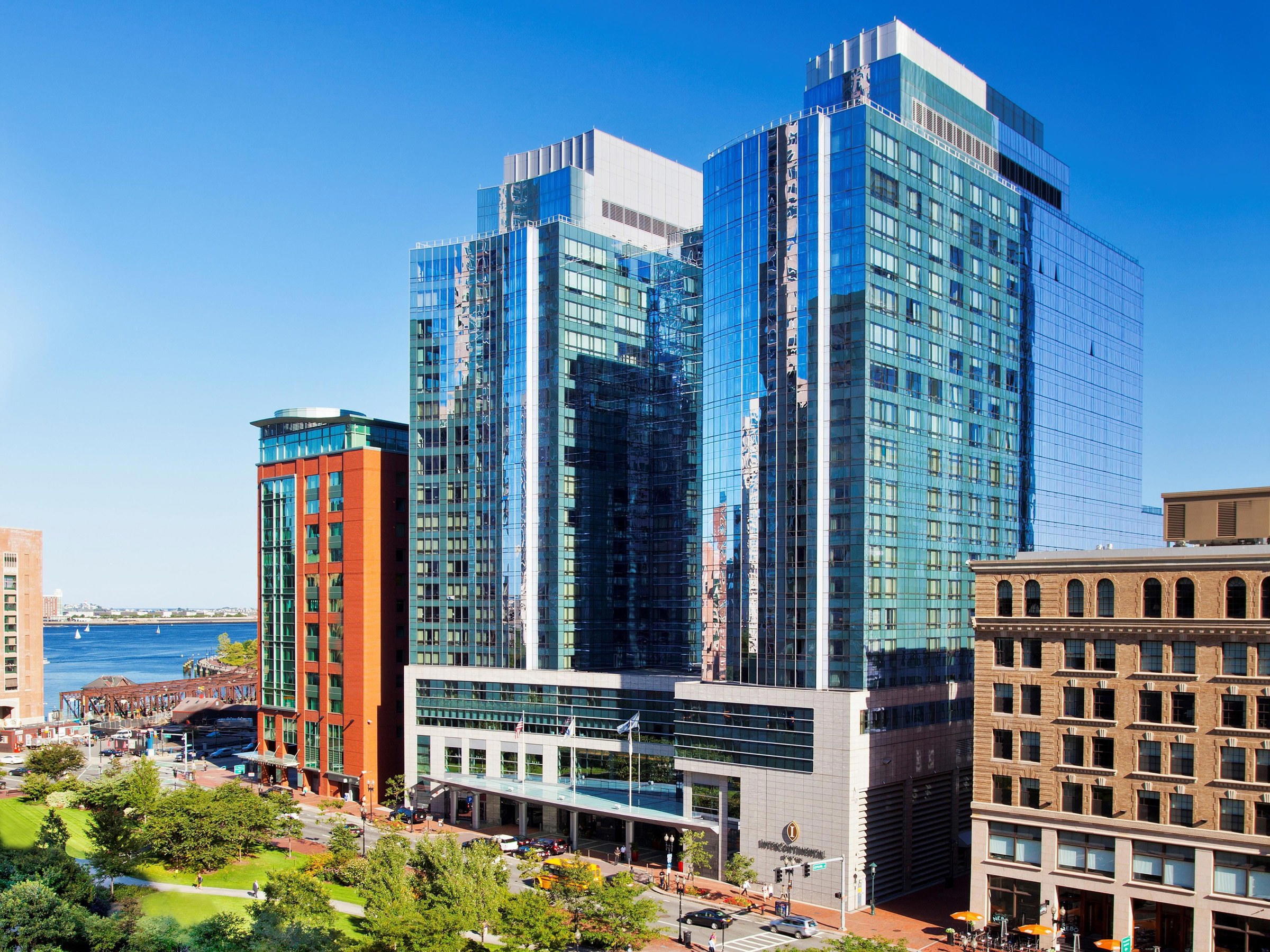
The Summer Street address places Kestra within walking distance of the Boston Convention and Exhibition Center and several major hotel properties. Convention-adjacent dining in American cities tends to skew toward reliable formats, steakhouse, seafood grill, broad Italian, and Boston's Seaport has those categories covered by operators including Abe and Louie's and Ostra. A restaurant entering this address with a sustainability-forward identity is making a deliberate choice to position against that conventional hospitality grain, betting that a meaningful share of the neighborhood's traffic has evolved beyond expense-account defaults.
Alinea in Chicago and Atomix in New York have demonstrated that high-concept dining can generate sustained demand even in cities where the hospitality volume runs through more conventional formats. Closer to Boston in ethos, Lazy Bear in San Francisco and Addison in San Diego have shown that environmental commitment, when it runs through the entire operation rather than sitting on top of it as branding, builds a distinctive identity that survives the news cycle of a new opening.
Planning a Visit
Kestra is located at 450 Summer Street in Boston's Seaport district, accessible by Silver Line from South Station or a short cab or rideshare ride from downtown. The Seaport sees its heaviest foot traffic during convention season, typically concentrated in spring and fall, which can affect both availability and ambient energy in the neighborhood's restaurants. Diners who prefer a quieter room should consider midweek visits or the slower months of January through March, when the neighborhood's volume drops and kitchens tend to perform with more consistency.
Those building a comparative itinerary across American fine dining destinations might also consider The French Laundry in Napa, The Inn at Little Washington, or Emeril's in New Orleans for contrast against the sustainability-led, regionally specific approach that defines Kestra's positioning and the broader movement it represents in American fine dining.
- lemon ricotta buttermilk pancakes
- smoked short rib hash
- saffron creme brûlée
- Italian chopped salad
- sesame falafel
- lamb shawarma wrap
Category Peers
Comparable venues nearby, for context on price, style, and recognition.
| Venue | Cuisine | Price | Notes |
|---|---|---|---|
| KestraThis venue — the venue you are viewing | Mediterranean-American with Turkish Influences | $$$ | Not listed |
| Chickadee | Modern Mediterranean | $$$ | South Boston Waterfront |
| Peregrine | Mediterranean Coastal Italian Islands | $$$ | West End |
| Cafe Landwer | Israeli Mediterranean Café | $$ | Kenmore |
| CAVA | Fast-Casual Mediterranean | $$ | Financial District |
| Metropolis | Mediterranean Cafe | $$ | South End |


At a Glance
- Sophisticated
- Modern
- Elegant
- Lively
- Business Dinner
- Brunch
- Date Night
- Group Dining
- Celebration
- After Work
- Live Music
- Waterfront
- Private Dining
- Hotel Restaurant
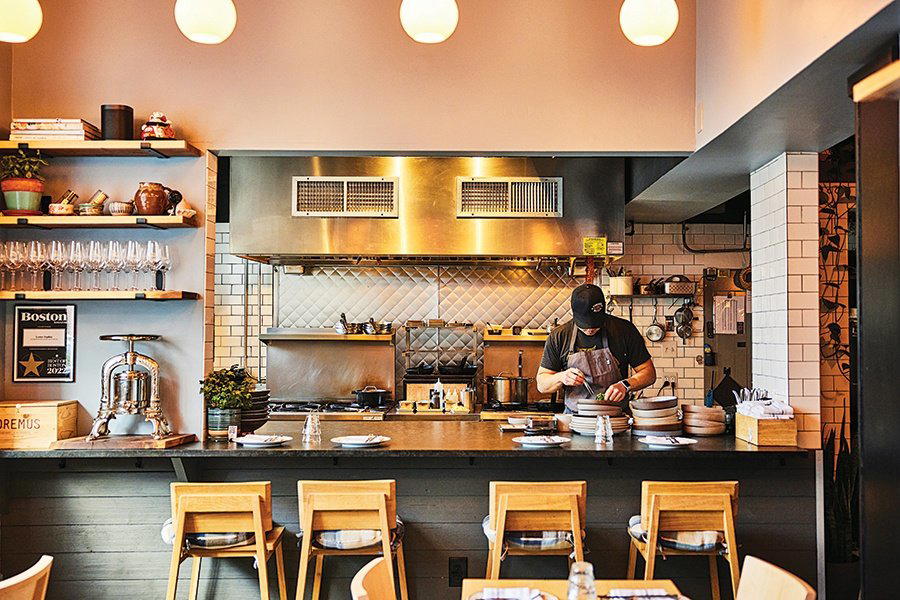
- Open Kitchen
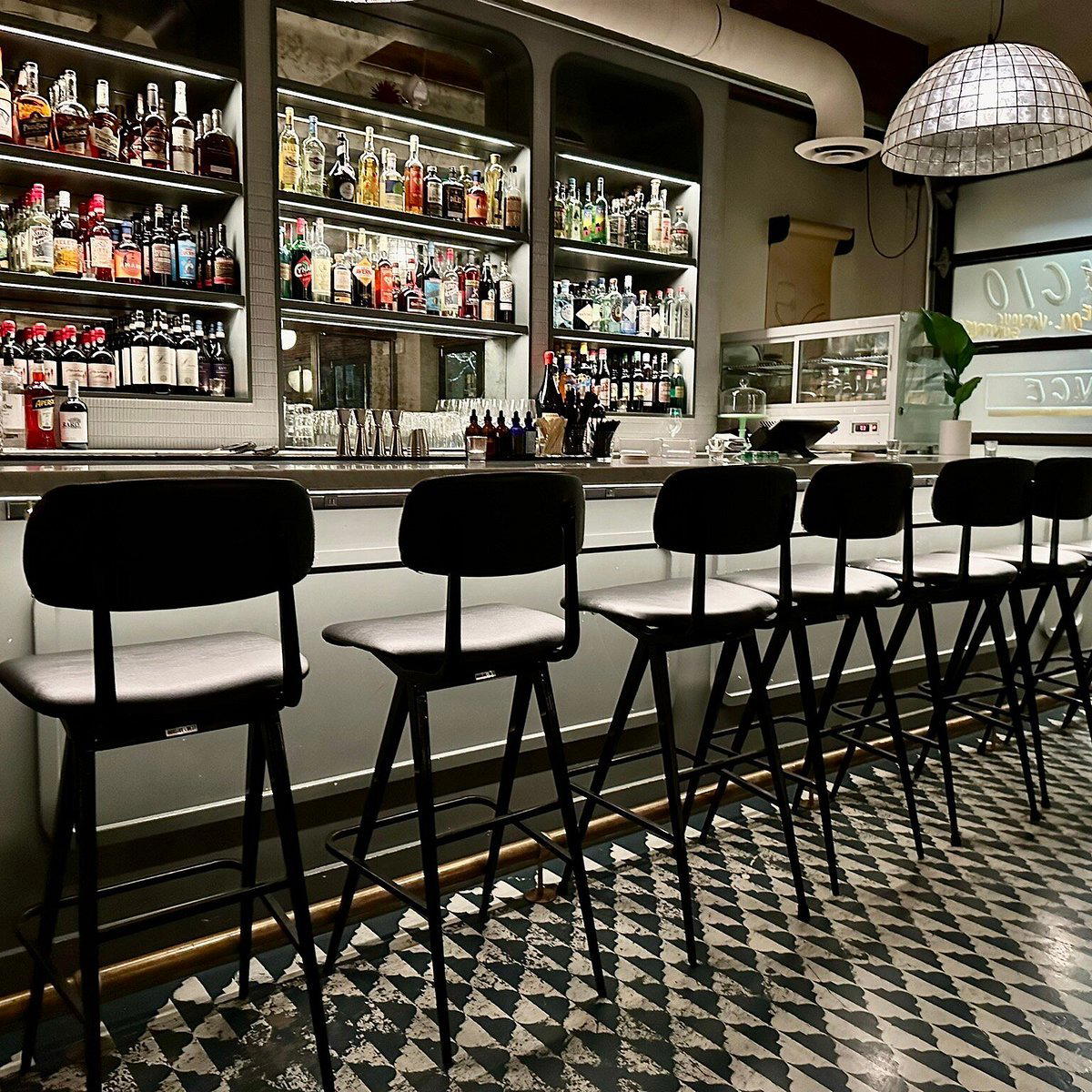
- Craft Cocktails
- Extensive Wine List
- Beer Program
- Farm To Table
- Local Sourcing
- Waterfront
Current opening hours
- Monday
- 6:30 AM–10 PM
- Tuesday
- 6:30 AM–10 PM
- Wednesday
- 6:30 AM–10 PM
- Thursday
- 6:30 AM–10 PM
- Friday
- 6:30 AM–10 PM
- Saturday
- 7 AM–10 PM
- Sunday
- 7 AM–10 PM
Hours can change for holidays and private events. Last verified .
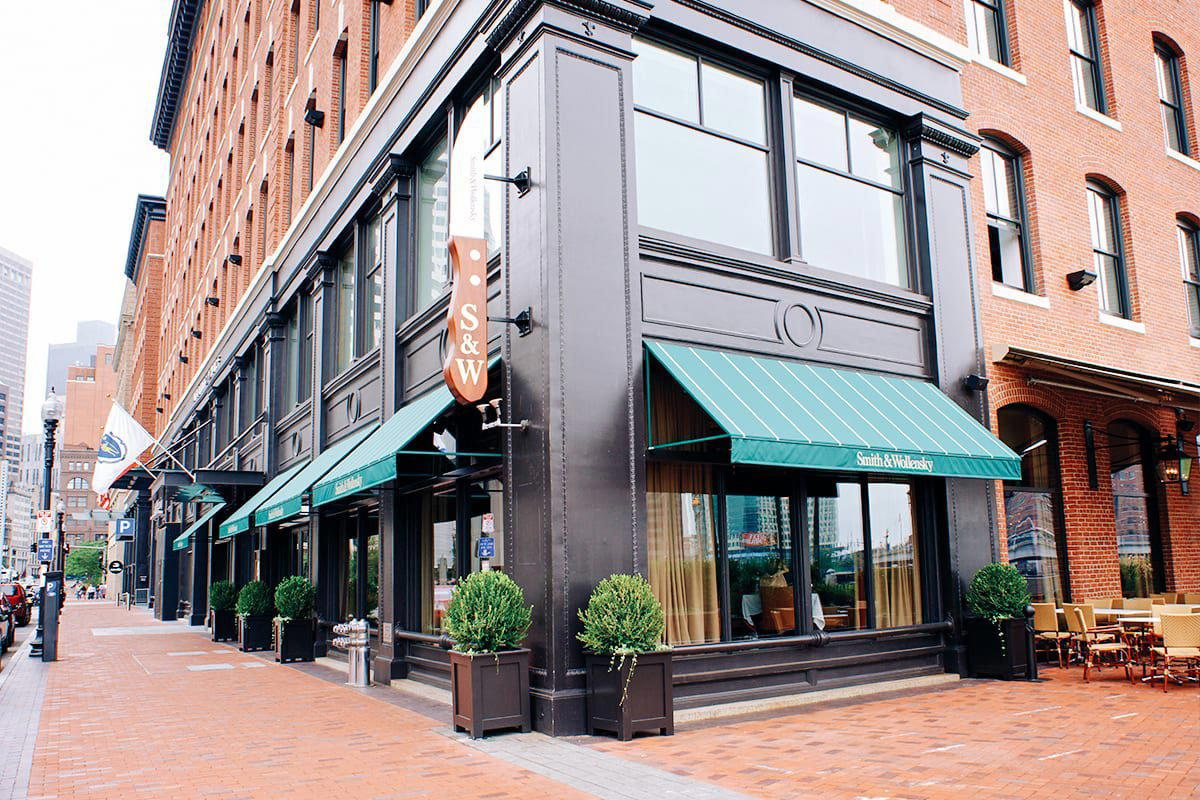
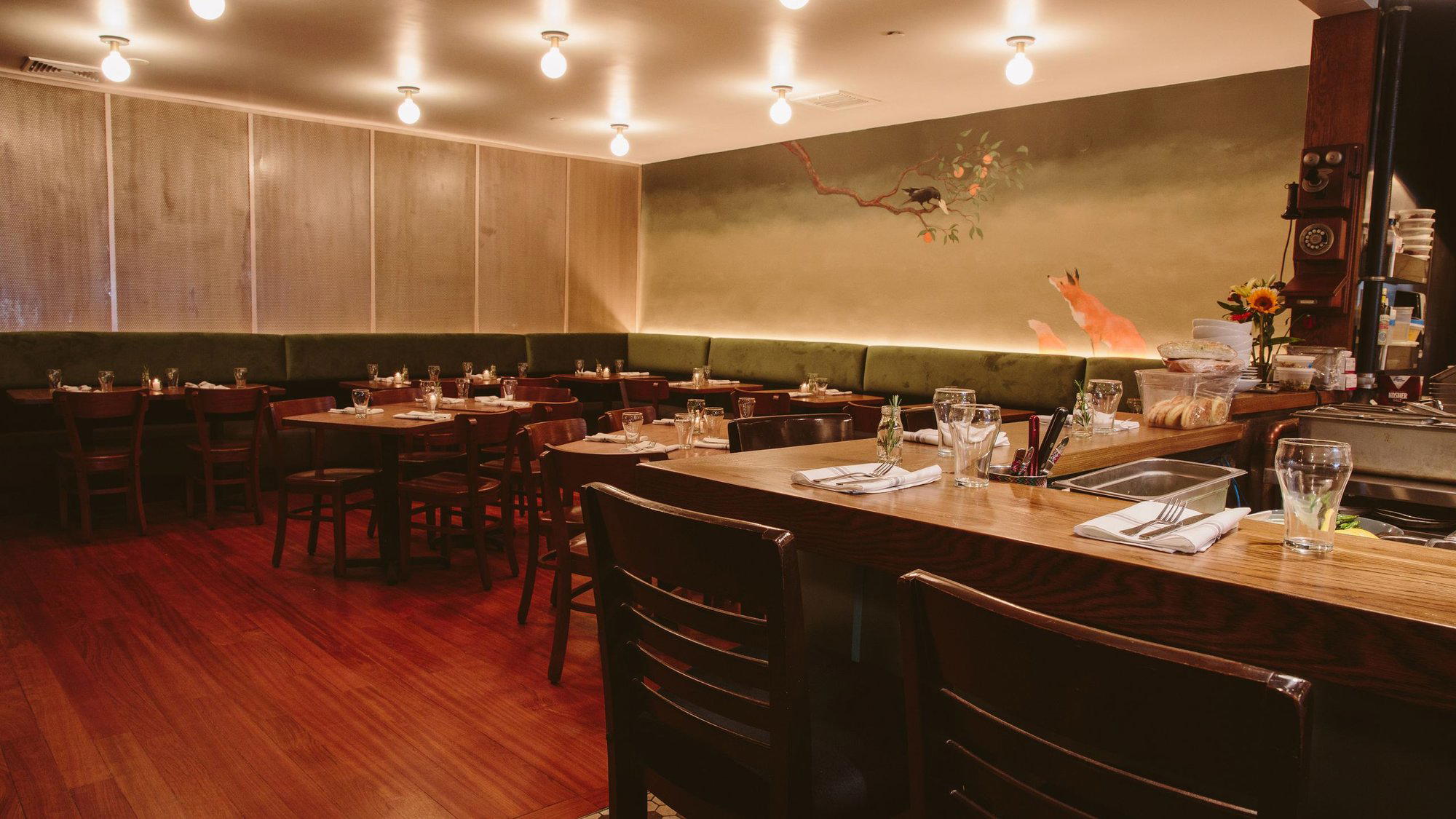
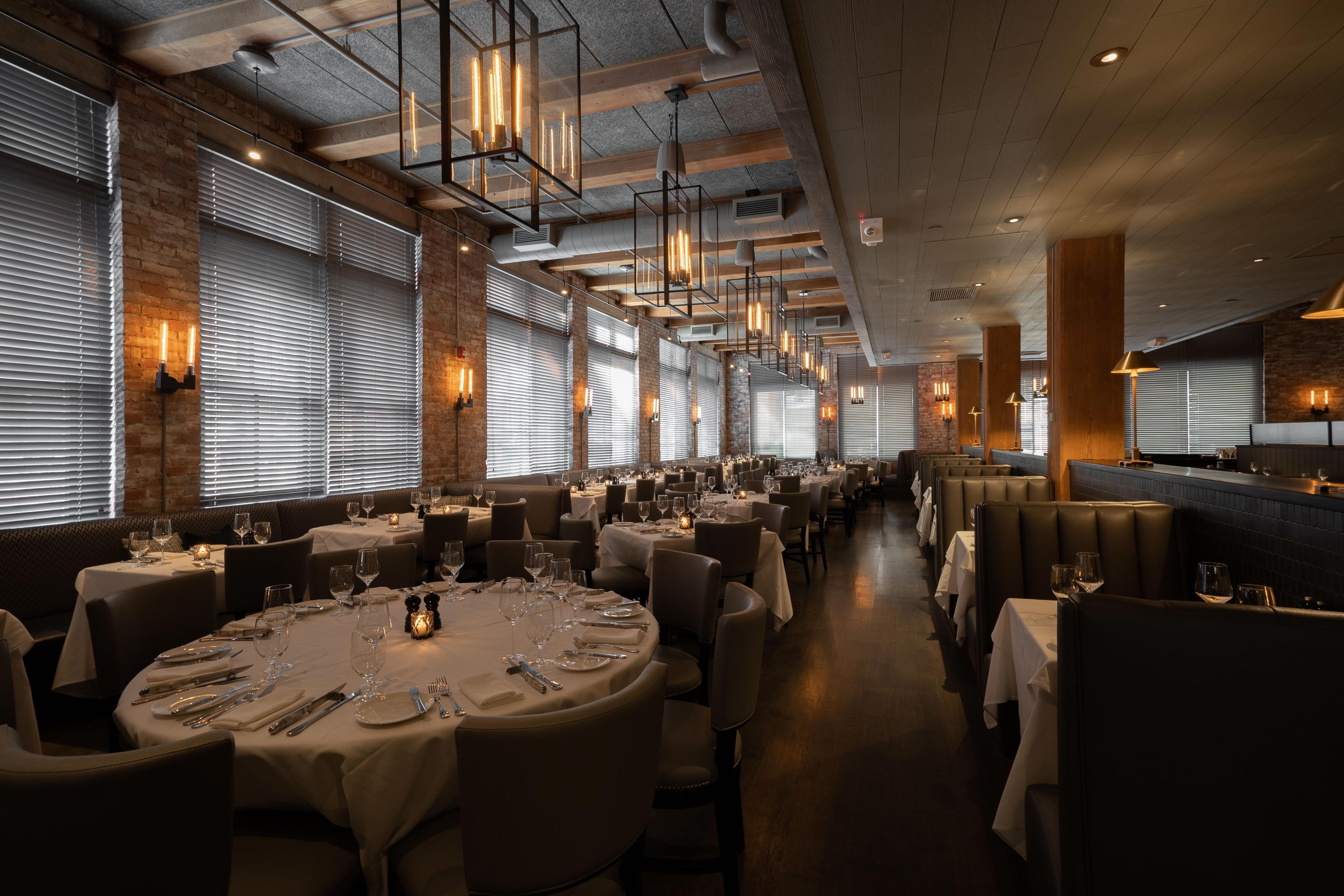
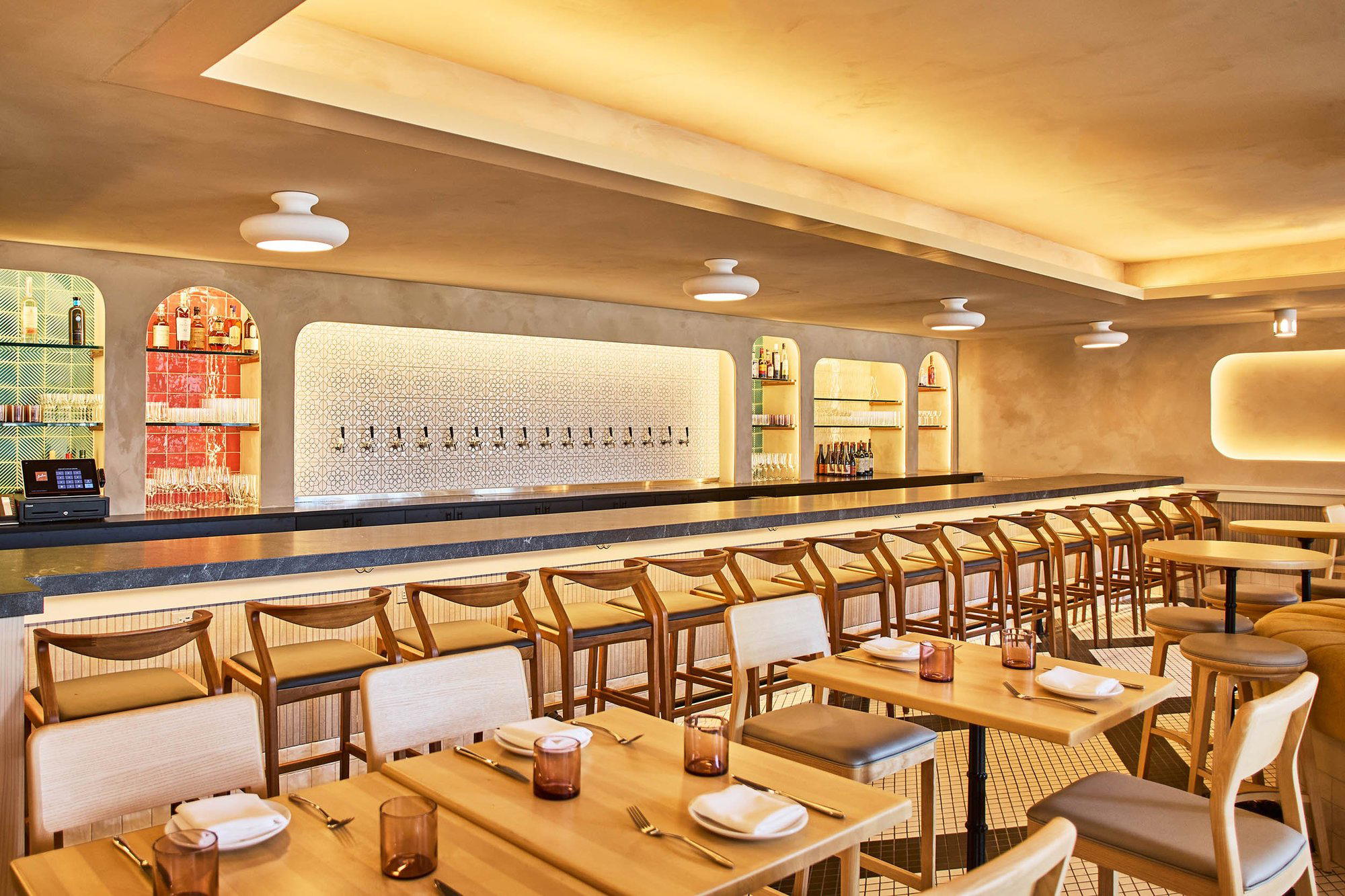
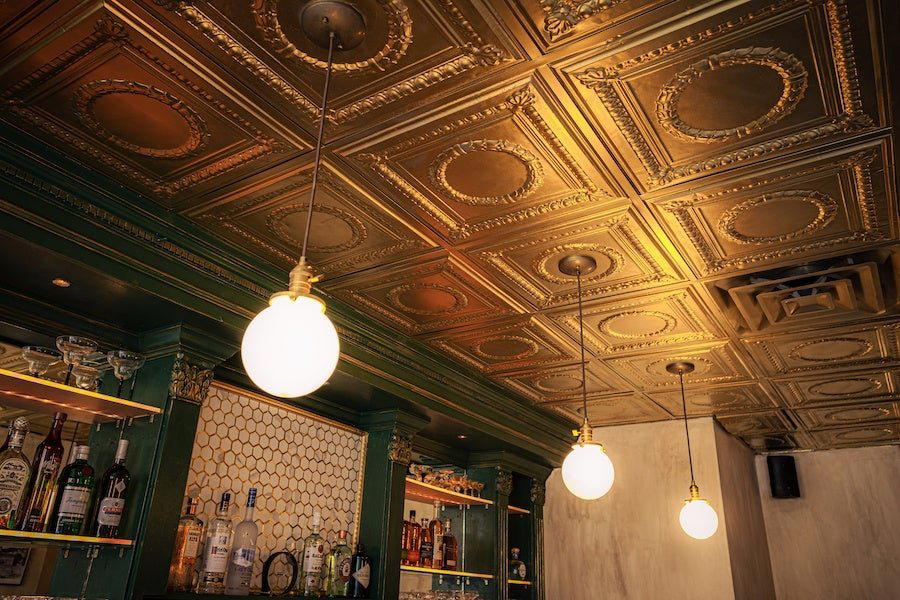
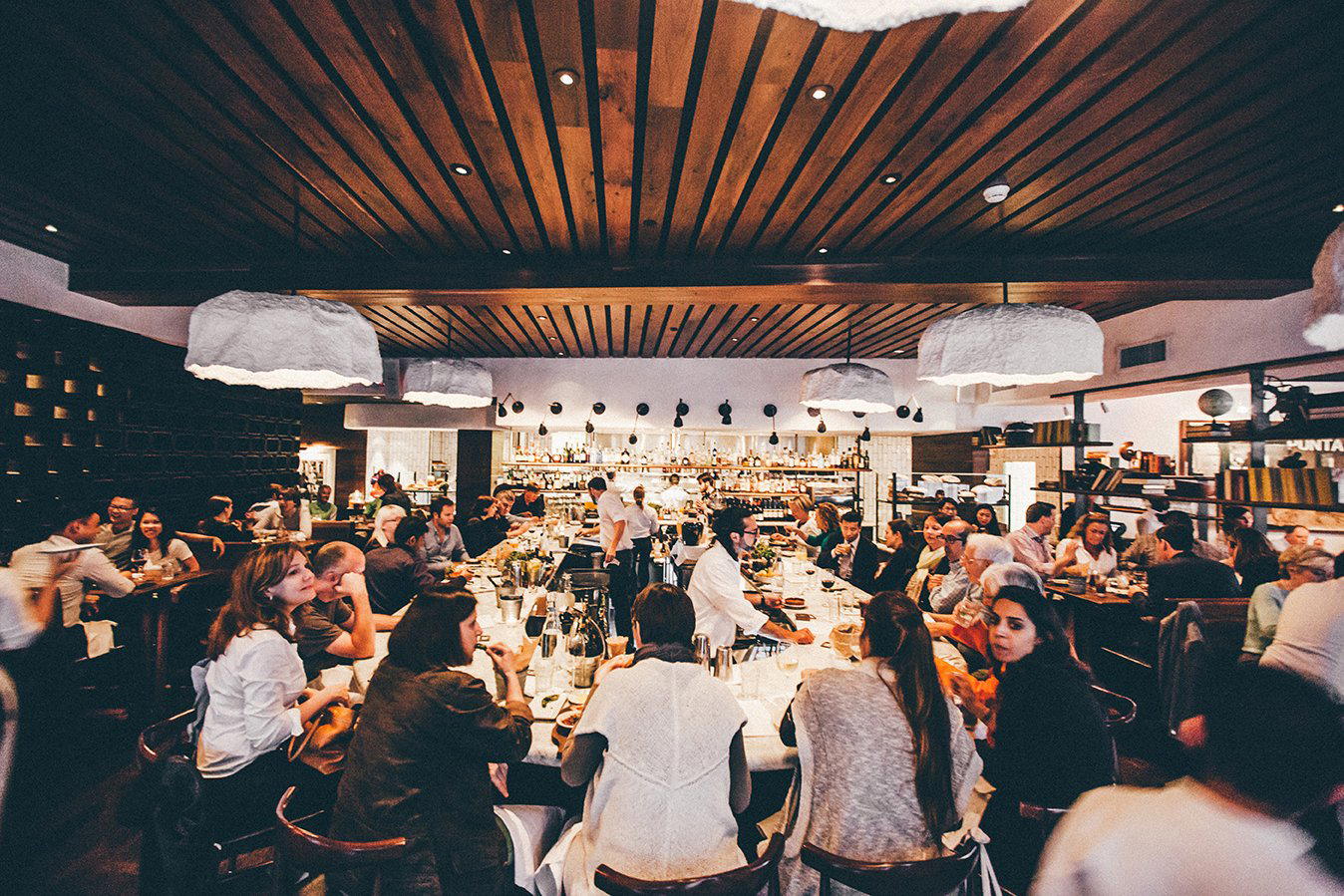
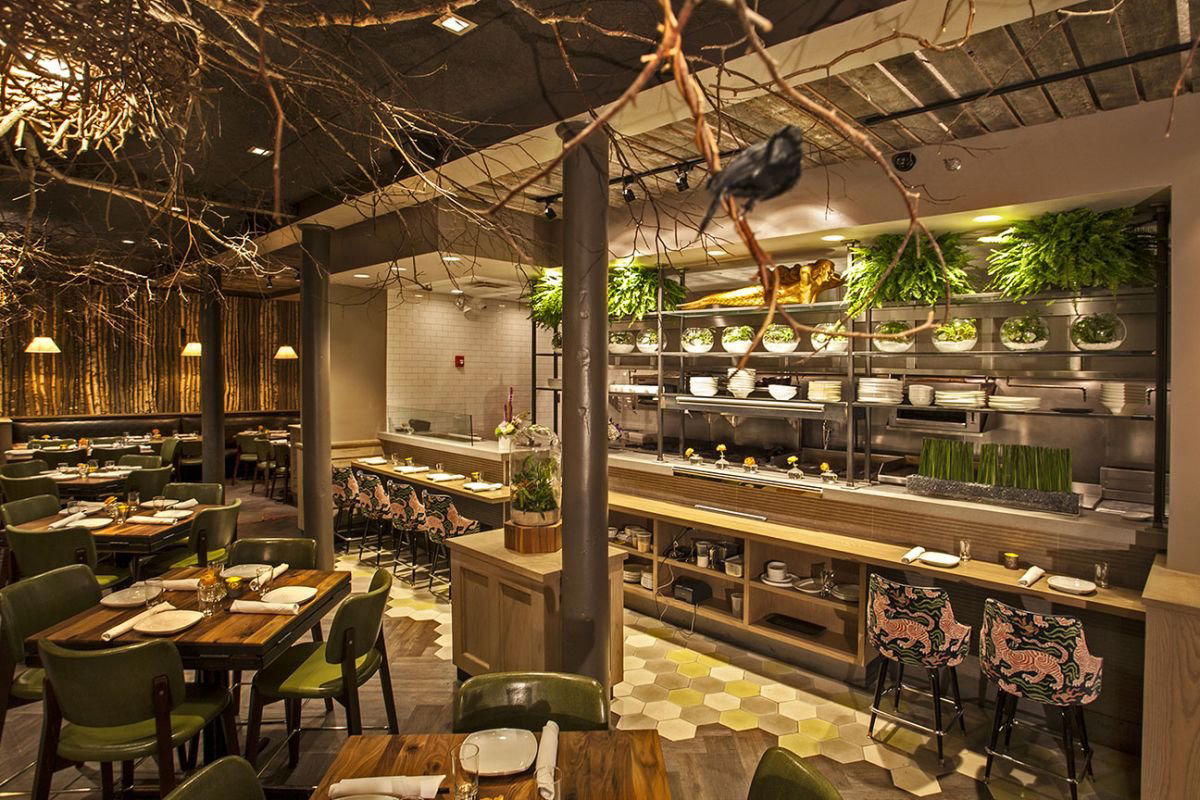
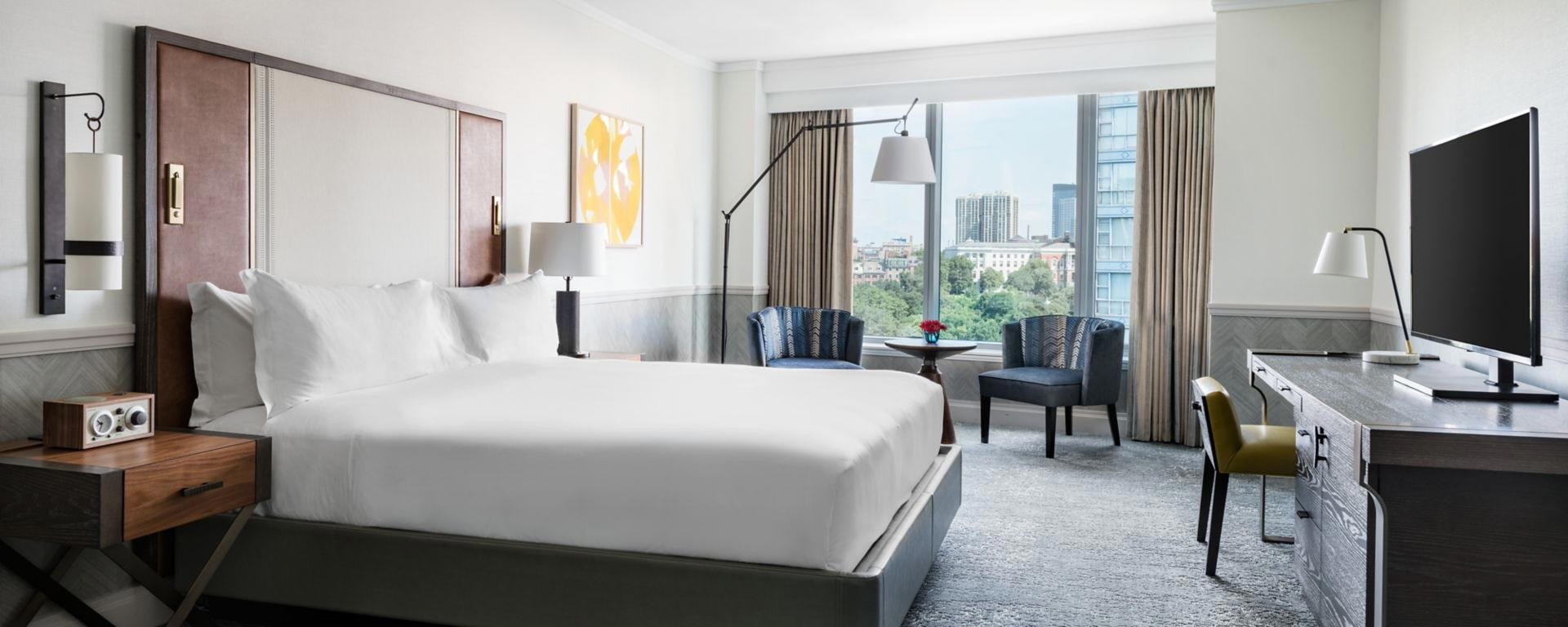
Luxurious and sophisticated metropolitan oasis with modern, trendy presentation; cozy yet upscale environment with beautiful design and artistic inspiration throughout.