Battery Wharf Hotel Boston Waterfront

Preferred Hotels Member
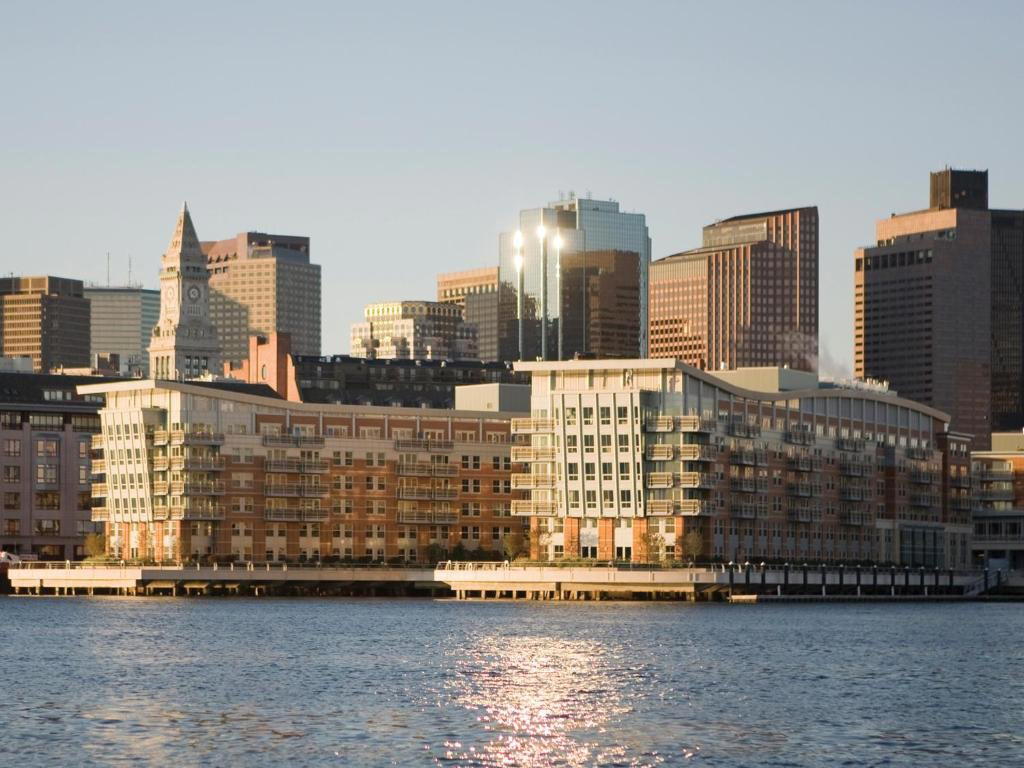
Battery Wharf Hotel Boston Waterfront occupies a converted wharf building at 3 Battery Wharf in the North End, placing guests within walking distance of the Freedom Trail and the city's oldest neighbourhoods. With 150 rooms and direct harbour frontage, it sits in a mid-tier position between the large convention hotels of the waterfront and the boutique properties of Beacon Hill, offering a quieter entry point to Boston's most historically layered district.

Pearl is the En Primeur Club membership app, where members save venues, book tables and use the concierge.
A Waterfront Position That Does Most of the Work
Boston's hotel geography divides cleanly along neighbourhood lines. The Seaport District draws the convention crowd and the expense-account traveller; Copley Square and Back Bay house the grand flagships like Raffles Boston and the Four Seasons Hotel One Dalton Street, Boston; and the North End sits apart from all of them, historically Italian, residentially dense, and largely ignored by the hotel development that transformed the adjacent waterfront. Battery Wharf Hotel Boston Waterfront occupies that gap. At 3 Battery Wharf, it sits on a converted wharf structure at the edge of the North End, with the harbour on one side and the city's oldest neighbourhood on the other. That address is doing more editorial work than any amenity list could.
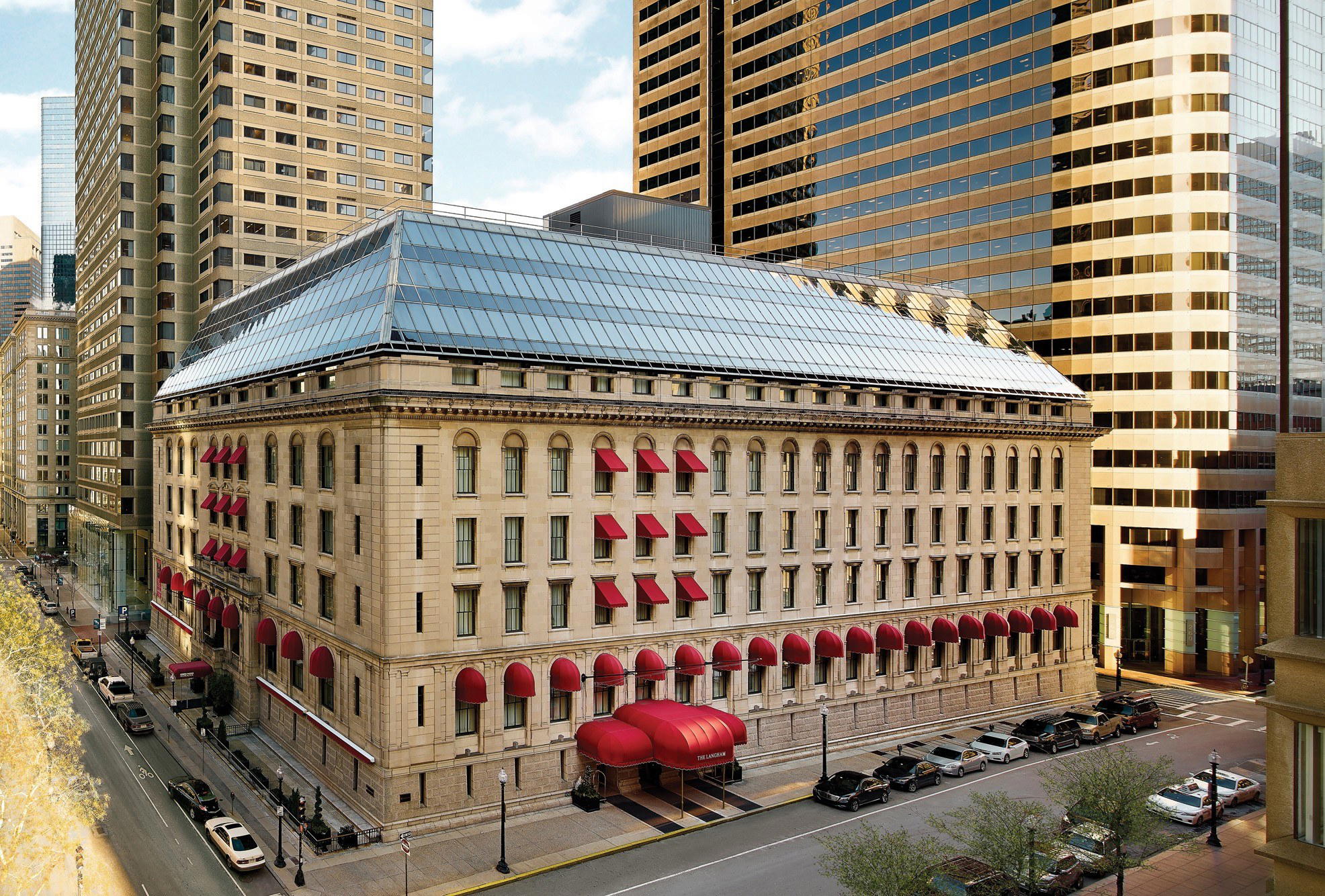
For context: the North End has no other comparable hotel offering. Guests who want to be within a short walk of Paul Revere's house, the Old North Church, and the length of the Freedom Trail, while also having direct water views, are working with a limited set of options. Battery Wharf fills that slot with 150 rooms, a scale that keeps it meaningfully smaller than the The Langham Boston or the Four Seasons Hotel Boston further into the city, while still large enough to support a full range of guest services.
The Harbour as Primary Amenity
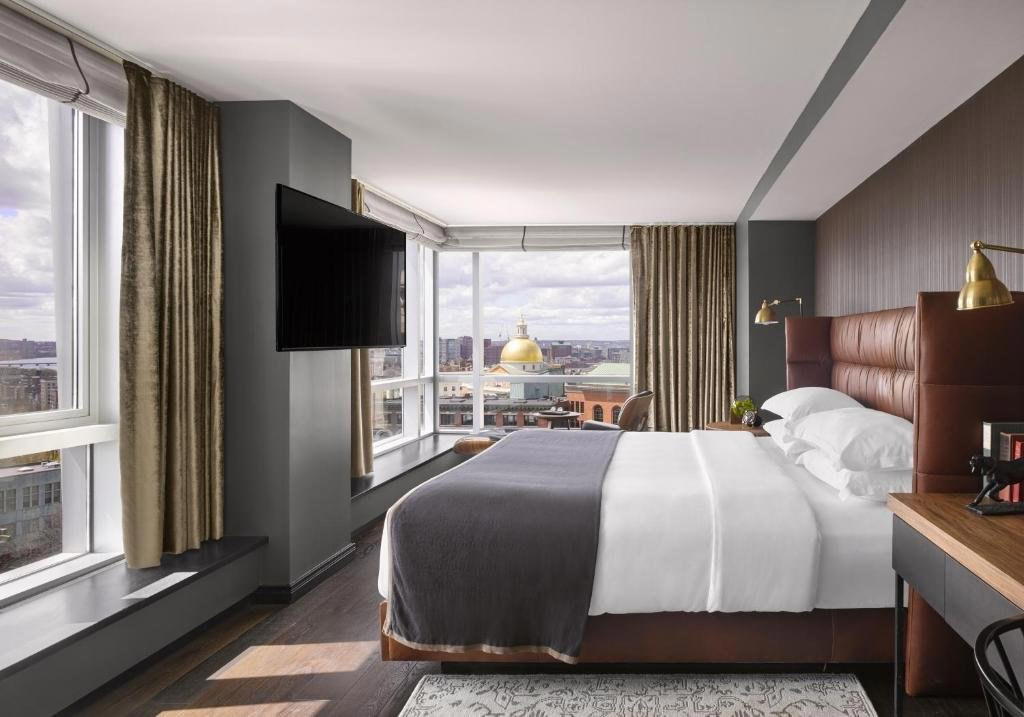
Waterfront hotels in American cities tend to oversell the view and underdeliver on everything else. The ones that work understand that water access is a mood modifier, not a substitute for service depth. At Battery Wharf, the harbour-facing rooms set a particular register from the moment guests arrive: the light off the water in the morning moves differently than any city-facing room, and the relative quiet of the wharf's edge separates the experience from what you get on a commercial street in Back Bay or the financial district. That tonal difference matters when you're calibrating a trip.
The hotel's position also shapes pace. Unlike properties anchored to the Seaport's event calendar or to the lobby-culture hotels of Copley Square, Battery Wharf sits in a genuinely residential stretch of the city. The North End functions at a different tempo than the rest of Boston: narrower streets, family-run restaurants, a neighbourhood that was historically self-contained and still carries that quality. Guests at Battery Wharf are embedded in that, rather than looking at it from a distance. For travellers comparing this to destination-resort isolation, the contrast is instructive: properties like Amangiri in Canyon Point or Post Ranch Inn in Big Sur offer remoteness as a design principle; Battery Wharf offers deep neighbourhood immersion as its equivalent.
Service at This Scale and Position
A 150-room hotel in a residential waterfront setting occupies a specific service position. It is too large to operate on the hyper-personalised model of a property like Beacon Hill Hotel, which works at a fraction of that scale, but it is also removed from the operational machinery that governs the larger flag-brand properties. At the mid-tier waterfront level in Boston, service culture tends toward the transactional unless the property makes a deliberate counter-choice. The hotels that work at this scale, whether in Boston or elsewhere, tend to anchor their guest experience to staff who know the neighbourhood they're operating in, and can function as genuine local intermediaries rather than script-following concierges.
That neighbourhood knowledge matters more in the North End than almost anywhere else in Boston. Knowing which trattorias are running on three generations of the same family, which bakeries open before the tourist traffic arrives, and which stretches of the waterfront walk are worth the detour at different times of day: these are the things that separate an adequate stay from one that makes genuine use of the address. Guests arriving at Battery Wharf for the first time would do well to treat the front desk as a first resource, not a last resort. Our full Boston restaurants guide covers the broader dining picture across the city.
How Battery Wharf Sits in Boston's Competitive Hotel Set
Boston's premium hotel tier has consolidated around a small group of properties with clear brand positioning. The Newbury Boston occupies the Boylston Street address with Back Bay retail access; Mandarin Oriental Boston trades on the Prudential Center connection; The Whitney Hotel Boston situates itself in Beacon Hill with a boutique pitch. Battery Wharf does not compete directly with any of them. Its competitive set is more usefully framed around travellers for whom the North End address is a primary criterion, or for whom harbour water access matters more than proximity to the Back Bay shopping and dining corridor.
Compared to the broader North American waterfront hotel category, Battery Wharf's 150-room scale places it in a middle band. The large waterfront brands like InterContinental run far larger footprints; the intimate design-led properties that have become a benchmark in other coastal markets, properties comparable in spirit to Four Seasons at The Surf Club in Surfside or Little Palm Island Resort & Spa in Little Torch Key, operate at a smaller, more curated scale. Battery Wharf sits between those poles, offering enough room inventory to be accessible without the anonymity of a large-format hotel.
For travellers accustomed to properties where the physical surroundings are the primary offering, whether the wine-country immediacy of Auberge du Soleil in Napa, the landscape immersion of Sage Lodge in Pray, or the farm-rooted intensity of SingleThread Farm Inn in Healdsburg, Battery Wharf asks a similar question: can the setting itself justify the stay? In this case, the answer depends almost entirely on how much weight you give to neighbourhood character and water access versus in-house programming and design ambition.
Planning a Stay at Battery Wharf
The hotel sits at 3 Battery Wharf, Boston, MA 02109, within easy walking distance of the Freedom Trail's northern segment and the Rose Kennedy Greenway. The North End's restaurant concentration on Hanover and Salem streets is a short walk from the property. For travellers arriving by water taxi from Logan Airport, the dock infrastructure of the inner harbour makes Battery Wharf a genuinely practical option that most Back Bay hotels cannot offer. Boston's MBTA Aquarium station on the Blue Line provides rapid transit access to Logan and to downtown, and is reachable on foot from the wharf. Booking through the hotel's own channels is advisable for any specific room-type requests, particularly for harbour-facing rooms, which represent the property's most differentiated inventory. With 150 rooms across the building, availability tends to be more consistent than at the smaller boutique properties in the city, though summer weekends and major event dates compress that window considerably.
Style and Standing
Comparable venues nearby, for context on price, style, and recognition.
| Venue | Cuisine | Price | Awards | Notes |
|---|---|---|---|---|
| Battery Wharf Hotel Boston WaterfrontThis venue (the venue you are viewing) | Contemporary luxury waterfront boutique | Not listed | Preferred Hotels Member | Not listed |
| Taj Boston | Historic luxury with modern residential comfort | Not listed | 2 Michelin Keys · La Liste Top Hotels | Back Bay |
| Seaport Hotel & World Trade Center | Waterfront urban hotel with eco-friendly focus and business-leisure balance. | $200–300 | Forbes Recommended | South Boston Waterfront |
| The Charles Hotel | Contemporary luxury hotel with New England heritage influences, designed by Cambridge Seven Associates to complement Harvard Square's architectural character. | $300–500 | Michelin Selected · Virtuoso Luxury Hotel Partner | Harvard Square |
| Fairmont Copley Plaza | Historic luxury landmark hotel | Not listed | Forbes Recommended | Back Bay |
| The Eliot Hotel | European-style boutique suite hotel | $300–500 | Preferred Hotels Member | Back Bay |
Recognition history
Dated appearances from independent guides and award organizations, with the underlying list record or original source where available.
Preferred Hotels Member
Preferred Hotels
Continue exploring
More in Boston
Hotels in Boston
All hotels in Boston →
Bars in Boston
All bars in Boston →

Restaurants in Boston
All restaurants in Boston →


Details
- Elegant
- Sophisticated
- Modern
- Romantic Getaway
- Business Trip
- Waterfront
- Wi Fi
- Spa
- Room Service
- Concierge
- Business Center
- Valet Parking
- Waterfront
- Wheelchair Accessible
- Elevator
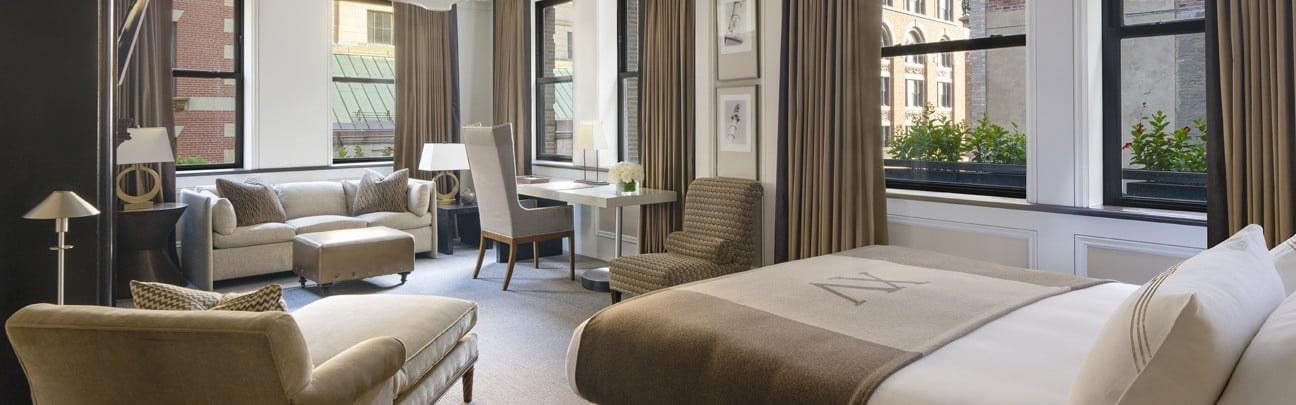
Elegant seaside atmosphere with soothing color palettes, luxurious fabrics, and waterfront terrace dining featuring fire pits.