Cafe Landwer
Cafe Landwer at 900 Beacon St brings the all-day café tradition of Tel Aviv to Boston's Fenway-Kenmore corridor, where the Israeli café format, built around strong coffee, substantial brunch plates, and a menu that runs from morning through dinner, remains relatively rare in the city. The Beacon Street address puts it in a residential stretch that rewards regulars as much as first-time visitors.
Pearl is the En Primeur Club membership app — saves, bookings, and concierge access live there. Same editors, same standards.
- Address
- 900 Beacon St, Boston, MA 02215
- Phone
- +18572502689
- Website
- landwercafe.com
- Directions
- Get directions
 Saves & bookings on Pearl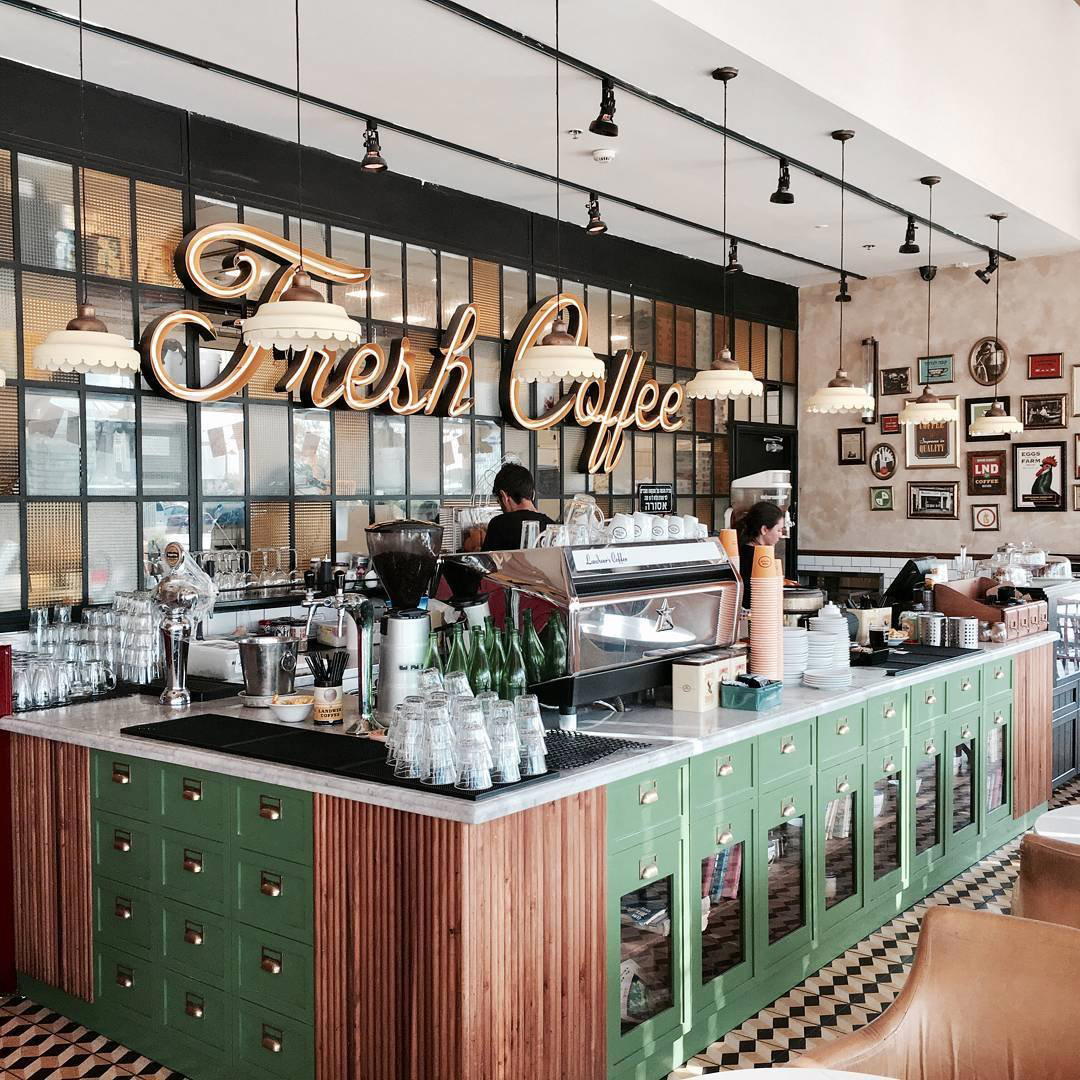
The Israeli Café Format in an American City
Boston's all-day dining scene has long been anchored by the New England diner, the European-style bistro, and the fast-casual bowl concept. The Israeli café tradition occupies a different register entirely: coffee taken seriously alongside food that spans the meal spectrum, a format rooted in Tel Aviv's neighborhood café culture where the distinction between breakfast, lunch, and dinner is treated as largely irrelevant. Cafe Landwer is an Israeli Mediterranean café at 900 Beacon St in Boston's Fenway-Kenmore district, with a casual dress code and a walk-in-friendly service style.
The Landwer brand itself has roots in a 1919 German coffee company that eventually relocated to Tel Aviv, where it built a café chain with a loyal following across Israel before expanding internationally. That lineage places Cafe Landwer in a different category from the independent Israeli cafés that have opened in New York and Los Angeles in recent years, it is an established institutional name in Israeli café culture, not a first-generation transplant.
Beacon Street and the Fenway-Kenmore Context
The stretch of Beacon Street near 900 runs through a part of Boston that sits between the Fenway neighborhood and Brookline, drawing a mix of students, hospital workers from the nearby Longwood Medical Area, and residents of the dense apartment buildings that line this corridor. All-day café concepts work in neighborhoods with this demographic profile: the demand for a place that functions as a morning coffee spot, a midday work table, and an early dinner option is high, and the Israeli café format, with its extended hours and menu breadth, maps onto that demand efficiently.
Fenway-Kenmore sits in an underserved tier relative to the Back Bay and Downtown dining corridors, which makes an all-day operation at this address a more relevant choice than it might appear on a map.
The All-Day Format as Cultural Argument
What distinguishes the Israeli café model from comparable American brunch-and-coffee concepts is the underlying assumption that the menu should reflect a Mediterranean pantry rather than a continental one. Shakshuka, labneh, tahini, and za'atar are structural elements rather than specialty items, they appear across the menu in the way that hollandaise or maple syrup anchor American brunch. The Landwer menu internationally has operated in this framework, positioning dishes that are commonplace in Israeli households as the default rather than the exotic option.
This approach contrasts with how Middle Eastern and Levantine ingredients have been introduced in many American cities, where they typically arrive via fine-dining reinterpretation. Restaurants like Agosto in Boston, which works within a tasting-menu chef's counter format, or nationally recognized fine-dining rooms such as Le Bernardin in New York City, Smyth in Chicago, or Providence in Los Angeles represent the high-commitment end of ingredient-driven dining. The Israeli café format operates at the opposite end of that axis, accessible, repeatable, neighborhood-anchored, and that is precisely its function.
Coffee as the Anchor, Not an Afterthought
Café culture in Israel developed around coffee in a way that mirrors the espresso-bar tradition in Italy or the third-wave specialty model in Australia: the beverage program is treated as co-equal with the food, not subordinate to it. The Landwer heritage as a coffee company before it became a café chain reinforces this orientation. In a city where specialty coffee has grown considerably, particularly in neighborhoods with younger demographics, a café that treats espresso preparation as central rather than incidental occupies a coherent market position.
Boston's café scene has developed its own serious operators in recent years, and the Fenway-Kenmore corridor has historically lagged behind the South End and Cambridge in coffee density. An all-day café with a credible coffee program at this address fills a functional gap in the neighborhood's hospitality infrastructure.
Where Cafe Landwer Sits in Boston's Dining Picture
Boston's premium dining tier includes counters and tasting-menu rooms that require weeks of advance planning: 311 Omakase operates in the high-commitment omakase format, while 1928 Rowes Wharf and waterfront addresses like 75 on Liberty Wharf anchor the harbor dining corridor. The steakhouse tradition is represented by Abe and Louie's, a long-running Back Bay room. The restaurant sits in an entirely different tier, not competing against those rooms but complementing the city's dining picture by offering a daytime and casual-evening option with a distinct cultural identity.
Nationally, the Israeli and Levantine café format has gained traction in cities with large Jewish communities and in markets where Mediterranean food culture has moved from peripheral to mainstream. The comparison set for the restaurant is less about fine-dining benchmarks, venues like The French Laundry in Napa, Blue Hill at Stone Barns in Tarrytown, or Addison in San Diego, and more about the emerging category of internationally rooted café brands establishing American footholds. That category also includes outlets elsewhere in the country: Lazy Bear in San Francisco, Emeril's in New Orleans, Single Thread Farm in Healdsburg, The Inn at Little Washington, Atomix in New York City, and Atelier Moessmer Norbert Niederkofler in Brunico all represent destination-dining formats with strong cultural specificity, the Israeli café operates in the same logic of cultural specificity, just at an everyday rather than destination price point.
Planning Your Visit
The restaurant is located at 900 Beacon St, accessible by the MBTA Green Line at the Fenway or Kenmore stops, both a short walk from the address. The Beacon Street location places it along a main bus corridor as well. Given the all-day café format, the weekend mornings are typically busiest, while weekday midmorning visits are usually calmer. The café is open daily from 8 AM to 9 PM, and walk-ins are welcome.
- Shakshuka
- Green Shakshouka
- Moroccan Shakshouka
- Roselach
- Latkes Benedict
- Chicken Shwarma
- Salmon Za'tar
Peers Worth Knowing
Comparable venues nearby, for context on price, style, and recognition.
| Venue | Cuisine | Price | Notes |
|---|---|---|---|
| Cafe LandwerThis venue — the venue you are viewing | Israeli Mediterranean Café | $$ | Not listed |
| CAVA | Fast-Casual Mediterranean | $$ | Financial District |
| Metropolis | Mediterranean Cafe | $$ | South End |
| Cheeky Monkey Brewing Company | American Brewpub with Global Street Food | $$ | Kenmore |
| The Q | Pan-Asian with Mongolian Hot Pot | $$ | Downtown Crossing |
| Momosan Boston | Japanese Ramen & Izakaya | $$ | West End |
Continue exploring
More in Boston
Restaurants in Boston
Browse all →
Bars in Boston
Browse all →
Hotels in Boston
Browse all →
Wineries in Boston
Browse all →
At a Glance
- Cozy
- Modern
- Casual
- Brunch
- Casual Hangout
- Solo
- Family
- Standalone
- Craft Cocktails
Current opening hours
- Monday
- 8 AM–9 PM
- Tuesday
- 8 AM–9 PM
- Wednesday
- 8 AM–9 PM
- Thursday
- 8 AM–9 PM
- Friday
- 8 AM–9 PM
- Saturday
- 8 AM–9 PM
- Sunday
- 8 AM–9 PM
Hours can change for holidays and private events. Last verified .
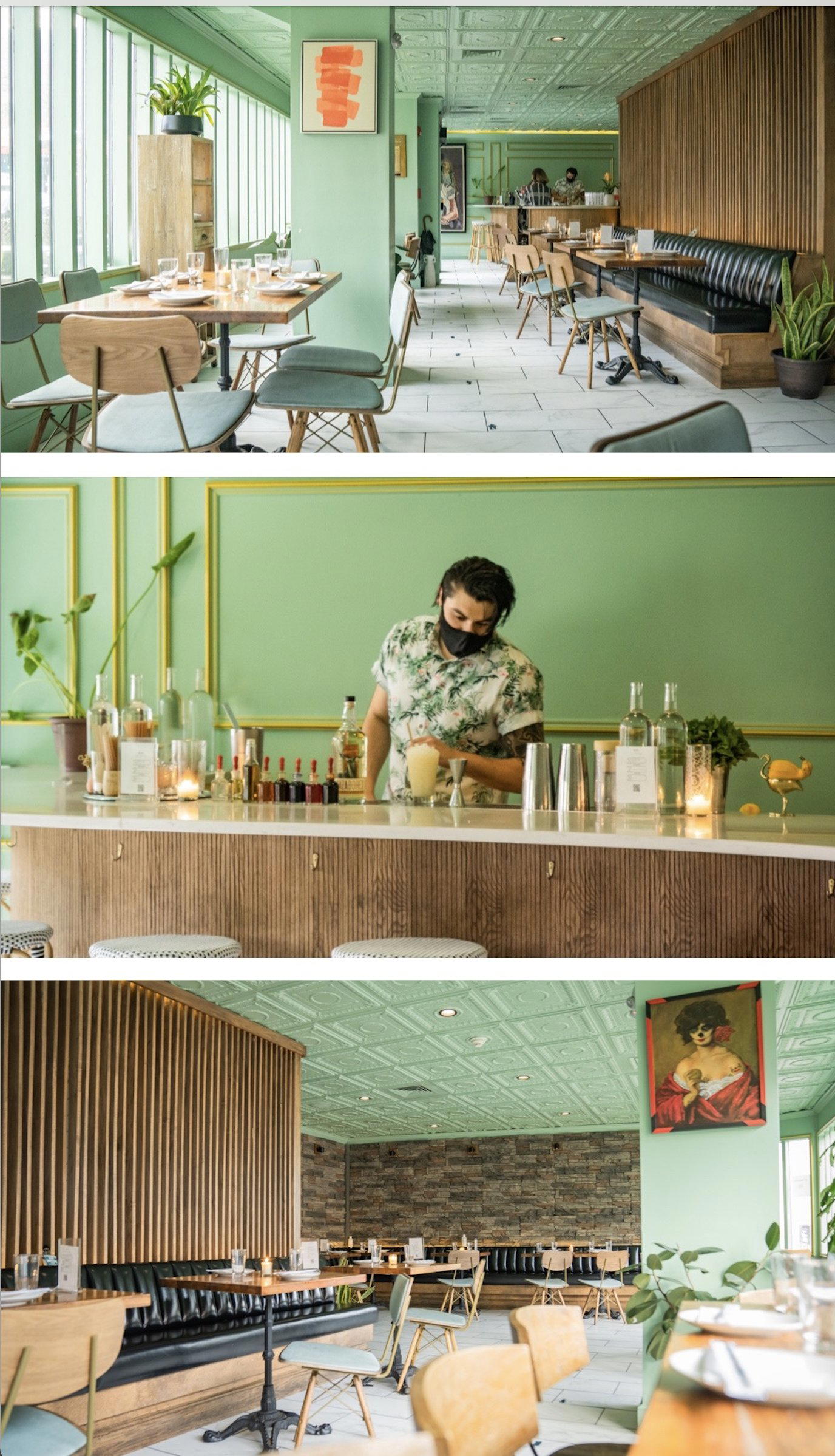
Warm, welcoming atmosphere with lively Mediterranean-inspired décor reflecting the café's heritage and commitment to fresh, flavorful dining.