
Tabelog 100 #27
Our verdict
A serious soba address in rural Izu, Asakusa Juroku Izu shuzenji hanare connects buckwheat craft with the slower food culture around Shuzenji. Its 2025 Tabelog 100 Soba EAST selection gives it a clear credential, while the low lunch price band keeps the experience closer to regional eating than ceremony-driven dining.

Pearl is the En Primeur Club membership app — saves, bookings, and concierge access live there. Same editors, same standards.
- Address
- Japan, 〒410-2501 Shizuoka, Izu, Shimoshiraiwa, 61
- Phone
- +81 558-79-3223
- Hours
- Mon–Tue 11 AM–3 PMWed ClosedThu–Sun 11 AM–3 PM
- Website
- facebook.com
- Directions
- Get directions
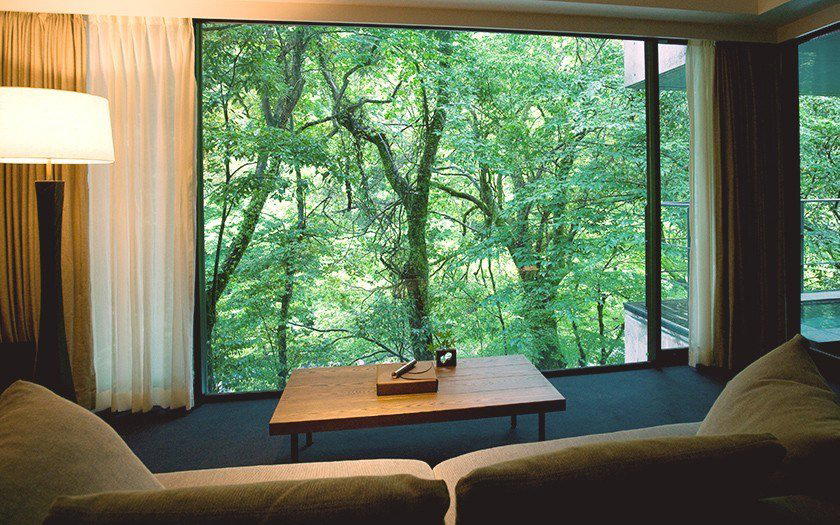
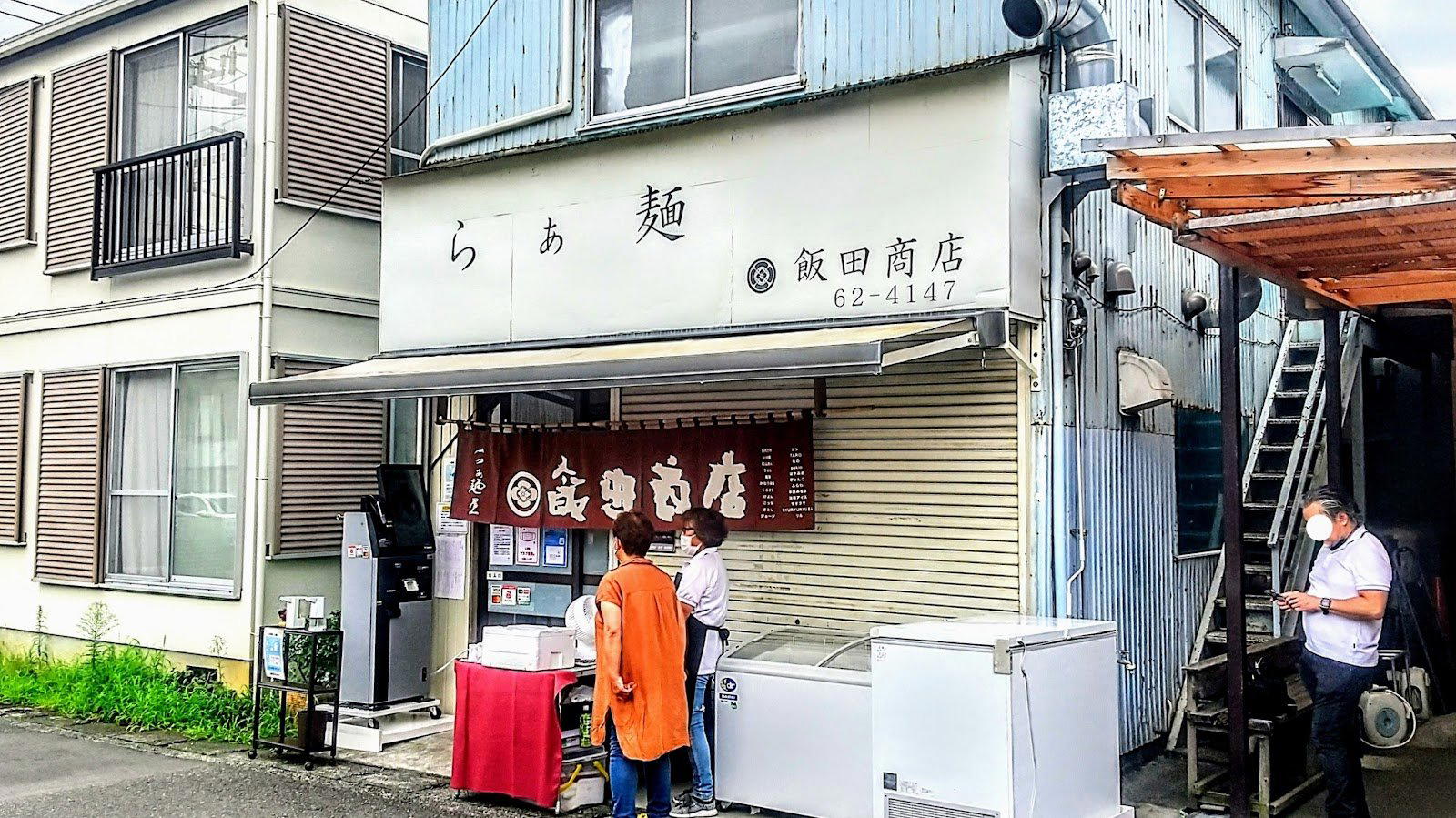
The approach to soba in Izu feels different from Tokyo’s counter culture. Around Shuzenji, the meal belongs to the rhythm of hot-spring towns, day trips, mountain roads and small dining rooms where buckwheat is not a luxury signal but a regional staple treated with discipline. Asakusa Juroku Izu shuzenji hanare fits that pattern: a house-style restaurant in Shimoshiraiwa, working in the soba and tempura register, with a 2025 Tabelog 100 Soba EAST selection that places it inside a competitive eastern-Japan category rather than simply the local lunch circuit.
That distinction matters because soba is unusually sensitive to context. Flour freshness, water, texture, dipping broth and the timing between boiling and serving all have less tolerance for spectacle than sushi or kaiseki. In a rural Izu setting, the stronger argument is not performance, it is restraint: noodles, tempura, and a room scaled for attention rather than throughput. The restaurant’s format, 17 seats split between tables and counter, supports that reading. This is small-capacity dining, but not in the high-drama omakase sense; it is closer to the Japanese tradition of a specialist shop where the meal is brief, exacting and dependent on the day’s pace.
Why Izu soba rewards a slower regional lens
Japan’s soba culture often gets flattened into a Tokyo story, yet regional shops can be more revealing for travellers who care about ingredients. Buckwheat has an earthy character that shows small differences quickly, and the craft lies in proportion, temperature and handling as much as in any visible flourish. Tempura alongside soba also changes the meal’s balance: the contrast is not only between crisp batter and cool noodles, but between agricultural simplicity and frying technique. When a shop earns recognition in a soba-specific list, the signal is narrower and more useful than broad popularity. It points to a category where specialists are being judged against other specialists.
The 2025 Tabelog 100 Soba EAST selection is the key public credential here. It does not make the restaurant a formal fine-dining destination, and that is precisely the point. Izu has a separate register for kaiseki ryokan dining, represented in the wider region by places such as Asaba, where the meal is tied to lodging, ceremony and seasonal progression. Soba works differently. It is concise, price-accessible and more tightly focused on a single craft. That makes Asakusa Juroku Izu shuzenji hanare a useful counterweight to the area’s ryokan-led food identity.
For travellers mapping a day around Shuzenji, this kind of meal also sits naturally beside the town’s sweets and cafe culture. Manju Sohonzan Genraku Shuzenji honten works in the confectionery lane, while Bakery & Table Tofuya Ashiyu Cafe speaks to the hot-spring town’s lighter, footbath-adjacent daytime economy. Soba adds a more grounded axis: grain, water, broth and frying, without turning lunch into an afternoon-long commitment.
A small room, a specialist category, and a clear reason to detour
The dining room’s scale is part of the editorial argument. Seventeen seats is not a mass-market soba hall, and the mix of four tables with counter seating gives the place enough flexibility for solo diners, pairs and small family groups without losing the focus of a specialist shop. In Japan, this matters. Soba can decline quickly when production is treated as volume service; smaller formats usually give the kitchen a better chance of keeping rhythm between boiling, rinsing, plating and serving.
The ingredient-sourcing angle here is less about named farms and more about the discipline of a cuisine built around a grain. Good soba is not improved by excess garnish or heavy luxury cues. It asks the diner to notice texture, aroma and the relationship between noodle and dipping sauce, then to understand tempura as a second technique rather than decoration. In Izu, where travel itineraries often tilt toward ryokan meals, seafood, wasabi fields and hot springs, a soba lunch offers a sharper read on everyday Japanese craft.
Comparison also clarifies the choice. Lumiere belongs to a different local dining lane, and the broader Izu restaurant map includes casual cafes, traditional sweets, ryokan cuisine and specialist counters. The reason to prioritise soba here is not breadth. It is category confidence: a narrow menu world, a small room, and a recognised place within eastern Japan’s soba field.
How to place it within an Izu food itinerary
As a planning decision, this is better treated as a daytime anchor than a grand evening. Build the meal around Shuzenji and the surrounding Izu interior, then let the rest of the day carry the softer pleasures of the area: tea, sweets, onsen streets, or a ryokan dinner if staying overnight. The sensible pairing is contrast, not repetition. Soba at lunch and kaiseki at night will teach more about the region than two elaborate meals competing for attention.
For a wider read on the city’s dining scene, start with Our full Izu restaurants guide. Travellers staying over should cross-check Our full Izu hotels guide, while drink-led itineraries can use Our full Izu bars guide and Our full Izu wineries guide. For non-restaurant planning, Our full Izu experiences guide gives the broader frame.
Readers comparing Japanese regional dining beyond Izu can also look at -Grilled beef Sukiyaki- KAMAKURA TANUKIAN 鎌倉 たぬき庵 in Kamakura. 鮪と炭火焼き うお炭 秋葉原店 in Tokyo.cafe in Osaka.know in Kumamoto, (Shoku) Vietnam in Kawasaki, [Curry Senmon Ten] Maruyama Kyoju. in Sapporo, [ki:] in Kyoto, and #肉といえば松田 奈良本店 in Kashihara. For Japanese drinking and rice-based casual formats outside Japan, Jōdo Saké Bar in Los Angeles and Onigiri Time in Pasadena show how focused Japanese formats translate abroad.
Frequently asked questions
Is Asakusa Juroku Izu shuzenji hanare good for families?
Yes, within a clear set of rules: the listing marks it family friendly, and children are welcome if they are school age and can finish one serving of soba on their own. That makes it a better fit for older children than for very young diners. The 17-seat room in Izu keeps the experience compact.
What kind of setting is Asakusa Juroku Izu shuzenji hanare?
It is a small soba-and-tempura room in Izu with 17 seats, split between four tables and seven counter seats. The listing describes it as a stylish, relaxing space, and it is non-smoking with wheelchair access. It was selected for Tabelog Soba EAST 2025, which gives the setting real editorial weight.
What price level is Asakusa Juroku Izu shuzenji hanare?
Pricing at Asakusa Juroku Izu shuzenji hanare is listed as JPY 1,000 - JPY 1,999.
When is Asakusa Juroku Izu shuzenji hanare open?
Hours at Asakusa Juroku Izu shuzenji hanare: Mon: 11 AM–3 PM; Tue: 11 AM–3 PM; Wed: Closed; Thu: 11 AM–3 PM; Fri: 11 AM–3 PM; Sat: 11 AM–3 PM; Sun: 11 AM–3 PM.
Where is Asakusa Juroku Izu shuzenji hanare in Izu?
Asakusa Juroku Izu shuzenji hanare is located in Izu.
At-a-Glance Comparison
Comparable venues by cuisine and price in the same metro.
| Venue | Cuisine | Price | Awards | Notes |
|---|---|---|---|---|
| Asakusa Juroku Izu shuzenji hanareThis venue — the venue you are viewing | Japanese Soba | $10–20 | Tabelog 100 #27 | Not listed |
| あまご茶屋 | Amago Trout Specialist | $10–20 | Not listed | 修善寺 |
| Bakery & Table Tofuya Ashiyu Cafe | Japanese Bakery Café | $10–20 | Tabelog 100 #41 | Yoshina Onsen |
| 竹そば 八百孝 | Traditional Japanese Soba | $1–10 | Not listed | 修善寺 |
| Manju Sohonzan Genraku Shuzenji honten | Japanese Traditional Sweets | $1–10 | Tabelog 100 #97 | Shuzenji |
| ウトロ漁協婦人部食堂 | Fresh Seafood Donburi from Fishermen's Wives | Not listed | Not listed | Utoro |
Recognition history
Dated appearances from independent guides and award organizations, with the underlying list record or original source where available.
Tabelog 100 #27 · No. 27
Tabelog · Tabelog 100 - Soba - EAST - 2025
Continue exploring
More in Izu
Restaurants in Izu
Browse all →
Details
- Quiet
- Cozy
- Classic
- Solo
- Date Night
- Casual Hangout
- Standalone
- Historic Building
- Local Sourcing
- Mountain
- Garden
- A La Carte
- Tea
- Vegetarian Friendly
Current opening hours
- Monday
- 11 AM–3 PM
- Tuesday
- 11 AM–3 PM
- Wednesday
- Closed
- Thursday
- 11 AM–3 PM
- Friday
- 11 AM–3 PM
- Saturday
- 11 AM–3 PM
- Sunday
- 11 AM–3 PM
Hours can change for holidays and private events. Last verified .
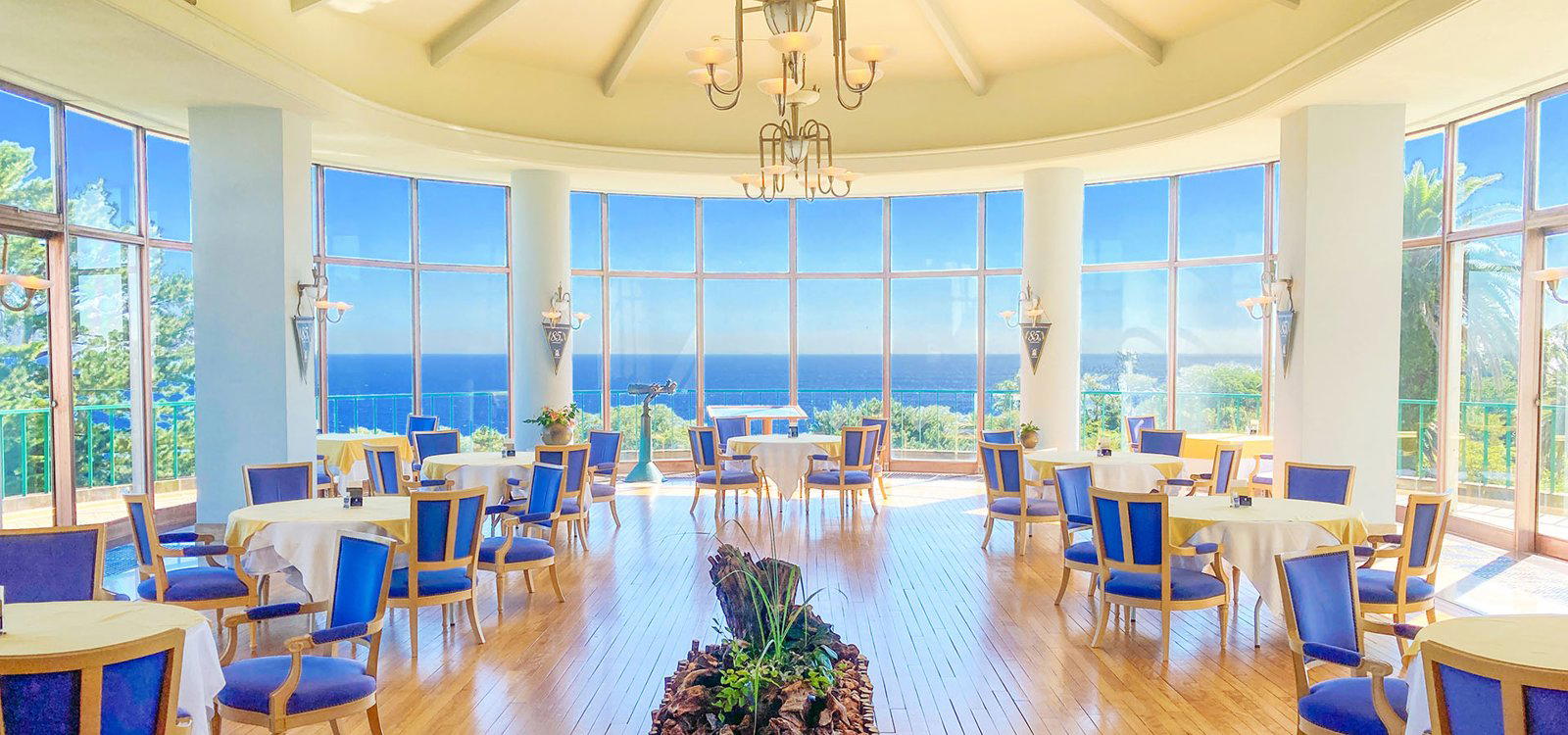
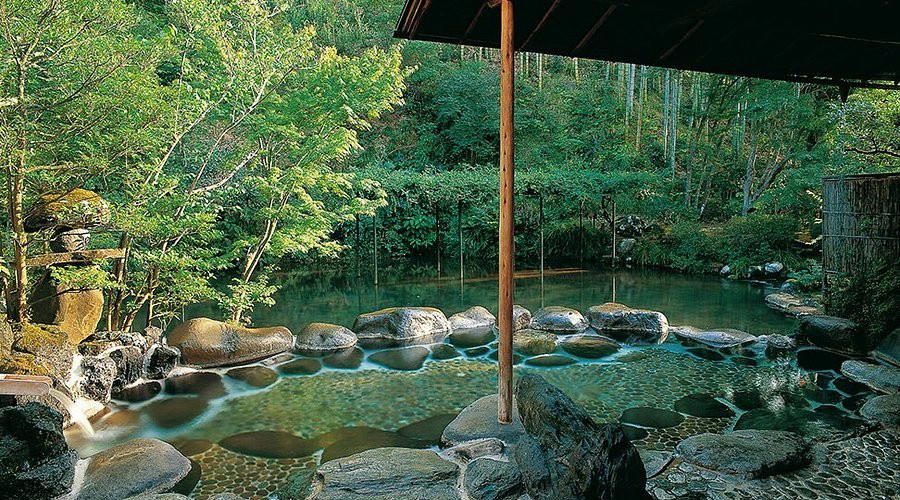
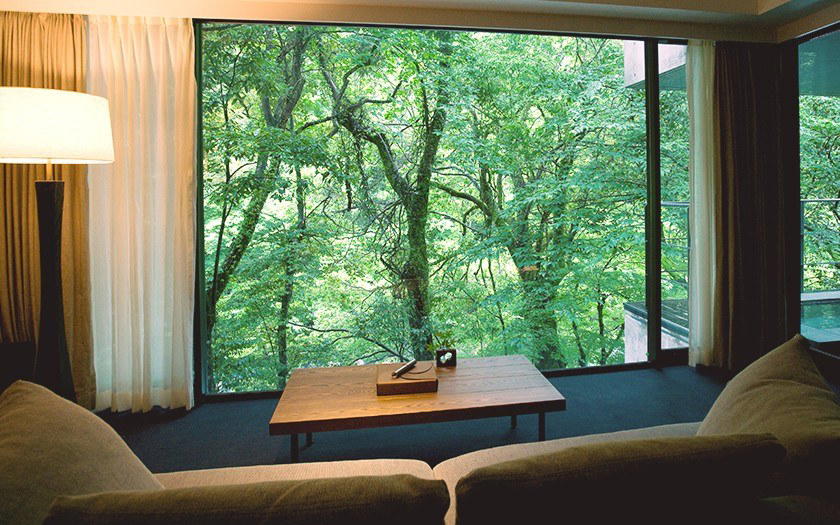
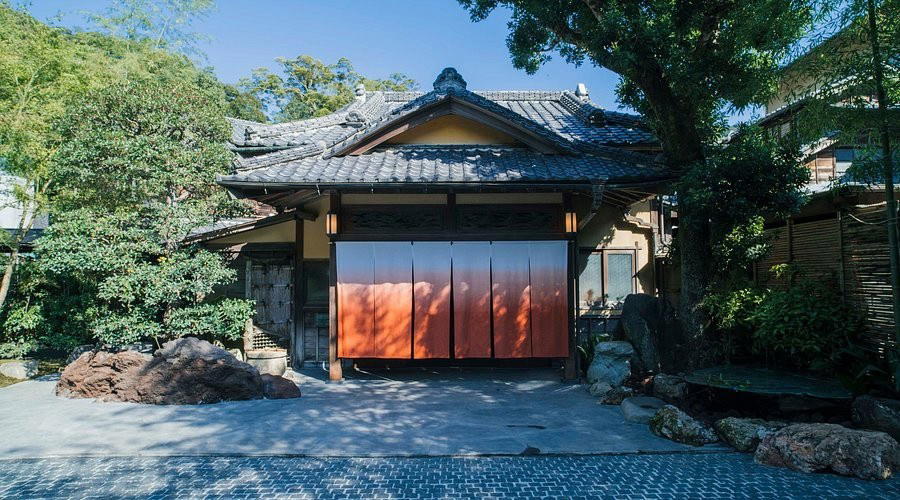
Quiet, relaxed, and stylish, with a house-restaurant feel and a beautiful view that suits a slow meal.