Schwabenhof
In the southern Burgenland village of Heiligenbrunn, Schwabenhof occupies a quiet but deliberate place in Austria's broader tradition of farm-rooted regional dining. The setting, agricultural, unhurried, anchored to local produce, places it within a category of Austrian country restaurants where provenance drives the kitchen. For those tracing Burgenland's food culture beyond its wine-tourism circuit, this is a useful reference point.
Pearl is the En Primeur Club membership app — saves, bookings, and concierge access live there. Same editors, same standards.
- Address
- Hagensdorf 22, 7522 Hagensdorf im Burgenland, Austria
- Phone
- +434333247333
- Website
- schwabenhof.at
- Directions
- Get directions
 Saves & bookings on Pearl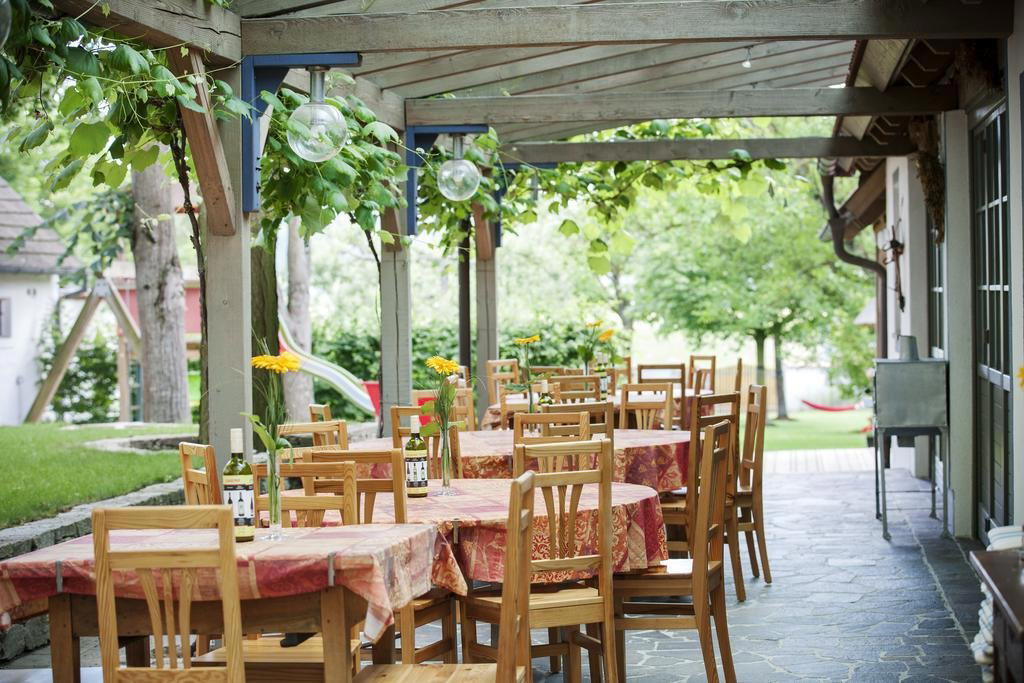
Where the Southern Burgenland Table Begins
Southern Burgenland is Austria's least-trafficked wine and food corridor, which is precisely why its restaurants operate differently from the celebrity-chef circuit of Vienna or the Alpine resort towns. In villages like Heiligenbrunn, the logic of the table is shaped by what surrounds it: small farms, forest edges, kitchen gardens, and a culinary tradition that predates the current wave of Austrian fine dining by several generations. Schwabenhof, at Hagensdorf 22 in Hagensdorf im Burgenland, is a restaurant serving Traditional Burgenland & Austrian cuisine. The building itself signals the approach before a dish arrives, a working agricultural property repurposed as a place to eat, where the boundary between farm and table has always been porous.
That physical context matters in a region where provenance is not a marketing device but an operational reality. Southern Burgenland's growing season, its proximity to Hungary and Slovenia, and its long tradition of self-sufficiency produce a kitchen vocabulary distinct from what you find at Steirereck im Stadtpark in Vienna or the technically polished rooms of Döllerer in Golling an der Salzach. Here, the editorial frame is not innovation for its own sake; it is fidelity to place.
The Sourcing Logic of Burgenland's Country Kitchens
Austrian farm restaurants in this southern tier operate within a sourcing model that larger city kitchens often approximate but rarely achieve structurally. The ingredients come from land the kitchen can see or reach within a short drive, poultry, pork, root vegetables, foraged herbs, preserves made in-house against the shorter growing months. This is the inherited operating system of rural Austrian hospitality, where a restaurant's relationship to its agricultural surroundings defines its identity more precisely than any menu category.
In the context of Burgenland specifically, that sourcing network extends into the region's distinctive larder: paprika-influenced preparations that reflect centuries of Central European exchange, freshwater fish from local sources, and a seasonal rhythm more conservative than what the Alpine dining rooms follow. Kitchens working in this tradition tend to serve food that reads as straightforwardly regional but carries real specificity if you know what to look for. Compare this to the herb-forward sourcing theatrics at Kräuterreich by Vitus Winkler in Sankt Veit im Pongau, where garden sourcing becomes the explicit formal concept, and you begin to see the spectrum: from overt concept to embedded tradition.
Schwabenhof operates closer to the embedded tradition end of that spectrum. That ratio has culinary consequences: a kitchen feeding its neighbours and regular visitors has different calibration pressures than one performing for international critics.
Southern Burgenland in the Austrian Dining Conversation
Austria's dining conversation has been dominated for years by Vienna's leading tables and the Alpine resort restaurants of Tirol and Salzburg. Places like Griggeler Stuba in Lech, Stüva in Ischgl, and Gourmetrestaurant Tannenhof in Sankt Anton am Arlberg have built international profiles precisely because they sit inside ski and resort infrastructure that delivers affluent, food-aware visitors. Southern Burgenland has no equivalent draw. Its appeal is quieter and more conditional: it rewards travellers who arrive specifically for the region's thermal resorts, wine routes, and the Őrség landscape straddling the Austrian-Hungarian border.
Within that narrower visitor pool, farm-rooted restaurants like Schwabenhof play a role that Michelin-facing establishments in Salzburg or Graz simply cannot. They are the articulation of a regional food culture that hasn't been designed for external consumption. This is worth noting against the backdrop of Taubenkobel in Schützen am Gebirge, which occupies a more designed, conceptually legible Burgenland identity, and which operates for a considerably more international audience. The two represent different registers of the same regional identity, one for export, one for internal use.
For Austrian regional dining more broadly, this distinction is generative rather than hierarchical. The country's food culture depends on both registers being maintained. The critically celebrated rooms, Ikarus in Salzburg, Obauer in Werfen, Landhaus Bacher in Mautern an der Donau, draw on a tradition of agricultural rootedness that places like Schwabenhof have kept alive without fanfare.
Placing Schwabenhof in Its comparable set
In terms of competitive positioning, Schwabenhof belongs to a category of Austrian country Gasthäuser and farm restaurants where the relevant comparable set is not Michelin-starred dining but the cluster of regionally honest, produce-driven rooms that punctuate rural Austria's food map. These are restaurants where the sourcing is local by default, the format is unpretentious by structure, and the longevity of the establishment is itself a credential. Within Austria's wider restaurant offering, you find analogues in the quieter corners of Styria and Lower Austria, places that the dedicated food traveller reaches after exhausting the more obvious stops. In terms of how this compares internationally, the format has more in common with Slovenian and Hungarian farmhouse dining across the border than with the technically polished country restaurants of, say, Ois in Neufelden or Schwarzer Adler in Hall in Tirol.
For EP Club readers who track Austrian dining beyond the Viennese and Alpine tiers, southern Burgenland deserves more attention than it typically receives. Other relevant reference points in the Austrian dining context include Artis in Graz and Atelier Fischer in Sankt Gilgen, which occupy different positions on the regional formality and concept spectrum. For those accustomed to the ambition levels of Atomix in New York City or the refinement of Le Bernardin in New York City, Schwabenhof represents an entirely different set of values. Similarly, Restaurant 141 by Joachim Jaud in Mieming shows how concept-led country dining in Austria can operate at a higher pitch; Schwabenhof operates without that pitch, and for a specific traveller, that absence is the draw.
Planning a Visit
Schwabenhof is in Hagensdorf im Burgenland, reached most practically by car from Graz (roughly 90 minutes southeast) or from the thermal spa town of Bad Radkersburg across the Styrian border. The area has no rail connection of note, so self-drive is the operative assumption for international visitors. Given the village setting, contacting the restaurant directly before visiting is advisable. Advance enquiry via phone is one reliable approach.
Comparable Spots, Quickly
Comparable venues nearby, for context on price, style, and recognition.
| Venue | Cuisine | Price | Notes |
|---|---|---|---|
| SchwabenhofThis venue — the venue you are viewing | Traditional Burgenland & Austrian | $$ | Not listed |
| Restaurant Schrott | Austrian Gastropub | $$ | Hirnsdorf |
| Schwabl | Traditional Austrian Wirtshaus | $$ | Prater |
| Futterboden | Viennese-Mediterranean Fusion | $$ | Rudolfsheim |
| Lokalaugenschein | Austrian & International | $$ | Podersdorf am See |
| Emmy im Schloss Gamlitz | Styrian Austrian Regional | $$ | Gamlitz |
Continue exploring
More in Heiligenbrunn
Restaurants in Heiligenbrunn
Browse all →
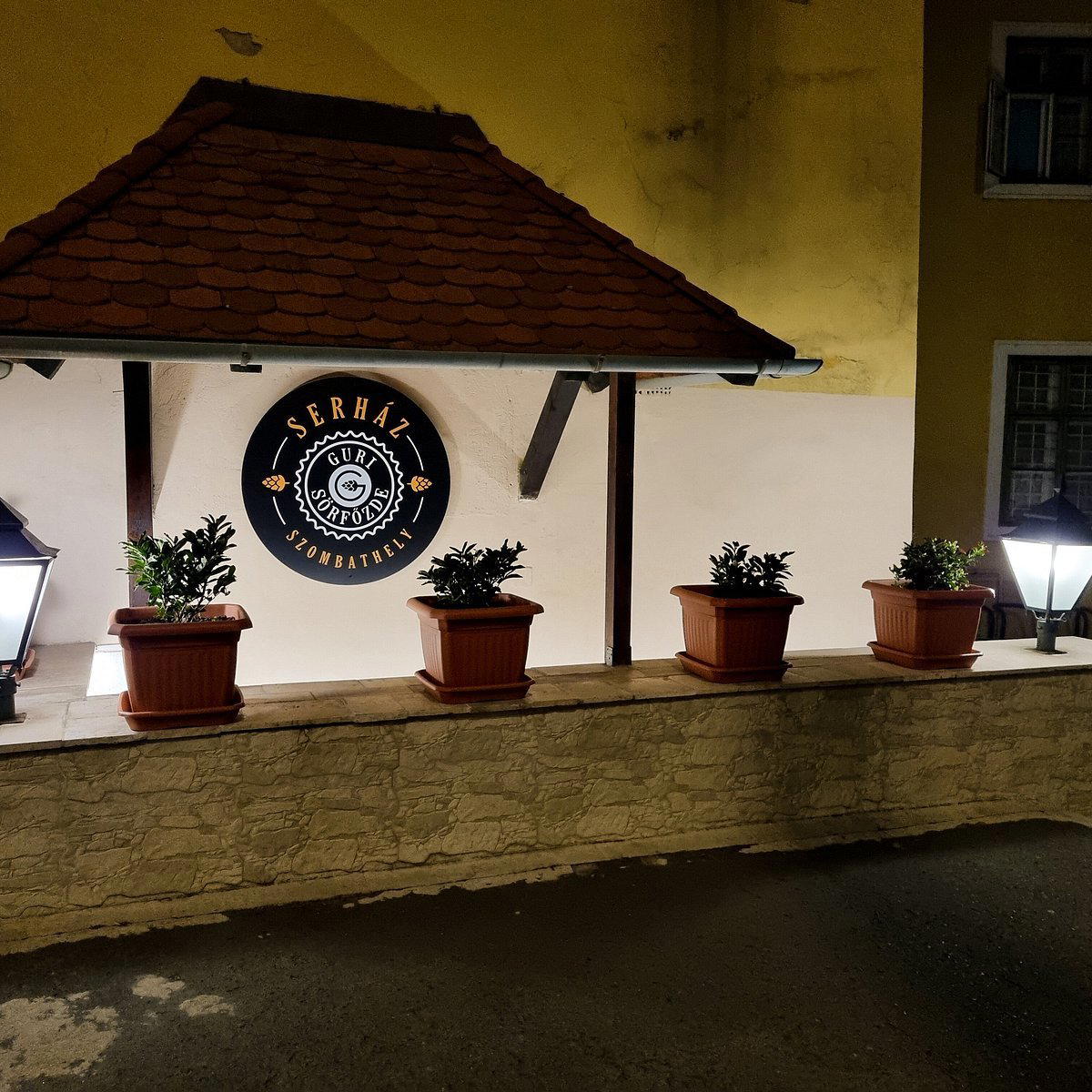
Bars in Heiligenbrunn
Browse all →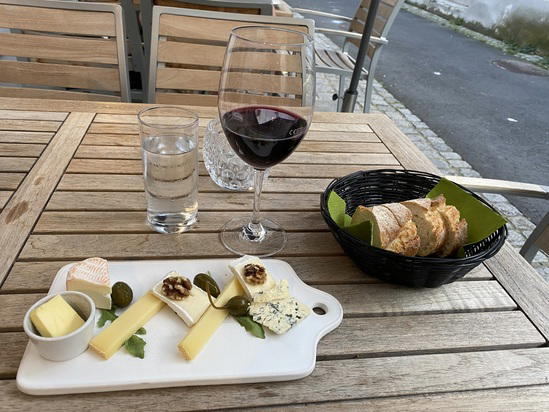
Hotels in Heiligenbrunn
Browse all →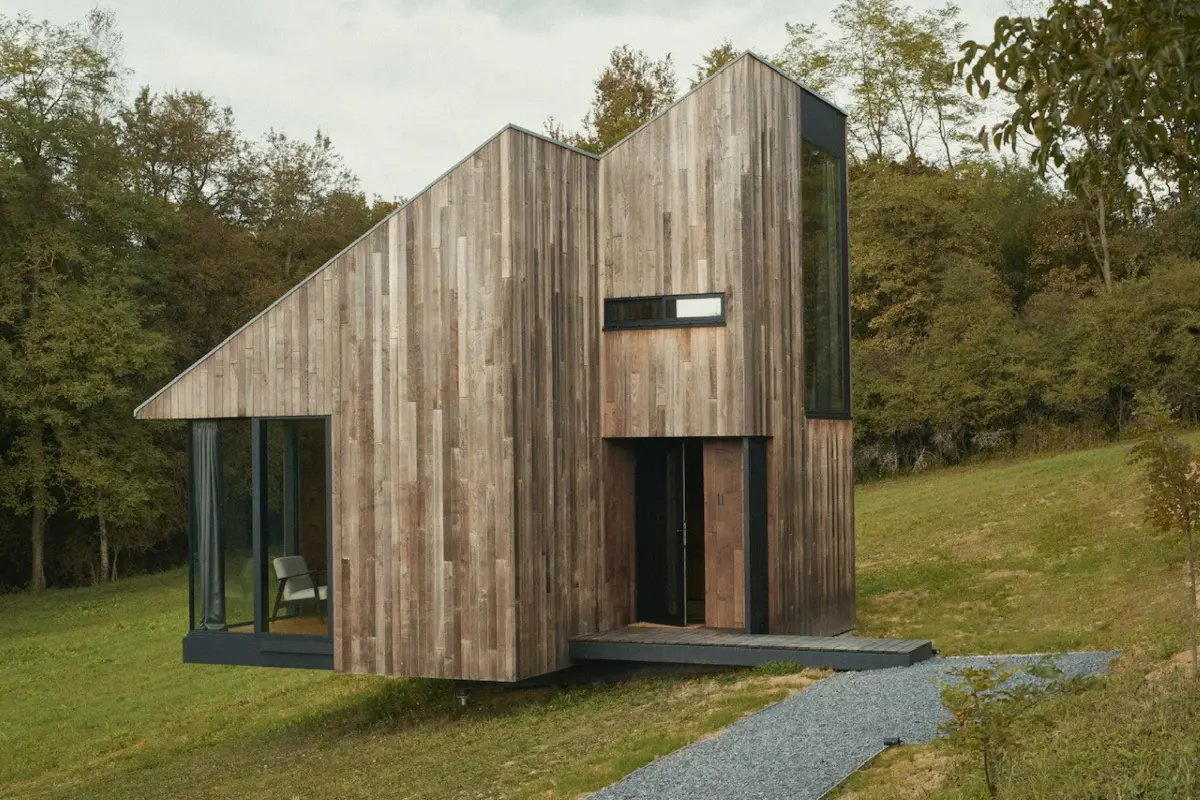

At a Glance
- Rustic
- Cozy
- Family
- Casual Hangout
- Historic Building
- Terrace
- Local Sourcing
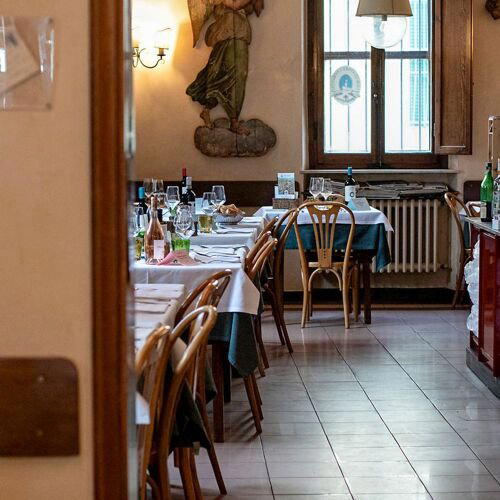
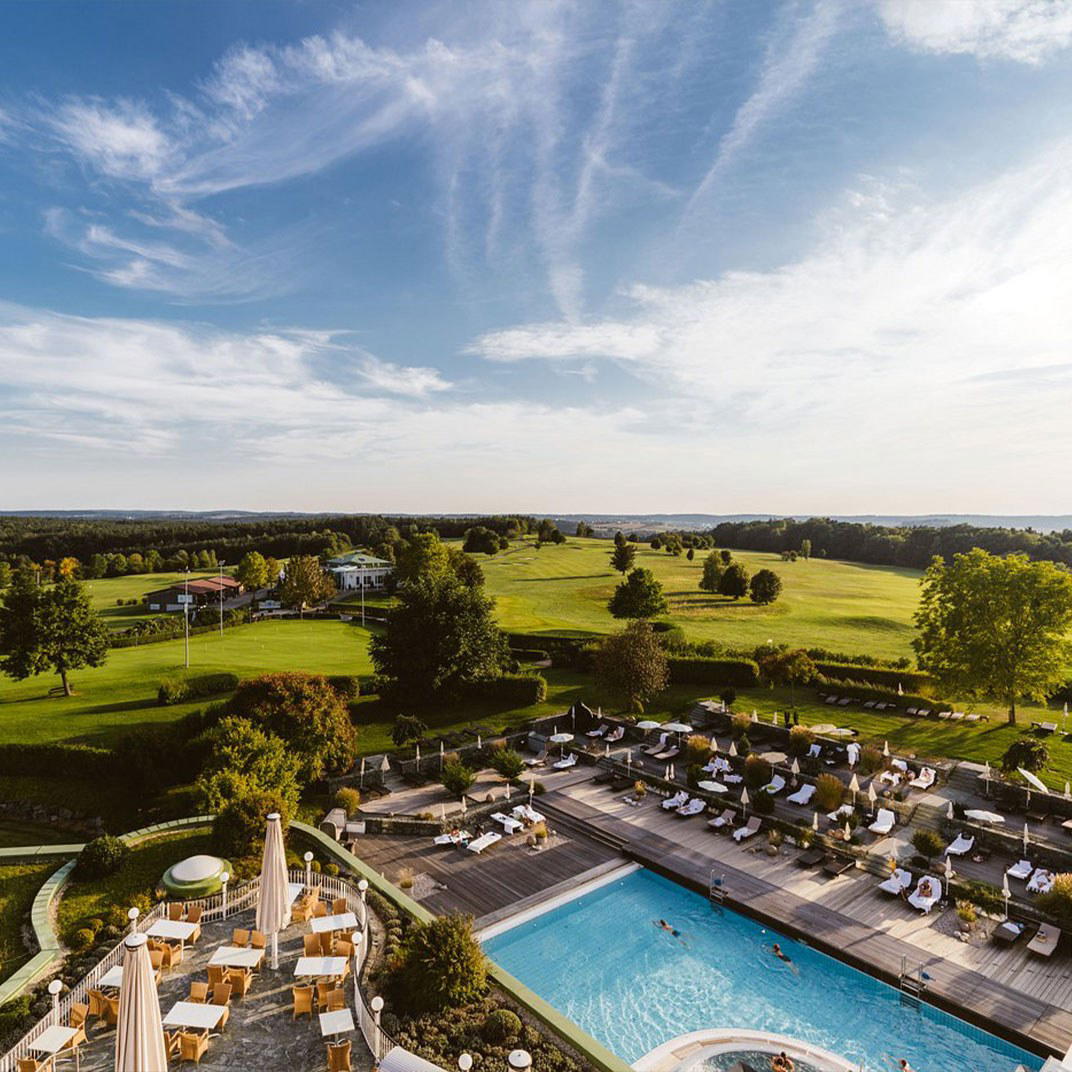
Warm, familial atmosphere combining traditional rustic charm with modern comforts and a sun terrace for relaxed outdoor moments.