Seiterhütte
A mountain hut on Schladming's Hochwurzen slope, Seiterhütte sits in a category of Alpine dining where the setting does as much work as the kitchen. Compared to the resort's more polished dining rooms, it represents the rugged, altitude-driven end of the local eating spectrum, where regional sourcing and the practicalities of mountain supply chains shape what ends up on the plate.
Pearl is the En Primeur Club membership app — saves, bookings, and concierge access live there. Same editors, same standards.
- Address
- Hochwurzenstraße 225, 8971 Schladming, Austria
- Phone
- +43368761615
- Website
- seiterhuette.at
- Directions
- Get directions
 Saves & bookings on Pearl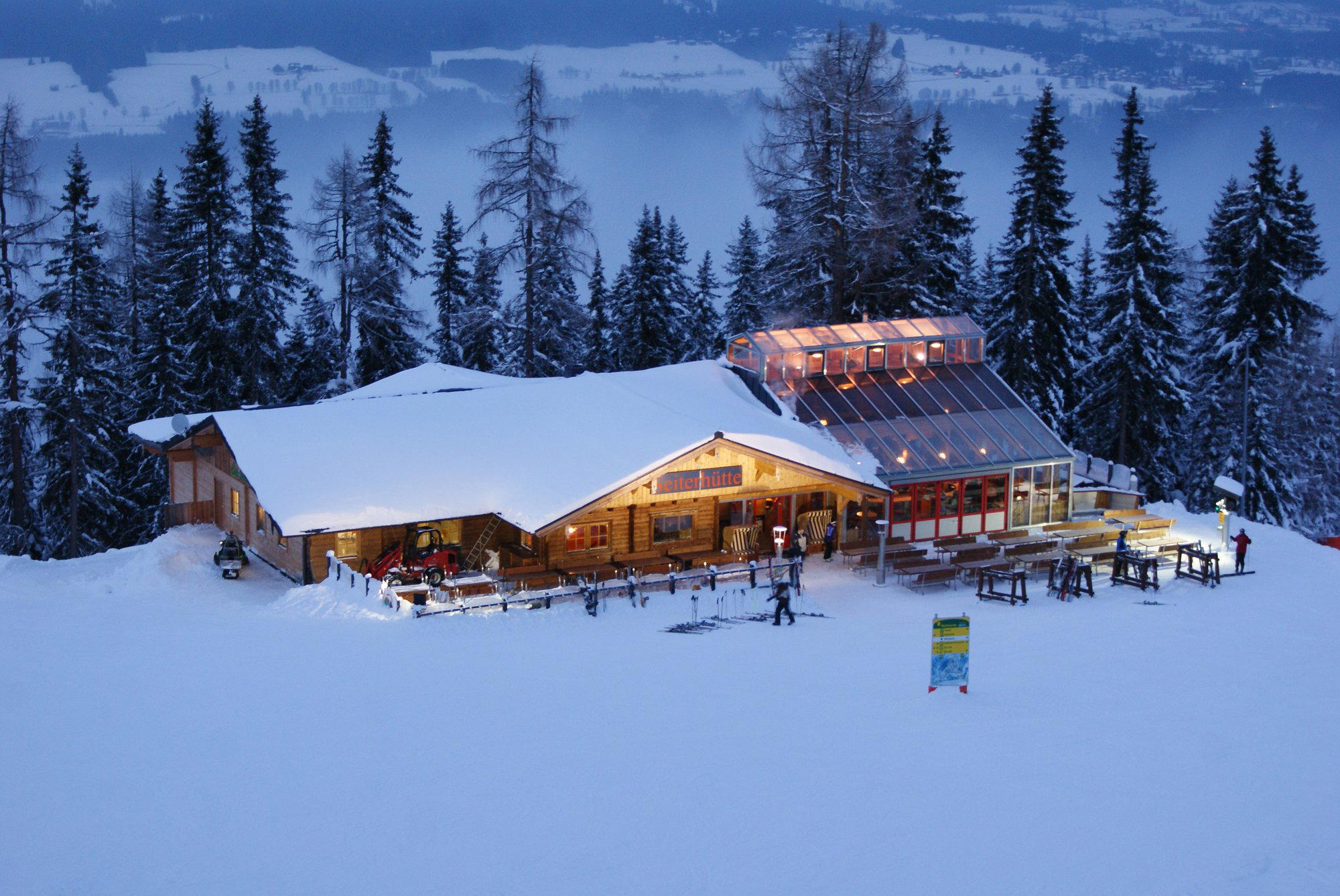
Where the Mountain Sets the Terms
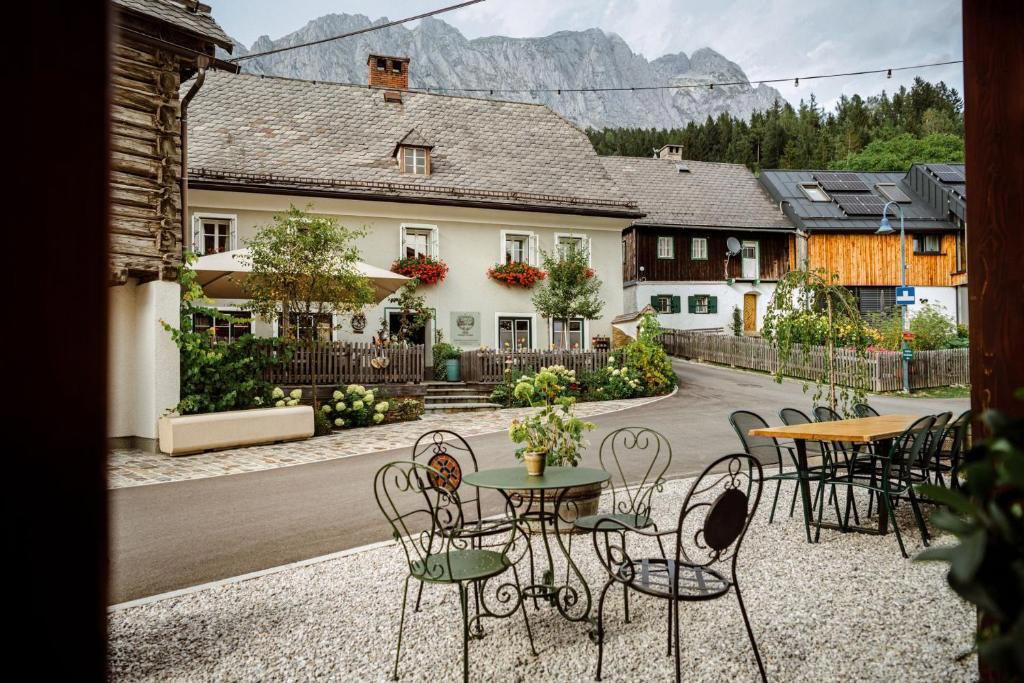
Alpine huts above ski resorts operate under constraints that no lowland restaurant faces: supply logistics dictated by cable car schedules, kitchens that must function in temperatures that drop well below freezing, and a clientele that arrives wind-burned, hungry, and dressed for the outdoors rather than a dining room. Seiterhütte, a Traditional Styrian Mountain Hut in Schladming, belongs to this category of place where geography is not backdrop but operational reality. The approach, whether on foot or by lift, frames the experience before a single dish arrives.
Schladming has built a dual identity over the past two decades: a racing town with serious FIS credentials and, increasingly, a year-round destination with a dining scene that ranges from refined Austrian cooking at town-level restaurants to the more immediate, weather-dictated food of its mountain stations. Seiterhütte sits at the altitude-driven end of that spectrum, occupying a position that the resort's indoor restaurants cannot replicate and do not try to.
The Ethics of Eating at Altitude
Sustainability in mountain dining is not an abstract philosophy. It is a practical problem with concrete solutions, or the absence of them. Huts at elevation face real constraints: refrigeration costs more energy per unit than at sea level, transport by lift or snowcat carries a carbon footprint attached to every delivery, and waste removal is as logistically complex as supply. The huts that take these constraints seriously tend to source shorter, work with fewer ingredients, and design menus around what can realistically arrive and stay fresh at altitude.
Across the Austrian Alps, a pattern has emerged among the more conscientious mountain kitchens: a narrowing of the menu rather than an expansion of it, a preference for Styrian or regional producers who can supply in smaller, more frequent volumes, and a reduced reliance on proteins that require long cold chains. This approach is less visible than a certification or an award, but it is legible in what appears on the plate and, just as often, in what does not. Hochwurzenhütte and Hochwurzenalm operate in a similar altitude band on the same mountain, making the Hochwurzen ridge one of the more instructive places in Styria to observe how different operators handle the same supply challenge.
The broader Austrian dining conversation, anchored by restaurants like Steirereck im Stadtpark in Vienna and Döllerer in Golling an der Salzach, has made regional sourcing and seasonal discipline a defining feature of the country's culinary identity. Mountain huts translate that ethos into rougher conditions. The gap between what a two-Michelin-star kitchen in Vienna can achieve with Austrian produce and what a Hochwurzen hut can achieve with the same sourcing intention is wide, but the intention itself connects them.
Mountain Hut Dining in Context
Schladming's restaurant scene covers a wider range than most visitors expect from a ski town. At street level, ARX Restaurant and da SEPP represent the more composed end of local dining, while JOHANN GENUSSraum sits in a middle register that blends Styrian produce with contemporary technique. These venues share a town-level infrastructure: reliable delivery, controlled environments, conventional kitchen logistics.
Seiterhütte and its neighbours on the Hochwurzen operate differently. The rhythm of a mountain hut kitchen is tied to the lift's operating hours, the weather's effect on foot traffic, and the seasonal swing between ski season volume and summer hiking patterns. What this produces, at its leading, is a form of cooking that is genuinely site-specific: not because a chef has decided to be creative about it, but because the mountain insists.
For context on how this kind of mountain hospitality connects to the wider Alpine dining tradition, restaurants like Griggeler Stuba in Lech and Gourmetrestaurant Tannenhof in Sankt Anton am Arlberg show what happens when mountain-adjacent kitchens bring serious technical ambition to altitude-adjacent sourcing. Further afield, Kräuterreich by Vitus Winkler in Sankt Veit im Pongau has made herb-focused, hyper-regional sourcing a recognisable format in the Austrian Alps. Seiterhütte belongs to the same regional sourcing conversation.
The Hochwurzen Ridge as a Dining Itinerary
One of the more useful ways to approach Seiterhütte is not as a standalone destination but as part of a broader day on the Hochwurzen. The mountain's network of huts allows visitors to move between stations across a morning or afternoon, with Hochwurzenhütte sitting at a different point on the ridge. Each hut has its own character, its own relationship to the mountain's foot traffic, and its own version of Styrian mountain food. Treating the ridge as a loose dining circuit rather than committing to a single stop gives a more complete picture of what altitude-driven hospitality in this part of Austria actually looks like.
Timing matters at elevation, especially in ski season. Summer hiking season brings a different rhythm: lighter traffic and more time to linger.
Planning a Visit
Seiterhütte is located at Hochwurzenstraße 225, Schladming. Access is via the Hochwurzen lift system, which makes the hut reachable in both ski season and during the summer hiking calendar. Walk-in is the standard format, and weather conditions on the mountain should be checked before any visit. For a fuller picture of where Seiterhütte sits within Schladming's dining options across both altitude and price registers, the full Schladming restaurants guide covers the town's range from mountain stations to street-level dining rooms.
Visitors travelling specifically for Austria's serious dining tier should also note that the Salzburg and Styrian restaurant circuits, represented by destinations like Ikarus in Salzburg, Obauer in Werfen, Landhaus Bacher in Mautern an der Donau, and Ois in Neufelden, are accessible as part of a broader Austrian itinerary. For international reference points on what technical ambition applied to a specific regional ingredient tradition can achieve, Le Bernardin in New York City and Atomix in New York City offer comparative benchmarks at the far end of the ambition scale, and Restaurant 141 by Joachim Jaud in Mieming shows what focused Alpine ambition looks like closer to Schladming's latitude.
The Short List
Comparable venues nearby, for context on price, style, and recognition.
| Venue | Cuisine | Price | Notes |
|---|---|---|---|
| SeiterhütteThis venue — the venue you are viewing | Not listed | $$ | Not listed |
| da SEPP | Not listed | $$ | Rohrmoos-Untertal, Modern Austrian Alpine Cuisine |
| Märchenwiesenhütte | Not listed | $ | Planai, Traditional Austrian Alpine Cuisine |
| Ursprungalm | Preuneggtal, Traditional Austrian Alpine | $$ | Not listed |
| Onkel Willy's Hütte | Not listed | $$ | Planai, Traditional Austrian Mountain Hut |
| Steireralm | Reiteralm, Traditional Austrian Ski Hut | $$ | Not listed |
Continue exploring
More in Schladming
Restaurants in Schladming
Browse all →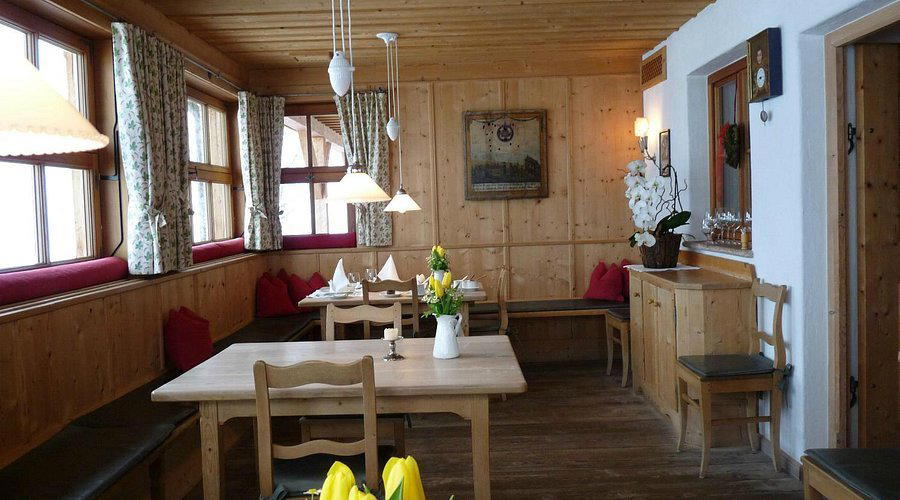
Bars in Schladming
Browse all →
At a Glance
- Rustic
- Cozy
- Scenic
- Casual Hangout
- After Work
- Terrace
- Open Kitchen
- Local Sourcing
- Mountain
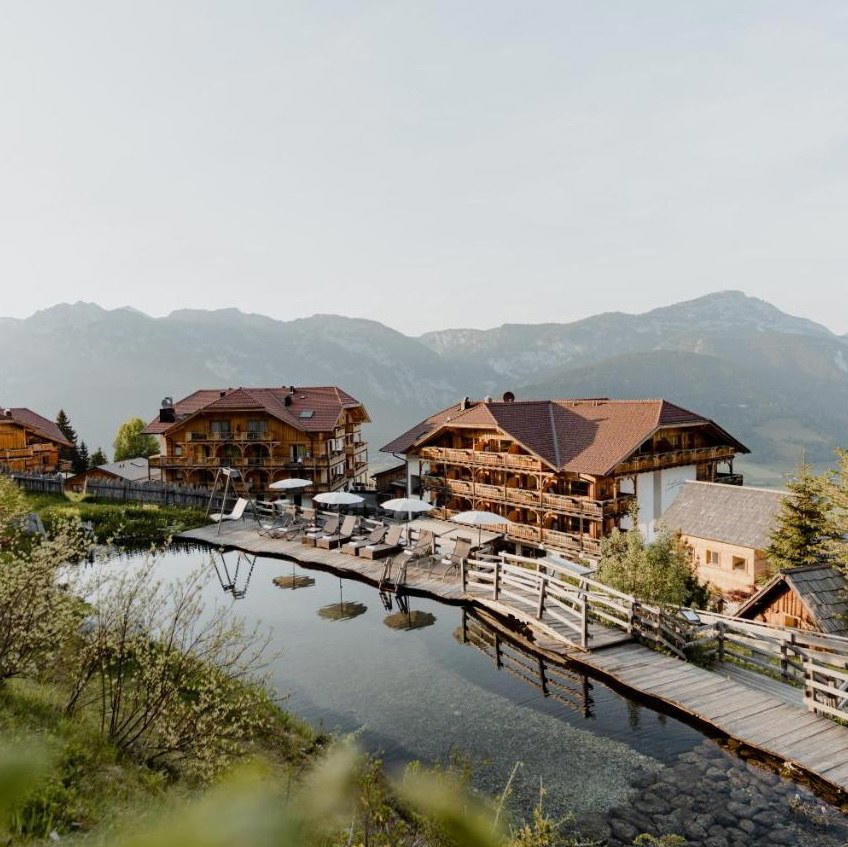
Cozy alpine hut atmosphere with Kachelofen stove, transitioning to lively après-ski energy.