Located on Universitätsstraße in Vienna's First District, Schatz Imhof occupies a position within one of Europe's most demanding fine-dining cities. The address places it among the institutions and galleries of the Ringstrasse era, where the expectations for both cuisine and setting run high. Readers planning a serious meal in Vienna will find context here for where this address fits within the city's current restaurant scene.
Pearl is the En Primeur Club membership app — saves, bookings, and concierge access live there. Same editors, same standards.
- Address
- Universitätsstraße 11, 1010 Wien, Austria
- Phone
- +434312953754
- Website
- schatzimhof.at
- Directions
- Get directions
 Saves & bookings on Pearl
A First District Address in a City That Takes Its Restaurants Seriously
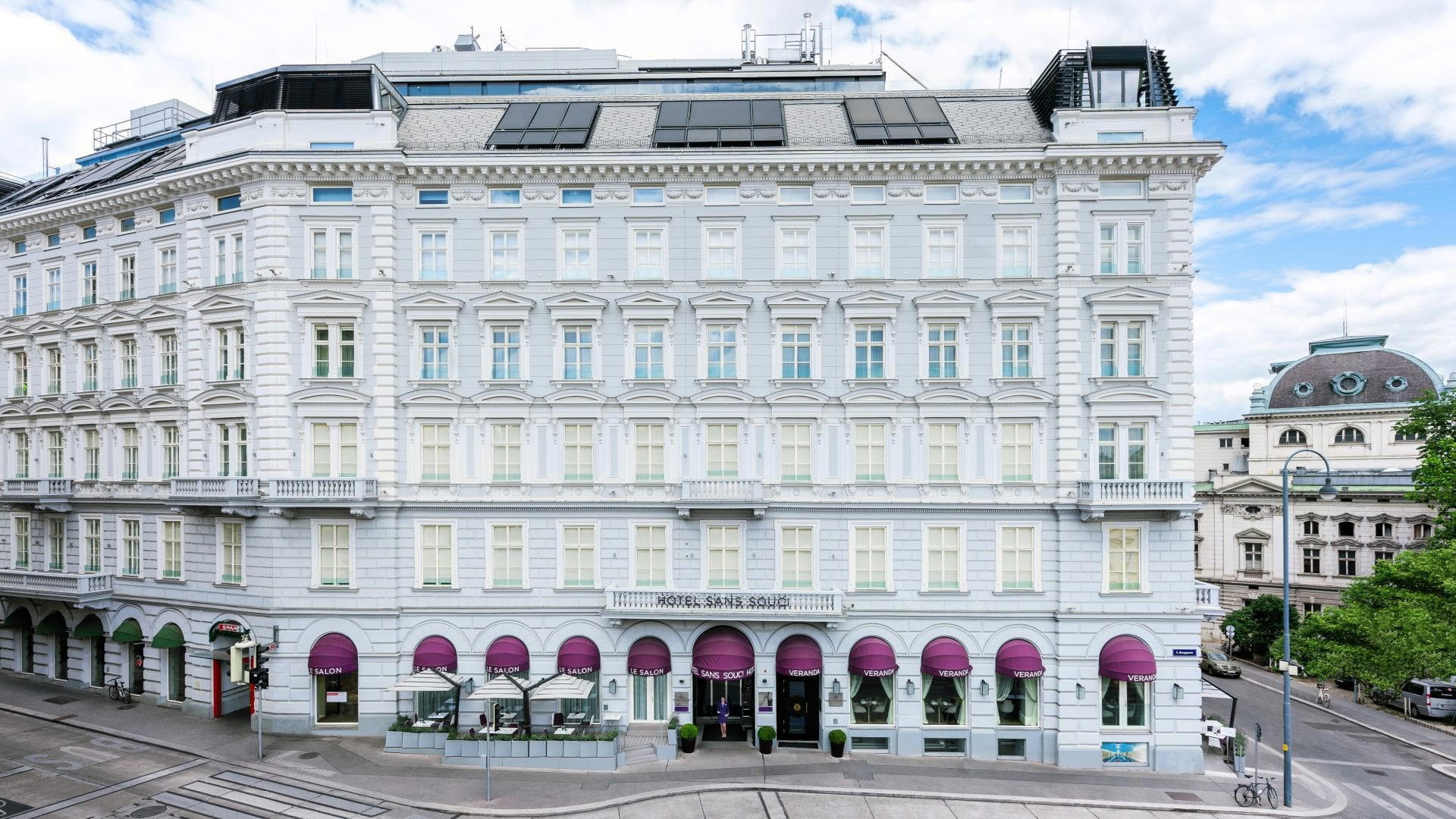
Vienna's First District has been home to serious dining for well over a century. The Ringstrasse boulevard, completed in the 1860s under Emperor Franz Joseph I, set the architectural and civic tone for the neighbourhood, and the restaurants that followed understood their context. Today, the First District remains the benchmark zone for Vienna's most considered dining, with addresses on or near Universitätsstraße competing against a comparable set that includes particularly scrutinised kitchens in the German-speaking world. Schatz Imhof, at Universitätsstraße 11, is a restaurant in Vienna's First District.
To understand what that means for a diner, it helps to look at the category. Vienna has a notable density of serious restaurants in its central districts. The city's top tier, represented by kitchens like Steirereck im Stadtpark and Amador, has attracted sustained international attention. A tier below that, restaurants like Konstantin Filippou and Mraz & Sohn have built reputations on precision and the intelligent use of Austrian produce within modern European frameworks. Any restaurant operating in this district is implicitly positioned relative to that conversation.
What Menu Architecture Reveals About a Vienna Kitchen
In Vienna's fine-dining scene, how a kitchen structures its menu communicates almost as much as what it cooks. The city has a strong tradition of multi-course formal dining that predates the tasting-menu format by decades, the Viennese Menü with its fixed sequence of courses is a genuine cultural artefact, not a borrowed convention from France. Kitchens that adopt a tasting format here are making a deliberate statement about their orientation: toward the international fine-dining conversation, toward ingredient-led progression, toward a guest experience measured in hours rather than courses.
Kitchens that retain à la carte or hybrid formats make a different statement: that the diner's agency matters, that the food should hold up to selection rather than curation, and that the kitchen is confident enough in individual dishes to let them stand alone. Neither approach is inherently superior, Doubek has demonstrated that rigorous à la carte cooking in Vienna can generate its own serious following, but the structure of a menu is always a decision with implications for who the restaurant is and who it is cooking for.
Austria's broader fine-dining geography reflects this tension. Restaurants like Döllerer in Golling an der Salzach and Obauer in Werfen have built their identities around a clear relationship with Alpine produce and regional tradition, presenting that relationship through menu structures that make the provenance argument explicit. In Salzburg, Ikarus takes an entirely different structural approach, rotating guest chefs through the kitchen in a format that makes the menu itself the editorial statement. These variations are not aesthetic whims, they are positions in a wider argument about what Austrian fine dining is and where it is going.
The First District Context: Neighbourhood and Expectation
Universitätsstraße runs through a part of the First District defined by the University of Vienna, the Rathaus, and the Burgtheater, civic institutions that have shaped the character of the street for generations. Dining in this zone tends to attract a mix of academics, professionals, and cultural visitors who have a high baseline expectation for both food and service. The neighbourhood does not reward casual effort. Restaurants here that have lasted more than a decade have typically done so by meeting a consistent standard across multiple visits, not by coasting on location alone.
For comparison within Austria's broader restaurant geography, the First District comparable set is distinct from the Alpine dining tradition represented by addresses like Griggeler Stuba in Lech, Gourmetrestaurant Tannenhof in Sankt Anton am Arlberg, or Schwarzer Adler in Hall in Tirol. Those restaurants operate within a resort-and-landscape context that shapes the dining proposition fundamentally. In Vienna, the city itself is the context, and the First District is one concentrated expression of what that means.
Internationally, the ambition of Vienna's serious restaurant scene maps reasonably against what diners encounter at highly regarded urban kitchens elsewhere. The tasting-menu format that Atomix in New York City has refined, or the technique-led seafood focus of Le Bernardin, represent the kind of international benchmark that Vienna's top tier is increasingly measured against, a shift that has accelerated over the past fifteen years as the city's culinary reputation has grown beyond its Central European base.
Planning a Meal in This Part of Vienna
For diners building an itinerary around Vienna's First District, the area rewards a considered approach. The concentration of serious restaurants within a walkable radius means it is possible to eat at a different calibre of kitchen each night without leaving the central zone. Restaurants like Kräuterreich by Vitus Winkler in the provinces and Landhaus Bacher in Mautern an der Donau represent the kind of day-trip dining that Vienna's position in Lower Austria makes possible, but the city itself offers sufficient depth that most visitors will not need to leave to find serious cooking. Addresses in the outer districts, including Ois in Neufelden and Restaurant 141 by Joachim Jaud in Mieming, round out the Austrian picture for those willing to travel further.
Know Before You Go
- Address: Universitätsstraße 11, 1010 Wien, Austria
- District: First District (Innere Stadt), Vienna
- Phone: Not available, check current listings before visiting
- Booking: Reservation recommended
- Price range: €€€
- Hours: Wed 5 PM to 12 AM; Thu 5 PM to 12 AM; Fri 5 PM to 1 AM; Sat 2 PM to 1 AM
- Nearby context: Walking distance from the University of Vienna, Burgtheater, and Rathaus
Where the Accolades Land
Comparable venues nearby, for context on price, style, and recognition.
| Venue | Cuisine | Price | Notes |
|---|---|---|---|
| Schatz ImhofThis venue — the venue you are viewing | Modern Austrian Contemporary | $$$ | Not listed |
| KELSEN im Parlament | Modern Austrian | $$$ | Hofburg |
| Kussmaul | Modern Austrian | $$$ | Innere Stadt |
| trude & töchter | Modern Viennese | $$ | Staatsoper |
| Eugen21 | Modern Austrian with International Influences | $$$ | Sudbahnhof |
| Salettl Salettl | Traditional Austrian Garden Hut | $$ | Oberdoebling |
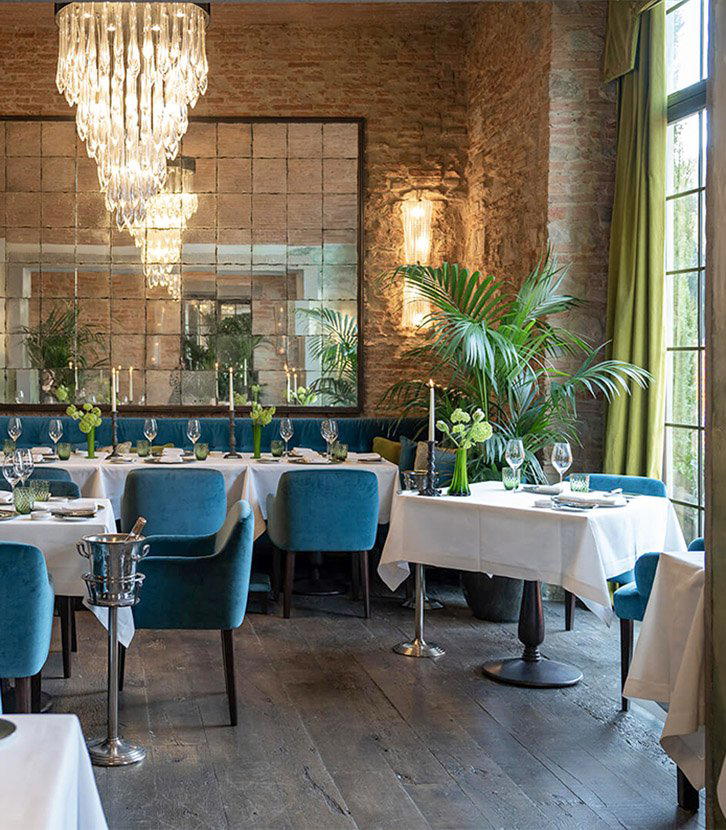
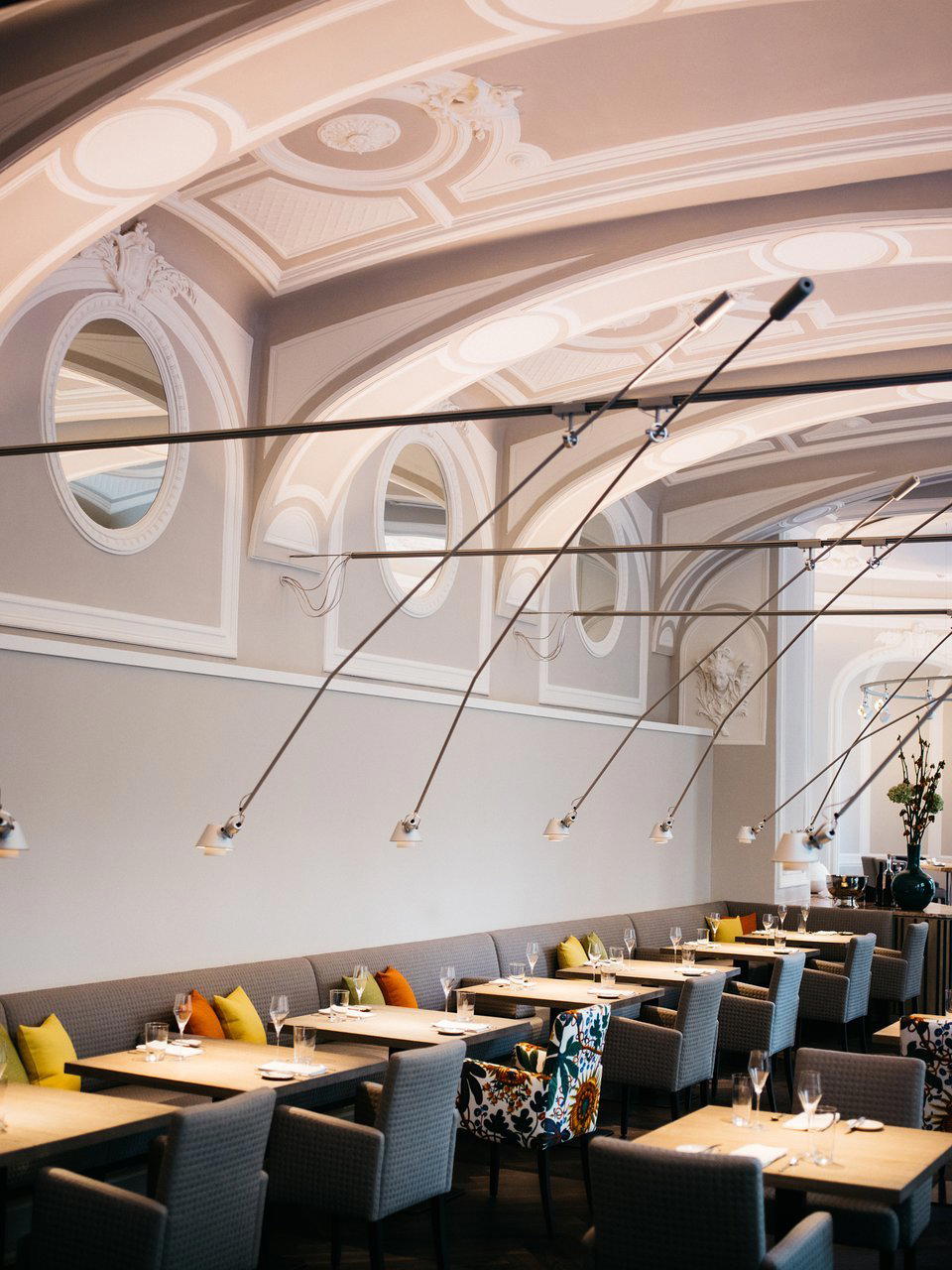
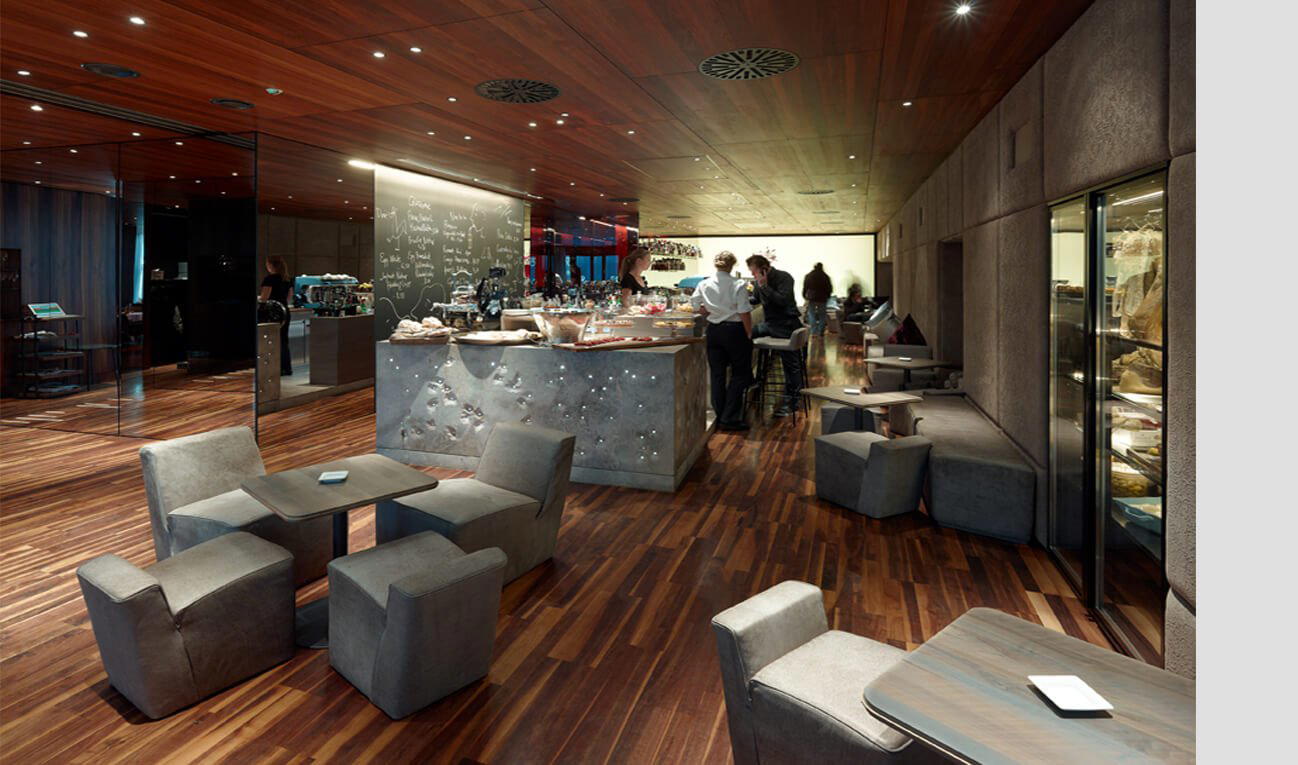
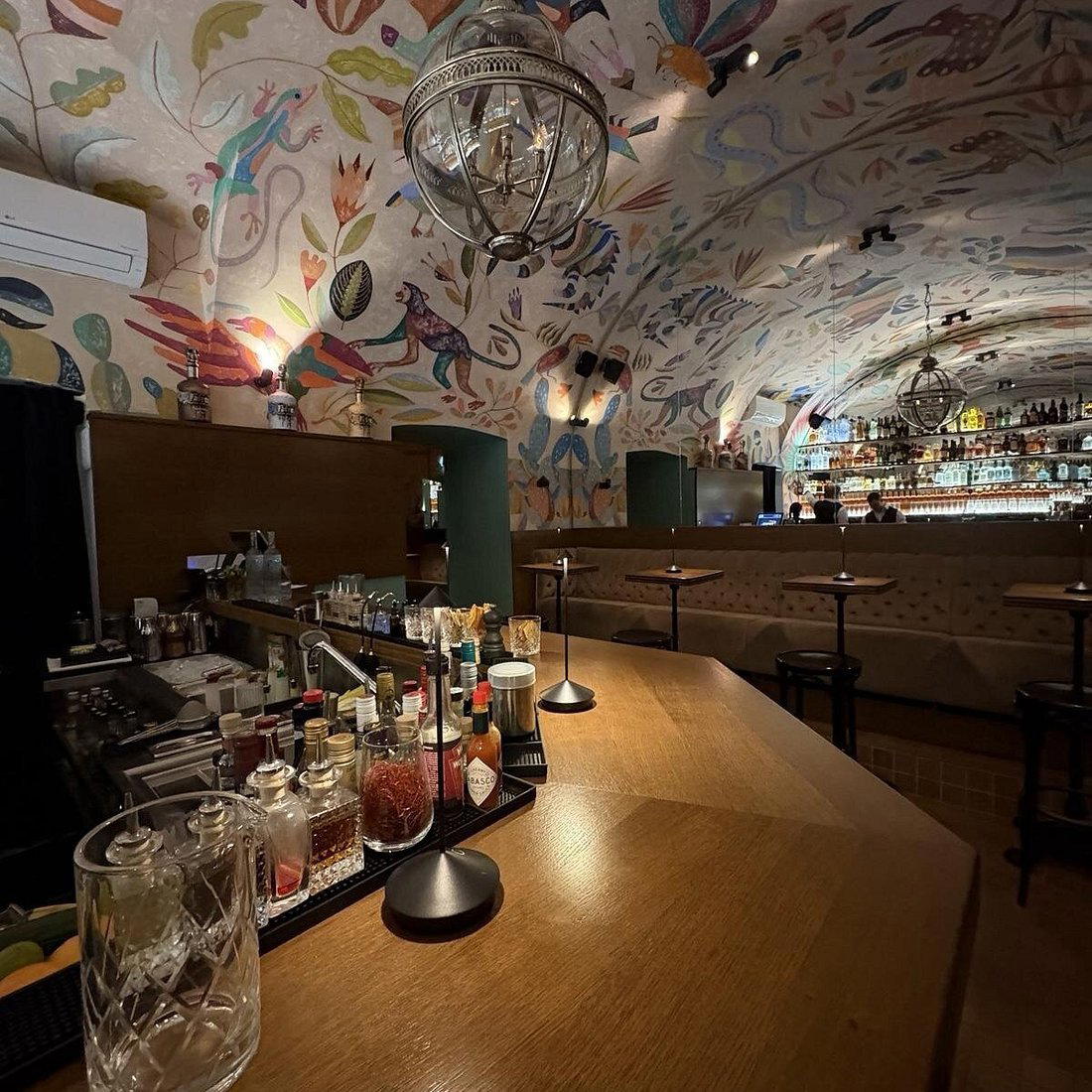
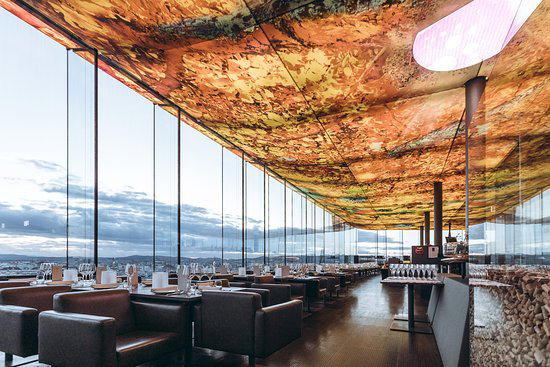
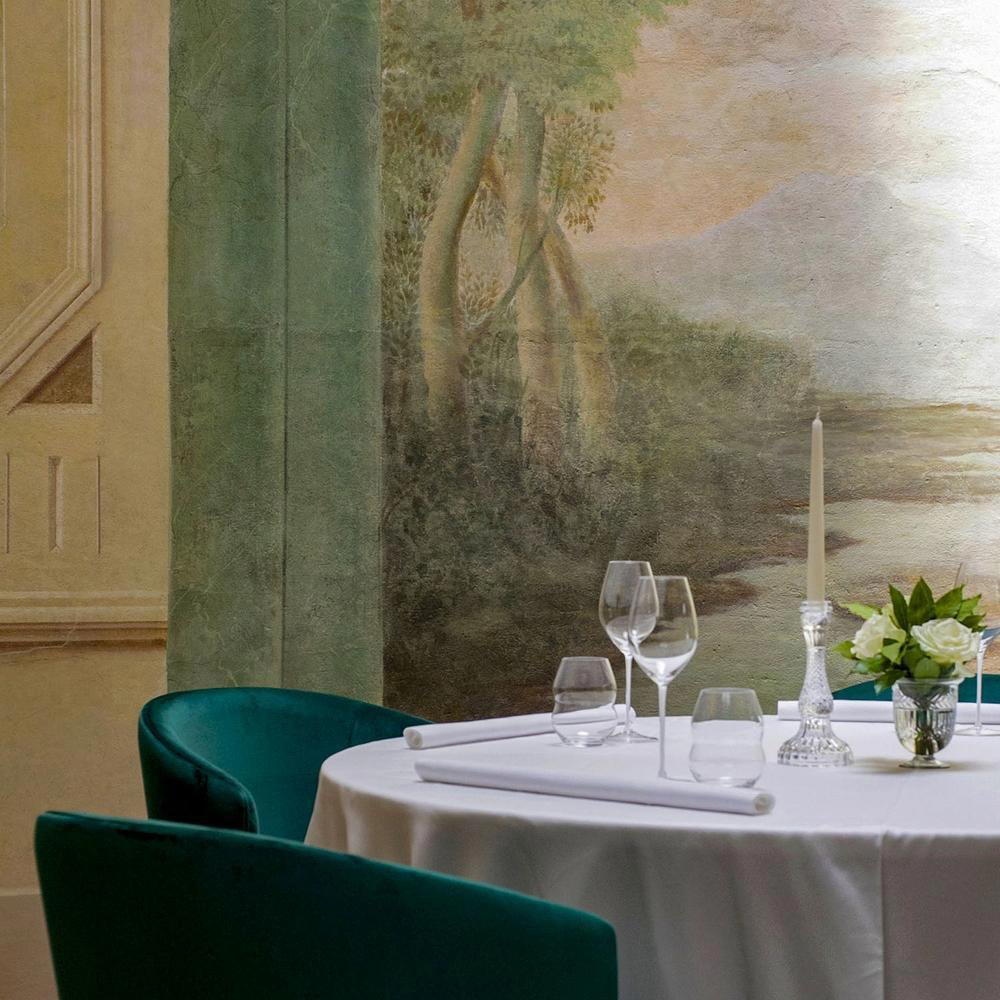
At a Glance
- Trendy
- Modern
- Sophisticated
- Date Night
- Special Occasion
- Historic Building
Current opening hours
- Monday
- Closed
- Tuesday
- Closed
- Wednesday
- 5 PM–12 AM
- Thursday
- 5 PM–12 AM
- Friday
- 5 PM–1 AM
- Saturday
- 2 PM–1 AM
- Sunday
- Closed
Hours can change for holidays and private events. Last verified .
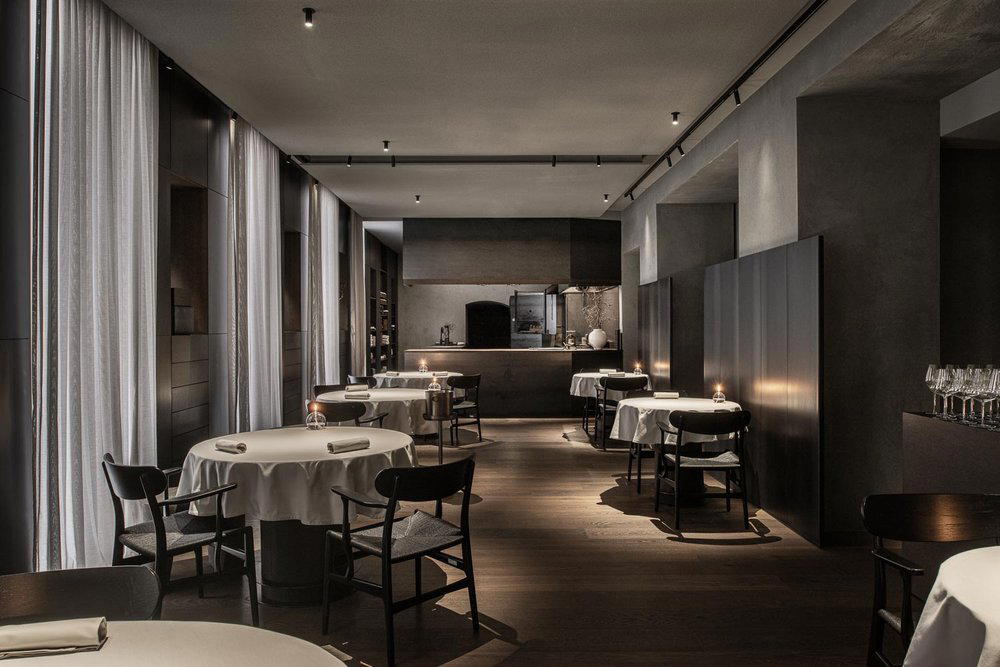
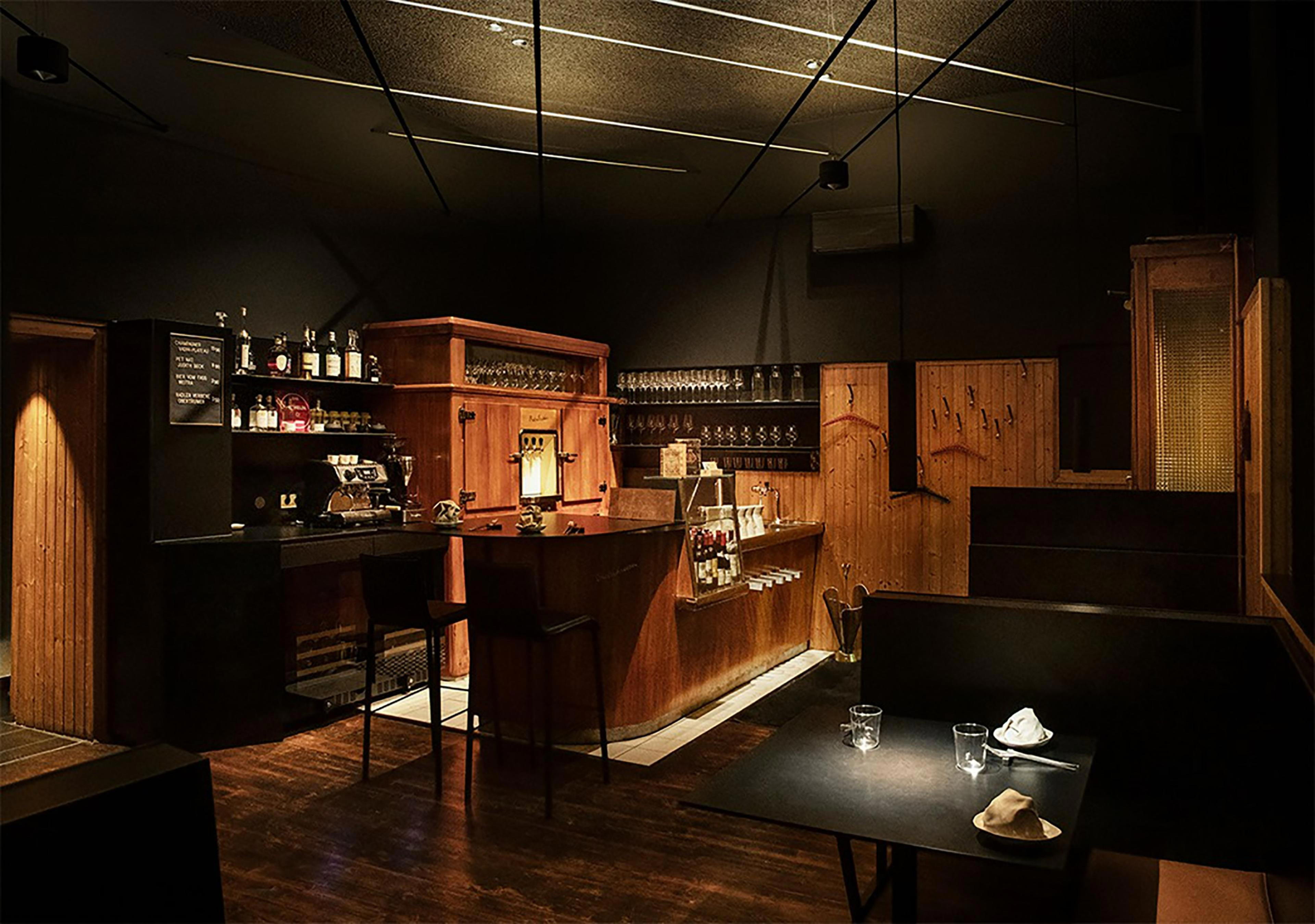
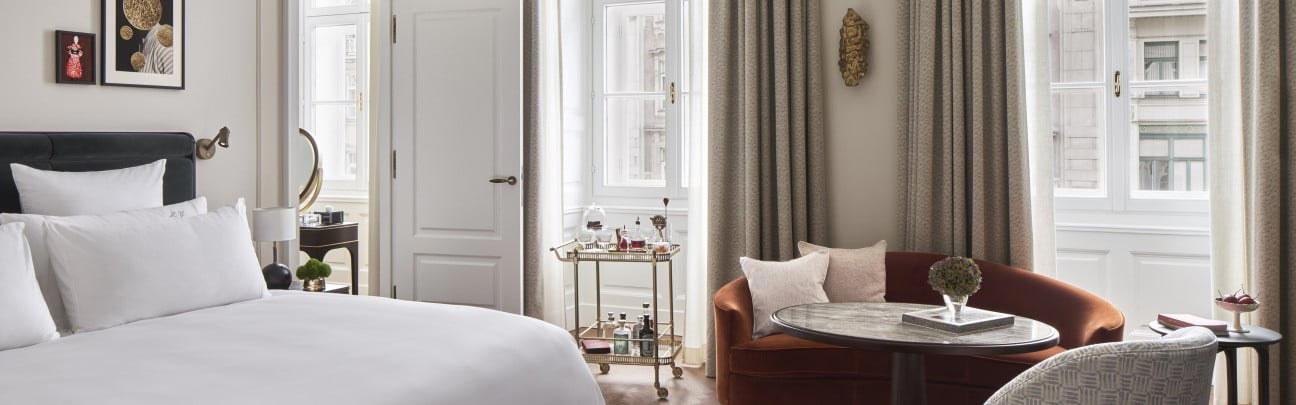
Trendy and sophisticated atmosphere with beautifully presented dishes and notable bread, evoking a modern fine dining vibe.