Salettl Salettl occupies a quiet address in Vienna's 19th district, the Döbling neighbourhood that has long supported a particular kind of unhurried, produce-led dining away from the inner city's flagship restaurant corridor. The venue sits within a tier of Austrian dining increasingly shaped by questions of sourcing, seasonality, and what a kitchen owes to the land around it.
Pearl is the En Primeur Club membership app — saves, bookings, and concierge access live there. Same editors, same standards.
- Address
- Hartäckerstraße 80, 1190 Wien, Austria
- Phone
- +434314792222
- Website
- m.facebook.com
- Directions
- Get directions
 Saves & bookings on Pearl
Döbling and the Geography of Considered Dining
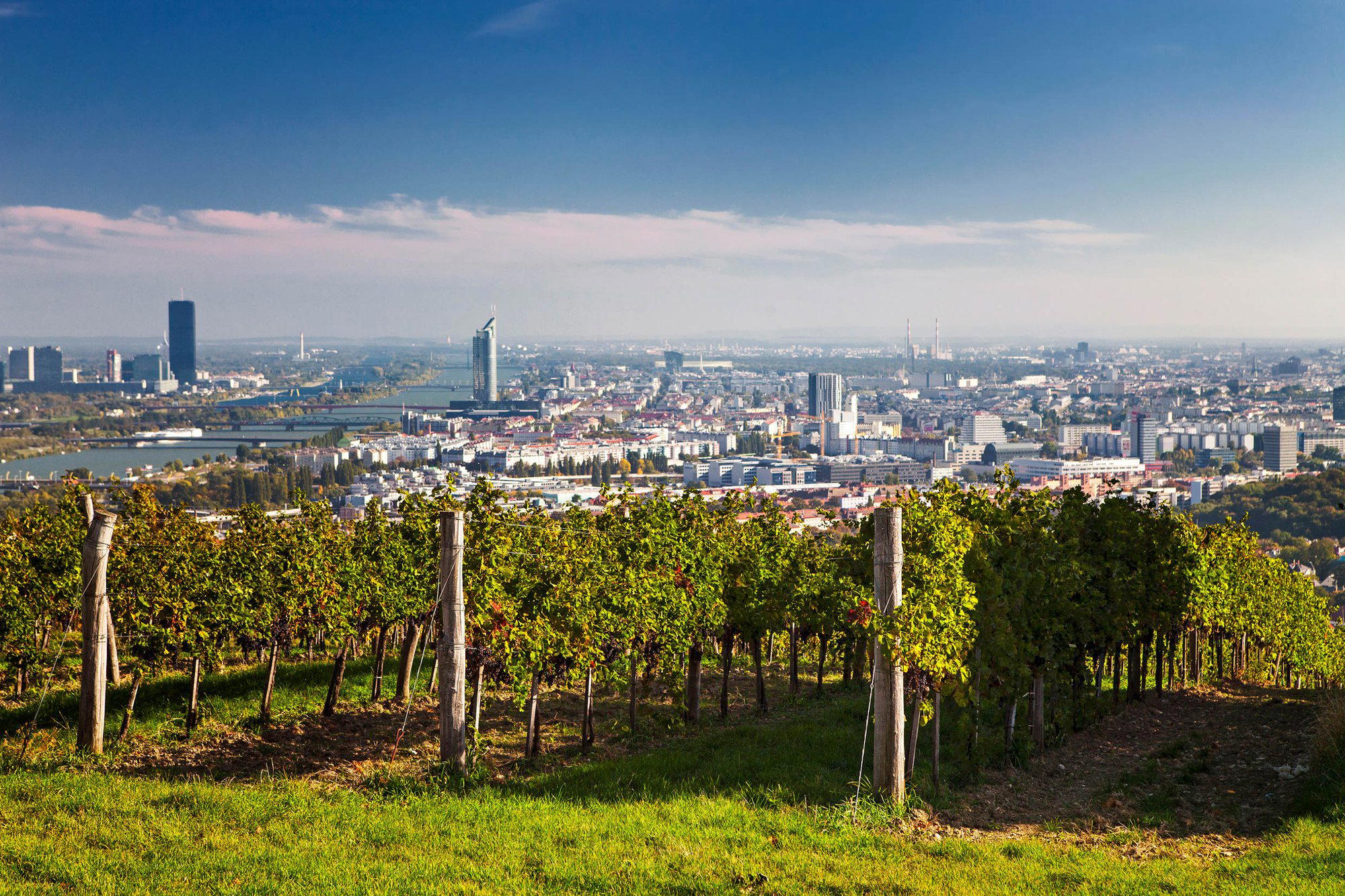
Vienna's serious restaurant scene has historically concentrated within a tight arc from the 1st district outward through the 4th and 7th. That centre of gravity has shifted incrementally, with a handful of addresses in the outer districts building reputations that draw guests past the Ring and into neighbourhoods defined less by tourist foot traffic and more by residential density and a slower pace. The 19th district, Döbling, sits at the city's northern edge where the urban grid gives way to vineyard slopes and the wooded hills of the Wienerwald. It is, by temperament, a part of Vienna that has always understood the relationship between table and terrain. Salettl Salettl is a Traditional Austrian Garden Hut in Vienna's 19th district, at Hartäckerstraße 80, and belongs to that geography.
The address itself signals intent. Hartäckerstraße runs through a residential section of Döbling where the dining proposition is not built around convenience or visibility but around destination. In a city where the premium tier, led by addresses like Steirereck im Stadtpark and Konstantin Filippou, has largely consolidated around high-profile locations with international recognition infrastructure, a venue operating quietly in the 19th occupies a different position: closer to the city's local dining culture, further from its prestige machinery.
The Sustainability Frame in Austrian Fine Dining
Austrian cuisine has a structural advantage in the current European conversation about ethical sourcing. The country's food geography is compact, its agricultural traditions are deep, and its restaurant culture has long maintained a closer relationship with regional producers than, say, large metropolitan scenes where supply chains are more fragmented. The question now is which kitchens are treating that advantage as a genuine operating principle rather than as positioning language.
Across Austria, a recognisable pattern has emerged among the more serious kitchens. At Döllerer in Golling an der Salzach, the sourcing philosophy extends to whole-animal cookery and fermentation programs built around surplus. At Kräuterreich by Vitus Winkler in Sankt Veit im Pongau, the kitchen's herb garden functions as a working agricultural operation, not a decorative gesture. At Landhaus Bacher in Mautern an der Donau, seasonal discipline has been a foundation of the kitchen's identity for decades. The pattern is consistent: the restaurants operating with the integrity tend to be those whose sustainability commitments are embedded in their sourcing logistics, not announced in their marketing copy.
Salettl Salettl's position within this broader Austrian tendency is shaped partly by its Döbling location. The 19th district sits close to the Klosterneuburg wine region and within reasonable distance of the Marchfeld, the agricultural flatland east of Vienna that supplies much of the city's produce. Kitchens in this part of Vienna have natural proximity to short supply chains in a way that central-city restaurants have to work harder to achieve.
Placing Salettl Salettl in Vienna's Outer Tier
Vienna's dining tier structure is worth mapping clearly. At the apex sit the multi-Michelin-starred operations: Steirereck, Amador, and Mraz & Sohn, each with international recognition and the booking demand that follows it. Below that, a mid-tier of creative Austrian and modern European kitchens operates with serious technical ambition and a more accessible booking window. Further still, a quieter stratum of neighbourhood-anchored venues functions with less institutional recognition but often with a more direct relationship to local sourcing and a more regular, less tourist-driven clientele.
Salettl Salettl sits in that quieter stratum. Its Döbling address places it within a residential community rather than a dining destination neighbourhood, and its profile suggests a kitchen more interested in the quality of what arrives at the pass than in certification infrastructure. That positioning is not a consolation prize. In cities like Vienna, where the prestige tier has become expensive to access and harder to book, the venues operating one step removed from that machinery often deliver the more honest experience of a city's actual food culture.
For comparison, the Austrian restaurant network beyond Vienna offers instructive parallels. Obauer in Werfen and Griggeler Stuba in Lech both operate in smaller markets with strong regional sourcing identities, and both demonstrate that serious kitchen work does not require a metropolitan stage. Ikarus in Salzburg takes a different approach, rotating guest chefs from the international circuit, which places it closer to a global reference point than a regional one. The distinction matters: the restaurant's Döbling address suggests a kitchen oriented toward its immediate geography, not toward an external reference system.
Seasonality as Structural Logic
The restaurants in Austria that have aged leading are almost uniformly those that built their menus around seasonal availability rather than fixed signature dishes. This is partly practical, in a country where hard winters and short growing seasons concentrate the leading produce into narrow windows, and partly philosophical. When a kitchen commits to working with what the season permits rather than what the menu has promised, it necessarily develops a different relationship to waste, to substitution, and to the full spectrum of a product rather than its most photogenic cuts.
That discipline, applied honestly, produces a distinctive dining cadence. Spring menus built around asparagus and early herbs give way to summer preparations centred on tomatoes, stone fruit, and river fish. Autumn in Austria brings game, mushrooms, and root vegetables in concentrations that reward kitchens capable of handling volume and variety simultaneously. Winter narrows the palette and tests the depth of a kitchen's preservation and fermentation work. The restaurants doing this seriously, whether in Vienna or in the Alpine regions served by Schwarzer Adler in Hall in Tirol or Restaurant 141 by Joachim Jaud in Mieming, tend to maintain menus that rotate with genuine frequency rather than seasonal branding cycles.
Internationally, the comparison class for this kind of sourcing-led, seasonally disciplined cooking has expanded considerably. Kitchens like Le Bernardin in New York City have built four-decade reputations on the logic that the quality of the ingredient precedes everything the kitchen does to it. At Atomix in New York City, the sourcing relationship extends to defining which ingredients are worth including at all. The principle travels across cuisines and price points: provenance matters, and the kitchens that treat it as operational rather than ornamental tend to produce more coherent, more honest food.
Planning a Visit
The restaurant is located at Hartäckerstraße 80 in Vienna's 19th district. Reaching Döbling from the city centre typically involves either the D-Linie tram to Nußdorf or a short taxi or rideshare from the U4 terminus at Heiligenstadt. The neighbourhood rewards arriving with time to walk the surrounding streets before a meal, particularly in the warmer months when the Döbling hillside vineyards are active. Related Austrian addresses worth cross-referencing include Ois in Neufelden, which operates a similarly low-profile, produce-committed approach in Upper Austria, and Doubek, which holds an interesting position within Vienna's own outer-district dining tier.
Accolades, Compared
Comparable venues nearby, for context on price, style, and recognition.
| Venue | Cuisine | Price | Notes |
|---|---|---|---|
| Salettl SalettlThis venue — the venue you are viewing | Traditional Austrian Garden Hut | $$ | Not listed |
| zuckergoscherl am Rochusmarkt | Modern Austrian with Vegan Options | $$ | Wien-Mitte |
| Rhythms | Austrian with International Fusion | $$ | Mariahilf |
| Wetter | Ligurian Italian | $$ | Hernals |
| Maiz No. 2 | Authentic Mexican Tacos | $$ | Josefstadt |
| Marienhof | Traditional Viennese Cuisine | $$ | Hofburg |
Continue exploring
More in Vienna
Restaurants in Vienna
Browse all →
Bars in Vienna
Browse all →

Hotels in Vienna
Browse all →


At a Glance
- Cozy
- Romantic
- Scenic
- Rustic
- Brunch
- Casual Hangout
- Garden
- Terrace
- Local Sourcing
- Organic
- Vineyard
- Street Scene
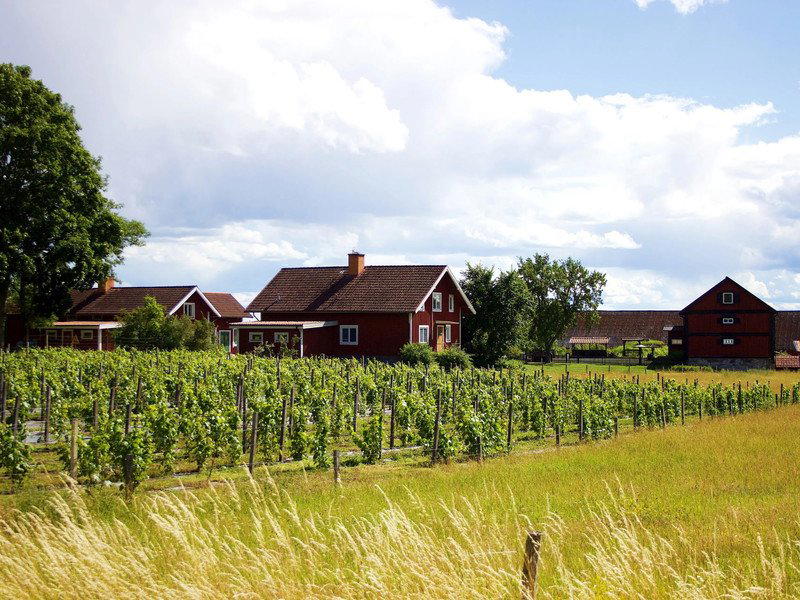
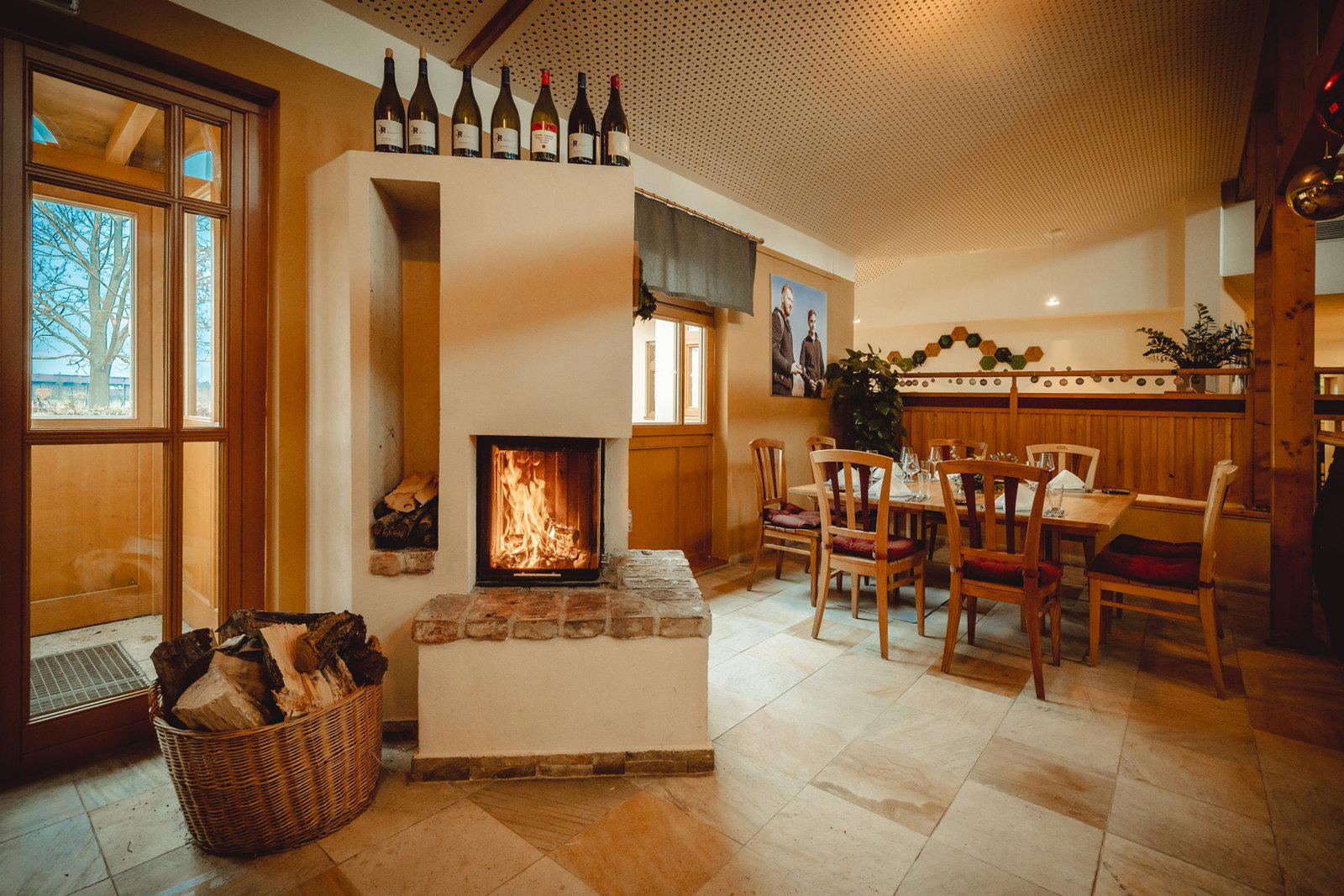
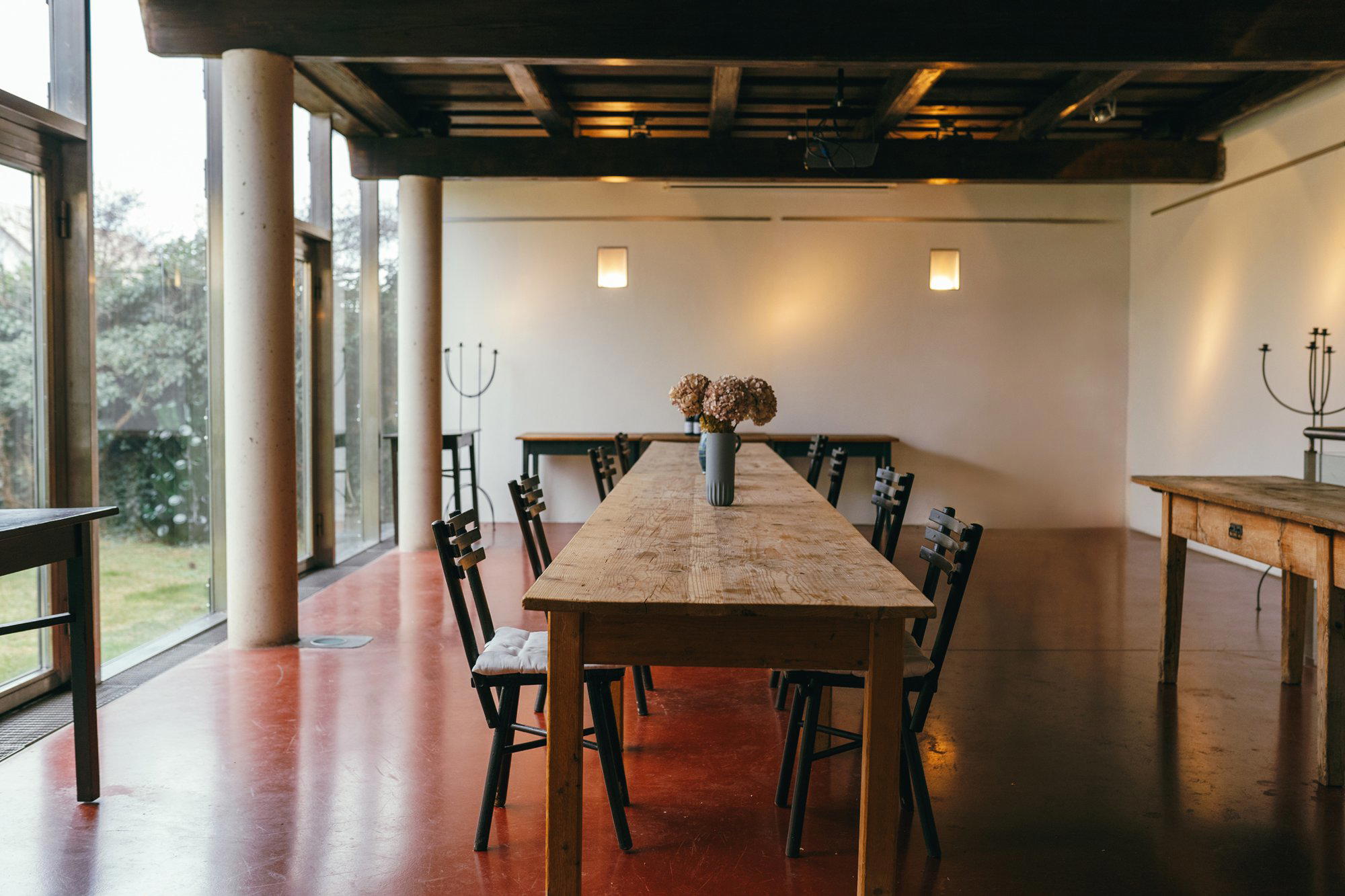
Cozy and quaint interior with wobbly charm, peaceful garden terrace under tall trees.