Savini
On Rue Sainte-Anne, steps from the Château Frontenac, Savini occupies a stretch of Old Quebec where Italian-inflected dining has long held ground against the city's dominant French culinary tradition. The restaurant draws both neighbourhood regulars and visitors navigating the Upper Town's concentrated dining corridor, making it a reliable reference point in a block that rewards knowing where to look.
Pearl is the En Primeur Club membership app — saves, bookings, and concierge access live there. Same editors, same standards.
- Address
- 32 Rue Sainte-Anne, Québec, QC G1R 3X3, Canada
- Phone
- +14186924447
- Website
- lesavini.ca
- Directions
- Get directions
 Saves & bookings on Pearl
Rue Sainte-Anne and the Italian Presence in Old Quebec
Old Quebec's Upper Town has, for decades, been defined by its French culinary gravity: tourtière and braised game at Aux Anciens Canadiens, hyper-local Nordic larder cooking at places like Tanière³, and the slow northward drift of cuisine du terroir that now shapes how the city presents itself to the world. Against that backdrop, Italian-oriented dining on Rue Sainte-Anne reads as a deliberate counterpoint, a reminder that Quebec City's restaurant culture, concentrated as it is inside the old walls, has always made room for traditions that arrive from somewhere else and settle in.
Savini sits at 32 Rue Sainte-Anne, in one of the more trafficked blocks of the walled city, where proximity to the Château Frontenac means a dining room can fill on tourist momentum alone. The restaurants that survive here across multiple iterations, however, tend to be the ones that also earn a local constituency, the regulars who return not because the address is convenient but because something about the cooking or the room holds up over time.
How Italian Dining in Quebec City Has Shifted
Italian cooking in Quebec City has followed a pattern recognizable in most mid-sized North American cities with a strong French culinary identity: an early wave of red-sauce trattorias oriented toward broad accessibility, followed by a gradual refinement as the dining public grew more literate and competitive pressure from the city's French-rooted fine dining tier increased. The restaurants that endured through that shift tended to make a choice, either double down on casual comfort at an accessible price, or move toward a more considered, ingredient-led model that could sit alongside the ambitions of places like ARVI or Kebec Club Privé without appearing anachronistic.
That same evolutionary pressure is visible across the Canadian fine dining scene more broadly. In Toronto, the tasting-menu format at Alo has redefined what precision-driven Italian-influenced cooking can look like in a Canadian context. In Vancouver, AnnaLena represents a different kind of evolution: neighborhood-anchored, less formally structured but no less technically grounded. In Montreal, Jérôme Ferrer's Europea navigates the space between European classical training and local identity. Each of these represents a different answer to the same question facing any established restaurant in a city with a strong culinary tradition: what does the next version of this look like?
The Physical Setting and What It Signals
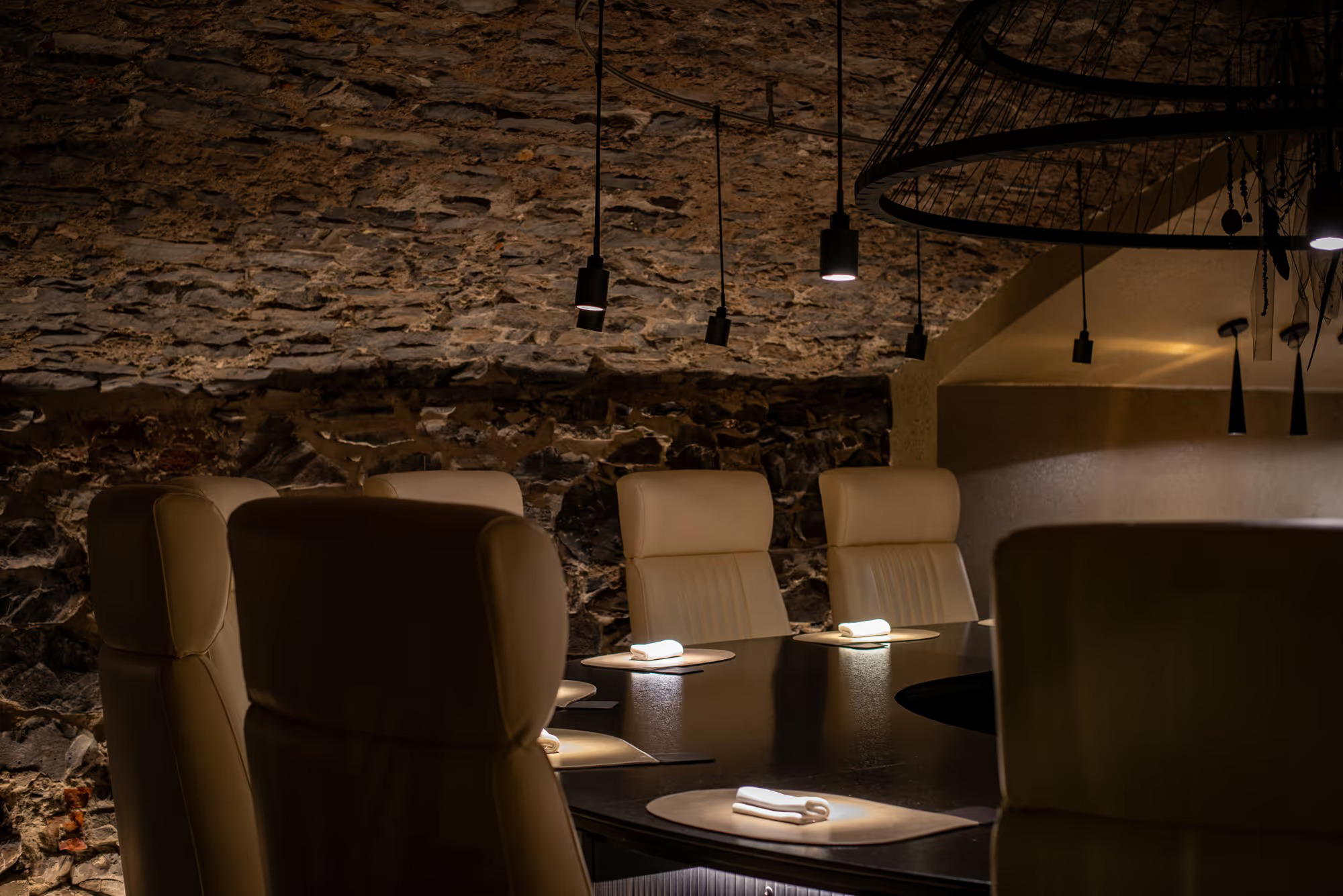
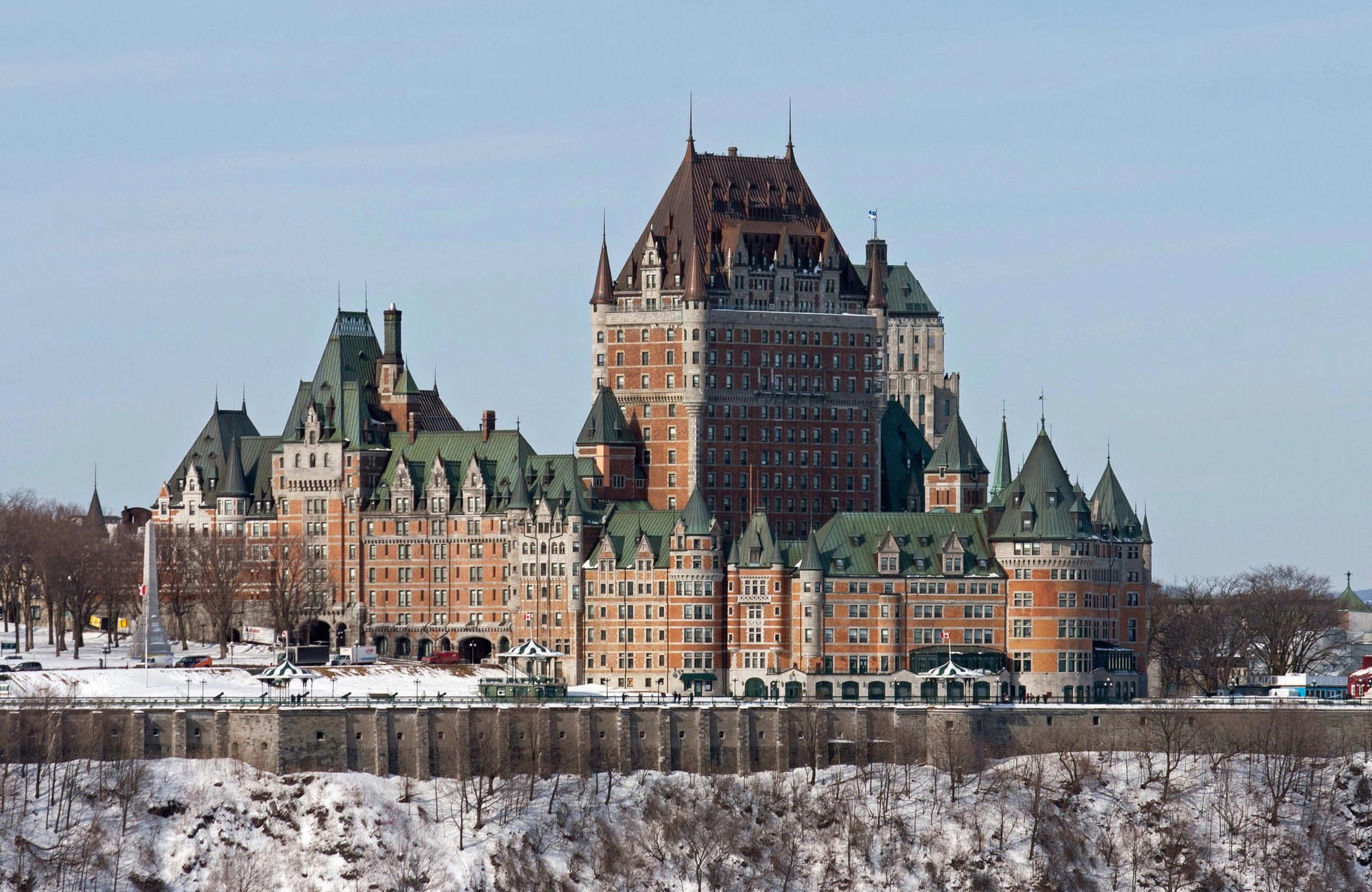
Rue Sainte-Anne in Old Quebec is, in atmospheric terms, the kind of street where the physical fabric does a lot of work before a kitchen produces a single plate. Stone walls, narrow facades, and the constant presence of the Château at the end of the sightline create conditions that almost any restaurant benefits from simply by opening its doors. The more meaningful signal is what a room does with that inherited atmosphere, whether it leans into the heritage vernacular or attempts something that reads as its own statement.
In a city where Auberge Saint-Antoine has turned archaeological artifacts embedded in its walls into a design language, and where Laurie Raphaël has long used the tension between historic address and contemporary plating as its operating premise, the standard for how a room handles its own history is relatively high. Savini's position on Sainte-Anne places it in that conversation.
Situating Savini in Quebec City's Current Dining Tier
Quebec City's restaurant scene in 2024 and 2025 has grown more segmented than it was a decade ago. At the leading, creative tasting-menu formats push into territory that invites comparison with Le Bernardin in New York or Atomix in terms of conceptual ambition, even if the scale and recognition differ. Below that tier, a middle band of serious à la carte restaurants does the work of feeding the city's professional class and knowledgeable visitors on a regular basis. That middle band is where most of the city's genuine dining culture lives, not in the headline venues but in the restaurants people return to without needing an occasion.
Across Canada, particularly durable restaurants operate in exactly that register: Restaurant Pearl Morissette in Lincoln and Eigensinn Farm in Singhampton are cited repeatedly not because they chase awards cycles but because they've built reputations through consistency over time. Similarly, Narval in Rimouski demonstrates that serious cooking in a smaller Quebec city can accumulate its own credibility independent of the Montreal or Quebec City spotlight. The Pine in Creemore and Barra Fion in Burlington reinforce the same pattern: durability in a specific place, built on a specific offer.
For visitors arriving in Quebec City without a pre-formed list, the full Quebec City restaurants guide provides the broader orientation needed to place any single address, including Savini, within the city's current dining geography. The Upper Town corridor along Rue Sainte-Anne and the streets radiating from it remains one concentrated stretch for sit-down dining in the walled city, which means choice and proximity work in the visitor's favour, and knowing which rooms have earned their local following matters more than following foot traffic alone.
For those comparing options in that corridor specifically, Bearspaw Golf Club in Calgary offers an instructive parallel from a different Canadian context: a venue where address and institutional setting create ambient credibility that the dining program either justifies or fails to live up to. The challenge for any restaurant on a street as visually loaded as Sainte-Anne is the same.
Planning Your Visit
Savini is located at 32 Rue Sainte-Anne in Old Quebec's Upper Town, within walking distance of the major landmarks concentrated in that part of the walled city. Savini is open Mon: 4-9 PM; Tue: 4-9 PM; Wed: 4-9 PM; Thu: 4-9 PM; Fri: 12-9:30 PM; Sat: 12-9:30 PM; Sun: 4-9 PM. The Sainte-Anne corridor is accessible on foot from most Upper Town hotels, and the street's concentration of options makes it a practical base for an evening that might extend into the neighbourhood more broadly.
Reputation First
Comparable venues nearby, for context on price, style, and recognition.
| Venue | Cuisine | Price | Notes |
|---|---|---|---|
| SaviniThis venue — the venue you are viewing | Authentic Italian | $$$ | Not listed |
| Graffiti | French-Italian Fine Dining | $$$ | Montcalm |
| Michelangelo | Classic Italian Fine Dining | $$$$ | Saint-Louis |
| BISTRO LE SAM | Modern French Bistro | $$$ | Vieux-Québec, Cap-Blanc, Colline parlementaire |
| Restaurant Le Fin Gourmet | French with Quebec influences | $$$ | Saint-Sauveur |
| Chez Victor | Gourmet Burgers | $$ | Saint-Louis |
Continue exploring
More in Quebec City
Restaurants in Quebec City
Browse all →
Bars in Quebec City
Browse all →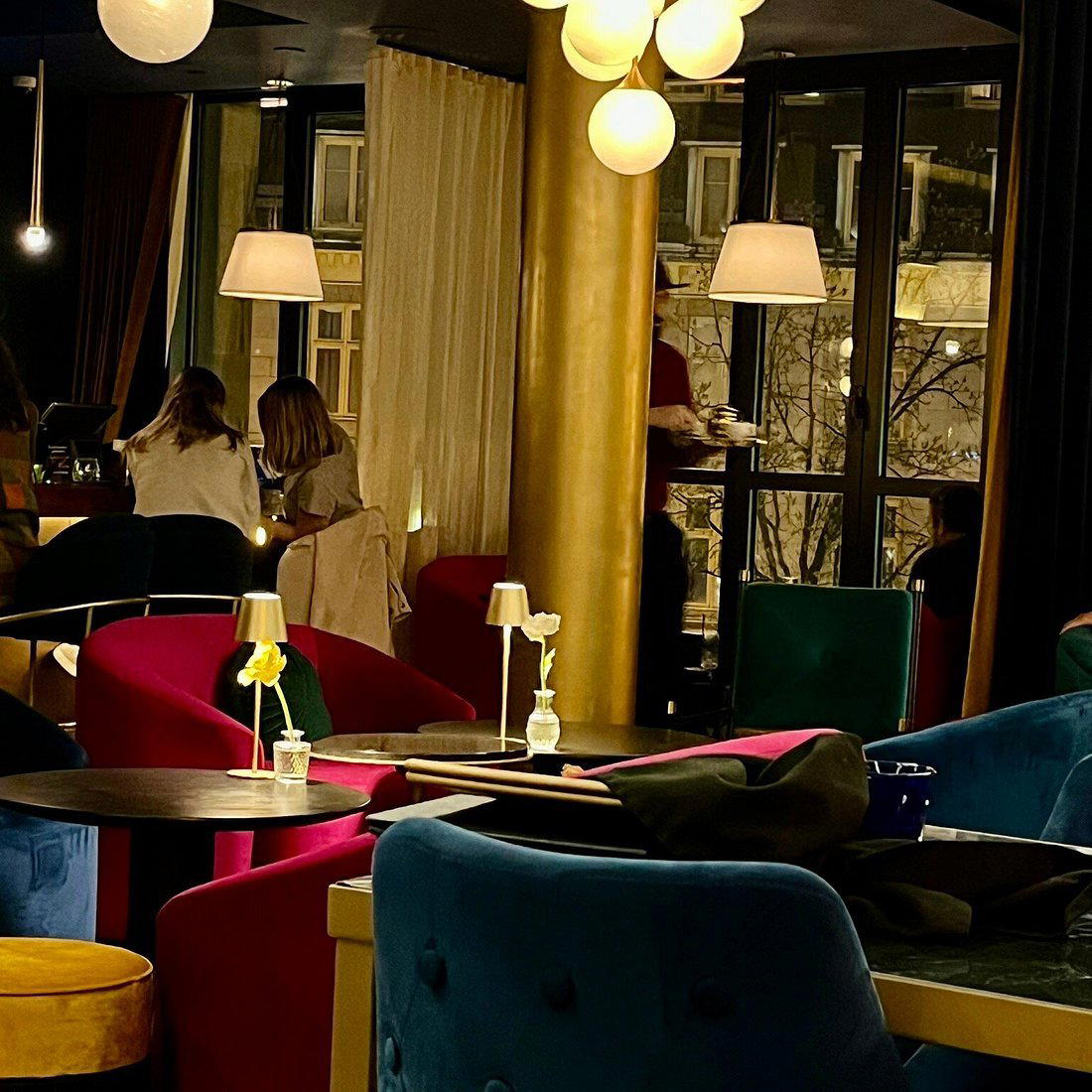

At a Glance
- Elegant
- Romantic
- Sophisticated
- Modern
- Classic
- Date Night
- Special Occasion
- Terrace
- Extensive Wine List
- Local Sourcing
- Street Scene
Current opening hours
- Monday
- 4–9 PM
- Tuesday
- 4–9 PM
- Wednesday
- 4–9 PM
- Thursday
- 4–9 PM
- Friday
- 12–9:30 PM
- Saturday
- 12–9:30 PM
- Sunday
- 4–9 PM
Hours can change for holidays and private events. Last verified .
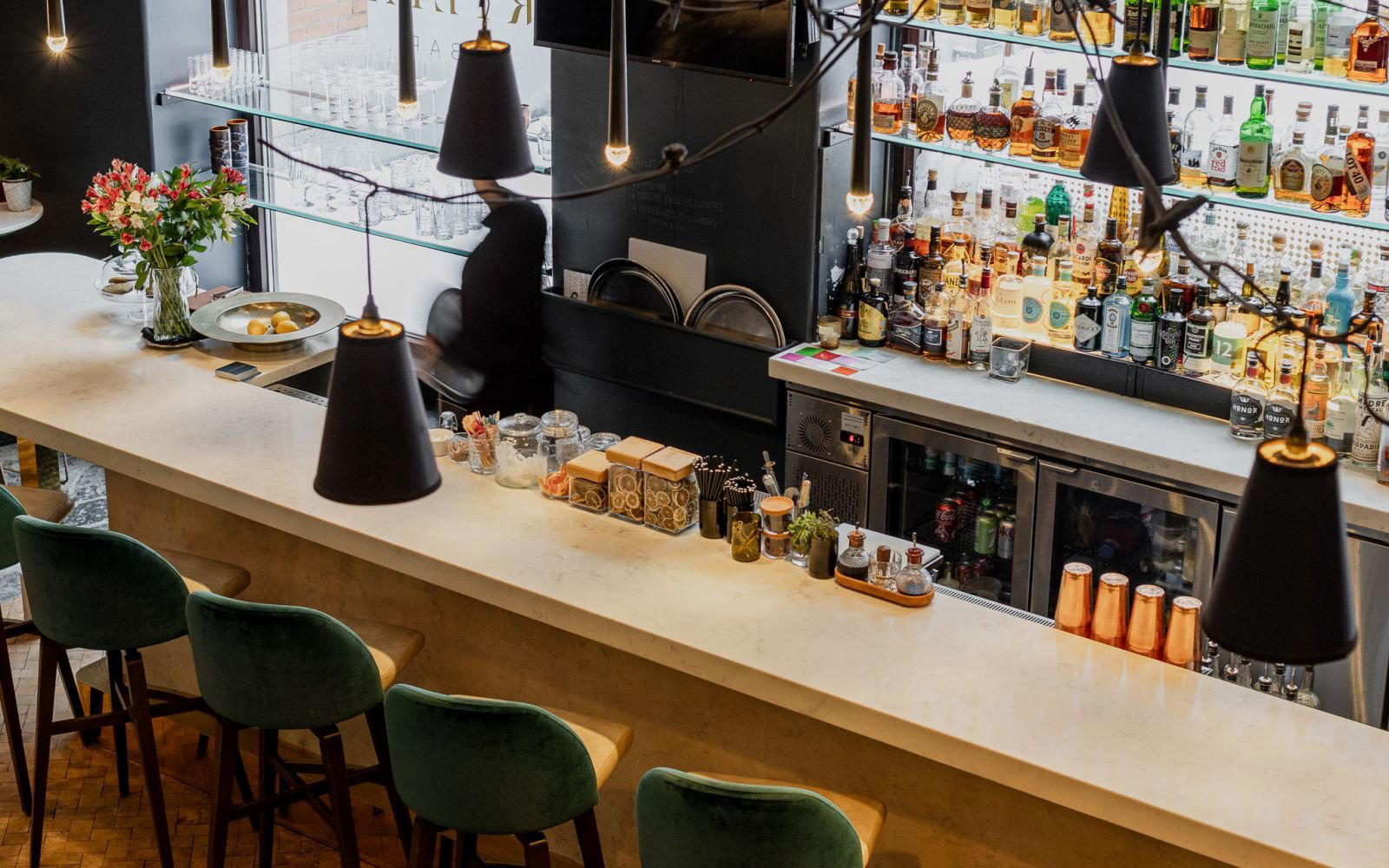
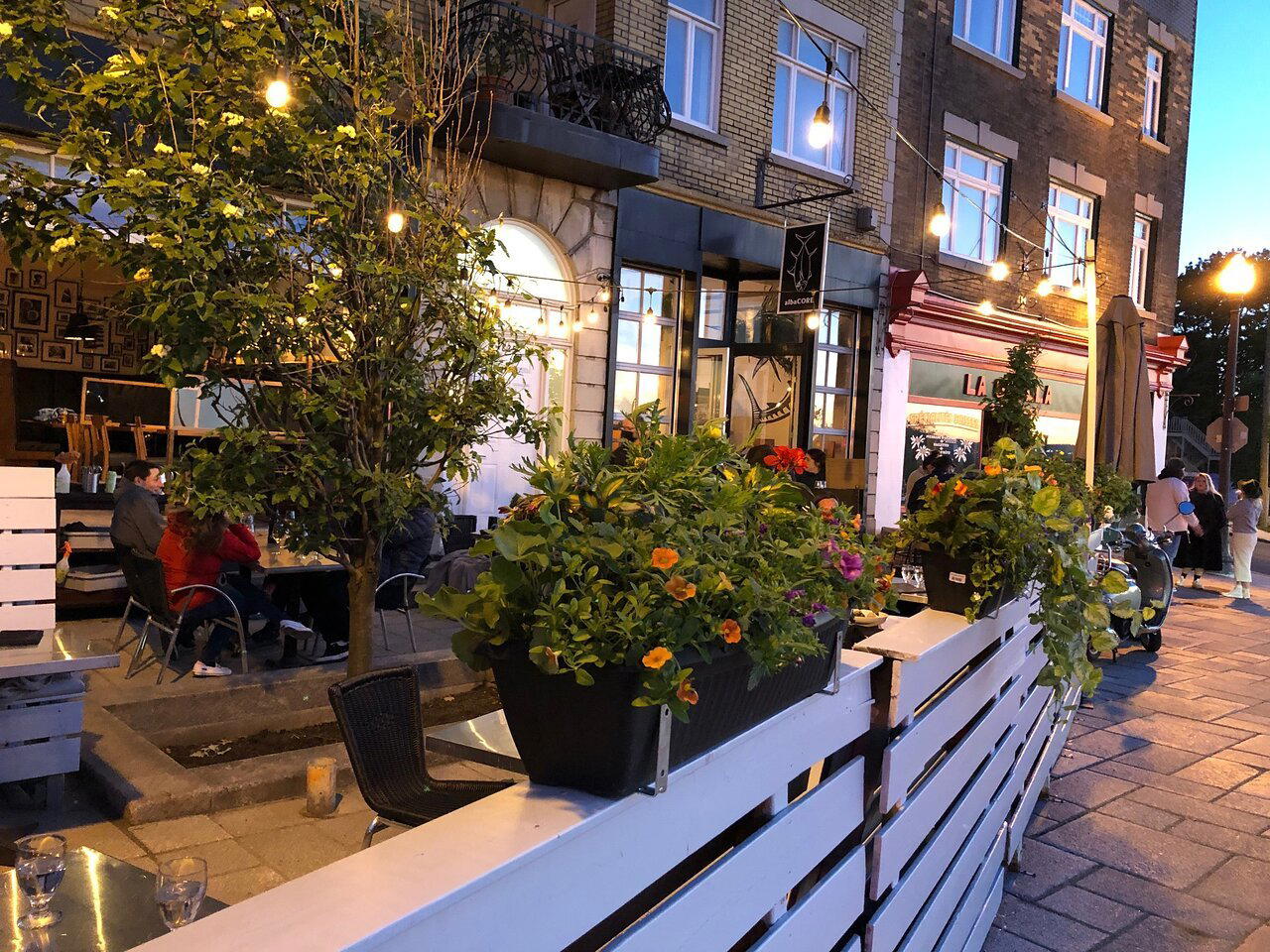
Romantic lighting, elegant floral decor, and chic atmosphere ideal for special occasions.