Michelangelo
Michelangelo occupies a quiet stretch of Chemin Saint-Louis in Quebec City's Sainte-Foy district, positioning it within a dining tier that rewards those who look beyond the Old City walls. The restaurant carries the Italian name into a city more accustomed to French culinary traditions, signalling a particular editorial tension worth examining for any serious diner tracing Quebec's broader restaurant scene.
Pearl is the En Primeur Club membership app — saves, bookings, and concierge access live there. Same editors, same standards.
- Address
- 3111 Chem. Saint-Louis, Québec, QC G1W 1R6, Canada
- Phone
- +14186516262
- Website
- lemichelangelo.com
- Directions
- Get directions
 Saves & bookings on Pearl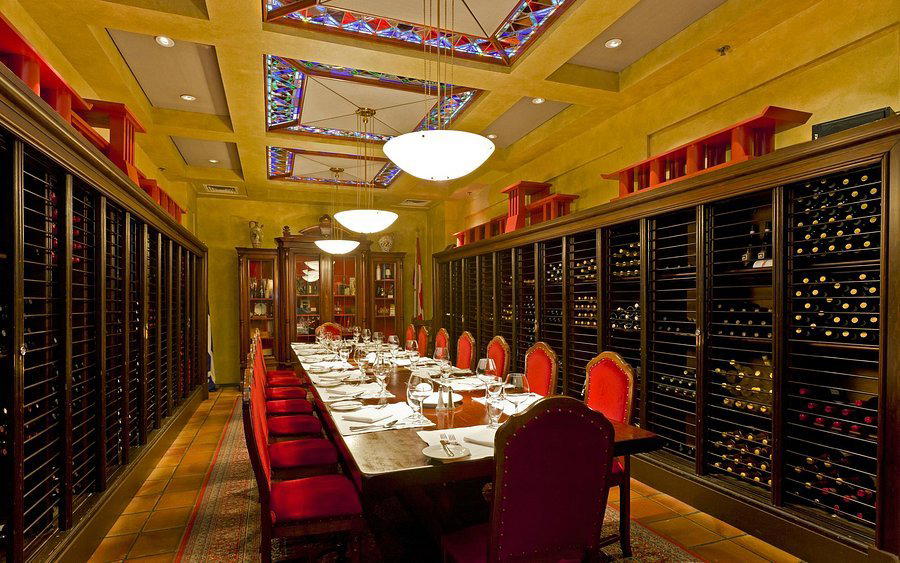
Sainte-Foy's Quiet Dining Corridor and Where Michelangelo Sits Within It
Quebec City's restaurant conversation tends to concentrate inside the fortified walls — Tanière³ drawing the creative-tasting crowd, Auberge Saint-Antoine anchoring the Canadian-cuisine tradition, and a cluster of newer addresses like ARVI competing for the modern-cuisine diner. But Quebec City has always had a secondary dining geography, and Chemin Saint-Louis — the long arterial road that links the upper city to the Sainte-Foy district, is part of it. Michelangelo sits at 3111 Chemin Saint-Louis, removed from the tourist density of the Old Quarter and occupying a position that draws more from the city's local professional and residential population than from visitors working through a short-stay itinerary.
That geography matters when assessing the role a restaurant plays. Venues in Sainte-Foy operate under a different set of expectations than those competing on rue Saint-Jean or in the Saint-Roch neighbourhood. The clientele tends to be repeat rather than first-visit, which places greater weight on consistency, service relationships, and value retention across visits, a different editorial lens than the one you apply to a destination tasting menu.
The Italian Register in a French-Dominant City
Quebec City's culinary identity is built on a French foundation. The institutions that define the city's dining history, places like Aux Anciens Canadiens, with its tourtière and traditional Québécois fare, operate within a distinctly local French-Canadian register. Italian restaurants in this context occupy a specific cultural niche: familiar enough to attract broad audiences, but operating at a remove from both the French-heritage mainstream and the modernist wave represented by restaurants like Kebec Club Privé or Laurie Raphaël.
Italian dining in Quebec City has historically been positioned as a middle-market comfort category, though the upper end of that category, white-tablecloth service, a serious wine program, house-made pasta, can intersect with the city's broader fine-dining expectations. Michelangelo's name signals an Italian orientation, though without detailed menu data in the public record, the precise calibration of that offer requires direct contact with the venue. What is structurally predictable is that an Italian restaurant at this address in Sainte-Foy competes less against the Old City tasting-menu tier and more against other neighbourhood-anchored dining rooms across Quebec City and the Laurentian corridor.
Service Architecture and the Team Dynamic
In restaurants that succeed through repeat-visitor loyalty rather than destination appeal, the front-of-house relationship carries disproportionate weight. The model visible at high-functioning neighbourhood restaurants across Canadian cities, from AnnaLena in Vancouver to Barra Fion in Burlington, relies on a tight coordination between kitchen output and floor delivery, where regulars are recognised, preferences anticipated, and the wine conversation is led by someone with genuine floor authority rather than scripted upsell instinct.
That team-dynamic model is what separates neighbourhood restaurants that build decade-long reputations from those that cycle through novelty-seekers without accumulating a core. At Michelangelo's address in Sainte-Foy, the practical reality of sustained operation in a residential dining corridor suggests the floor team is a structural part of the proposition. Italian restaurants in this tier typically carry a wine list weighted toward recognisable Italian regions, Barolo, Brunello, Chianti Classico at the upper end; approachable Montepulciano and Barbera for weeknight tables, and the sommelier or lead server's ability to move confidently across that range without overwhelming a table is part of how the room retains its regulars.
For context on how this plays out at the top of the Canadian market, Alo in Toronto and Jérôme Ferrer's Europea in Montreal both demonstrate that front-of-house culture, as much as kitchen ambition, determines whether a restaurant crosses from good to institutionally trusted. The scale is different in Sainte-Foy, but the structural logic is the same.
Quebec City's Broader Restaurant Tier and Where to Position Michelangelo
Quebec City's full dining range, documented across our full Quebec City restaurants guide, runs from sub-$50 neighbourhood tables through to multi-course tasting menus at $$$$. The creative-tasting tier, led by Tanière³ and ARVI at the $$$$ bracket, operates with a different competitive logic than the mid-market neighbourhood category. Ambre Buvette and Chez Boulay-Bistro Boréal occupy the $$ to $$$ range with strong local followings built on accessible pricing and identifiable regional identity.
Italian restaurants in Quebec City have historically found their footing in the $$-$$$ corridor, where the format, shared antipasti, pasta, secondi, a bottle, maps naturally onto the social occasion of a two-hour dinner without the formality of a tasting-menu commitment. For comparison, Quebec province's broader dining geography includes compelling Italian-influenced work at addresses like Narval in Rimouski, which draws from both Italian and Québécois traditions, and destination-format restaurants like Restaurant Pearl Morissette in Lincoln and Eigensinn Farm in Singhampton, which reframe what Canadian fine dining can mean at a regional level.
Internationally, the reference point for Italian fine dining operating at the intersection of French culinary rigour and Italian ingredient tradition is something closer to Le Bernardin in New York City in terms of service philosophy, or Atomix for what a tightly coordinated team dynamic produces when kitchen and floor operate as a single unit. Michelangelo, at its Sainte-Foy address, operates at a local rather than international scale, but the underlying hospitality principles that determine neighbourhood restaurant longevity are the same regardless of tier.
Planning a Visit
Michelangelo is located at 3111 Chemin Saint-Louis in Sainte-Foy, accessible from the upper city by the main arterial route westward. For visitors staying in the Old City, Sainte-Foy is a short drive rather than a walkable excursion, so confirming the booking before arrival is the practical minimum. Given the neighbourhood clientele and repeat-visitor dynamic typical of this dining corridor, weekday evenings tend to carry less demand pressure than weekend services, though this should be confirmed directly. For parallel dining research across Quebec City's full range, the The Pine in Creemore and Bearspaw Golf Club in Calgary offer useful reference points on how neighbourhood-anchored dining rooms in Canadian cities sustain their local authority over time.
How Michelangelo Quebec City compares with similar nearby venues.
| Venue | Cuisine | Price |
|---|---|---|
| La Bête | Steakhouse | $$$ |
| Ambre Buvette | Modern Cuisine | $$$ |
Continue exploring
More in Quebec City
Restaurants in Quebec City
Browse all →
Bars in Quebec City
Browse all →
At a Glance
- Classic
- Elegant
- Romantic
- Sophisticated
- Date Night
- Business Dinner
- Special Occasion
- Celebration
- Private Dining
- Wine Cellar
- Standalone
- Extensive Wine List
- Sommelier Led
- Local Sourcing
Current opening hours
- Monday
- Closed
- Tuesday
- 11 AM–2 PM, 5:30–9 PM
- Wednesday
- 11 AM–2 PM, 5:30–9 PM
- Thursday
- 11 AM–2 PM, 5:30–9 PM
- Friday
- 11 AM–2 PM, 5:30–10 PM
- Saturday
- 5–10 PM
- Sunday
- Closed
Hours can change for holidays and private events. Last verified .
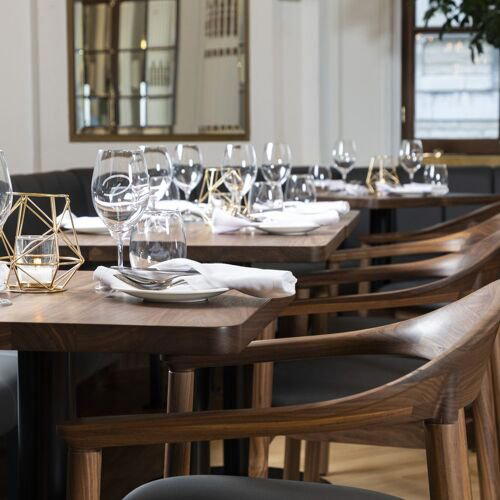
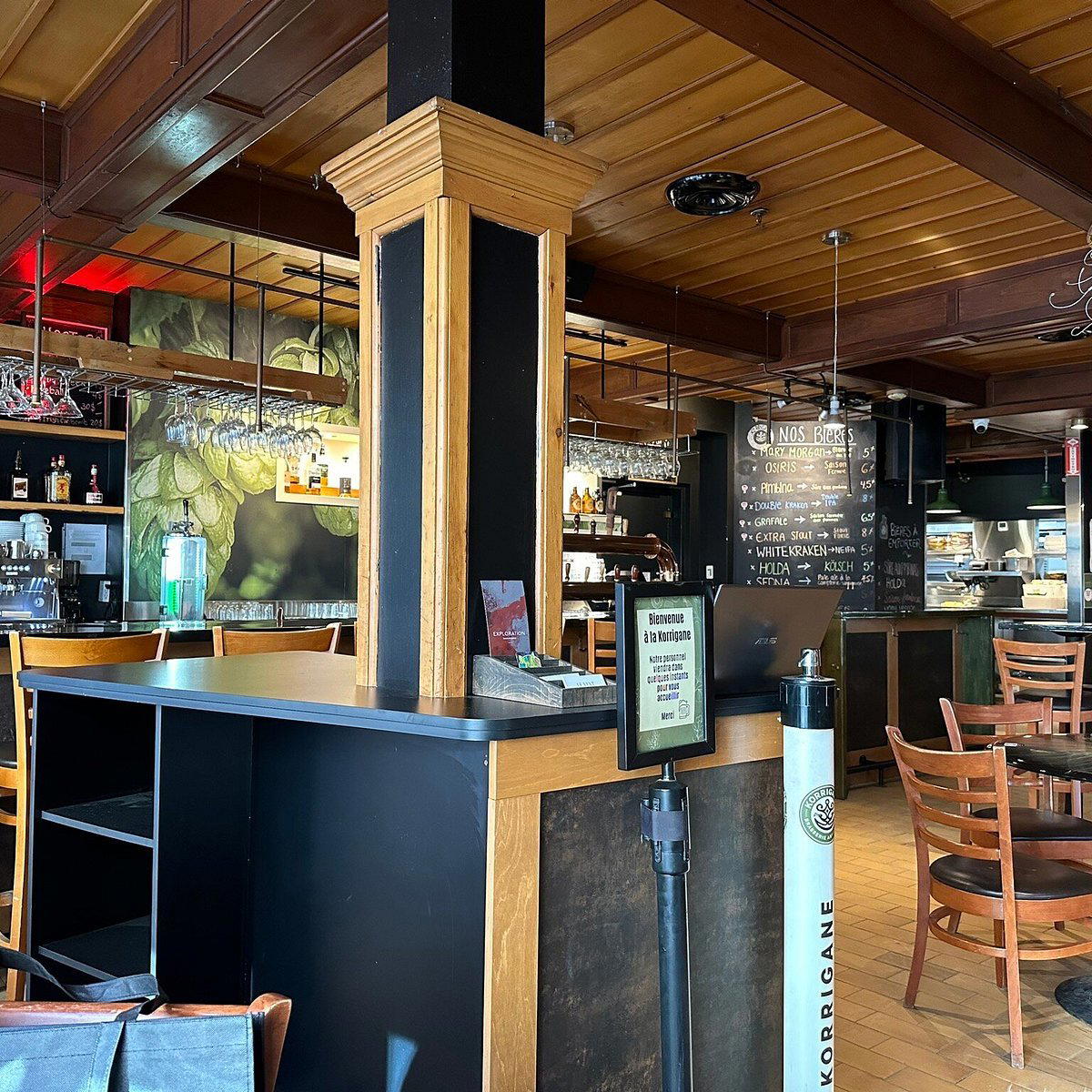
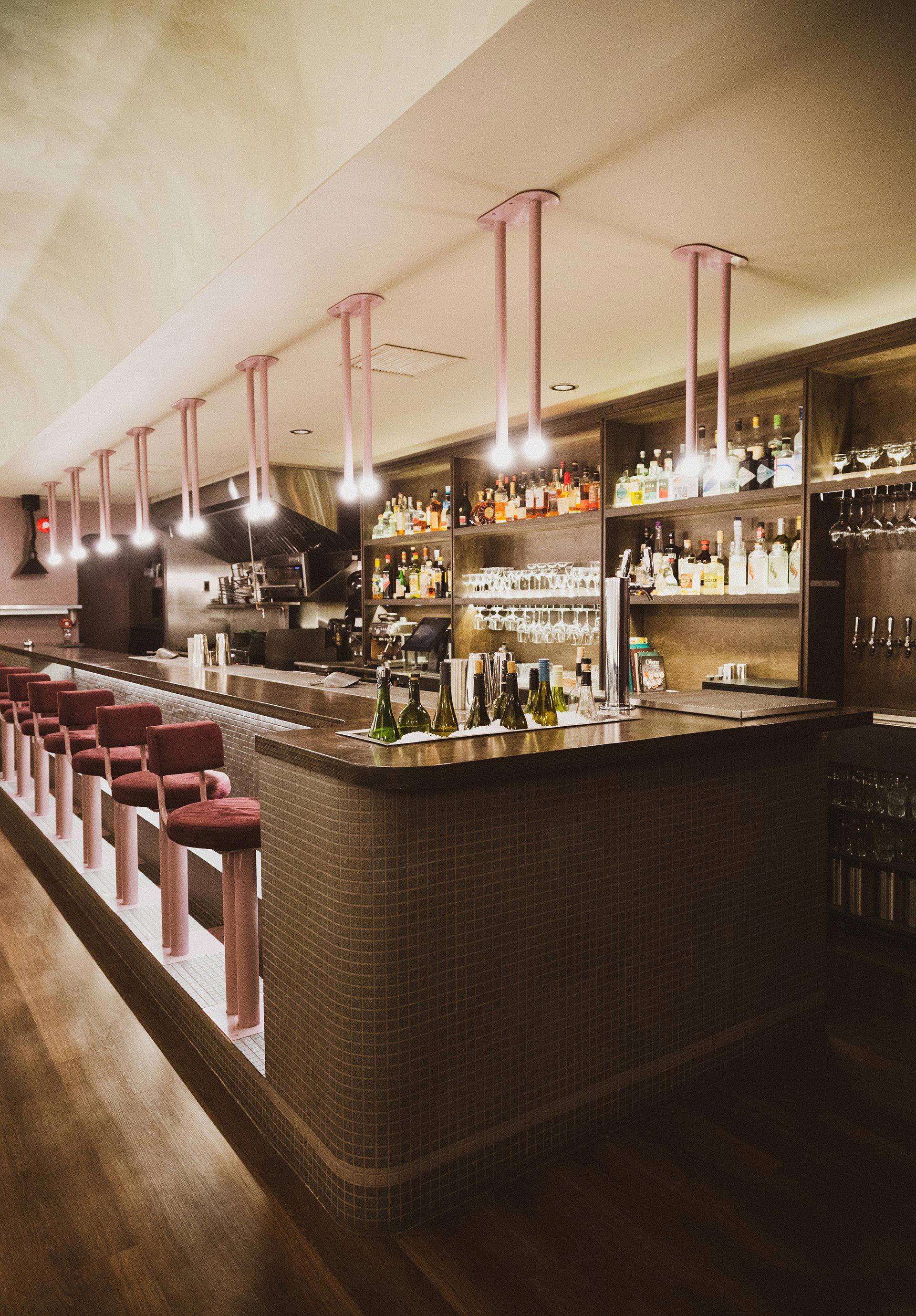
Classic, tastefully appointed dining room with warm lighting and traditional Italian-style decor; described as somewhat dated but elegant, creating an intimate and refined atmosphere.
Know Before You Go
- Getting there
- 3111 Chem. Saint-Louis, Québec, QC G1W 1R6, Canada