Graffiti
Our verdict
On Avenue Cartier, one of Quebec City's most lived-in commercial streets, Graffiti sits within a dining corridor that rewards those who look beyond the Old City's heritage circuit. The address places it in Montcalm, where neighbourhood regulars share tables with visitors drawn away from the tourist track, and the room carries the unpretentious confidence that comes from serving a local clientele over time.

Pearl is the En Primeur Club membership app, where members save venues, book tables and use the concierge.

The menu
What to order
- Tuna Tartare
- Risotto
- Calf Sweetbreads
Avenue Cartier and What It Means to Eat Off the Tourist Circuit
Quebec City's dining identity is often collapsed into the Old City: the stone facades of Vieux-Québec, the heritage dining rooms along Rue Saint-Louis, and the institutional pull of places like Aux Anciens Canadiens, which sells a particular version of Québécois culinary history to those passing through. That circuit is real and has its own value, but it represents only one register of how this city actually eats. The other version lives in Montcalm, the residential plateau west of the fortifications, where Avenue Cartier functions as a proper neighbourhood high street rather than a set piece.
Graffiti occupies a spot at 1191 Avenue Cartier, which puts it inside a stretch that mixes wine bars, butchers, and restaurants without any particular curatorial intent. The street has the texture of a place that evolved rather than was designed. Locals shop here during the week and return at night. The clientele at most tables on Cartier knows each other, or knows the room, in the way that only comes from repeat visits over years rather than a single occasion dinner. That social context shapes the experience before you order anything.
For visitors oriented entirely around the Château Frontenac and the Plains of Abraham, reaching Cartier requires a deliberate choice. That self-selection matters. Rooms that depend on walk-in tourist volume tend toward a certain kind of hospitality, efficient and anonymous. Rooms that depend on neighbourhood regulars tend toward something longer and more personal. Graffiti's position on Cartier places it clearly in the second category.
Montcalm in Quebec City's Broader Dining Structure
To understand what Graffiti is, it helps to understand what Montcalm is. Quebec City has developed a concentration of serious cooking at various price points over the past decade, with the headline properties tending to cluster either in the Old City or in Saint-Roch, the former industrial quarter that has become the default address for Quebec City's more forward-facing restaurant culture. Tanière³ operates at the top of the creative cooking bracket, while ARVI and Kebec Club Privé represent the modern cuisine tier that has made Saint-Roch a credible dining neighbourhood in its own right. Laurie Raphaël has long anchored a certain kind of polished Quebec City dining, while Auberge Saint-Antoine serves a Canadian cuisine register tied to its hotel position in the port district.
Montcalm sits apart from both of those gravitational centres. It is not trying to be Saint-Roch, and it is not trying to be the Old City. Its dining character is more domestic, which is not a diminishment. Some of the most consistent cooking in any city happens in rooms that are not chasing recognition from the annual award circuits but are instead sustaining a neighbourhood relationship that requires actual quality to maintain. A tourist will return once. A neighbour will return forty times, or not at all.
This is the competitive logic that shapes restaurants on Cartier. It produces a different kind of discipline from the tasting-menu circuit and a different kind of comfort from the heritage dining rooms. For a fuller picture of how the city's restaurants distribute across neighbourhoods and styles, the EP Club Quebec City guide maps the key addresses against their respective contexts.
The Room and the Register
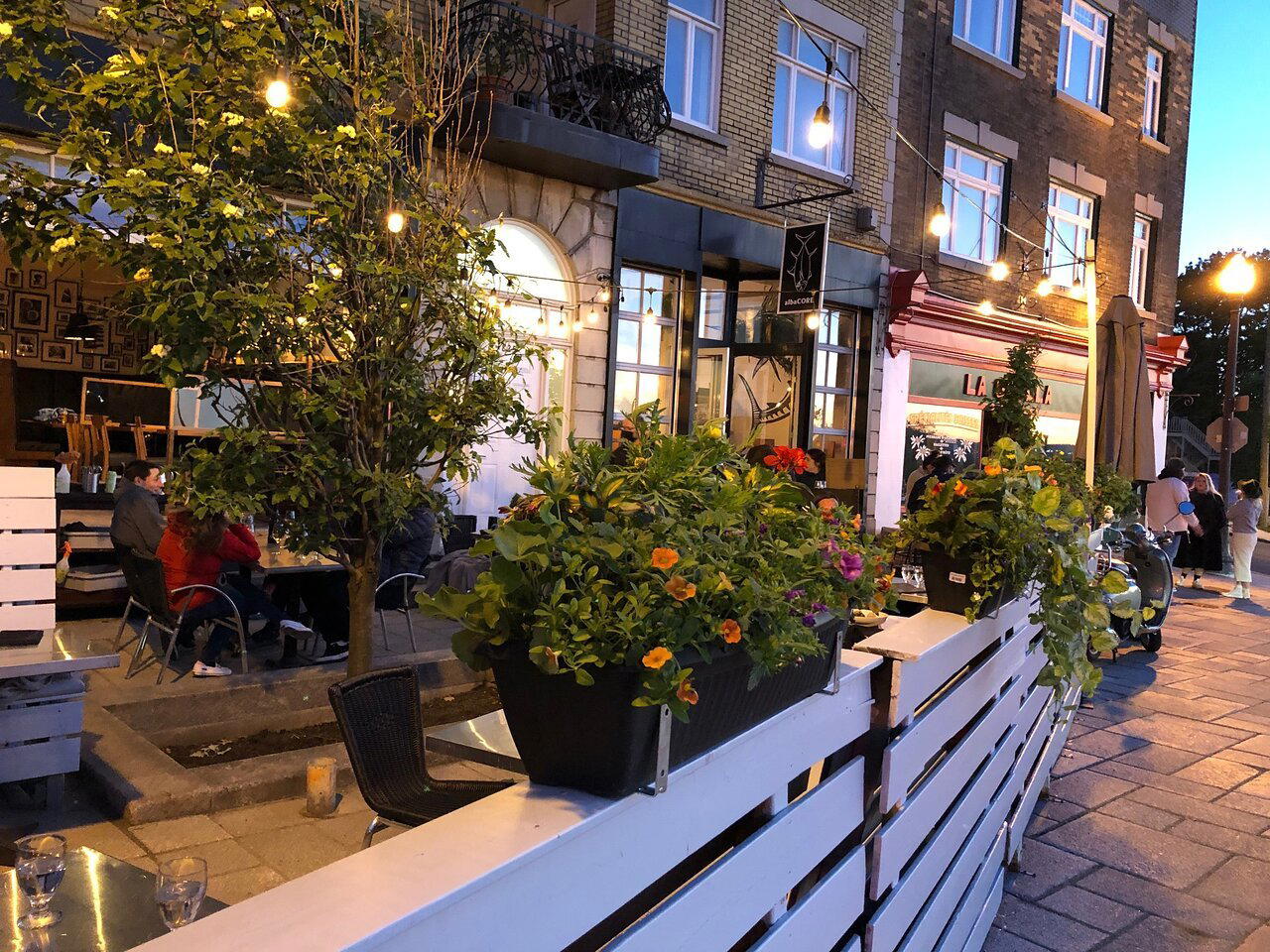
The address at 1191 Avenue Cartier is a mid-block position on a street with enough foot traffic during the day to read as genuinely commercial and enough residential density nearby to ensure the evening crowd is largely local. Rooms in this position tend to have an informality that higher-profile properties in more competitive locations cannot always sustain. The physical environment on Cartier carries the marks of a working street: not polished into a dining destination, but used.
Canada's restaurant culture at the neighbourhood level competes in a different frame than the properties that attract international attention. For comparison, Alo in Toronto and AnnaLena in Vancouver represent the tier of Canadian dining that circulates internationally. Jérôme Ferrer's Europea in Montreal operates at a similar level of formal ambition. Quebec City's high-end tier, including Tanière³, fits within that national conversation. Graffiti is not in that bracket, which is precisely the point. It operates in the register that the great majority of serious everyday dining in Canada occupies: not destination tasting menus, but rooms where cooking is taken seriously without the apparatus of a special occasion.
Neighbourhood restaurants in Quebec's culinary tradition carry a distinct weight. Quebec has a strong culture of bistro-format cooking that draws on French technique without performing it as spectacle, and Cartier's dining corridor reflects that tendency. The contrast with destination-format cooking at properties like Eigensinn Farm or Restaurant Pearl Morissette in Ontario is instructive: those properties require travel and ceremony. A room on Cartier requires neither.
Planning a Visit to Graffiti
Avenue Cartier is walkable from the upper town and reachable from Old Quebec in under fifteen minutes on foot through the residential streets of Montcalm. The neighbourhood has a density of good addresses across a few blocks, which makes it a reasonable anchor for an evening rather than a single-stop destination. Visitors staying inside the walls who want a change of register will find Cartier functions as that alternative without requiring much logistical effort.
Given that the restaurant's natural clientele skews toward locals with established habits, confirming availability before arriving is sensible, particularly on weekends during Quebec City's peak seasons: the summer heritage festival period and the Carnaval weeks in late January and early February, when the city draws large visitor numbers and restaurant seats across all neighbourhoods become more competitive. The shoulder months of May, early June, and October tend to offer more room, both in the dining room and in the city generally, for those whose schedule allows flexibility.
For those building a longer Quebec City itinerary across multiple dining registers, the full EP Club Quebec City guide positions the city's key addresses against each other. Comparable neighbourhood-anchored Canadian cooking with a strong regional identity can also be found at Narval in Rimouski and The Pine in Creemore, both of which operate in the same register of serious local cooking without destination-format pretension. For city dining at the formal end of the spectrum, Le Bernardin in New York City and Atomix represent the international benchmark against which Quebec City's higher-ambition properties measure themselves, a useful frame for calibrating where neighbourhood cooking on Cartier sits within the wider picture.
Frequently asked questions
Where do I go for Graffiti?
Graffiti is located at 1191 Av. Cartier, Québec, QC G1R 2S9, Canada, Quebec City.
Is Graffiti a good option for dining in Quebec City without staying in the Old City?
For visitors based outside Vieux-Québec, the Avenue Cartier address at 1191 Av. Cartier places Graffiti in Montcalm, a residential quarter that functions as one of Quebec City's more active concentrations of non-tourist dining. The neighbourhood's francophone character means the culinary reference points skew toward French practice rather than the heritage dining rooms that dominate Rue Saint-Louis. It is reachable from upper town on foot in under fifteen minutes.
What do people recommend at Graffiti?
Graffiti draws its reputation from returning Montcalm residents rather than visitors passing through Old Quebec, which shapes what ends up on tables: the kitchen tends to reflect the kind of cooking locals will commit to repeatedly rather than once-off novelty. Avenue Cartier's restaurant strip sustains itself on exactly that dynamic. Without a current publicly confirmed menu, the safest approach is to ask staff what is running that week, as neighbourhood restaurants at this address typically shift with season and supply.
Should I book Graffiti in advance?
Quebec City's dining rooms feel the sharpest pressure during Carnaval (late January through February) and the summer festival months, when Old City overflow pushes into neighbourhoods like Montcalm. Graffiti's position on Avenue Cartier puts it within reach of that visitor surge, so booking ahead for weekend dinners during peak periods is sensible. Outside those windows, the local weekday crowd is the primary audience and walk-in prospects improve considerably.
Compact Comparison
Comparable venues nearby, for context on price, style, and recognition.
| Venue | Cuisine | Price | Awards | Notes |
|---|---|---|---|---|
| GraffitiThis venue (the venue you are viewing) | French-Italian Fine Dining | $50–100 | Not listed | Not listed |
| Restaurant Louis-Hébert | French Market Cuisine | $50–100 | Not listed | Vieux-Québec, Cap-Blanc, Colline parlementaire, French Market Cuisine |
| PLACE DUFFERIN | French Breakfast & Afternoon Tea | $30–50 | Not listed | Vieux-Québec, Cap-Blanc, Colline parlementaire, French Breakfast & Afternoon Tea |
| Ciel | Modern French Bistro with Quebec Influences | $50–100 | Not listed | Vieux-Québec, Cap-Blanc, Colline parlementaire, Modern French Bistro with Quebec Influences |
| Que Sera Sera | French-Canadian Bistro | $30–50 | Not listed | Vieux-Québec, Cap-Blanc, Colline parlementaire, French-Canadian Bistro |
| Chez Boulay - Bistro Boréal | Boreal French Bistro | $50–100 | Michelin Plate | Vieux-Québec, Cap-Blanc, Colline parlementaire, Boreal French Bistro |
Continue exploring
More in Quebec City
Restaurants in Quebec City
All restaurants in Quebec City →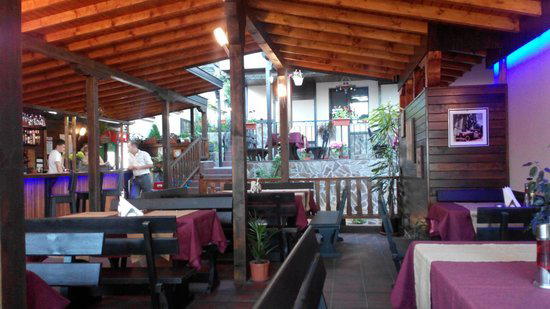
Details
- Elegant
- Cozy
- Sophisticated
- Date Night
- Special Occasion
- Group Dining
- Wine Cellar
- Extensive Wine List
- A La Carte
- Wine
- Vegetarian Friendly
- Vegan Options
- Gluten Free Options
Current opening hours
- Monday
- 11:30 AM–10 PM
- Tuesday
- 11:30 AM–10 PM
- Wednesday
- 11:30 AM–10 PM
- Thursday
- 11:30 AM–10 PM
- Friday
- 11:30 AM–10 PM
- Saturday
- 4–10 PM
- Sunday
- 10 AM–10 PM
Hours can change for holidays and private events. Hours as of .
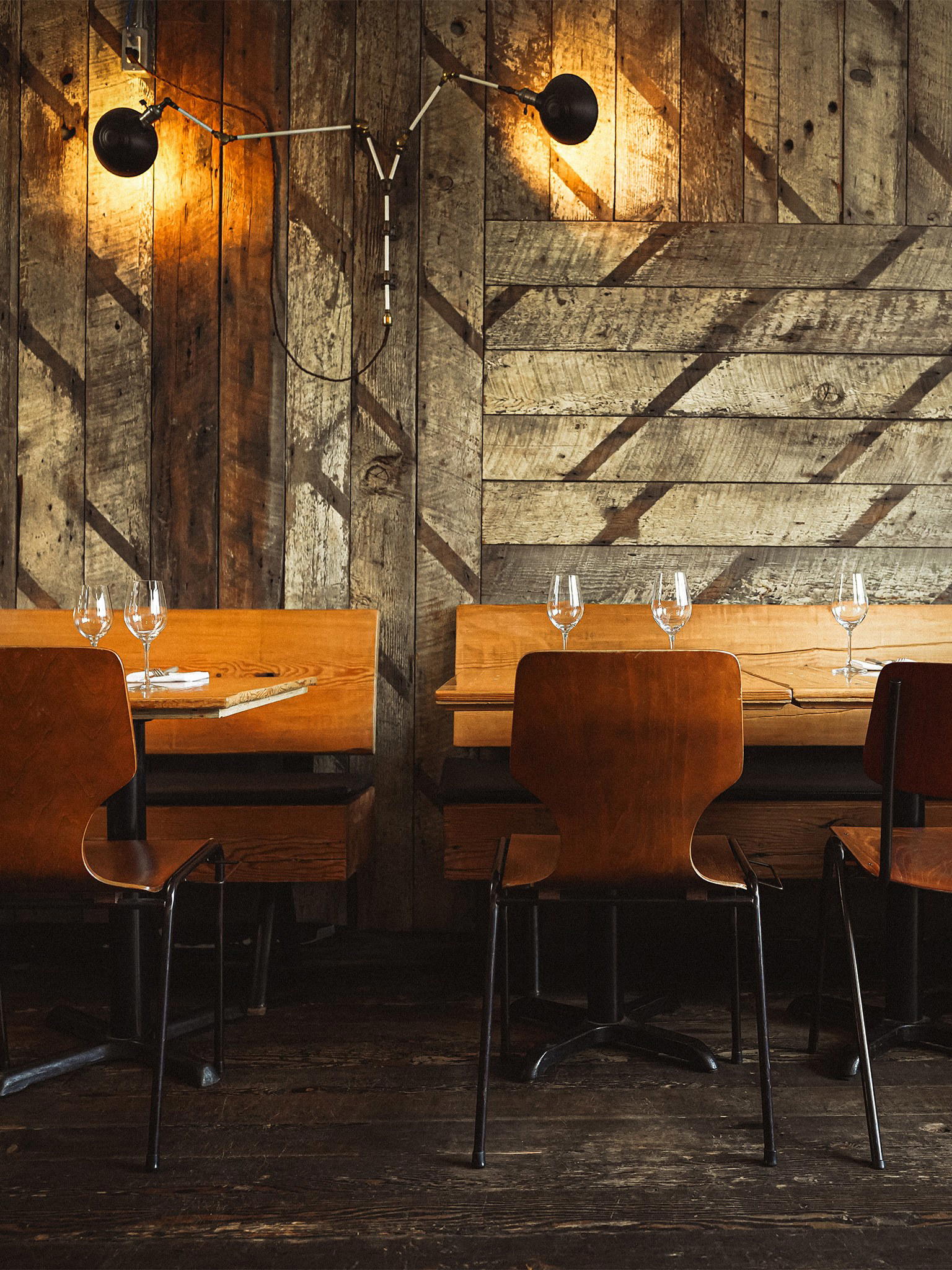
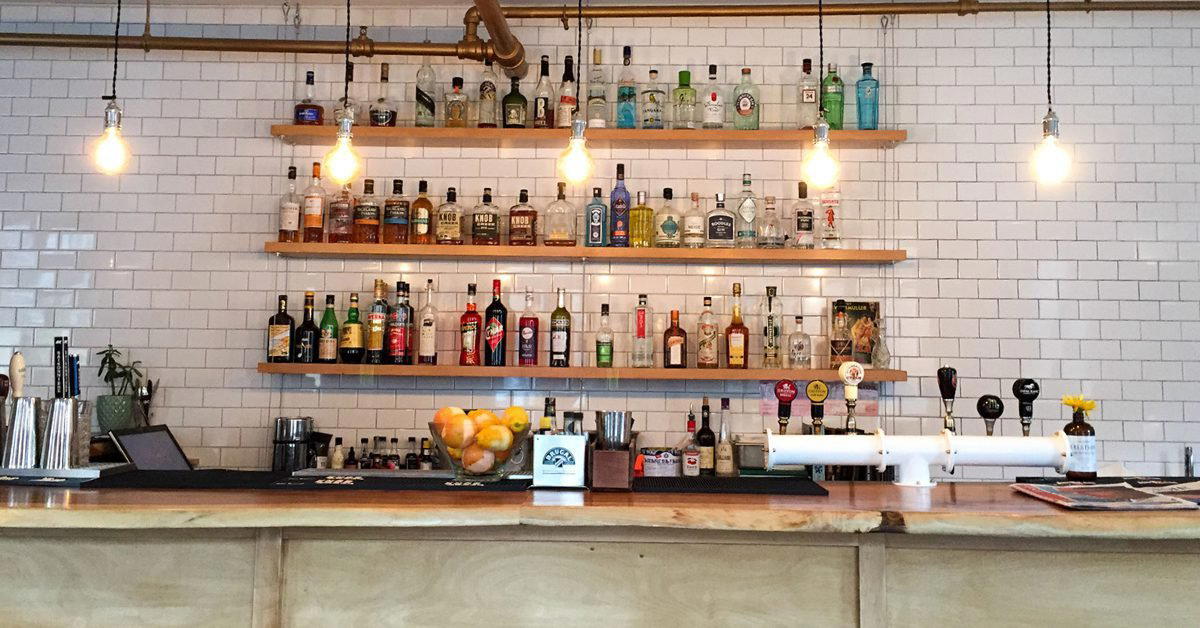
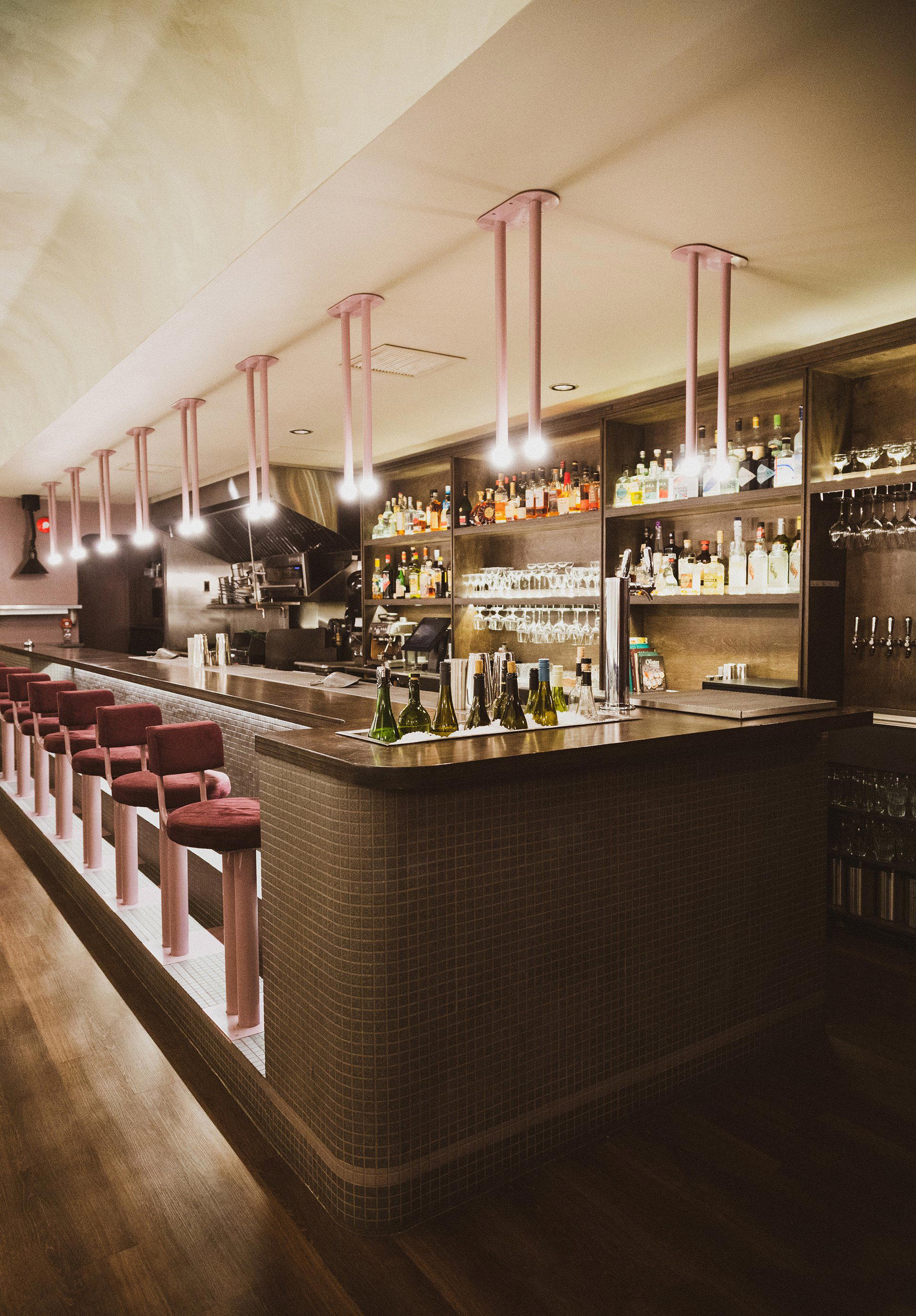
Warm, colorful, and timeless decor with a welcoming and relaxed atmosphere.