Restaurant Le Fin Gourmet
On a quiet residential stretch of Saint-Sauveur, Restaurant Le Fin Gourmet occupies a corner of Quebec City's dining scene that rewards those who look beyond the Old Town's well-worn tourist circuit. The address on Raoul-Jobin Street places it firmly in a neighbourhood context, suggesting a kitchen more interested in feeding locals than performing for visitors. For wine-focused diners, that orientation matters.
Pearl is the En Primeur Club membership app — saves, bookings, and concierge access live there. Same editors, same standards.
- Address
- 774 Raoul-Jobin St, Québec City, Quebec G1N 1R9, Canada
- Phone
- +14186825849
- Website
- lefingourmet.ca
- Directions
- Get directions
 Saves & bookings on Pearl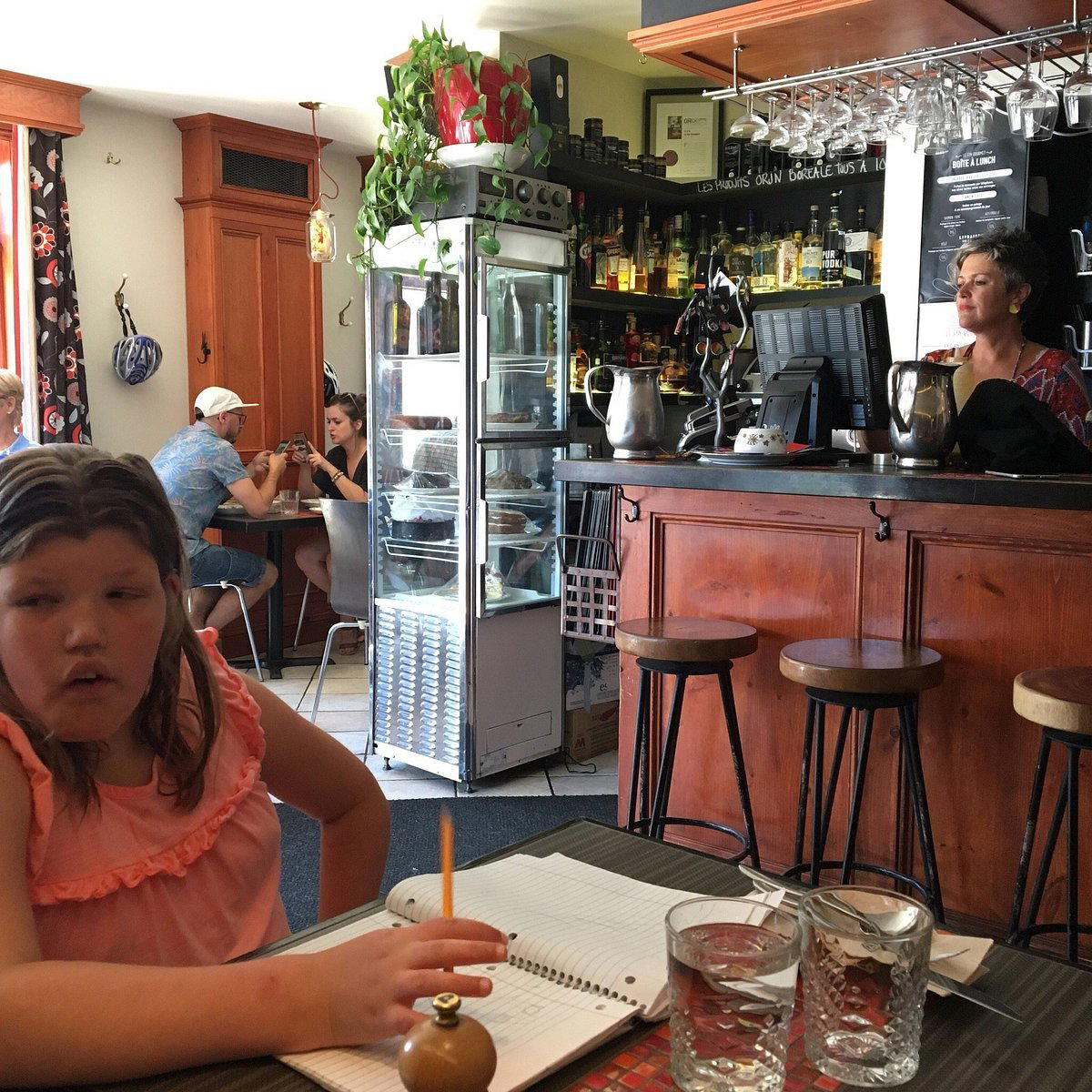
Saint-Sauveur and the Case for Dining Outside the Walls
Quebec City's dining geography splits cleanly between two operating logics. Inside the fortifications, restaurants price against foot traffic and tourist spend; outside them, they price against repeat local custom. The Saint-Sauveur neighbourhood, where Restaurant Le Fin Gourmet sits on Raoul-Jobin Street, belongs firmly to the second category. This district has a mix of corner depanneurs, neighbourhood bakeries, and the occasional ambitious kitchen that has chosen proximity to residents over proximity to the Plains of Abraham. The address itself is a positioning statement.
Quebec City's wider restaurant ecosystem has become increasingly stratified over the past decade. At the leading, a cluster of destination kitchens pulls national and international attention: Tanière³ operates at the creative edge of the city's fine dining tier, while Auberge Saint-Antoine anchors the heritage end of Canadian cuisine in the Old Port. Beneath that tier, a more interesting and less photographed layer of dining has developed, one shaped by neighbourhood loyalty rather than destination ambition. Restaurant Le Fin Gourmet occupies space in that layer, and understanding what that means for the wine program and the table experience requires understanding the neighbourhood first.
The Wine Lens: How Cellar Depth Signals Intent
In Quebec City, as in most mid-sized Canadian cities, the wine list functions as a reliable proxy for kitchen ambition. A restaurant that invests in cellar depth, whether through allocated Burgundy, serious Canadian producers, or a curated selection of natural and low-intervention bottles, is almost always signalling something about how seriously it approaches the rest of the meal. Conversely, a list that defaults to large-volume import agents and house pours tells you something equally clear about priorities.
The city's most wine-serious rooms have tended to align with its most ambitious kitchens. ARVI, operating at the modern cuisine tier with $$$$ pricing, has built a reputation that extends to its beverage program. Kebec Club Privé takes the curated, members-adjacent approach. For visitors who have used wine list quality as a navigational tool in other cities, including at destination rooms like Alo in Toronto or Le Bernardin in New York City, reading a list carefully before ordering food is standard practice. That same instinct applies here.
At a neighbourhood address like Le Fin Gourmet, the wine program is worth scrutinising precisely because the room does not rely on a splashy setting or a media-ready chef narrative to carry the evening. What ends up in the glass, and how it is presented, does significant editorial work. Quebec's Restaurant Pearl Morissette in Lincoln built an entire reputation on cellar discipline and restrained intervention; at the other end of the country, AnnaLena in Vancouver has demonstrated that neighbourhood-scale rooms can carry genuinely serious lists. The question at a room like Le Fin Gourmet is whether the list reflects that same level of considered curation.
Reading the Neighbourhood, Reading the Room
Saint-Sauveur has historically been one of Quebec City's most affordable districts to live and eat in, which shapes both the price tolerance of its regulars and the sourcing logic of its kitchens. Restaurants here do not typically benefit from the margin structures available to Old Town operators, which means a well-managed cellar matters more, not less. Every bottle on a list in this context has to earn its position because the room cannot subsidise slow-moving inventory with high-volume tourist covers.
That economic pressure can, counterintuitively, produce more interesting lists than those found in higher-margin destination rooms. Sommeliers and operators working in neighbourhood contexts often develop sharper curation instincts, favouring producers with genuine quality-to-price ratios over label prestige. Quebec's own wine-adjacent culture, particularly the province's strong interest in natural wine and import agency relationships with smaller European domaines, has filtered into many neighbourhood rooms in ways it has not always reached the city's more formal dining rooms.
For comparison, Laurie Raphaël operates with a broader, more structured program suited to its position in the city's established fine dining tier. Aux Anciens Canadiens prioritises the heritage dining experience over cellar depth. Le Fin Gourmet, given its address and neighbourhood positioning, sits in a different register entirely, one where the list likely reflects local relationships and considered selection rather than formal sommelier architecture.
The Broader Quebec Context
Quebec City's dining scene is more internally competitive than its size might suggest. Montreal draws the national headlines and the international critics, with rooms like Jérôme Ferrer's Europea setting a benchmark for formal French-inflected ambition in the province. But Quebec City has developed a distinct culinary identity, rooted in French technique, local ingredient sourcing from the St. Lawrence corridor, and a civic pride that does not require external validation. That identity tends to express itself most honestly in neighbourhood rooms rather than destination kitchens.
Further afield, the comparison set for a room in this position might include farm-to-table establishments operating in smaller Canadian markets, such as Eigensinn Farm in Singhampton or The Pine in Creemore, both of which have built followings based on kitchen conviction and sourcing integrity rather than urban visibility. Even Narval in Rimouski demonstrates that serious cooking is not confined to the province's two major cities. Le Fin Gourmet belongs to this broader Canadian pattern of committed neighbourhood restaurants that operate without the scaffolding of major awards or media profiles.
Planning Your Visit
The Raoul-Jobin Street address places Le Fin Gourmet west of the Old Town, accessible by foot from the Saint-Sauveur district's main arteries and a short drive or taxi from the historic centre. Visitors staying in hotels within the walls should treat the trip as a deliberate excursion into a less touristed part of the city, which is part of the point. Booking details, current hours, and current menu information are best confirmed directly with the restaurant before visiting, as neighbourhood rooms at this tier often operate on schedules that reflect local demand rather than tourist calendars.
Comparable Spots, Quickly
Comparable venues nearby, for context on price, style, and recognition.
| Venue | Cuisine | Price | Awards | Notes |
|---|---|---|---|---|
| Restaurant Le Fin GourmetThis venue — the venue you are viewing | French with Quebec influences | $$$ | Not listed | Not listed |
| La Girolle | Traditional French Bistro | $$ | Not listed | Saint-Sacrement |
| BISTRO LE SAM | Modern French Bistro | $$$ | Not listed | Vieux-Québec, Cap-Blanc, Colline parlementaire |
| Que Sera Sera | French-Canadian Bistro | $$ | Not listed | Vieux-Québec, Cap-Blanc, Colline parlementaire |
| Restaurant Louis-Hébert | French Market Cuisine | $$$ | Not listed | Vieux-Québec, Cap-Blanc, Colline parlementaire |
| Ouroboros | Modern French Market Cuisine | $$$ | Bib Gourmand | Saint-Roch |
Continue exploring
More in Quebec City
Restaurants in Quebec City
Browse all →
Bars in Quebec City
Browse all →

At a Glance
- Intimate
- Cozy
- Elegant
- Date Night
- Special Occasion
- Standalone
- Craft Cocktails
- Local Sourcing
Current opening hours
- Monday
- Closed
- Tuesday
- 11:30 AM–3 PM
- Wednesday
- 11:30 AM–3 PM, 4:30–10 PM
- Thursday
- 11:30 AM–3 PM, 4:30–10 PM
- Friday
- 11:30 AM–3 PM, 4:30–10 PM
- Saturday
- 5–10 PM
- Sunday
- Closed
Hours can change for holidays and private events. Last verified .
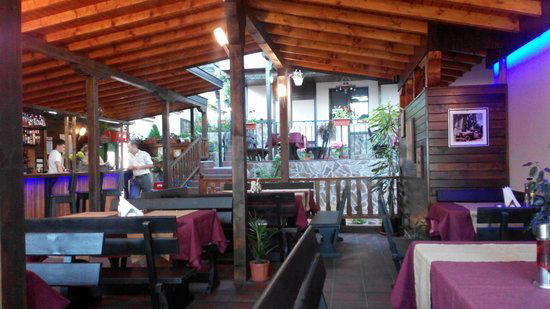
Pleasant intimate ambiance with warm, welcoming service and a homey, cozy feel.