Sarita Colonia sits on Loreto 40 in Recoleta, one of Santiago's most characterful inner-city neighbourhoods, where the restaurant scene draws on criollo tradition rather than fine-dining convention. The address places it inside a broader pocket of Chilean cooking that prioritises provenance and local ingredient networks over international reference points. For visitors already tracing Santiago's neighbourhood dining circuit, it belongs on the same itinerary as the area's other produce-driven addresses.
Pearl is the En Primeur Club membership app — saves, bookings, and concierge access live there. Same editors, same standards.
- Address
- Loreto 40, 8420488 Santiago, Recoleta, Región Metropolitana, Chile
- Phone
- +56228813937
- Website
- saritacoloniarestorant.cl
- Directions
- Get directions
 Saves & bookings on Pearl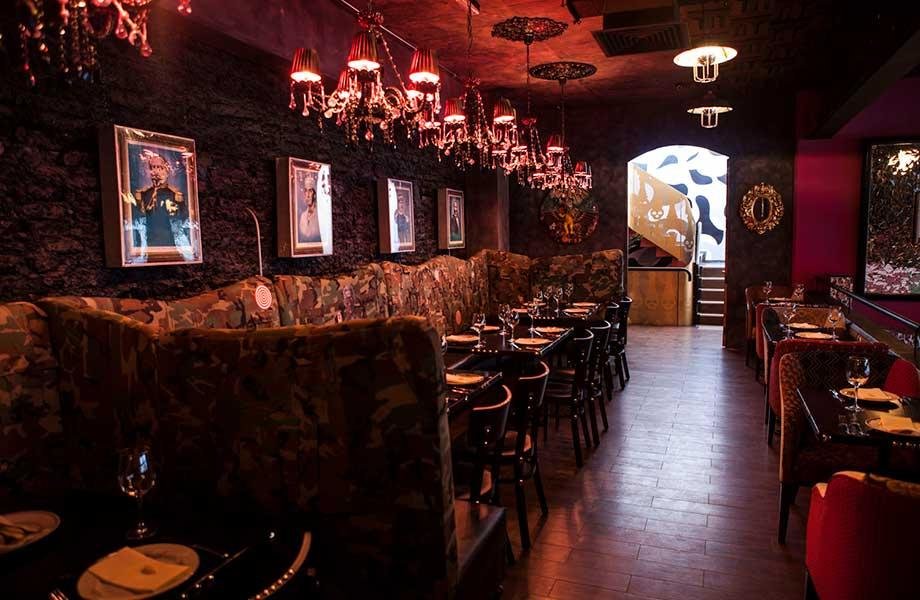
Recoleta's Ingredient-First Dining Culture
Recoleta occupies a distinct position in Santiago's restaurant geography. While Vitacura and Las Condes attract the white-tablecloth, internationally oriented end of the market, venues like Aquí está Coco Restaurante in Vitacura or Palacio Danubio Azul in Las Condes, Recoleta has historically functioned as a neighbourhood where the food conversation is rooted in Chilean domestic tradition. The mercado culture here runs deep: the Vega Central, one of Santiago's principal wholesale markets, is within reach, and its presence shapes what kitchens in the area treat as baseline and what they treat as luxury. Restaurants that take their sourcing seriously in Recoleta tend to work inside those ingredient networks rather than around them.
That context matters when you approach Sarita Colonia at Loreto 40. The address sits inside a residential and commercial stretch of Recoleta where the dining offer is defined by its criollo character, Chilean home-cooking traditions brought into a restaurant format, rather than by any aspiration to replicate European or North American models. The neighbourhood's relationship with fresh, locally traded produce is embedded enough that it functions as a kind of editorial constraint on what gets cooked here.
The Scene on Loreto
Approaching a restaurant on a street like Loreto is a different sensory register from entering a formal dining room in Providencia or Vitacura. Recoleta's streets retain a working-city texture, commerce, pedestrian movement, the ambient sound of a neighbourhood that hasn't been smoothed into a hospitality district. That physical environment sets the register before you reach the door. Venues in this part of Santiago tend to carry their character in their materials and proportions rather than through designed spectacle, and the expectation walking in is for something direct rather than theatrical.
Sarita Colonia operates within that register. The name itself references the Peruvian popular saint Santa Colonia, a figure of devotion in working-class communities across Peru and in Chilean neighbourhoods with significant Peruvian immigration, of which Recoleta is the clearest example in Santiago. That cultural layering is part of the neighbourhood's dining identity: Recoleta's food scene increasingly reflects the presence of the Peruvian community, and the restaurants that read that context well tend to work across both traditions rather than staying on one side of the border. Nearby, Delicateses Criollas represents a similar intersection of criollo ingredients and immigrant food culture in the same neighbourhood.
Sourcing and the Criollo Tradition
The criollo cooking tradition in Chile draws on a supply logic that is fundamentally market-driven. Seasonal availability, local producers, and the day's leading from the wholesale market determine what goes on the plate more than any fixed menu architecture. This approach sits in contrast to the tasting-menu format that has come to define Santiago's premium tier, venues like Boragó in Santiago, which has built an international reputation for its native-ingredient research and formal tasting structure, operate in a different register entirely. Boragó's approach is curatorial and scholarly; the criollo model is responsive and pragmatic. Both are legitimate expressions of Chilean ingredient culture, but they address different audiences and serve different needs.
What criollo cooking does with provenance is less about storytelling and more about selection discipline. The cook who sources from the Vega Central at the right hour of the morning is making ingredient decisions that are invisible to the diner but structurally present in every plate. Tomatoes at peak ripeness, fish that moved from the coast overnight, herbs sourced from specific vendors rather than commodity suppliers, these are the kinds of details that separate a kitchen with genuine sourcing commitment from one that is merely local by default. Restaurants across Chile that have made this their operating principle, from Ambrosia Bistro in Providencia to La Concepción in Valparaiso, share this underlying logic even when their formats differ significantly.
Chile's ingredient geography makes this sourcing orientation particularly meaningful. The country's north-to-south length and extreme altitude variation produce a range of climatic zones within relatively short distances. The central valley around Santiago supplies stone fruit, vegetables, and wine grapes. The coast delivers shellfish and fish with a freshness profile that is structurally different from landlocked markets. The south, represented in venues like andBeyond Vira Vira in Araucanía, brings indigenous grains, smoked meats, and Mapuche food traditions that are increasingly finding their way into Santiago kitchens. A restaurant in Recoleta with genuine sourcing engagement sits at the convergence of those supply streams.
Placing Sarita Colonia in the Santiago Dining Circuit
Santiago's dining circuit has developed recognisable tiers over the past decade. At the formal end, Michelin recognition, which arrived in Chile in 2024, covering Santiago, has accelerated competition among restaurants already operating at tasting-menu price points and format discipline. The mid-market has simultaneously grown more sophisticated, with a generation of cooks returning from training abroad and applying technique to local ingredients without necessarily adopting the full formal-dining apparatus. And at the neighbourhood level, places that hold their ground on criollo identity remain the category that sustains the everyday dining culture of a city rather than its aspirational peak.
Sarita Colonia's position in Recoleta places it in that third tier, not as a lesser option, but as a different kind of proposition. For visitors who have already covered the Santiago highlights, Boragó's research-led tasting menu, the French-inflected kitchen at Ambrosia, the wine-estate dining at Viña Concha y Toro in Pirque, a meal in Recoleta's criollo tradition offers the kind of counterpoint that puts the formal options in perspective. The same principle applies in other Chilean cities: Casa del Barrio in Chillan and Amares Bistro in Antofagasta both work from regional ingredient bases in ways that complement rather than replicate what Santiago's premium tier offers. Internationally, the gap between neighbourhood criollo cooking and high-concept tasting formats mirrors distinctions visible in cities from New York, where Atomix and Le Bernardin operate at one end while borough neighbourhood restaurants hold a separate but equally serious place, to coastal Chile's own fishing-town tables like Aquí Jaime in Concon.
Planning Your Visit
Loreto 40 in Recoleta is accessible from central Santiago by metro, the Baquedano station on Line 5 puts you within walking distance of the neighbourhood's main restaurant cluster, and Loreto runs parallel to the commercial activity around Avenida Italia. Reservations are recommended, and current opening hours are Mon: Closed; Tue to Fri: 7 to 11:30 PM; Sat: 1 to 4:30 PM and 7 to 11:30 PM; Sun: 1 to 4 PM. For visitors already spending time in Recoleta, combining a visit here with the broader neighbourhood dining circuit, including the addresses in our Recoleta guide, takes full advantage of the area's concentrated food offer. Those travelling more widely through Chile will find useful reference points in venues as varied as Café Francés in Los Angeles, Casino Dreams in Punta Arenas, and Izakaya Kotaro on Easter Island, each of which illustrates how differently Chilean regional ingredient culture expresses itself at different latitudes and in different formats.
A Quick Peer Check
Comparable venues nearby, for context on price, style, and recognition.
| Venue | Cuisine | Price | Notes |
|---|---|---|---|
| Sarita ColoniaThis venue — the venue you are viewing | Peruvian Fusion | $$$ | Not listed |
| Delicateses Criollas | Authentic Venezuelan & Chilean | $$ | Recoleta |
| La Mar | Peruvian Cevichería with Fusion Elements | $$$$ | Vitacura |
| Restaurant Bidasoa | Mediterranean Seafood | $$$ | Vitacura |
| Cívico la moneda | Modern Chilean | $$$ | Centro |
| Aquí está Coco Restaurante | Traditional Chilean Seafood | $$$$ | Vitacura |
Continue exploring
More in Recoleta
Restaurants in Recoleta
Browse all →
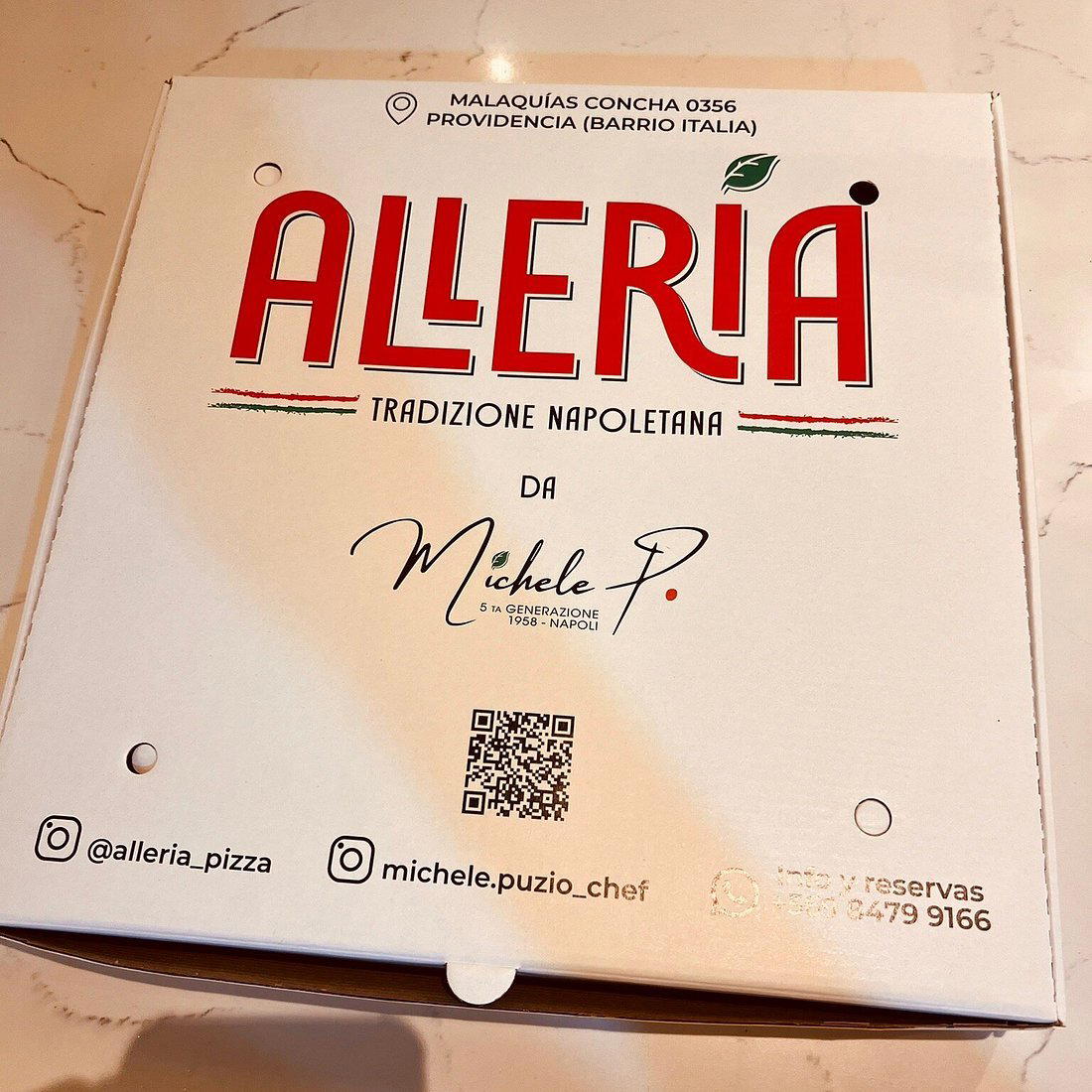
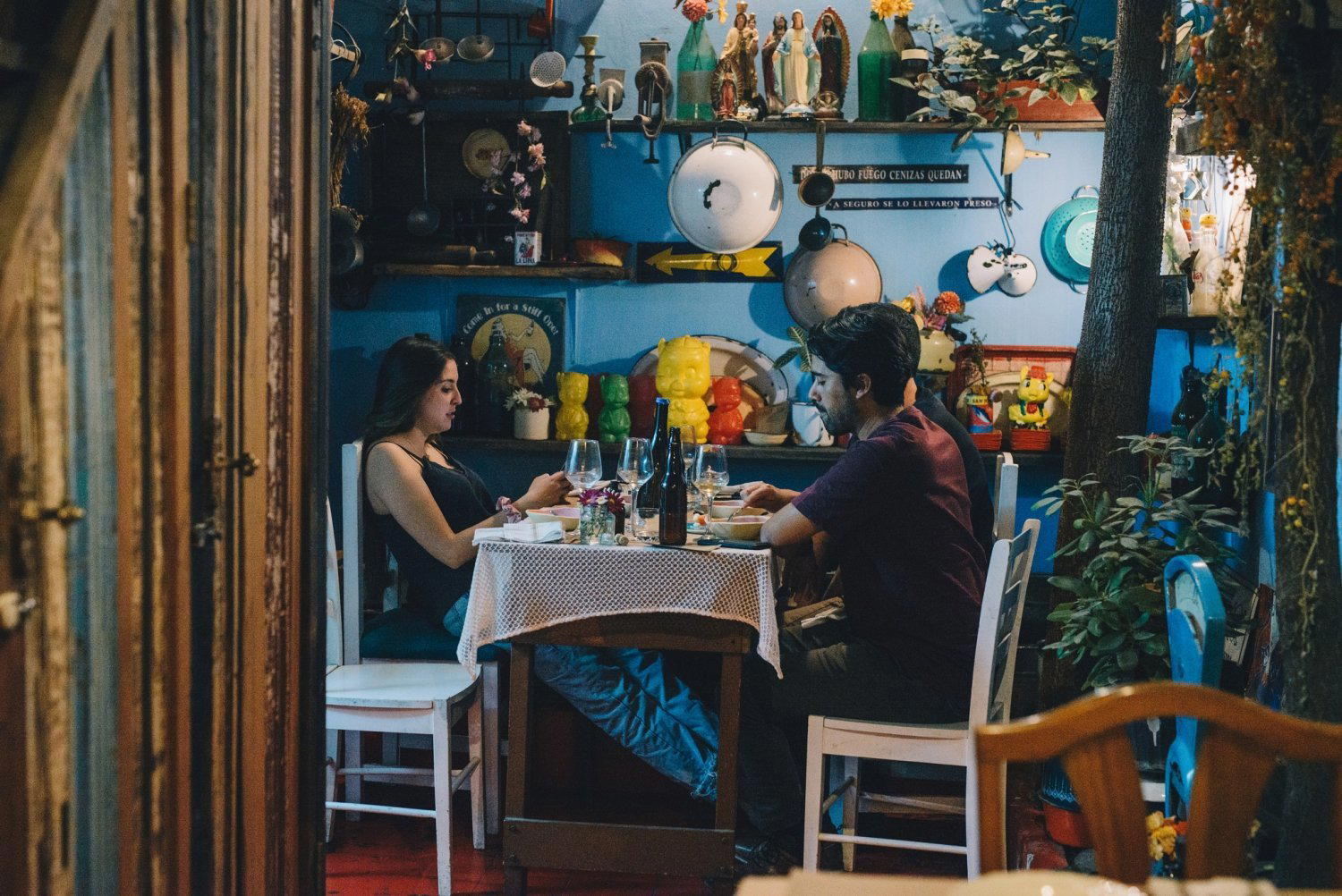
Bars in Recoleta
Browse all →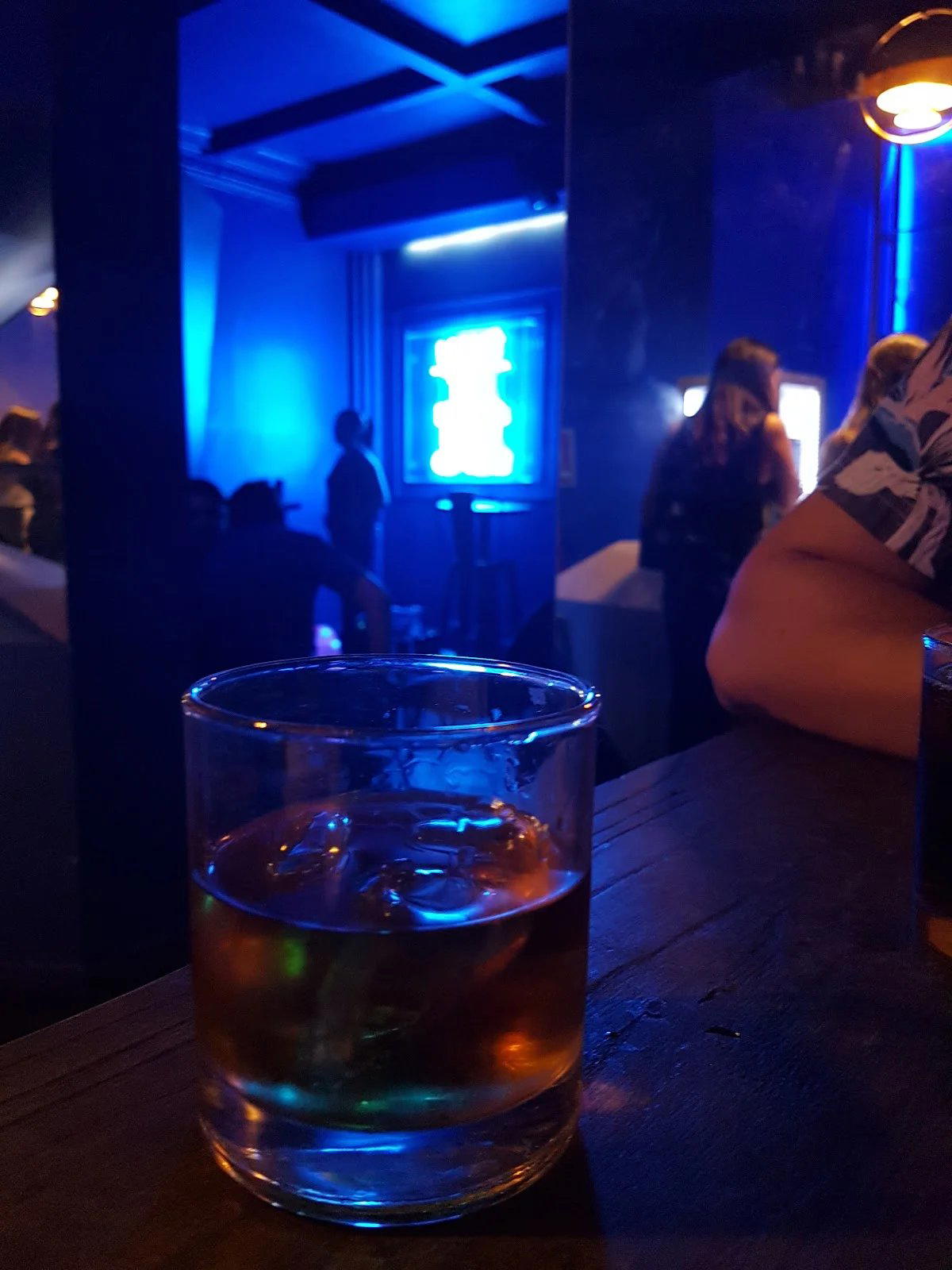
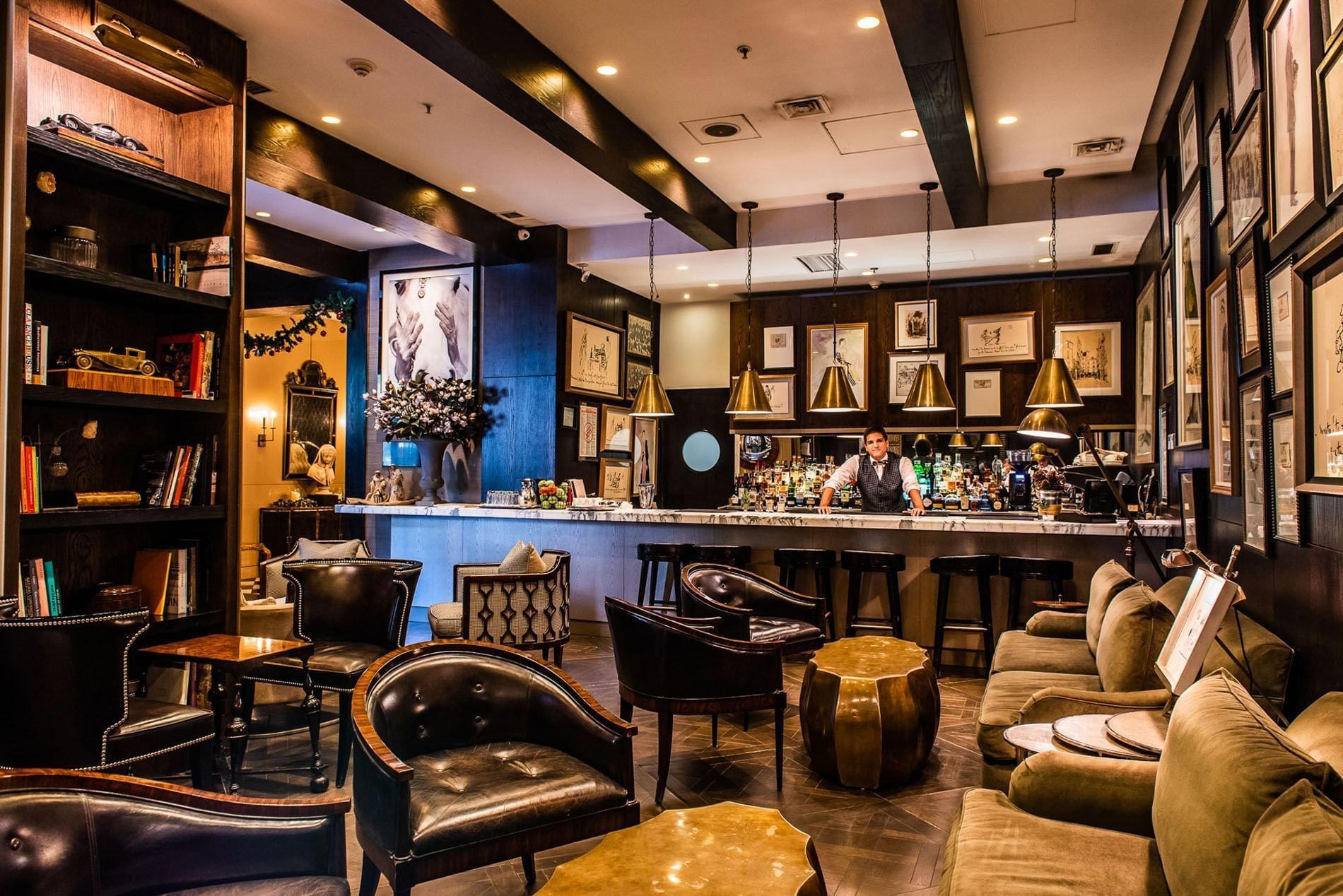
Hotels in Recoleta
Browse all →

At a Glance
- Trendy
- Lively
- Energetic
- Date Night
- Group Dining
- Late Night
- Casual Hangout
- Terrace
- Open Kitchen
- Craft Cocktails
- Street Scene
Current opening hours
- Monday
- Closed
- Tuesday
- 7–11:30 PM
- Wednesday
- 7–11:30 PM
- Thursday
- 7–11:30 PM
- Friday
- 7–11:30 PM
- Saturday
- 1–4:30 PM, 7–11:30 PM
- Sunday
- 1–4 PM
Hours can change for holidays and private events. Last verified .
Dramatic space with purple walls, show-stopping chandelier, melting candles, sculptures, and mystical altarpieces creating a kitsch, lively atmosphere; rooftop terrace offers nice views of Cerro San Cristobal.