On La Concepción in Vitacura, Aquí está Coco Restaurante occupies a quiet corner of Santiago's most affluent dining district, where sourcing discipline and ingredient provenance tend to separate the serious kitchens from the merely fashionable ones. The address alone signals a particular kind of ambition: this is a neighbourhood where diners expect the produce to be traceable and the cooking to justify the postcode.
Pearl is the En Primeur Club membership app — saves, bookings, and concierge access live there. Same editors, same standards.
- Address
- La Concepción 236, Vitacura, Metropolitana de Santiago de Chile
- Directions
- Get directions
 Saves & bookings on Pearl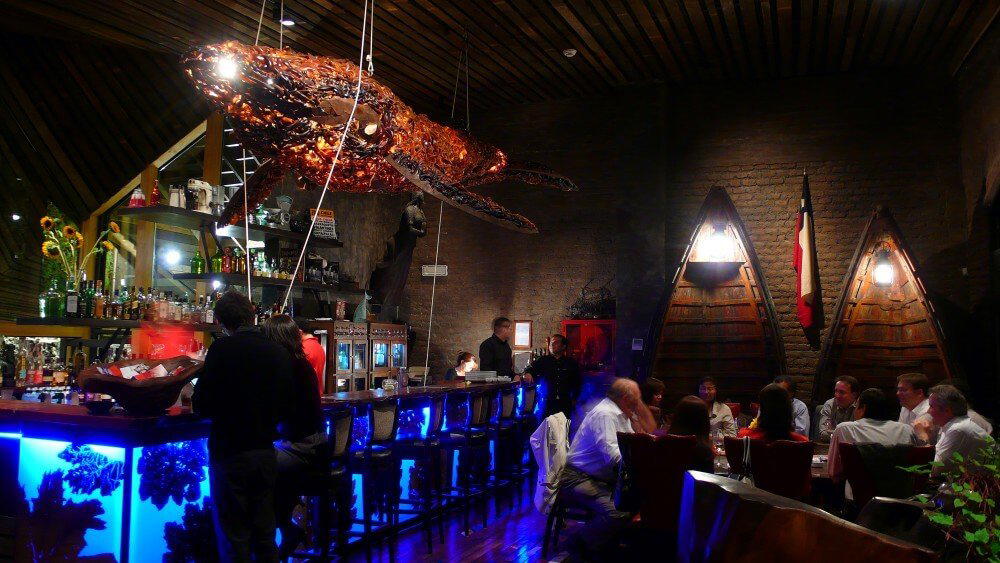
La Concepción and the Vitacura Kitchen Standard
Vitacura's restaurant corridor along and around La Concepción has developed into one of Santiago's most demanding dining environments, not because of foot traffic or spectacle, but because its clientele is habitually well-travelled and comparatively hard to impress. The neighbourhood sits above Providencia in both geography and price expectation, attracting the kind of diner who has eaten at Boragó and Carnal Prime Steakhouse and arrives at a new table with a clear sense of what the tier implies. Aquí está Coco Restaurante is a restaurant in Vitacura, Santiago, at La Concepción 236. Aquí está Coco Restaurante, at La Concepción 236, operates inside that context. The address is not incidental; it places the restaurant in a competitive set defined less by marketing than by the sourcing decisions and kitchen discipline that Vitacura regulars have come to read as baseline signals of quality.
The broader Chilean dining moment provides useful backdrop. Over the past decade, the country's most ambitious kitchens have reoriented around provenance: Central Valley produce, Patagonian seafood, Atacama-region herbs and seeds, and the extraordinarily diverse coastal catch that runs from Arica down to Tierra del Fuego. This is the culinary logic that refined Boragó in Santiago to international attention, and it has filtered down through Vitacura's mid-to-upper tier as a set of shared expectations rather than a single style. Aquí está Coco sits in that current.
Ingredient Provenance as Editorial Statement
In Chilean fine dining, the sourcing question is not decorative. Chile's geography, an absurdly elongated country spanning desert, temperate rainforest, Andean plateau, and sub-Antarctic coast, produces ingredients with genuinely distinct regional character. Kitchens that take provenance seriously are not merely following a trend; they are making a claim about what Chilean cooking can be when it stops borrowing European frameworks wholesale and starts working with what the landscape actually offers.
Vitacura restaurants that operate at the serious end of this spectrum tend to share certain observable markers: menus that shift more frequently than their price points might suggest, kitchen relationships with named farms or fishing cooperatives, and a preference for preparation methods that allow the primary ingredient to do the argumentative heavy lifting. Gregoria Cocina and Casa las Cujas occupy neighbouring positions in this conversation, each with a distinct editorial line on what Chilean-sourced cooking looks like at the table.
Aquí está Coco's placement on La Concepción signals participation in that same conversation. The name itself, colloquial and warm in Spanish, suggests a kitchen that is not positioning itself through austerity or formality, but through a more direct and personal relationship with what arrives on the plate. That register, confident without being showy, is increasingly how serious ingredient-led kitchens choose to present themselves across Chile's better dining neighbourhoods.
The Vitacura comparable set
Understanding where Aquí está Coco sits requires a brief account of how Vitacura's restaurant ecology is stratified. At the internationally recognised end, Boragó has defined a native-ingredient vocabulary that other kitchens now reference consciously or otherwise. Below that tier, a dense mid-level of technically accomplished restaurants competes on the strength of sourcing relationships, kitchen execution, and room character rather than awards currency. Brunapoli anchors the Italian-influenced end of that stratum; the steakhouse format at Carnal Prime Steakhouse addresses a different appetite entirely.
Aquí está Coco competes within the mid-to-upper tier where room warmth and ingredient credibility do more work than Michelin-adjacent signalling. This is, in practice, where most serious Vitacura dining happens: not at trophy restaurants, but at the addresses that locals return to because the kitchen has demonstrated a consistent point of view about what is worth cooking and where it comes from.
Chile's Sourcing Geography and Why It Matters Here
The argument for ingredient provenance in Chilean cooking is not abstract. Seafood alone spans multiple distinct ecosystems: the cold Humboldt Current off the northern and central coast delivers different species profiles than the channels and fjords of Aysén or Magallanes. Kitchens that specify origin, whether Coquimbo sea urchin, Chiloé oysters, or Patagonian lamb from a named estancia, are making a claim that geography shapes flavour in ways that generic sourcing cannot replicate.
This is the same logic at work in the world's most sourcing-focused kitchens, from the fishermen's-cooperative relationships maintained by Le Bernardin in New York City to the Korean-produce focus that defines Atomix in New York City. At the Chilean scale, it means that a kitchen in Vitacura is potentially as close to extraordinary raw material as anywhere on the continent, provided it is doing the relationship work to access it. The question worth asking at any serious Santiago table is whether the provenance on the menu is operational or decorative.
Planning Your Visit
Aquí está Coco Restaurante is at La Concepción 236, Vitacura, within the dense restaurant cluster that makes this stretch of the commune walkable between venues if you are sequencing an evening across multiple stops. Vitacura is most efficiently reached by car or taxi from central Santiago; the neighbourhood's street parking and proximity to major avenidas make it direct to approach from Providencia, where Ambrosia Bistro anchors a comparable dining tier slightly further south. For those building a broader Chilean itinerary, La Concepción in Valparaiso, Casa del Barrio in Chillan, and Café Francés in Los Angeles each represent the regional dining standard outside the capital.
Fast Comparison
Comparable venues nearby, for context on price, style, and recognition.
| Venue | Cuisine | Price | Notes |
|---|---|---|---|
| Aquí está Coco RestauranteThis venue — the venue you are viewing | Traditional Chilean Seafood | $$$$ | Not listed |
| Osaka | Nikkei Peruvian-Japanese Fusion | $$$$ | Vitacura |
| Carnal Prime Steakhouse | Premium American Steakhouse | $$$$ | Vitacura |
| Gregoria Cocina | Authentic Argentine Cocina | $$ | Vitacura |
| ST Giovanni’s | Pizza | Not listed | Vitacura |
| Mestizo | Modern Chilean Seafood | $$$$ | Vitacura |
Continue exploring
More in Vitacura
Restaurants in Vitacura
Browse all →
Bars in Vitacura
Browse all →
Hotels in Vitacura
Browse all →

At a Glance
- Elegant
- Cozy
- Well Known
- Special Occasion
- Family
- Business Dinner
- Standalone
- Extensive Wine List
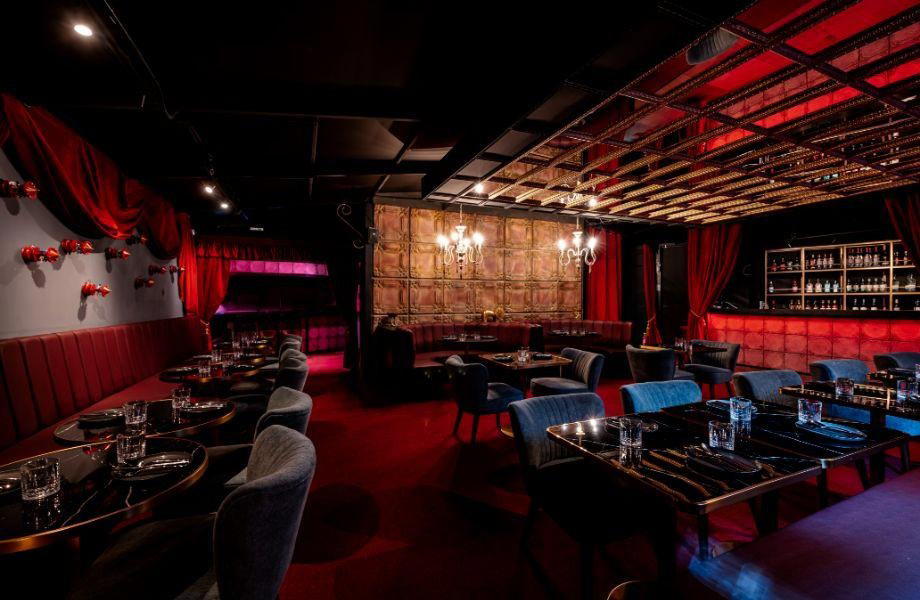
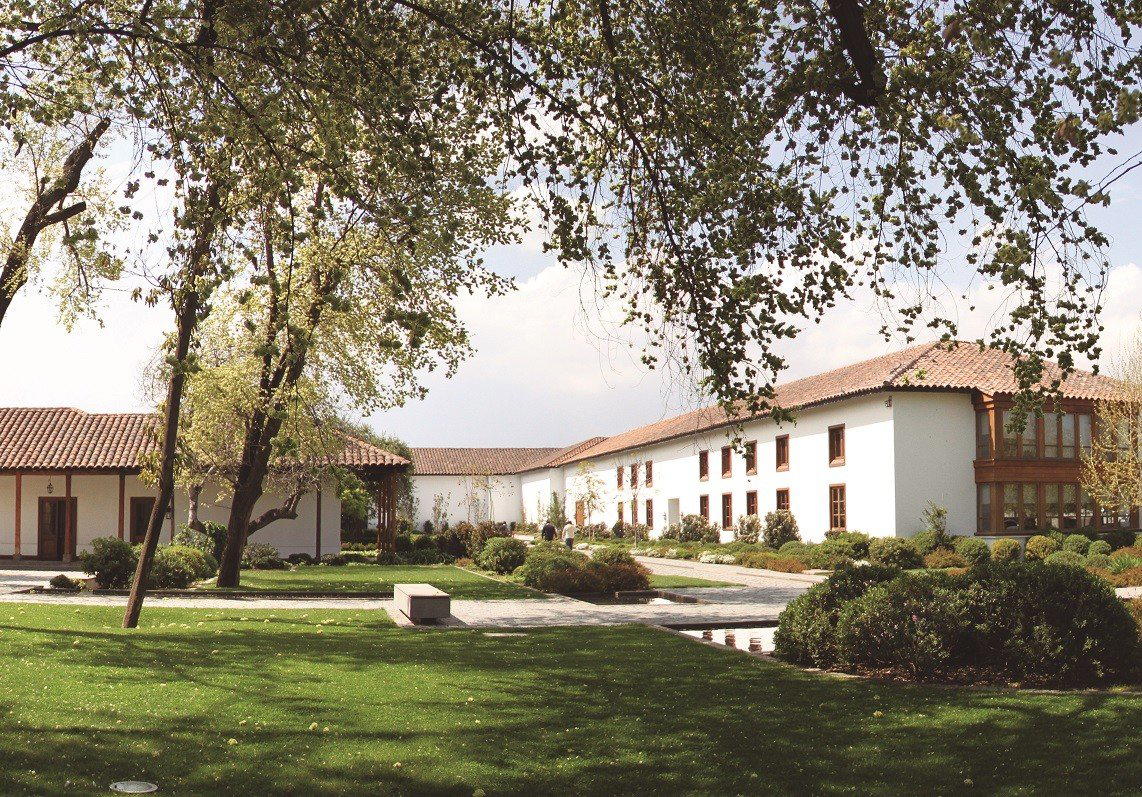
Warm and welcoming family atmosphere with subtle decor incorporating ocean spirit and recycled materials, ideal for good conversation across themed dining rooms.