Izakaya Kotaro
Easter Island's restaurant scene is thin by any measure, which makes a Japanese izakaya operating at the edge of Chilean territory a genuinely unusual proposition. Izakaya Kotaro draws on the island's Pacific-sourced seafood within a format more associated with Tokyo side streets than Rapa Nui. For travellers making the five-hour flight from Santiago, it sits among a handful of serious dining options on the island.

Pearl is the En Primeur Club membership app — saves, bookings, and concierge access live there. Same editors, same standards.
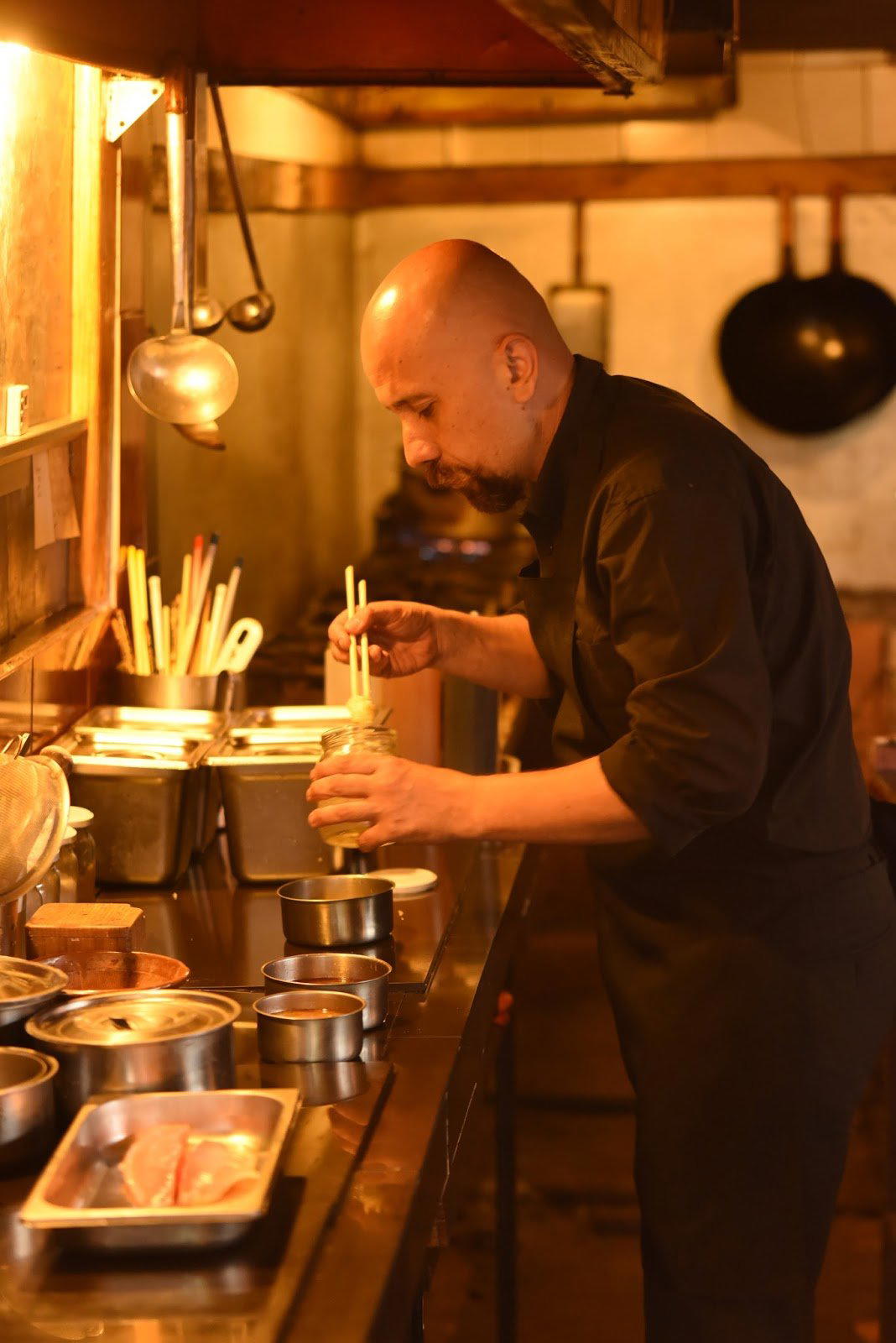
Dining at the Edge of the Pacific
Easter Island does not reward visitors who arrive expecting a broad restaurant scene. Rapa Nui sits roughly 3,700 kilometres west of continental Chile, and the logistics of that isolation shape everything on the plate. Proteins, produce, and pantry staples that chefs on the mainland take for granted either arrive by weekly cargo flight or simply do not arrive at all. What the island does have is direct access to some of the cleanest stretches of the South Pacific, and the seafood pulled from those waters is the foundational argument for eating well here. Within that constrained but specific context, Izakaya Kotaro occupies a position worth examining: a Japanese izakaya format operating at the far edge of Chilean culinary territory.
The izakaya tradition, which developed in Edo-period Japan as a format built around small dishes and shared drinking, has proven durable precisely because it accommodates whatever ingredient supply a given location offers. The format's flexibility is its architecture. In Tokyo, that means seasonal Japanese produce and fish drawn from Toyosu Market. On Easter Island, the same structural approach meets tuna, mahi-mahi, and whatever the local catch delivers on any given day. The tension between a fixed culinary format and a radically different supply chain is, in some respects, the interesting editorial question Izakaya Kotaro raises.
What the Pacific Supplies
The ingredient sourcing argument on Easter Island begins and ends with the ocean. The island sits within the South Pacific Gyre, a zone of relatively nutrient-poor but exceptionally clear water that produces fish with lean, clean flesh rather than the fatty cold-water profiles you find further south toward Patagonia. The tuna caught off Rapa Nui is a different animal from what arrives at the docks in Valparaíso. Chefs working in izakaya formats understand fish texture at a granular level, the difference between a sashimi-grade cut served at the correct temperature and one that has been mishandled in transit is not subtle. On an island where cold-chain logistics depend on aircraft schedules, the advantage of sourcing fish locally and immediately becomes material rather than philosophical.
This contrasts sharply with the situation facing, for example, Awasi Atacama in San Pedro de Atacama, where the kitchen must build around an entirely landlocked supply chain, or Awasi Patagonia in Torres del Paine, where cold-water protein from Chilean fjords defines the menu's character. Easter Island's position in the central Pacific creates a supply reality that is simultaneously limited and, for fish, locally excellent. An izakaya format built around raw and simply prepared seafood is one of the more logical responses to that reality.
Vegetables and fermented pantry staples are the harder side of the equation. Miso, sake, and the various condiments that anchor izakaya cooking are not produced locally and must be imported. The degree to which Izakaya Kotaro sources these components from Japan, from Chile's mainland, or substitutes local alternatives is the kind of operational detail that defines whether a restaurant in this format is genuinely executing the tradition or approximating it. Chile's broader Japanese-influenced dining scene, anchored in Santiago, offers a useful reference point: restaurants like Aquí está Coco Restaurante in Vitacura have long demonstrated that serious seafood-focused kitchens can operate at a high level within Chilean supply structures.
The Setting and What It Signals
Easter Island's dining atmosphere is shaped by geography before it is shaped by any individual restaurant's design choices. Hanga Roa, the island's only town, is small enough that most restaurants are within walking distance of the principal hotels. The physical environment arriving at any Hanga Roa restaurant involves the particular quality of Pacific light in the evening hours, the sound of the ocean at close range, and a population density that keeps the pace of service unhurried by continental standards. An izakaya setting in this context does not replicate the compressed, counter-heavy energy of a Tokyo neighbourhood spot. The spatial logic is different, and the pacing reflects an island that operates on its own time.
For travellers who have eaten seriously in Japan, there is an interesting calibration exercise in assessing an izakaya at this latitude. The format's communal, snacking structure fits well with how visitors on Easter Island tend to eat: arriving after a day at the moai sites, looking for something relaxed rather than ceremonial. The izakaya model, with its emphasis on multiple small dishes rather than a linear progression, suits that state of arrival. Compare this with the more formal tasting structures at places like Boragó in Santiago, where the commitment to a single long menu requires a different kind of attention from the diner.
Easter Island in Chile's Dining Context
Chile's restaurant scene across the mainland has matured considerably over the past decade. Serious regional cooking at Amares Bistro in Antofagasta, wine-adjacent dining at Viña Concha y Toro in Pirque, and European-Chilean hybrids at Ambrosia Bistro in Providencia all speak to a national dining culture that has developed real range. Easter Island sits outside that development curve. The island's restaurant scene is thin relative to its tourism draw, and the options that do exist tend to serve a visitor population rather than a local one. That dynamic has its advantages: it keeps menus anchored to what actually works logistically rather than what reads well on paper.
For context on what serious Chilean seafood kitchens look like at their leading, La Concepción in Valparaíso and Aquí Jaime in Concon offer useful reference points. Both operate in port-adjacent environments where fish quality is the central editorial argument. Easter Island's version of that argument is more extreme: there is no port city supply infrastructure, only the ocean itself and whatever the day's catch delivers. The gap between the island's potential and its execution depends heavily on who is cooking and how seriously they take the sourcing logic the location provides.
Other Chilean regional operations worth tracking for comparison include andBeyond Vira Vira in Araucanía and Café Francés in Los Angeles, both of which navigate constrained local supply chains within specific regional contexts. The challenge Izakaya Kotaro faces is structurally similar, if more extreme in its geographic isolation.
Planning Your Visit
Easter Island is accessible via direct flights from Santiago (approximately five hours) and occasional services from Tahiti. Most visitors stay in Hanga Roa, and given the island's small footprint, proximity to the restaurant is rarely a logistical issue. Dining options on the island are limited enough that advance planning is worth applying to any shortlist, particularly during the peak Southern Hemisphere summer months of January and February, when visitor numbers rise sharply against a restaurant capacity that does not expand to match.
In Context: Similar Options
Comparable venues nearby, for context on price, style, and recognition.
| Venue | Cuisine | Price | Notes |
|---|---|---|---|
| Izakaya KotaroThis venue — the venue you are viewing | Authentic Japanese Izakaya | $$$ | Not listed |
| Naoki | Japanese with Chilean Fusion | $$$$ | Vitacura |
| Viña Haras de Pirque | International Fine Dining with Meat and Seafood | $$$ | Pirque |
| Piegari Chile | Authentic Italian Trattoria | $$$ | Vitacura |
| Rivoli | Authentic Roman & Lazio Italian | $$$ | Providencia |
| Las Cabras - Fuente de Soda | Chilean Fuente de Soda | $$ | Barrio Plaza la Alcaldesa |
Continue exploring
More in Easter Island
Hotels in Easter Island
Browse all →

At a Glance
- Intimate
- Cozy
- Minimalist
- Date Night
- Special Occasion
- Chefs Counter
- Sake Program
- Local Sourcing
Minimalist wooden Japanese-style interior with warm, romantic lighting and attentive personal service from the chef and family.