Delicateses Criollas sits on Purísima 161 in Recoleta, one of Santiago's most characterful working-class communes, where the tradition of criollo cooking, built on market-sourced ingredients and generations of domestic technique, remains genuinely alive. The address places it squarely within a neighbourhood that has resisted the homogenisation affecting much of the capital's dining scene, making it a reliable reference point for visitors tracing Chilean food back to its roots.
Pearl is the En Primeur Club membership app — saves, bookings, and concierge access live there. Same editors, same standards.
- Address
- Purísima 161, 8420491 Recoleta, Región Metropolitana, Chile
- Phone
- +56990934454
- Website
- tinyurl.com
- Directions
- Get directions
 Saves & bookings on Pearl
Recoleta and the Criollo Tradition
Santiago's dining attention tends to cluster south and east: Lastarria, Providencia, Las Condes. Recoleta, immediately north of the Mapocho River, operates on a different register. The commune is home to the Vega Central, one of Latin America's largest fresh produce markets, and that proximity shapes everything about how restaurants in this neighbourhood source and cook. Where Providencia addresses have to truck in ingredients from wholesale intermediaries, Recoleta kitchens can pull directly from market stalls a few blocks away. That structural advantage is not incidental, it defines the character of the food that comes out of this part of the city.
Criollo cooking, as a category, is often misunderstood by visitors expecting the high-technique Chilean cuisine associated with places like Boragó in Santiago or the indigenous-focused menus at Peumayen in Providencia. Criollo is not a tasting menu tradition. It is the cooking of households and markets: slow-braised meats, bean-based stews, preparations that prioritise flavour density over visual elegance. The techniques are Spanish-inflected but run through generations of Chilean domestic adaptation, producing dishes that are recognisably different from either their European antecedents or from the contemporary modernist Chilean cooking that attracts international press.
What the Address Tells You
Purísima 161 sits in the older residential spine of Recoleta, a street that runs through a part of the commune that has not been significantly redeveloped. The built environment here is low-rise and lived-in, with the kind of streetscape that functions as a neighbourhood rather than a dining destination in the promotional sense. Arriving on foot from Baquedano metro station, which serves as the practical gateway between Providencia and Recoleta, the shift in atmosphere is immediate. The commercial energy changes; the signage is less curated; the foot traffic is more local than tourist.
That context matters for how you should read Delicateses Criollas. It is not positioned against the modernist Chilean restaurants that attract international coverage, nor against the wine-country dining experiences at properties like Lapostolle Residence in Santa Cruz or Clos Apalta Residence in Valle de Apalta. It belongs to a different, more functional tier of the city's food culture, one that Chilean food writers have consistently argued is more representative of how most Santiaguinos actually eat.
Ingredient Sourcing as Editorial Position
In Chilean food culture, the gap between market-adjacent and market-distant kitchens is significant. The Vega Central and its smaller neighbour, the Mercado de la Vega Chica, supply produce that moves quickly and reflects actual seasonal availability rather than the managed seasonality of premium wholesale networks. A kitchen that sources from these markets works with what is genuinely available on a given week: Central Valley stone fruits in summer, dense root vegetables through the colder months, the fish and shellfish that come up through the coastal supply chains feeding the metropolitan area.
This kind of sourcing is not a marketing strategy in the Recoleta context, it is simply how neighbourhood restaurants function when they are embedded in the area rather than positioned toward it. The criollo tradition depends on this proximity. Dishes like cazuela, charquicán, or porotos granados are not recipes that benefit from ingredient substitution; they are built around the specific texture and flavour of Chilean produce at its point of peak availability. Sarita Colonia represents another Recoleta address that has drawn attention to the commune's food culture, though its approach skews toward the more deliberately curated end of neighbourhood dining. Delicateses Criollas occupies territory that is less styled and more direct.
For visitors who have been tracking Chilean ingredient culture through the wine country, through properties like Awasi Atacama in San Pedro de Atacama or andBeyond Vira Vira in Araucanía, Recoleta offers a useful corrective. Those properties present Chilean ingredients through a luxury hospitality frame. Here, the same underlying agricultural richness appears without the editorial layer.
Recoleta in the Santiago Dining Context
Santiago's premium dining tier has consolidated significantly over the past decade, with international recognition and Michelin attention concentrating in specific neighbourhoods. Recoleta has not been part of that consolidation in any formal sense. It functions instead as the city's most sustained argument for the value of unmediated local food culture. The commune's immigrant communities, particularly its Arab and South American diaspora populations, have added further culinary registers to what was already a varied local food scene.
The practical consequence for visitors is that Recoleta rewards a different kind of attention than Las Condes or Vitacura. You are not coming here to eat through a tasting menu or to access a chef with international credentials. You are coming because the food is priced and prepared for the people who live here, which in practice often produces better value and more direct flavour than dining designed for visitors. For context on where this fits within the broader regional picture, our full Recoleta restaurants guide maps the commune's food culture in more detail.
Chilean cooking at this register also compares interestingly with the tradition-focused restaurants at the other end of Chile's geography. Fuente Toscana in Ovalle and Rosario in Rengo both operate in regional contexts where the distance from Santiago's dining trends is an asset rather than a limitation. Recoleta, despite being physically within the capital, shares some of that quality.
Planning Your Visit
Purísima 161 is accessible from Baquedano metro station, making it direct to reach from the central and eastern parts of Santiago without relying on a car or taxi. The neighbourhood is most active during lunch hours, which aligns with how criollo cooking has traditionally been structured: the main meal of the day is midday rather than evening. Visitors oriented around dinner-focused dining itineraries may need to adjust their timing.
Comparable Spots, Quickly
Comparable venues nearby, for context on price, style, and recognition.
| Venue | Cuisine | Price | Notes |
|---|---|---|---|
| Delicateses CriollasThis venue — the venue you are viewing | Authentic Venezuelan & Chilean | $$ | Not listed |
| Sarita Colonia | Peruvian Fusion | $$$ | Recoleta |
| Divertimento Chileno | Traditional Chilean | $$ | Providencia |
| Las Cabras - Fuente de Soda | Chilean Fuente de Soda | $$ | Barrio Plaza la Alcaldesa |
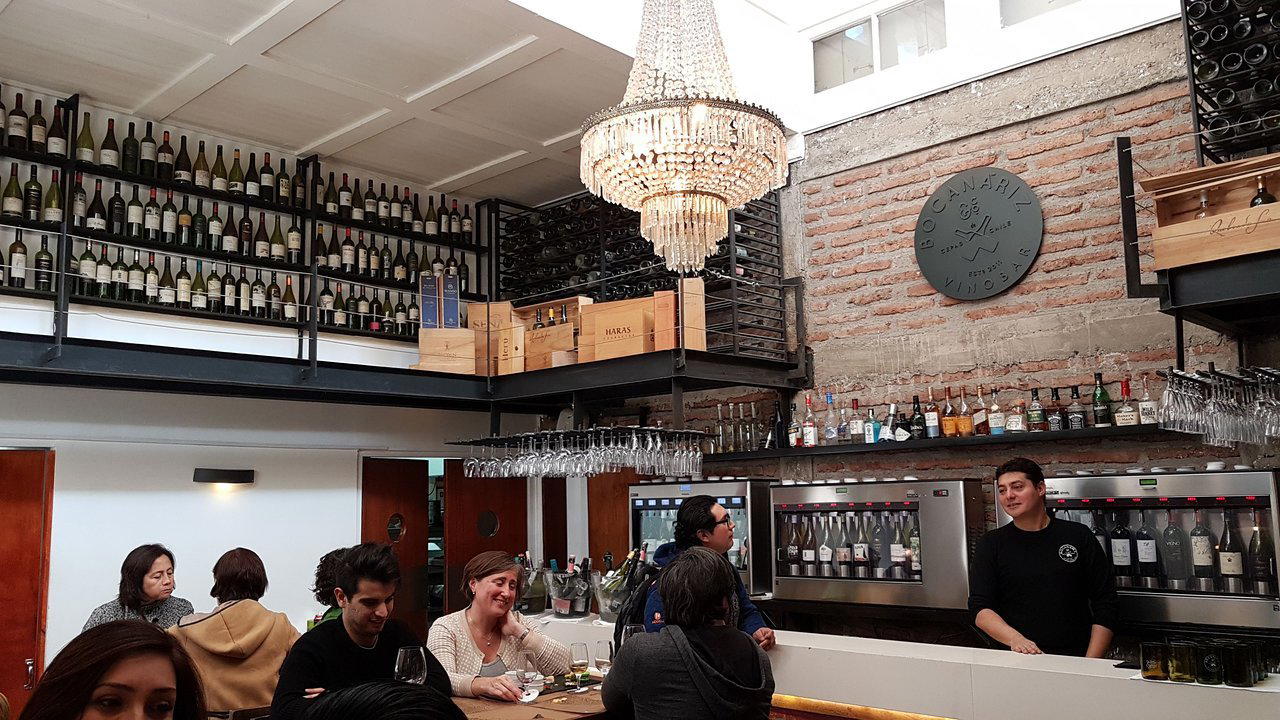
| Bocanáriz | Modern Chilean Wine Bar | $$$ | Lastarria |
| Fuente Alemana | Classic Chilean Sandwiches | $ | Providencia |
Continue exploring
More in Recoleta
Restaurants in Recoleta
Browse all →
Bars in Recoleta
Browse all →
Hotels in Recoleta
Browse all →


At a Glance
- Cozy
- Family
- Casual Hangout
- Standalone
Current opening hours
- Monday
- 11:30 AM–6:30 PM
- Tuesday
- 10 AM–6:30 PM
- Wednesday
- 10 AM–6:30 PM
- Thursday
- 10 AM–6:30 PM
- Friday
- 10 AM–8 PM
- Saturday
- 10 AM–8 PM
- Sunday
- 10 AM–8 PM
Hours can change for holidays and private events. Last verified .
Casual homey atmosphere with kind attentive service and traditional comforting vibes.