Our verdict
A long-running address on Florianigasse in Vienna's 8th district, Salims occupies a different register from the city's headline fine-dining tier. Where much of Vienna's serious restaurant scene has moved toward tasting-menu formalism, this neighbourhood fixture has built its reputation on consistency and proximity to a residential community rather than on awards currency.

Pearl is the En Primeur Club membership app, where members save venues, book tables and use the concierge.

A Neighbourhood Institution in the Eighth District
Vienna's 8th district, Josefstadt, developed its dining identity differently from the grand boulevard restaurants of the 1st or the self-consciously progressive kitchens now clustered around the inner districts. The neighbourhood is residential, compact, and historically resistant to the kind of high-turnover hospitality that comes with tourist footfall. Restaurants that survive here across multiple decades do so not on destination-dining cachet but on repeat custom from the people who actually live on these streets. Florianigasse 42 is that kind of address. Salims has occupied it long enough that the restaurant has become part of the physical texture of the block rather than a destination imported onto it.
That longevity matters as a data point. In a city where the Steirereck im Stadtpark and Konstantin Filippou represent one pole of Viennese restaurant ambition, the mid-tier neighbourhood restaurant that keeps a community returning year after year represents something equally deliberate, if less visible to the awards circuit. The two poles are not in competition with each other; they answer different questions entirely.
How the Format Has Shifted
The evolution of Vienna's independent restaurant scene over the past two decades follows a pattern recognisable across Central European capitals. A first generation of ethnic and neighbourhood restaurants opened through the 1980s and 1990s to serve communities and cost-conscious diners. A second wave, from roughly 2005 onward, saw those restaurants either close, reposition upward into more formal territory, or hold their ground and mature into something more considered without chasing tasting-menu status.
Salims sits in that matured category. The trajectory for restaurants of this type in Vienna has not been toward the kind of reinvention visible at Mraz & Sohn or Amador, both of which pursued Michelin recognition and the structural changes that come with it. Instead, the more common path for Josefstadt's durable neighbourhood restaurants has been consolidation: a tighter menu, a clearer identity, and deeper roots in the community they serve.
That path carries its own logic. Vienna's fine-dining upper tier, represented by €€€€ operations across the city, requires a specific kind of commitment from the diner: advance booking windows of weeks or months, tasting formats that occupy an entire evening, and price points that make the meal an occasion rather than a habit. The neighbourhood restaurant that has survived and sharpened its offer over time occupies the space that no amount of Michelin stars can fill: accessible, repeatable, and embedded in daily life.
The Broader Josefstadt Dining Pattern
Understanding Salims means understanding the 8th district's hospitality character. Josefstadt is smaller than neighbouring Neubau and less commercially saturated than Mariahilf. Its restaurant density is lower, and the addresses that endure tend to have a clarity of purpose that more competitive neighbourhoods don't always require. A restaurant here cannot rely on passing trade to the same degree; it builds a room of regulars or it doesn't last.
This dynamic produces a different kind of dining culture from what you encounter at Vienna's formal institutions. The conversation at the next table is more likely to be about the neighbourhood than about the menu. The rhythm of service is shaped by familiarity rather than choreography. These are not qualities that appear in award citations, but they are qualities that define the experience for the people who actually use the restaurant as part of their lives rather than as a periodic event.
For visitors to Vienna who have already worked through the formal upper tier, from Doubek to the Michelin-facing kitchens of the inner city, a meal in a district like Josefstadt offers a genuinely different register. The city's restaurant culture cannot be read entirely through its awarded restaurants, and Florianigasse makes that point without needing to argue it.
Where Salims Sits in Vienna's Current Map
Vienna's restaurant field in 2024 and 2025 is more stratified than it was a decade ago. The creative fine-dining tier has consolidated around a small number of addresses with international visibility. A middle tier of well-executed modern bistros has grown, partly driven by chefs who trained at the leading table and opted to open smaller, less formal rooms. And the neighbourhood tier, where Salims operates, has thinned as costs have risen and the middle ground has become harder to hold.
Against that backdrop, an address that has held its position on Florianigasse across a meaningful stretch of time is worth noting. It doesn't compete with Steirereck or Konstantin Filippou any more than a well-run Tokyo neighbourhood izakaya competes with a three-star counter. What matters is whether the restaurant delivers reliably on what it actually is.
For visitors planning a longer stay in Vienna, the practical routing matters. The 8th district sits within easy reach of the Ring and the central museum quarter; a meal on Florianigasse doesn't require significant detour from any central base. Those building a broader Austria itinerary can also use Vienna as the starting point for a range of serious regional tables: Döllerer in Golling an der Salzach, Ikarus in Salzburg, Obauer in Werfen, and Landhaus Bacher in Mautern an der Donau are all within a day's reach, as are the Alpine fine-dining addresses at Griggeler Stuba in Lech, Gourmetrestaurant Tannenhof in Sankt Anton am Arlberg, and Schwarzer Adler in Hall in Tirol.
For those focusing on Vienna specifically, our full Vienna restaurants guide maps the city's dining scene across price tiers and neighbourhoods, from the tasting-menu operations to the district-level addresses that define how the city actually eats from week to week. Additional Austrian regional tables worth noting include Kräuterreich by Vitus Winkler, Restaurant 141 by Joachim Jaud in Mieming, and Ois in Neufelden. For international reference points in a comparable neighbourhood-counter format, Le Bernardin in New York City and Atomix in New York City illustrate how different cities resolve the tension between neighbourhood identity and formal recognition.
Planning a Visit
Salims is located at Florianigasse 42 in Vienna's 8th district, accessible by tram and U-Bahn from the city centre. For a district like Josefstadt, walk-in is often viable at quieter times, but for weekend evenings it is worth checking ahead. The 8th district rewards an unhurried approach: arrive with time to walk the surrounding streets before or after, and the meal fits naturally into an evening rather than dominating it.
Frequently asked questions
What dish is Salims famous for?
The restaurant's position in Josefstadt, a district that rewards neighbourhood restaurants built on consistency over novelty, suggests the kitchen's identity is anchored in a stable, returning-customer menu rather than seasonal rotation for its own sake. Visitors with specific dietary requirements or dish preferences should contact the restaurant directly before booking.
Is Salims reservation-only?
In Vienna's 8th district, neighbourhood restaurants of this type typically operate with a mix of reserved tables and walk-in capacity, with weekend evenings requiring more planning than midweek visits. Contacting the restaurant at Florianigasse 42 directly is the reliable route to confirming current policy.
How does Salims compare to Vienna's formal fine-dining scene, and is it worth visiting if I'm already planning meals at Michelin-level restaurants?
Salims operates in a different register from Vienna's awarded fine-dining tier, which includes addresses like Steirereck im Stadtpark and Mraz & Sohn. Where those kitchens are built around tasting formats and Michelin-facing ambition, a durable Josefstadt neighbourhood address answers a different question: what does the city eat when it isn't performing for critics. For visitors spending several days in Vienna, mixing a meal at Florianigasse into an itinerary alongside the formal upper tier gives a more complete picture of how the city's restaurant culture actually functions across its different strata.
Peers in This Market
Comparable venues nearby, for context on price, style, and recognition.
| Venue | Cuisine | Price | Notes |
|---|---|---|---|
| SalimsThis venue (the venue you are viewing) | Cocktail Bar Snacks | Not listed | Not listed |
| Topf & Deckel | Healthy Seasonal Cantina | $10–20 | Stephansdom |
| Café Schwarzenberg | Traditional Viennese Café | $10–20 | Staatsoper |
| Konzept Greissler | Regional Austrian Bakery & Deli | $1–10 | Landstrasse |
| Kalou | Vegan | Not listed | Inner City |
| Downstairs | Cocktail Lounge & Billiards Bar | Not listed | Hofburg |
Continue exploring
More in Vienna
Restaurants in Vienna
All restaurants in Vienna →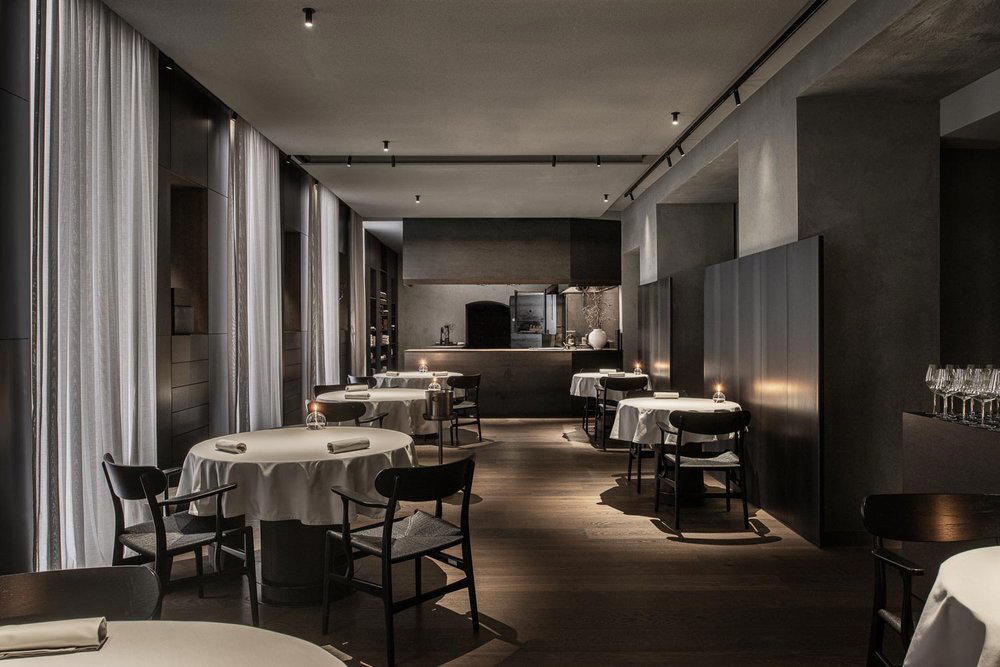
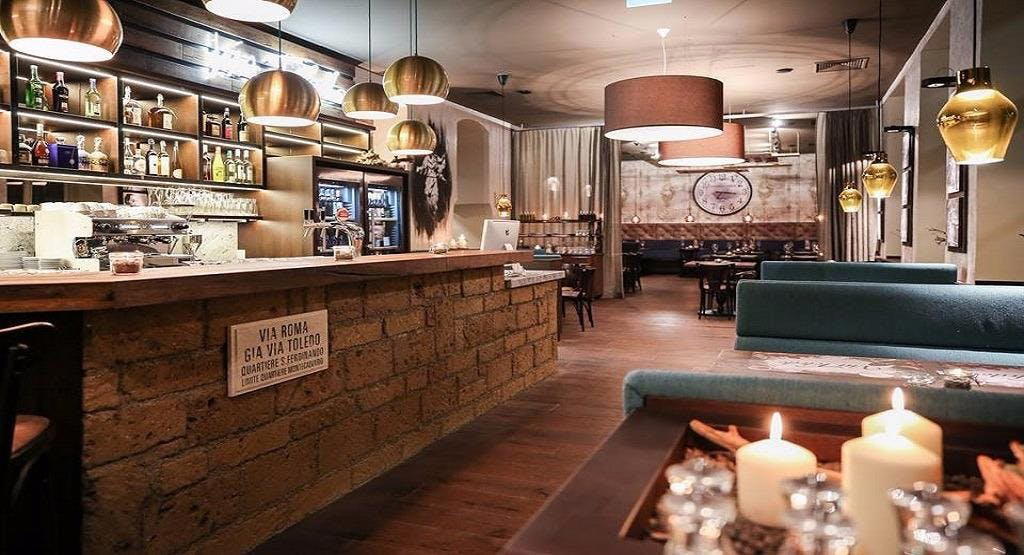
Bars in Vienna
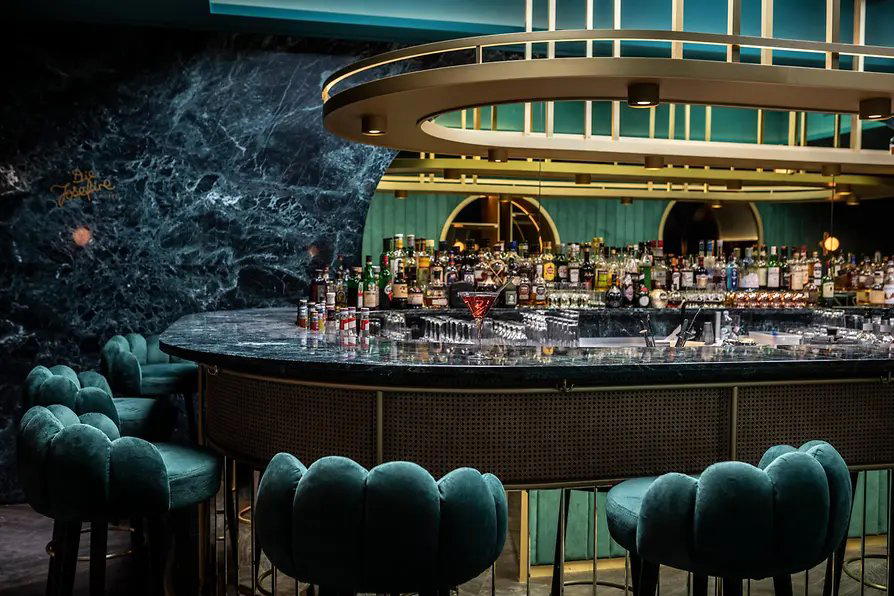
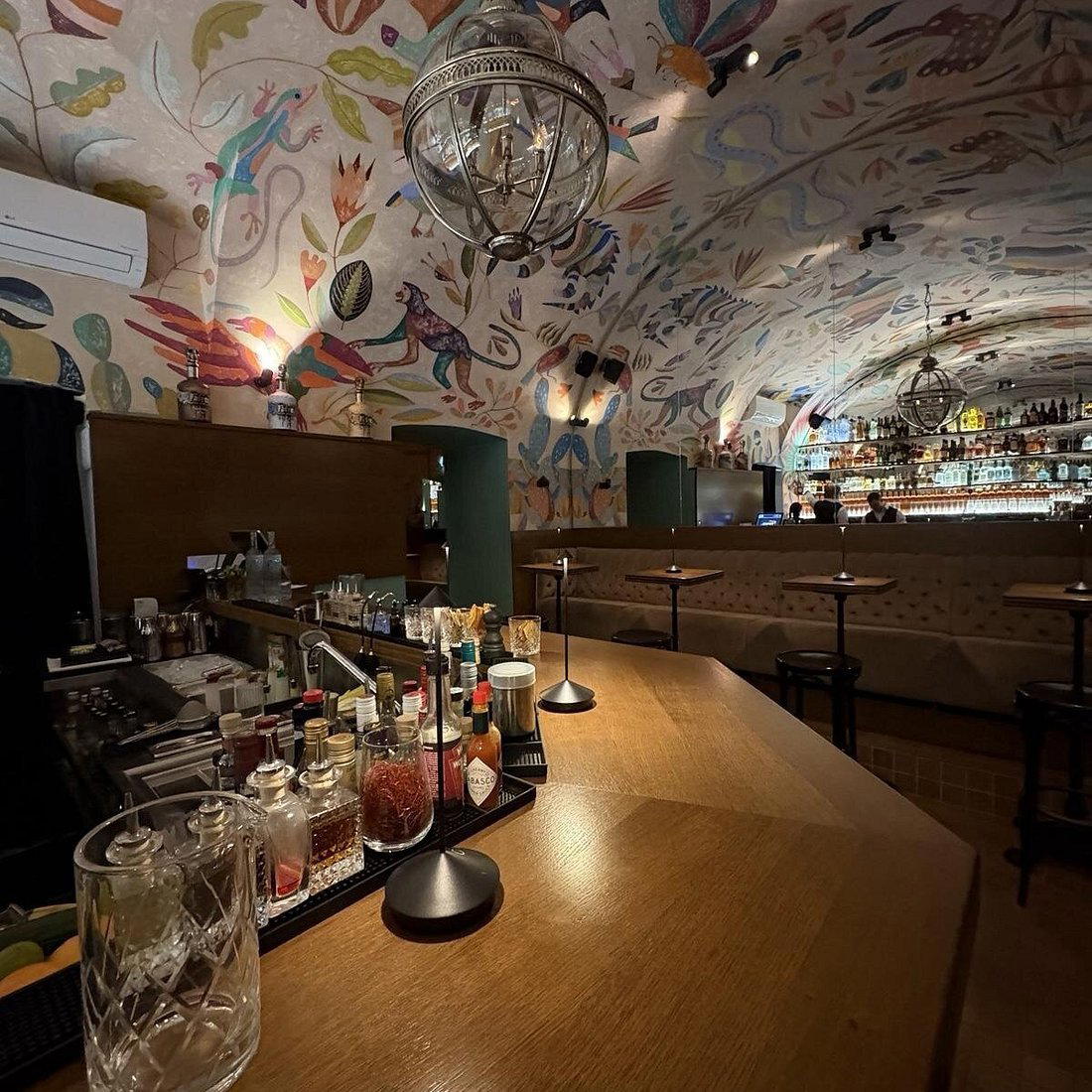
All bars in Vienna →
Hotels in Vienna
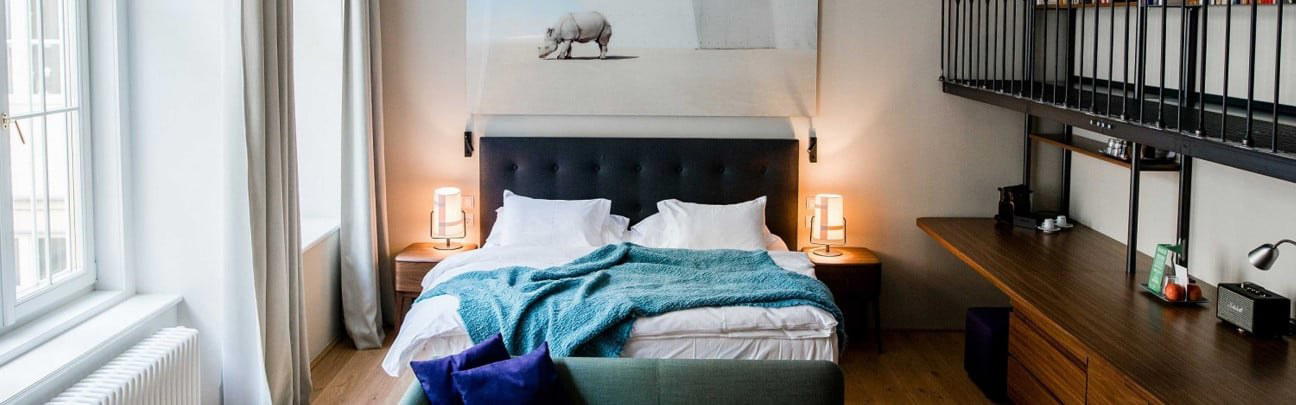
All hotels in Vienna →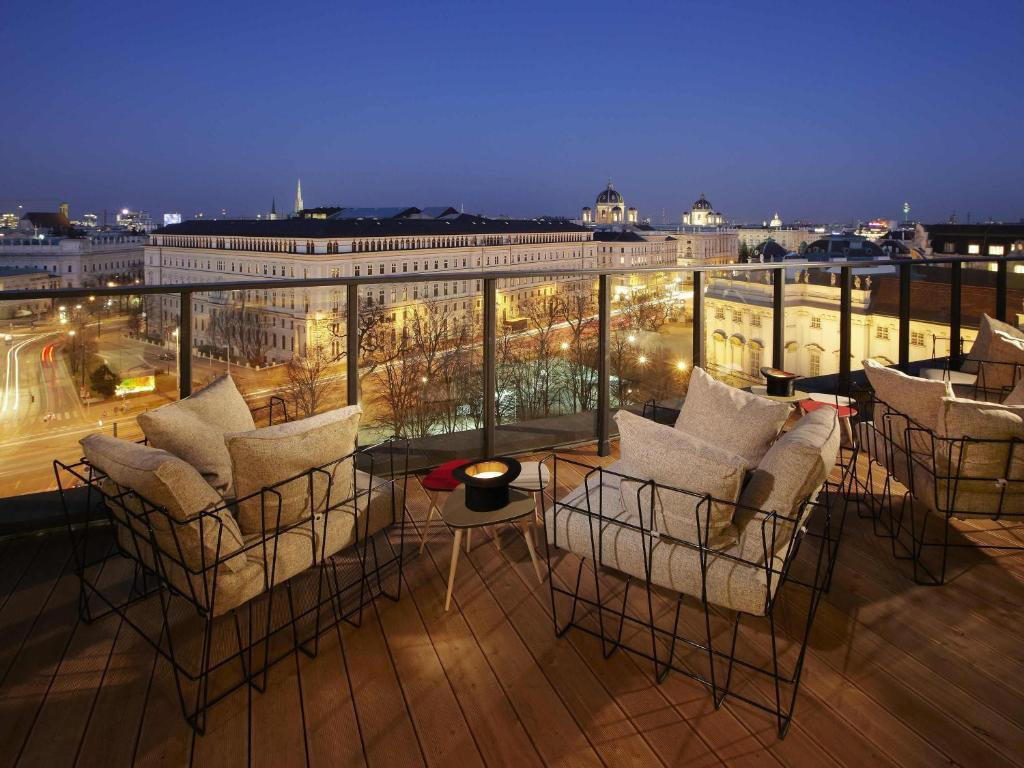
Details
- Lively
- Trendy
- Casual Hangout
- Late Night
- Craft Cocktails
- Small Plates
- Cocktails
Current opening hours
- Monday
- 6 PM–2 AM
- Tuesday
- 6 PM–2 AM
- Wednesday
- 6 PM–2 AM
- Thursday
- 6 PM–2 AM
- Friday
- 6 PM–2 AM
- Saturday
- 6 PM–2 AM
- Sunday
- 6 PM–2 AM
Hours can change for holidays and private events. Hours as of .
Warm and lively atmosphere ideal for unwinding in Vienna's nightlife.