On Calle de Cartagena in Madrid's Chamartín district, Salamar occupies the quieter northern tier of the city's dining map, away from the central press of Michelin-chased rooms. The address places it in a residential neighbourhood where regulars matter more than passing trade, and where a restaurant's staying power depends on what it consistently delivers rather than on opening-week attention.
Pearl is the En Primeur Club membership app — saves, bookings, and concierge access live there. Same editors, same standards.
- Address
- C. de Cartagena, 103, Chamartín, 28002 Madrid, Spain
- Phone
- +34914154466
- Website
- restaurantesalamar.com
- Directions
- Get directions
 Saves & bookings on Pearl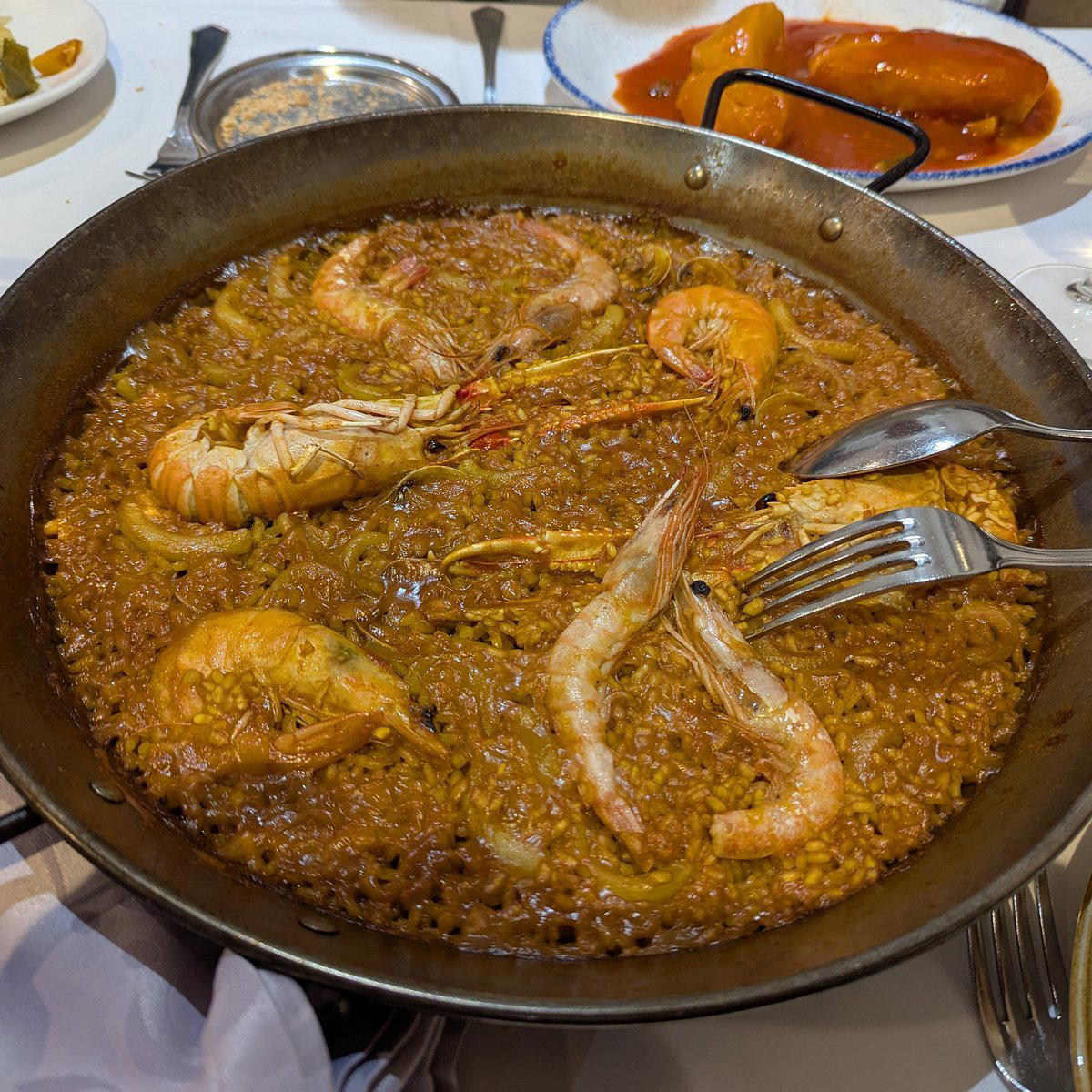
Chamartín's Quieter Register
Madrid's dining reputation is built largely on a handful of addresses in Salamanca, Centro, and the stretches around Paseo de la Castellana where the city's decorated rooms cluster and compete. Chamartín, the residential district running north of those corridors, operates at a different frequency. The neighbourhood is not a dining destination in the way that Chueca or Las Letras are, it draws from a local population that expects consistency over spectacle, and the restaurants that survive there tend to earn their place through repetition rather than novelty. Salamar, at C. de Cartagena, 103, Chamartín, 28002 Madrid, sits inside that logic.
The street itself is a useful indicator. Calle de Cartagena runs through a dense residential grid where butchers, bakeries, and neighbourhood bars hold more ground than concept restaurants. A venue opening here is making a statement about its audience: this is not a room pitched at tourists working through a city shortlist, nor at the kind of table-chasing that drives bookings at Madrid's €€€€ creative houses like DiverXO, Coque, or Deessa. It is pitched at the neighbourhood itself.
What the Room Communicates
In Spanish dining culture, the physical environment of a neighbourhood restaurant carries its own information. Rooms like this tend toward warm materials, tiled floors, wooden tables without cloths, lighting warm enough to read menus by without theatre. The sensory register is deliberately domestic: the smell of olive oil and garlic arriving before the plate, the sound of conversation unmanaged by acoustically designed ceilings, the feel of a room that has been used and returned to rather than experienced once and photographed. Its Chamartín placement strongly signals a room built for return visits rather than first impressions.
That distinction matters when setting expectations. Madrid's high-end creative tier, venues like DSTAgE and Paco Roncero, tends to prioritise controlled sensory architecture: curated music levels, theatrical plating, tasting menus designed to unfold over two hours or more. A Chamartín address like Salamar's suggests a different contract between the room and its guests, one where the atmosphere is generated by the people in it rather than managed from the kitchen outward.
The Wider Madrid Context
Madrid has spent the last decade consolidating a reputation as one of Europe's most serious dining cities, not solely because of its Michelin-flagged rooms, but because the depth of its mid-range and neighbourhood tier is genuine. The creative fine dining houses attract international attention, but they represent a small fraction of where Madrid actually eats. The city's residential districts sustain a parallel economy of restaurants where product quality, technique, and honest pricing matter without the infrastructure of tasting menus and sommelier programs.
Spain's broader fine dining map, from El Celler de Can Roca in Girona to Martin Berasategui in Lasarte-Oria, Arzak in San Sebastián, Azurmendi in Larrabetzu, Aponiente in El Puerto de Santa María, Quique Dacosta in Dénia, Mugaritz in Errenteria, Cocina Hermanos Torres in Barcelona, Ricard Camarena in València, and Atrio in Cáceres, is built at the summit of a broad base. The neighbourhood restaurants in Madrid's residential districts are part of that base. Salamar is a Spanish seafood and paella restaurant in this tier, priced at about $35 per person. They serve the population that also sustains the decorated rooms, and they operate under different but equally demanding standards: price-to-value ratios matter acutely, repeat custom is the only viable business model, and there is nowhere to hide behind novelty.
What's Known and What Isn't
Salamar is a Spanish seafood and paella restaurant, priced at about $35 per person. This creates an obligation to be direct about what can and cannot be said with confidence. The address is verifiable: Calle de Cartagena 103, Chamartín, 28002 Madrid.
For international benchmarks, rooms like Le Bernardin in New York City or Atomix in New York City, the contrasts in format and pricing philosophy are instructive for understanding what Madrid's neighbourhood tier is, and is not, trying to do.
Planning a Visit
The district runs north of Madrid's central dining corridors, which means less foot traffic and more purposeful visits. Reservations are recommended.
Salamar is closed on Monday and serves Tuesday through Saturday from 12 to 5 PM and 8 PM to midnight, with Sunday lunch service from 12 to 5 PM.
Quick reference: Salamar, C. de Cartagena, 103, Chamartín, 28002 Madrid, Spain. Reservations are recommended.
Comparable Options
Comparable venues nearby, for context on price, style, and recognition.
| Venue | Cuisine | Price | Notes |
|---|---|---|---|
| SalamarThis venue — the venue you are viewing | Spanish Seafood and Paella | $$ | Not listed |
| Semilla Tomate | Traditional Spanish & Mediterranean | $$ | Arapiles |
| DCorazon | Spanish Fusion in Historic Caves | $$ | Sol |
| La Madreña | Traditional Asturian | $$ | El Viso |
| casabula | Asturian Parrilla | $$ | Nueva Espana |
| Triana | Andalusian Tapas | $$ | Ibiza |
Continue exploring
More in Madrid
Restaurants in Madrid
Browse all →
Bars in Madrid
Browse all →
Hotels in Madrid
Browse all →


At a Glance
- Classic
- Late Night
Current opening hours
- Monday
- Closed
- Tuesday
- 12–5 PM, 8 PM–12 AM
- Wednesday
- 12–5 PM, 8 PM–12 AM
- Thursday
- 12–5 PM, 8 PM–12 AM
- Friday
- 12–5 PM, 8 PM–12 AM
- Saturday
- 12–5 PM, 8 PM–12 AM
- Sunday
- 12–5 PM
Hours can change for holidays and private events. Last verified .
Casual seafood dining atmosphere that transitions from quiet early evening to busy and lively later.