On Paseo de la Castellana, La Madreña occupies a stretch of Madrid where the city's corporate and creative northern districts intersect. The address places it among a tier of restaurants that draw on Spain's deep regional larder while operating within a cosmopolitan, business-oriented dining corridor. For the ingredient-focused diner, the name itself signals a return to roots.
Pearl is the En Primeur Club membership app — saves, bookings, and concierge access live there. Same editors, same standards.
- Address
- P.º de la Castellana, 78, Chamartín, 28046 Madrid, Spain
- Phone
- +34914268850
- Website
- lamadrena.com
- Directions
- Get directions
 Saves & bookings on Pearl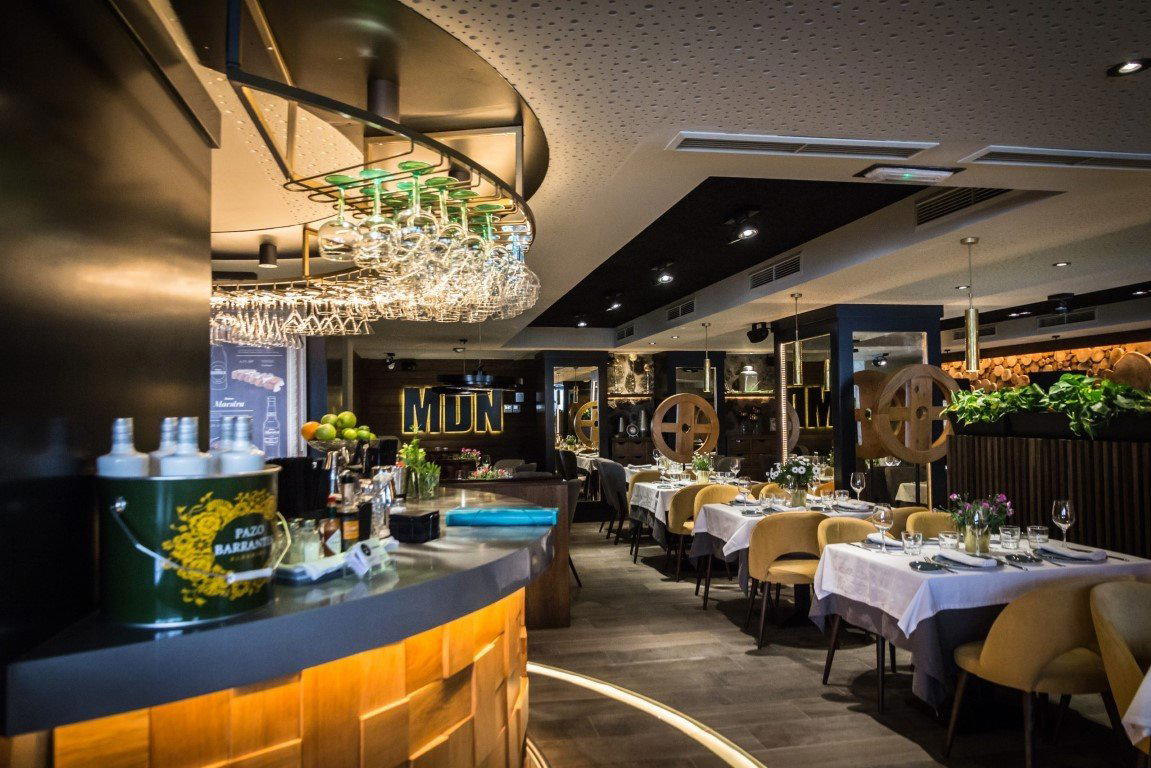
Where Castellana's Dining Corridor Meets the Question of Provenance
Paseo de la Castellana is Madrid's central spine, running north from the Retiro through the financial towers of Azca and into Chamartín, and the restaurants that line its upper reaches tend to reflect the district's dual character: formal enough for a boardroom lunch, considered enough for an evening that demands more than convenience. La Madreña sits at number 78, inside a stretch where the city's appetite for serious cooking coexists with the practical demands of a business-facing neighbourhood. In that context, a name that reaches back to Asturian tradition, the wooden clog that became a regional symbol, announces something deliberate about orientation and origin.
The ingredient question matters more in Madrid than it might initially appear. The capital does not have a coastline or a single dominant agricultural hinterland, which means the restaurants that take sourcing seriously must build supply lines outward, drawing from Castile's grain-fed lamb and suckling pig, from the Cantabrian coast's fish markets, from Extremadura's Ibérico production, and from the market gardens of the Levante. The address on Castellana places La Madreña within easy reach of a guest base that travels enough to notice when those supply lines are genuine.
The Address and What It Signals
Chamartín is not the neighbourhood that draws food pilgrims in the way that Chueca or the streets around Mercado de San Miguel do. It is a district of wide avenues, embassies, and office towers, and the dining culture here is shaped by that reality. Restaurants in this corridor tend toward precision over theatre, and the ones that endure do so because they deliver consistency to a repeat clientele rather than novelty to first-time visitors. La Madreña's position within that dynamic, drawing on a name rooted in Asturian identity while operating in Madrid's most corporate artery, is itself a positioning statement about where the kitchen's priorities lie.
That relationship between northern Spanish tradition and the capital's cosmopolitan register defines a recognisable tier of Madrid dining. Across the city, particularly closely watched tables, places like DiverXO, Coque, Deessa, and DSTAgE, work at the intersection of Spanish regional depth and contemporary technique. The restaurant's Castellana address and its Asturian naming place it on a related but differently calibrated register: less about formal creative ambition, more about the kind of ingredient fidelity that makes the origin story audible in the cooking itself.
Spain's Ingredient Map and Why It Matters Here
Spain's claim to serious cooking has always rested partly on ingredient geography. The country spans radically different ecosystems within a few hundred kilometres: the wet, green north of Asturias and the Basque Country, the arid interior plateau, the semi-tropical south, and thousands of kilometres of coastline facing both the Atlantic and the Mediterranean. Restaurants that draw consciously on that geography are making an argument about culinary identity, one that resonates differently depending on where in Spain you are eating.
In Madrid, that argument carries particular weight precisely because the city is so far from any single ingredient source. The capital's best-regarded addresses build their reputations on logistics as much as technique: knowing which market in Mercamadrid to call for Galician percebes, which Extremaduran producer sends the right bellota-grade Ibérico, which Asturian dairy makes the aged cabrales worth putting on a cheese board. The Asturian reference embedded in the restaurant's name points toward that northern supply corridor, a region whose smoked meats, aged cheeses, cider culture, and Atlantic seafood form one of the more distinctive and coherent ingredient traditions in the country.
For a comparison of how Spain's upper-tier restaurants handle provenance at the technically demanding level, Aponiente in El Puerto de Santa María builds its entire programme around marine ingredients that most kitchens discard, while Azurmendi in Larrabetzu integrates its own agricultural production into the tasting structure. Arzak in San Sebastián has maintained a three-star commitment to Basque product for decades. Those are different scale and ambition to the restaurant, but they represent the wider Spanish conversation about ingredient origin that gives any regional-named restaurant its cultural context.
Placing La Madreña Within Madrid's Current Scene
Madrid's dining scene has consolidated around several tiers over the past decade. At the creative apex, Paco Roncero and the city's Michelin-decorated tables compete for an audience willing to invest significantly in a single meal. Below that, a mid-to-upper tier of neighbourhood and corridor restaurants serves a professional clientele for whom consistency, provenance, and a certain seriousness of purpose matter more than spectacle. The restaurant's Chamartín address and its Asturian identity signal a position in the latter group, the kind of address that earns a regular rather than a once-a-year pilgrimage.
Across Spain more broadly, the conversation about regional cooking and its relationship to fine dining has intensified. El Celler de Can Roca in Girona, Martin Berasategui in Lasarte-Oria, and Mugaritz in Errenteria all engage with their regional ingredients as a point of intellectual and culinary identity. Quique Dacosta in Dénia and Ricard Camarena in València do the same for the Levante. Cocina Hermanos Torres in Barcelona and Atrio in Cáceres each anchor to a distinct regional identity. In that national frame, a Madrid restaurant that declares an Asturian identity is entering a well-established argument about where Spanish cooking's authenticity lives, and committing to a supply logic that demands real relationships with northern producers.
Planning Your Visit
The restaurant is at Paseo de la Castellana 78, in the Chamartín district of northern Madrid, accessible from the Nuevos Ministerios or Gregorio Marañón metro stations. The area is primarily a professional and diplomatic corridor, so the surrounding streets are quieter in the evenings than central Madrid's more tourist-facing neighbourhoods. Given the address and the positioning, an advance reservation is the sensible approach rather than a walk-in attempt, particularly for dinner mid-week when the local professional clientele tends to fill the room.
Comparable Venues
Comparable venues nearby, for context on price, style, and recognition.
| Venue | Cuisine | Price | Notes |
|---|---|---|---|
| La MadreñaThis venue — the venue you are viewing | Traditional Asturian | $$ | Not listed |
| MENDRUGO | Spanish Taproom with Craft Beer | $$ | Chueca |
| La Casa del Abuelo GOYA | Traditional Spanish Tapas | $$ | Recoletos |
| La Taberna de La Copla | Traditional Spanish Tapas | $$ | Malasana |
| La Casa de Cristal | Modern Spanish | $$ | Nueva Espana |
| La Retasca | Traditional Madrid Tavern Tapas | $$ | Ibiza |
Continue exploring
More in Madrid
Restaurants in Madrid
Browse all →
Bars in Madrid
Browse all →
Hotels in Madrid
Browse all →

At a Glance
- Cozy
- Elegant
- Rustic
- Group Dining
- Casual Hangout
- Business Dinner
- Terrace
- Extensive Wine List
Current opening hours
- Monday
- 7:30 AM–11:30 PM
- Tuesday
- 7:30 AM–11:30 PM
- Wednesday
- 7:30 AM–11:30 PM
- Thursday
- 7:30 AM–12:30 AM
- Friday
- 7:30 AM–1:30 AM
- Saturday
- 12 PM–1:30 AM
- Sunday
- 12–5:30 PM
Hours can change for holidays and private events. Last verified .
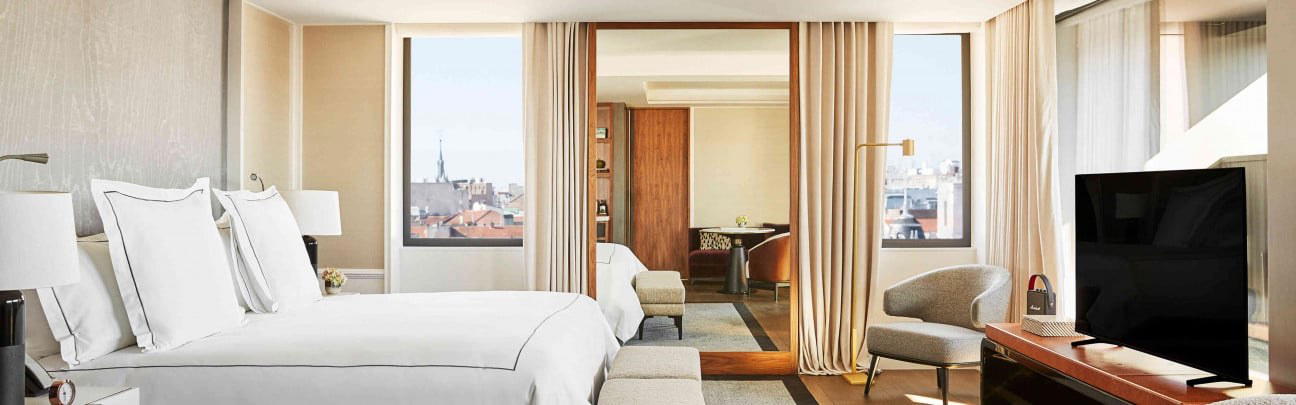
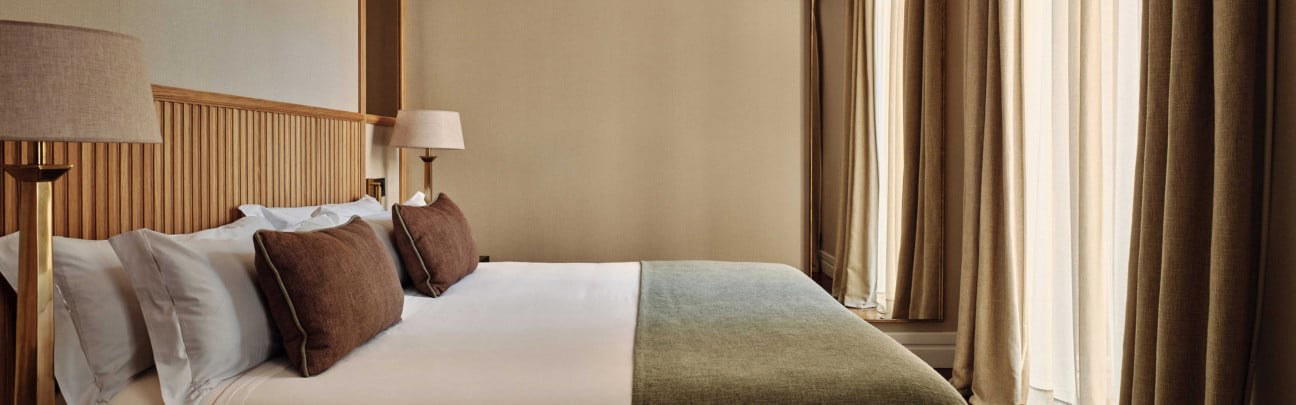
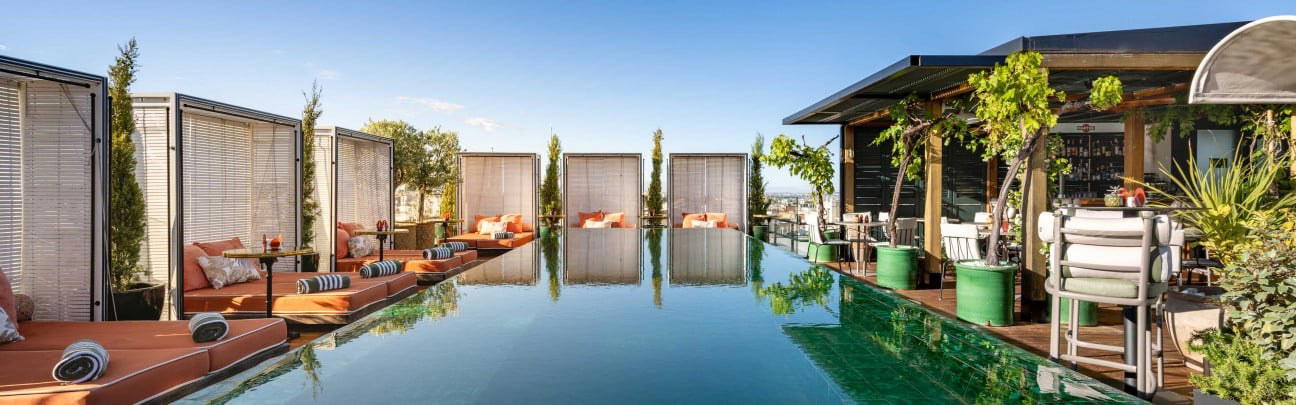
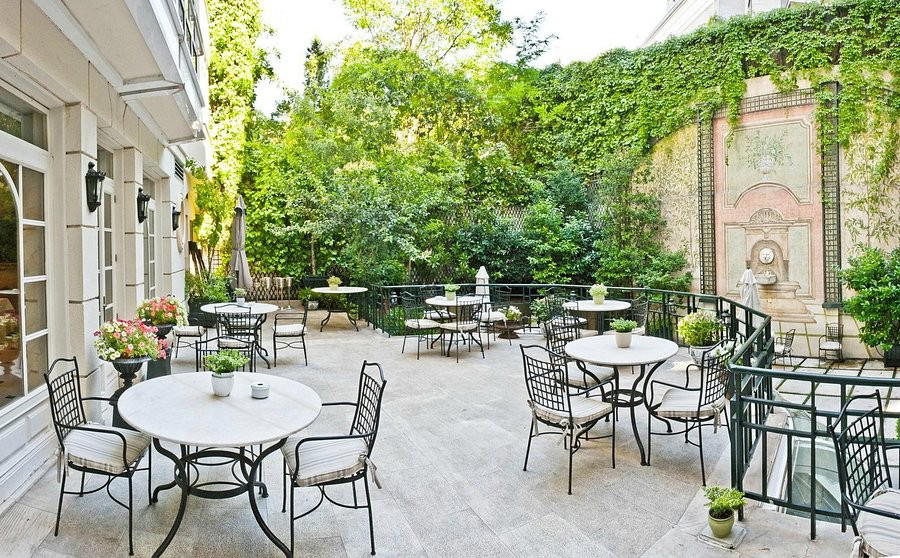
Warm wood and stone masonry decor with vintage furniture, modern lighting, and tree-like columns creating an elegant yet cozy atmosphere.