Salam
Our verdict
Salam occupies a West Village address on West 13th Street, placing it in one of Manhattan's most densely contested dining corridors. The restaurant draws on traditions that reward a slower, more attentive approach to the meal than the city's faster-paced formats typically allow. For readers cross-referencing the broader New York dining scene, it sits in a neighbourhood where format and pacing carry as much weight as the food itself.

Pearl is the En Primeur Club membership app, where members save venues, book tables and use the concierge.

The menu
What to order
- Ouzi
- Tagine
- Curried Chicken
- Hummus
- Stuffed Grape Leaves
- Baklava
- Mixed Kebab Platter
- Beef Sfeeha
West 13th Street and the Ritual of the Meal
Manhattan's West Village has long operated as a proving ground for restaurants that ask something of their guests. The neighbourhood, bounded roughly by Hudson Street to the west and Sixth Avenue to the east, contains a higher concentration of independent, format-driven dining rooms than almost any comparable stretch in the city. In that context, 104 West 13th Street is not simply an address, it is a location that carries expectation. Diners who arrive here tend to arrive with intention, having made a deliberate choice rather than a convenient one. That dynamic shapes how a meal unfolds before a single course arrives.
The wider conversation about dining ritual in New York has shifted noticeably over the past decade. The city that once celebrated volume, tables turned fast, noise levels treated as a proxy for energy, has developed a parallel track of slower, more considered formats. Counter dining, extended tasting progressions, and chef-led pacing have all found audiences here, producing a split in the market between restaurants built for speed and those built for duration. Salam, positioned on the West Village's eastern fringe, operates in a neighbourhood where the slower format has taken firmer hold than in, say, Midtown or the Flatiron.
How the Meal Is Meant to Move
The dining ritual question is worth addressing directly: at most serious independent restaurants in this part of Manhattan, the expectation is that guests surrender some control over pacing to the kitchen. This is not merely a question of prix fixe versus à la carte. It reflects a broader shift in how New York's more considered dining rooms position the meal as a structured event rather than a transaction. At venues in this tier and neighbourhood, courses arrive at the kitchen's rhythm, wine service is typically unhurried, and the assumption is that a table has been reserved for the evening rather than a ninety-minute window.
That etiquette matters practically. Arriving late compresses the experience in ways that are difficult to recover. Arriving without a sense of the format, whether the kitchen offers a fixed progression, partial choice, or full à la carte, creates friction that a well-briefed visit avoids. For any restaurant in this neighbourhood operating at a serious level, the most productive approach is to treat the booking confirmation as the start of the research, not the end of it.
For broader context on how New York's dining rooms handle pacing and format at different price points, our full New York City restaurants guide maps the field in detail, from quick-counter formats to full multi-hour progressions.
The West Village in the Context of Manhattan Dining
Understanding where Salam sits requires placing the West Village against the wider Manhattan map. The neighbourhood's dining character differs meaningfully from Midtown's institution-heavy corridor, where rooms like Le Bernardin and Per Se anchor a formal, jacket-expected register. It also differs from the tasting-menu intensity of downtown Korean-influenced rooms such as Atomix and Jungsik New York, or the counter-only commitment required at Masa.
The West Village occupies a middle register that is harder to define but easier to feel on the street: independent ownership predominates, room sizes tend toward the intimate, and the dominant dining culture rewards familiarity over spectacle. Regulars are the social currency here. A table that books once and never returns is, in the logic of the neighbourhood, a missed connection rather than a completed transaction.
That dynamic has parallels in other American cities where serious independent restaurants have built their identity around repeat relationships rather than destination tourism. Bacchanalia in Atlanta and Blue Hill at Stone Barns in Tarrytown operate on a similar logic: the guest who comes back three times matters more to the room's identity than the one who arrives for a single occasion. Nationally, format-driven independents from Lazy Bear in San Francisco to Alinea in Chicago have made the repeat relationship central to how the experience is calibrated.
Placing Salam in a Broader American Frame
New York's independent dining scene sits within a wider American context in which serious restaurants have increasingly moved away from pure destination logic toward community-embedded formats. The headline names, The French Laundry in Napa, Single Thread Farm in Healdsburg, Providence in Los Angeles, Addison in San Diego, The Inn at Little Washington, and Emeril's in New Orleans, each operate within defined local identities that shape what the meal means to a regular guest versus a first-time visitor. That distinction matters when reading any West Village restaurant: the neighbourhood rewards the guest who approaches with knowledge, not just appetite.
Internationally, the same tension between destination dining and community-embedded ritual appears at rooms such as 8½ Otto e Mezzo Bombana in Hong Kong and Alain Ducasse at Louis XV in Monte Carlo, both of which have navigated the challenge of serving transient high-spend visitors while maintaining a local dining culture that sustains them across seasons.
Know Before You Go
Address: 104 W 13th St, New York, NY 10011
Neighbourhood: West Village / Greenwich Village border, Manhattan
Getting There: The address sits close to the intersection of Sixth Avenue and 13th Street, within walking distance of the 14th Street-Union Square subway complex (4, 5, 6, L, N, Q, R, W trains) and the 14th Street F/M stop on Sixth Avenue. Street parking in this block is limited; arriving by subway or taxi is the practical default.
Booking: Contact details not currently listed, check the venue directly for reservation availability.
Price Range:
Hours:
Frequently asked questions
Does Salam work for a family meal?
West Village restaurants at 104 W 13th St and nearby tend to attract guests looking for a focused, adult dining experience rather than a family-casual setting. The neighbourhood itself is walkable and low-key, which works in families' favour outside the restaurant. Check current hours and booking availability before planning a group visit.
What is the atmosphere like at Salam?
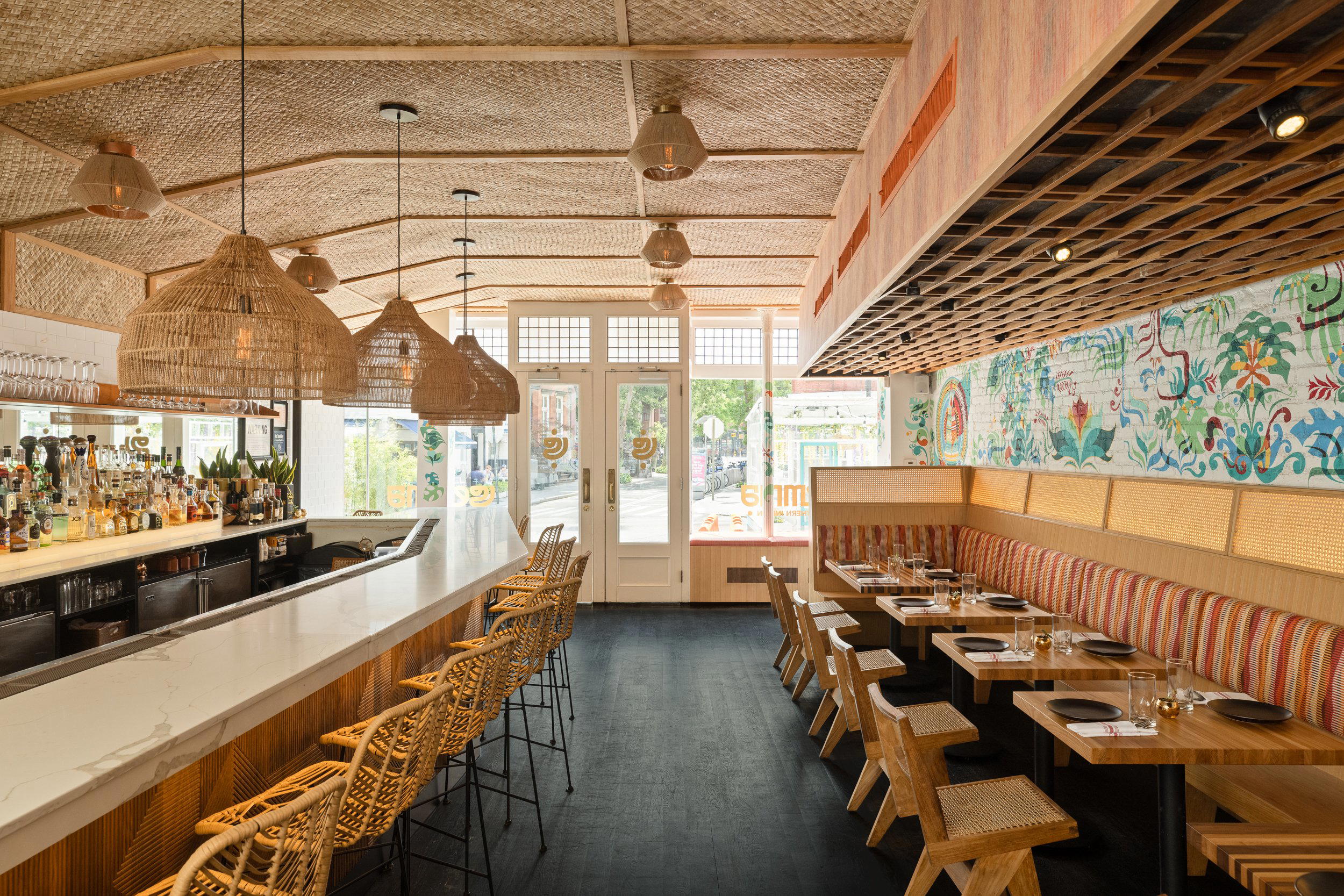
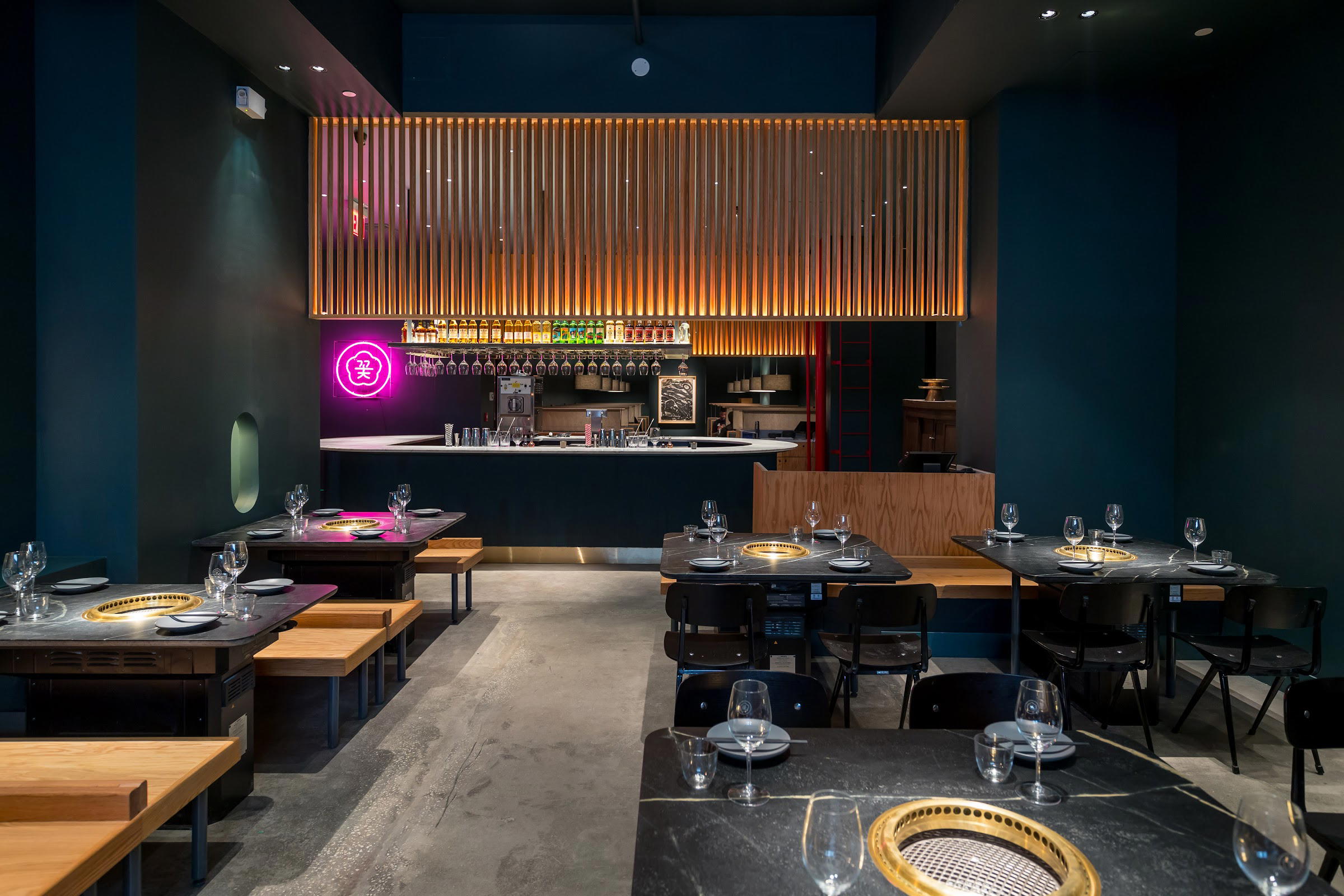
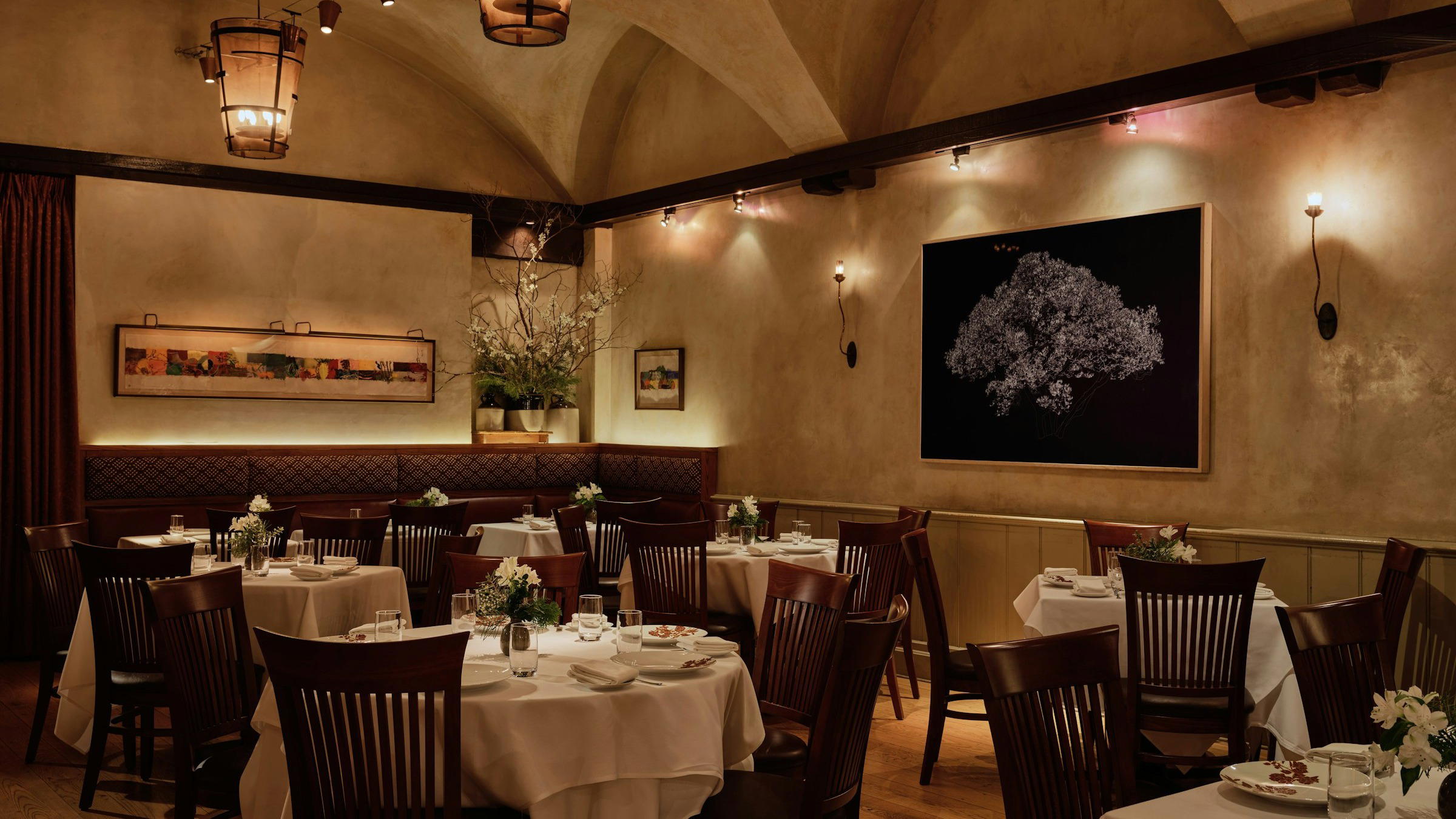
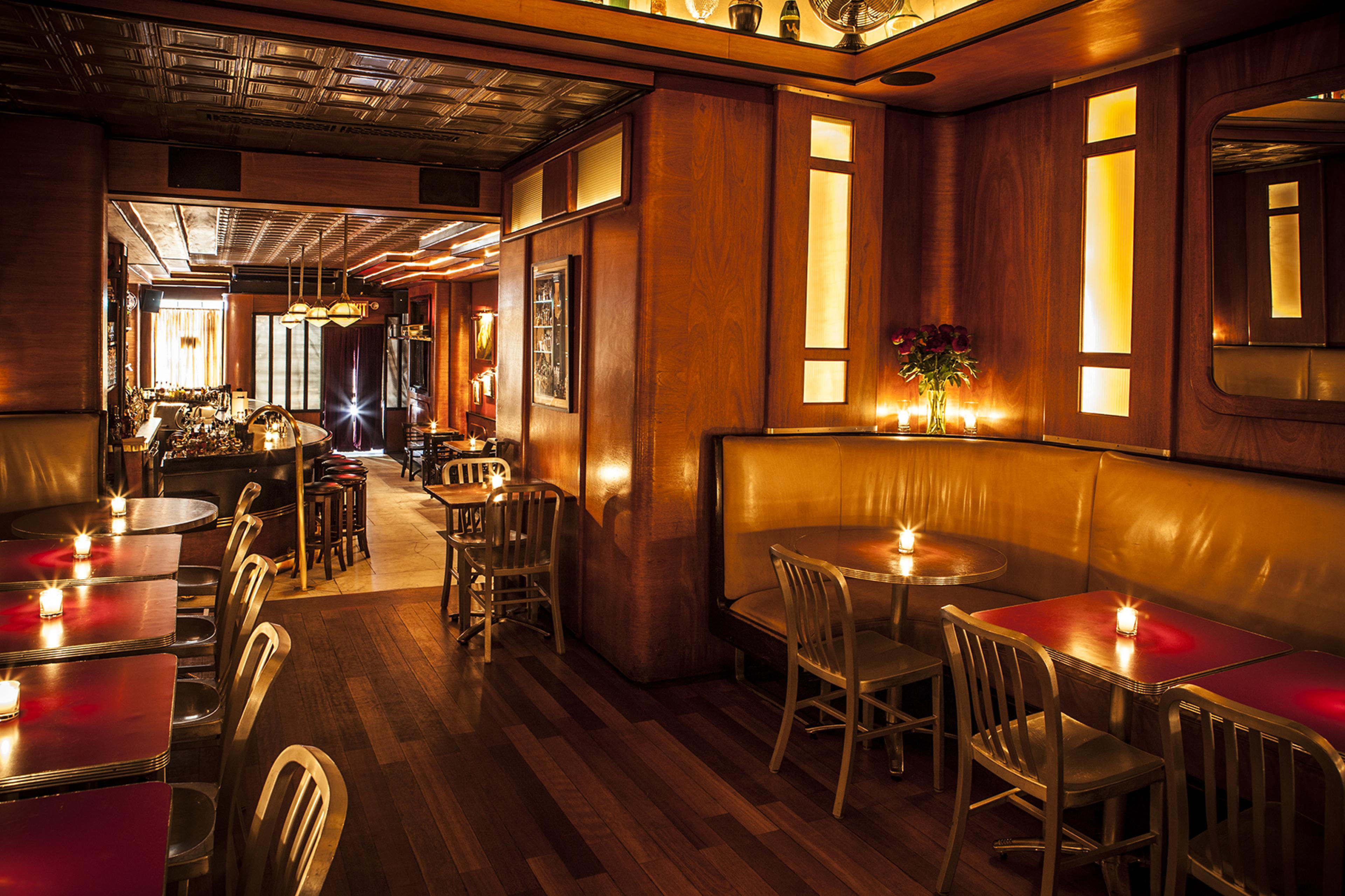
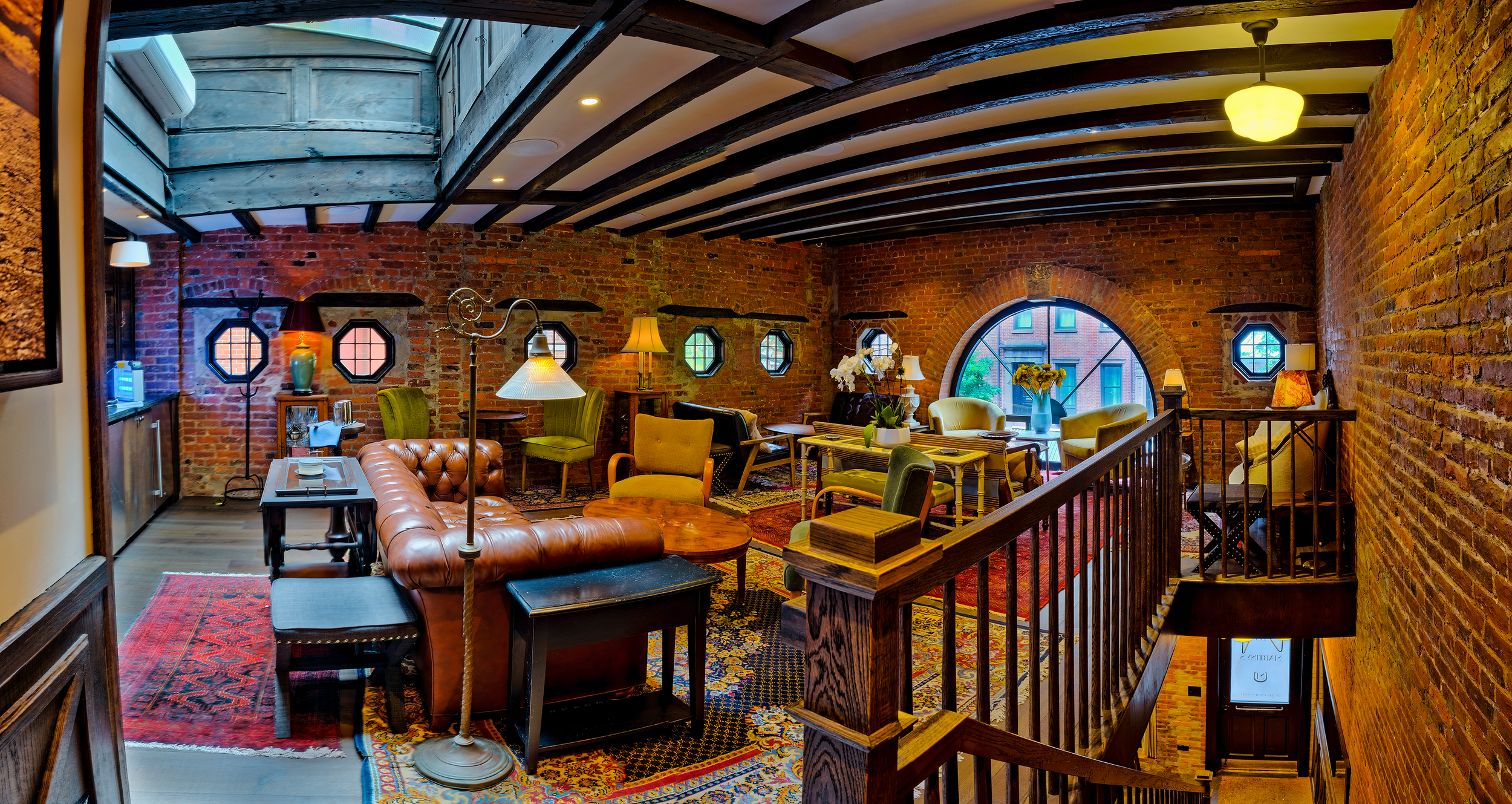
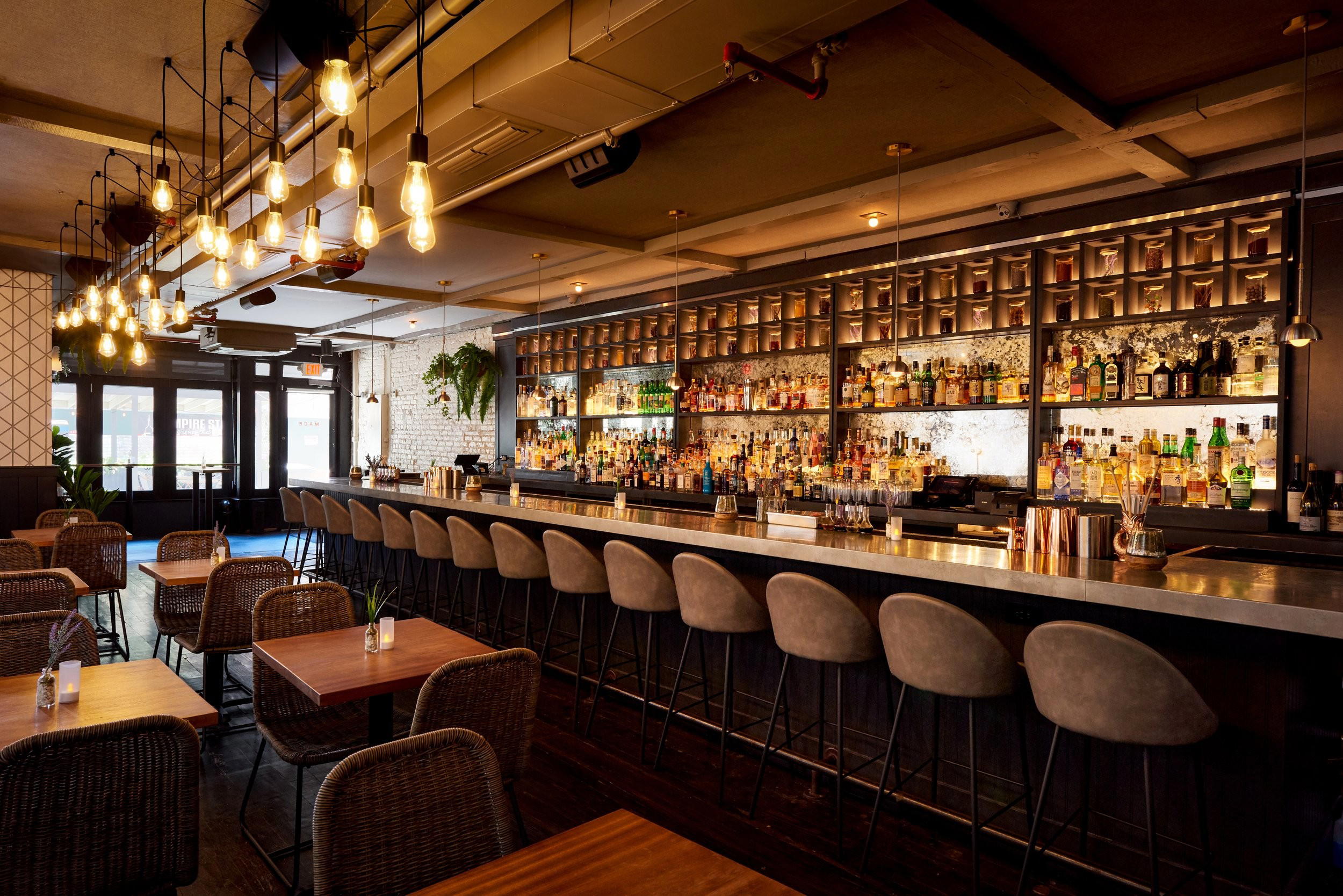
Salam sits on West 13th Street in the West Village, a block that historically draws independent operators over chain concepts, keeping the tone residential and deliberate rather than loud or sceney. Guests should expect a Manhattan neighbourhood register rather than a destination-hotel dining room. The address itself signals a certain intentionality about the dining environment.
Is Salam a good option for a first-time visitor to the West Village dining scene?
The West Village is one of Manhattan's most layered neighbourhoods for independent dining, and Salam's address at 104 W 13th St places it within easy reach of the area's broader restaurant cluster. For visitors new to the neighbourhood, the block offers a lower-key introduction than Meatpacking or the Flatiron corridor to the east. The location alone makes it a logical anchor point for an evening in this part of New York City.
What should I order at Salam?
The safest approach is to consult the venue directly or check their current menu before visiting. West Village independents at this address level typically rotate offerings seasonally, so what applies one month may shift the next. Plan your visit with flexibility rather than targeting a specific dish from secondhand sources.
Reputation First
Comparable venues nearby, for context on price, style, and recognition.
| Venue | Cuisine | Price | Notes |
|---|---|---|---|
| SalamThis venue (the venue you are viewing) | Authentic Syrian & Lebanese | $20–30 | Not listed |
| Moustache Pitza | Lebanese Pita Pizzas | $20–30 | West Village |
| Alshaybani Restaurant | Authentic Yemeni | Not listed | Bay Ridge |
| Gazala Place | Authentic Druze Middle Eastern | Not listed | Hell's Kitchen |
| Au Za'atar | Lebanese Mezze | $30–50 | East Village |
| Afghan Kebab House | Authentic Afghan Kebab | $20–30 | Upper East Side-Lenox Hill-Roosevelt Island |