Afghan Kebab House
Our verdict
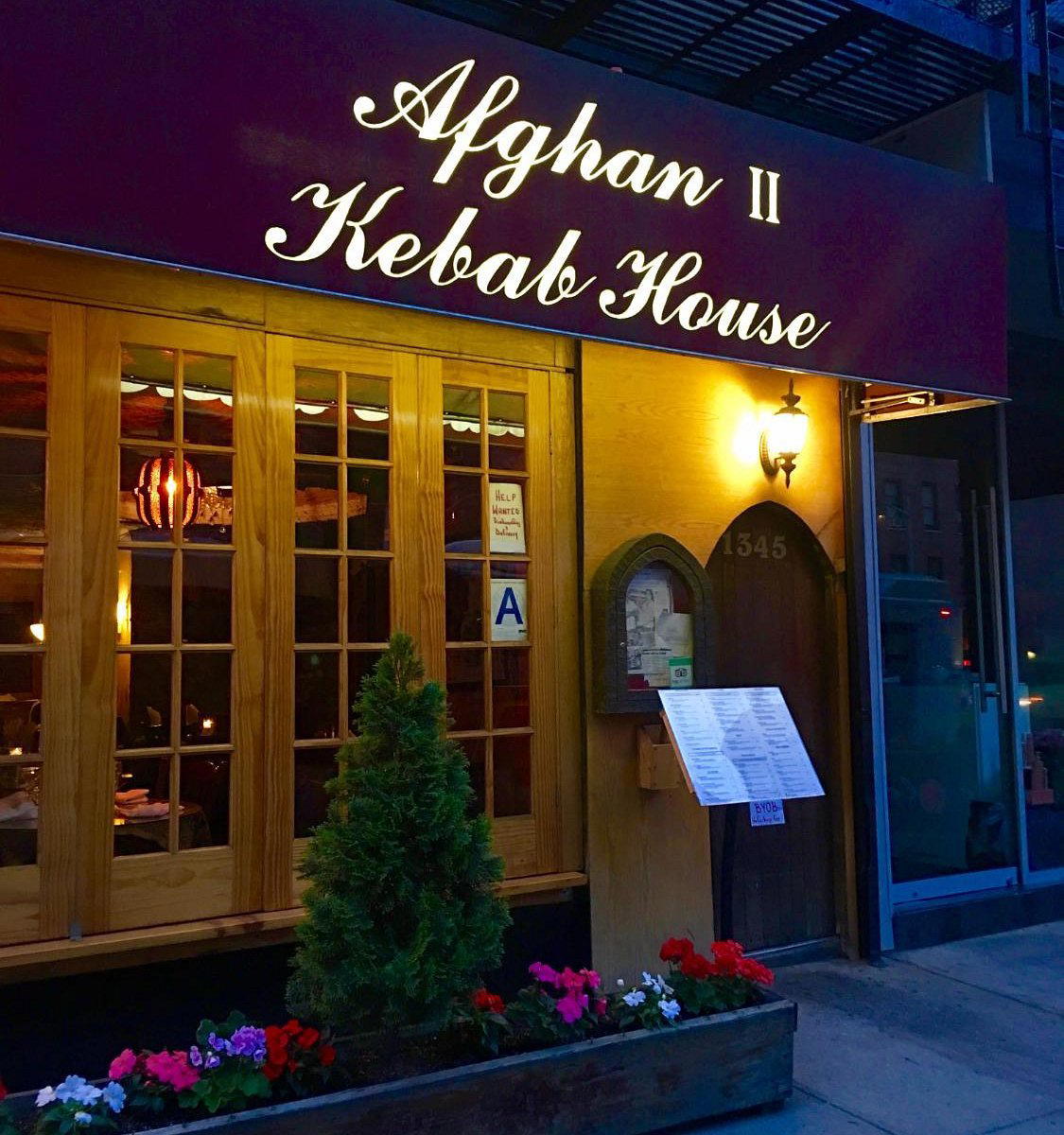
Afghan Kebab House on the Upper East Side occupies a specific niche in New York's Afghan dining scene: a neighborhood restaurant that regulars return to for grilled meats and flatbreads rather than novelty. Located at 1448 First Avenue, it operates in a stretch of the city where immigrant kitchens have long outlasted trendier openings, sustained by repeat clientele rather than reservation lists.

Pearl is the En Primeur Club membership app — saves, bookings, and concierge access live there. Same editors, same standards.
The menu
What to order
- Lamb Kofta Kebab
- Combo Kebab
- Kabuli Palau
- Eggplant Borani
- Lamb with Almonds and Raisins
A Neighborhood Constant on the Upper East Side
Afghan cuisine arrived in New York in measurable waves, each tied to broader geopolitical shifts that resettled communities from Kabul, Kandahar, and the northern provinces into American cities. The Upper East Side's First Avenue corridor, long defined by a mix of mid-range ethnic kitchens and old-school New York diners, absorbed several of those arrivals. Afghan Kebab House at 1448 First Avenue represents the type of restaurant that survives not through press cycles but through the loyalty of a neighborhood clientele that has largely stopped explaining why it keeps coming back.
That pattern, a modestly appointed room sustained by regulars rather than by destination diners, is more common in New York than the city's high-profile food coverage suggests. While tasting-menu counters like Atomix and multi-Michelin operations like Le Bernardin or Per Se anchor the city's upper tier, a parallel layer of immigrant-run restaurants forms the backbone of daily eating for most New Yorkers. Afghan Kebab House functions inside that layer.
What the Afghan Grill Tradition Brings to This Address
Afghan cooking is built around live-fire technique and a short roster of core ingredients: lamb, chicken, rice, flatbread, and aromatics including cardamom, coriander, and dried fruits that distinguish the cuisine from its Persian and Central Asian neighbors. The kebab, in its Afghan form, is typically minced or cubed meat seasoned simply and grilled over charcoal until the exterior chars without overcooking the interior. That disciplined restraint is the technical center of the tradition, and it is what separates competent Afghan kitchens from adequate ones.
Alongside the grill, Afghan tables typically include qabuli palau, a long-grain rice dish cooked with lamb stock and topped with raisins and carrots, which functions as something between a side and a centerpiece depending on the household. Flatbreads, usually nan in the Afghan style, arrive as eating tools and starch in the same portion. The cumulative effect of a full Afghan spread is not theatrical, it is filling, specific, and deeply regional in a way that Western-facing menus rarely communicate accurately.
For comparison, the tasting-menu format at venues like Eleven Madison Park or the omakase precision of Masa prioritizes narrative and progression. Afghan Kebab House operates on an entirely different axis: communal, direct, and oriented around the table rather than the kitchen as performance space. Neither model is superior; they answer different needs.
The Regulars' Calculus
First Avenue in the upper 70s and low 80s is not a destination dining corridor. It draws its customer base from the immediate residential blocks, which means the restaurants that survive there do so by meeting a high bar for consistency rather than novelty. A regular on a Tuesday night is not reviewing the restaurant mentally against its press clippings; they are comparing tonight's lamb to last month's, calibrating the cook on the bread, noticing whether the rice has held its texture. That is a more demanding standard in some respects than a single-visit critic's assessment.
The cuisine type that rewards repeat visits is specifically one where small variables matter across a short menu. Afghan grilled meats fit that profile well. The range of dishes is narrow enough that regulars develop genuine preferences: a specific cut, a preferred level of char, a particular accompaniment. That specificity is what creates the unwritten menu that loyal clientele operate from, a set of knowledge not available to first-time visitors but accumulated through repetition.
This dynamic is not specific to Afghan restaurants. It appears in Greek tavernas in Astoria, West African spots in the Bronx, and the older Chinese family restaurants of Flushing that predate the borough's current dumpling tourism. What distinguishes these restaurants as a category is that their quality signals are embedded in the repeat experience rather than a single showcase visit. For readers accustomed to planning around Blue Hill at Stone Barns or The French Laundry, the evaluation framework needs to shift accordingly.
Placing Afghan Kebab House in New York's Broader Dining Picture
New York's Afghan restaurant population is small relative to the city's overall restaurant count, concentrated mostly in the outer boroughs and a few Manhattan corridors. Its First Avenue location gives it access to a residential customer base that other, more remote Afghan kitchens do not have, which likely accounts for its longevity in a neighborhood where restaurant turnover is otherwise high.
For context on the wider New York scene, our full New York City restaurants guide covers the full range of price tiers and cuisine categories, from the tasting-menu tier anchored by venues like Eleven Madison Park down to the neighborhood-kitchen tier where Afghan Kebab House operates. Readers planning a broader itinerary might also consider comparable neighborhood-kitchen traditions in other American cities: Emeril's in New Orleans represents a different model of locally rooted dining, while Lazy Bear in San Francisco and Smyth in Chicago illustrate how the chef-driven tasting format has evolved in other major American cities.
Internationally, the contrast is equally instructive. The precision-craft model of Atelier Moessmer Norbert Niederkofler in Brunico or the multi-generational family kitchen at Dal Pescatore in Runate represent entirely different relationships between restaurant and community. Afghan Kebab House's version of that relationship is quieter and less documented, but structurally similar in its reliance on a core group of returning guests.
Planning Your Visit
The table below positions Afghan Kebab House against its Upper East Side and Manhattan peer context across a few practical dimensions.
| Venue | Cuisine | Price Tier | Booking | Known For |
|---|---|---|---|---|
| Afghan Kebab House | Afghan | Not confirmed | Not confirmed | Grilled meats, neighborhood regulars |
| Le Bernardin | French, Seafood | $$$$ | Advance reservation required | Seafood tasting menus, Michelin three-star |
| Atomix | Modern Korean | $$$$ | Advance reservation required | Modern Korean tasting counter |
| Masa | Sushi, Japanese | $$$$ | Advance reservation required | Omakase sushi, highest price tier in NYC |
Frequently asked questions
What part of town is Afghan Kebab House in?
Afghan Kebab House is located at 1448 1st Ave, New York, NY 10021, New York City.
Is Afghan Kebab House on the Upper East Side one of the few Afghan restaurants in Manhattan?
Afghan restaurants in Manhattan are relatively scarce — the cuisine is concentrated largely in the outer boroughs, making a First Avenue address in the upper 70s and low 80s corridor somewhat atypical in terms of residential access. That positioning makes Afghan Kebab House one of the more accessible options for Manhattanites seeking this cooking tradition without crossing borough lines.
What should I eat at Afghan Kebab House?
The grill is the kitchen's center of gravity, so kebabs — lamb or chicken cooked over direct heat — are the logical starting point on a first visit. Afghan cooking pairs these with flatbread and rice, which round out the plate in the way the tradition intends. Order from the kebab section before branching elsewhere.
Should I book Afghan Kebab House in advance?
Restaurants at this address and neighborhood format on First Avenue tend to draw a residential walk-in crowd rather than destination diners requiring advance reservations. Calling ahead is the safest move, particularly for larger groups.
What's Afghan Kebab House best at?
Grilled meat preparation is what this kitchen is built around — it is the central technique of Afghan cooking and the main reason regulars return to this First Avenue address. The live-fire approach to lamb and chicken defines the menu's identity more than any single dish.
Can Afghan Kebab House accommodate dietary restrictions?
Afghan cooking leans heavily on lamb, chicken, and bread, which limits natural options for some dietary requirements. check the venue's official channels at 1448 1st Ave, New York, NY 10021 before visiting if you have specific needs.
Same-City Peers
| Venue | Cuisine | Price | Awards | Notes |
|---|---|---|---|---|
| Afghan Kebab HouseThis venue — the venue you are viewing | Authentic Afghan Kebab | $20–30 | Not listed | Not listed |
| Le Bernardin | French Seafood Fine Dining | $300–500 | 3 Michelin Stars · World's 50 Best #13 | French, Seafood |
| Atomix | Modern Korean Tasting Menu | $300–500 | 2 Michelin Stars · World's 50 Best #7 | Modern Korean, Korean |
| Per Se | French Fine Dining Tasting Menu | $300–500 | 3 Michelin Stars · World's 50 Best #40 | French, Contemporary |
| Masa | Traditional Japanese Omakase | $500+ | 2 Michelin Stars · World's 50 Best #27 | Sushi, Japanese |
| Eleven Madison Park | Contemporary Plant-Based Fine Dining | $300–500 | 3 Michelin Stars · World's 50 Best #4 | French, Vegan |
Continue exploring
More in New York City
Restaurants in New York City
All restaurants in New York City →
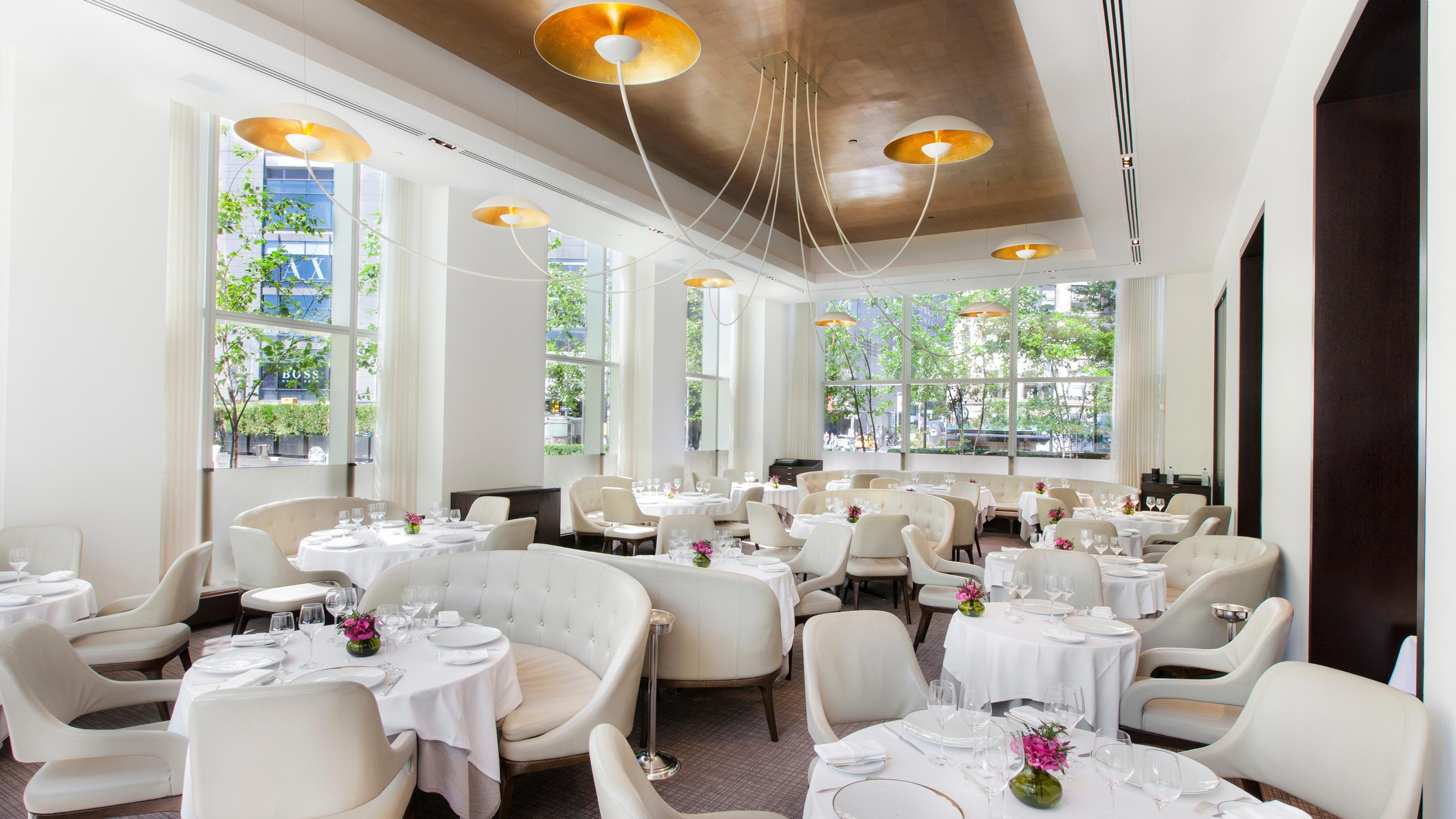
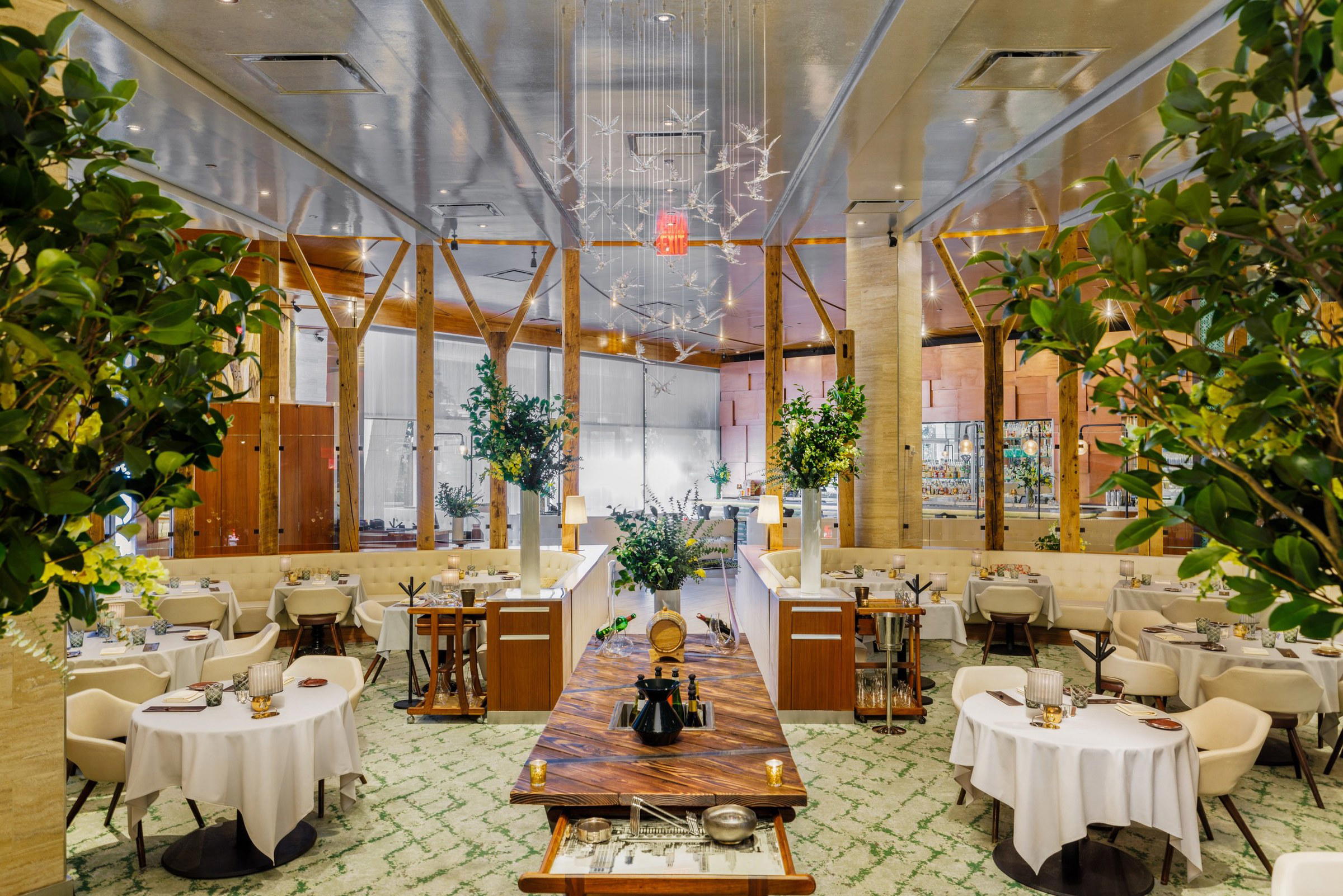
Bars in New York City
All bars in New York City →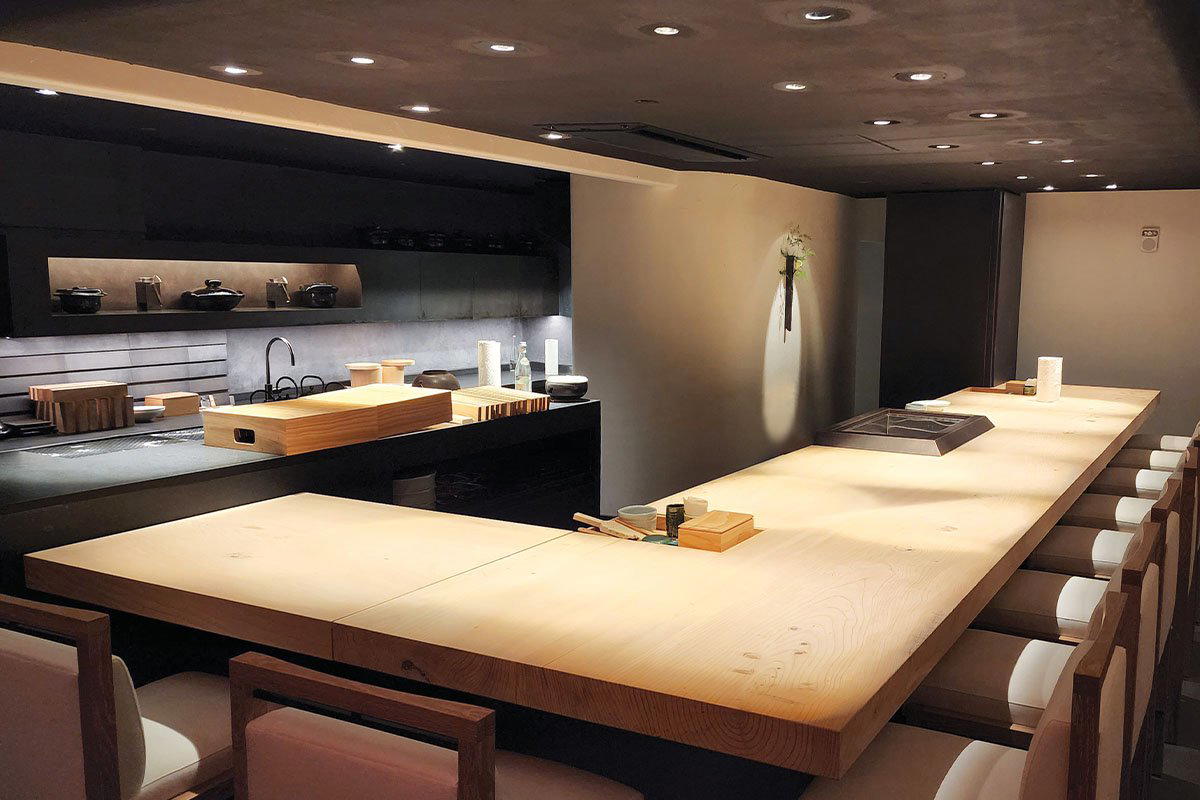
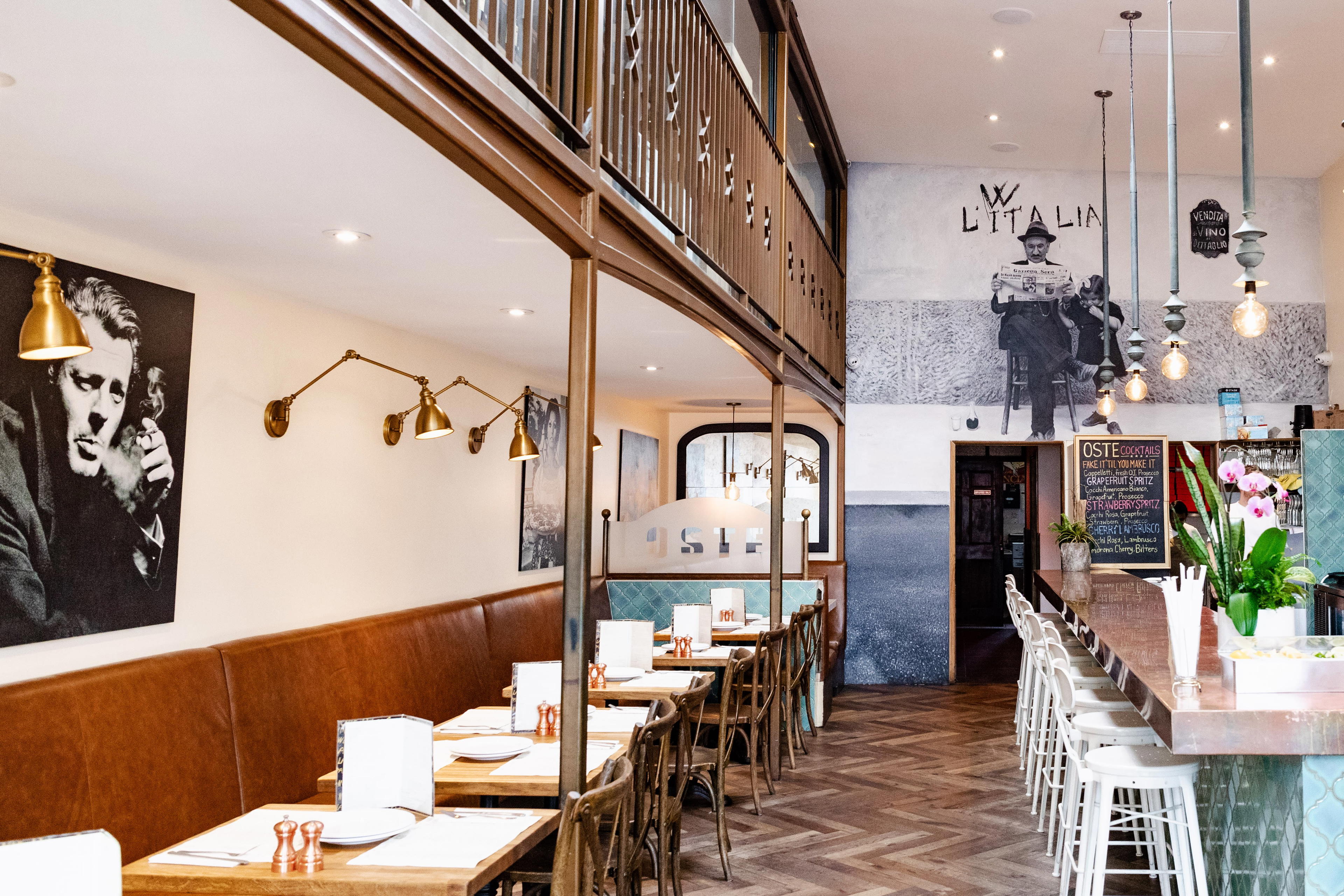





Details
- Cozy
- Intimate
- Classic
- Casual Hangout
- Group Dining
- Family
- Standalone
- Byob
- A La Carte
- Family Style
- Tea
- Vegetarian Friendly
- Halal
- Pescatarian Friendly
Current opening hours
- Monday
- 1–10 PM
- Tuesday
- 1–10 PM
- Wednesday
- 1–10 PM
- Thursday
- 1–10 PM
- Friday
- 1–10 PM
- Saturday
- 1–10 PM
- Sunday
- 1–10 PM
Hours can change for holidays and private events. Last verified .
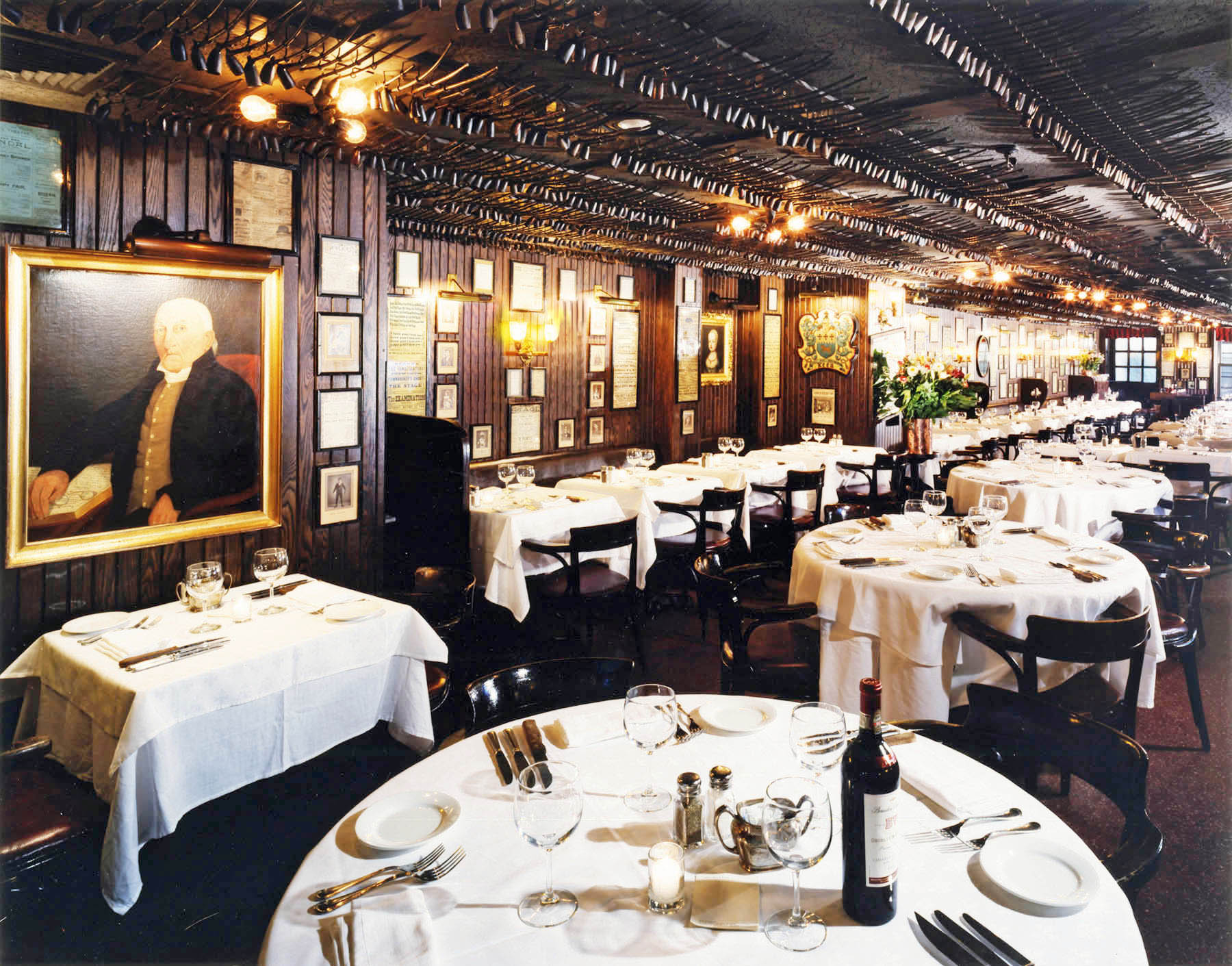
Intimate, cave-like setting with authentic decor; cozy and comfortable interior that feels like a local hideaway with warm hospitality.