Au Za'atar
Au Za'atar on Avenue A brings the layered flavors of the Levant to the East Village, occupying a tier of New York dining where Middle Eastern cuisine is taken as seriously as any Mediterranean tradition. The restaurant sits in a neighborhood long defined by immigrant food culture, offering a counterpoint to the fine-dining corridors that dominate uptown conversation. For those exploring the city's wider dining range, it belongs on the same itinerary as heavier hitters.
Pearl is the En Primeur Club membership app — saves, bookings, and concierge access live there. Same editors, same standards.
- Address
- 188 Avenue A, New York, NY 10009
- Phone
- +12122545660
- Website
- auzaatar.com
- Directions
- Get directions
 Saves & bookings on Pearl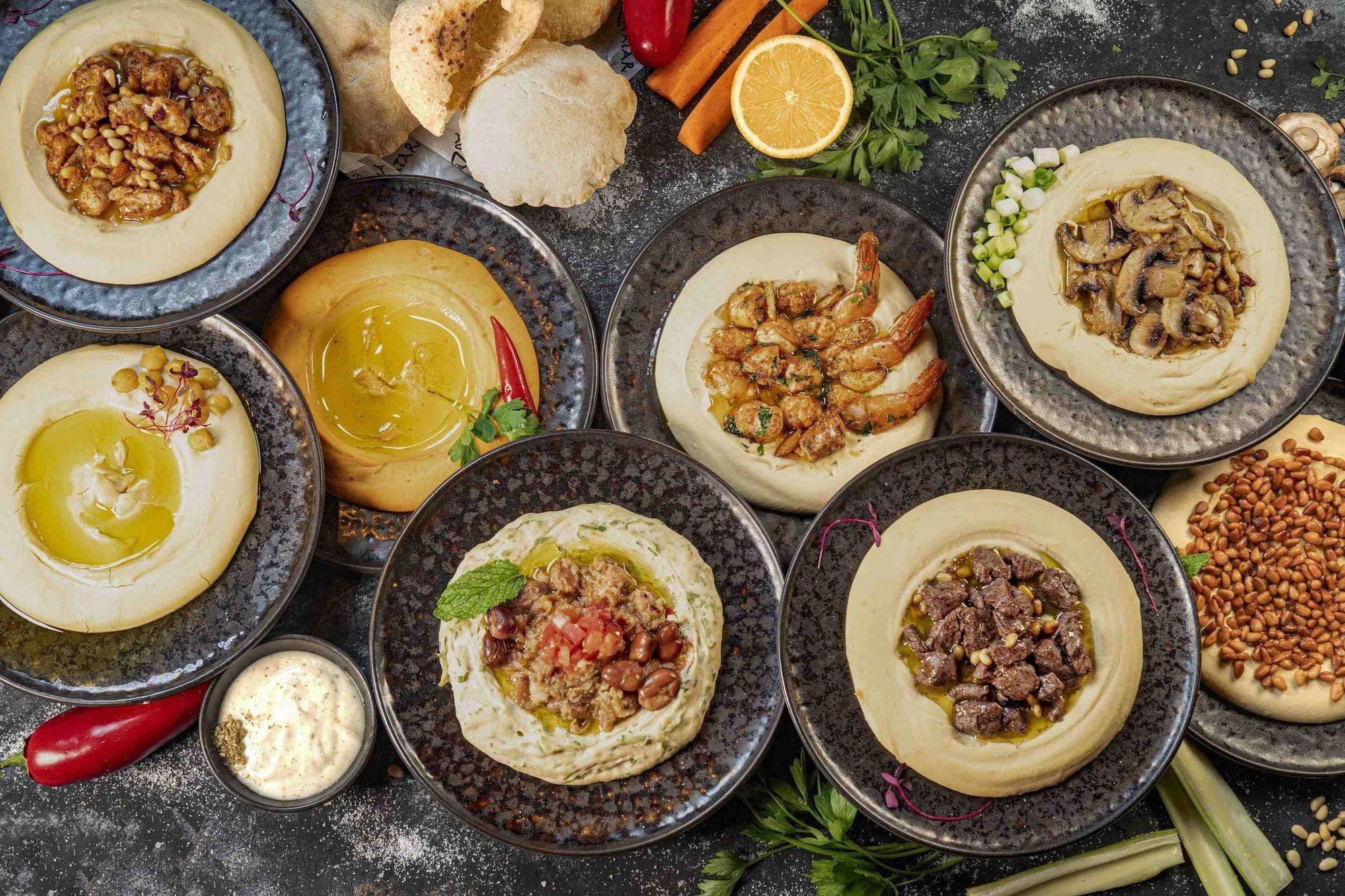
East Village as a Setting for Serious Levantine Cooking
Avenue A has never been a fine-dining address in the conventional sense. The East Village corridor runs on density and informality, a neighborhood where the leading meals often arrive without ceremony in rooms that seat fewer than fifty. That context matters when placing Au Za'atar at 188 Avenue A, because Middle Eastern cooking in New York has historically been underrepresented at the level of serious culinary attention that French or Japanese traditions command. The city's highest-profile rooms, Le Bernardin, Atomix, Eleven Madison Park, Masa, and Per Se, concentrate in Midtown and the upper reaches of the island, working within French or East Asian frameworks that have long carried institutional prestige. A Levantine restaurant on Avenue A is positioned differently by geography and by tradition, and that positioning is part of what makes the place worth examining.
The East Village's food identity has been shaped by successive waves of immigrant communities treating cooking as a form of cultural record-keeping. That legacy gives a restaurant like Au Za'atar a particular kind of local legitimacy that no amount of Midtown polish can replicate. It is the kind of address you find by knowing the neighborhood, not by following a hotel concierge list.
The Physical Space and What It Signals
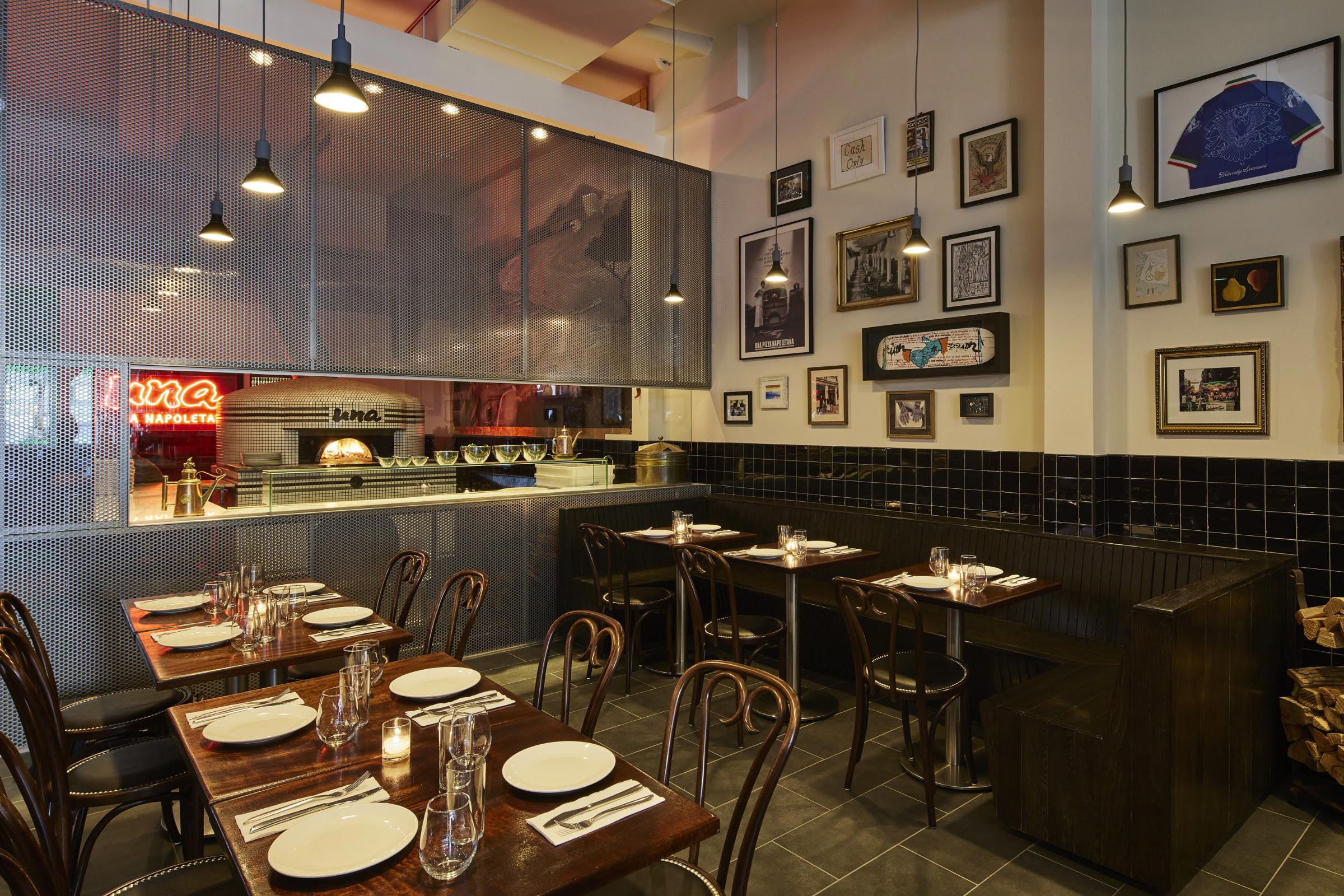
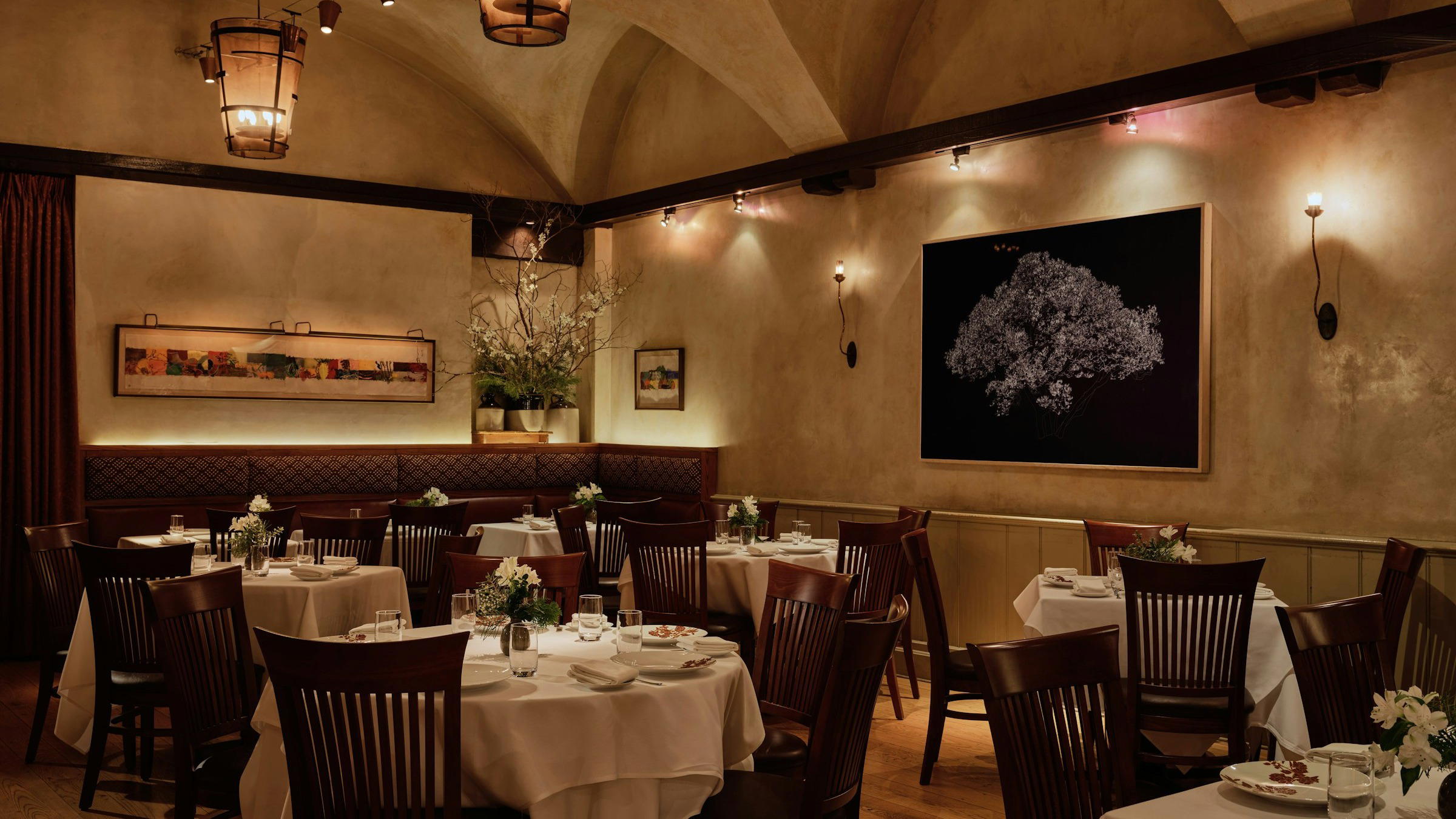
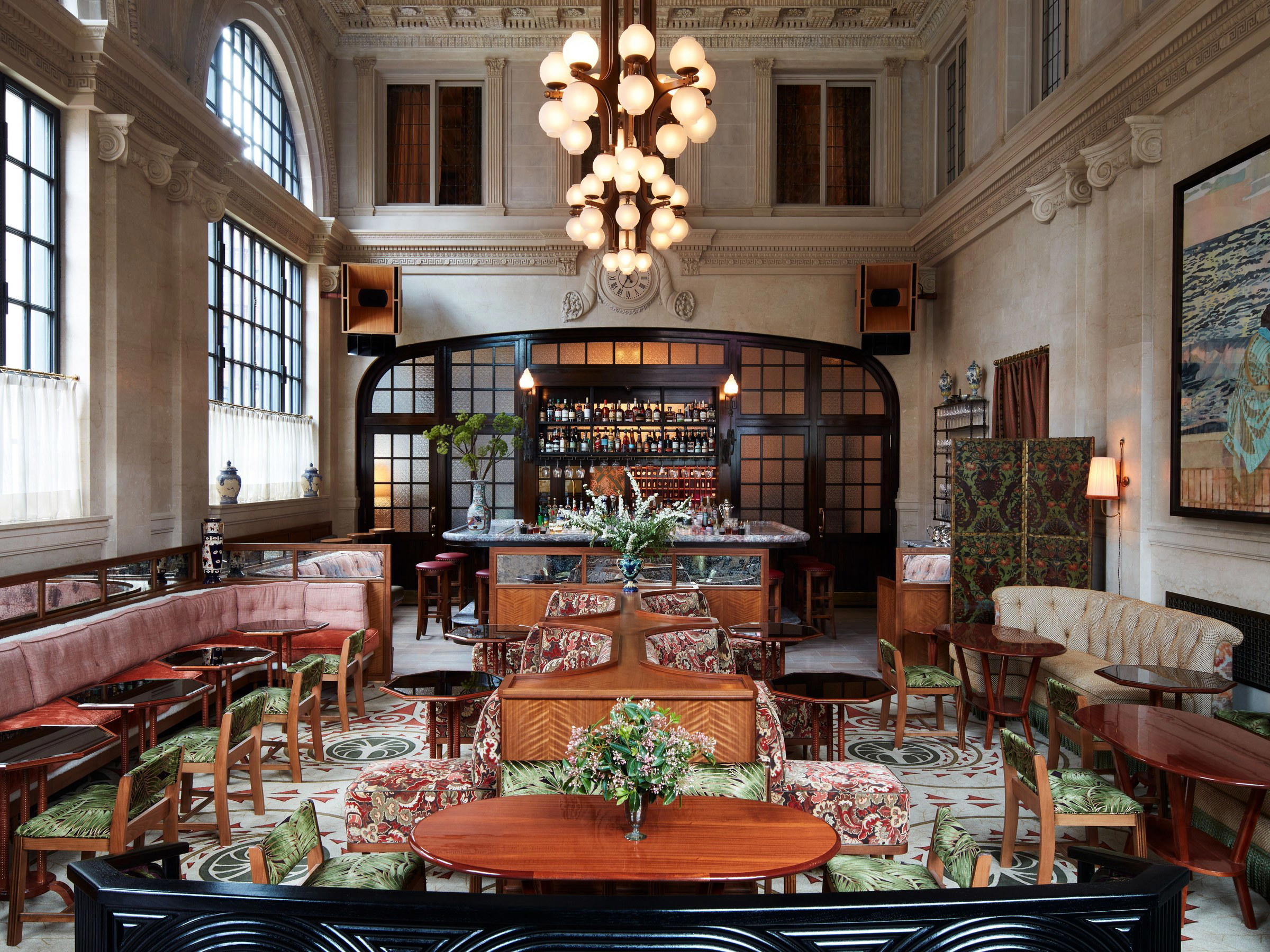
The design logic of a small Avenue A restaurant is almost always the inverse of a grand dining room. Where places like Blue Hill at Stone Barns outside the city deploy architecture and landscape as part of the dining argument, or The Inn at Little Washington wraps its cooking in theatrical interiors, a room on Avenue A typically works within tight square footage and relies on proximity rather than spectacle. At Au Za'atar, the spatial register is intimate by necessity and by choice. That compression has a specific effect on the meal: dishes arrive close, conversation carries across tables, and the room itself becomes a kind of container for shared experience rather than a backdrop for solo performance.
Levantine interiors in New York tend toward one of two modes: the stripped-back, whitewashed aesthetic that references the Eastern Mediterranean coast, or the warmer, pattern-heavy approach drawing on regional textile and ceramic traditions. Either choice is a statement about how a restaurant wants its food read. The physical container frames expectations before the first dish arrives, and in a small room, those expectations are set within moments of stepping inside. This is particularly relevant for Middle Eastern cooking, a tradition where communal formats and shared plates create a different relationship between diner and table than the linear progression of a Western tasting menu.
Levantine Cooking in a City That Rewards Specificity
Za'atar itself, the herb blend of dried thyme, sumac, sesame, and salt that gives the restaurant its name, is a useful entry point into what serious Levantine cooking looks like. It is a pantry staple across Lebanon, Syria, Jordan, and Palestine, deployed across flatbreads, dressings, and spice crusts with the kind of casual authority that marks a tradition rather than a trend. When a restaurant names itself after an ingredient this specific, it signals culinary alignment with a particular regional identity rather than a generalized Middle Eastern sweep.
New York's appetite for this kind of specificity has grown considerably. The city's dining scene has moved toward more granular regional claims across all cuisines: within Chinese cooking, the distinction between Sichuan, Shanghainese, and Cantonese now matters to a wider dining public than it did a decade ago. The same shift is happening with Middle Eastern cooking, where Lebanese, Israeli, Turkish, and Persian traditions are increasingly legible as distinct rather than interchangeable. A restaurant that plants its flag in Levantine cooking is making a claim about precision that the market has learned to read.
For wider context on how New York's restaurant range works across formats and price points, the full New York City restaurants guide maps the city's dining tiers. Comparable exercises in regional specificity can be found in other American cities: Lazy Bear in San Francisco and Smyth in Chicago demonstrate how tight culinary identity builds a distinct following in competitive urban markets. Emeril's in New Orleans and Frasca Food and Wine in Boulder offer further examples of restaurants whose regional anchoring has proved durably persuasive. Further afield, Addison in San Diego, Providence in Los Angeles, Single Thread Farm in Healdsburg, and The French Laundry in Napa each illustrate how a defined culinary identity, held consistently, accumulates authority over time. European parallels include Atelier Moessmer Norbert Niederkofler in Brunico and Dal Pescatore in Runate, both of which demonstrate how deep regional rootedness translates into long-term recognition.
Planning Your Visit
The restaurant is located at 188 Avenue A, New York, NY 10009, in the East Village. The restaurant is accessible via the L train at First Avenue or the F and M trains at Second Avenue, both within a short walk. Reservations: Current booking availability and lead times are best confirmed directly with the restaurant, as specific policies are not published through third-party channels at this time. Dress: The East Village dining register is consistently casual to smart-casual; formal dress is neither expected nor particularly useful in this neighborhood. Budget: Pricing details are not confirmed in current records, but the neighborhood's general range and the communal format of Levantine dining typically favor mid-range spending relative to the city's leading tasting-menu rooms. Timing: Walk-in availability on weekday evenings tends to be more accessible than weekend service at East Village restaurants of this size.
The Essentials
Comparable venues nearby, for context on price, style, and recognition.
| Venue | Cuisine | Price | Notes |
|---|---|---|---|
| Au Za'atarThis venue — the venue you are viewing | East Village, Lebanese Mezze | $$ | Not listed |
| Ariana Afghan Kebab | Hell's Kitchen, Afghan Kebabs | $$ | Not listed |
| Gazala Place | Not listed | $$ | Hell's Kitchen, Authentic Druze Middle Eastern |
| Michaeli Bakery | East Midtown-Turtle Bay, Israeli Bakery | $$ | Not listed |
| Bowery Bungalow NYC | Not listed | $$$ | SoHo-Little Italy-Hudson Square, Modern Middle Eastern & Mediterranean |
| Balade Your Way | Not listed | $$ | Midtown-Times Square, Modern Lebanese Build-Your-Own |
Continue exploring
More in New York City
Restaurants in New York City
Browse all →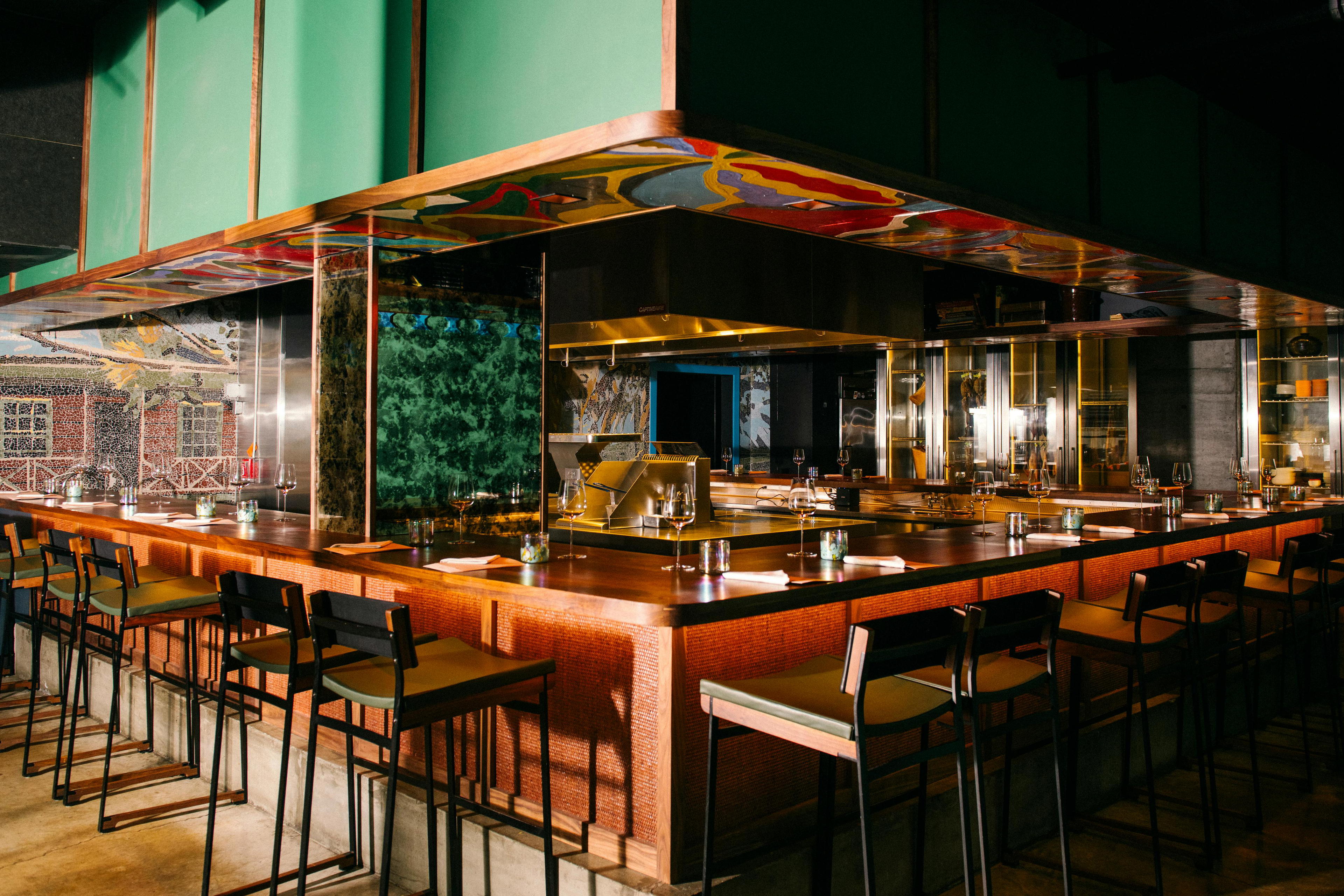
Bars in New York City
Browse all →
Hotels in New York City
Browse all →





At a Glance
- Cozy
- Trendy
- Intimate
- Group Dining
- Casual Hangout
- Date Night
- Open Kitchen
- Craft Cocktails
Current opening hours
- Monday
- 11 AM–11 PM
- Tuesday
- 11 AM–11 PM
- Wednesday
- 11 AM–11 PM
- Thursday
- 11 AM–11 PM
- Friday
- 11 AM–11 PM
- Saturday
- 11 AM–11 PM
- Sunday
- 11 AM–11 PM
Hours can change for holidays and private events. Last verified .
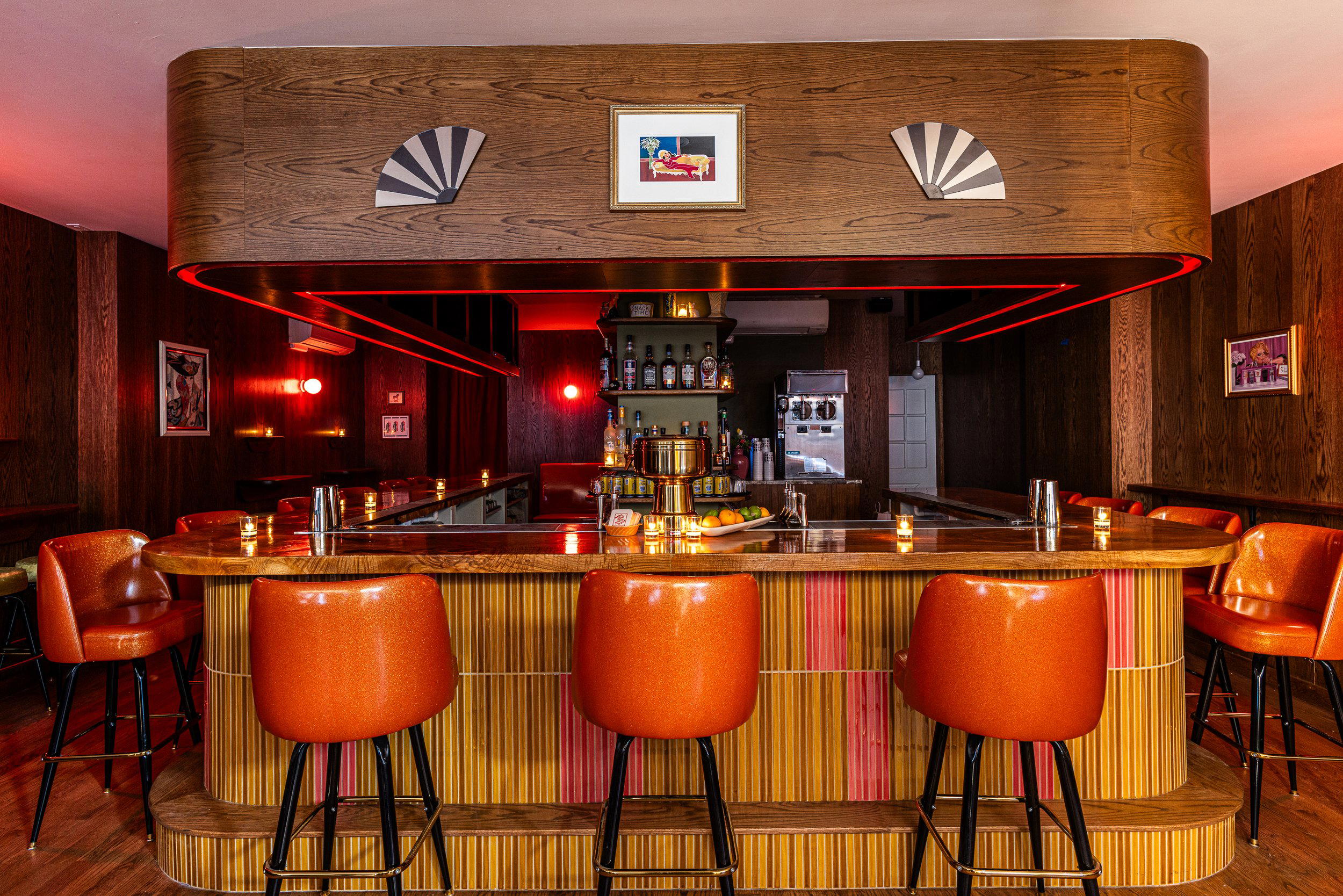
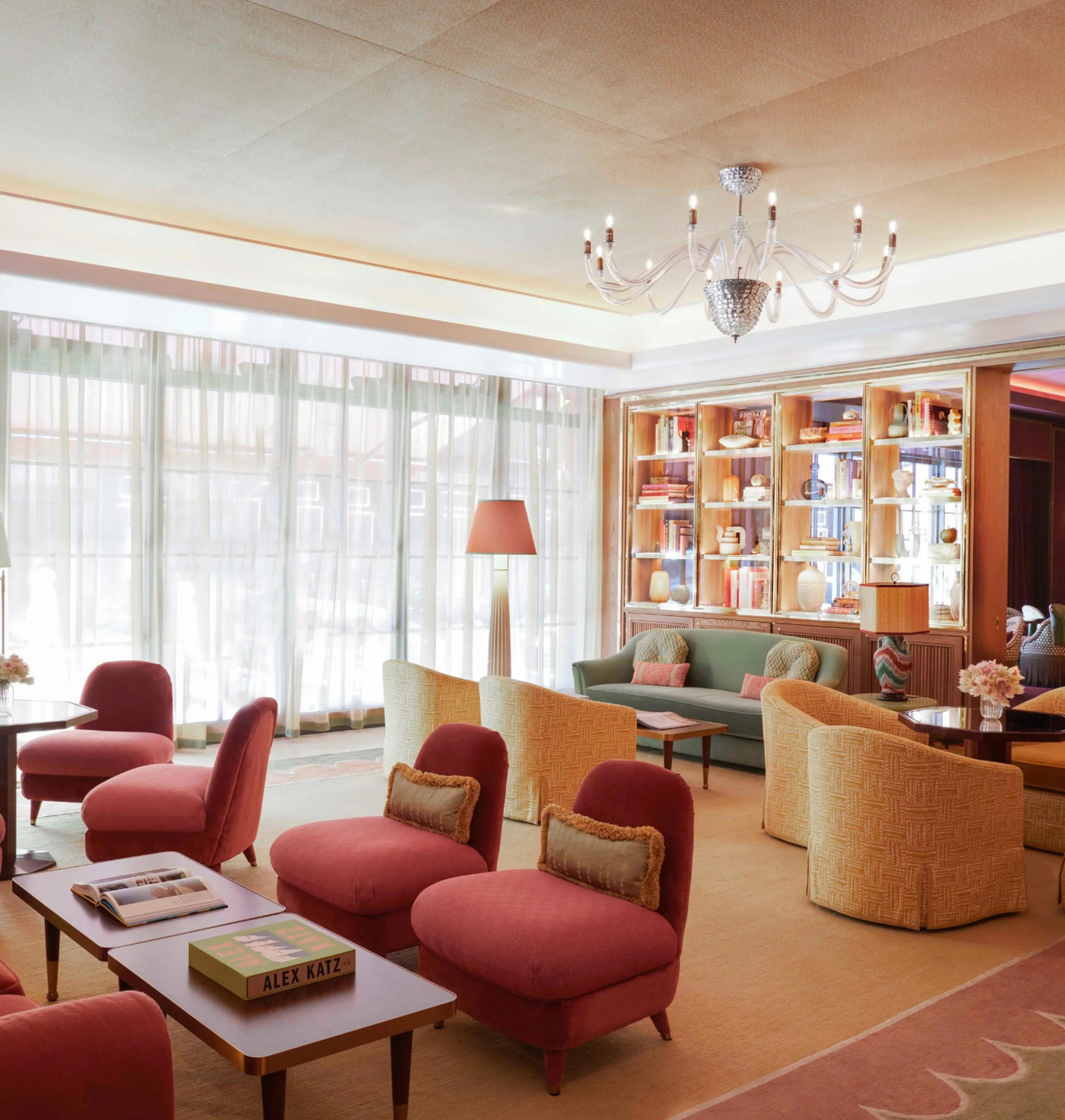
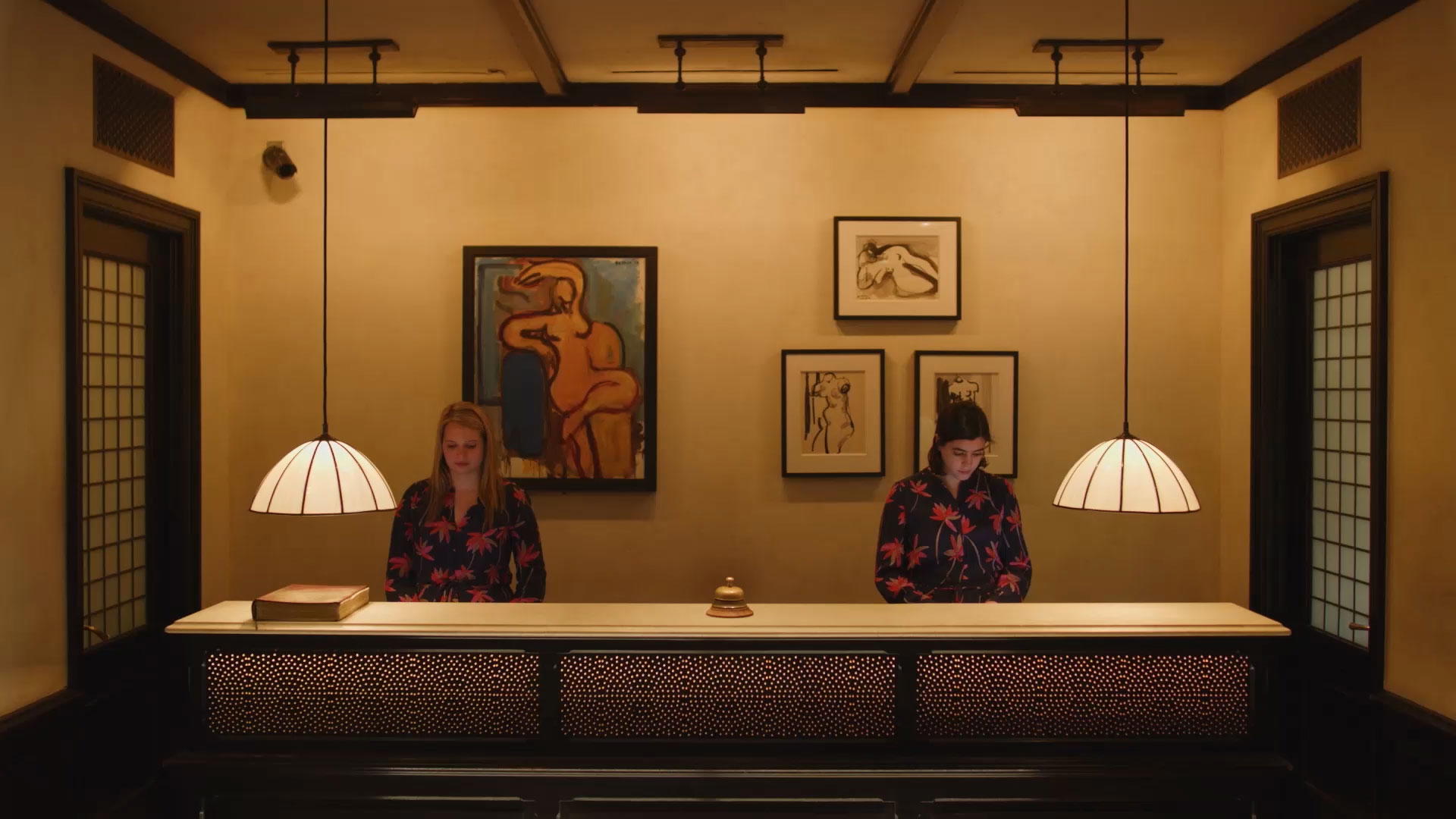
Contemporary space with reclaimed wood accents, exposed brick, dark wood, simple curtains, and red leather booths creating an inviting, Beirut-inspired atmosphere.