On the Beton Hala waterfront in central Belgrade, Salaš Vinarije Zvonko Bogdan brings the wine culture of Vojvodina's Subotica wine region into the city. The restaurant operates as an urban extension of the Zvonko Bogdan winery estate, pairing Serbian rural cooking traditions with the label's Chardonnay and Cabernet-forward portfolio. It holds a distinctive position in a Belgrade dining scene where wine-integrated salaš formats remain relatively rare.
Pearl is the En Primeur Club membership app — saves, bookings, and concierge access live there. Same editors, same standards.
- Address
- Beton Hala, Karađorđeva 2-4, Beograd 11000, Serbia
- Phone
- +38169680000
- Website
- salaszvonkobogdanbg.com
- Directions
- Get directions
 Saves & bookings on Pearl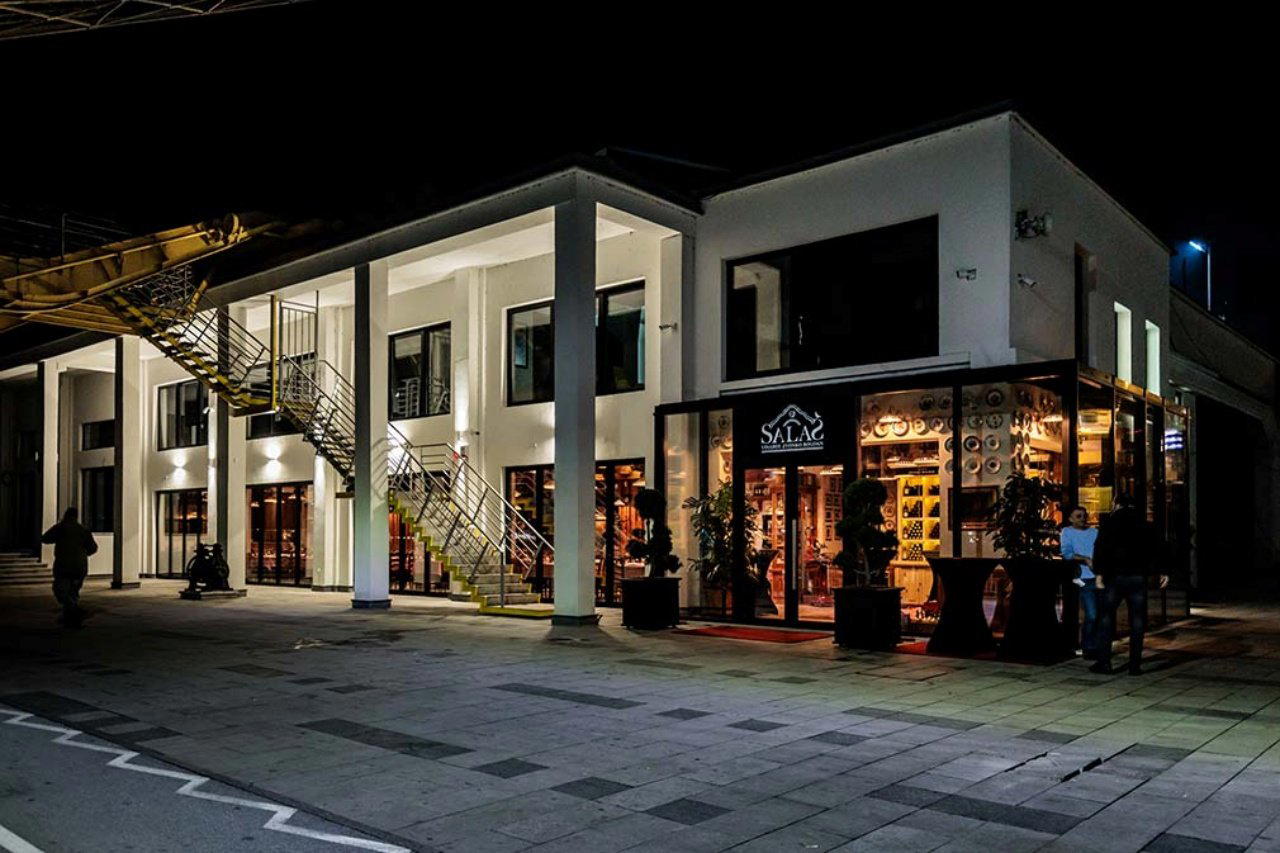
Where the Danube Bank Meets the Vojvodina Cellar
Beton Hala is one of Belgrade's more consequential stretches of riverfront real estate. The concrete quay running along the Sava just above its confluence with the Danube has become a reliable indicator of where the city's dining ambitions and its geography meet most directly. Sitting at Karađorđeva 2-4, the Belgrade outpost of Vinarije Zvonko Bogdan occupies this charged location, channelling the wine culture of Serbia's northern Vojvodina region into a city-centre setting where the river provides constant visual and atmospheric backdrop.
The salaš format itself deserves some context. In Vojvodina tradition, a salaš is a working farmstead, often with its own cellar, its own smokehouse, and a table that feeds whoever is working the land. When that format migrates to an urban restaurant, something is inevitably translated rather than transplanted. Belgrade's wine-restaurant hybrids have multiplied over the past decade, but venues that maintain a coherent link to a specific winery estate and regional identity are still relatively uncommon. This address functions as that kind of bridge, where the sourcing logic follows the label rather than the general market.
The Sensory Register of the Waterfront Setting
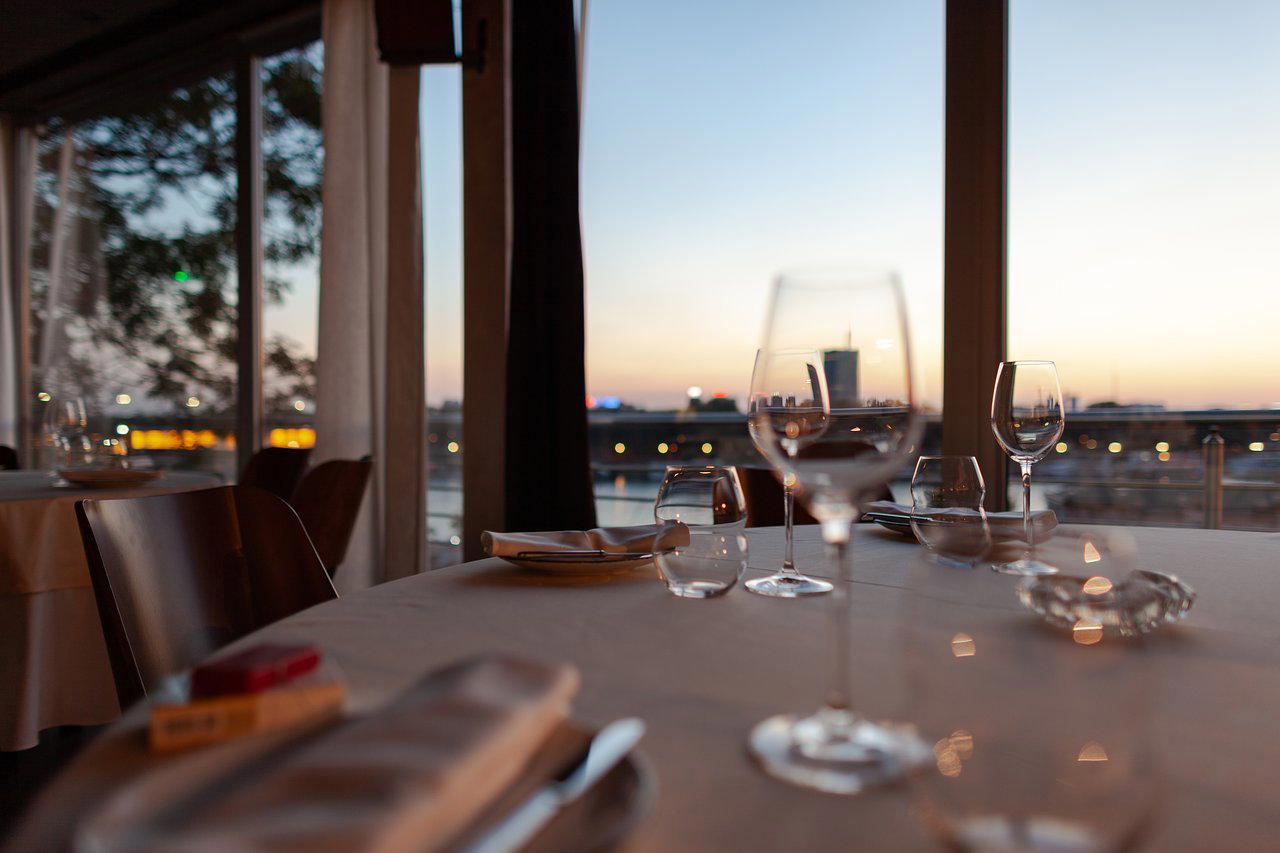
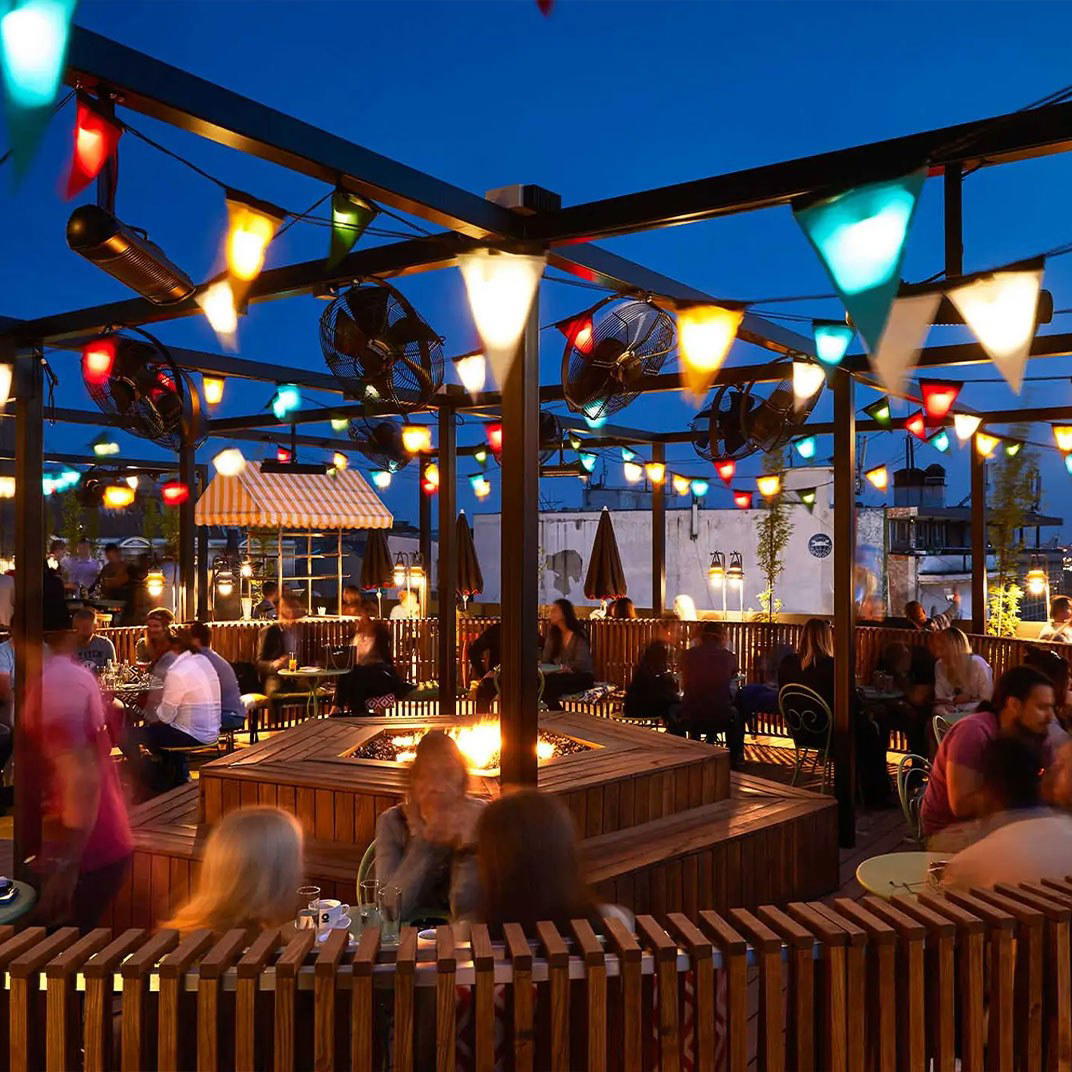
Approaching Beton Hala from the old town, the drop from street level to the quay marks a shift in atmosphere that Belgrade regulars know well. The traffic noise of Karađorđeva recedes as you descend toward the water. In warmer months, the outdoor sections of the restaurants along this stretch operate almost like a continuous terrace facing the Sava, with the light hitting the water in the late afternoon in ways that make the early evening seating among the more pleasant in the city.
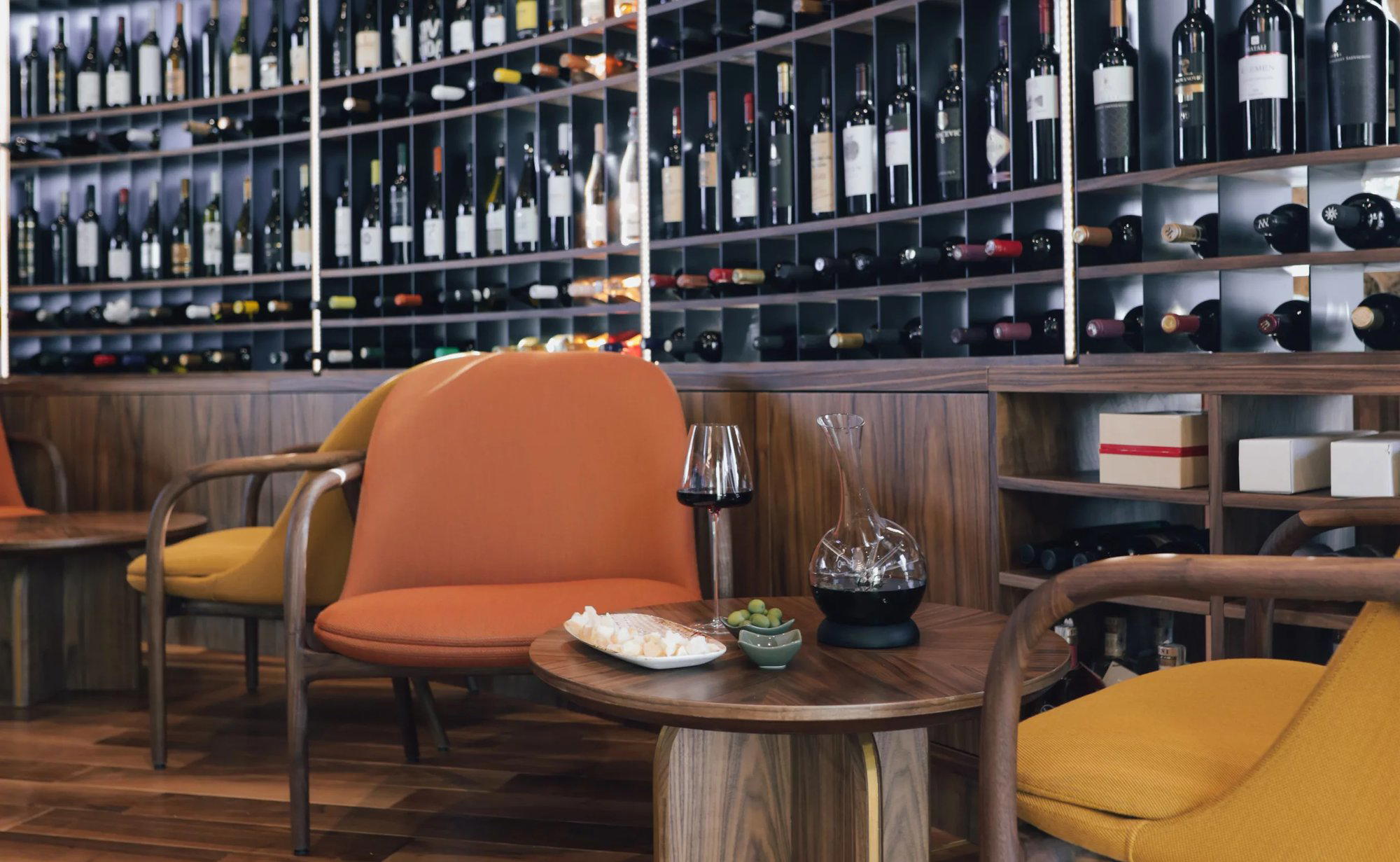
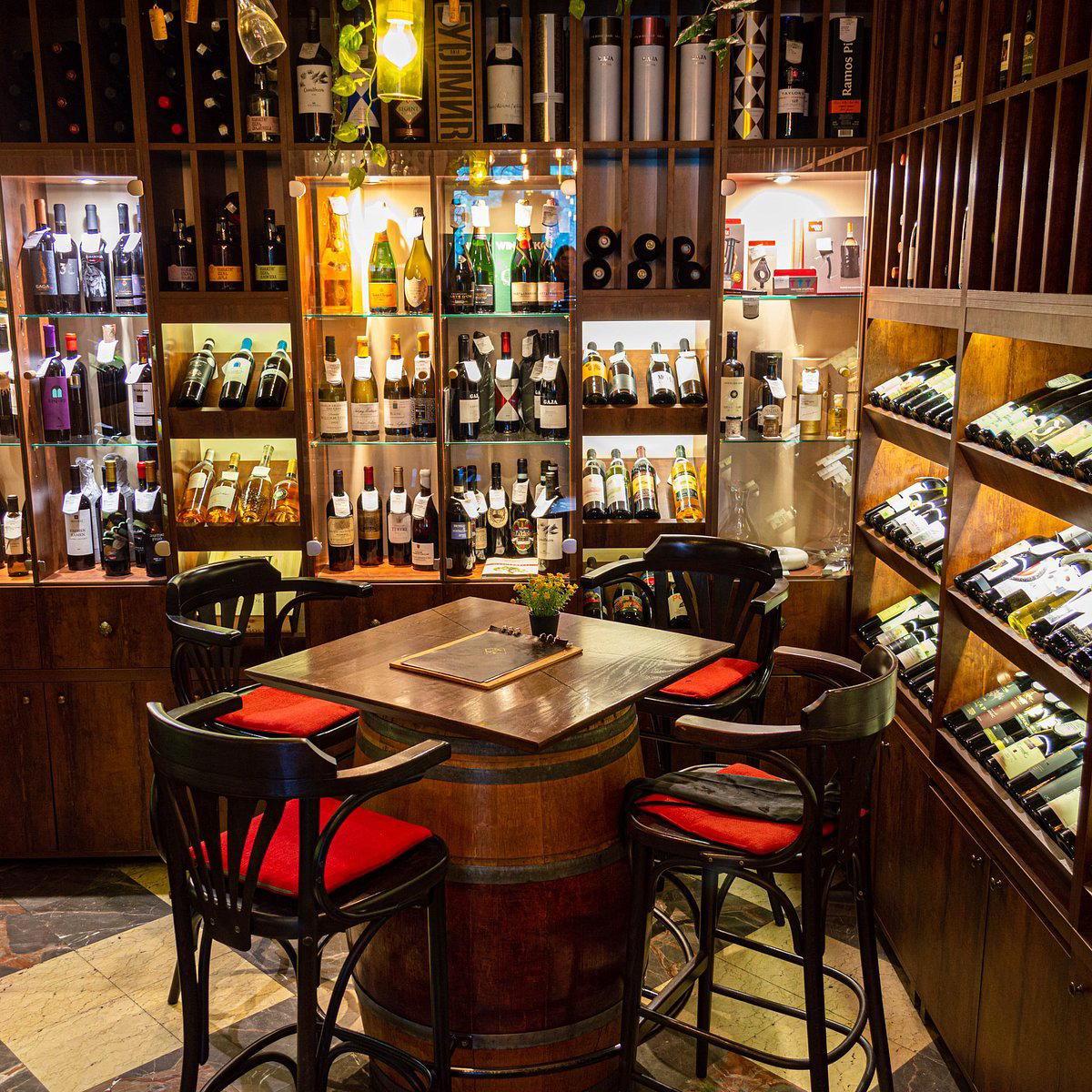
The visual identity of the salaš format, even in its urban translation here, tends to lean on the material vocabulary of the Pannonian plain: natural textures, references to agricultural life, the kind of deliberately unpolished warmth that reads as deliberate craft rather than neglect. Against the industrial Beton Hala backdrop, that sensory register creates an intentional contrast. Wine pours from a Vojvodina estate; the river outside belongs to Belgrade. The friction between those two identities is part of what makes this address worth understanding on its own terms.
Zvonko Bogdan's Position in Serbian Wine
The winery behind this restaurant is one of Serbia's more commercially visible labels, particularly in the premium domestic segment. Zvonko Bogdan's vineyards sit in the Subotica-Horgoš wine subregion, the northernmost part of Serbian Vojvodina, close to the Hungarian border. That region's continental climate produces wines with a different structural profile from the Župa or Negotin valleys further south: longer growing seasons, higher natural acidity in cooler years, and a white wine tradition built around varieties including Chardonnay and the locally important Graševina.
In the Belgrade dining scene, where the wine list at most mid-range restaurants still defaults to a handful of recognisable domestic labels, a restaurant that functions as the direct urban ambassador of a single estate occupies a different tier of specificity. Compared to a venue like Langouste, which operates at the modern cuisine end of the Belgrade spectrum with a broader sourcing approach, or The Square with its contemporary French orientation, the Zvonko Bogdan salaš is doing something narrower and more regionally specific: making the case for a single wine identity and the food culture that surrounds it.
For visitors who have engaged with Serbian dining through the lens of Ambar's mezze-format Balkan sharing plates, or who know the city's more conventional restaurant register through addresses like Avala or Barrel House, a winery-anchored salaš on the waterfront represents a distinct category shift. The food here follows a logic of regional pairing rather than cosmopolitan variety.
The Broader Salaš Tradition Across Serbia
Understanding what this Belgrade address represents is easier with some sense of how the salaš dining tradition operates across the country. In rural Vojvodina, the salaš restaurant has been a consistent format for decades, pairing slow-cooked pork and game with estate wines and the kind of unhurried service that comes when there is nowhere else to be. That tradition has analogues in other parts of Serbia, where regional restaurants draw on local agricultural identity rather than urban culinary trends.
Venues like Kod Brana in Cacak, Lovački dom in Valjevo, and Etno Kuća Dinar in Vrsac operate within this same broader tradition of rooted, regionally-specific Serbian dining, where the sourcing geography matters and the table is an extension of the local land. Further afield, KAFANA DUKAT in Pirot, Windmill in Pancevo, and ČARDA ZLATNA KRUNA in Apatin follow comparable regional anchoring principles. Even Kafe Restoran Maša in Novi Sad, Kod poštara in Aran Elovac, Aleksandar Gold in Uzice, and Grand in Kopaonik each represent the same impulse toward rooted, location-specific Serbian hospitality in their respective regions. The Belgrade Zvonko Bogdan salaš transplants that logic to the capital, which is both its proposition and its inherent challenge.
For context outside the Serbian scene, the closest international analogues might be estate restaurants attached to wine producers, a format well-established in Burgundy or Napa. At the high end of that spectrum, venues like Le Bernardin in New York City or Atomix in New York City demonstrate how cuisine and identity can operate as a coherent single proposition at the summit of the market. The Zvonko Bogdan model applies a similar logic at a different price point and cultural register, but the underlying principle of cuisine-as-statement-of-place is the same.
Planning Your Visit
Address: Beton Hala, Karađorđeva 2-4, Belgrade 11000, Serbia
Location: On the Sava riverfront at Beton Hala, accessible from the old town via Karađorđeva Street
Booking: Advance reservations are advisable for weekend evenings; the riverside terrace fills quickly in warmer months
Leading timing: Late afternoon arrivals capture the leading light on the water; the venue connects naturally to the broader Beton Hala dining strip
Further reading: See our full Belgrade restaurants guide for the wider city context
Category Peers
Comparable venues nearby, for context on price, style, and recognition.
| Venue | Cuisine | Price | Notes |
|---|---|---|---|
| Salaš Vinarije Zvonko Bogdan BeogradThis venue — the venue you are viewing | Traditional Serbian (Vojvodina) | $$ | Not listed |
| RESTORAN GRAFIČAR | Traditional Serbian Barbecue | $$ | Dedinje |
| Petar at Tikas | Modern Serbian Cuisine | $$ | Palilula |
| Durmitor | Traditional Serbian BBQ | $$ | New Belgrade |
| Filter | Modern Cafe & Breakfast | $$ | Belgrade |
| Etno Restoran Zlatar | Traditional Serbian Regional Cuisine | $$ | Palilula |
At a Glance
- Rustic
- Cozy
- Special Occasion
- Group Dining
- Celebration
- Waterfront
- Historic Building
- Extensive Wine List
- Local Sourcing
- Waterfront
Current opening hours
- Monday
- Closed
- Tuesday
- 12 PM–12 AM
- Wednesday
- 12 PM–12 AM
- Thursday
- 12 PM–1 AM
- Friday
- 12 PM–1 AM
- Saturday
- 12 PM–1 AM
- Sunday
- 12 PM–12 AM
Hours can change for holidays and private events. Last verified .
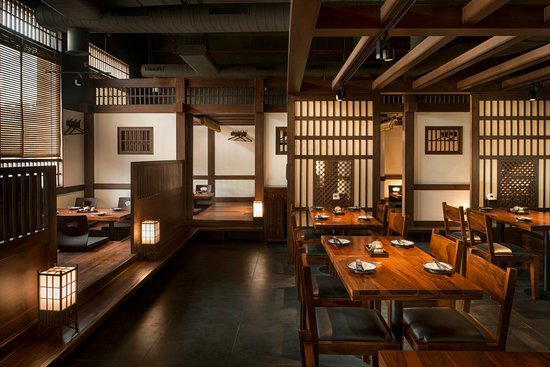
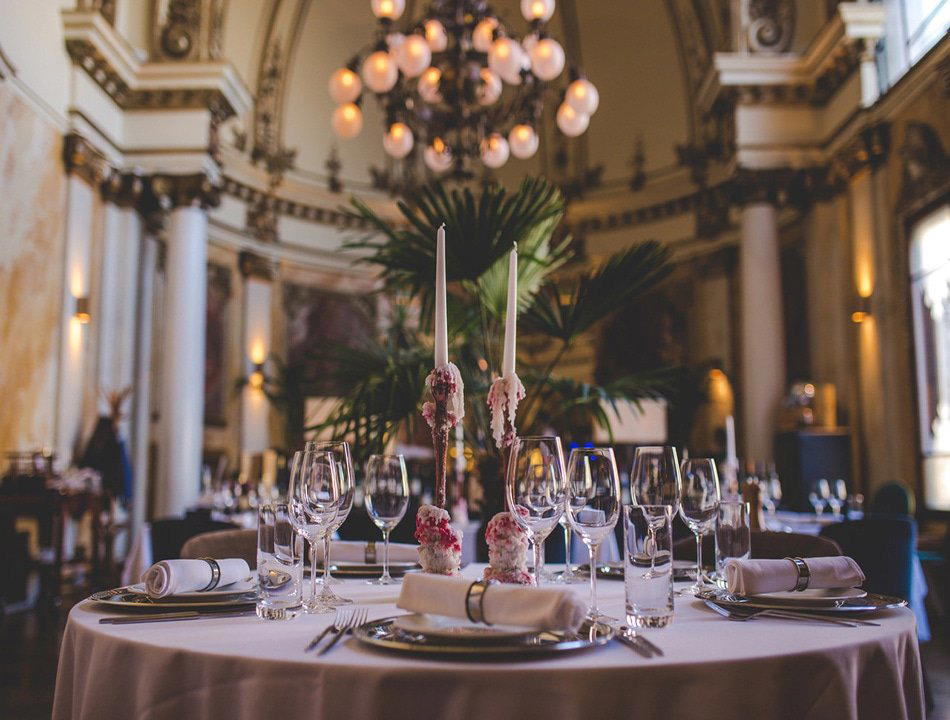
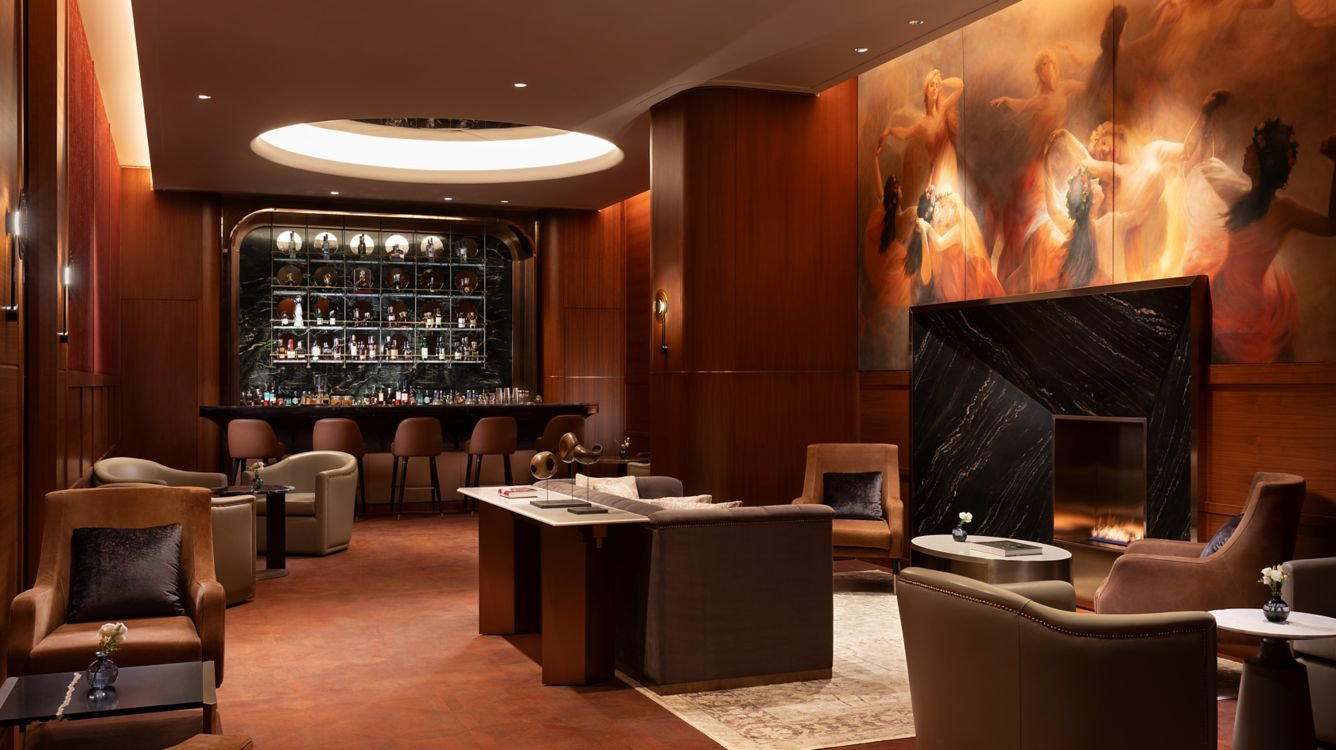
Warm, inviting rustic setting with traditional charm, evoking Vojvodina countryside heritage along the Sava River.