
Sala de despiece occupies a precise position in Madrid's bar-counter scene: a standing-format space on Calle de Ponzano, in Chamberí, where the menu reads like a butcher's ledger reimagined through modern technique. The format strips away tablecloths and ceremony in favour of direct, product-led eating — small cuts, precise preparations, and a pace set by the diner rather than the kitchen.
Pearl is the En Primeur Club membership app — saves, bookings, and concierge access live there. Same editors, same standards.
- Address
- C/ de Ponzano, 11, Chamberí, 28010 Madrid, Spain
- Phone
- +34916354681
- Website
- english.saladedespiece.com
- Directions
- Get directions
 Saves & bookings on Pearl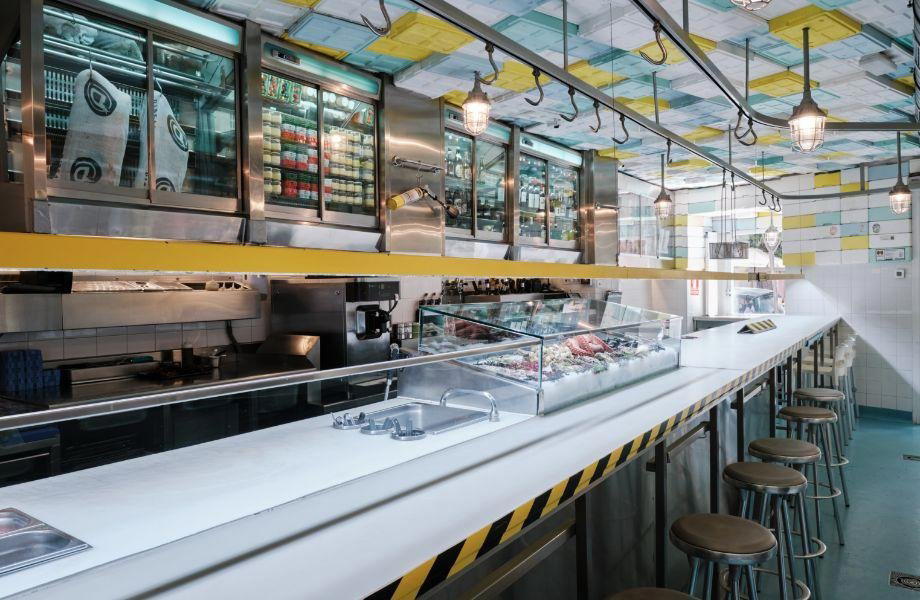
The Counter as Editorial Statement
Madrid's middle register of eating — not the starred room, not the neighbourhood taberna — has grown more confident over the past decade. The city's bar-counter format, long associated with pintxos or deep-fried snacks, has been quietly redrafted by a cohort of venues that treat the standing counter as a serious platform for precise, product-driven cooking. Sala de despiece, on Calle de Ponzano in Chamberí, sits inside that shift. The name itself, which translates roughly to 'cutting room' or 'butcher's floor', is the first editorial signal: this is a place organised around the logic of the animal, the cut, and the technique applied to it.
Chamberí is a useful neighbourhood for contextualising the venue. The barrio sits north of central Madrid, close to Alonso Martínez and between the tourist pressure of the city centre and the more residential northern districts. Calle de Ponzano in particular has developed a concentration of bars and small restaurants that attract a local, food-aware crowd rather than passing visitors. The street rewards a slow evening rather than a single stop.
Menu Architecture: The Butcher's Counter as Ordering Logic
The most legible thing about Sala de despiece is how its menu is structured. Where most Spanish tapas formats organise plates by ingredient category or temperature, cold starters, warm plates, desserts, Sala de despiece organises around anatomical logic. The menu reads like a market stall working through parts: offal preparations sit alongside cured cuts, fresh product alongside aged. This is not arbitrary theatre. It reflects a genuine butcher-shop sensibility, where the selection changes with what is available and what is seasonally correct.
It is not competing with the long tasting-menu counters that define Madrid's high-end scene, DiverXO, Coque, Deessa, DSTAgE, or Paco Roncero each operate multi-course, seated, choreographed experiences at the top of the city's price bracket. Sala de despiece proposes something different: a menu without a fixed sequence, where the diner assembles their own logic from a selection of small plates grounded in raw material quality and direct preparation.
That format also positions it differently from Spain's broader high-concept scene. Restaurants like Aponiente in El Puerto de Santa María, Mugaritz in Errenteria, or El Celler de Can Roca in Girona operate inside a conceptual framework where the menu itself is a narrative. Sala de despiece makes no such claim. Its architecture is taxonomic rather than narrative, a selection that says: here is what is available, here is what it is, order accordingly.
Product Logic and Preparation Style
The standing-counter format in Madrid has historically been more associated with volume and speed than with ingredient specificity. What distinguishes the venues in Chamberí's current tier is that they apply the sourcing rigour of a fine-dining kitchen to an informal setting. The menu at Sala de despiece reflects that positioning: preparations tend toward the direct rather than the elaborate, allowing the quality of the raw material to carry the plate rather than obscuring it with construction. This is a recognisable tendency across product-led Spanish cooking more broadly, the same instinct that shapes the approach at Arzak in San Sebastián or Azurmendi in Larrabetzu, even if the format and scale are entirely different.
The practical consequence for the diner is that ordering well here requires a different kind of attention than it does at a tasting-menu restaurant. There is no chef sequence to follow. The selection demands that you read the menu for what is seasonal and what is fresh rather than defaulting to familiar categories. This is, in one sense, a more demanding format, and for food-aware diners, a more rewarding one.
How Sala de Despiece Fits the Madrid Dining Map
Madrid's dining scene has developed an increasingly sharp distinction between its formal, destination-dining tier and its quality bar-counter tier. The former is well-documented internationally, anchored by the city's Michelin-starred rooms and creative tasting menus. The latter is less covered in international press but is where much of the city's most interesting daily eating now happens. Sala de despiece is a useful entry point into that tier, not because it is introductory in ambition, but because its format is genuinely accessible in terms of price and pacing while maintaining the ingredient standards of a higher bracket.
For visitors building a broader Spain itinerary, the contrast is worth mapping. Barcelona's fine-dining tier, represented by venues like Cocina Hermanos Torres, operates through different traditions and a different relationship to Catalan produce. The Basque Country, home to Martin Berasategui in Lasarte-Oria and Ricard Camarena in València's adjacent region, has its own technical vocabulary. Madrid's counter scene, and Sala de despiece within it, represents a distinct local register that owes something to the city's culture of standing eating but applies a level of product discipline that separates it from direct tapas bars.
Further afield, venues like Quique Dacosta in Dénia or Atrio in Cáceres signal how Spain's regional scenes have developed their own conceptual frameworks. Internationally, the product-led counter format has equivalents in places like New York, where Le Bernardin and Atomix each operate their own versions of stripped-down, product-first logic, though in formats that are more formal and considerably more expensive. See our full Madrid restaurants guide for further context on how Sala de despiece sits within the city's wider eating hierarchy.
Planning Your Visit
Sala de despiece is located at Calle de Ponzano, 11, in Chamberí. The format is a standing counter, arrive prepared to eat without a reserved table in the conventional sense. Chamberí is well-connected by metro, and Ponzano's cluster of bars makes it a practical neighbourhood for a longer evening rather than a single-stop meal. Given the format's popularity with locals, arriving early in a service is a reasonable strategy for securing space at the counter. Specific booking details, hours, and current pricing are best confirmed directly with the venue before visiting.
Quick reference: Calle de Ponzano, 11, Chamberí, 28010 Madrid. Standing-counter format. Confirm hours and booking method directly.
How Sala de despiece Madrid compares with similar nearby venues.
| Venue | Cuisine | Price | Awards |
|---|---|---|---|
| Sala de despiece | Not listed | Not listed | Opinionated About Dining Casual in Europe Recommended (2026) |
| Gala | Farm to table | €€ | Not listed |
Recognition history
Dated appearances from independent guides and award organizations, with the underlying list record or original source where available.
Opinionated About Dining Casual in Europe Recommended
Opinionated About Dining
Continue exploring
More in Madrid
Restaurants in Madrid
Browse all →
Bars in Madrid
Browse all →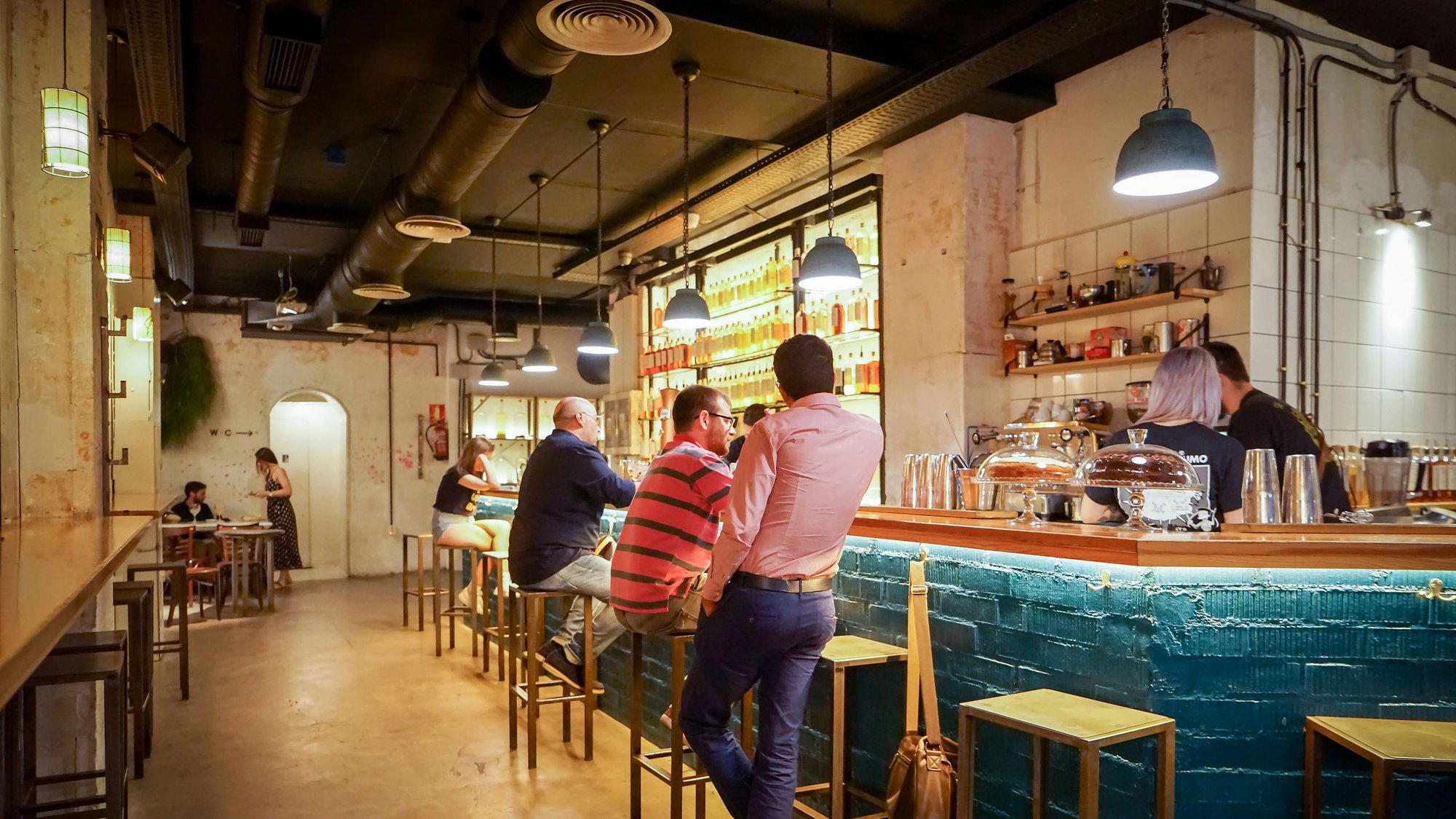
Hotels in Madrid
Browse all →


At a Glance
- Modern
- Trendy
- Industrial
- Lively
- Sophisticated
- Casual Hangout
- Group Dining
- Special Occasion
- Open Kitchen
- Design Destination
- Extensive Wine List
- Sake Program
- Local Sourcing
Current opening hours
- Monday
- 1:30–5 PM, 8 PM–12 AM
- Tuesday
- 1:30–5 PM, 8 PM–12 AM
- Wednesday
- 1:30–5 PM, 8 PM–12 AM
- Thursday
- 1:30–5 PM, 8 PM–12 AM
- Friday
- 1–5 PM, 8 PM–12 AM
- Saturday
- 1–5 PM, 8 PM–12 AM
- Sunday
- 1–5 PM, 8 PM–12 AM
Hours can change for holidays and private events. Last verified .
Industrial butcher shop aesthetic with white predominant color, lively bar seating atmosphere with communal dining experience, energetic and creative environment.
Know Before You Go
- Getting there
- C/ de Ponzano, 11, Chamberí, 28010 Madrid, Spain