La Txulapona sits on Calle de Arturo Soria in Madrid's Ciudad Lineal district, operating in a neighbourhood where traditional Basque and Castilian grilling traditions carry more weight than avant-garde credentials. The address places it firmly outside the central dining circuit, which shapes both its clientele and its approach to the table. For those willing to make the trip east, it represents a working example of Madrid's broader shift toward neighbourhood-anchored dining with serious intent.
Pearl is the En Primeur Club membership app — saves, bookings, and concierge access live there. Same editors, same standards.
- Address
- C. de Arturo Soria, 126, Cdad. Lineal, 28043 Madrid, Spain
- Phone
- +34915279667
- Website
- latxulapona.com
- Directions
- Get directions
 Saves & bookings on Pearl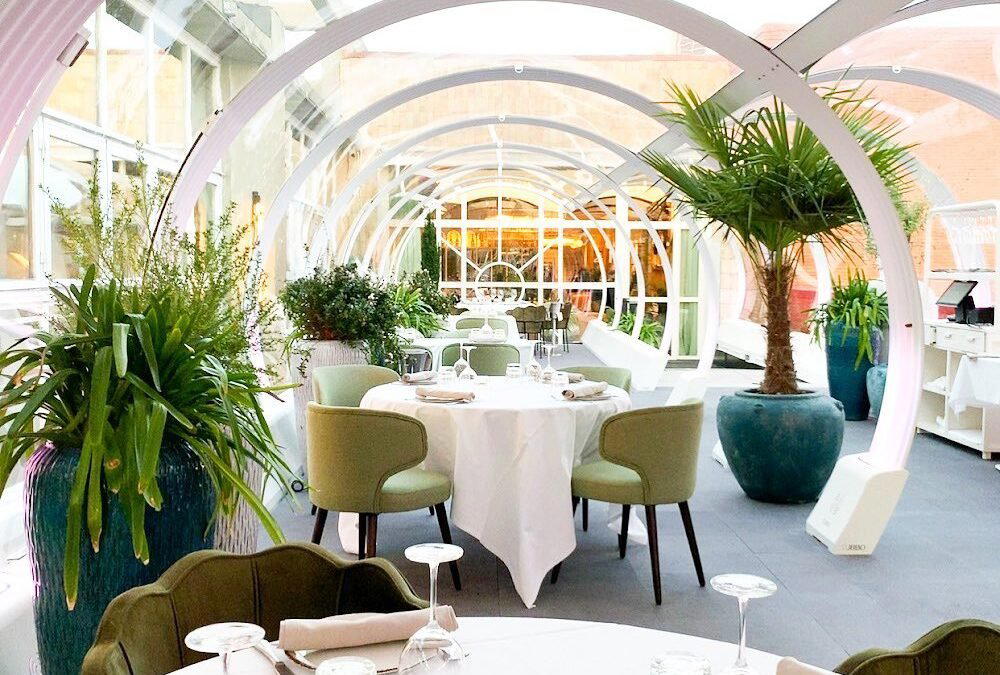
East of Centre: The Ciudad Lineal Dining Circuit
Madrid's most-discussed restaurant addresses cluster around the Salamanca district and the city's historic core, where tables at places like DiverXO and Coque are booked weeks or months ahead. But a different dining pattern has taken hold further east, in Ciudad Lineal, where the clientele tends to be local, the rhythms more settled, and the pressure to perform for destination diners largely absent. La Txulapona, at Calle de Arturo Soria 126, operates inside that alternative geography. The address is a statement of intent in itself: this is a restaurant rooted in a residential neighbourhood, and its identity flows from that.
Ciudad Lineal was designed in the late nineteenth century as one of Europe's first planned urban extensions, a long corridor of mid-rise housing and commerce running northeast from the city core. The area has never been a dining destination in the conventional sense, which is part of what makes restaurants that build serious followings here worth examining. They survive on repeat custom, on neighbourhood loyalty, and on consistency rather than novelty.
What the Name Signals About the Menu
In Basque and northern Spanish usage, a txuleta or txuleton refers to a thick-cut, bone-in ribeye, typically from older cattle and cooked over live fire with deliberate restraint. The name La Txulapona signals an allegiance to that tradition before a single plate arrives. This is a restaurant that announces its priorities in its signage: beef, fire, and the kind of cooking where the quality of the raw material does most of the work.
That framing matters when reading the menu structure. Restaurants in this tradition typically organise their offer around the centrepiece cut, with supporting dishes functioning as context rather than competition. The appetiser round tends to be lighter, often incorporating conservas, anchovies, or pickled vegetables that cut through the richness ahead. The main event is the steak, aged and weighed to order in the better houses, served with minimal interference. Sides are secondary and are usually understood as such by the kitchen. This architecture is the opposite of tasting-menu logic, where each course competes for attention; here, everything defers to the central act.
Spain's asador tradition has its most formally codified expression in the Basque Country, where houses like those associated with producers in the Ribera del Duero and Galicia have built reputations over decades on the quality of their ageing programmes and their sourcing relationships. Madrid has absorbed that tradition and adapted it for a city with a broader, more mixed dining public. A restaurant carrying a name derived from txuleta in Ciudad Lineal is participating in that absorption: Basque grilling culture transplanted into a Madrid residential neighbourhood, operating for locals rather than for pilgrims. For broader context on Spain's high-end dining scene, it is worth looking at what kitchens like Aponiente or Mugaritz have done with their respective regional traditions at the highest tier.
Reading the Room: What a Neighbourhood Asador Reveals
The grilling tradition that La Txulapona appears to inhabit has a specific set of expectations attached to it. In a properly run asador, the dining room is secondary to the kitchen's sourcing and firing decisions. Tablecloths and service can be formal without being ceremonial. Wine lists in this category tend to emphasise Rioja and Ribera del Duero, the two appellations with the longest relationship to beef-centred Castilian and Basque eating. The pacing is deliberate: this is not food designed to be rushed.
That contrasts sharply with the creative-tasting format that defines Madrid's leading critical tier, where restaurants like Paco Roncero sequence fifteen or more courses through a theatrical arc. The asador approach operates on different terms entirely. Fewer courses, higher individual weights, a premium placed on sourcing transparency over technique display. Neither format is superior to the other; they answer different questions about what a meal is for.
Spain's broader premium dining circuit rewards both approaches. Across the country, kitchens as different as Arzak in San Sebastián and El Celler de Can Roca in Girona have built international reputations through invention and refinement. But the grilling houses that sustain the everyday fabric of serious eating in northern Spain, and increasingly in Madrid, operate on a different plane of ambition, one measured in sourcing relationships and fire management rather than Michelin stars. Restaurants like Martin Berasategui, Azurmendi, Quique Dacosta, Ricard Camarena, Cocina Hermanos Torres, and Atrio each hold their own category logic. The restaurant belongs to a different but equally coherent tradition.
Planning a Visit: What to Know Before You Go
Calle de Arturo Soria is served by Line 9 of the Madrid Metro (Arturo Soria station is especially direct stop), which makes the journey from the city centre a direct twenty-minute ride without the need for a taxi or car. The neighbourhood itself has limited tourist infrastructure, so the visit is self-contained: you are coming specifically for the meal rather than combining it with sightseeing. That is a reasonable trade-off for a restaurant operating at this remove from the centre.
Because current booking data and hours are not published in accessible form, confirming availability directly before visiting is advisable. Neighbourhood asadores in Madrid tend to close on Sundays and Mondays and observe longer midday service on weekends, but those details should be verified at the time of planning. For a wider view of where the restaurant sits within the city's full dining picture, the EP Club Madrid guide maps the scene across categories and neighbourhoods. For comparison at the international level, kitchens like Le Bernardin in New York and Atomix illustrate how different cities handle the relationship between neighbourhood identity and destination ambition.
Recognition, Side-by-Side
Comparable venues nearby, for context on price, style, and recognition.
| Venue | Cuisine | Price | Notes |
|---|---|---|---|
| La TxulaponaThis venue — the venue you are viewing | Basque-Madrilenian Spanish | $$$ | Not listed |
| Brotes | Healthy Spanish Fusion | $$$ | Castellana |
| Maché Restaurant | Modern Spanish Tapas | $$$ | Barrio de las Letras |
| Café de Oriente | Modern Spanish Bistro with French Influences | $$$ | Ciudad Universitaria |
| Florida Retiro | Modern Spanish Mediterranean | $$$ | Parque del Retiro |
| El Fogón de Trifón | Traditional Spanish Madrid Classics | $$$ | Goya |
Continue exploring
More in Madrid
Restaurants in Madrid
Browse all →

At a Glance
- Rustic
- Elegant
- Lively
- Group Dining
- Casual Hangout
- Business Dinner
- Celebration
- Garden
- Terrace
- Rooftop
- Beer Program
- Local Sourcing
- Garden
Current opening hours
- Monday
- 12 PM–1 AM
- Tuesday
- 12 PM–1 AM
- Wednesday
- 12 PM–1 AM
- Thursday
- 12 PM–1 AM
- Friday
- 12 PM–1 AM
- Saturday
- 12 PM–1 AM
- Sunday
- 12 PM–1 AM
Hours can change for holidays and private events. Last verified .
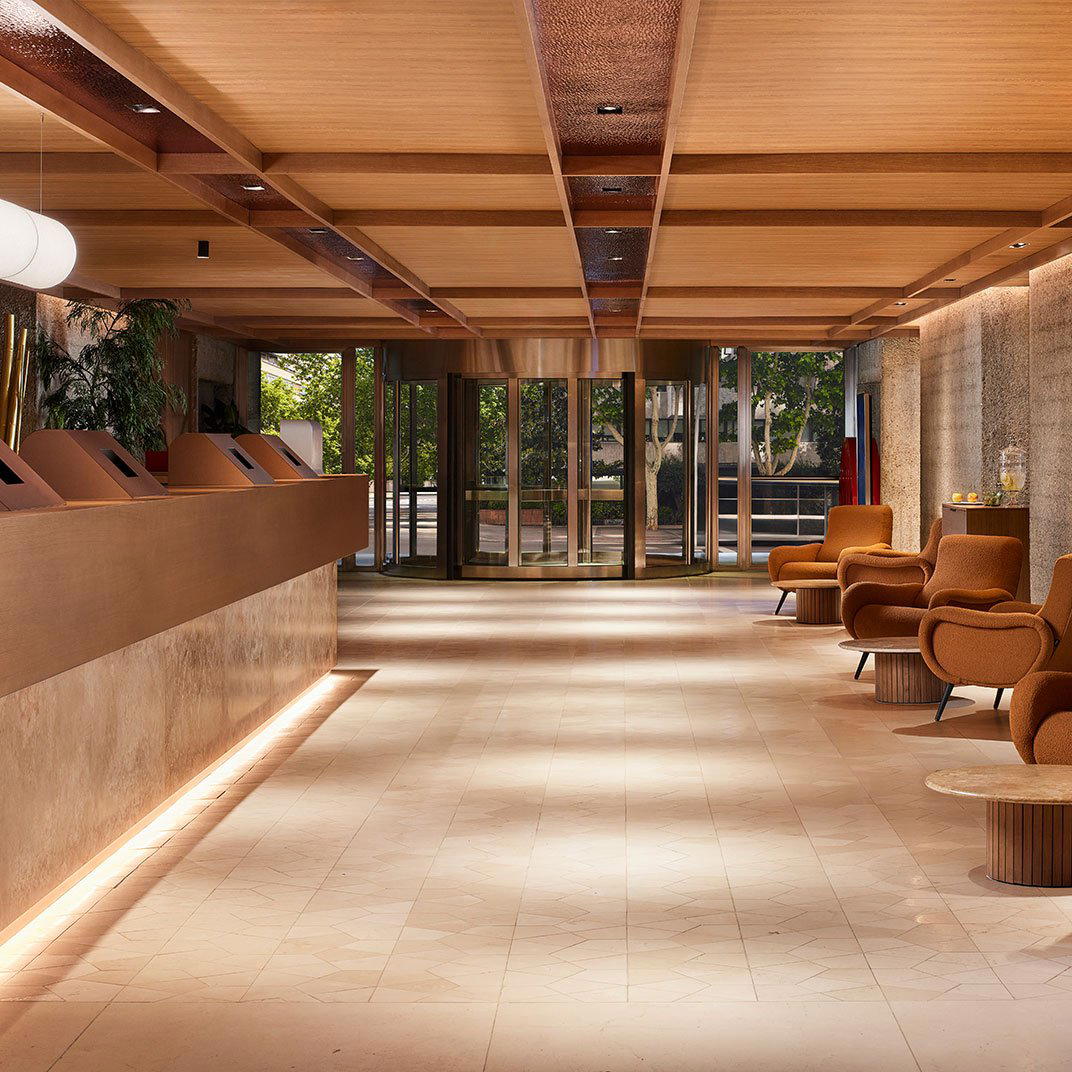
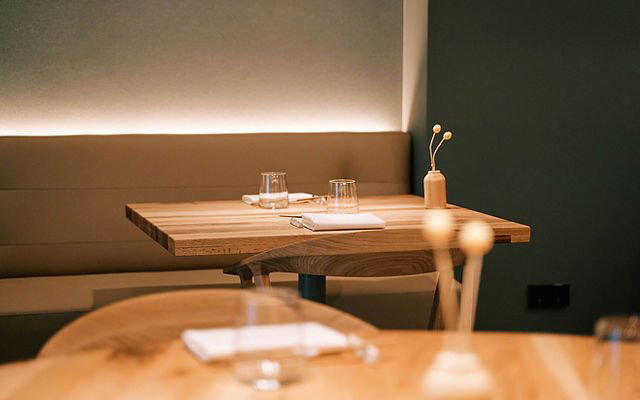
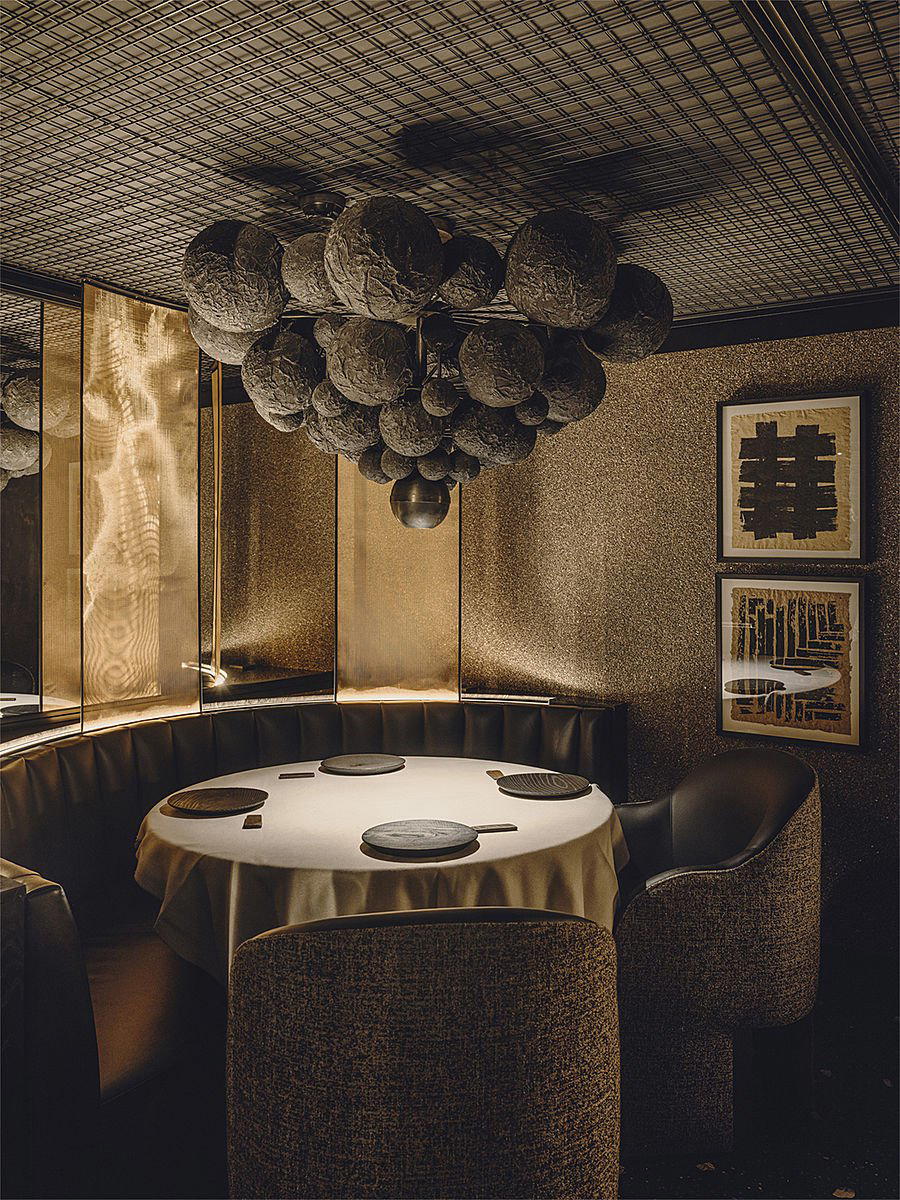
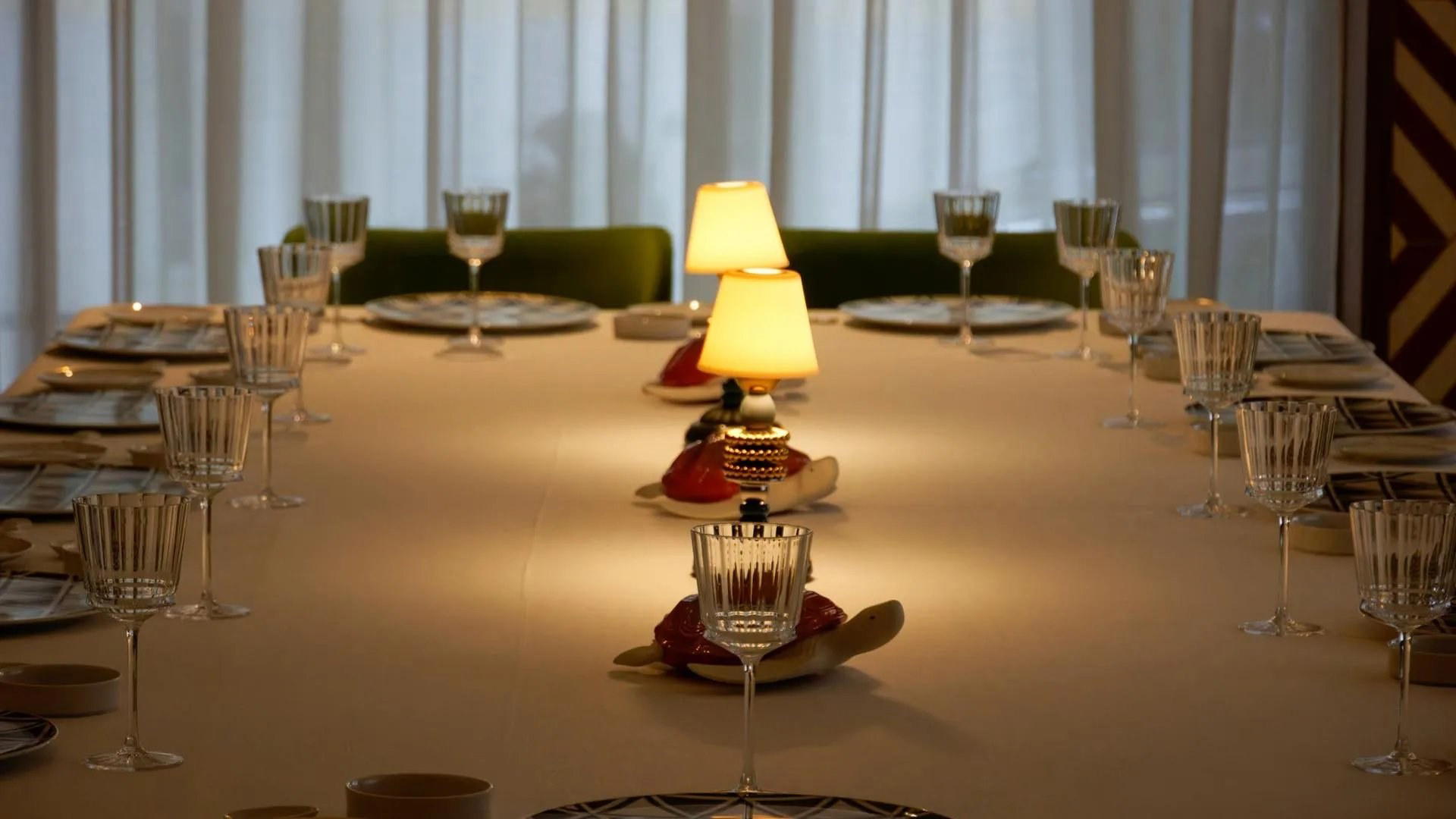
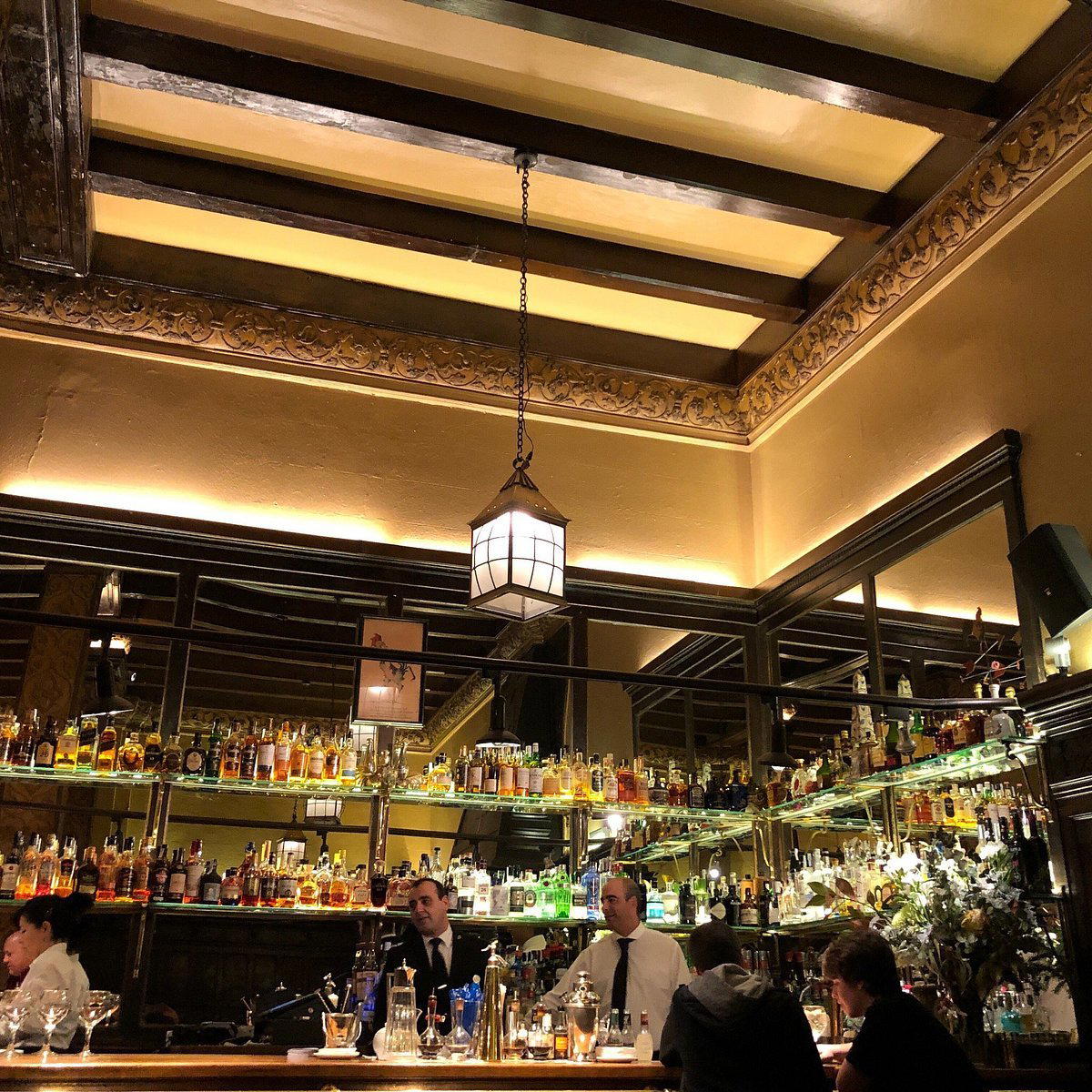
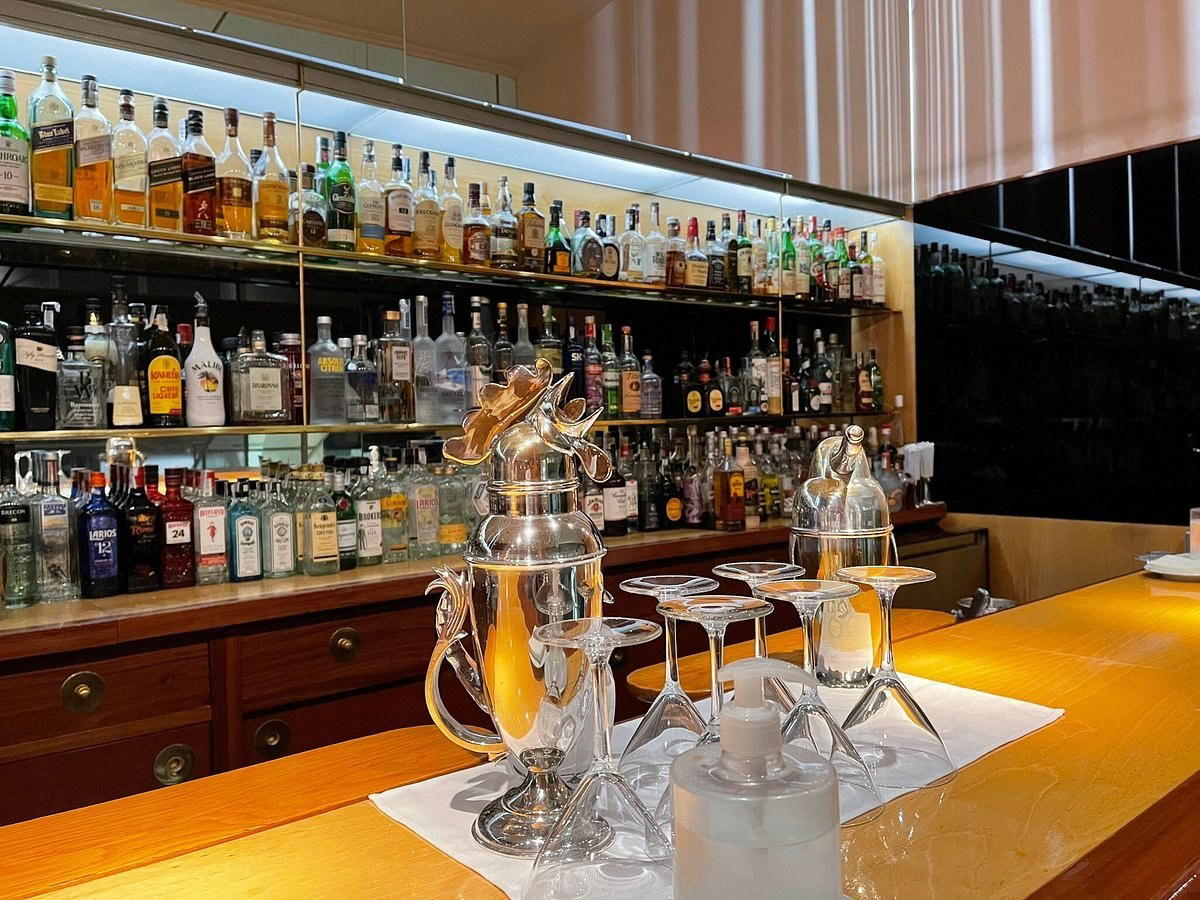
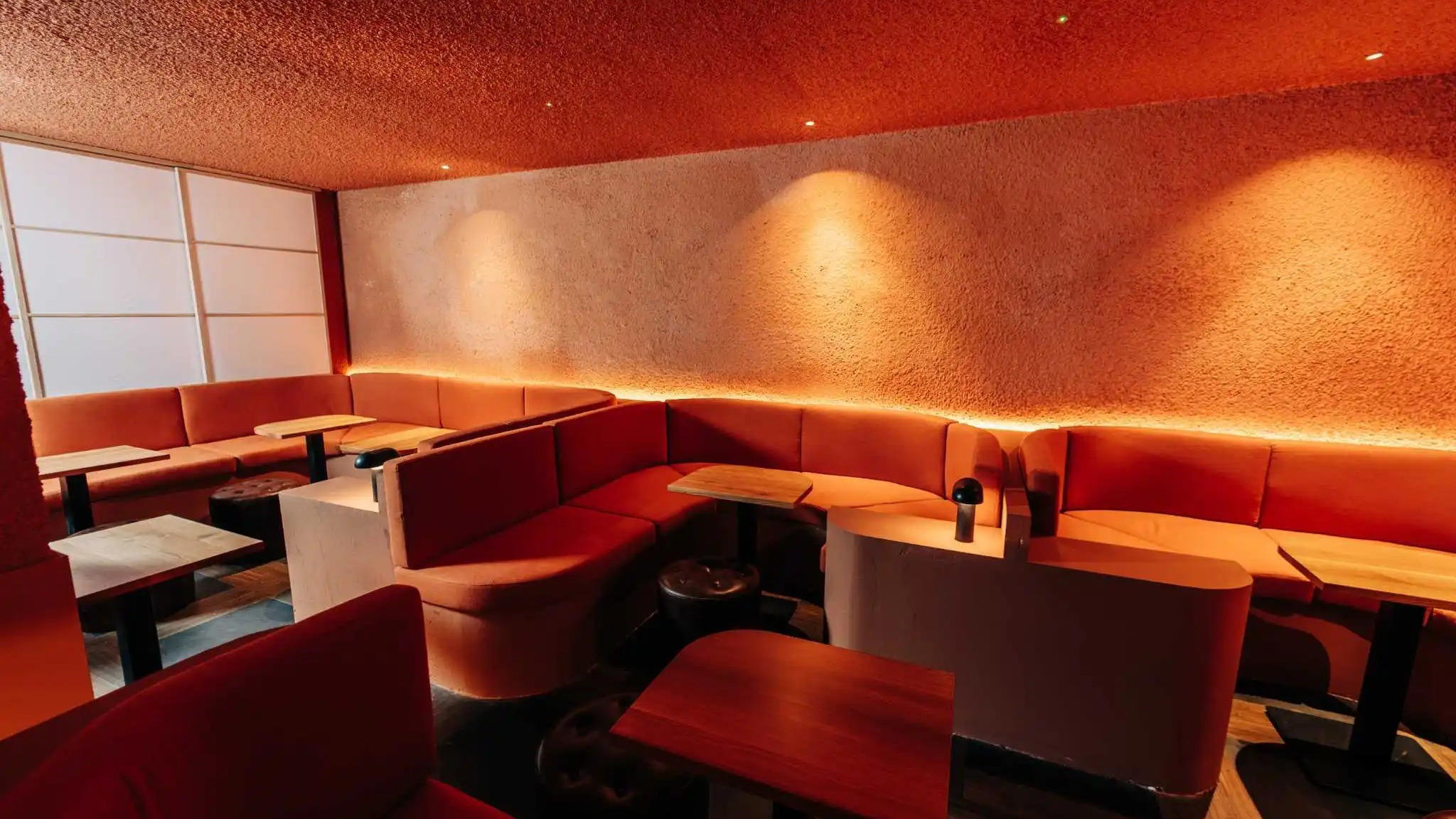
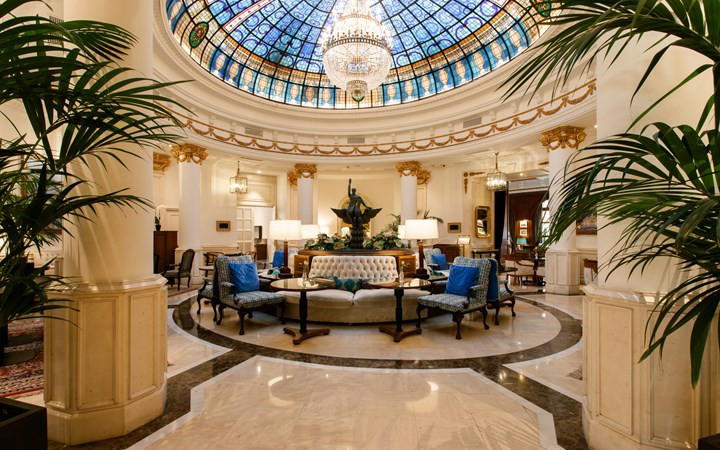
Spacious interior with high ceilings and wood as the main design element, rustic touches adding warmth and intimacy; energetic and lively atmosphere.