Sagardi en Euskal Etxea brings the rituals of the Basque txoko to central Madrid, operating out of the storied Basque cultural house on Calle de Jovellanos. The format follows the pintxos-and-asador tradition that defines San Sebastián's bar culture, translated for a Madrid address without concession to the capital's more formal dining habits. For anyone tracing Spanish regional cooking in the city, it represents one of the cleaner expressions of Basque culinary identity outside the País Vasco.
Pearl is the En Primeur Club membership app — saves, bookings, and concierge access live there. Same editors, same standards.
- Address
- C. de Jovellanos, 3, Centro, 28014 Madrid, Spain
- Phone
- +34915312564
- Website
- sagardi.com
- Directions
- Get directions
 Saves & bookings on Pearl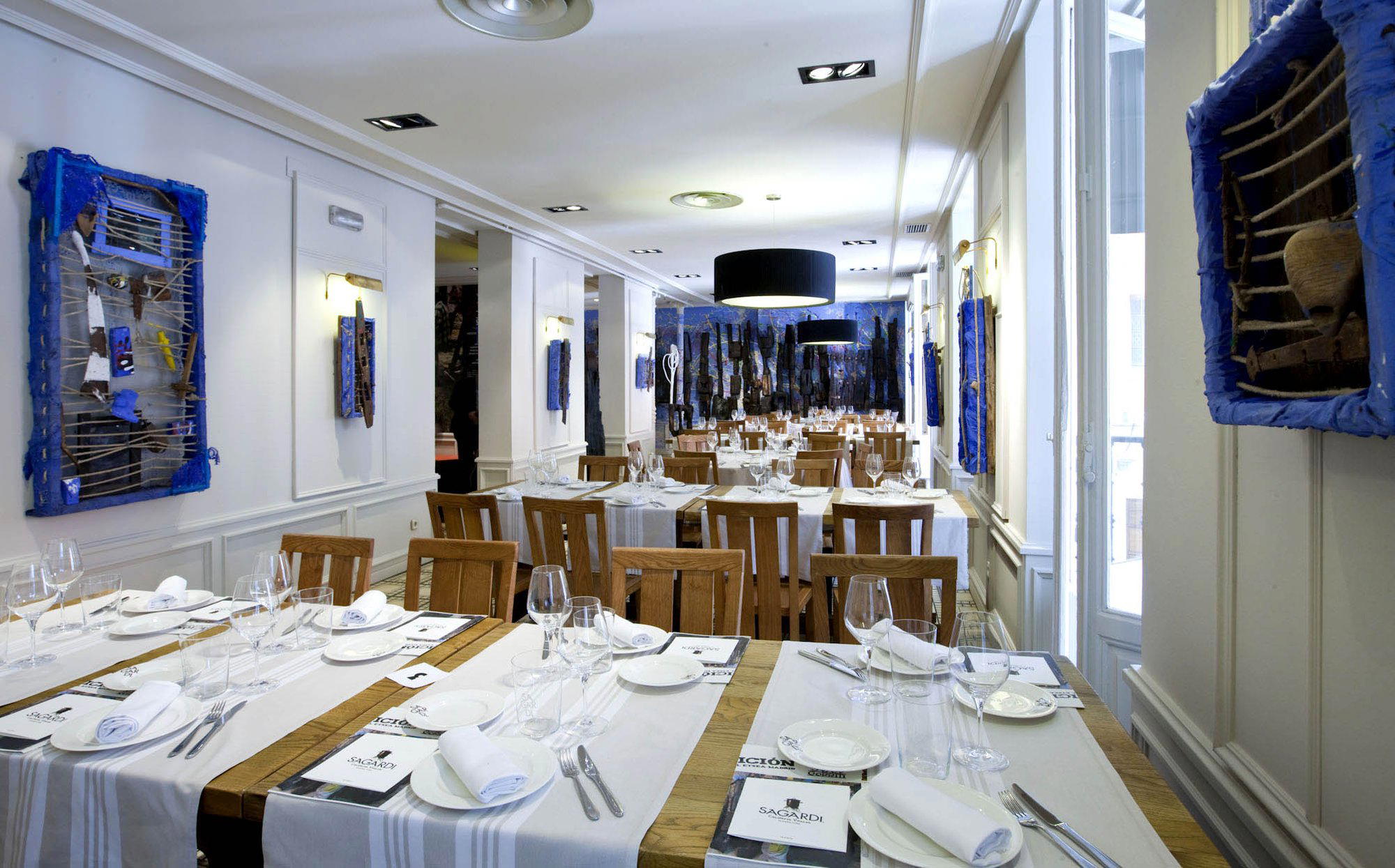
The Basque Counter in the Heart of Madrid
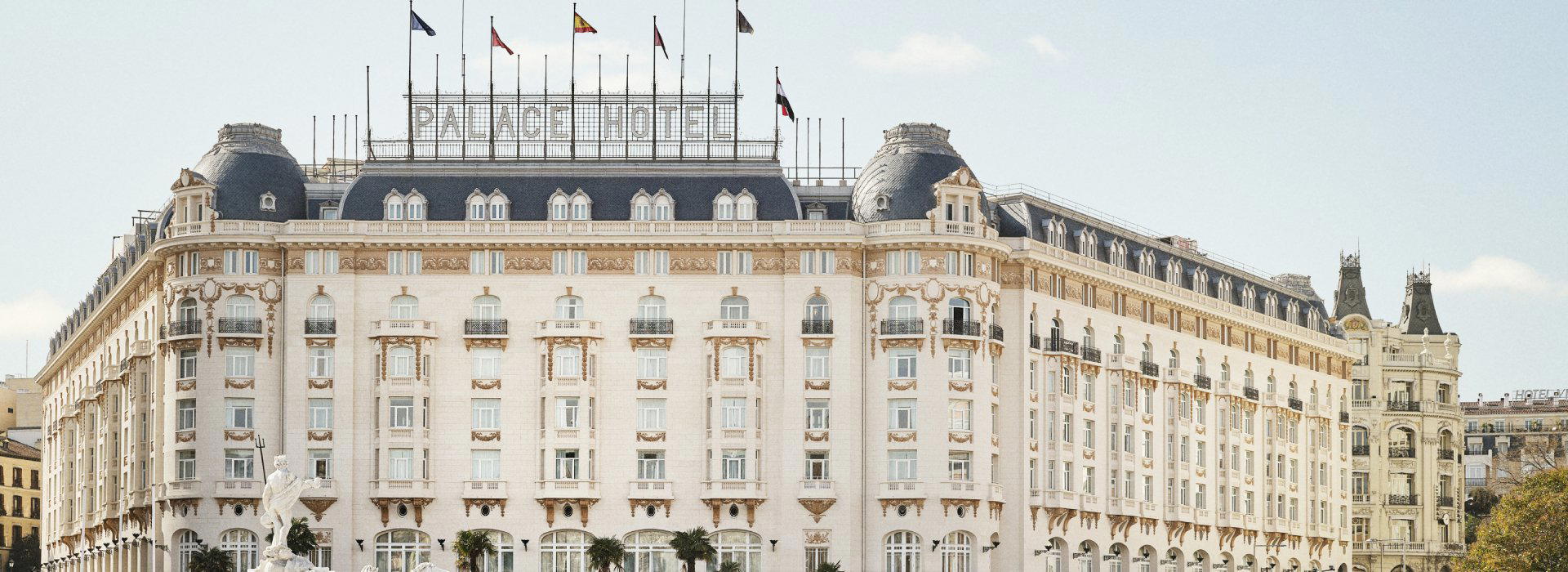
Walk into the Euskal Etxea building on Calle de Jovellanos and the architecture signals something different from the polished dining rooms of Madrid's Centro. The Basque cultural house serves as a community venue as well as a restaurant. That context matters. Sagardi en Euskal Etxea operates inside this framework, which means the experience carries a referential quality that most Basque-themed restaurants in non-Basque cities fail to replicate. You are not eating in a themed dining room; you are eating in a place that has a stated cultural function separate from the meal itself.
Madrid has a well-documented tradition of regional transplants. The city's role as the national capital means that nearly every Spanish culinary tradition has a foothold here, from Galician seafood houses near the Bernabéu to Castilian roasting restaurants in the old quarter. Basque cooking, however, occupies a particular status. The País Vasco holds a disproportionate share of Spain's Michelin stars, and the shadow of that reputation extends to every Basque-format restaurant operating in Madrid. Comparisons are unavoidable, but they occupy a different register entirely: long tasting menus, formal service, reservation windows measured in months. Sagardi en Euskal Etxea operates closer to the ground, in the tradition of the Basque bar rather than the Basque fine-dining room.
The Ritual of the Pintxos Counter
Basque bar culture is built around a specific set of unspoken rules. In San Sebastián, the pintxos counter is not a passive display; it is an active proposition that changes through the evening. Guests arrive, assess what is laid out, ask for what they want made fresh, and eat standing or perched at high tables before moving to another bar. The ritual has its own pacing, unhurried but not lingering, social but not loud, focused on the food without being reverent about it. Importing that format to Madrid requires a venue with enough institutional confidence to resist diluting it for the capital's habits.
The Basque pintxos tradition runs on a handful of core preparations: gildas (the canonical olive, anchovy, and guindilla skewer that gave pintxos their name), salt cod in various treatments, cured meats on bread, and whatever fresh produce the kitchen is working with. The format encourages repetition and comparison rather than the linear progression of a set menu. You might eat the same preparation twice because you want to think about it again. This is categorically different from the tasting-menu logic that drives DSTAgE or Paco Roncero, where sequence and surprise are the entire point. At a pintxos counter, the guest controls the rhythm.
Sagardi as a restaurant group has consistently applied this logic across its locations. The broader Sagardi operation has long been associated with the txuletón tradition, the thick-cut Basque rib steak cooked over wood fire that has become among the more discussed cuts in Spanish grilling culture. Whether the Euskal Etxea location runs the full asador program or focuses primarily on the counter format is something confirmed directly with the venue, given that configurations can differ across addresses. What the group's track record signals is a commitment to the Basque format.
Madrid's Basque Dining Scene in Context
For a more complete read on Basque cooking at its highest register, the source remains the País Vasco itself. Arzak in San Sebastián and Martin Berasategui in Lasarte-Oria represent the benchmark of what Basque haute cuisine has achieved over decades. Azurmendi in Larrabetzu and Mugaritz in Errenteria push further into conceptual territory. Spain's broader creative restaurant scene is well-mapped in venues like El Celler de Can Roca in Girona, Cocina Hermanos Torres in Barcelona, Quique Dacosta in Dénia, Aponiente in El Puerto de Santa María, Ricard Camarena in València, and Atrio in Cáceres. None of these are comparable in format or ambition to what a pintxos house offers, which is precisely the point: the pintxos counter answers a different question about what dining can be.
Within Madrid specifically, the Calle de Jovellanos address places Sagardi en Euskal Etxea close to the Teatro de la Zarzuela and a short walk from the Círculo de Bellas Artes, in a part of Centro that sees more institutional foot traffic than pure tourist circulation. That positioning aligns with the Euskal Etxea's function as a cultural centre for the Basque community in Madrid, and it shapes who tends to eat there: people with a specific reason to be in that building, rather than diners scrolling through neighbourhood options. It is a subtle distinction, but it affects the room's character in ways that price and format alone do not capture.
For comparison outside Spain, the counter-service format and the idea of eating multiple small preparations in sequence has parallels in cities like New York, where venues such as Atomix and Le Bernardin have built sustained reputations around sequential, focused meal structures, albeit in entirely different culinary traditions. The common thread is the meal as ritual rather than transaction.
Planning Your Visit
The restaurant is located at C. de Jovellanos, 3, in the Centro district of Madrid, 28014. The address sits inside the Euskal Etxea cultural house, which serves the broader Basque community in the capital. The restaurant is recommended for reservations and is open daily from 1 PM to 12 AM.
Quick reference: C. de Jovellanos, 3, Centro, 28014 Madrid.
Cuisine and Awards Snapshot
Comparable venues nearby, for context on price, style, and recognition.
| Venue | Cuisine | Price | Notes |
|---|---|---|---|
| Sagardi en Euskal EtxeaThis venue — the venue you are viewing | Traditional Basque Rotisserie | $$$ | Not listed |
| Los Montes de Galicia | Traditional Galician Haute Gastronomy | $$$ | Guindalera |
| Casa Julian de Tolosa | Basque Steakhouse | $$$ | La Latina |
| Casa Lucio | Traditional Castilian Spanish | $$$ | La Latina |
| La Mi Venta | Traditional Spanish Castilian | $$$ | Palacio |
| St. James Juan Bravo | Valencian Rice and Paella Specialist | $$$ | Castellana |
At a Glance
- Classic
- Rustic
- Elegant
- Group Dining
- Special Occasion
- Business Dinner
- Historic Building
- Private Dining
- Extensive Wine List
- Local Sourcing
Current opening hours
- Monday
- 1 PM–12 AM
- Tuesday
- 1 PM–12 AM
- Wednesday
- 1 PM–12 AM
- Thursday
- 1 PM–12 AM
- Friday
- 1 PM–12 AM
- Saturday
- 1 PM–12 AM
- Sunday
- 1 PM–12 AM
Hours can change for holidays and private events. Last verified .
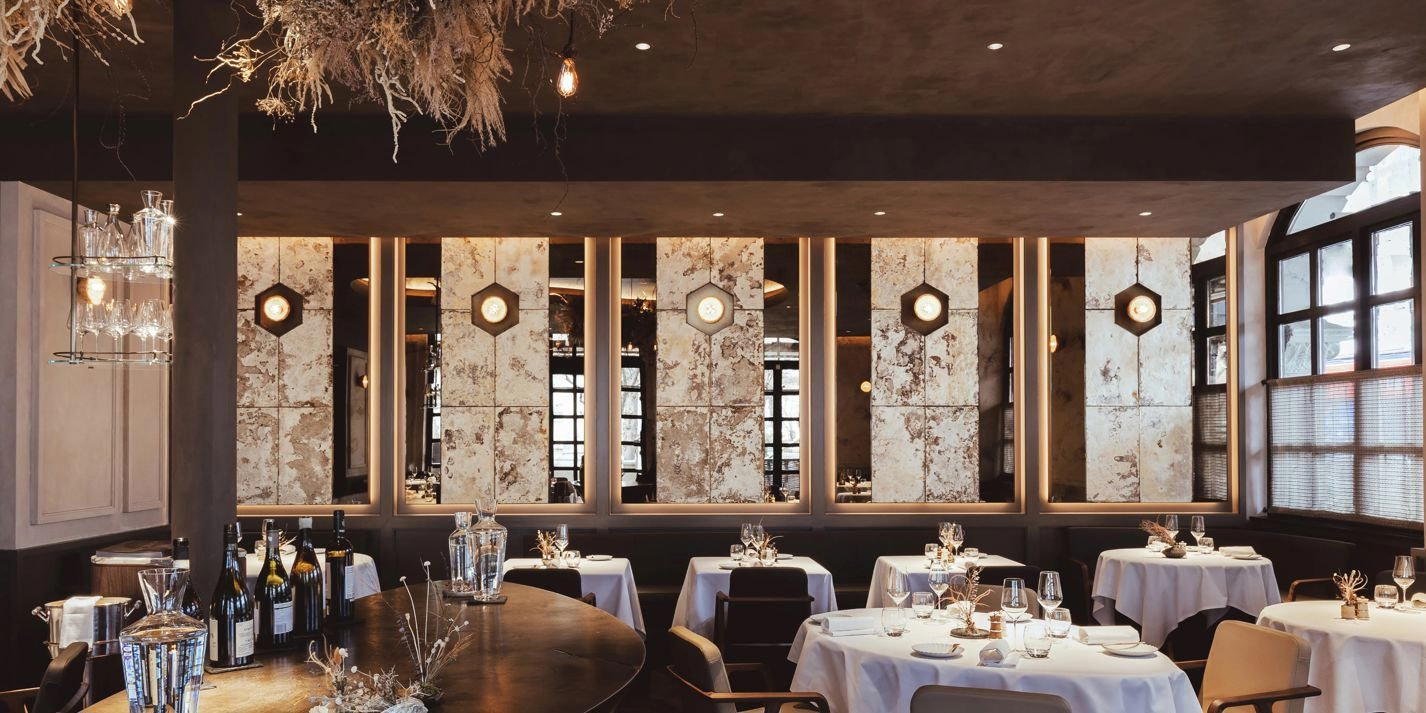
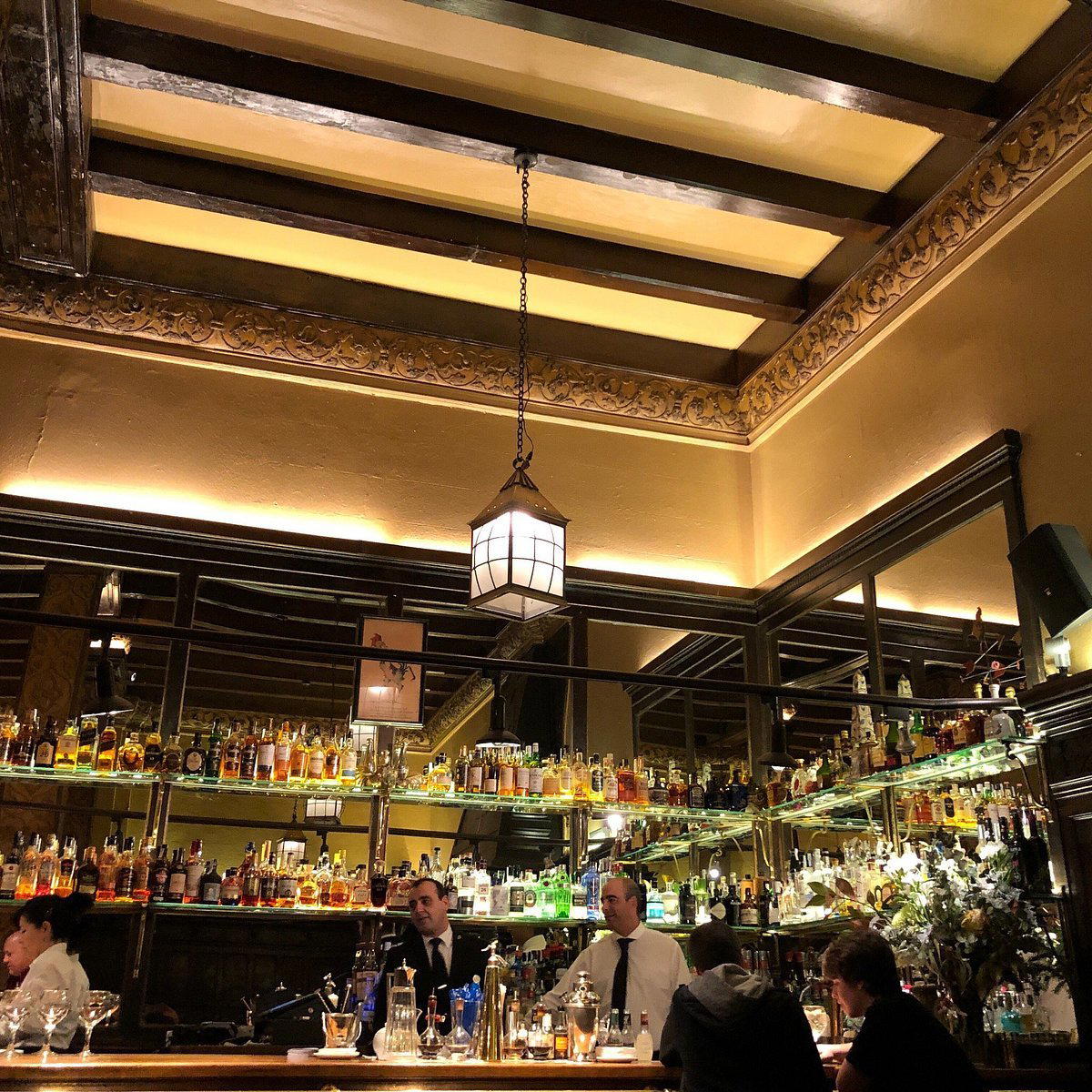
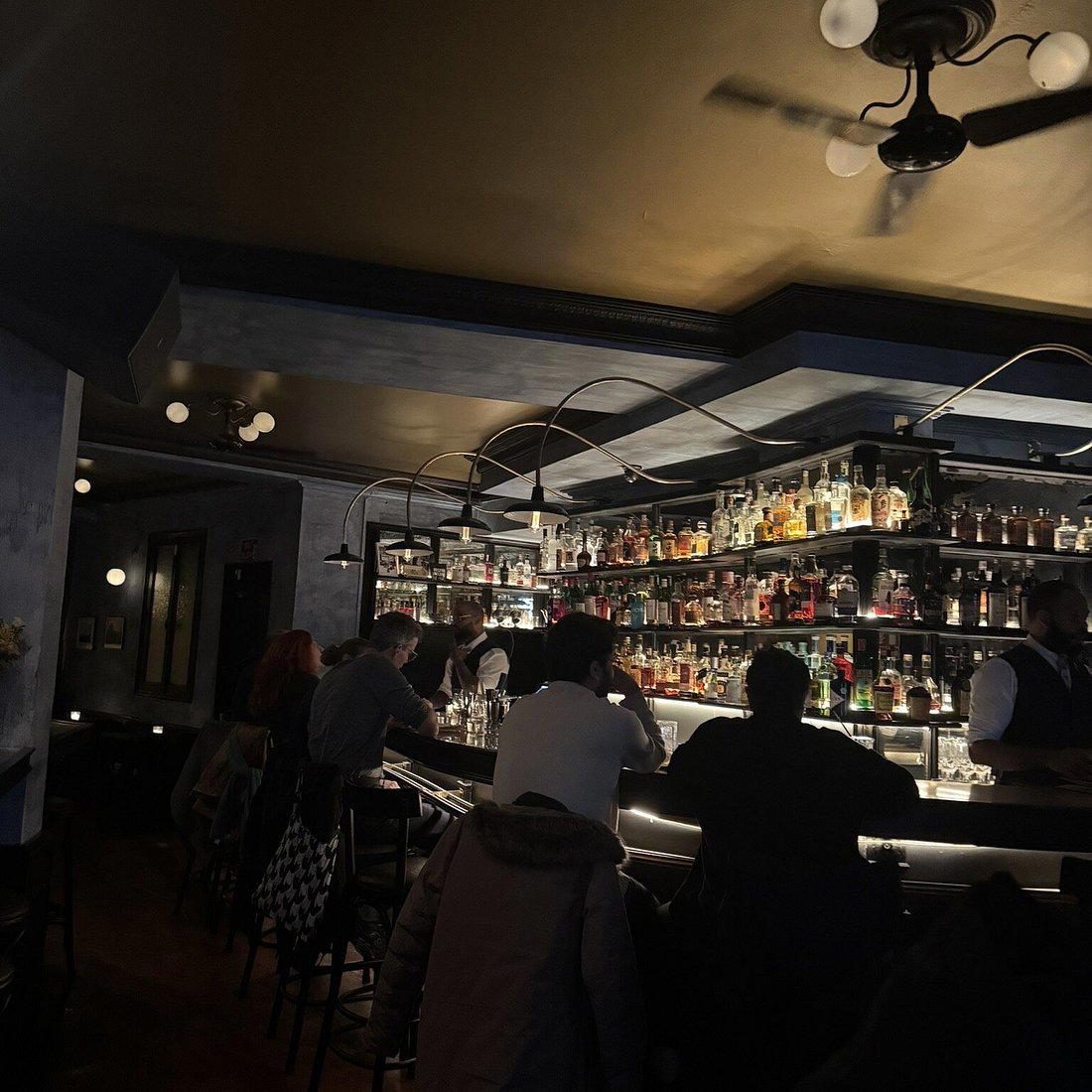
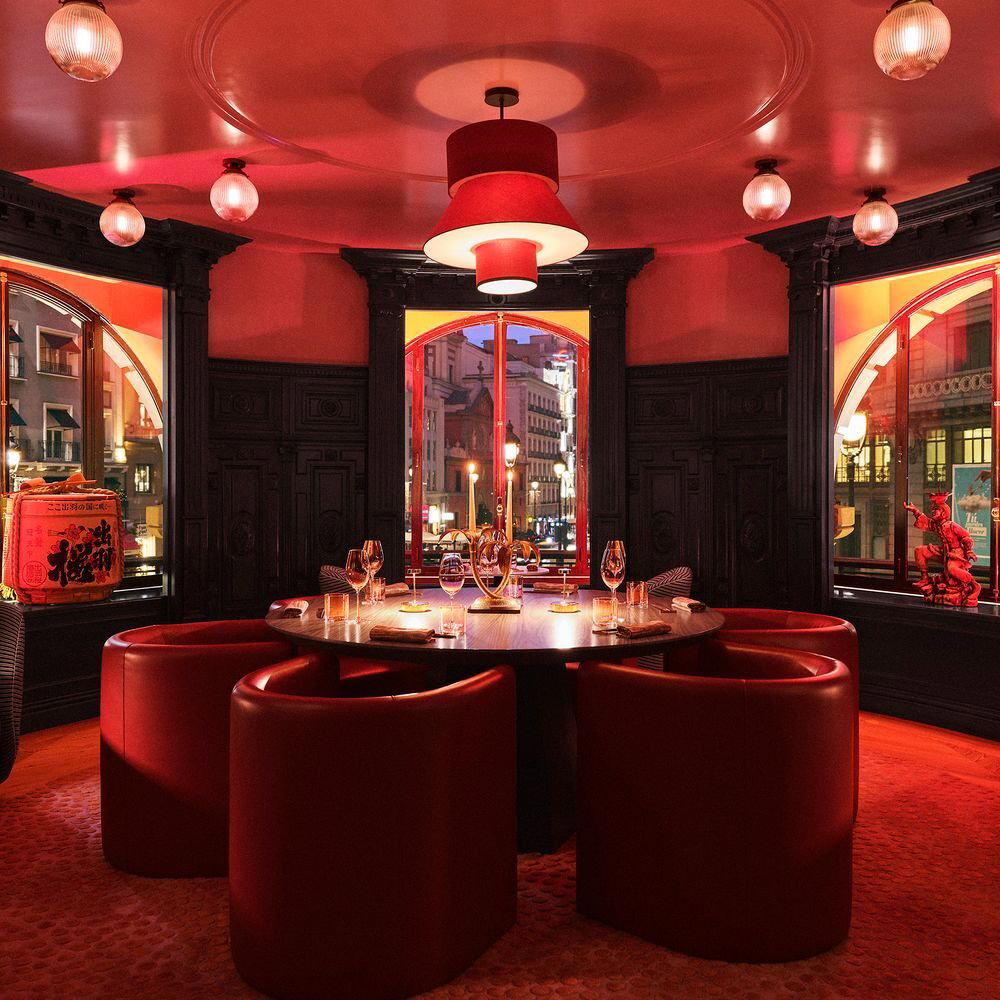
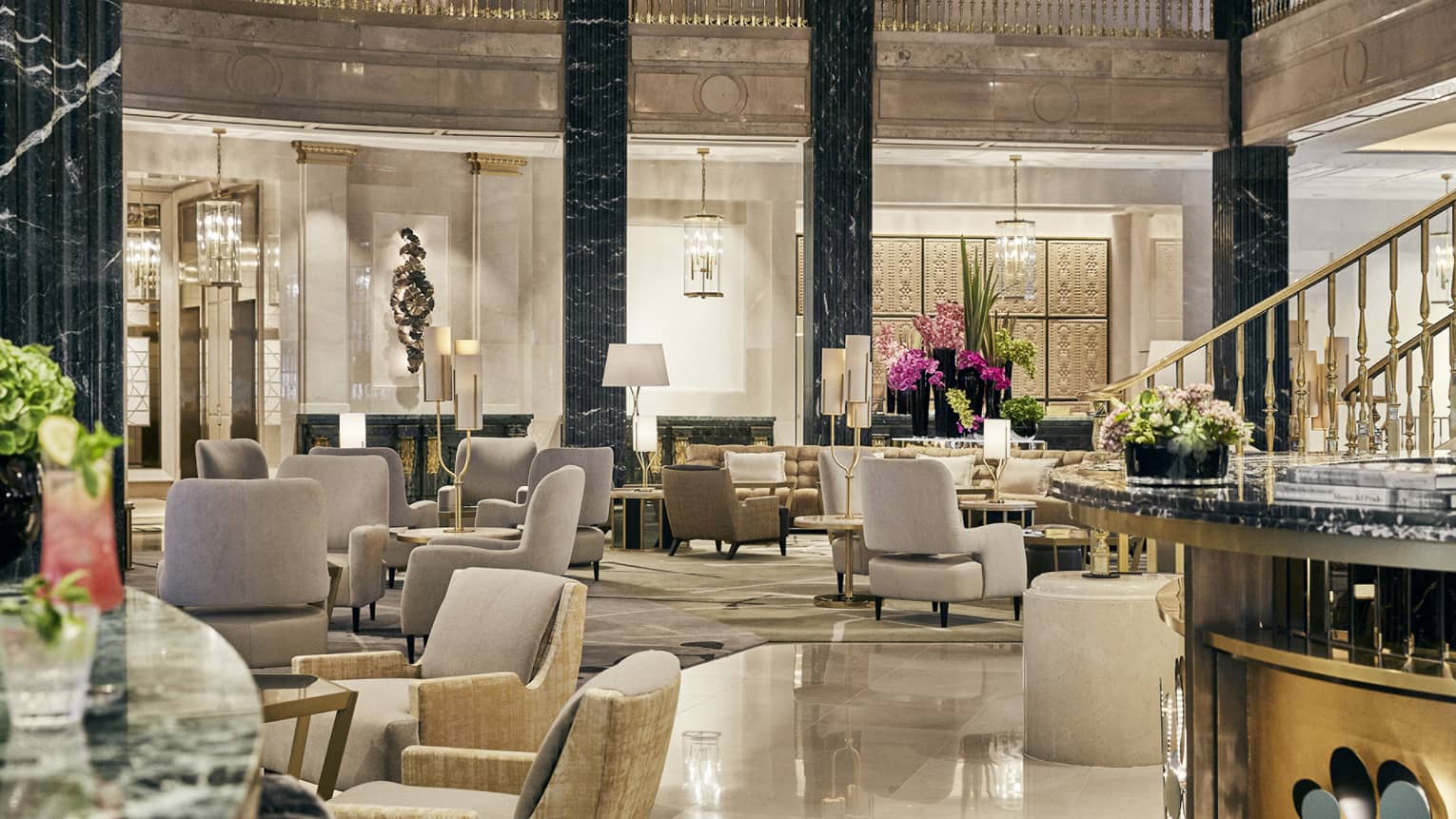
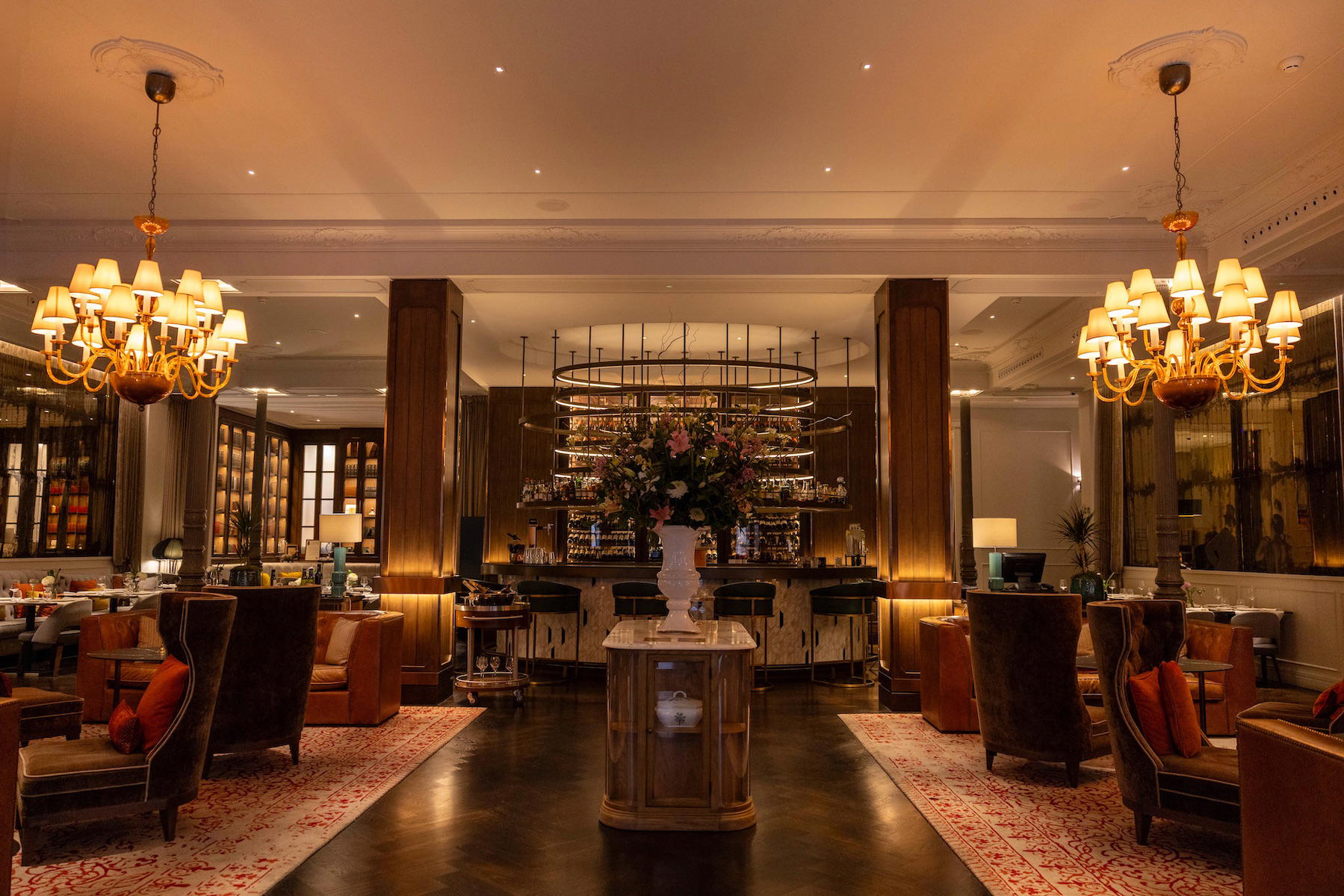
Formal and welcoming 19th-century atmosphere with classic decor, paintings of Basque landscapes, and a quiet, leisurely dining vibe.