Taverna Yol occupies a quiet address in Stuttgart's West district, where the city's appetite for neighbourhood restaurants with genuine sourcing credentials has grown steadily over the past decade. The name, Turkish for 'road' or 'way', signals a cooking tradition oriented around provenance and passage rather than spectacle. It sits in a Stuttgart dining tier defined more by ingredient discipline than by formal tasting-menu architecture.
Pearl is the En Primeur Club membership app — saves, bookings, and concierge access live there. Same editors, same standards.
- Address
- Spittastraße 2, 70193 Stuttgart, Germany
- Phone
- +497116363256
- Website
- tavernayol.de
- Directions
- Get directions
 Saves & bookings on Pearl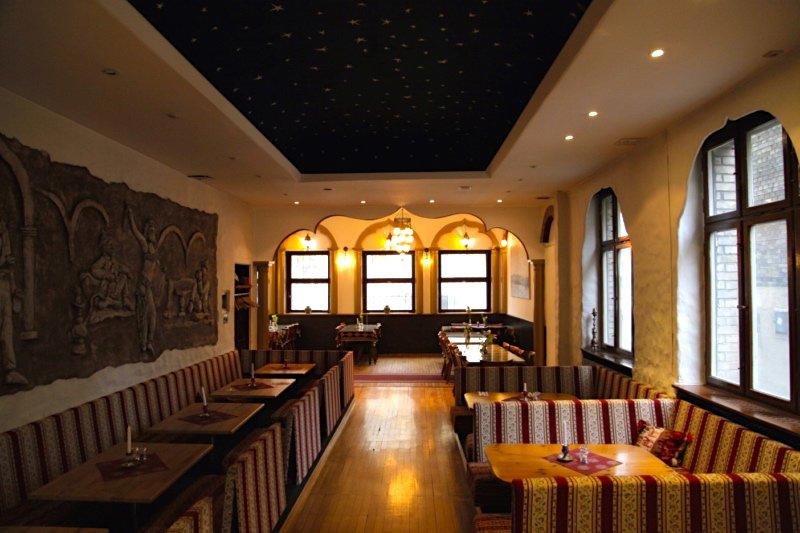
A Street in Stuttgart's West, and What It Says About the City's Eating Habits
Stuttgart's restaurant culture has long been divided between two gravitational pulls: the formal fine-dining corridor anchored by institutions like Speisemeisterei and Délice on one side, and the neighbourhood-rooted tavern tradition on the other. In the last several years, the space between those poles has grown more interesting. A generation of smaller restaurants has appeared in the city's residential districts, West, Süd, Nord, where the emphasis is on sourcing discipline and cooking confidence rather than ceremony. Taverna Yol is a Turkish and Mediterranean restaurant at Spittastraße 2 in Stuttgart, with.
The Spittastraße address places the restaurant in a part of the city that reads as residential before it reads as dining. Stuttgart-West is a dense, mixed neighbourhood: apartment blocks, small parks, bakeries that have been open for decades. The character of eating here is defined by regulars rather than tourists, and by the kind of loyalty that comes when a place consistently delivers what it promises. That context matters when thinking about what a taverna format means in this setting, it is a mode of hospitality built around return visits and ingredient familiarity, not one-off occasion dining.
The Ingredient Logic Behind the Taverna Format
Across European culinary traditions, the taverna model, whether Greek, Turkish, or broadly Mediterranean, has always been more honest about its supply chain than fine dining tends to be. The dishes are legible: grilled proteins, pulse-based preparations, pickled or cured vegetables, bread that arrives warm because it was made close by. The quality ceiling in this format is set almost entirely by what comes through the kitchen door before service, not by technique applied after the fact.
In Stuttgart, this sourcing logic connects to a broader regional pattern. Baden-Württemberg has one of Germany's more coherent local food economies: Swabian producers of lentils, spätzle flour, and cured meats have long supplied restaurants at multiple price points. The question a taverna in this city must answer is whether it draws on that regional supply or defaults to generic Mediterranean imports. The Yol address, and the cooking tradition its name invokes, suggests a kitchen interested in the former, in tracing a road (the literal meaning of yol in Turkish) between producer and plate.
This sourcing-first framing places Taverna Yol in a different competitive conversation than Stuttgart's tasting-menu houses. 5 and Hegel Eins operate at the modern-cuisine end of the spectrum, where technique and progression across courses are the primary value proposition. Der Zauberlehrling brings creative ambition to a slightly lower price tier. A taverna sits outside all of those comparable venues, its success metric is consistency and product quality, not innovation.
Stuttgart-West as a Context for Neighbourhood Dining
The neighbourhood restaurant model has been under pressure across German cities for the same reasons it has been under pressure elsewhere: rising food costs, staffing shortages, and the gravitational pull of delivery platforms that reward volume over craft. What has survived in Stuttgart-West, and in comparable residential quarters in cities like Munich and Hamburg, tends to be characterised by a tight, rotating menu, supplier relationships that predate the restaurant's current iteration, and a price point that reflects actual cost rather than perceived occasion value.
Germany's broader fine-dining tier offers useful comparators for understanding where the neighbourhood model sits. Houses like Schwarzwaldstube in Baiersbronn or Vendôme in Bergisch Gladbach operate at a remove from daily neighbourhood rhythms, they are destination restaurants in the fullest sense, where the journey is part of the proposition. Restaurant Haerlin in Hamburg and Aqua in Wolfsburg similarly anchor their identity in formal occasion dining. The taverna format inverts that logic entirely: the proposition is proximity and repetition, not pilgrimage.
Even internationally, the contrast holds. Le Bernardin in New York City and Atomix represent a tier of dining where the experience is constructed around controlled conditions and maximum remove from the ordinary. CODA Dessert Dining in Berlin reframes the course structure itself as the concept. Taverna Yol operates in a register that requires none of that scaffolding, the cooking tradition carries its own authority without needing a conceptual frame around it.
What the Name Implies About the Kitchen's Orientation
In Turkish, yol carries both a literal meaning (road, path, route) and a figurative one (way, manner, method). The name's duality is relevant: it gestures at both the geographical movement of ingredients and the methodological discipline of a kitchen that knows what it is doing and why. Restaurants that name themselves after concepts of passage or method tend to be making a statement about intentionality, about the choices that precede the cooking, not the flourishes that follow it.
For comparison, the sourcing-oriented approach that defines the better end of the taverna tradition in Germany connects to a lineage visible in kitchens across the country's mid-market. JAN in Munich, ES:SENZ in Grassau, and Schanz in Piesport all prioritise regional and seasonal supply as a structural commitment, not an afterthought. Victor's Fine Dining by Christian Bau in Perl and Waldhotel Sonnora in Dreis anchor their reputations in product quality at the highest price tier. The taverna format makes the same argument at a different register: the ingredient is the point, and the cooking's job is not to obscure it.
Know Before You Go
Address: Spittastraße 2, 70193 Stuttgart, Germany
Neighbourhood: Stuttgart-West
Phone: Not available
Website: Not available
Hours: Mon-Sat 5-11 PM; Sun 9:30 AM-11 PM
Reservations: Recommended
Price range: About $17 per person
Awards: None
Category Peers
Comparable venues nearby, for context on price, style, and recognition.
| Venue | Cuisine | Price | Notes |
|---|---|---|---|
| Taverna YolThis venue — the venue you are viewing | Authentic Turkish & Mediterranean | $$ | Not listed |
| Alaturka | Traditional Turkish Döner Kebab | $ | Gablenberg |
| Eat a Cut | Turkish Burger Fusion | $$ | Obertuerkheim |
| Aspendos | Authentic Turkish Grill | $$ | Gaisburg |
| vhy in plants we trust | Creative Vegan | $$ | Heslach |
| Valle | Authentic Italian Pizza and Pasta | $$ | Gablenberg |
Continue exploring
More in Stuttgart
Restaurants in Stuttgart
Browse all →
Bars in Stuttgart
Browse all →
Hotels in Stuttgart
Browse all →


At a Glance
- Cozy
- Classic
- Rustic
- Brunch
- Casual Hangout
- Group Dining
- Family
- Standalone
- Terrace
- Beer Program
- Local Sourcing
Current opening hours
- Monday
- 5–11 PM
- Tuesday
- 5–11 PM
- Wednesday
- 5–11 PM
- Thursday
- 5–11 PM
- Friday
- 5–11 PM
- Saturday
- 5–11 PM
- Sunday
- 9:30 AM–11 PM
Hours can change for holidays and private events. Last verified .
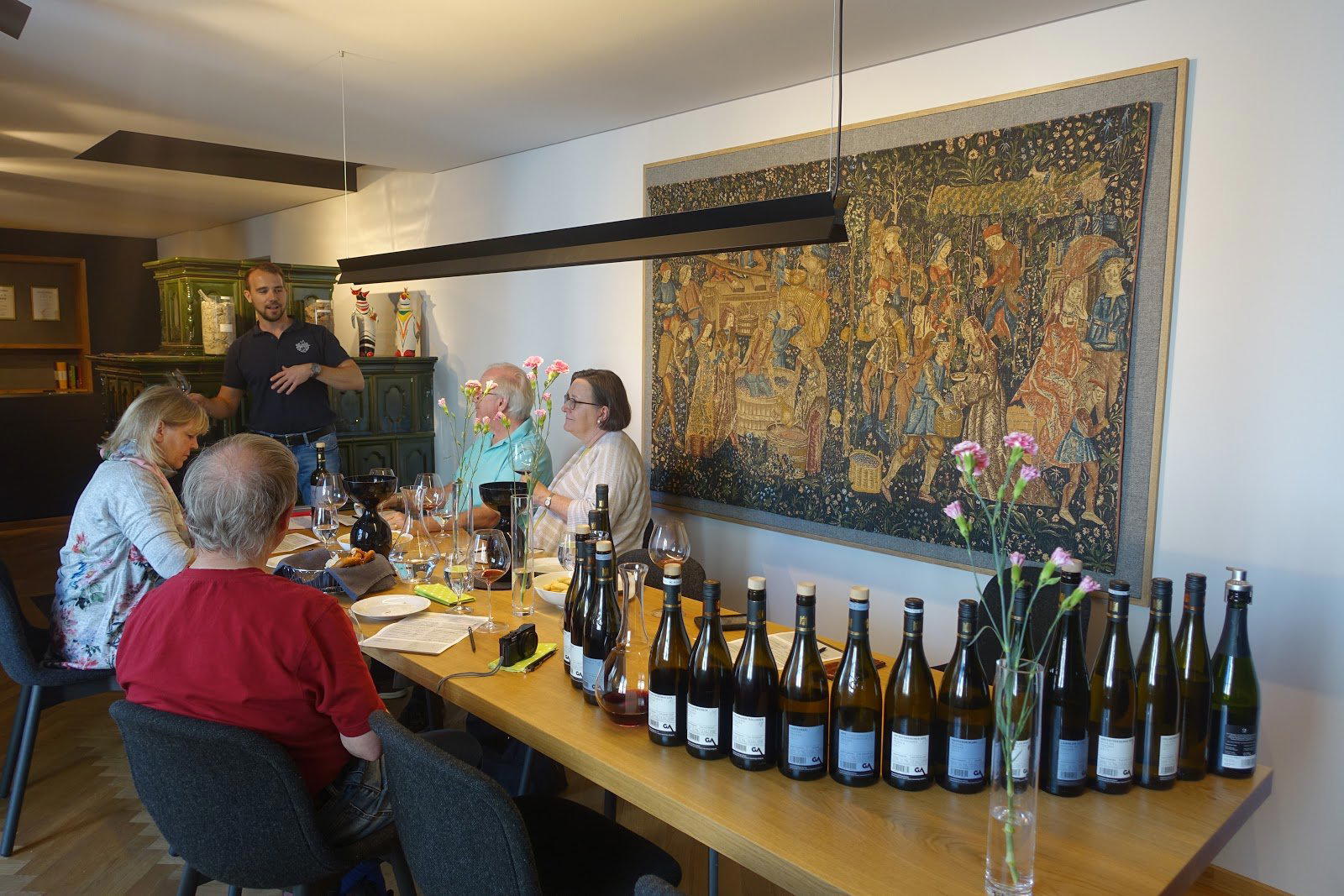
Warm oriental ambience with tasteful furnishings mixing traditional and modern elements, creating an inviting atmosphere that transports guests to Turkey.