Pinto Mama on Ludwigstraße sits within Stuttgart's mid-tier dining scene, where neighbourhood restaurants are quietly redefining what casual eating looks like in a city better known for its formal fine-dining addresses. The address in the 70197 postcode places it west of the centre, in a residential stretch that has attracted a small cluster of independently run kitchens operating outside the city's Michelin orbit.
Pearl is the En Primeur Club membership app — saves, bookings, and concierge access live there. Same editors, same standards.
- Address
- Ludwigstraße 99, 70197 Stuttgart, Germany
- Phone
- +4971135146509
- Website
- pinto-mama.de
- Directions
- Get directions
 Saves & bookings on Pearl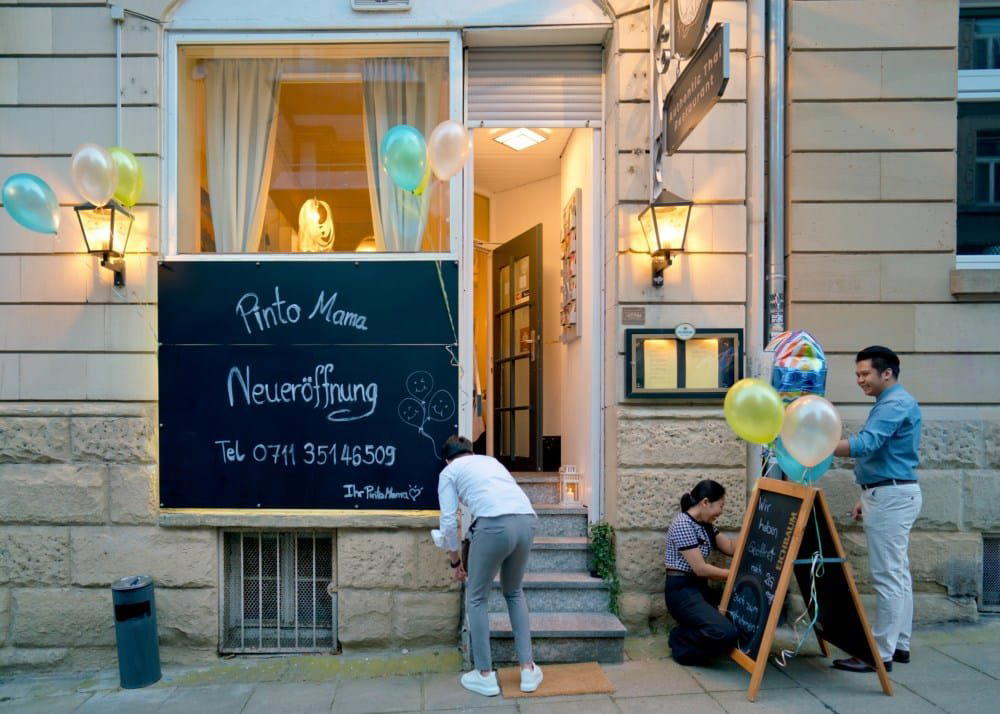
Stuttgart's Westend and the Neighbourhood Restaurant Question
Pinto Mama is an authentic Thai restaurant at Ludwigstraße 99 in Stuttgart, Germany. Stuttgart has a reputation built on formality. Its Michelin-starred rooms, from the creative tasting formats at Speisemeisterei and Délice to the precise modern cuisine at 5 and the inventive approach at Der Zauberlehrling, have long defined how the city positions itself on the German dining map. But the more telling shift over the past several years has not happened in those rooms. It has happened in the residential neighbourhoods west and north of the centre, where a quieter generation of independent kitchens has opened along streets better known for their bakeries and wine bars than for their culinary credentials.
Pinto Mama on Ludwigstraße, in the 70197 postcode that covers Stuttgart's Westend district, sits inside that broader pattern. The address is telling: Ludwigstraße is a neighbourhood artery rather than a destination strip, the kind of street where a restaurant earns its clientele through consistency rather than prestige press. In German cities of Stuttgart's size, that distinction matters. The fine-dining circuit and the neighbourhood circuit rarely overlap, and the venues that succeed in the latter tend to do so on repeat business and word-of-mouth rather than award cycles.
How Stuttgart's Independent Dining Scene Has Shifted
To understand where a venue like Pinto Mama sits, it helps to understand what has changed in German mid-market dining over the past decade. The post-2015 period saw a wave of internationally influenced, informally structured kitchens open across Stuttgart's inner neighbourhoods, partly in response to a generation of diners more comfortable with open kitchens and shorter menus than with the trolley service and extended wine rituals of classic German haute cuisine. Venues like Hegel Eins represent one version of that turn: modern cuisine that references European technique without anchoring itself to a single national tradition.
This trajectory mirrors what has happened in Germany's other serious dining cities. In Munich, the shift toward chef-driven neighbourhood restaurants running compact formats produced places like JAN. In Berlin, particularly discussed new openings have increasingly come from outside the traditional fine-dining format, with venues such as CODA Dessert Dining demonstrating that format experimentation is not limited to the capital's bar scene. Stuttgart's own evolution has been more measured, which makes the presence of independently run kitchens on streets like Ludwigstraße a meaningful data point rather than an anomaly.
The restaurant serves a more direct version of that dining shift: an approachable neighbourhood meal rooted in consistency rather than ceremony.
Reading an Address Without a Full Record
The restaurant's public details are limited, but the record does confirm its authentic Thai cuisine, casual dress code, recommended reservations, and an approximate price of $20 per person. That absence is not in itself a negative signal. Many of Stuttgart's most reliably good neighbourhood kitchens operate below the review threshold that produces formal accolades. Germany's Michelin map rewards a specific set of attributes, and the venues that sit outside that framework, whether by format, price, or ambition, often receive less coverage than their quality would justify.
What the address does confirm is context. Ludwigstraße 99 in Stuttgart-West is not a tourist-facing location. It is a residential address in a mixed postcode that has seen steady independent food and drink openings over the past several years. Venues on that stretch tend to draw from the surrounding neighbourhood first, with destination traffic arriving later, if at all. That pattern suggests a kitchen built around repeat custom rather than one-time occasions, which in Germany's mid-tier dining culture is often a mark of operational seriousness.
For comparison, the Westend's trajectory as a dining neighbourhood mirrors what happened in Hamburg's Eppendorf and Munich's Maxvorstadt districts roughly five to eight years earlier: incremental, neighbourhood-driven, and largely invisible to the award infrastructure until a critical mass of openings made the area impossible to ignore.
Where Pinto Mama Fits the City's Reinvention
Stuttgart's dining identity has been in slow reinvention for the better part of a decade. The city's formal fine-dining rooms, anchored by institutions built over generations, coexist with a newer layer of independently operated kitchens that draw on looser influences and shorter formats. That second layer is where the city's food culture is currently most active, and it is the layer that a venue at Ludwigstraße 99 is most likely inhabiting.
The broader German fine-dining circuit for context includes addresses like Waldhotel Sonnora in Dreis, Restaurant Haerlin in Hamburg, Schanz in Piesport, and ES:SENZ in Grassau. Internationally, the model of technically serious cooking in informal neighbourhood settings has been refined at places like Le Bernardin in New York City and Atomix in New York City, though those operate at a price and prestige level far removed from a Westend neighbourhood address in Stuttgart.
The more instructive comparison for the restaurant is with Stuttgart's own mid-market tier: venues in the €€-€€€ range that have carved out a loyal local audience by maintaining quality and consistency without chasing formal recognition. That is the competitive set that matters here, and it is one that Stuttgart's dining public has become increasingly sophisticated at evaluating on its own terms.
Planning a Visit
The restaurant's address, Ludwigstraße 99, 70197 Stuttgart, sits within the Westend and is reachable by S-Bahn and U-Bahn connections through Stuttgart's central network. The Westend is a walkable district, and several independently run wine bars and café kitchens operate within a short radius, making it a reasonable base for an evening that moves across more than one address. Reservations are recommended, especially for larger groups or weekend evenings.
Cuisine Context
Comparable venues nearby, for context on price, style, and recognition.
| Venue | Cuisine | Price | Notes |
|---|---|---|---|
| Pinto MamaThis venue — the venue you are viewing | Authentic Thai | $$ | Not listed |
| Kwan Kao - Taste of Thailand | Authentic Thai | $$ | Heslach |
| Sabai-Sabai | Authentic Thai Street Food | $$ | Gablenberg |
| Ebony | East African Aromaküche | $$ | Gablenberg |
| Food Bazar | Urban Café & Deli | $$ | Gablenberg |
| Buddiez Burger | Craft Burgers & Fries | $$ | Gaisburg |
Continue exploring
More in Stuttgart
Restaurants in Stuttgart
Browse all →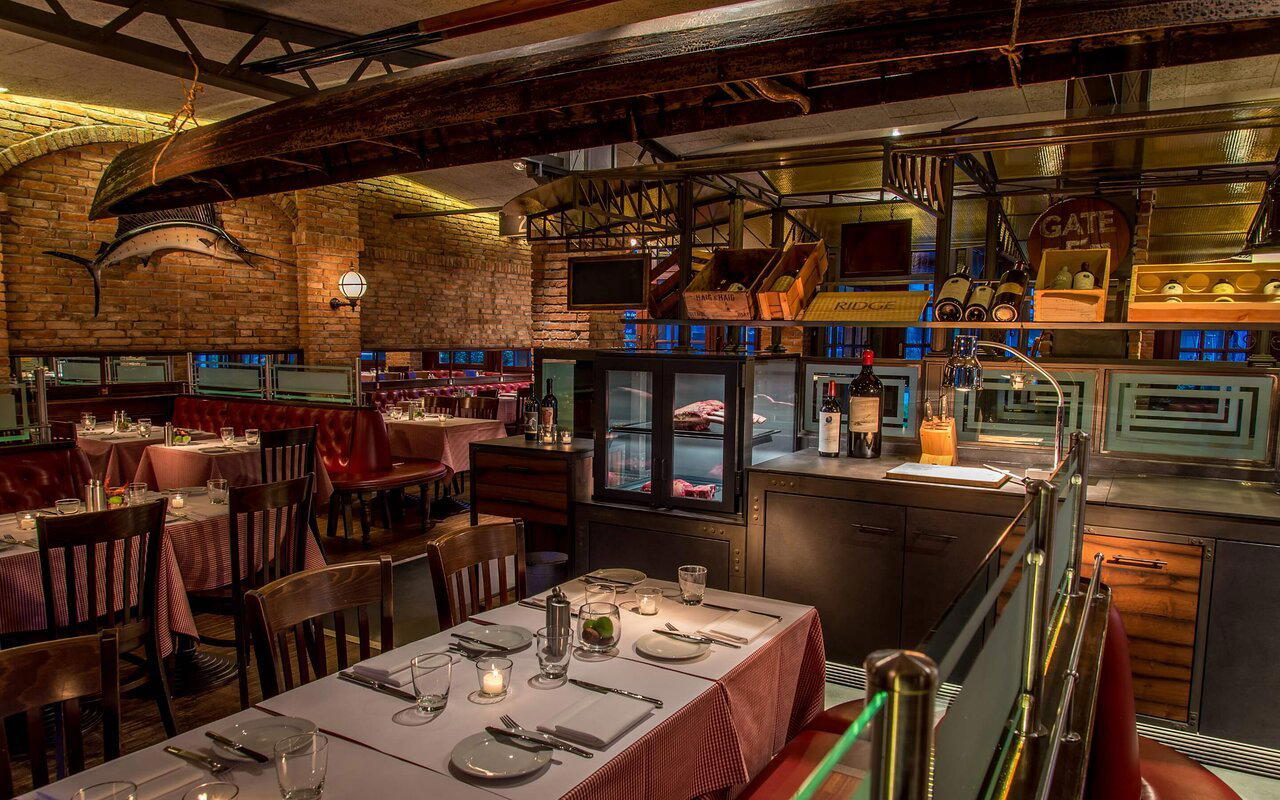
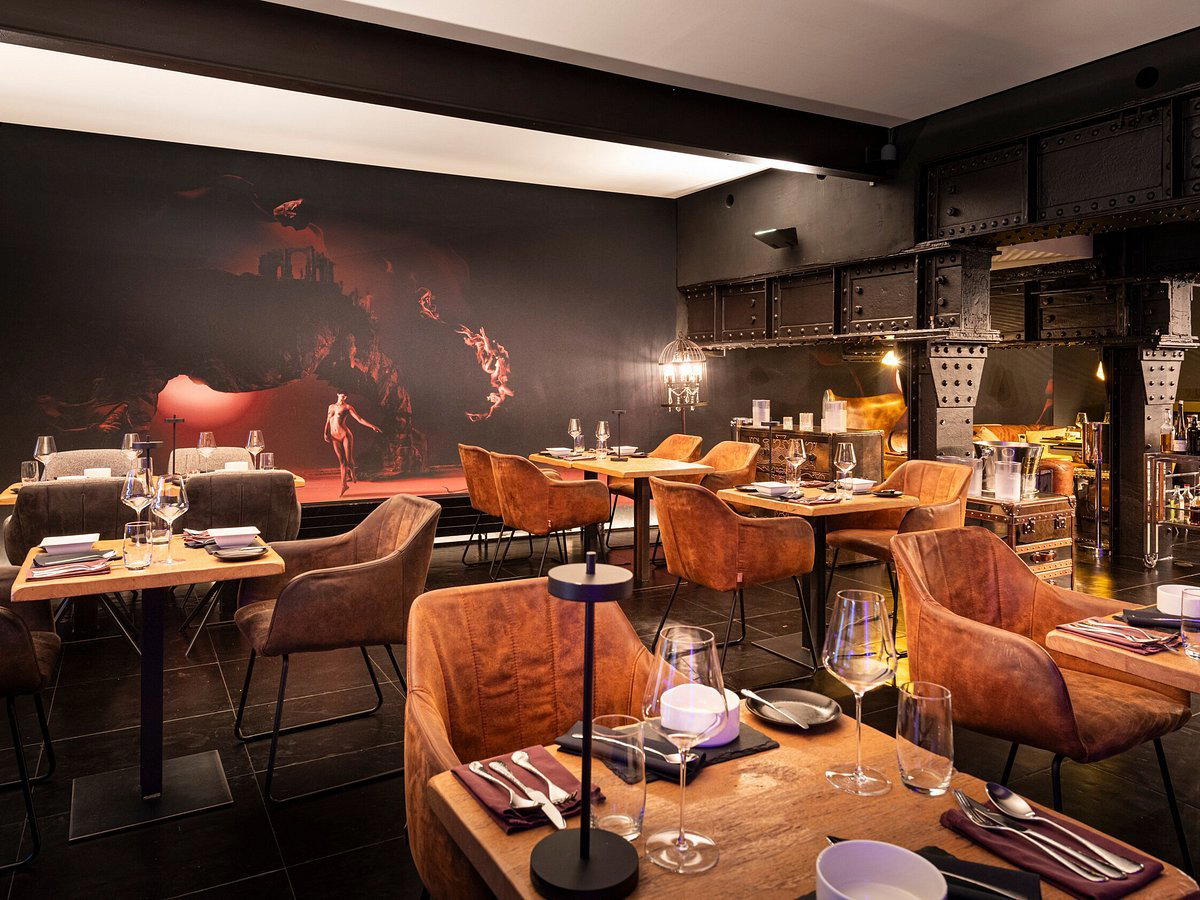
Bars in Stuttgart
Browse all →

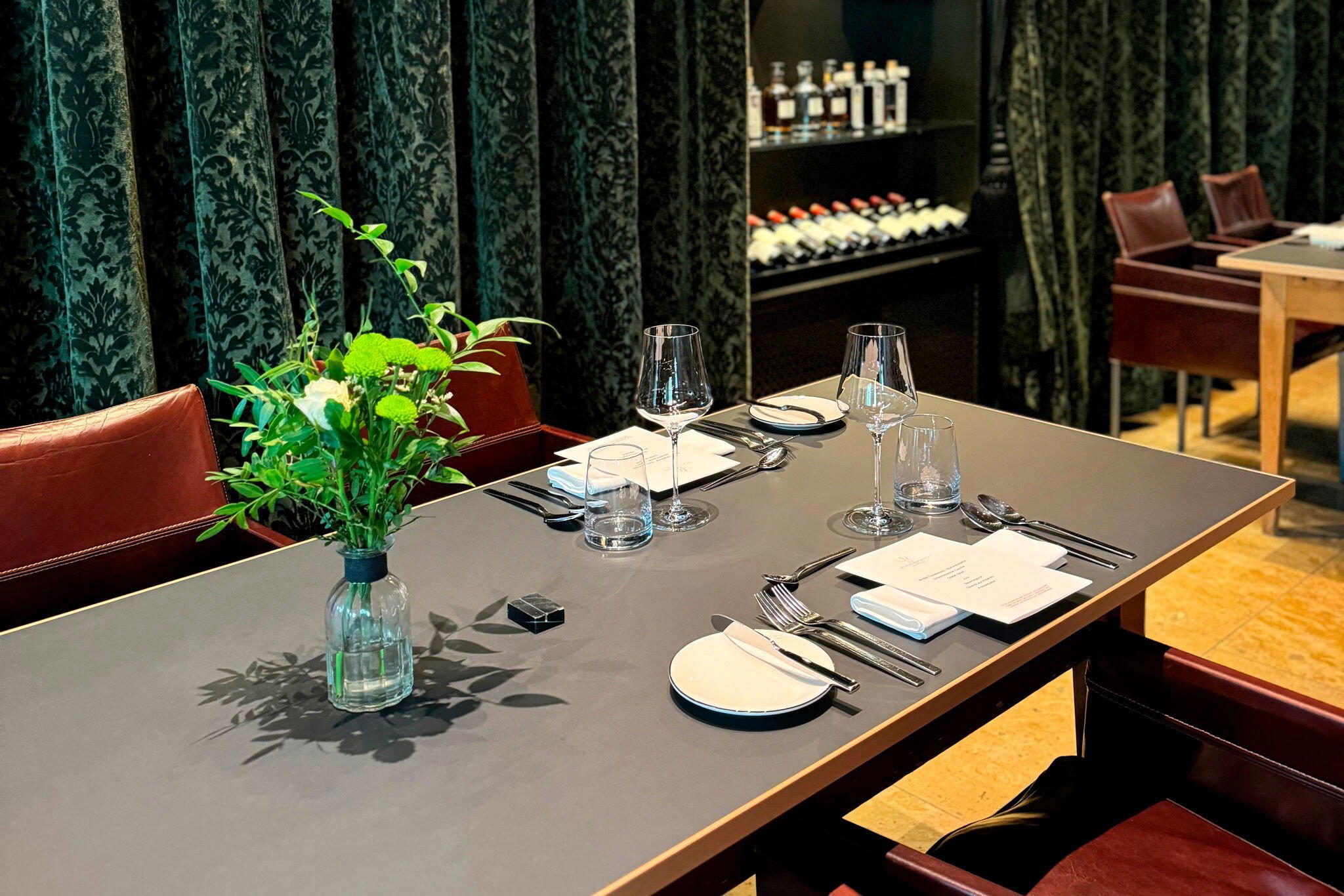
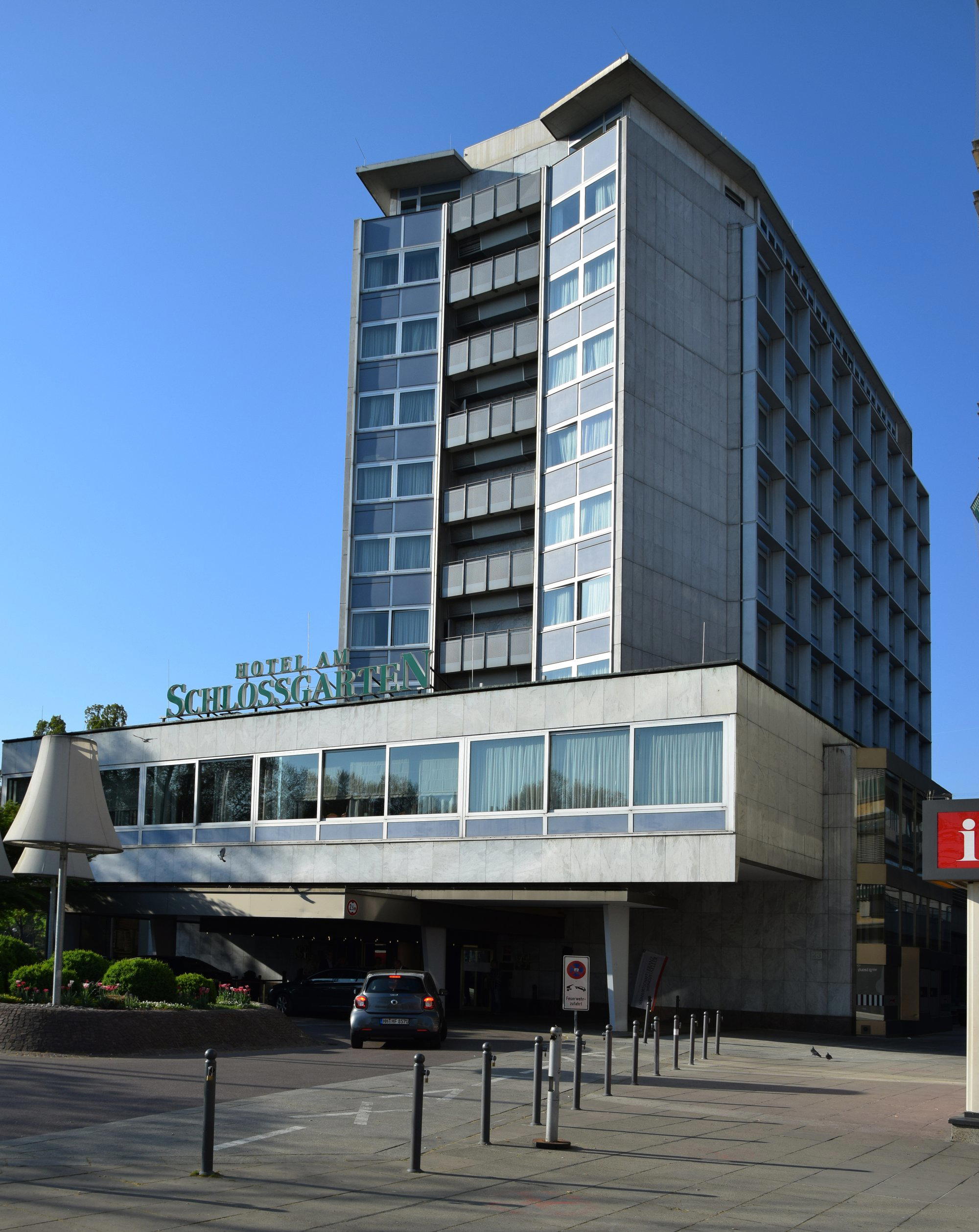
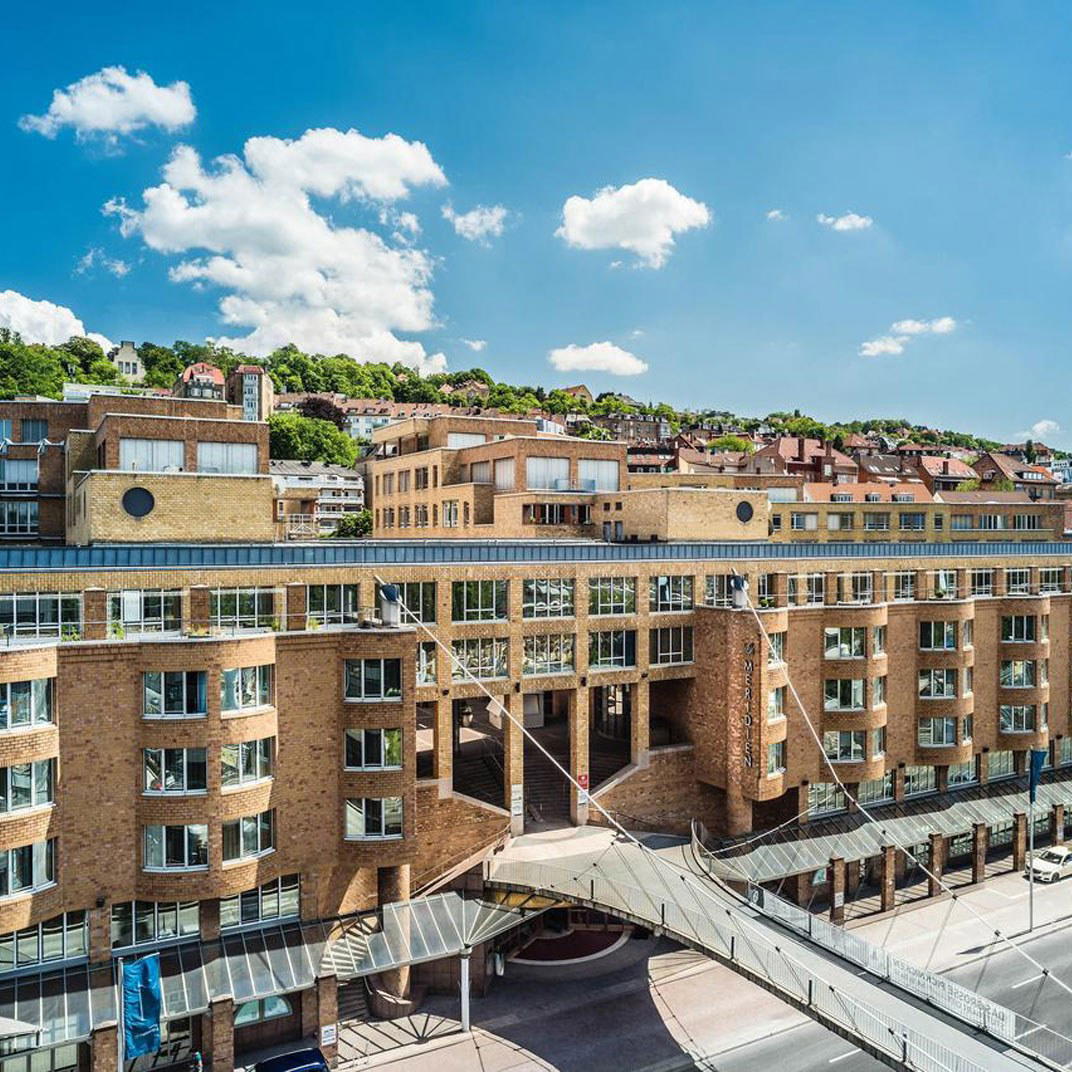
Hotels in Stuttgart
Browse all →

At a Glance
- Cozy
- Intimate
- Casual Hangout
- Standalone
Current opening hours
- Monday
- 11:30 AM–3 PM, 5–9:30 PM
- Tuesday
- 11:30 AM–3 PM, 5–9:30 PM
- Wednesday
- 11:30 AM–3 PM, 5–9:30 PM
- Thursday
- 11:30 AM–3 PM, 5–9:30 PM
- Friday
- 11:30 AM–3 PM, 5–10 PM
- Saturday
- 5–10 PM
- Sunday
- 3–9:30 PM
Hours can change for holidays and private events. Last verified .
Cozy and hospitable atmosphere in a small restaurant with a welcoming team.