On Via Dante Alighieri in central Padua, Sì Streetalian Food occupies the productive middle ground between Italian street-food tradition and international casual formats. The name telegraphs the concept directly: Italian ingredients and technique filtered through the informal register of global street eating. For visitors working through Padua's mid-range dining scene, it offers a lower-commitment entry point than the city's classic trattoria circuit.
Pearl is the En Primeur Club membership app — saves, bookings, and concierge access live there. Same editors, same standards.
- Address
- Via Dante Alighieri, 42, 35139 Padova PD, Italy
- Phone
- +39497386254
- Website
- sipadova.it
- Directions
- Get directions
 Saves & bookings on Pearl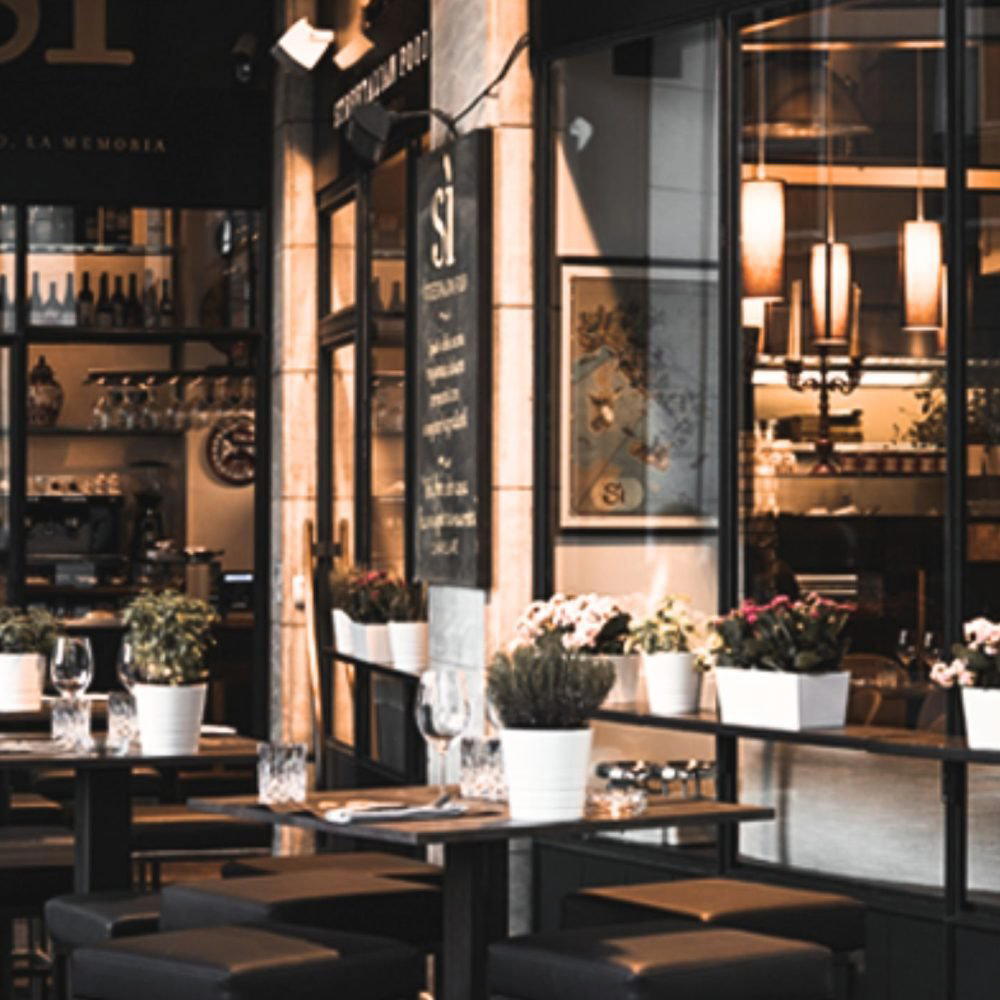
Where Italian Street Eating Meets a Broader Vocabulary
Via Dante Alighieri runs through one of Padua's central corridors, close to the Piazza dei Signori and the historic university district. This is the kind of street where a casual format can breathe, where the ambient noise of the city does half the atmospheric work, and a counter operation doesn't need to compete with formal dining rooms for the same customers.
Sì Streetalian Food sits inside that logic. The name itself is a compressed manifesto: "Streetalian" places the concept squarely between the global street-food register that gained real momentum in Italian cities during the 2010s and the underlying Italian culinary vocabulary that gives the format regional credibility. Cities across northern Italy, Padua included, have seen this format proliferate as a response to diners who want locality without formality.
The Format's Place in Padua's Casual Dining Tier
Padua's mid-range restaurant scene operates across a clear spectrum. At the formal end, options like Belle Parti maintain the classic Veneto idiom, tablecloths, wine lists weighted toward local DOCs, service pacing calibrated to a two-hour sit. Contemporary bistrot formats, typified by Ai Porteghi Bistrot, occupy the middle band: still table-service, still structured menus, but with a lighter aesthetic and fewer obligations on the diner. Street-food concepts sit below that band in commitment and price, but not necessarily in quality of sourcing or execution.
This tier has expanded noticeably across Italian mid-sized cities, driven partly by demographic shift and partly by a broader re-evaluation of what constitutes good eating. The argument, increasingly accepted, is that a well-made sandwich using proper regional bread and seasonal fillings is a more honest expression of Italian food culture than a mediocre sit-down meal dressed with tablecloths. Sì Streetalian Food operates from that premise, the "Streetalian" framing is a signal that the format takes its Italian foundation seriously even as it adopts the informality of international street eating.
For a sharper sense of how Padua's casual formats compare internally, Casa Barozzi represents the sandwich-specialist approach, while Crazy Tuna Tropical Sushi indexes toward the international crossover end of casual. Sì Streetalian sits somewhere between those poles, combining Italian technique with a wider culinary vocabulary. Ai Navigli offers another point of comparison for those calibrating where informal eating ends and trattoria culture begins in this city.
Atmosphere and the Sensory Register of the Street
The physical experience of eating at a street-food concept in central Padua differs fundamentally from the framed quietude of a Michelin-tracked room. At the upper end of Italian fine dining, at places like Le Calandre in Rubano or Osteria Francescana in Modena, atmosphere is manufactured and controlled, every sensory detail deliberate. Street eating reverses that relationship: the surrounding city provides the context, and the food has to hold its own against ambient distraction rather than benefiting from enforced attention.
On Via Dante Alighieri, that means the sounds and pace of a Paduan weekday, students moving between the university district and the centre, market deliveries earlier in the morning, the general mid-city hum that characterises the Veneto's smaller cities more than Venice or Verona. Eating here is participatory in the way that good street food always is: the transaction is quick, the setting is unremarkable in the leading sense, and the quality of what's in your hand becomes the entire editorial. The food has to stand on its own.
This contrasts instructively with the experience at Padua's more formal addresses. Where a restaurant like Belle Parti uses controlled environment to extend a meal's duration and perceived value, street formats compress the experience into its essentials. The sensory arc is shorter but potentially more direct, a better argument for what the food actually is.
Italy's Street Food Tradition in Context
Italian street eating has always been regionally specific in ways that distinguish it from the more globalised street-food circuits of Southeast Asia or Latin America. The tramezzino in Venice, the tigelle in Emilia, the piadina across Romagna, each format is inseparable from its geography. Northern Italy's more recent wave of hybrid street concepts, of which "Streetalian" formats are a subset, attempts to preserve that regional specificity while absorbing international influences: Korean-style fillings in ciabatta, Japanese technique applied to Italian charcuterie, or simply the global fast-casual aesthetic applied to traditionally slow Italian ingredients.
The risk in that synthesis is dilution, losing the regional specificity that makes Italian street food worth eating in the first place. The argument for formats that foreground their Italian identity explicitly, as Sì Streetalian's name does, is that the branding itself functions as a commitment to the local foundation. Whether that commitment holds in practice is the question any visit to Via Dante Alighieri answers directly.
For travellers using Padua as a base for broader Veneto eating, the city's proximity to some of Italy's serious fine dining addresses is worth noting: Le Calandre is a few kilometres west in Rubano, and the wider northern Italian circuit extends to Enrico Bartolini in Milan, Enoteca Pinchiorri in Florence, Piazza Duomo in Alba, and Atelier Moessmer Norbert Niederkofler in Brunico. Further afield, Uliassi in Senigallia, Reale in Castel di Sangro, Quattro Passi in Marina del Cantone, and Dal Pescatore in Runate represent the broader Italian fine dining tier. Street eating and formal dining serve different moments in a travel itinerary; understanding where each fits makes both more useful.
Planning a Visit
Sì Streetalian Food is located at Via Dante Alighieri 42, in central Padua, walkable from the main train station and from the historic university district. Street-food formats of this type typically operate on walk-in logic, with peak demand around midday and early evening when foot traffic on this stretch is highest. The restaurant is recommended for reservations and typically serves lunch and dinner, with late-night hours on Friday and Saturday.
Peers You’d Cross-Shop
Comparable venues nearby, for context on price, style, and recognition.
| Venue | Cuisine | Price | Notes |
|---|---|---|---|
| Sì Streetalian FoodThis venue — the venue you are viewing | Italian Street Food & Regional Traditions | $$ | Not listed |
| L'Anfora | Authentic Venetian Osteria | $$ | :null |
| Ai Porteghi Bistrot | Modern Italian Bistrot | $$ | Historic Center |
| Crazy Tuna Tropical sushi | Tropical Sushi Fusion | $$ | outskirts |
| Exforo | Modern Italian Fine Dining | $$$ | Prato della Valle |
| Osteria dal Capo | Traditional Veneto | $$ | historic Jewish ghetto, town center |
Continue exploring
More in Padua
Restaurants in Padua
Browse all →
Bars in Padua
Browse all →
Hotels in Padua
Browse all →
At a Glance
- Casual
- Lively
- Trendy
- Casual Hangout
- Group Dining
- Standalone
- Local Sourcing
Current opening hours
- Monday
- 11:30 AM–3 PM, 6:30–11:30 PM
- Tuesday
- 11:30 AM–3 PM, 6:30–11:30 PM
- Wednesday
- 11:30 AM–3 PM, 6:30–11:30 PM
- Thursday
- 11:30 AM–3 PM, 6:30–11:30 PM
- Friday
- 11:30 AM–3 PM, 6:30 PM–2 AM
- Saturday
- 11:30 AM–3 PM, 6:30 PM–2 AM
- Sunday
- 11:30 AM–3 PM, 6:30–11 PM
Hours can change for holidays and private events. Last verified .
Refined and sophisticated atmosphere in a small restaurant setting with a focus on quality presentation and regional Italian culinary traditions.