
Ryutenmon places Cantonese cooking inside Tokyo’s hotel-dining tier rather than the city’s smaller counter culture. Its Tabelog Chinese TOKYO 100 selection in 2026, 137-seat scale, dim sum and xiaolongbao category signal, and Ebisu Garden Place setting make it a useful benchmark for polished Chinese dining with business, family, and private-room use in mind.
Pearl is the En Primeur Club membership app — saves, bookings, and concierge access live there. Same editors, same standards.
- Address
- 東京都目黒区三田1-4-1 ウェスティンホテル東京 2F
- Phone
- +81354237787
- Website
- ryutenmontokyo.com
 Saves & bookings on Pearl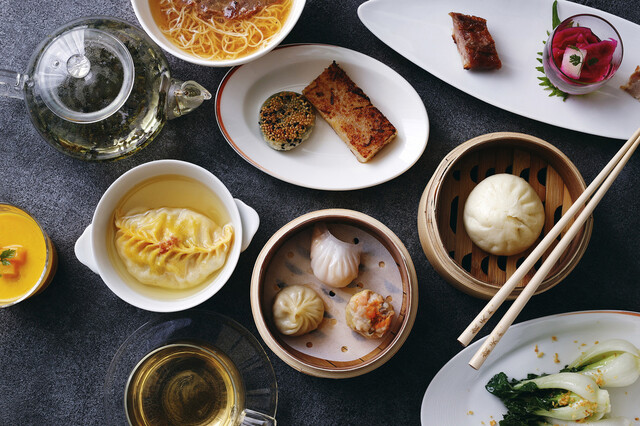
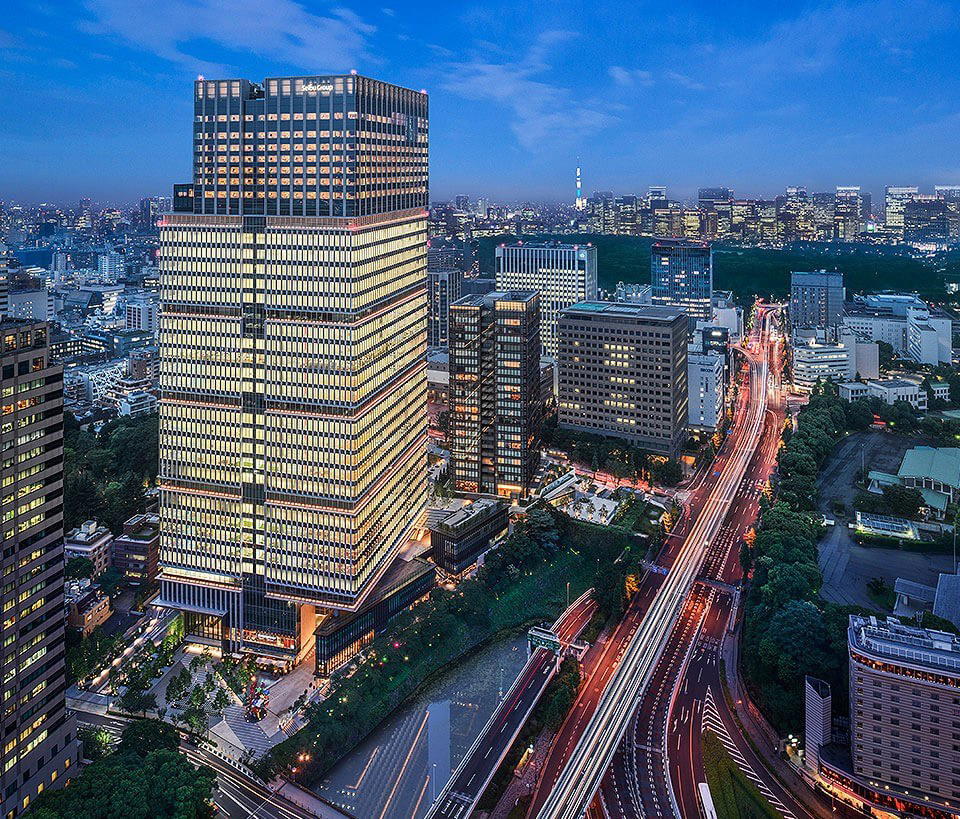
Ebisu Garden Place moves at a different rhythm from Tokyo’s tighter central restaurant streets: broad approaches, hotel foyers, polished corridors, and dining rooms designed for longer meals rather than quick turnover. That setting matters for Chinese dining. In Tokyo, serious Cantonese and dim sum restaurants often divide between compact chef-led rooms and larger hotel operations where service structure, wine breadth, private rooms, and multi-generation dining matter as much as technical range.
Ryutenmon is in the latter camp. Its recognition in Tabelog Chinese TOKYO 100 for 2026 places it in a competitive city category spanning independent specialists, hotel restaurants, dim sum houses, and xiaolongbao-focused rooms. The badge is not the only point: in Tokyo’s Chinese dining scene, repeated attention from a local restaurant platform usually reflects consistency across format, comfort, and category clarity, not just novelty. That helps explain why a hotel Chinese restaurant in Ebisu remains relevant against smaller, more fashionable rooms elsewhere.
Hotel Cantonese dining with dim sum as the public signal
Tokyo’s appetite for Chinese cooking is broad, but Cantonese-leaning hotel dining occupies a specific lane: polished pacing, menus that work for lunch and dinner, and enough range for families, business tables, and mixed groups. The listed categories, Chinese, dim sum and yum cha, and xiaolongbao, point to recognizable Cantonese and Hong Kong-adjacent comfort rather than a narrow tasting-menu proposition.
That breadth separates it from Tokyo’s small counter formats. A 137-seat room changes the grammar: less theatre from chef proximity, more emphasis on coordination, table comfort, wine service, and handling different occasions under one roof. For travelers, that can be a strength. Tokyo’s acclaimed dining culture often rewards those chasing eight-seat counters and fixed menus; this is a different choice, better when the table includes children, elders, colleagues, or guests wanting Chinese cooking without the formality of a French dégustation.
The Ebisu address sharpens the comparison. In the same wider dining orbit, French luxury is conspicuous through Château Restaurant Joël Robuchon, Gastronomy Joel Robuchon, LA TABLE de Joël Robuchon, and LA BOUTIQUE de Joel Robushon Ebisu gaadenpureisu ten. Lawry’s The Prime Rib Ebisu gaaden pure pureisu ten occupies another polished occasion-dining lane. Against that backdrop, Ryutenmon gives the area a Chinese counterweight: formal enough for a planned meal, but less tied to French fine-dining codes.
What the 2026 recognition says about its place in Tokyo
Tabelog’s Chinese TOKYO 100 selection is useful because the category is crowded and uneven. Tokyo has high-end Chinese rooms with luxury ingredients, casual dumpling specialists, Sichuan-focused restaurants, and hotel dining rooms competing for the same search attention. A 2026 selection, alongside previous listed years in 2024, 2023, and 2021, suggests durability rather than one cycle of attention.
The listing’s 3.66 score should be read within Japanese restaurant-review culture. On Tabelog, scores cluster tightly, and a mid-three rating can signal serious local approval, especially in a competitive category. The award context matters more than the raw number alone. It positions Ryutenmon as a recognized Tokyo Chinese address, not merely a convenient hotel option.
There is also a practical editorial reason to take this restaurant seriously. Tokyo visitors often over-index on sushi, tempura, ramen, and French-influenced tasting menus, then under-plan Chinese meals despite the city’s long engagement with regional Chinese cooking. Hotel Chinese rooms fill that gap neatly: accessible to mixed groups, easier for non-Japanese speakers to understand than many small neighborhood restaurants, and often built with private-room infrastructure. Ryutenmon’s private rooms for six and for groups of eight or more reinforce that role, with separate room fees for lunch and dinner.
How to place it within a Tokyo dining itinerary
This is not the restaurant for counter intimacy or a chef’s autobiographical menu. It makes more sense as a polished Chinese meal in Ebisu, especially when the table needs flexibility: family dining, stroller-friendly access, a non-smoking room, wheelchair access, hotel parking, credit-card payment, and a smart-casual setting. Those details sound prosaic until they decide whether a Tokyo dinner is smooth or complicated.
Lunch and dinner sit in different value brackets. Published average prices run JPY 4,000 to JPY 4,999 at lunch and JPY 10,000 to JPY 14,999 at dinner, while review-based averages are higher: JPY 6,000 to JPY 7,999 for lunch and JPY 20,000 to JPY 29,999 for dinner. A 15 percent service charge is part of the cost structure. For travelers comparing citywide meals, lunch falls into a more approachable hotel-dining tier, while dinner competes with more formal Tokyo restaurant budgets.
Its second-floor location in The Westin Tokyo makes it easy to pair with an Ebisu day rather than treat as a cross-city pilgrimage. The nearest station is Ebisu, with access commonly routed through the Ebisu Skywalk from the JR side. In a city where weather, transfers, and punctuality shape an evening, that covered approach is not minor.
For broader planning, compare this meal with other city formats, not only Chinese restaurants. Our full city index is here: Our full Tokyo restaurants guide. Nearby or category-adjacent browsing can also include . 鮪と炭火焼き うお炭 秋葉原店, 12/10 Shinjuku ten, 124. KAGURAZAKA (Yakitori), 2D Cafe, and 3 Chome no Curry Ya San. Travelers building a wider Japan itinerary can compare formats with -Grilled beef Sukiyaki- KAMAKURA TANUKIAN 鎌倉 たぬき庵 in Kamakura,.cafe in Osaka,.know in Kumamoto, (Shoku) Vietnam in Kawasaki, [Curry Senmon Ten] Maruyama Kyoju. in Sapporo, and [ki:] in Kyoto. For the rest of the city’s travel stack, use Our full Tokyo hotels guide, Our full Tokyo bars guide, Our full Tokyo wineries guide, and Our full Tokyo experiences guide; outside Japan, the same editorial lens extends to Jōdo Saké Bar in Los Angeles and Onigiri Time in Pasadena.
Budget and Context
Comparable venues side-by-side for orientation.
| Venue | Cuisine | Price | Awards | Notes |
|---|---|---|---|---|
| RyutenmonThis venue — the venue you are viewing | Meguro, Cantonese Fine Dining & Dim Sum | $$$$ | , | |
| Fureika (中国飯店 富麗華) | $$$$ | , | Higashiazabu, Traditional Shanghai & Cantonese Chinese | |
| 西麻布 香宮 (シャングウ) | Minato, Modern Cantonese Fine Dining | $$$$ | , | |
| Shaoxiong Hanten | $$$$ | , | Shibuya, Seasonal Shanghai Chinese Fine Dining | |
| Hoei | Bunkyō, Shanghai-Sichuan Chinese | $$$ | , | |
| Chinese Hanten Ichigaya ten | $$$ | , | Chiyoda, Seasonal Shanghai Chinese (Chuugokuhanten Ichigaya) |









At a Glance
- Elegant
- Sophisticated
- Modern
- Opulent
- Romantic
- Business Dinner
- Special Occasion
- Date Night
- Celebration
- Group Dining
- Hotel Restaurant
- Private Dining
- Design Destination
- Extensive Wine List
- Sake Program
- Local Sourcing
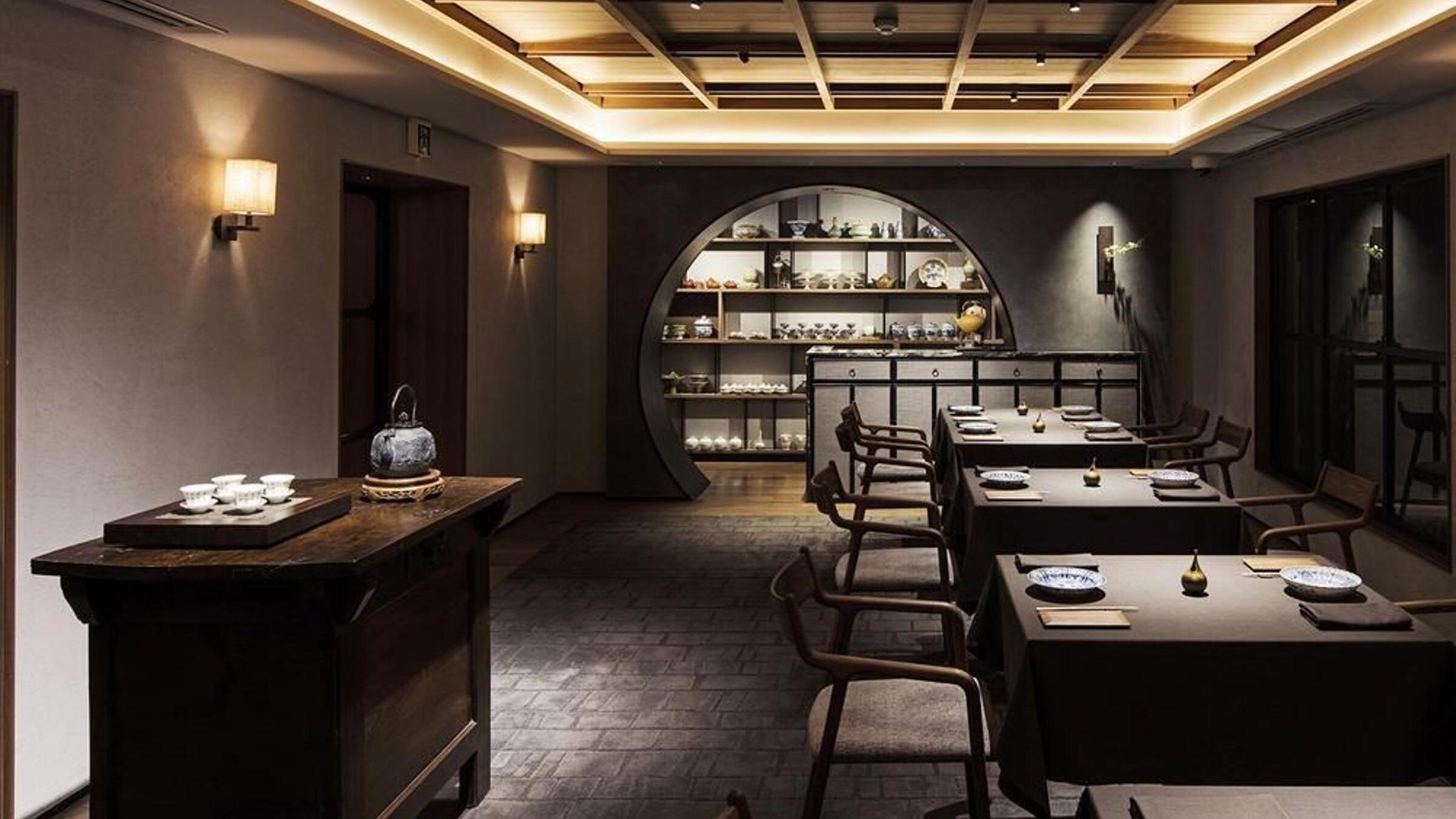
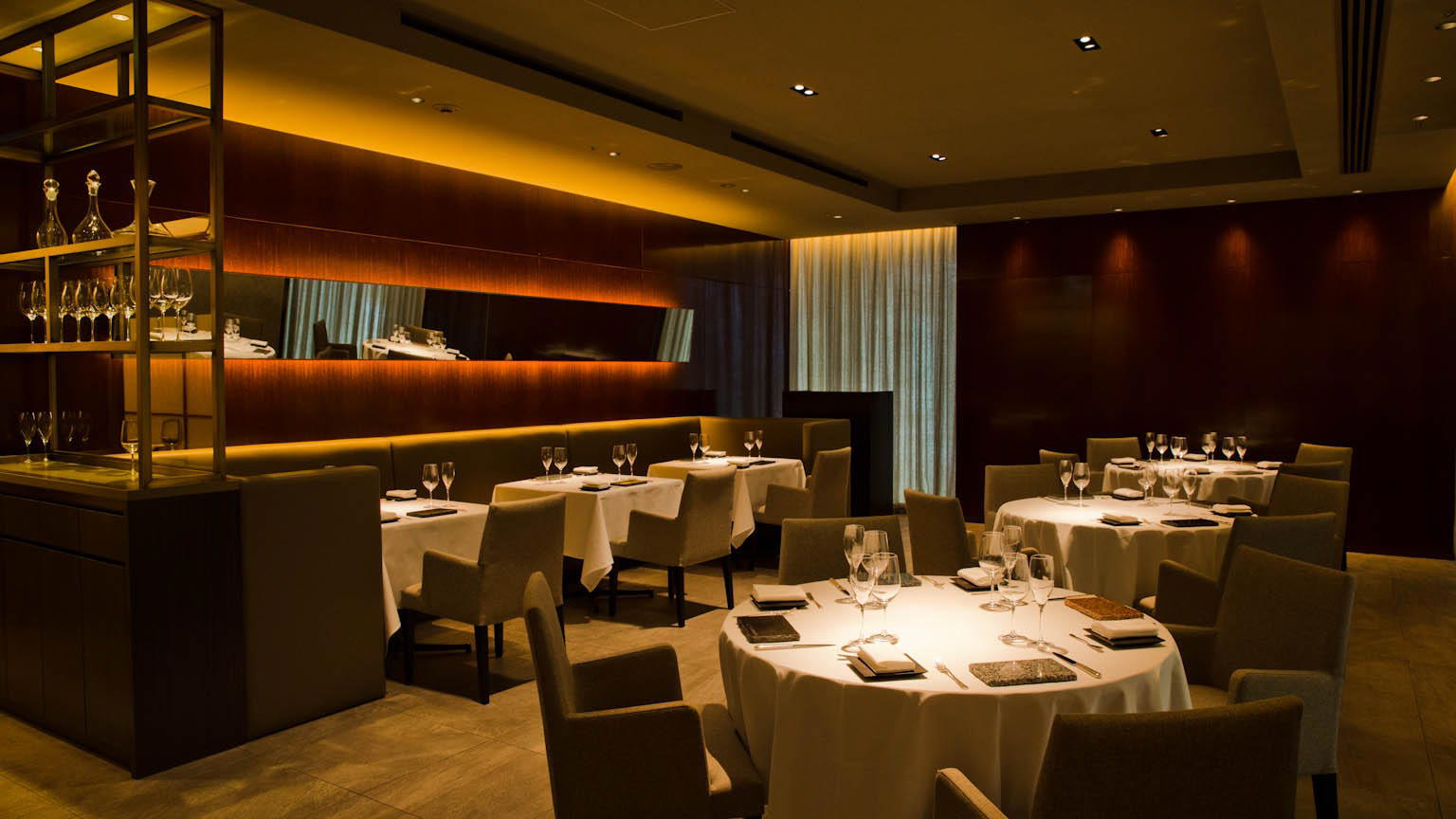
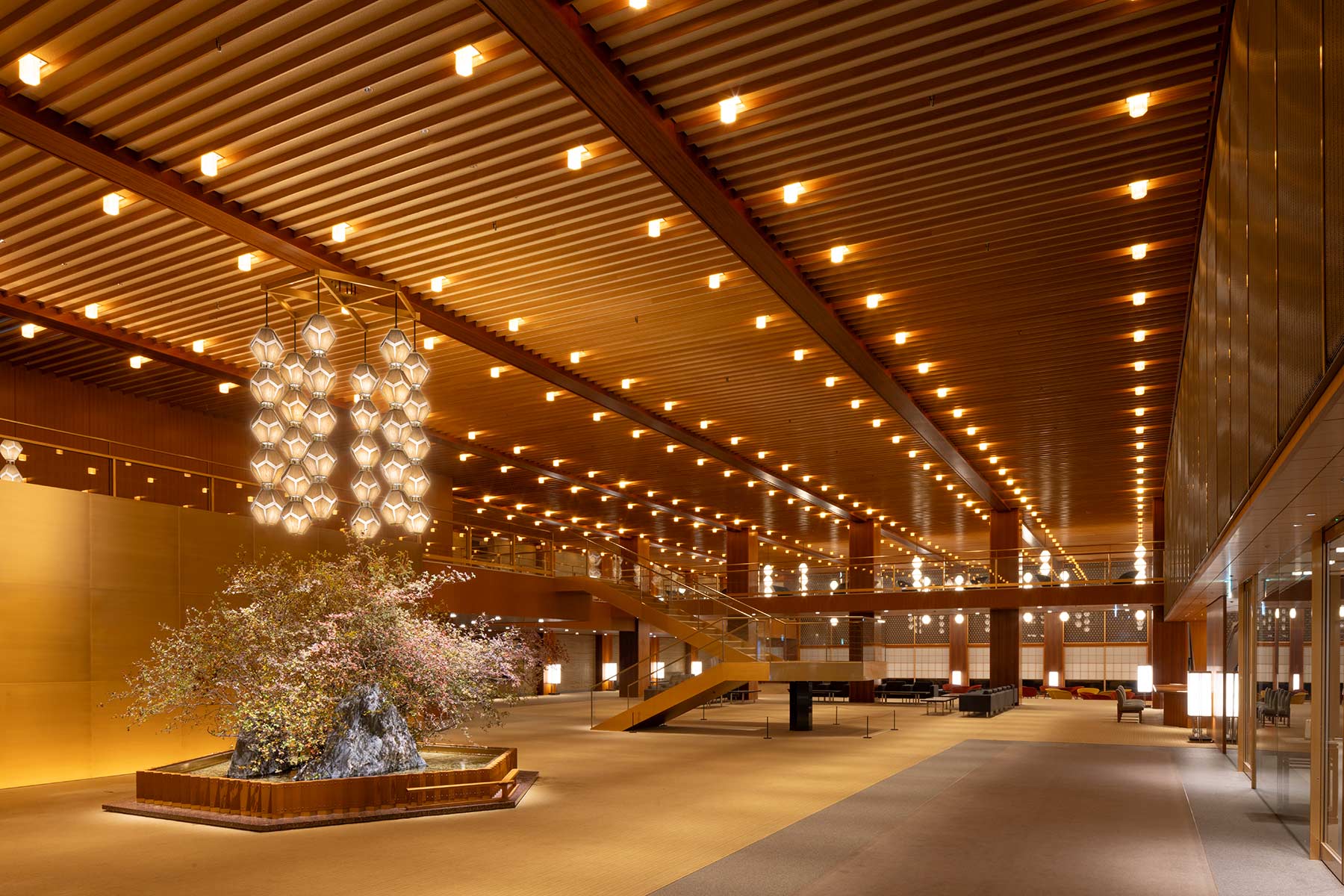
Luxurious hotel-restaurant atmosphere with black-and-gold interiors, plush seating and polished service, creating an elegant yet comfortable setting suited to quiet conversations, business entertaining and special occasions.