
Chii Sha brings Tokyo’s everyday Chinese and ramen culture into sharper focus: small scale, low prices, and recognition from Tabelog’s Chinese cuisine TOKYO 100 list for 2026. In Aobadai, Meguro, it sits in the city’s serious casual tier, where reputation is built less on luxury cues than on repeat local demand, compact seating, and a format that rewards timing.
Pearl is the En Primeur Club membership app — saves, bookings, and concierge access live there. Same editors, same standards.
- Address
- 3 Chome-9-9 Aobadai, Meguro City, Tokyo 153-0042, Japan
- Phone
- +81 3-3463-5365
- Website
- cyukaryouri-tokyo.or.jp
 Saves & bookings on Pearl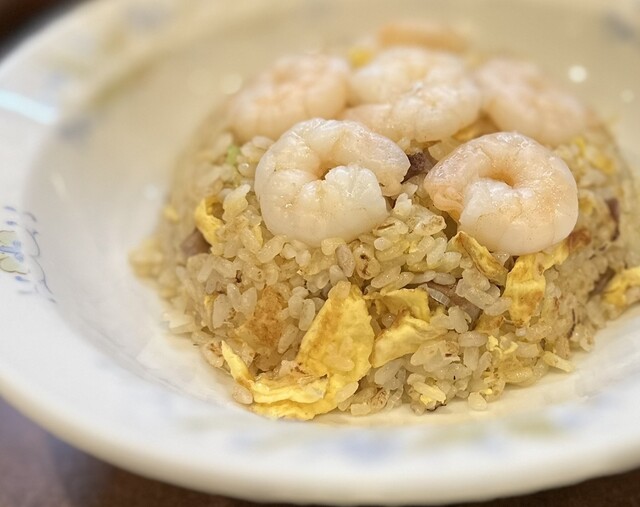
Approaching Aobadai from Ikejiri-Ohashi, Tokyo leaves its grand dining register for a local rhythm: apartment blocks, small storefronts, and restaurants that expect diners to know why they have come. Chii Sha belongs to that side of the city. The compact room has counter seating and two small tables, and its category sits where Chinese cooking meets ramen, a familiar Tokyo borderland where everyday meals draw serious scrutiny.
That is the useful frame. Tokyo Chinese dining is not only hotel Cantonese rooms, Sichuan specialists, and tasting-menu imports. Much of its authority sits in neighbourhood kitchens where value, speed, and regular custom matter as much as ceremony. Chii Sha’s inclusion in Tabelog’s Chinese cuisine TOKYO 100 for 2026 places it in that conversation: not as a luxury address, but as a recognised entry in a crowded, highly competitive casual Chinese field.
Casual Chinese cooking with ramen in the same frame
The Chinese-ramen overlap is a distinct Tokyo habit. Ramen in Japan absorbed Chinese influence, then became its own national obsession; Chinese restaurants often keep noodle bowls near the centre of the menu rather than treating them as a side category. At this level, the question is not theatrical originality. It is whether a small shop can hold attention in a city where modestly priced Chinese counters compete with soba, curry, tonkatsu, izakaya cooking, and ramen specialists within a few blocks.
Chii Sha’s price band keeps it everyday, which makes the recognition more interesting. In Tokyo, a low bill is not low ambition; it often means a restaurant is judged against unforgiving standards of repetition. Diners return when the fundamentals work. That pressure differs from higher-spend rooms such as Tokyo Dosanjin or Orlando, where a meal carries more planning weight. Here, reputation must survive weekday lunches, quick dinners, and locals’ comparisons without ceremony.
The listed categories, Chinese and ramen, also explain why the address reads differently from broader Tokyo restaurant hunting. Diners crossing town for sushi or tempura often expect reservation choreography. For a small Chinese-ramen room in Meguro, the calculation is tactical: arrive with patience, understand the room’s scale, and treat the meal as serious casual Tokyo dining rather than polished special-occasion production.
Why the Tabelog 100 signal matters in this tier
Tabelog’s Hyakumeiten lists carry weight in Japan because they surface restaurants outside the international award circuit. For visitors, that matters. Michelin and global rankings tend to favour destinations legible from abroad; Tabelog’s category lists better read domestic appetite, especially where local regulars set the tone. Chii Sha’s 2026 selection for Chinese cuisine in Tokyo is therefore a reputation marker, not a luxury badge.
The difference is practical. A 17-seat restaurant in Aobadai faces different scrutiny from a grand dining room in Ginza or Marunouchi. Capacity limits meals served. Cash-only payment keeps the experience close to Tokyo’s older small-restaurant habits. Reservations are not part of the format, pushing demand into timing rather than advance access. These are signals of category: a compact local restaurant with recognised pull, not a concierge-managed dining event.
Within its neighbourhood, that pull is credible. Aobadai and nearby Ikejiri-Ohashi sit between Shibuya’s gravity, Meguro’s residential polish, and Nakameguro’s restaurant traffic. The area rewards places that serve regulars without overexplaining themselves. Chii Sha fits that geography: central enough to reach, residential enough that a weak concept would not survive on passing novelty.
For planning, separate this stop from Tokyo’s other food circuits. Akihabara skews different at . 鮪と炭火焼き うお炭 秋葉原店; Shinjuku has its own density at 12/10 Shinjuku ten; Kagurazaka reads through specialist counters such as 124. KAGURAZAKA (Yakitori). Chii Sha sits in another lane: inexpensive, compact, and judged by Tokyo neighbourhood Chinese standards.
Planning the meal around scale, not ceremony
The practical logic is simple: small room, recognised reputation, no reservations. That combination rewards off-peak thinking. The restaurant lists counter seats plus two four-seat tables, so party size changes the odds. Solo diners and pairs usually have more flexibility; larger groups should choose another plan rather than forcing a small room to behave like a group-friendly dining hall.
Lunch matters. Tokyo’s casual award-listed restaurants can feel different at midday, when price, pace, and regular custom are most visible. Chii Sha’s lunch budget sits below dinner, making it useful for travellers who want a serious local meal without building an evening around it. The trade-off is patience: recognition in a compact shop tends to create queues or waits, especially without advance booking.
Payment is another old-school signal. Cash is the safe assumption, since cards, electronic money, and QR payments are not accepted. Smoking is not part of the room, private rooms are not offered, and children are welcome, placing the restaurant closer to daily neighbourhood dining than formal destination service. Parking is not provided, so rail, bus, or nearby coin parking are the practical routes.
Use Chii Sha as one precise stop in a wider Tokyo itinerary, not a whole evening’s anchor. For more city mapping, see Our full Tokyo restaurants guide, then build around other categories with Our full Tokyo hotels guide, Our full Tokyo bars guide, Our full Tokyo wineries guide, and Our full Tokyo experiences guide. For a looser Japan circuit, compare the casual end with 2D Cafe, 3 Chome no Curry Ya San, -Grilled beef Sukiyaki- KAMAKURA TANUKIAN 鎌倉 たぬき庵 in Kamakura,.cafe in Osaka,.know in Kumamoto, (Shoku) Vietnam in Kawasaki, [Curry Senmon Ten] Maruyama Kyoju. in Sapporo, and [ki:] in Kyoto. Across the Pacific, Jōdo Saké Bar in Los Angeles and Onigiri Time in Pasadena show how Japanese casual formats translate outside Japan, but Chii Sha’s appeal is rooted in Tokyo’s compact, competitive, price-sensitive dining culture.
Nearby-ish Comparables
Comparable venues by category and price.
| Venue | Cuisine | Price | Notes |
|---|---|---|---|
| Chii ShaThis venue — the venue you are viewing | Casual Chinese & Ramen | $ | |
| Gyōzanomise Okei | Traditional Gyoza Dumplings | $$ | Iidabashi |
| 南方中華料理 南三 | Taiwanese | , | Shinjuku |
| Anda Gyoza Yoyogi uehara ten | Chinese Gyoza | $$ | Shibuya |
| Kin Fuku Hong Kong Bishoku | Hong Kong / Cantonese Chinese | $$ | Chiyoda |
| Kameido Gyoza Ryougoku shiten | Chinese Dumpling House | $ | Sumida |











At a Glance
- Cozy
- Quiet
- Hidden Gem
- Classic
- Casual Hangout
- Solo
- Family
- After Work
- Group Dining
- Standalone
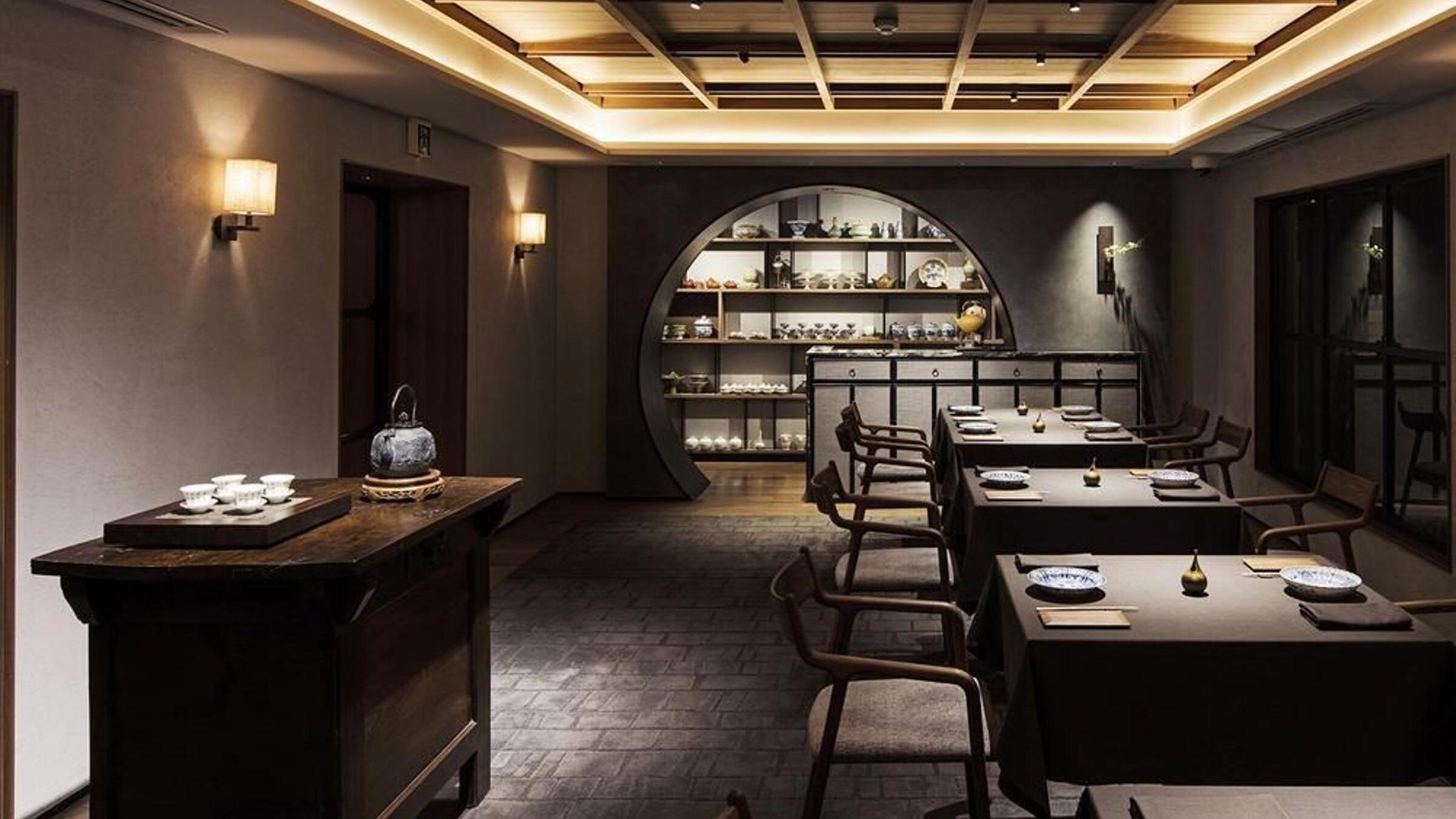
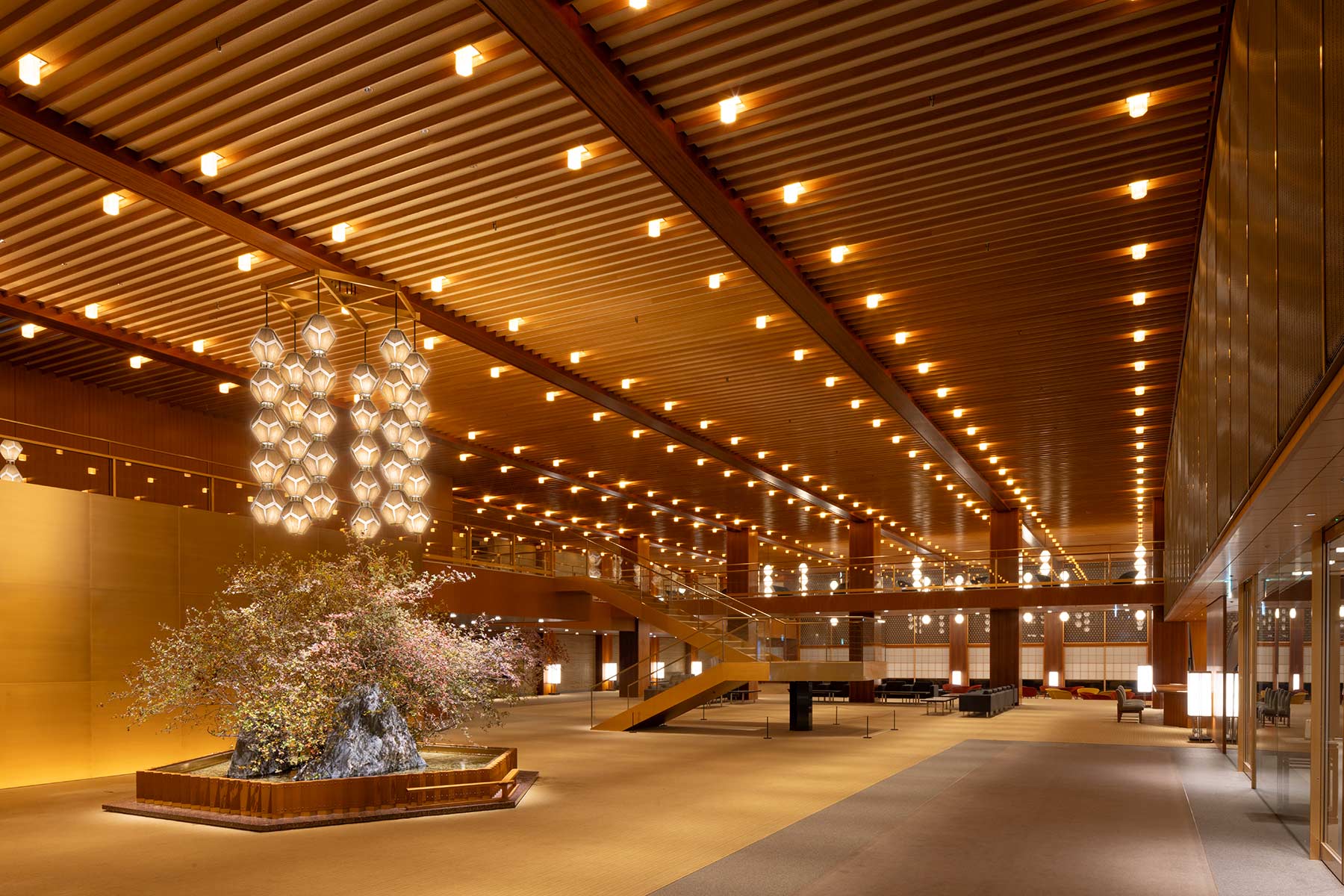
Simple, homey interior with counter and a few tables, giving a quiet, local, family-style atmosphere typical of a residential neighborhood Chinese restaurant.