rustiko
Our verdict
Rustiko sits at Sauberg 3 in Langenlois, one of Austria's most concentrated wine-growing communes in the Kamptal region. The address places it among a cluster of dining options shaped by the surrounding vineyards and Heuriger tradition. Details on format, pricing, and booking are best confirmed directly before visiting.

Pearl is the En Primeur Club membership app — saves, bookings, and concierge access live there. Same editors, same standards.
- Address
- Sauberg 3, 3550 Langenlois, Austria
- Phone
- +436601609148
- Website
- ristorante-rustiko.at
- Directions
- Get directions
The menu
What to order
- Fish in salt crust
- Dry-aged steak
- Hand-rolled pasta
Where Wine Country Shapes the Table
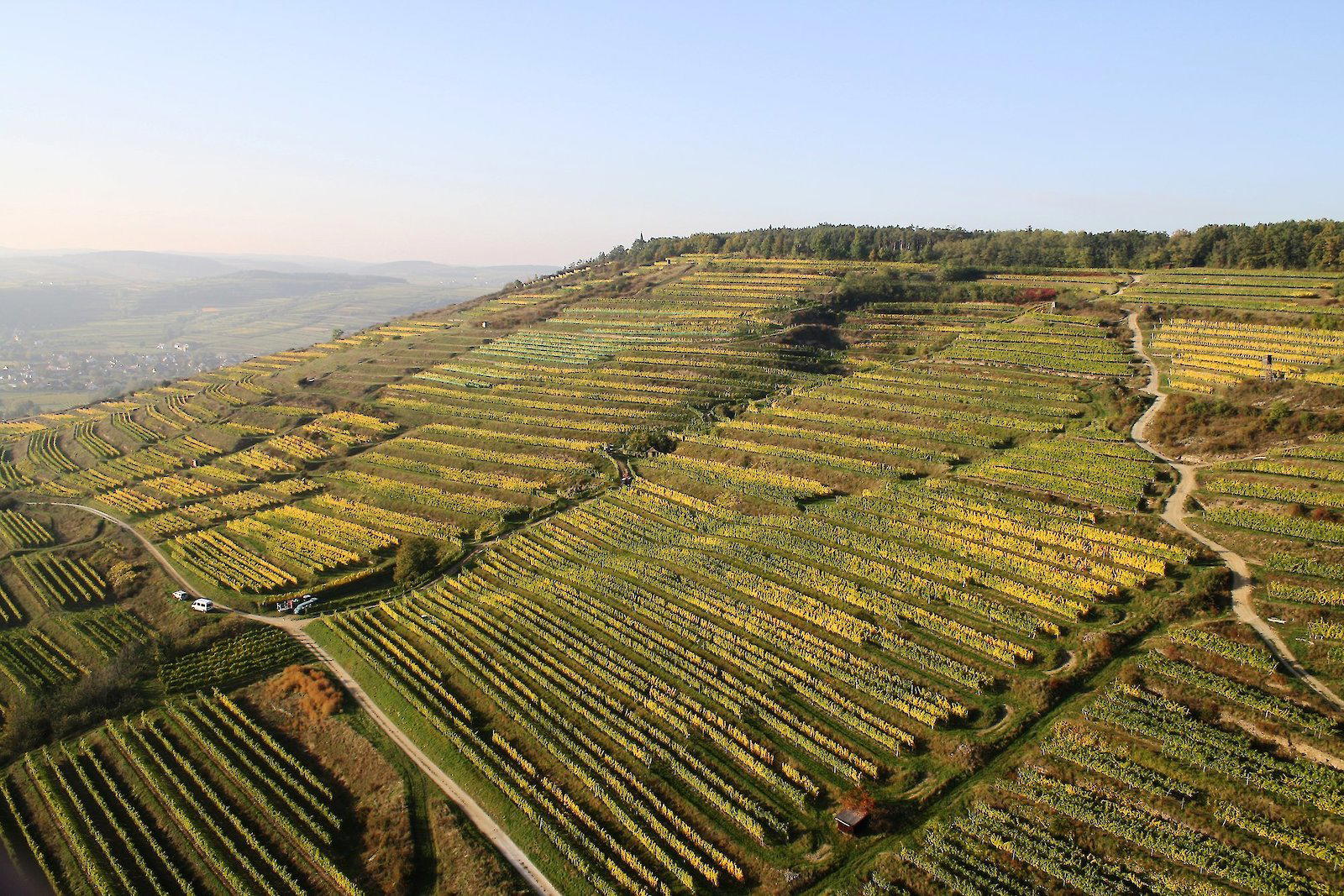
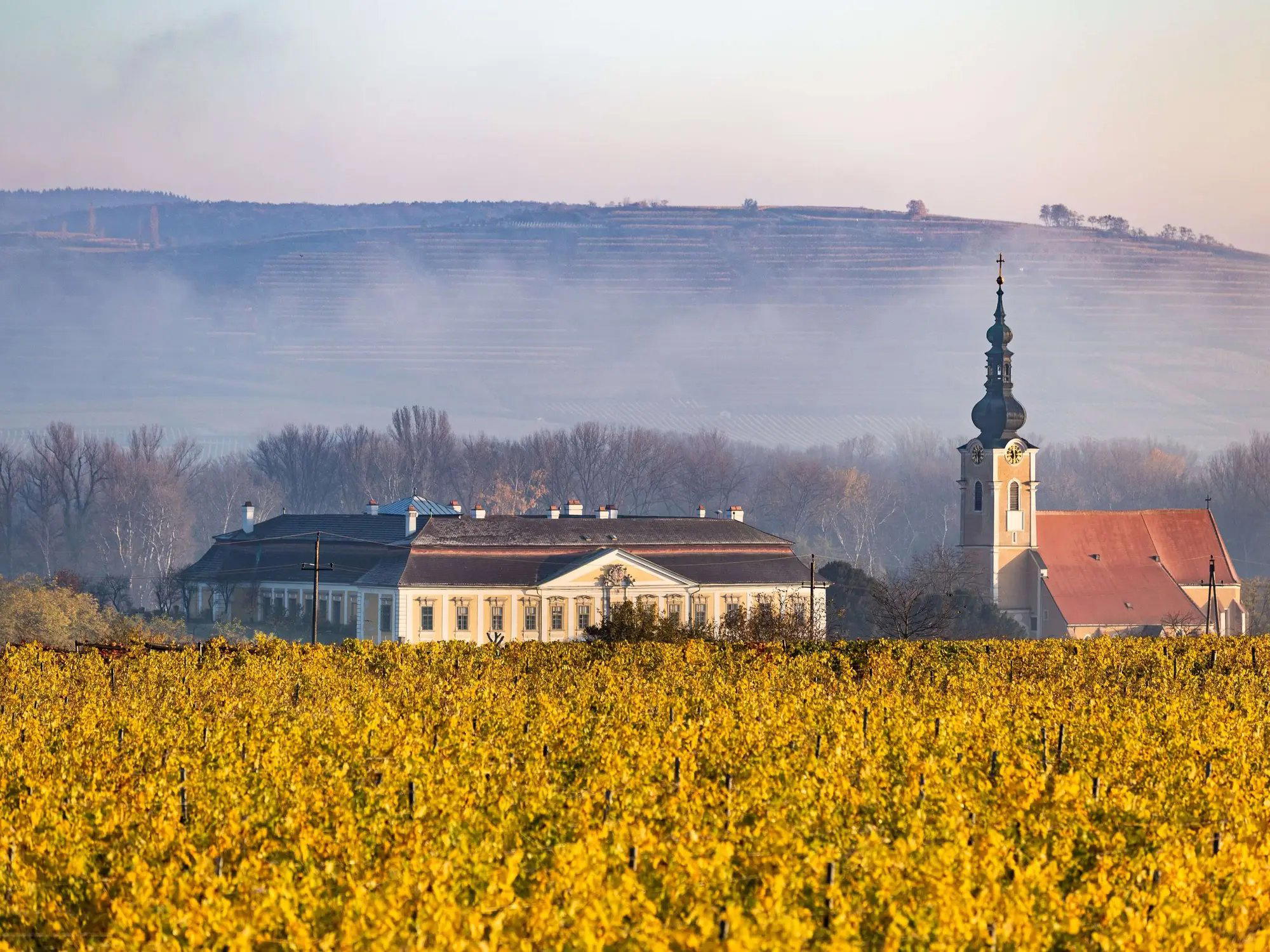
The Kamptal valley, running south from Langenlois toward the Danube, produces some of Austria's most critically discussed Grüner Veltliner and Riesling. That geography does more than supply the glass: it defines a dining culture in which the boundary between wine estate, inn, and restaurant stays deliberately blurred. Rustiko, addressed at Sauberg 3 in the hills above Langenlois, occupies terrain — literal and culinary — shaped by that tradition. The hillside address alone signals something: Sauberg is vineyard country, not a commercial high street, and venues that choose this kind of location are typically orienting themselves toward the produce and the landscape rather than passing foot traffic.
The Heuriger Tradition and What Comes After It
To understand where a place like Rustiko fits in Langenlois dining, it helps to understand the Heuriger system. Austrian federal law has long permitted wine producers to sell their own wine accompanied by cold food, and the Heuriger, a seasonal tavern operating on those premises, became one of the country's most durable hospitality forms. In the Kamptal, that tradition is alive and commercially significant. What has changed over the past decade is the emergence of a middle tier: venues that carry the Heuriger's informality and wine-centricity but operate with more consistent kitchen programming and year-round calendars. Rustiko's name, derived from the Italian for rustic, positions it rhetorically within that tradition of honest, produce-led hospitality, the kind that prioritises regional ingredients and a direct relationship with the agricultural surroundings over formal tasting-menu architecture.
That middle tier is meaningfully different from either end of the Langenlois spectrum. At the formal end, Heurigenhof Bründlmayer and Vineyard im Loisium both operate in close connection with significant wine estates, with the latter embedded in a landmark Hadi Teherani-designed hotel. Rustiko, by contrast, appears to work from a simpler premise, food and wine rooted in place, without the architectural statement or the estate-winery infrastructure.
Austria's Broader Restaurant Scene as Context
Austria's dining scene has a pronounced high-low character. At the formal end, restaurants like Steirereck im Stadtpark in Vienna and Döllerer in Golling an der Salzach represent the country's internationally visible fine-dining tier, both operating at the €€€€ price point with substantial Michelin recognition. In the alpine resort corridor, restaurants such as Griggeler Stuba in Lech, Gourmetrestaurant Tannenhof in Sankt Anton am Arlberg, and Stüva in Ischgl serve affluent seasonal clientele at equivalent price points. The Wachau and Lower Austria wine corridor, which includes Langenlois and the nearby Danube towns, produces a different kind of restaurant culture: places oriented more toward regional produce, wine pairing, and a guest who is already invested in Austrian wine, likely visiting on a dedicated tasting trip.
In that corridor, Landhaus Bacher in Mautern an der Donau has long served as the prestige reference point, holding Michelin recognition and a reputation built over decades. Rustiko operates at a different register, less formal, more geographically embedded in the vineyard itself. It belongs to the category of Austrian dining that international visitors often undervalue because it does not translate easily into global fine-dining shorthand. Among the country's broader dining options, venues like Obauer in Werfen, Ois in Neufelden, and Taubenkobel in Schützen am Gebirge show the range of what Austrian regional cooking looks like when it is taken seriously outside the metropolitan context. Rustiko's hillside address in Langenlois aligns it with that regional-serious category, even if the specific format and pricing remain to be confirmed on inquiry.
The Kamptal Ingredient Base
What the Kamptal valley offers a kitchen is worth stating plainly. The region's continental climate, warm summers, cold winters, significant diurnal temperature variation, produces fruit, vegetables, and grain with pronounced character. The Danube corridor has centuries of documented agricultural output. For a restaurant working under a name that explicitly signals rusticity, that local supply is both a practical resource and an editorial statement: that the food on the plate is answerable to the place rather than to an abstract kitchen philosophy imported from outside the region. This contrasts with the more internationally mobile creative formats seen at, say, Ikarus in Salzburg, where the rotating guest-chef model is explicitly cosmopolitan in its reference points, or Kräuterreich by Vitus Winkler in Sankt Veit im Pongau, which brings alpine herb culture to the fore in a defined personal style. Langenlois's version of regional cooking tends toward directness: the wine, the produce, the setting, with minimal interference in the chain between field and plate.
Where Rustiko Sits in Langenlois
Langenlois is a small town, roughly 7,000 residents, but it carries outsized significance in the Austrian wine calendar. The density of notable producers (Bründlmayer, Loimer, Hiedler among them) and the presence of the Loisium wine hotel give the town a visitor infrastructure that is substantial relative to its size. Dining options cluster around wine-estate Heurigen, the Loisium hotel, and a small number of independent restaurants. Rustiko at Sauberg 3 sits at a remove from the town centre, an address that suggests a venue serving either estate visitors, locals who make the drive deliberately, or wine tourists already oriented toward the hillside producers. That positioning matters when setting expectations: this is not a destination for spontaneous drop-ins but for visitors who have already oriented their trip around the Kamptal wine culture. For anyone planning a thorough Langenlois visit, our full Langenlois restaurants guide maps the wider options across price points and formats.
Planning Your Visit
Given the seasonal nature of Kamptal hospitality, operating schedules may vary between the harvest-season peak (September through October) and the quieter winter months. Visitors combining Rustiko with broader wine-region exploration would do well to note that the Langenlois cluster is within comfortable driving distance of the Wachau wine towns and, further along the Austrian fine-dining circuit, venues like Schwarzer Adler in Hall in Tirol or Restaurant 141 by Joachim Jaud in Mieming for those extending a trip westward. For comparison, internationally recognised restaurants operating at the technical and conceptual frontier, Le Bernardin in New York City or Atomix in New York City, represent the other end of the formality spectrum, useful reference points for calibrating what Langenlois's wine-country dining deliberately is not trying to be.
Frequently asked questions
Is rustiko good for families?
Langenlois is a wine-focused town of roughly 7,000 residents, and Rustiko's hillside address at Sauberg 3 places it within the wine-tourism circuit rather than the casual family dining one. That does not rule out families entirely, but the setting draws primarily guests oriented around the Kamptal's Grüner Veltliner and Riesling producers. Families with older children who share an interest in Austrian wine culture will find it a more natural fit than those seeking a child-centred meal.
Is rustiko better for a quiet night or a lively one?
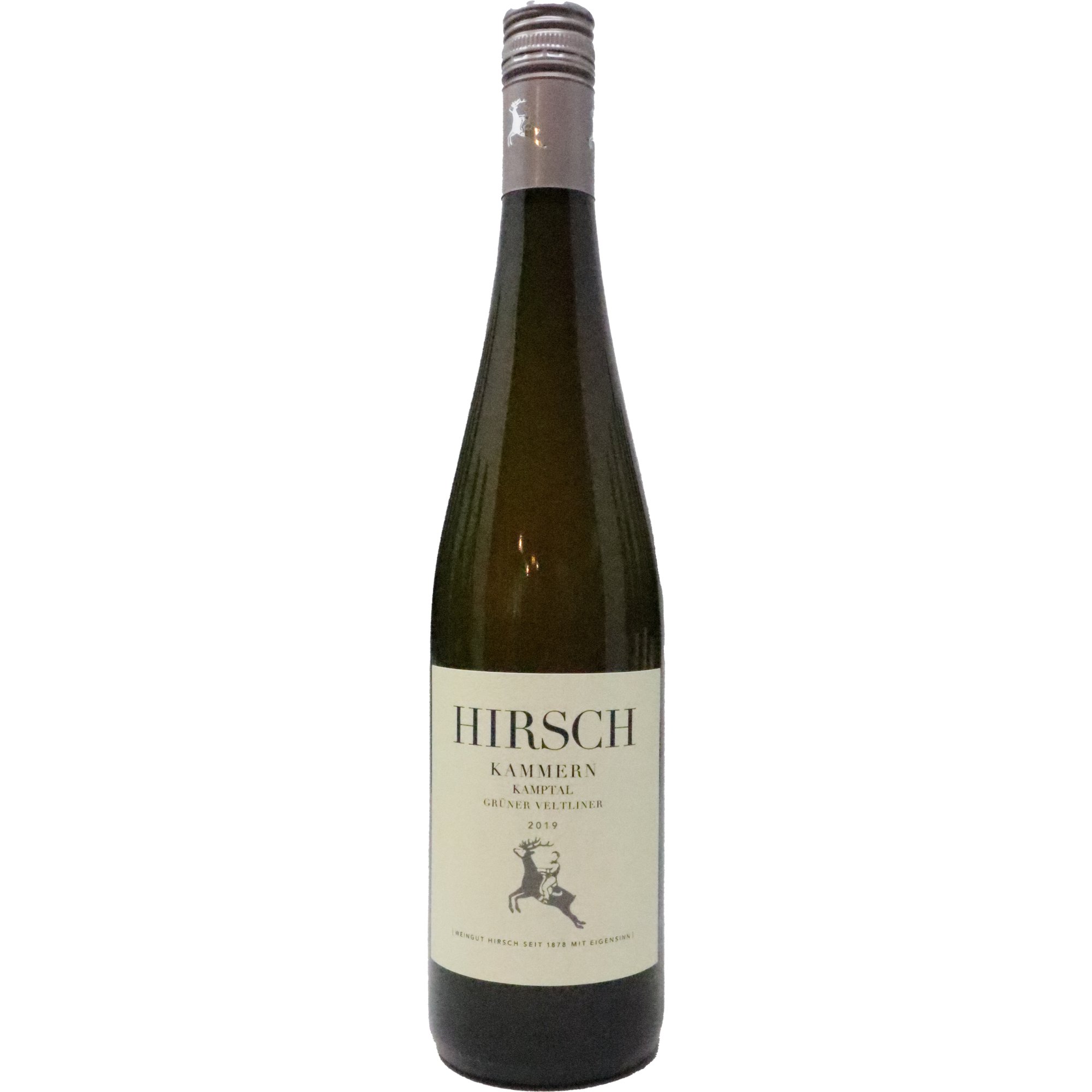
Sauberg 3 is a hillside address removed from Langenlois town centre, which signals the quieter end of the evening register. Wine-country venues in the Kamptal generally favour conversation over atmosphere, drawing guests who have spent the day in cellar tastings at producers like Hirsch or Loimer and want a meal to match that pace. Expect a focused, unhurried setting rather than a scene.
What makes Rustiko a distinct dining stop on a Kamptal wine-tasting itinerary?
Rustiko's position at Sauberg 3 places it physically above Langenlois, giving it a hillside orientation that separates it from the town-centre Heuriger format that dominates casual eating in the region. For visitors already moving between Kamptal producers, it offers a seated dining context rather than a stand-up wine-garden stop. Langenlois carries outsized weight in the Austrian wine calendar for a town its size, and a restaurant address on the Sauberg puts Rustiko directly inside that circuit.
What do people recommend at rustiko?
Verified dish descriptions and current menu data are not available for Rustiko at time of publication. What the Kamptal ingredient base reliably supports — continental-climate produce, game, root vegetables, and wine-region pairings with local Grüner Veltliner and Riesling — gives a reasonable frame for what regional kitchens in this valley tend to work with. For confirmed menu details, contacting the venue directly is the responsible approach.
Budget and Context
Comparable venues nearby, for context on price, style, and recognition.
| Venue | Cuisine | Price | Awards | Notes |
|---|---|---|---|---|
| rustikoThis venue — the venue you are viewing | Authentic Italian Trattoria | $50–100 | Not listed | Not listed |
| Vineyard im Loisium | Modern Austrian Regional Cuisine | $50–100 | Not listed | Langenlois, Modern Austrian Regional Cuisine |
| Heurigenhof Bründlmayer | Modern French with Austrian Influences | $100–150 | 1 Michelin Star · Star Wine List | Langenlois, Modern French with Austrian Influences |
| Bistrot Bertarelli 1894 at Hotel Das Triest | Modern Northern Italian & Viennese Bistro | $50–100 | Not listed | Wieden (4th district), Modern Northern Italian & Viennese Bistro |
| Settimo Cielo | Modern Italian Mediterranean Rooftop | $50–100 | Not listed | Innere Stadt, Modern Italian Mediterranean Rooftop |
| Panigl | Italian Trattoria | $30–50 | Not listed | Josefstadt, Italian Trattoria |
Continue exploring
More in Langenlois
Restaurants in Langenlois
Browse all →
Bars in Langenlois
Browse all →
Hotels in Langenlois
Browse all →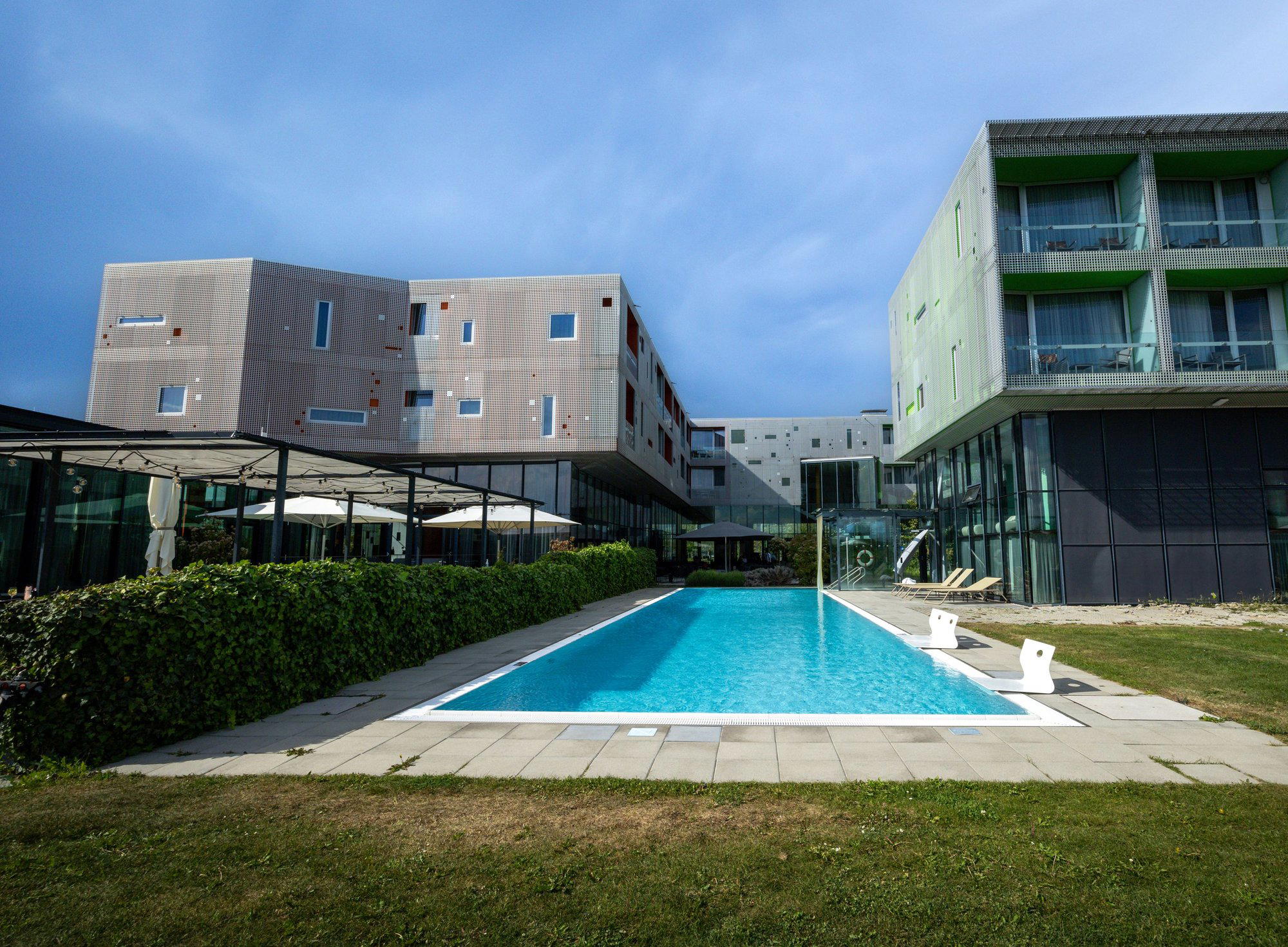
rustiko
The wine
- Wine program
- Curated wine list
- Extensive wine list
Details
- Rustic
- Cozy
- Scenic
- Elegant
- Date Night
- Special Occasion
- Terrace
- Extensive Wine List
- Local Sourcing
- Vineyard
- Garden
- A La Carte
- Italian Wines
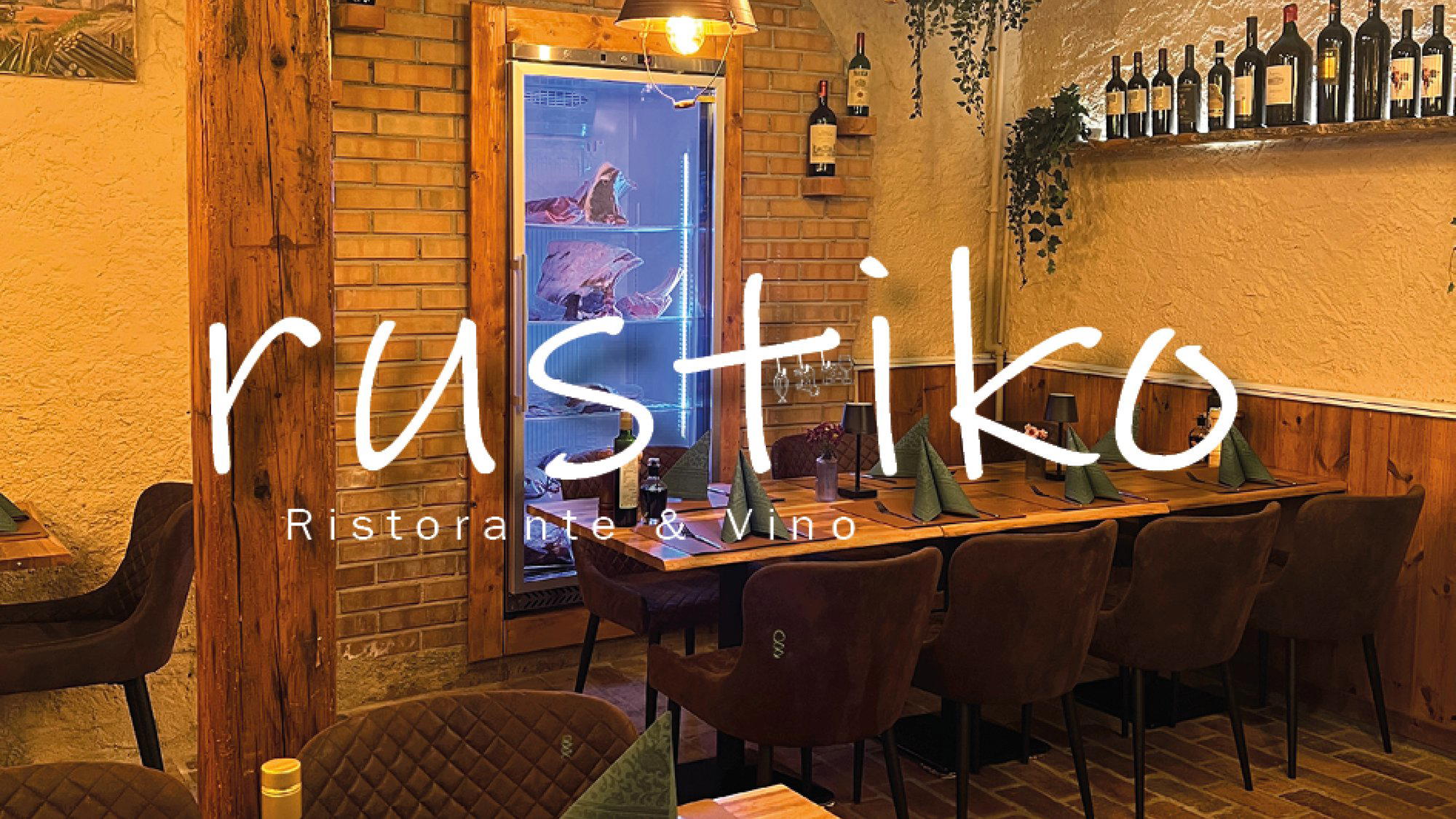
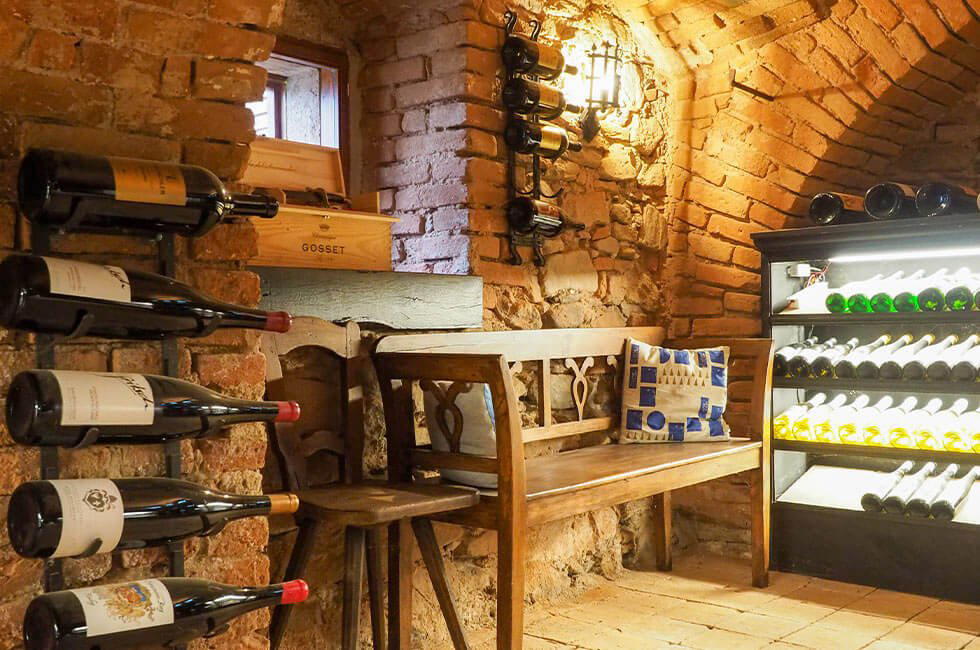
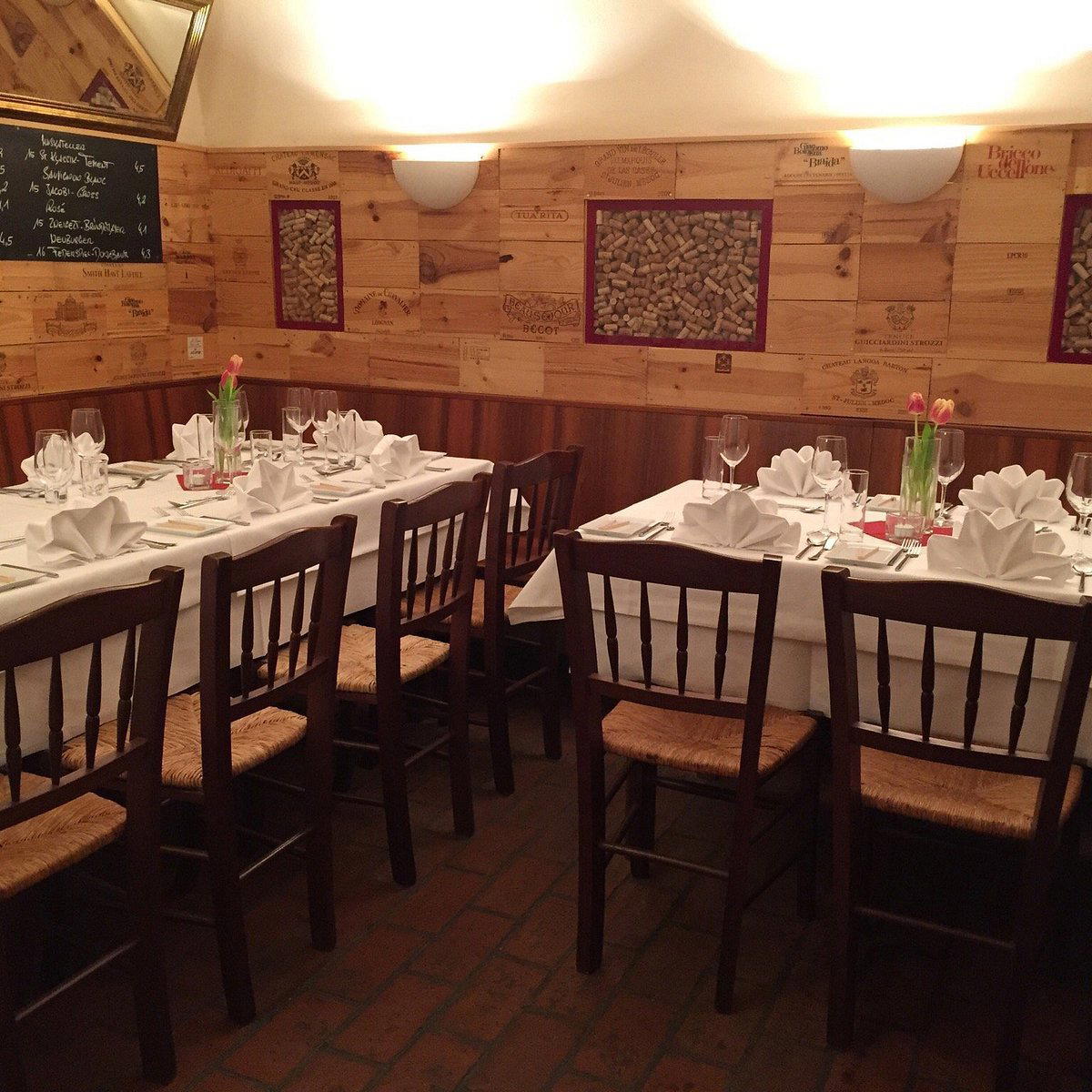
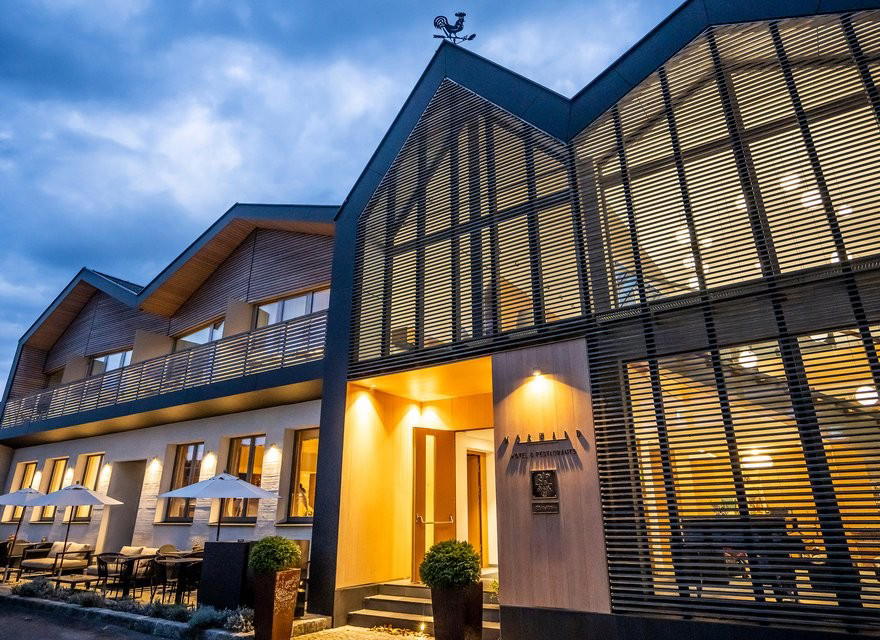
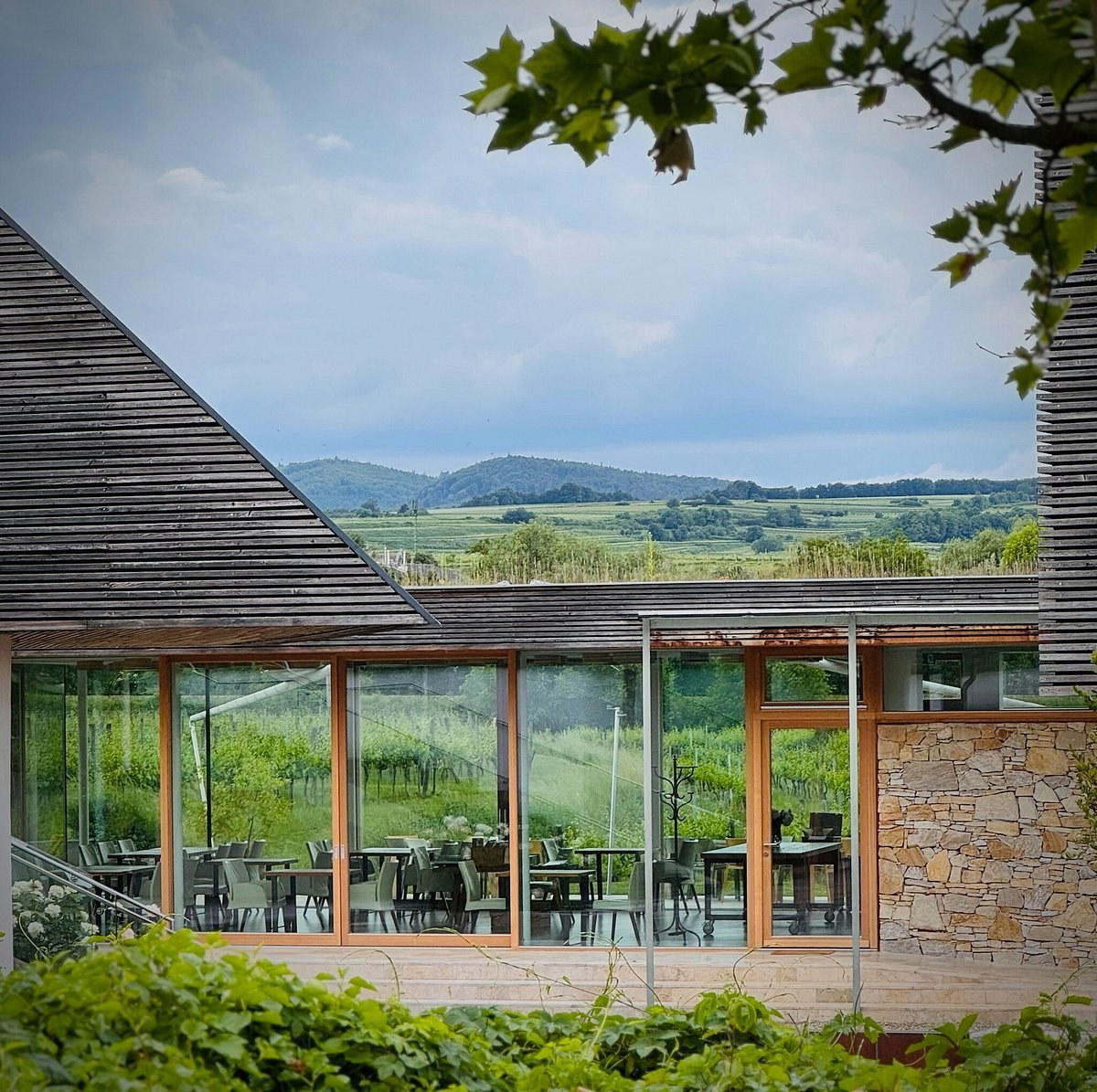
Cozy winter garden with open fire, surrounded by olive trees and vineyard views, evoking a Tuscan trattoria atmosphere.