Vineyard im Loisium
Our verdict
Vineyard im Loisium sits at the intersection of Austria's Kamptal wine culture and regional ingredient-led cooking, positioned within one of Lower Austria's most concentrated wine tourism destinations. The setting, alongside the LOISIUM Wine & Spa Resort in Langenlois, frames a dining experience rooted in local provenance — where what arrives at the table is shaped by the vines and producers within reach.

Pearl is the En Primeur Club membership app — saves, bookings, and concierge access live there. Same editors, same standards.
- Address
- Loisium-Allee 2, 3550 Langenlois, Austria
- Phone
- +43273477100
- Website
- loisium.com
- Directions
- Get directions
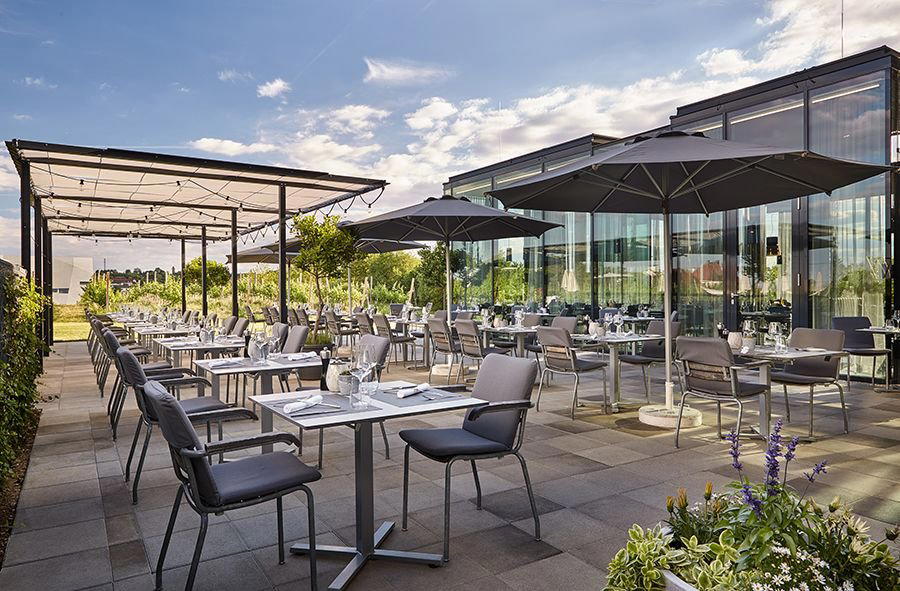
Where the Kamptal Begins at the Table
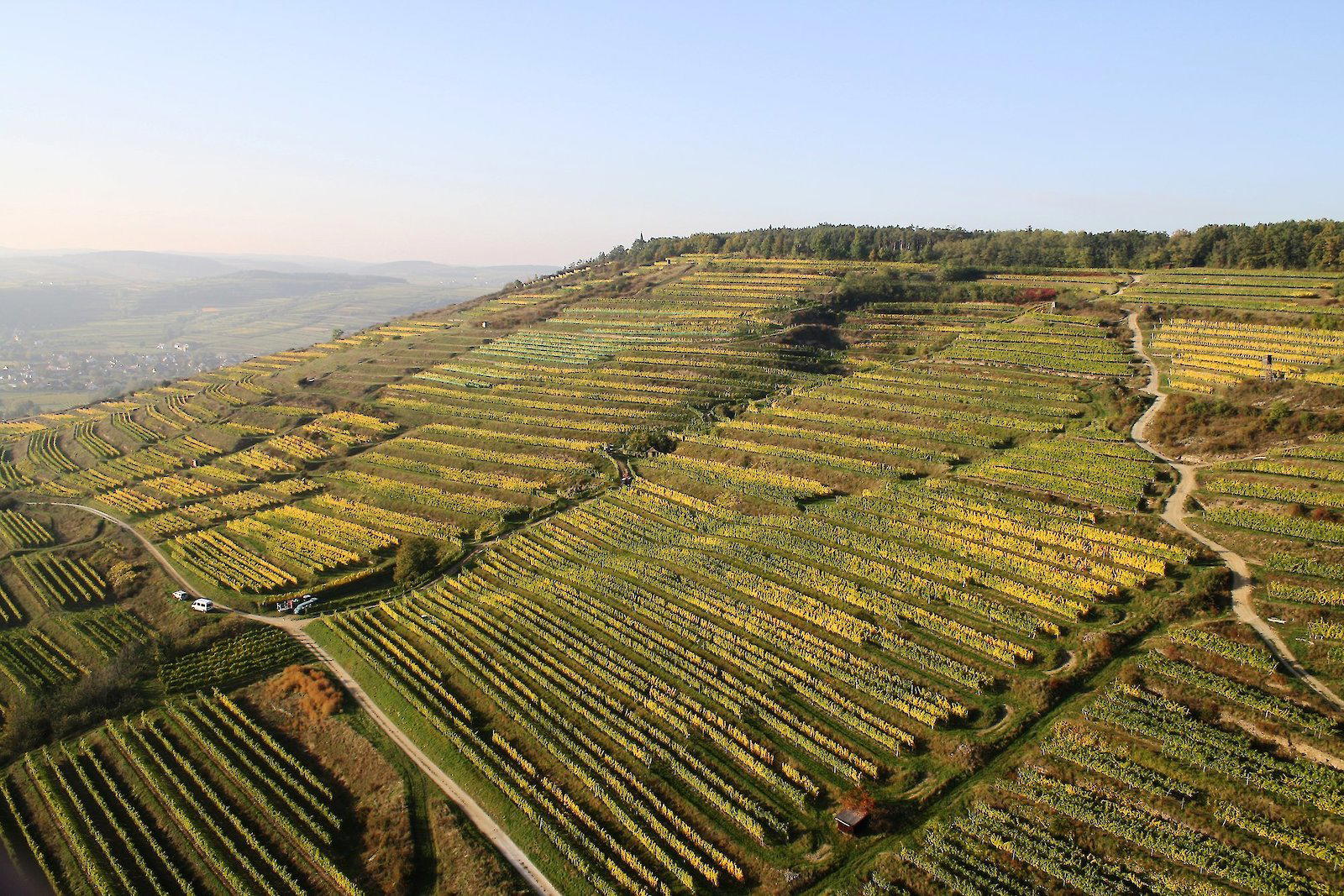
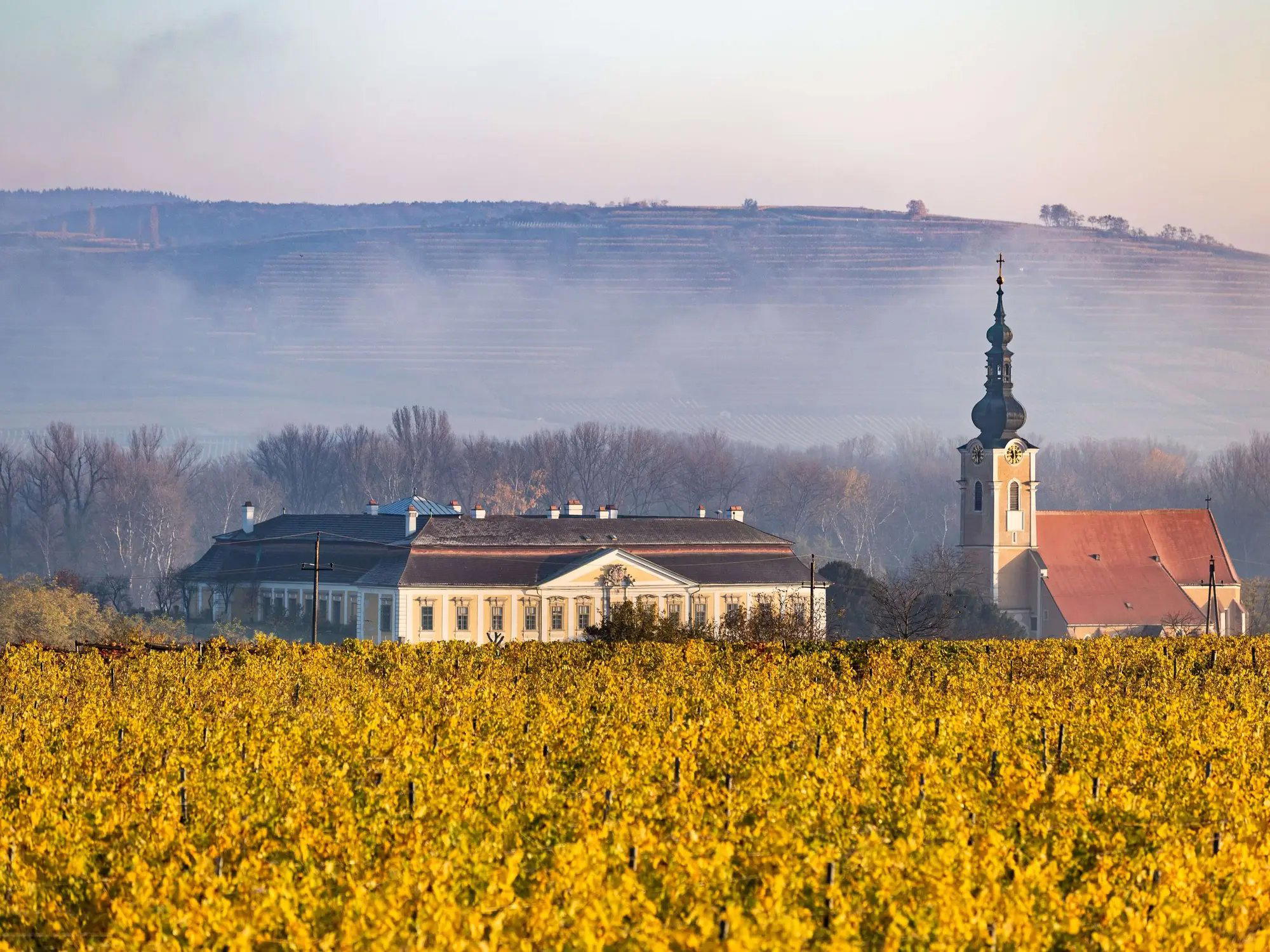
Langenlois doesn't announce itself with fanfare. Arriving along the Kamp river valley, the town settles into view as a low-slung cluster of wine estates and cellar entrances, the surrounding slopes planted almost uninterrupted with Grüner Veltliner and Riesling. The LOISIUM complex on the town's edge, designed by Steven Holl Architects and opened in the early 2000s, introduced a different kind of hospitality to this already wine-saturated corner of Lower Austria: a spa resort and dining destination built to hold visitors in place long enough to properly absorb the region. Vineyard im Loisium sits within that complex, and its logic follows the same premise — that Kamptal is worth slowing down for.
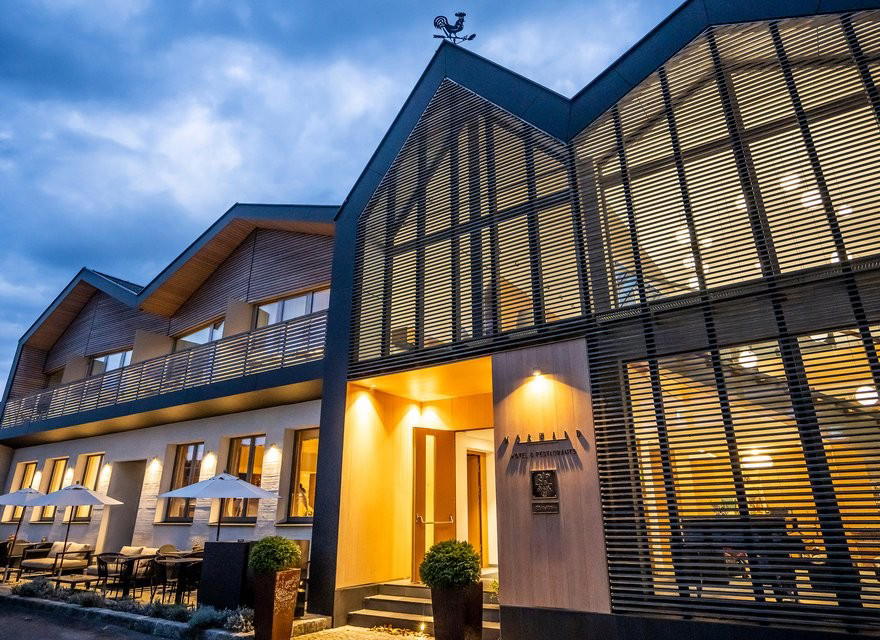
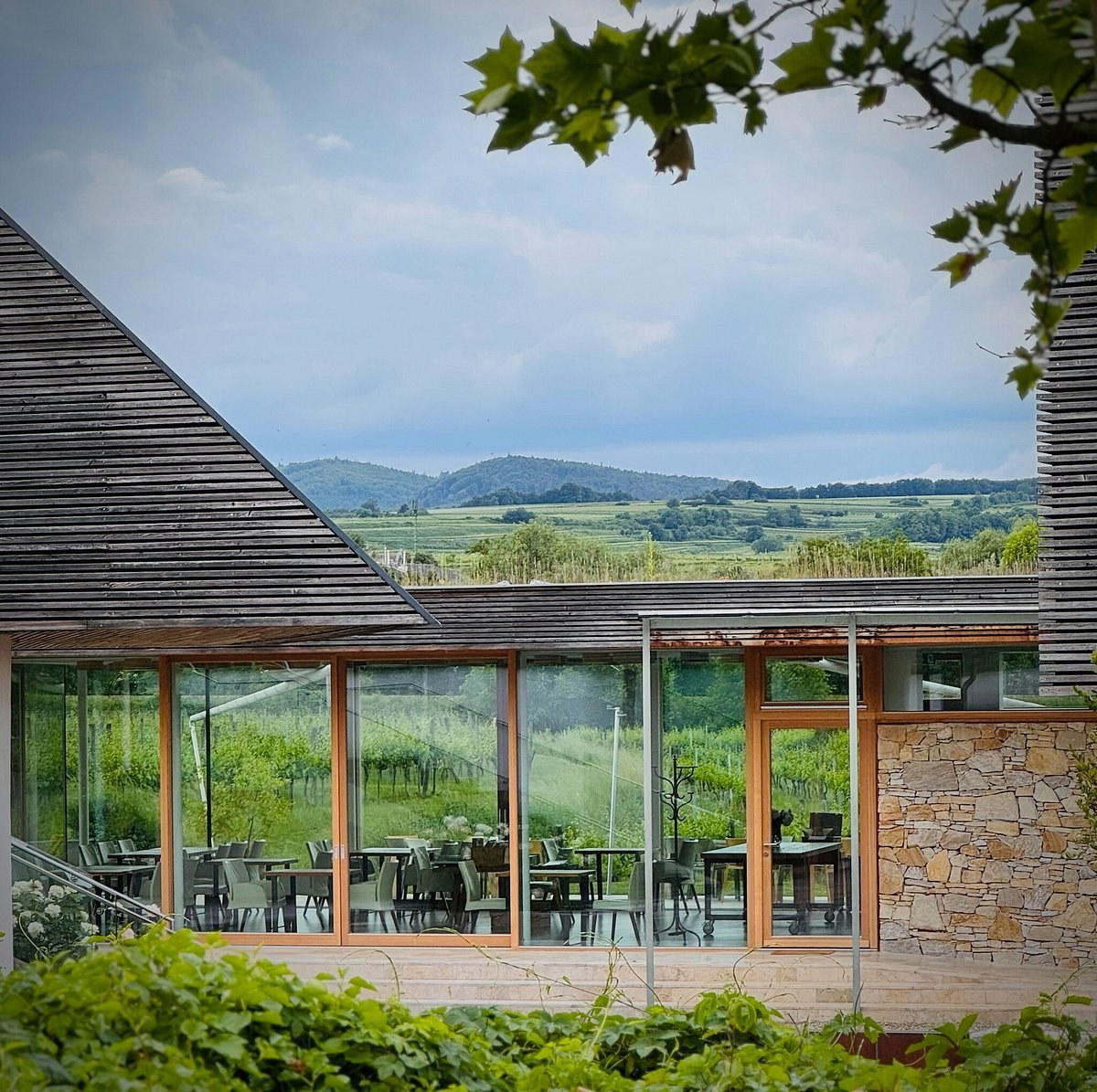
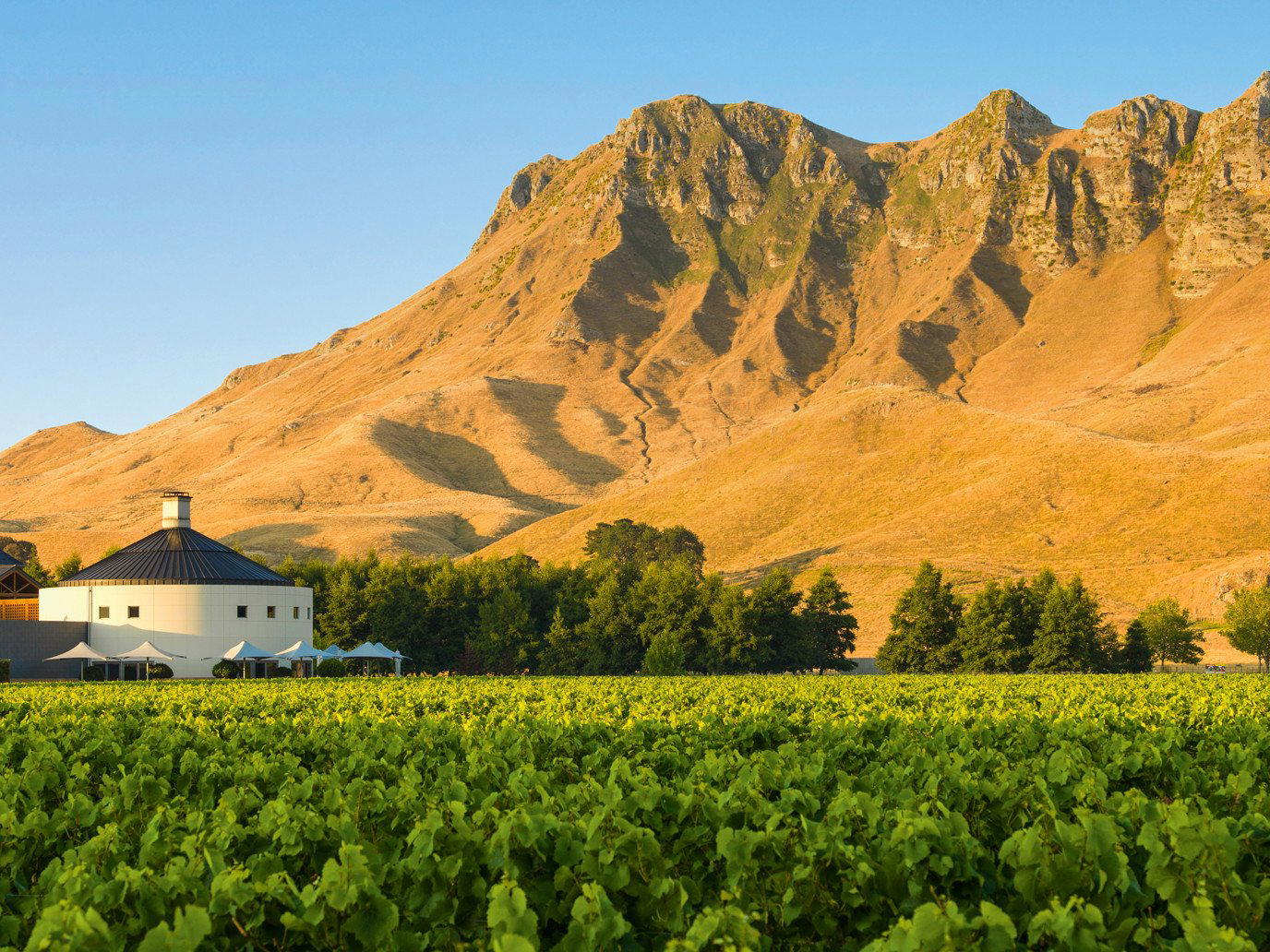
The physical setting is shaped by the architectural contrast the LOISIUM complex is known for: dark cubic volumes against the open sky, with wine country extending in most directions. Dining here means the surrounding vineyards are not a decorative backdrop but the actual source context for what appears on the plate and in the glass. That orientation — toward the land immediately outside, is the most consistent thread running through the restaurant's position in the local dining scene.
Ingredient Provenance in a Wine-First Region
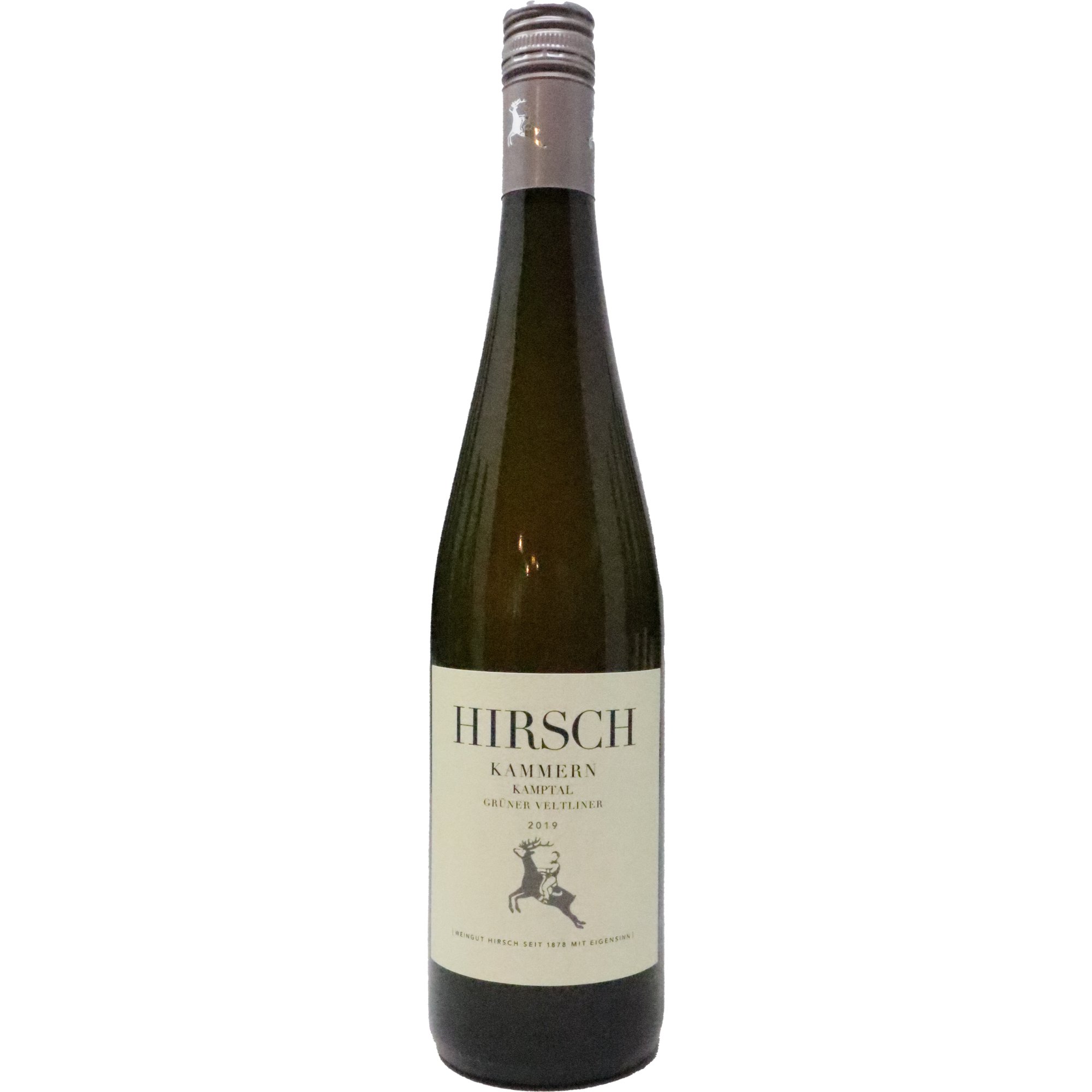
Kamptal is one of Austria's designated DAC wine regions, known primarily for Grüner Veltliner and Riesling grown on loess and primary rock soils. But the farming density that produces world-distributed wines from estates like Bründlmayer and Hirsch also sustains a broader agricultural economy, one that supplies produce, dairy, and livestock to regional kitchens. Restaurants in this part of Lower Austria are not importing their sourcing philosophy from urban fine dining; they are working with a supply chain that exists because the wine industry already demanded it.
This is the context that shapes ingredient-led cooking in Langenlois specifically. The proximity to active wine estates means that kitchen relationships with local growers and producers are built into the geography rather than pursued as a marketing decision. At Vineyard im Loisium, the orientation toward regional sourcing is part of the broader LOISIUM positioning: a resort experience anchored in what Kamptal specifically produces, not a generalist Austrian country house operation. That specificity separates it from peer hotel restaurants across Lower Austria that draw on regional identity more loosely.
For comparison, the high-end Austrian dining tier represented by venues like Landhaus Bacher in Mautern an der Donau and Steirereck im Stadtpark in Vienna demonstrates how deeply regional sourcing can be woven into a restaurant's formal identity. Vineyard im Loisium operates at a different tier, as a resort dining room rather than a destination-only restaurant, but within Langenlois itself, it occupies a position distinct from the town's traditional wine tavern options like Heurigenhof Bründlmayer and rustiko.
Langenlois and the Austrian Regional Dining Pattern
Austria's serious restaurant culture has historically concentrated in Vienna and in alpine resort contexts, the Michelin-recognised tables at Griggeler Stuba in Lech, Stüva in Ischgl, and Gourmetrestaurant Tannenhof in Sankt Anton am Arlberg represent the alpine end of that pattern. The wine regions of Lower Austria have developed differently, with dining integrated into estate culture rather than positioned separately as a fine dining destination. Langenlois reflects that integration: the leading meals here tend to arrive alongside the wines that the valley produces, in settings that are as much about the producer relationship as the kitchen craft.
That model sits alongside a broader shift in how regional Austrian cooking is being understood internationally. Operations like Obauer in Werfen, Döllerer in Golling an der Salzach, and Kräuterreich by Vitus Winkler in Sankt Veit im Pongau have established that the provinces can produce cooking of serious international standing. These are destination tables in their own right, not Vienna satellites. Vineyard im Loisium functions in a related but distinct register: it serves a resort-based audience rather than a purely destination-dining one, but it operates within a region that takes its food and wine relationship seriously at every level.
For readers exploring the full range of Austrian regional cooking, Ois in Neufelden, Schwarzer Adler in Hall in Tirol, Restaurant 141 by Joachim Jaud in Mieming, and Ikarus in Salzburg each map a different point on that spectrum. At the international level, the precision sourcing commitments of Le Bernardin in New York City and the tasting menu discipline of Atomix in New York City represent what ingredient provenance looks like when refined to a primary identity at the highest tier, a useful reference point for understanding what distinguishes venue-led sourcing from region-led sourcing.
Langenlois itself makes the case that provenance-first dining does not require a tasting menu format or Michelin recognition to be meaningful. The valley's density of committed wine producers creates the conditions for kitchen sourcing that would be difficult to replicate in less agriculturally concentrated settings. See our full Langenlois restaurants guide for a mapped view of the town's dining options across formats and price points.
Planning a Visit
Vineyard im Loisium is located at Loisium-Allee 2, 3550 Langenlois, within the LOISIUM Wine and Spa Resort complex on the edge of town. Langenlois is reachable from Vienna by train to Krems an der Donau, followed by a regional connection or short transfer; the drive from Vienna runs approximately 80 kilometres via the A22 and B35. The Kamptal harvest season, running from late September through October, brings the highest concentration of wine-focused visitors to the region and the most immediate connection between what is happening in the vineyards and what appears on the menu. Booking in advance is advisable during this period and over summer weekends, when the resort operates at full capacity. For the most current reservation information, the LOISIUM resort front desk is the reliable point of contact given the restaurant's position within the property.
Frequently asked questions
Where exactly is Vineyard im Loisium?
Vineyard im Loisium is located at Loisium-Allee 2, 3550 Langenlois, Austria, Langenlois.
How does dining at Vineyard im Loisium differ from visiting a traditional Langenlois Heuriger?
The Heuriger format, open wine taverns run by the producing estate, remains the dominant way to eat and drink in Langenlois, offering cold platters and estate pours in a producer-direct setting. Vineyard im Loisium, located within the LOISIUM resort at Loisium-Allee 2, operates as a full-service restaurant inside a purpose-built wine and spa complex, which means a more structured dining environment than the self-service informality of a working Heuriger. For travellers who want Kamptal wine culture without navigating individual estate schedules, the LOISIUM context provides a consolidated alternative.
Is Vineyard im Loisium reservation-only?
Vineyard im Loisium operates within the LOISIUM Wine and Spa Resort at Loisium-Allee 2, Langenlois, which draws both resort guests and day visitors, particularly during Kamptal's harvest season in September and October. Demand from in-house guests alone makes walk-in availability unreliable during peak periods. Contacting the LOISIUM resort directly to confirm current booking policy before visiting is the practical approach.
What has Vineyard im Loisium built its reputation on?
The restaurant's identity is tied to its position inside one of the Kamptal's most visited wine and hospitality destinations, the LOISIUM complex in Langenlois, rather than to a standalone culinary profile. Langenlois is Austria's largest wine town by vineyard area, and the LOISIUM resort was conceived from the outset as an architectural and experiential statement about Kamptal wine culture. Dining here functions as an extension of that wine-country proposition rather than as a destination table in the Vienna or alpine fine-dining sense.
A Quick Peer Check
| Venue | Cuisine | Price | Awards | Notes |
|---|---|---|---|---|
| Vineyard im LoisiumThis venue — the venue you are viewing | Modern Austrian Regional Cuisine | $50–100 | Not listed | Not listed |
| Steirereck im Stadtpark | Modern Austrian Fine Dining | $200–300 | 3 Michelin Stars · World's 50 Best #33 | Creative |
| Döllerer | Modern Alpine Cuisine | $100–150 | 2 Michelin Stars · La Liste Top Restaurants | Contemporary Austrian, Innovative |
| Ikarus | Guest Chef Fine Dining | $200–300 | 2 Michelin Stars · La Liste Top Restaurants | Modern European, Creative |
| Konstantin Filippou | Modern Fish-Led Fine Dining | $200–300 | 2 Michelin Stars · La Liste Top Restaurants | Modern European, Modern Cuisine |
| Landhaus Bacher | Classic Austrian Fine Dining | $100–150 | 2 Michelin Stars · La Liste Top Restaurants | Austrian, Classic Cuisine |
Continue exploring
More in Langenlois
Restaurants in Langenlois
Browse all →
Bars in Langenlois
Browse all →
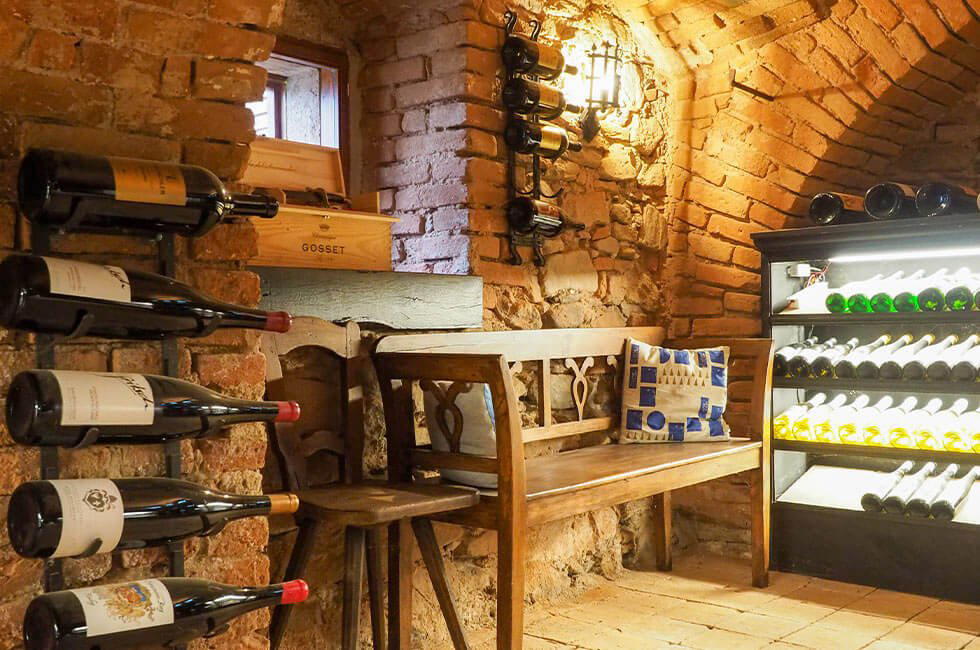
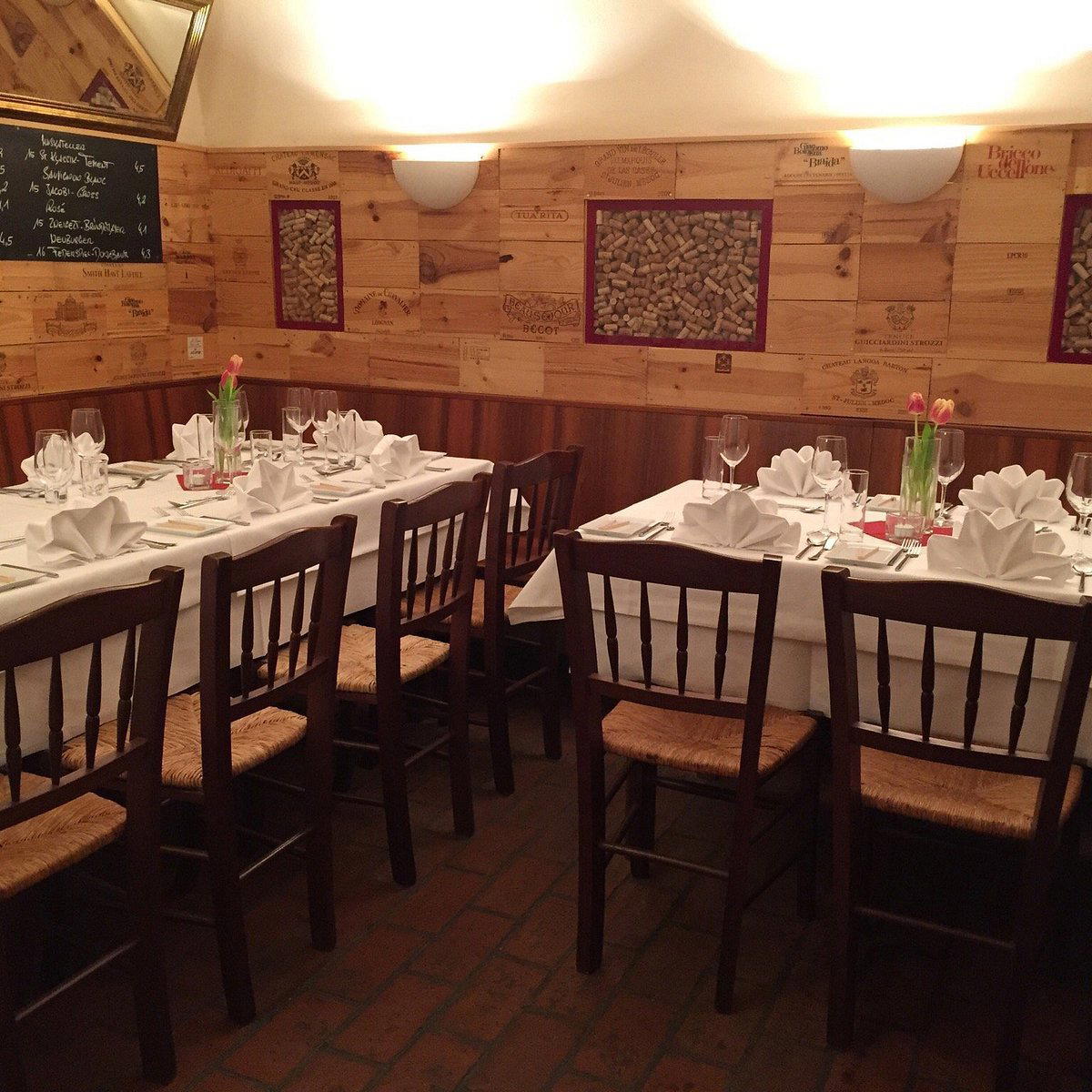
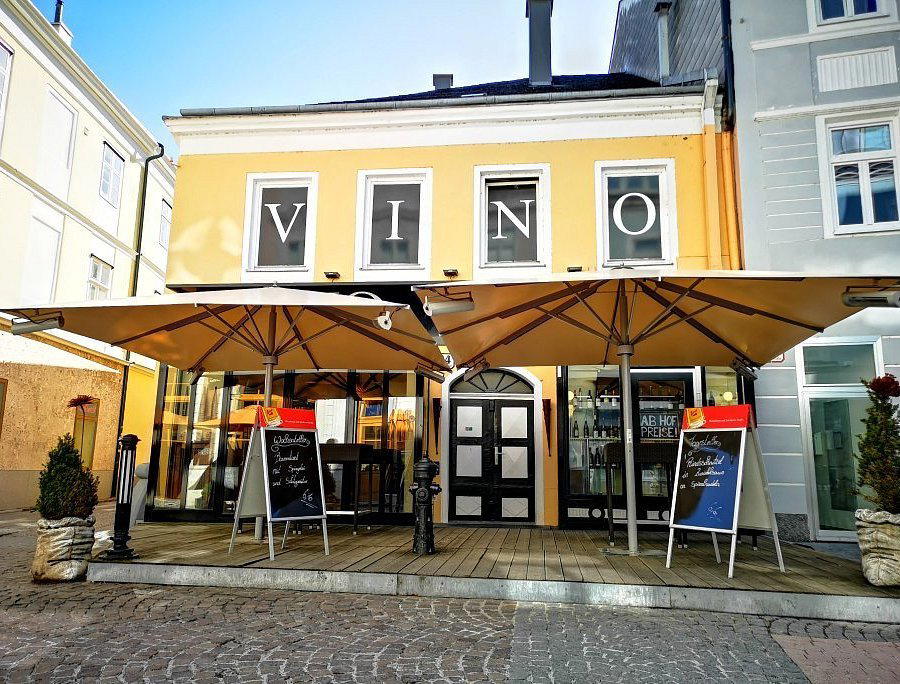
Hotels in Langenlois
Browse all →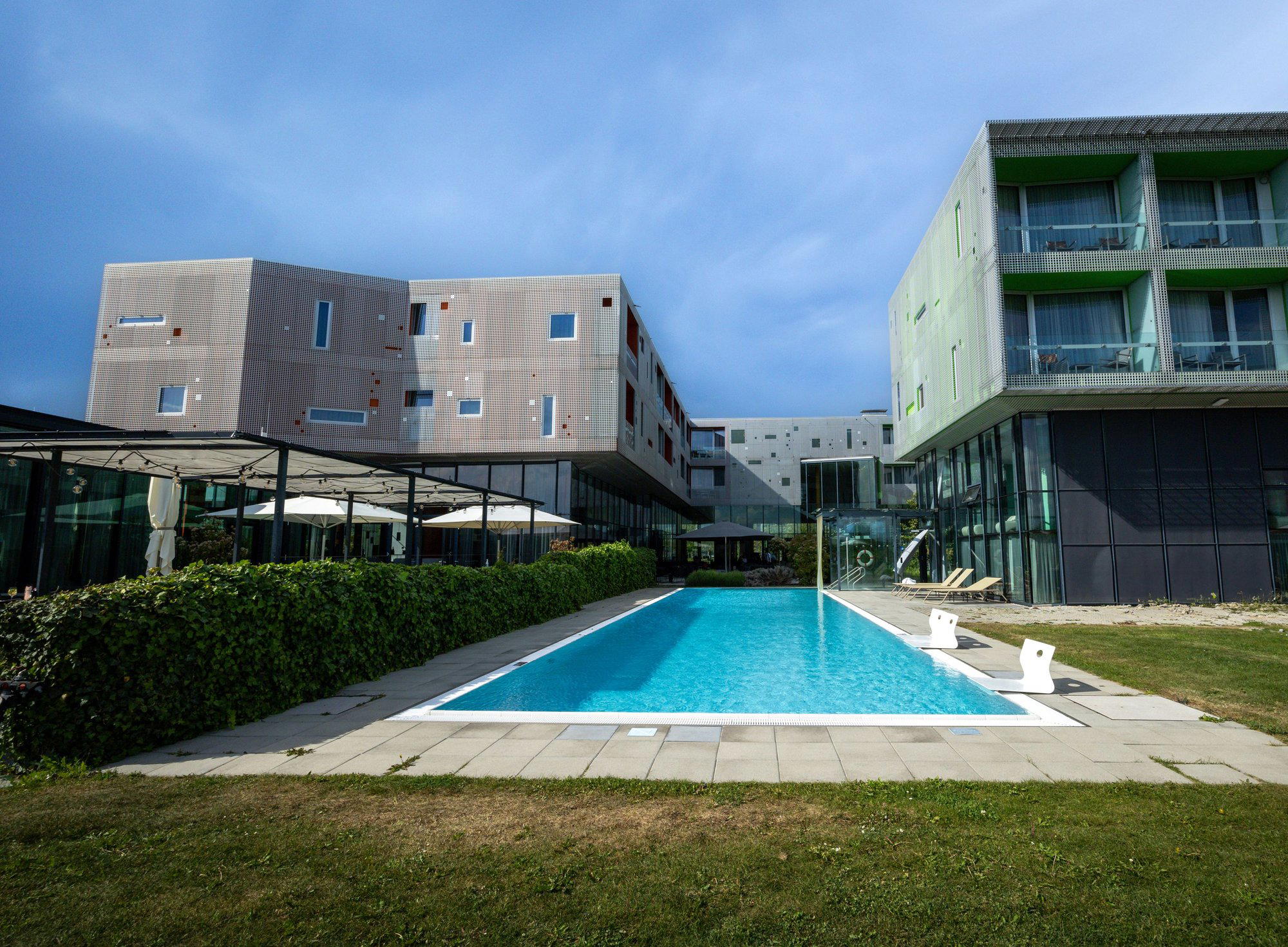
Vineyard im Loisium
The wine
- Wine program
- Exceptional wine program
- Extensive wine list
- Sommelier-led
Details
- Elegant
- Modern
- Scenic
- Sophisticated
- Date Night
- Special Occasion
- Celebration
- Wine Cellar
- Panoramic View
- Design Destination
- Hotel Restaurant
- Terrace
- Extensive Wine List
- Sommelier Led
- Farm To Table
- Local Sourcing
- Vineyard
- Tasting Menu
- A La Carte
- Grüner Veltliner
- Riesling
- Regional Austrian Wines
- Vegetarian Friendly
- Vegan Options
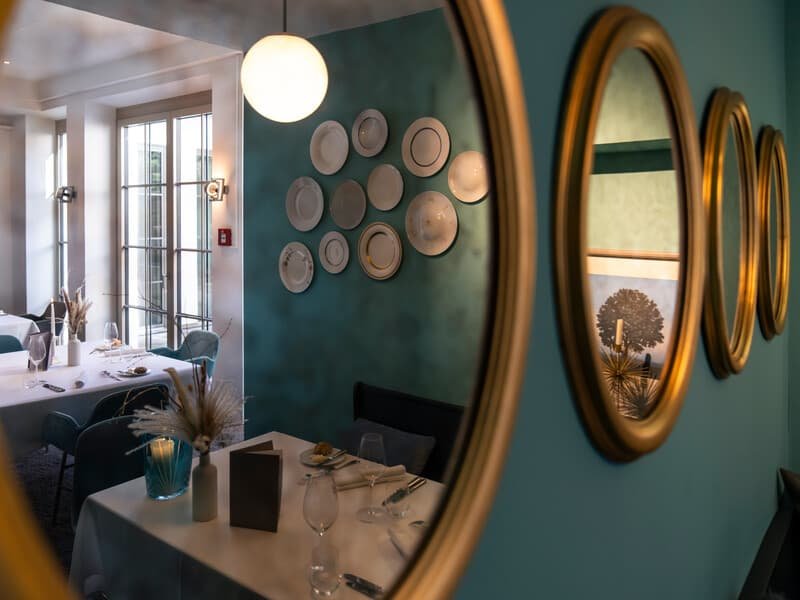
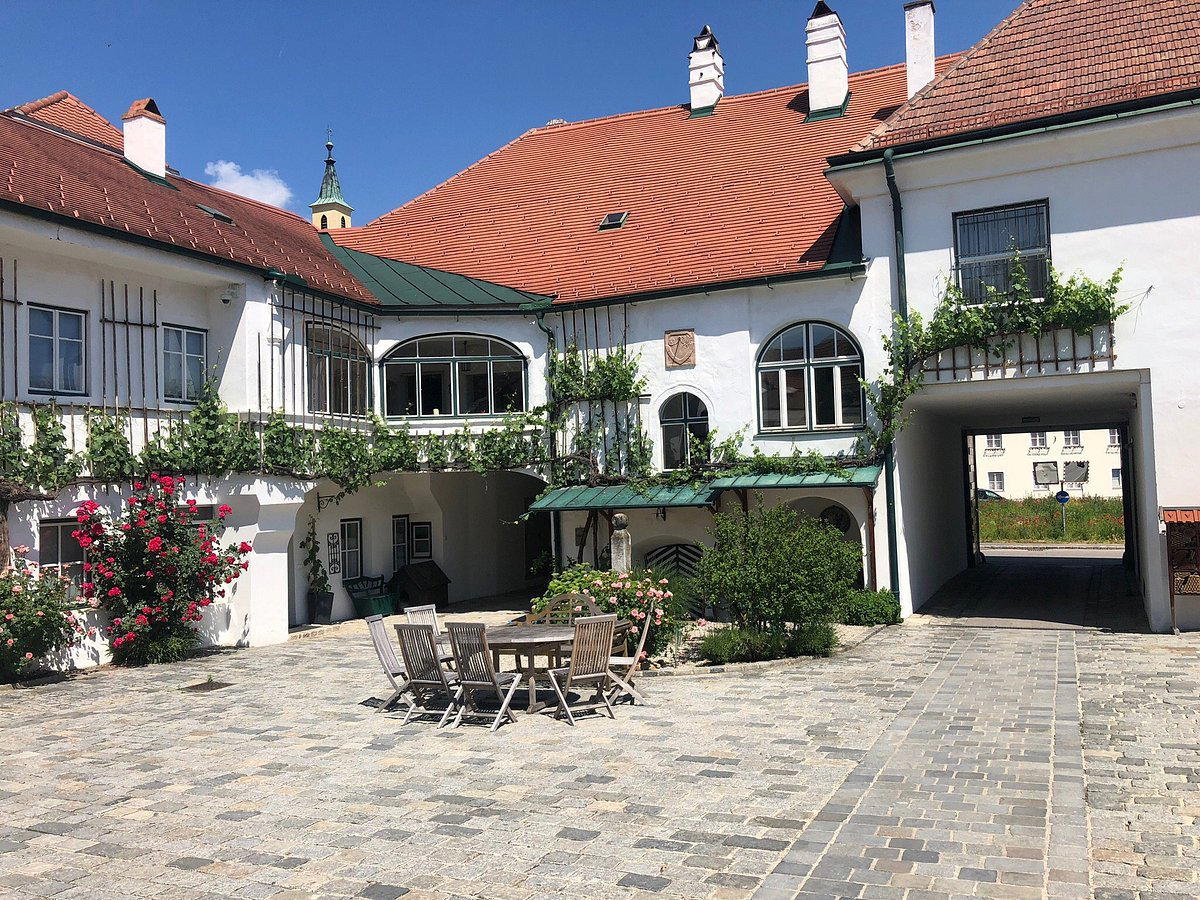
Contemporary minimalist design with muted whites contrasting lush vineyard views; refined yet relaxed atmosphere with natural light and modern furnishings.