Rudä

A Michelin Plate recipient in both 2024 and 2025, Rudä sits on Rua Garcia d'Avila in Ipanema at a mid-range price point that makes it an accessible entry into Rio's broader Brazilian cuisine scene.
Pearl is the En Primeur Club membership app — saves, bookings, and concierge access live there. Same editors, same standards.
- Address
- Rua Garcia d'Avila, 118 - Ipanema, Rio de Janeiro - RJ, 22421-010, Brazil
- Phone
- +55 21 98385-7051
- Website
- linktr.ee
- Directions
- Get directions
 Saves & bookings on Pearl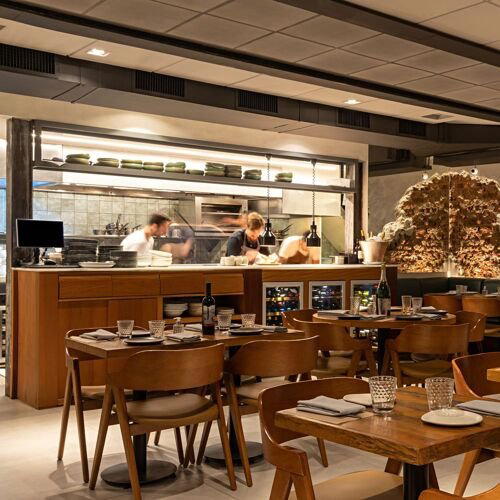
Ipanema's Market-Rooted Table
Rua Garcia d'Avila runs through the commercial spine of Ipanema, a street where boutiques and neighbourhood restaurants share frontage in equal measure. The address puts Rudä within easy reach of the feira livre circuit that defines Rio's ingredient supply chain at street level — the open-air markets where cooks, not just shoppers, do their most important daily work. In a city where produce quality can shift dramatically by neighbourhood and by week, proximity to that network matters. It shows up in the kind of kitchen that builds its menu around what arrived that morning rather than what a fixed card promised months in advance.
Rudä holds a Michelin Plate in both 2024 and 2025, a recognition that sits below starred status but above the unrecognised mass of Rio's dining room. The Plate signals that Michelin's inspectors found cooking worth noting — consistent technique, ingredient quality above the category norm, a kitchen operating with intention. At a $$ price point, that combination is less common than it should be. Most Michelin-acknowledged addresses in Rio price toward the upper tiers; Lasai and Oteque both operate at $$$$, serving tasting menus that function as standalone evening commitments. Rudä occupies different ground: accessible enough for a Tuesday dinner, serious enough to hold Michelin's attention across consecutive years.
What the Brazilian Table Looks Like at This Price
Brazilian cuisine at the mid-range tier in Rio covers a wide spectrum. At one end, there are the classic boteco-adjacent plates, feijoada, moqueca, arroz e feijão, cooked well but without particular ambition beyond comfort. At the other, there are the newer neighbourhood restaurants that draw from the same pantry of cerrado fruits, Amazonian ingredients, and coastal seafood as the high-end tasting menu houses, but plate them in formats that don't require a three-hour commitment. The more interesting addresses in this bracket tend to cluster in Ipanema and Leblon, where the customer base supports a higher baseline of expectation without demanding the full ceremony of Botafogo's fine-dining corridor.
Ratings at that level, sustained over a meaningful sample size, suggest a kitchen that performs reliably rather than occasionally. A single notable night can generate a cluster of five-star responses; what sustains a 4.7 across hundreds of visits is consistency, the same sourcing discipline, the same technique, the same result whether the room is full or half-empty on a midweek evening.
Across Rio's mid-range Brazilian addresses, Aconchego Carioca offers a useful reference point: a neighbourhood institution in Vila Isabel that has built its reputation on traditional carioca cooking executed with care. Sud, O Pássaro Verde takes a different approach, framing Brazilian ingredients through a more European technical lens. Rudä's Michelin recognition places it in a peer conversation with both, though its Ipanema address and price tier give it a different audience profile than either.
The Market Connection: Sourcing as Editorial Statement
The relationship between Rio's kitchen culture and its street markets is one of the more underexamined parts of the city's food identity. São Paulo tends to receive more coverage for its ingredient-driven restaurant movement, Evvai in São Paulo and A Baianeira are among the addresses that have made sourcing a visible part of their editorial identity. But Rio's feira system, running through neighbourhoods from Santa Teresa to Ipanema on fixed weekly schedules, provides the same raw material infrastructure. Chefs who build menus around that supply chain tend to cook seasonally by necessity as much as by philosophy: what the feira carries in July is not what it carries in December, and a kitchen that buys there regularly has no choice but to adapt.
That discipline, when it works, produces menus that feel specific to a moment and a place rather than generic to a category. The leading regional Brazilian cooking at any price tier tends to share this quality, whether it's Território Aprazível working with its hillside garden in Santa Teresa, or Manga in Salvador drawing from Bahia's coastal and sertão markets, or Orixás | North Restaurant in Itacaré running hyper-local sourcing in the Bahian south. Across Brazil's broader restaurant scene, from Mina in Campos do Jordão to Primrose in Gramado to Castelo Saint Andrews in the Serra Gaúcha, particularly consistent kitchens are the ones with shortest supply chains. Rudä's Ipanema position gives it access to that same logic at a neighbourhood scale.
Planning Your Visit
Rudä is on Rua Garcia d'Avila, 118, Ipanema, a walkable address from the beach end of the neighbourhood, and direct to reach by taxi or app from Leblon, Copacabana, or Botafogo. The $$$ price point means a meal here sits within a typical Rio evening budget, making it a natural choice for a neighbourhood dinner without the advance planning required by the tasting-menu tier. Given the 4.7 rating and Michelin Plate status, booking ahead for weekend sittings is the practical move; the combination of recognition and accessible pricing tends to fill rooms faster than either factor alone would suggest.
Frequently Asked Questions
- What do people recommend at Rudä? enprimeurclub.com/destinations/rio-de-janeiro">Brazilian cuisine offering. The recurring strength in guest reviews tends to reflect ingredient quality and the kind of cooking that reads as seasonal and specific rather than fixed and formulaic, characteristics associated with kitchens that source through Rio's feira network. For specific current dishes, checking the venue directly before visiting will give you one accurate picture, as menus at this tier of sourcing-led cooking change with market availability. Peer addresses for comparison include Aconchego Carioca and Sud, O Pássaro Verde, both of which approach Brazilian ingredients from different editorial angles. AE! Café & Cozinha in São Paulo offers a useful national reference point for the accessible end of ingredient-driven Brazilian cooking.
How It Stacks Up
Comparable venues nearby, for context on price, style, and recognition.
| Venue | Cuisine | Price | Awards | Notes |
|---|---|---|---|---|
| RudäThis venue — the venue you are viewing | Modern Brazilian Bistro | $$$ | Michelin Plate | Not listed |
| Marine Restô | Modern Brazilian Seafood | $$$$ | Michelin Plate | Copacabana |
| Sud, O Pássaro Verde | Farm-to-Table Brazilian | $$$ | Michelin Plate | Jardim Botânico |
| Haru Sushi Bar | Japanese Sushi & Omakase | $$$ | Michelin Plate | Copacabana |
| Julieta | Modern Brazilian | $$$ | Not listed | Flamengo |
| Corrientes 348 - Marina da Glória | Argentine Parrilla Steakhouse | $$$ | Michelin Plate | Glória |
Recognition history
Dated appearances from independent guides and award organizations, with the underlying list record or original source where available.
Michelin Plate
Michelin
Michelin Plate
Michelin
Michelin Plate
Michelin
Continue exploring
More in Rio de Janeiro
Restaurants in Rio de Janeiro
Browse all →
Bars in Rio de Janeiro
Browse all →
At a Glance
- Cozy
- Elegant
- Modern
- Intimate
- Date Night
- Special Occasion
- Celebration
- Private Dining
- Extensive Wine List
- Local Sourcing
Current opening hours
- Monday
- 12–11 PM
- Tuesday
- 12–11 PM
- Wednesday
- 12 PM–12 AM
- Thursday
- 12 PM–12 AM
- Friday
- 12 PM–12 AM
- Saturday
- 12 PM–12 AM
- Sunday
- 12–11 PM
Hours can change for holidays and private events. Last verified .
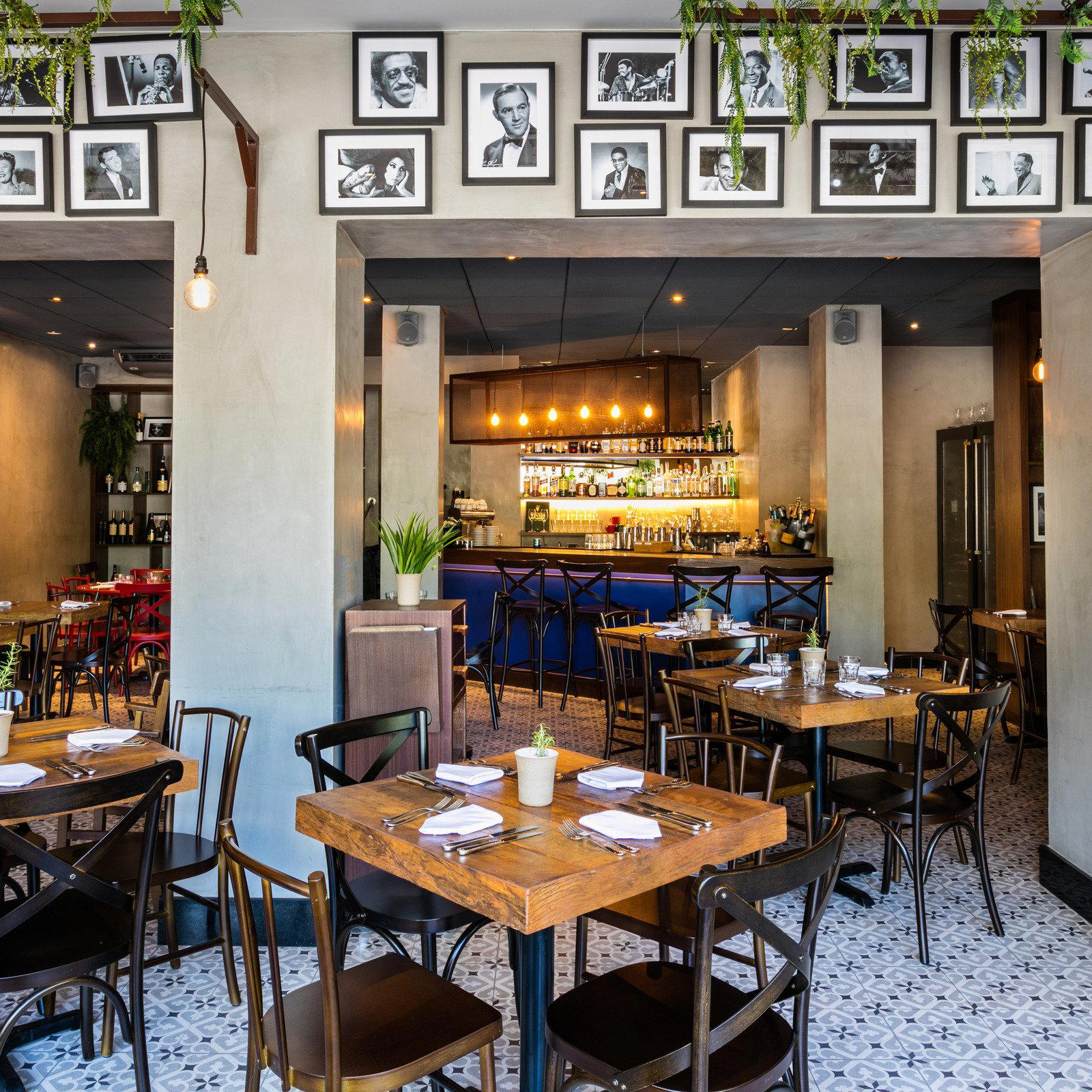
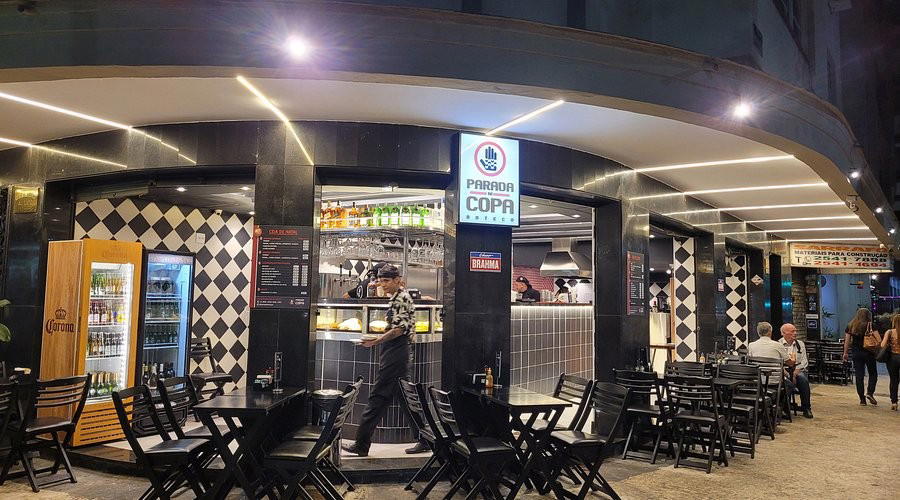
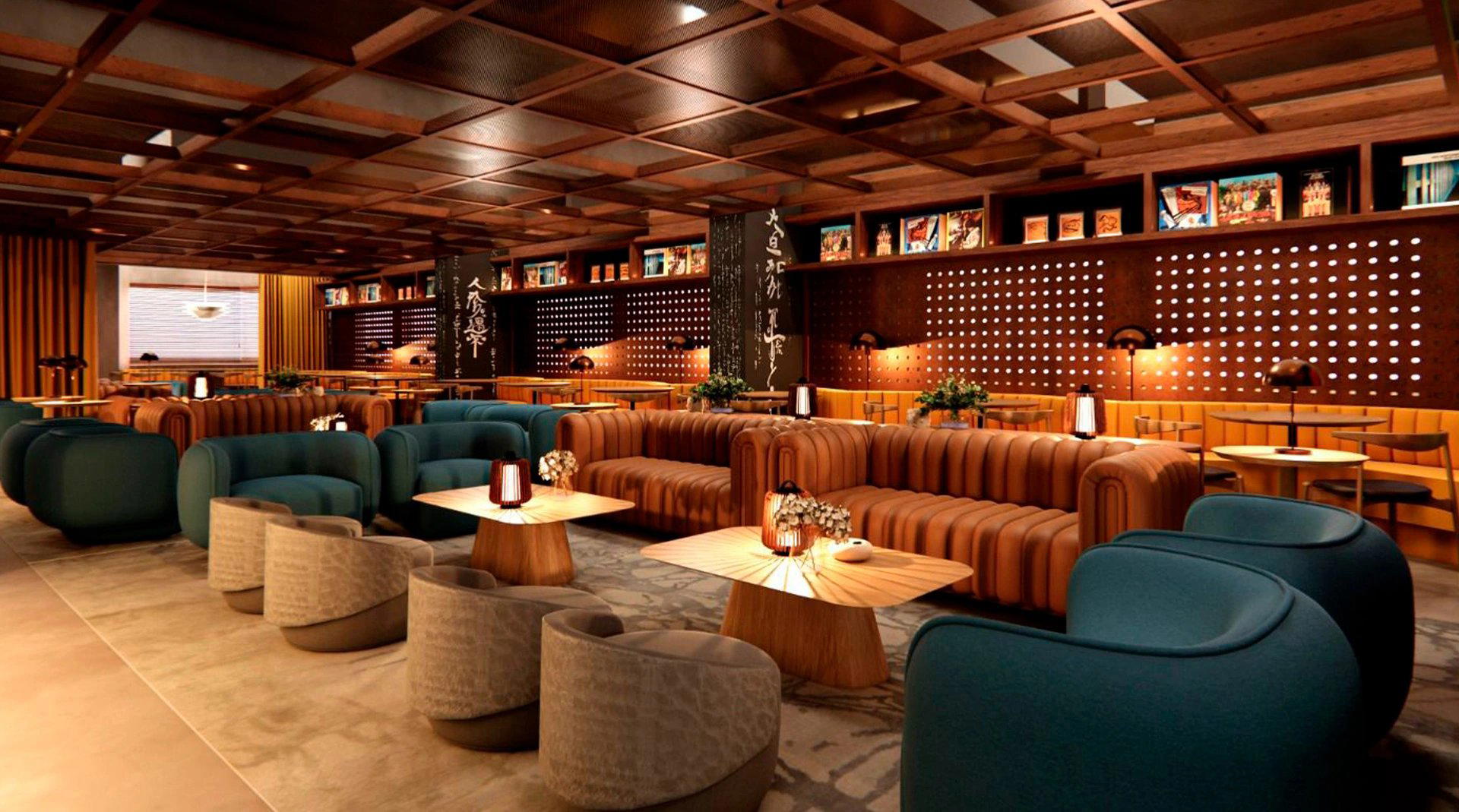
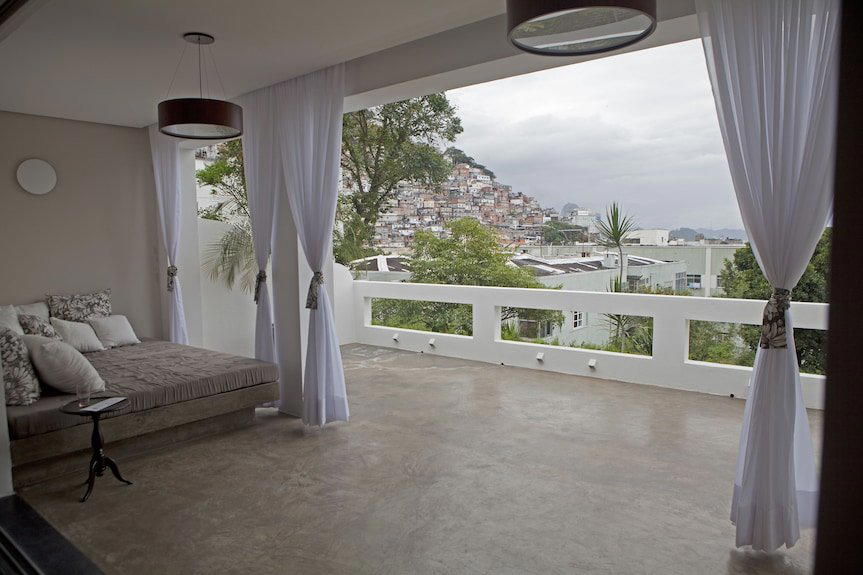
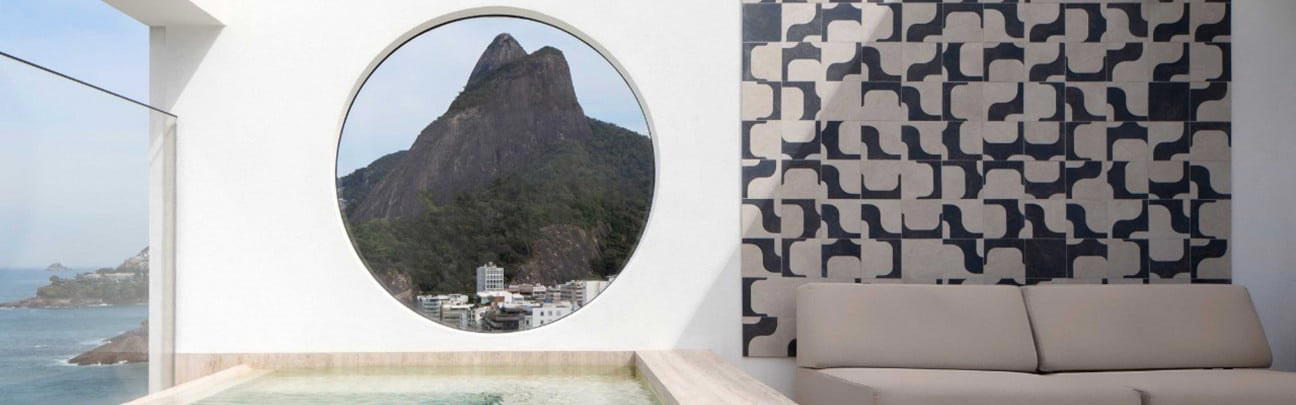
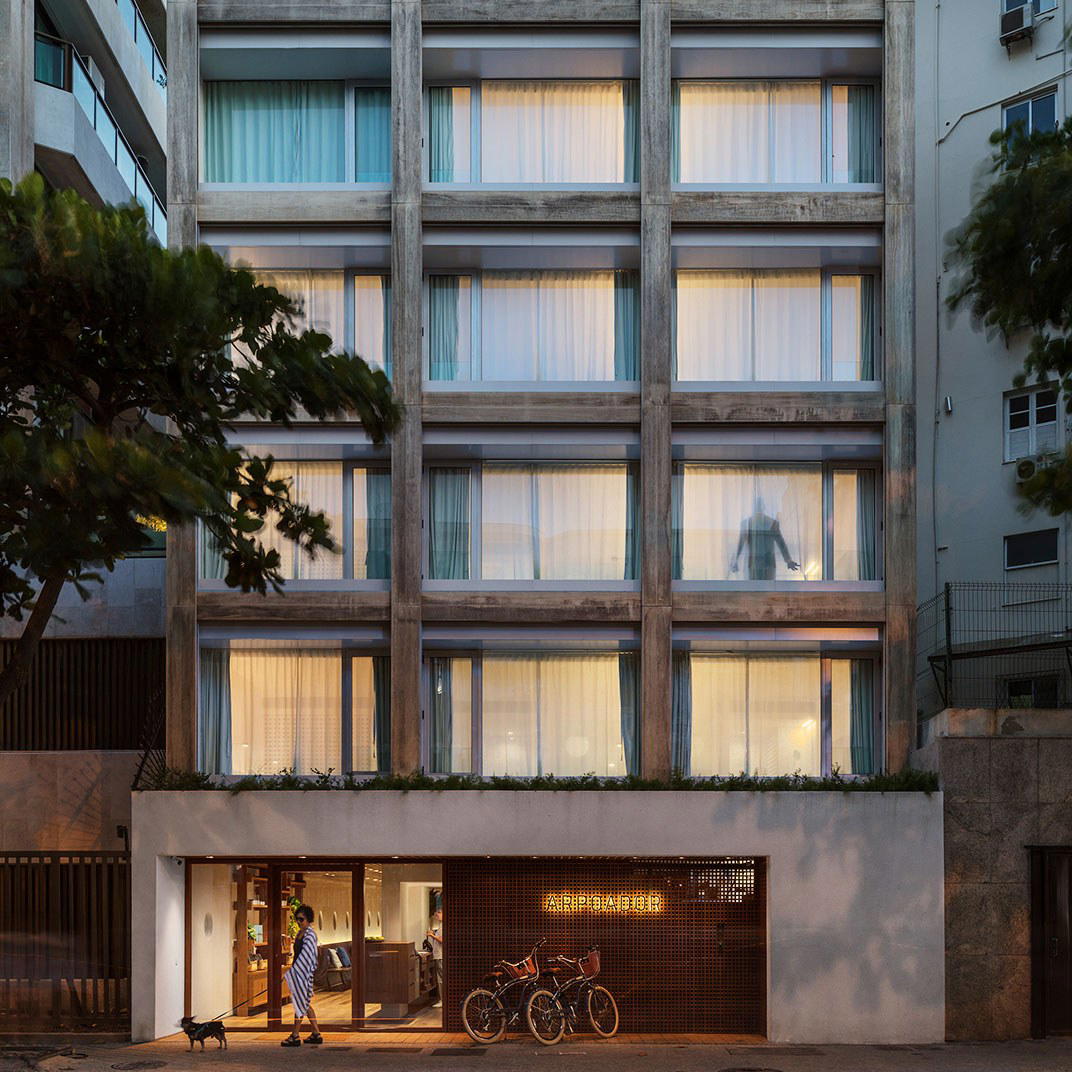
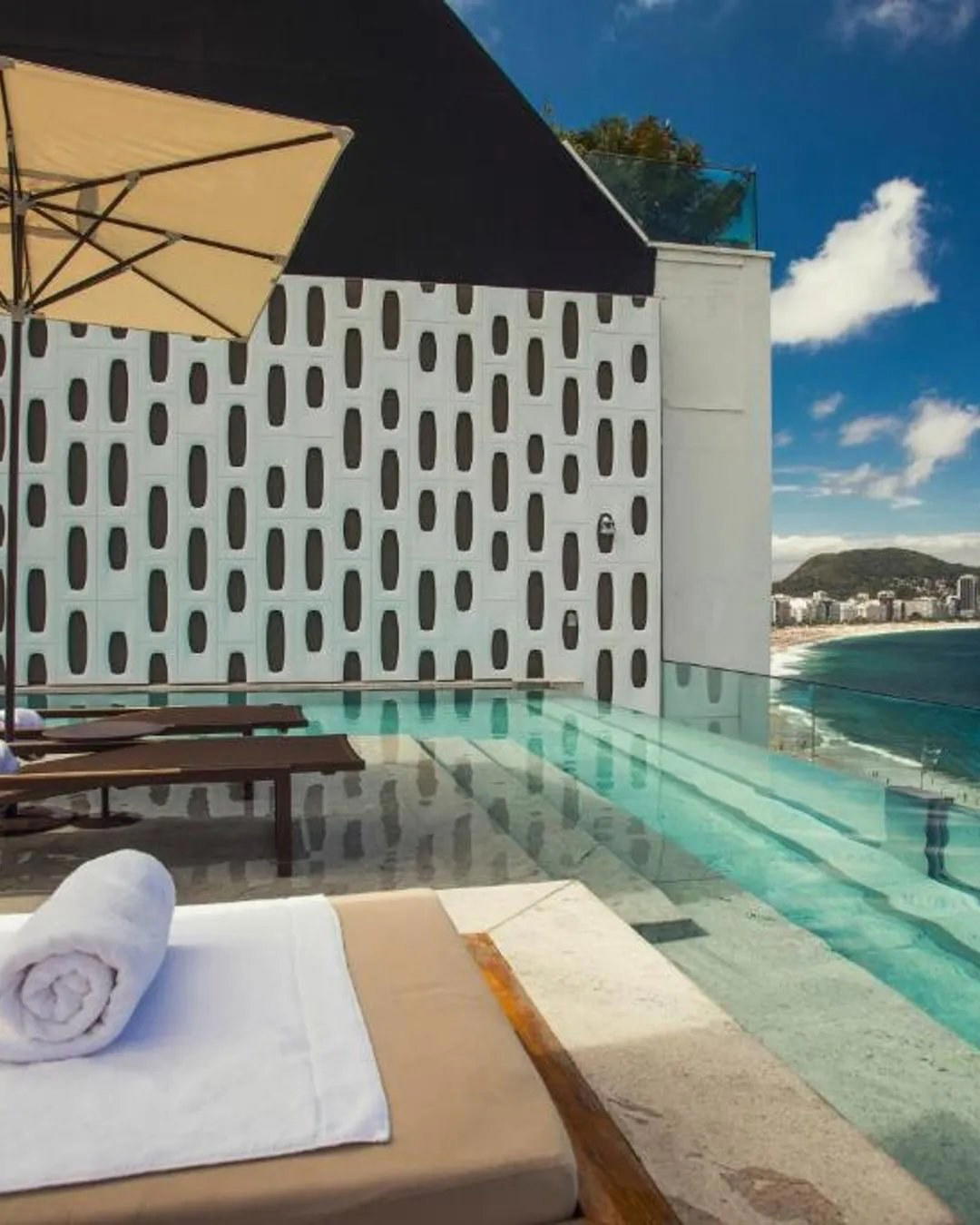
Contemporary bistro-style setting with different ambiences, warm, pleasant, and cozy atmosphere enhanced by natural light and high ceilings.