On College Street's west end, ROOH brings progressive Indian cooking to a neighbourhood better known for its Italian-Canadian character. The kitchen applies modern technique to the subcontinent's spice vocabulary in ways that reward repeat visits, the food shifts with season and sourcing, and regulars tend to track what changes. An address that sits outside Toronto's usual fine-dining corridors, yet draws a consistent, knowledgeable crowd.
Pearl is the En Primeur Club membership app — saves, bookings, and concierge access live there. Same editors, same standards.
- Address
- 633 College St, Toronto, ON M6G 1B5, Canada
- Phone
- +14165361202
- Website
- roohtoronto.ca
- Directions
- Get directions
 Saves & bookings on Pearl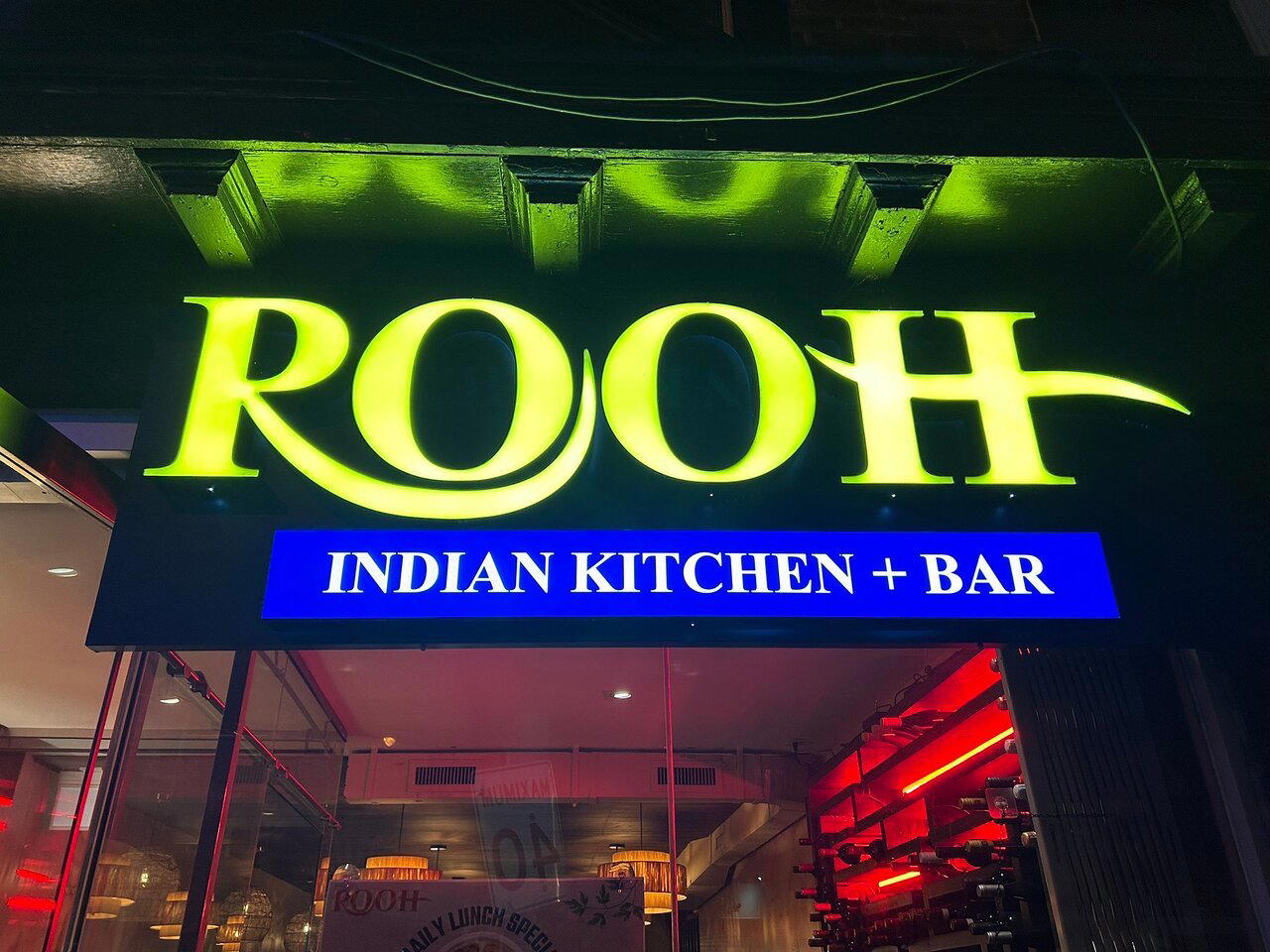
College Street and the Case for Indian Cooking Done Differently
College Street between Ossington and Dufferin has long been defined by its Italian-Canadian legacy, espresso bars, red-sauce trattorias, and the kind of neighbourhood loyalty that resists culinary trend cycles. ROOH occupies 633 College St inside that corridor, which makes its arrival as a progressive Indian restaurant an interesting placement decision. Toronto's South Asian dining scene has historically concentrated further east and along the Eglinton strip, where volume and value drive the format. A modern Indian kitchen with serious technique and a quieter, more considered dining room on this particular block is a counter-intuitive bet, and that tension is part of what defines the experience.
Progressive Indian cooking in Canada has taken longer to gain critical traction than its counterparts in London or New York, where restaurants like Gymkhana and Atomix-adjacent Korean-influenced tasting menus reshaped how critics and diners think about South and East Asian fine dining respectively. Toronto has been catching up. The city now supports a tier of Indian restaurants that move past the curry-house format into something that engages spice as a technical variable rather than a cultural shorthand. ROOH sits inside that emerging cohort.
What the Regulars Are Actually Ordering
The measure of any restaurant that claims a progressive or modern identity is whether it earns repeat visits from people who know the source cuisine well, diners who can clock when a technique is applied to a dish just because it looks interesting, versus when it actually improves the result. At ROOH, the regulars tend to be exactly that kind of audience: Toronto has one of the largest South Asian diaspora populations in North America, and this city's Indian diners are not easily impressed by surface-level modernism.
What keeps that audience returning is a kitchen that appears to treat spice architecture seriously. Subcontinental cooking is often reduced in Western contexts to heat level and colour, but its real complexity lies in layered seasoning built across time and temperature, bloomed whole spices, ground masalas added at different stages, finishing acids that lift the base. When a modern Indian kitchen does this well, the results are dishes where the technique is invisible but the structure is unmistakable. Regulars develop a vocabulary for this without necessarily naming it: they come back because the food feels coherent rather than assembled.
There is also, in any restaurant with a loyal returning clientele, an unwritten menu of preferences, the dishes that don't change, or change only slightly, season to season, because removing them would cost the kitchen its core audience. Tracking what those anchors are at ROOH, and how the kitchen builds around them while rotating other elements, tells you more about the restaurant's actual identity than any press description.
Where ROOH Sits in Toronto's Fine-Dining Tier
Toronto's leading dining tier is currently anchored by a handful of well-documented addresses. Alo holds the strongest critical position in the contemporary format. Sushi Masaki Saito and Aburi Hana occupy the upper Japanese tier. DaNico and Don Alfonso 1890 anchor the Italian-leaning contemporary side. What the list reveals is that Toronto's recognised fine-dining ceiling is still heavily weighted toward European and Japanese traditions. A modern Indian kitchen operating at genuine ambition sits in a smaller, less formally recognised comparable set, which means it competes less on awards positioning and more on word-of-mouth from a community that actually knows the cuisine.
That positioning has implications for how to read ROOH's reputation. The absence of the kind of award trail that follows, say, a contemporary French tasting menu does not indicate a lesser kitchen. It reflects where the critical infrastructure has historically directed its attention. Canadian dining recognition has been widening, as you can see across the country from Tanière³ in Quebec City to AnnaLena in Vancouver and Jérôme Ferrer - Europea in Montreal, but the pace of that expansion across cuisine categories is uneven.
The Neighbourhood as Context
College Street's dining identity is in transition. The old-guard Italian establishments that defined the strip for decades are under pressure from rising rents and ownership generational change. Into that gap, a more varied set of kitchens has moved, some destination-driven, some neighbourhood-casual. ROOH's placement on this street is neither accidental nor straightforwardly explained. It benefits from foot traffic that the purely destination-dining corridors of King West or Yorkville don't generate, while also sitting close enough to Ossington's bar scene to capture a later, more exploratory crowd.
For visitors building a Toronto itinerary around serious eating, College Street is not the first neighbourhood the usual guides point toward. That's a reasonable argument for paying attention to it. The addresses that attract repeat custom from locals rather than tourist conversion tend to be more calibrated to the actual quality of the food.
Planning Your Visit
| Venue | Cuisine | Price Tier | Neighbourhood |
|---|---|---|---|
| ROOH | Progressive Indian | Not confirmed | College St / Little Italy |
| Alo | Contemporary | $$$$ | Queen West |
| DaNico | Italian | $$$$ | King West |
| Aburi Hana | Kaiseki, Japanese | $$$$ | Downtown |
Further Afield: Canadian Dining Worth the Drive
If ROOH represents Toronto's more considered side, the broader Ontario dining conversation also extends well beyond the city. Restaurant Pearl Morissette in Lincoln, The Pine in Creemore, and Eigensinn Farm in Singhampton each represent a different argument for driving outside the city for serious food. Nationally, Aux Anciens Canadiens in Quebec, Narval in Rimouski, and Barra Fion in Burlington round out a picture of how Canadian cooking is developing outside its major urban centres. For reference points further south, Le Bernardin in New York City and Atomix in New York City define what the upper tier of progressive ethnic-rooted fine dining looks like with full critical infrastructure behind it, a useful comparison for understanding where Toronto's similar kitchens are heading. And for a different Canadian club experience, Bearspaw Golf Club in Calgary represents the western anchor of that conversation.
Quick Comparison
Comparable venues nearby, for context on price, style, and recognition.
| Venue | Cuisine | Price | Notes |
|---|---|---|---|
| ROOHThis venue — the venue you are viewing | Modern Indian | $$$ | Not listed |
| Urban Maharajas | Authentic Organic Indian | $$$ | Saint Lawrence |
| Kadak | Lively Modern Indian | $$ | Davisville Village |
| Utsav | Authentic Indian | $$ | Yorkville |
| Bindia Indian Bistro | Modern Indian Bistro | $$ | Church-Yonge Corridor |
| 156 Cumberland | Modern Korean Fine Dining | $$$ | Queen West |
Continue exploring
More in Toronto
Restaurants in Toronto
Browse all →
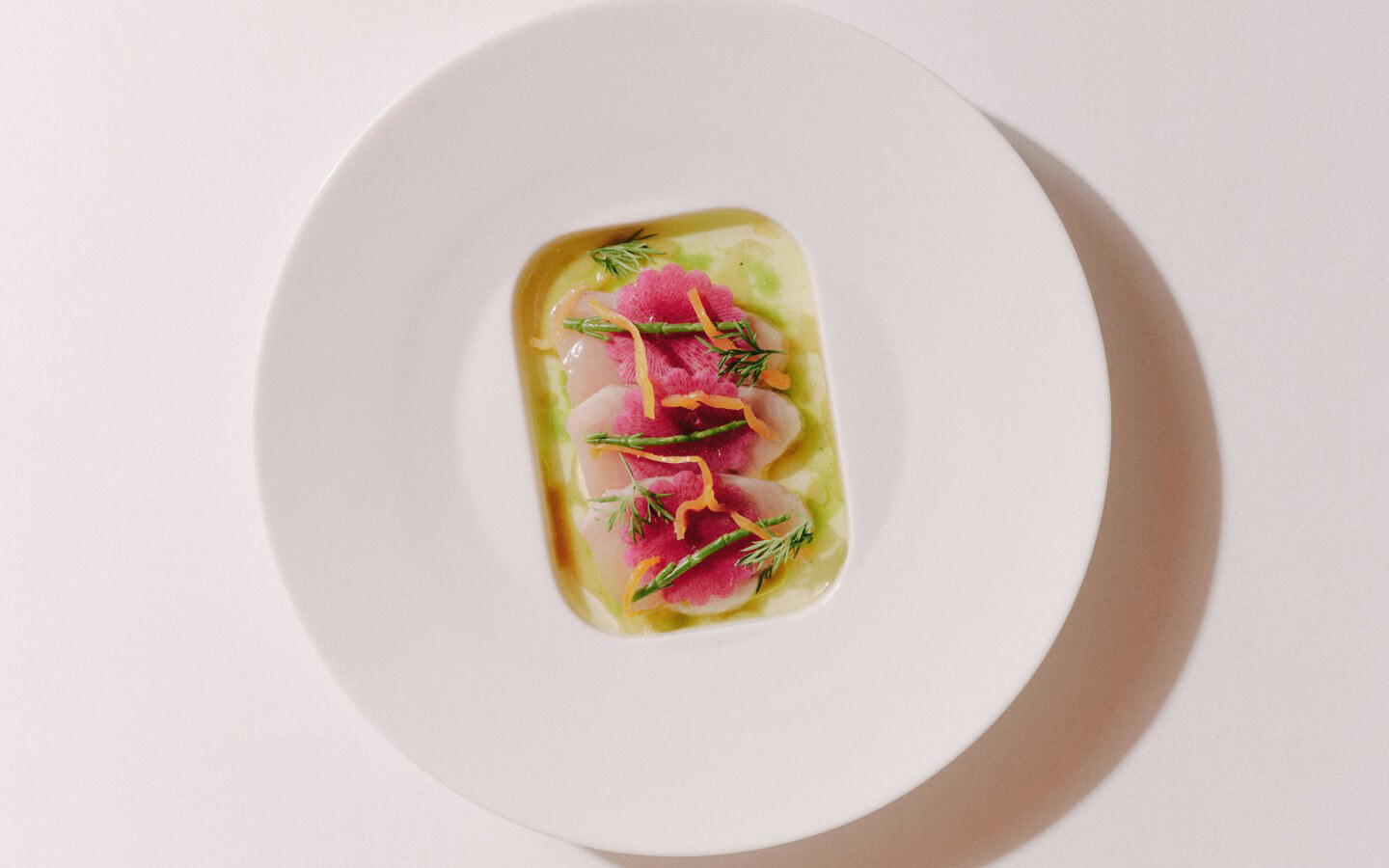
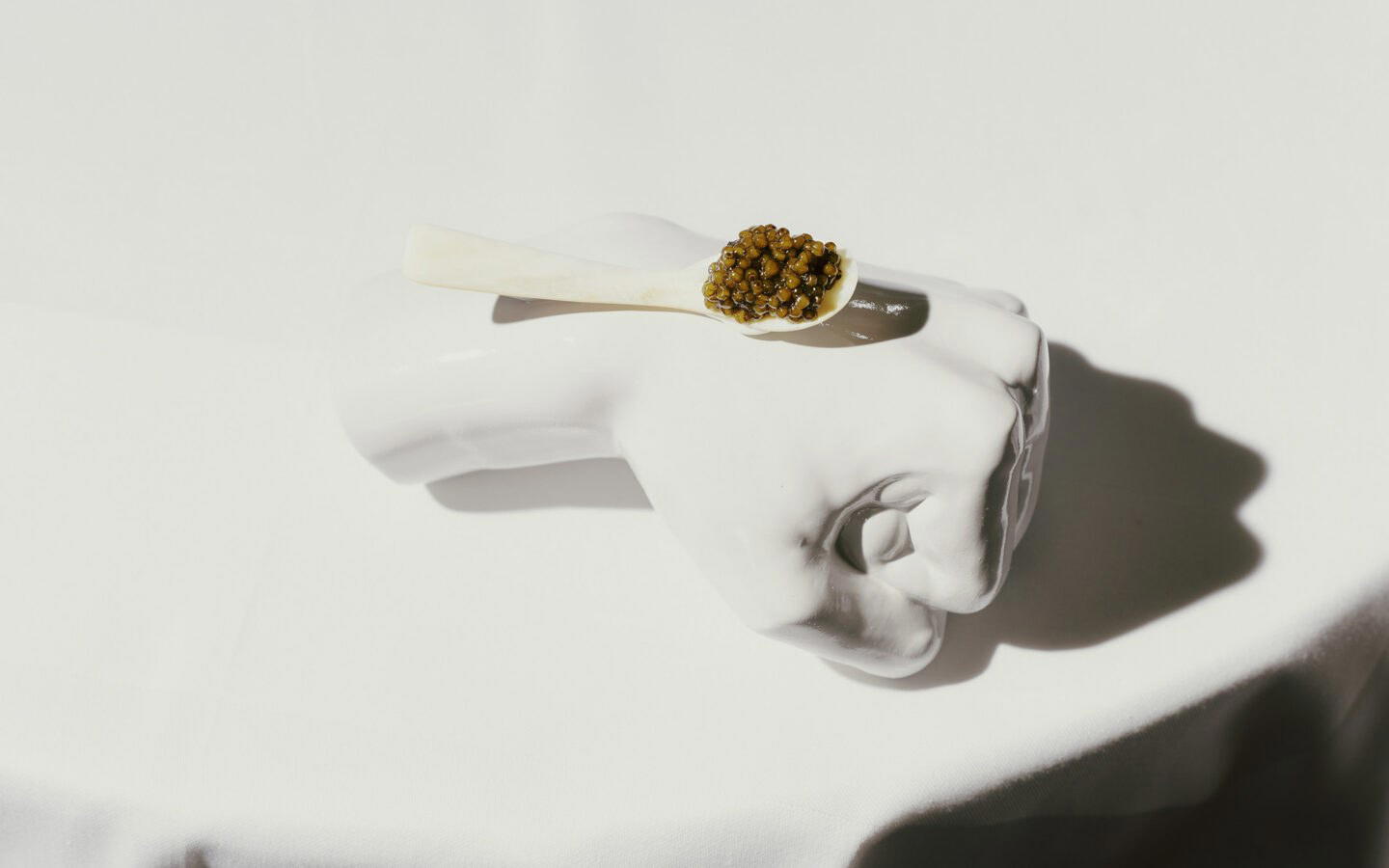
Bars in Toronto
Browse all →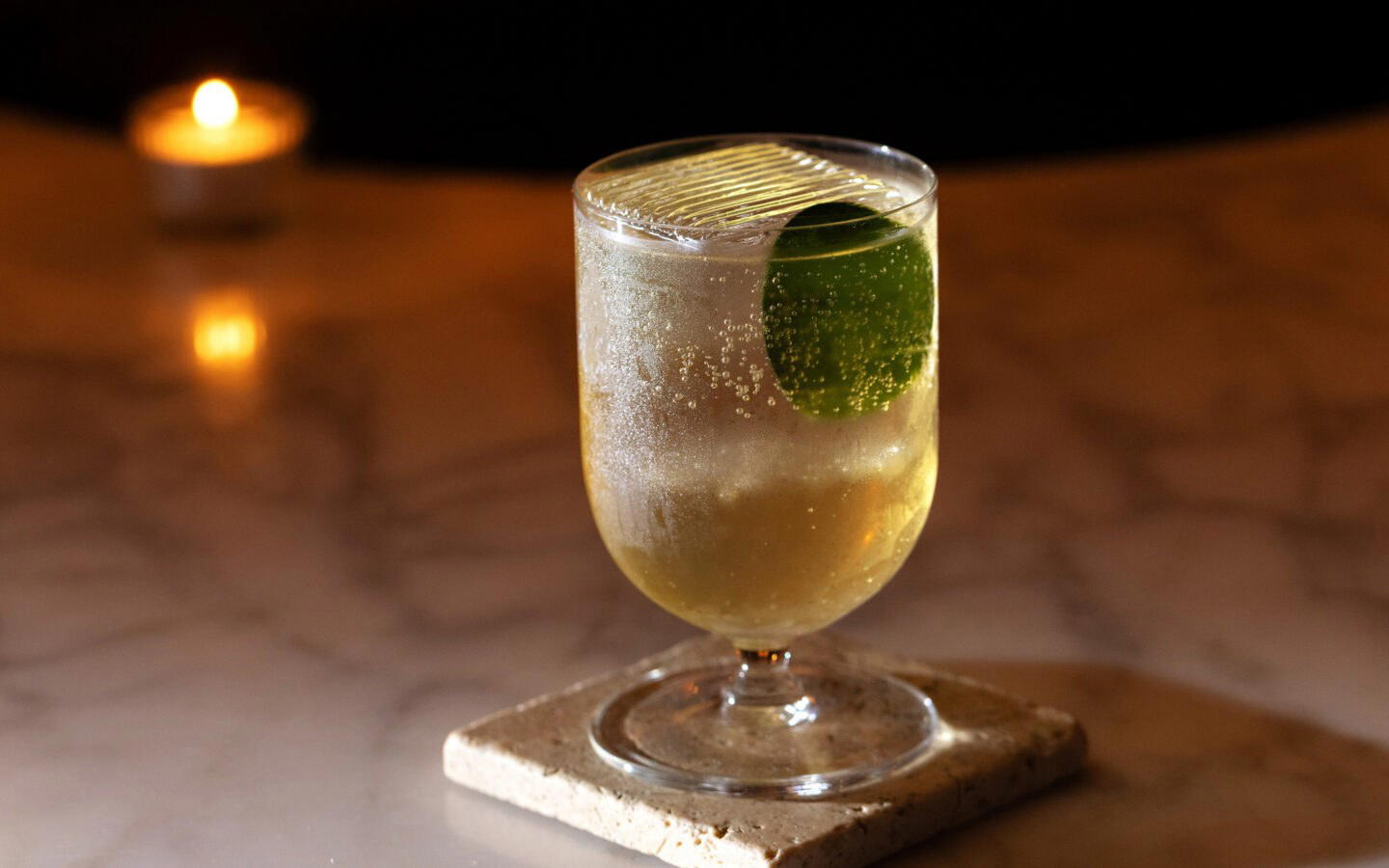
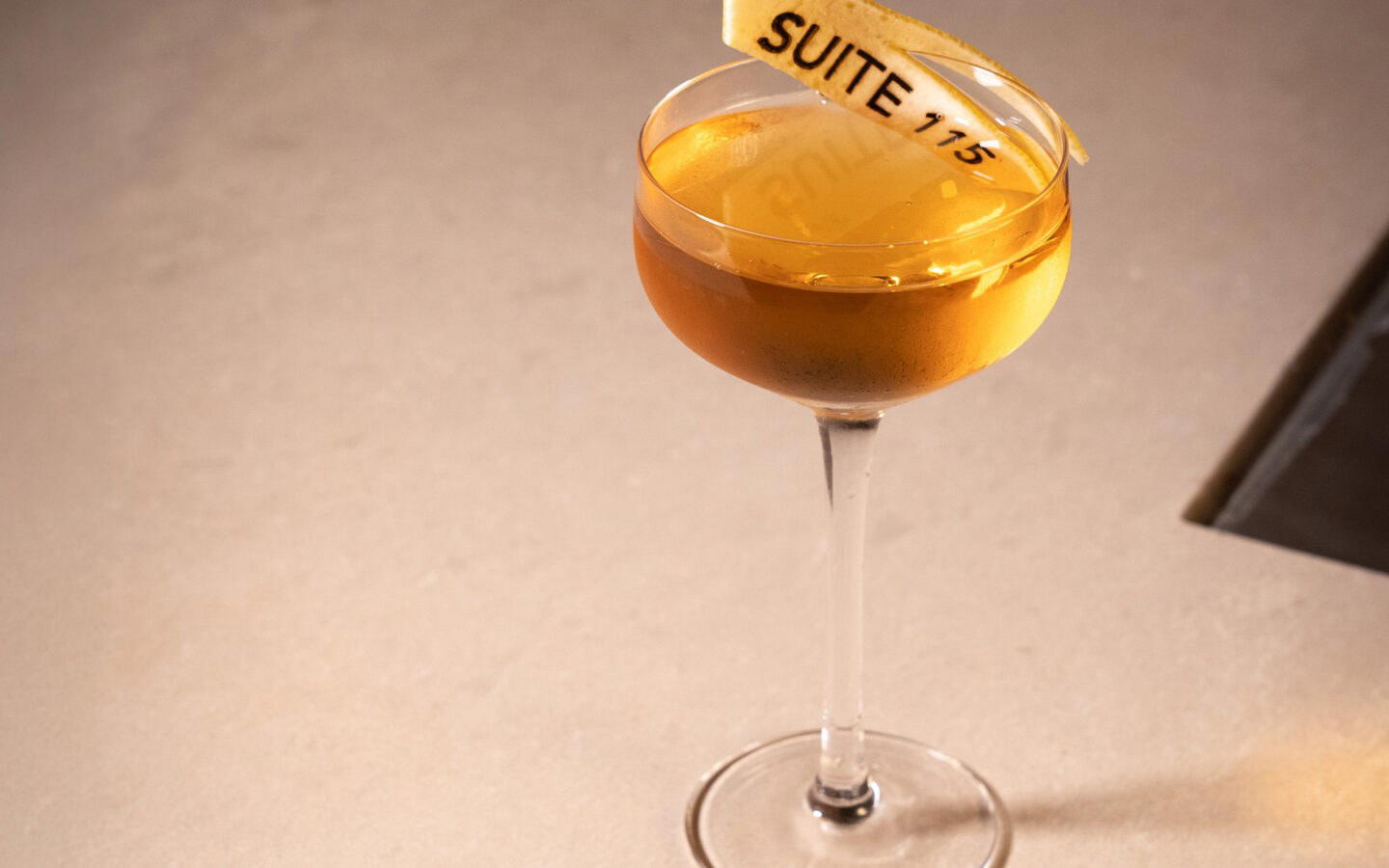
Hotels in Toronto
Browse all →

At a Glance
- Modern
- Trendy
- Sophisticated
- Date Night
- Special Occasion
- Group Dining
- Private Dining
- Craft Cocktails
Current opening hours
- Monday
- Closed
- Tuesday
- 1–11 PM
- Wednesday
- 1–11 PM
- Thursday
- 1 PM–12:30 AM
- Friday
- 4 PM–1 AM
- Saturday
- 4 PM–1 AM
- Sunday
- 1:30–10 PM
Hours can change for holidays and private events. Last verified .
Moderate noise with an elegant, modern atmosphere blending culinary artistry and soulful storytelling.