On The Esplanade in Toronto's waterfront corridor, Urban Maharajas brings Indian dining into a neighbourhood better known for its proximity to the St. Lawrence Market than for subcontinental cooking. The address alone signals a certain ambition: a cuisine with deep spice traditions and complex regional variation, placed inside one of the city's more transient dining strips.
Pearl is the En Primeur Club membership app — saves, bookings, and concierge access live there. Same editors, same standards.
- Address
- 22 The Esplanade, Toronto, ON M5E 1A6, Canada
- Phone
- +14163624848
- Website
- urbanmaharajas.com
- Directions
- Get directions
 Saves & bookings on Pearl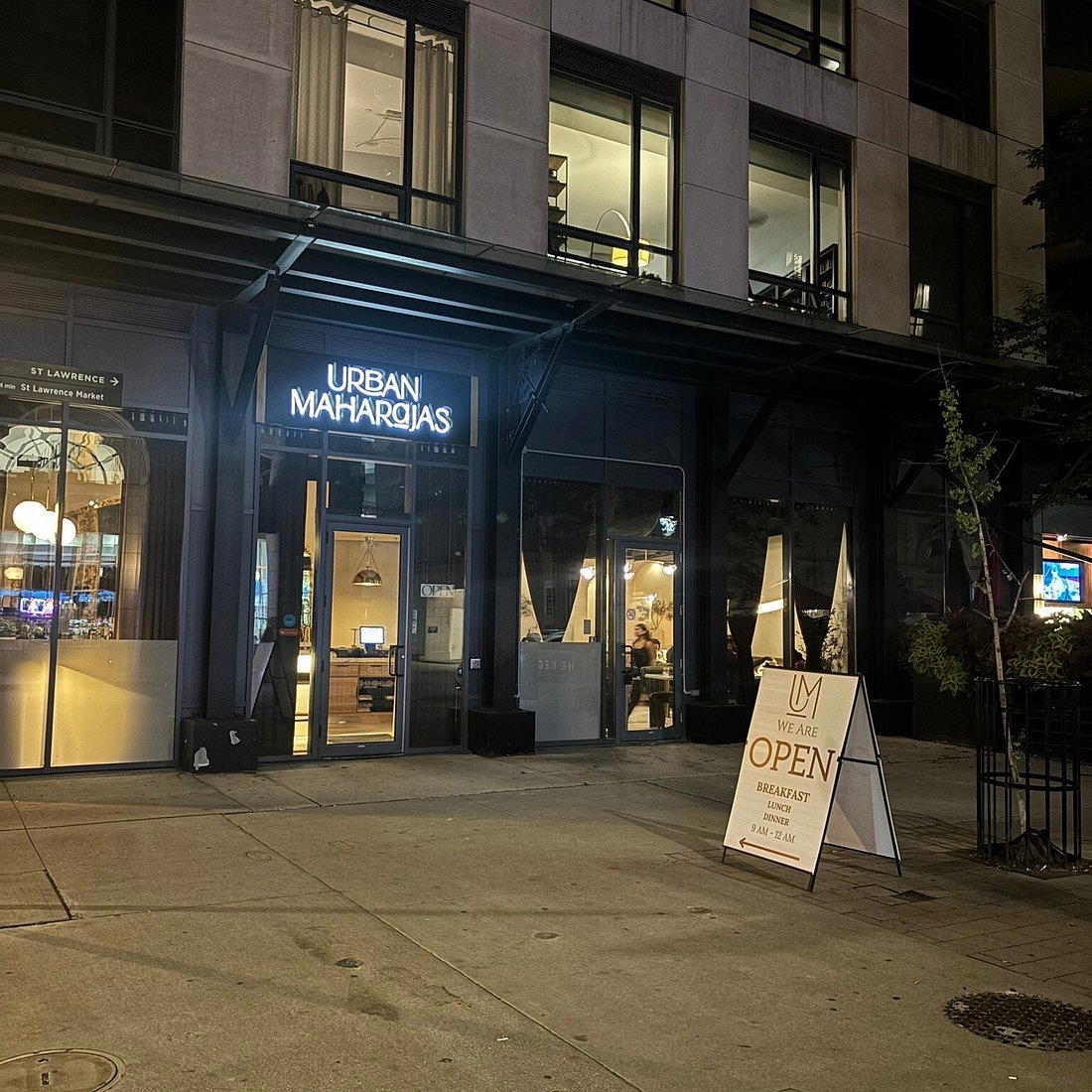
Urban Maharajas is an Indian restaurant at 22 The Esplanade in Toronto, with. The Esplanade and the Question of Indian Fine Dining in Toronto
Toronto's Indian restaurant scene has long been split between two poles: the dense, affordable strip along Gerrard Street East, where community institutions have operated for decades, and a newer wave of upscale subcontinental rooms scattered across the downtown core. Urban Maharajas, at 22 The Esplanade, sits closer to the second camp by geography alone. The Esplanade is a corridor that runs parallel to the waterfront, bookended by the St. Lawrence Market to the east and the theatre district's outer edge to the west. It is a street that attracts pre-show diners and hotel guests more than it does dedicated destination seekers, which makes any ambitious restaurant concept here a particular bet on format over foot traffic.
Indian cuisine, more than most, rewards a certain structural rigour on the drinks side. The spice weight of subcontinental cooking creates pairing challenges that generic wine lists consistently underserve. Aromatic whites, low-tannin reds, and considered fortified pours matter here in ways they do not at a direct European table. The wine program at any serious Indian restaurant in this tier is therefore a signal worth reading carefully.
Where the Wine List Carries Weight
Among Toronto's upper-end dining rooms, the relationship between cuisine and cellar is better understood than it was a decade ago. Restaurants like Alo (Contemporary) and DaNico (Italian) have built wine programs with genuine curatorial depth, where the list functions as an editorial argument rather than a catalogue. The expectation has trickled across categories: a room positioning itself in the premium tier needs a cellar that can answer the food.
For Indian cooking specifically, the pairing logic runs through aromatic Alsatian varieties, Riesling across the ripeness spectrum, skin-contact whites that carry texture without tannin, and the occasional Rhône red where the pepper registers as complement rather than competition. Champagne, particularly grower producers with lower dosage, tends to move through spiced vegetable courses better than most still wines. These are not exotic pairings; they are logical ones that require a buyer willing to build outside the Cabernet-and-Chardonnay comfort zone that still dominates many Canadian lists.
Canada's own wine production adds a regional dimension worth noting. Niagara Peninsula producers, including those working out of Lincoln and the surrounding appellation, have developed Riesling and Pinot Noir programs that translate well against spiced food. The proximity of the Niagara region to Toronto means local bottles can appear on ambitious lists at price points that make them competitive with imported alternatives. Restaurant Pearl Morissette in Lincoln has demonstrated what serious cellar curation looks like at the regional level, a benchmark that has lifted expectations across Ontario's premium dining rooms.
Indian Cooking in a City That Rewards Regional Specificity
Toronto is one of the few cities in North America where a diner can move across genuinely distinct Indian regional traditions in a single neighbourhood. South Indian, Punjabi, Gujarati, and Mughal-inflected cooking are all represented, often by restaurants whose clientele grew up eating those specific traditions. That audience is not easily satisfied by generic subcontinental menus, which means any restaurant positioning itself above the mid-market needs to commit to a regional identity, not just a price point.
The Maharaja framing that names the restaurant points toward the northern, court-influenced end of the spectrum: the Mughal kitchens of Lucknow and Delhi that produced biryanis, kebabs cooked in tandoors, and slow-braised preparations where aromatics are layered over hours. These are formats where richness and depth carry the plate, and where a well-chosen wine or spirit pairing can function as a counterpoint rather than a mirror. The name is a positioning statement, even if the specific menu composition requires direct verification.
Across Canada, Indian fine dining has grown more ambitious in the past several years. Comparisons to what Jérôme Ferrer - Europea in Montreal has done for French tradition, or what Tanière³ in Quebec City has done for northern Quebec ingredients, suggest that the appetite for cuisine-as-argument exists coast to coast. Toronto, with its South Asian population among the largest in the country, is the logical city for that ambition to concentrate in the Indian category.
Placing Urban Maharajas in Its Competitive Set
The premium end of Toronto's restaurant market is occupied by a cluster of rooms that have accumulated international recognition: Sushi Masaki Saito (Sushi, Japanese) and Aburi Hana (Kaiseki, Japanese) represent the Japanese counter tradition; Don Alfonso 1890 (Contemporary Italian, Italian) holds the Italian formal dining space. Indian cooking has not yet produced a Toronto entry in that tier with the same volume of documented recognition, which creates both a gap and an opportunity. The restaurant operates at an address that suggests it is oriented toward that gap.
For a broader picture of where Toronto's dining scene sits nationally, the Toronto restaurants guide maps the competitive field across categories and price points. Context from AnnaLena in Vancouver and Atomix in New York City illustrates what the upper tier looks like in comparable metropolitan markets.
Peers in This Market
Comparable venues nearby, for context on price, style, and recognition.
| Venue | Cuisine | Price | Notes |
|---|---|---|---|
| Urban MaharajasThis venue — the venue you are viewing | Authentic Organic Indian | $$$ | Not listed |
| Curryish Tavern | Modern Indian Gastropub | $$ | Trinity Bellwoods |
| Eloise | Modern Global Fusion | $$$ | Saint Lawrence |
| Biff's Bistro | Classic French Bistro | $$$ | Church-Yonge Corridor |
| The Berczy | New Canadian Bistro with Mediterranean Influences | $$$ | Church-Yonge Corridor |
| Rooftop at Le Germain Mercer | New-World French Rooftop | $$$ | Entertainment District |
Continue exploring
More in Toronto
Restaurants in Toronto
Browse all →
Bars in Toronto
Browse all →
Hotels in Toronto
Browse all →

At a Glance
- Lively
- Warm
- Date Night
- Group Dining
- Special Occasion
- Extensive Wine List
- Organic
Current opening hours
- Monday
- 10 AM–11 PM
- Tuesday
- 10 AM–11 PM
- Wednesday
- 10 AM–11 PM
- Thursday
- 10 AM–11 PM
- Friday
- 9 AM–12 AM
- Saturday
- 9 AM–12 AM
- Sunday
- 9 AM–11 PM
Hours can change for holidays and private events. Last verified .
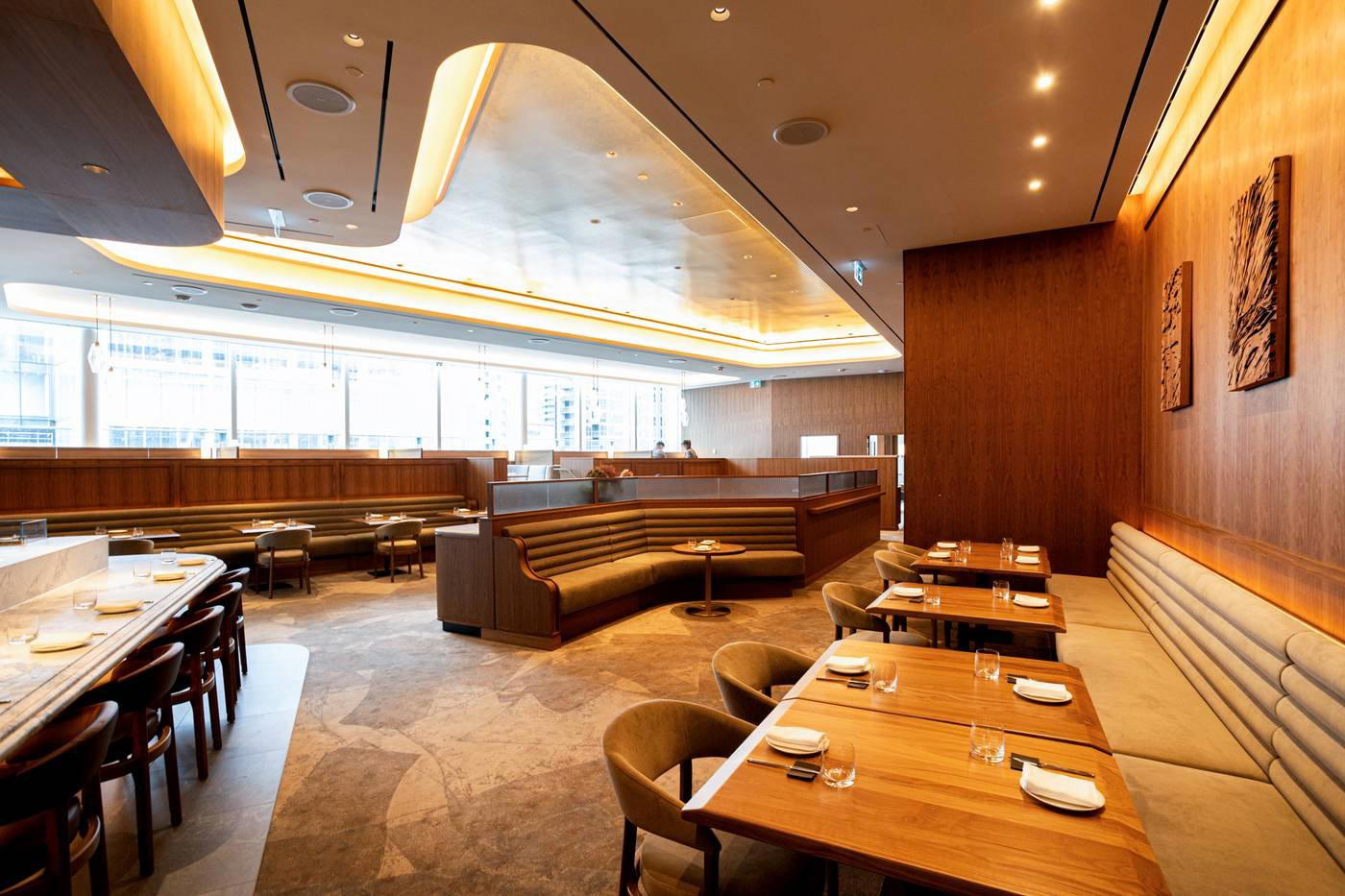
Warm and lively atmosphere with elegant decor evoking royalty.