Utsav occupies a prominent address on Yorkville Avenue, positioning it inside one of Toronto's most competitive dining corridors. The restaurant draws on Indian culinary tradition at a neighbourhood level where the benchmark for presentation and composition is set by some of Canada's most awarded rooms. For those exploring the Yorkville dining scene, it offers a reference point for how subcontinental cooking sits within the city's broader premium tier.
Pearl is the En Primeur Club membership app — saves, bookings, and concierge access live there. Same editors, same standards.
- Address
- 69 Yorkville Ave, Toronto, ON M5R 1B8, Canada
- Phone
- +14169618349
- Website
- utsav.ca
- Directions
- Get directions
 Saves & bookings on Pearl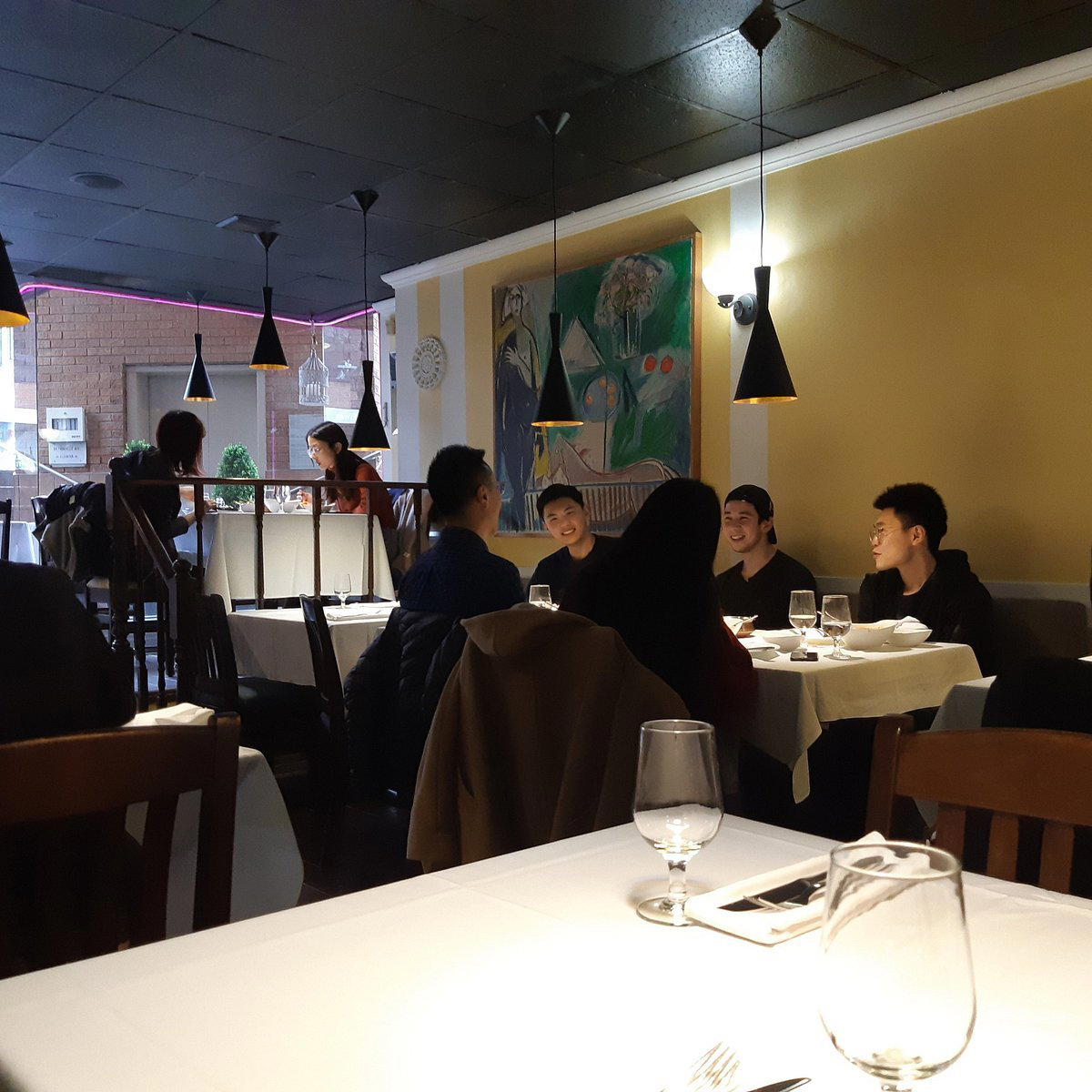
Yorkville and the Indian Dining Question
Toronto's Yorkville corridor runs a tight competitive gauntlet. Within a few blocks of 69 Yorkville Ave, diners can sit at counters serving kaiseki, contemporary Italian, and omakase-format sushi, with rooms like Aburi Hana and Don Alfonso 1890 anchoring the upper end of the neighbourhood's dining offer. That density matters because it sets the visual and experiential standard against which every table on this strip is measured, regardless of cuisine category. Utsav is a restaurant at 69 Yorkville Ave in Toronto serving Authentic Indian cooking.
Indian cooking in this city has historically occupied a different tier from the high-spend contemporary rooms clustered in Yorkville and the financial district. The question Utsav sits inside is a structural one: can subcontinental cuisine command the same spatial, compositional, and pricing seriousness as the European and Japanese formats that currently dominate Toronto's top-spend dining bracket? That question is not distinctive to Toronto. Across North American cities, Indian restaurants have only recently begun to press into the territory occupied by rooms like Atomix in New York City, where format and menu architecture carry as much weight as the cooking itself.
What the Menu Structure Tells You
The editorial angle worth applying to a room like Utsav is not the roster of dishes but the decisions embedded in how a menu is built. Indian cooking presents a structurally different challenge from European tasting-menu formats. The cuisine is not designed around a linear progression of small composed plates, it is built around simultaneity, with rice, bread, dal, and protein arriving in a logic of complementary flavour rather than sequential escalation. A restaurant that respects that architecture will present differently from one that bends the cuisine into a Western tasting-menu shape to satisfy a perceived premium expectation.
Toronto has seen both approaches. The more compelling rooms hold the native structure, thali-influenced spread formats, or regional menu sections that signal geographic specificity rather than a generic pan-Indian sweep. A menu that differentiates between, say, Awadhi slow-cooking traditions and the lighter coastal preparations of Kerala is doing editorial work for the diner. It is making an argument about knowledge and sourcing, not just offering variety. How Utsav structures its offer within this framework is the axis on which its positioning in the Yorkville market turns.
For broader context on how Indian dining has evolved in cities with mature dining cultures, the precedent set by rooms operating at the level of Le Bernardin in New York City, where format discipline is as important as ingredient quality, is instructive. The gap between a merely accomplished Indian kitchen and one that operates with the same architectural intentionality as the city's leading contemporary rooms is where Utsav's Yorkville positioning becomes consequential.
The Neighbourhood as Context
Yorkville was for decades Toronto's luxury retail and gallery district before it consolidated as a serious dining destination. The transition has been gradual but now the area hosts particularly reservation-pressured tables in the country, alongside rooms like Alo, which has maintained a position at the front of Canadian contemporary dining for several years running. Operating in this postcode means a room is presenting itself to a clientele accustomed to high spend and high expectation.
That context also means foot traffic skews toward expense-account dinners, hotel guests from the surrounding luxury properties, and a local demographic with frequent international dining experience. A room drawing that audience has an implicit obligation to present its cuisine with the same rigour those diners would encounter at equivalent spend levels in London, New York, or Mumbai. The Yorkville address is a credential, it also sets the bar.
For those mapping Toronto's dining geography more broadly, our full Toronto restaurants guide places Yorkville within the wider patterns of where the city's serious dining is concentrated, and how it compares to the emerging restaurant density in areas like the financial district and the east end.
Indian Cuisine Inside Canada's Restaurant Tier
Across Canada, particularly recognized rooms have tended to come from European or Japanese traditions. Tanière³ in Quebec City and AnnaLena in Vancouver both reflect a Canadian fine dining identity rooted in local-ingredient narratives and European technique. Jérôme Ferrer - Europea in Montreal operates in a similar register. The Indian dining category has not yet produced a room that sits in direct competition with that tier in terms of award recognition or price positioning, though the appetite for it clearly exists.
That gap represents both a market opportunity and a critical challenge. Rooms trying to press into the upper bracket without the support of Michelin recognition or equivalent award infrastructure, Toronto does not currently have a Michelin Guide, have to build their case through reputation, repeat business, and the kind of press attention that drives bookings. In that environment, location counts for more than it might in a city with a functioning awards infrastructure to guide diner attention. Yorkville provides Utsav with a locational signal even in the absence of formal recognition.
Comparable challenges face Indian dining formats in other Canadian cities. Restaurant Pearl Morissette in Lincoln and Eigensinn Farm in Singhampton have built award-level reputations in categories where the Canadian critical infrastructure had existing frameworks. Indian dining is still constructing those frameworks in real time.
Planning Your Visit
Utsav is located at 69 Yorkville Avenue in Toronto's Yorkville neighbourhood, accessible by subway via Bay Station on the Bloor-Danforth line, a short walk north. The surrounding area is dense with restaurant options, so arriving with a specific reservation is advisable rather than counting on walk-in availability, particularly on weekends when the neighbourhood draws significant foot traffic. For current booking details, hours, and menu information, contacting the restaurant directly or checking through current hospitality platforms is one reliable approach, as the specifics vary seasonally. Given the Yorkville context, dress tends toward smart casual.
Reputation First
Comparable venues nearby, for context on price, style, and recognition.
| Venue | Cuisine | Price | Notes |
|---|---|---|---|
| UtsavThis venue — the venue you are viewing | Authentic Indian | $$ | Not listed |
| Curryish Tavern | Modern Indian Gastropub | $$ | Trinity Bellwoods |
| Ambiyan On Yonge | Modern Indian | $$ | Deer Park |
| Kadak | Lively Modern Indian | $$ | Davisville Village |
| ROOH | Modern Indian | $$$ | Palmerston-Little Italy |
| La Piazza | Casual Italian Pizza & Shareables | $$ | Yorkville |
Continue exploring
More in Toronto
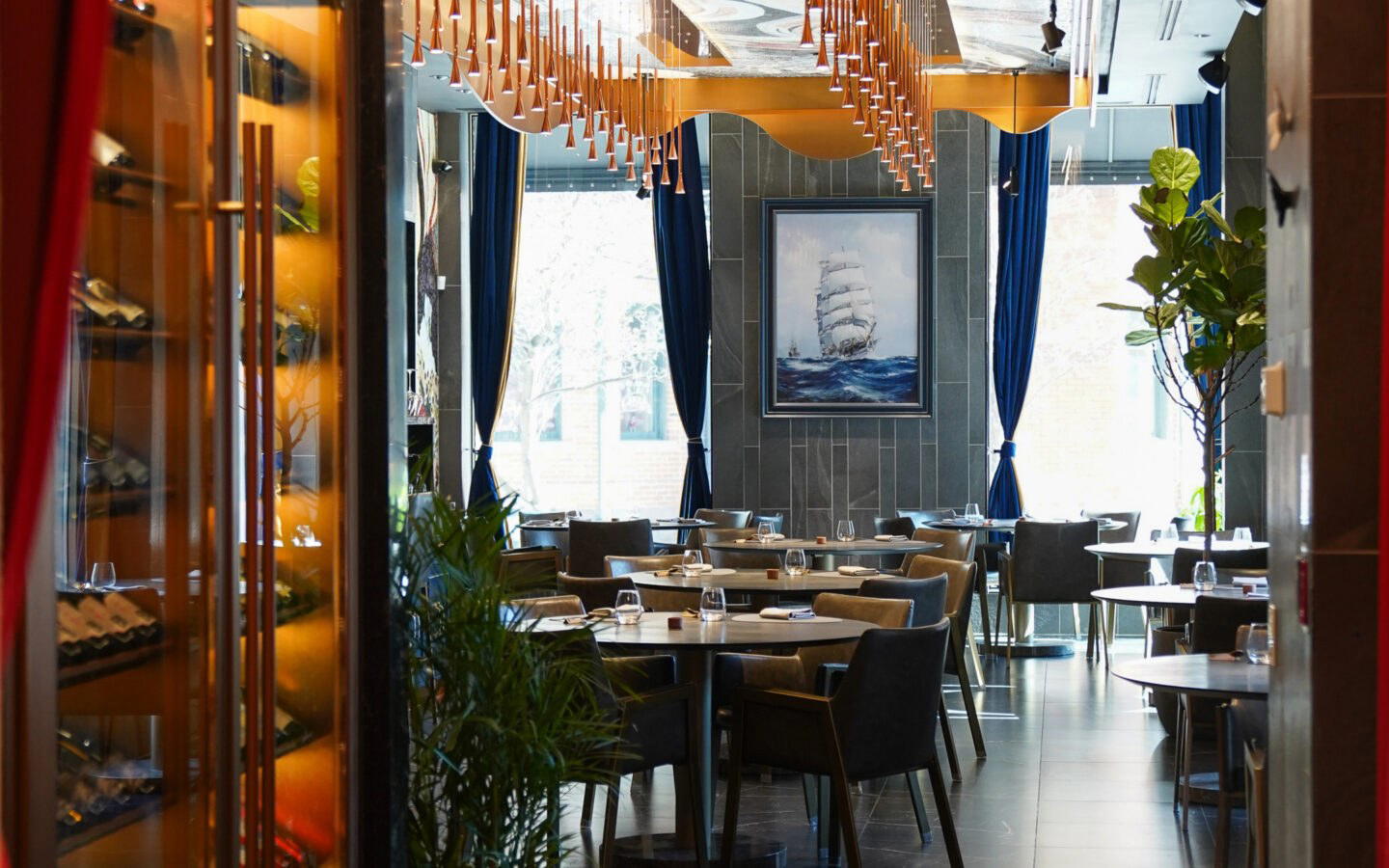
Restaurants in Toronto
Browse all →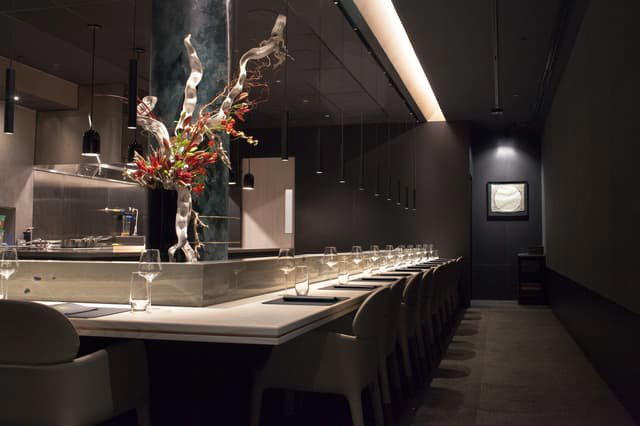
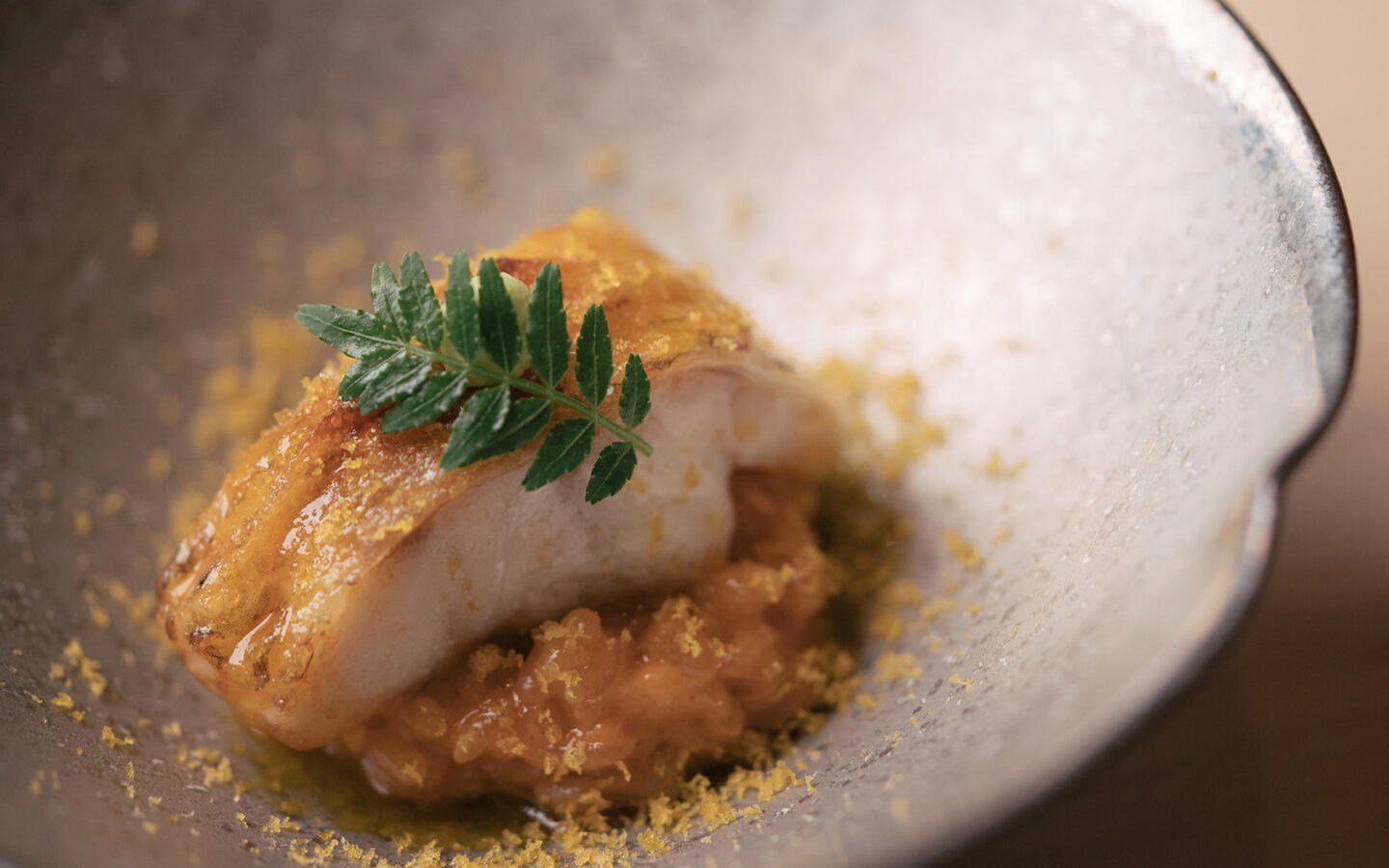
Bars in Toronto
Browse all →
Hotels in Toronto
Browse all →

At a Glance
- Cozy
- Classic
- Casual Hangout
- Family
- Group Dining
- Standalone
Current opening hours
- Monday
- 11:30 AM–2:30 PM, 5–10 PM
- Tuesday
- 11:30 AM–2:30 PM, 5–10 PM
- Wednesday
- 11:30 AM–2:30 PM, 5–10 PM
- Thursday
- 11:30 AM–2:30 PM, 5–10 PM
- Friday
- 11:30 AM–2:30 PM, 5–10 PM
- Saturday
- 11:30 AM–2:30 PM, 5–10 PM
- Sunday
- 11:30 AM–2:30 PM, 5–10 PM
Hours can change for holidays and private events. Last verified .
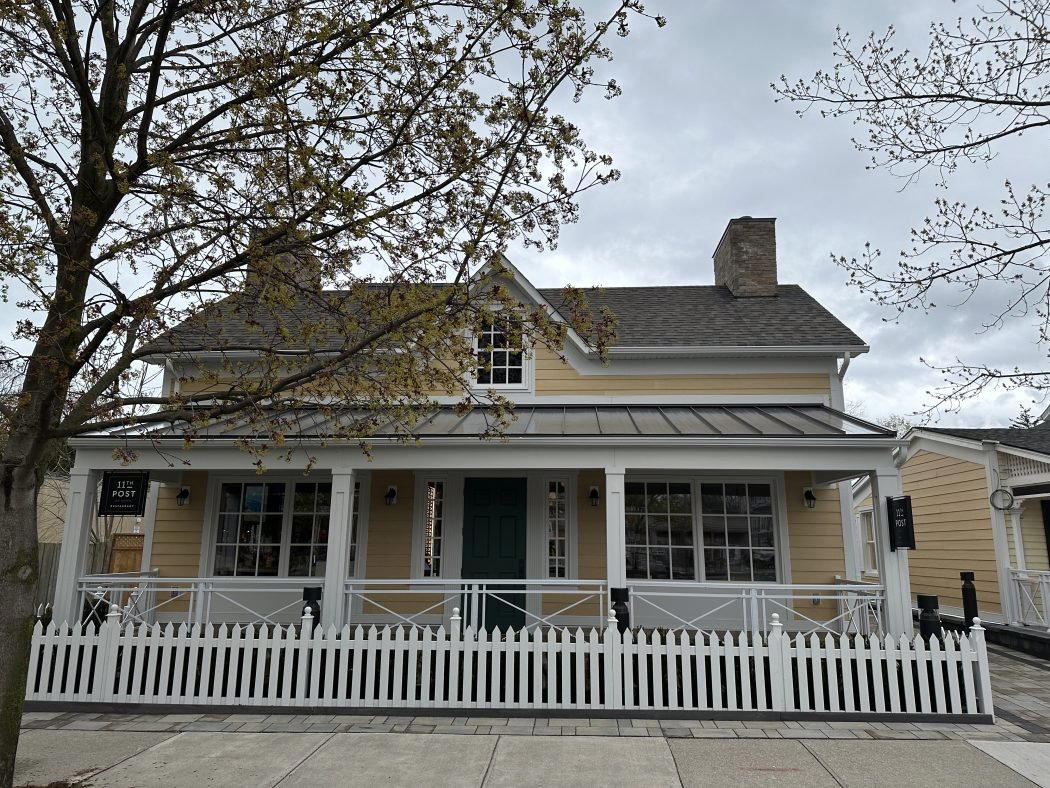
Warm and inviting atmosphere with friendly service in a cozy, welcoming setting.