

Canada's 100 Best Bars #49 · Top 500 Bars Best Bars #321
The former Hoof Cocktail Bar on Dundas West has been quietly reborn under bartender Juliana Wolkowski, who preserved the room's bric-a-brac charm while steering the programme toward in-house liqueurs and esoteric riffs on classics. Ranked #321 in the Top 500 Bars 2025 list, it sits at the intersection of Toronto's reverence for bar history and its appetite for technical ambition.

Pearl is the En Primeur Club membership app — saves, bookings, and concierge access live there. Same editors, same standards.
- Address
- 923 Dundas St W, Toronto, ON M6J 1W3
- Phone
- (416) 792-7511
- Website
- hoofcocktailbar.com
- Directions
- Get directions
A Room That Earns Its Own Mythology
Dundas Street West has long been one of Toronto's most reliably interesting drinking corridors, the kind of stretch where a bar can develop a cult following over a decade and then, somehow, deepen that following under new stewardship. The space at 923 Dundas West has that particular quality. The bric-a-brac interior, walls dense with objects, low light catching glass and brass, communicates something specific: this is not a room designed by a committee. It accumulated, over time, the way the leading bar rooms do. That accumulation survived the transition from the original Hoof Cocktail Bar to the current Cocktail Bar, and the continuity is not incidental. It was a deliberate editorial decision by the team now running the programme.
In Toronto's cocktail conversation, the Hoof was a reference point rather than just a venue. Losing it entirely would have registered as a loss of institutional memory. The solution chosen here, preserving the room while advancing the drinks, is harder to execute than either a clean break or a pure revival. It requires the incoming bartenders to have a genuine point of view that doesn't erase what preceded it.
The Programme: Continuity and Technical Ambition
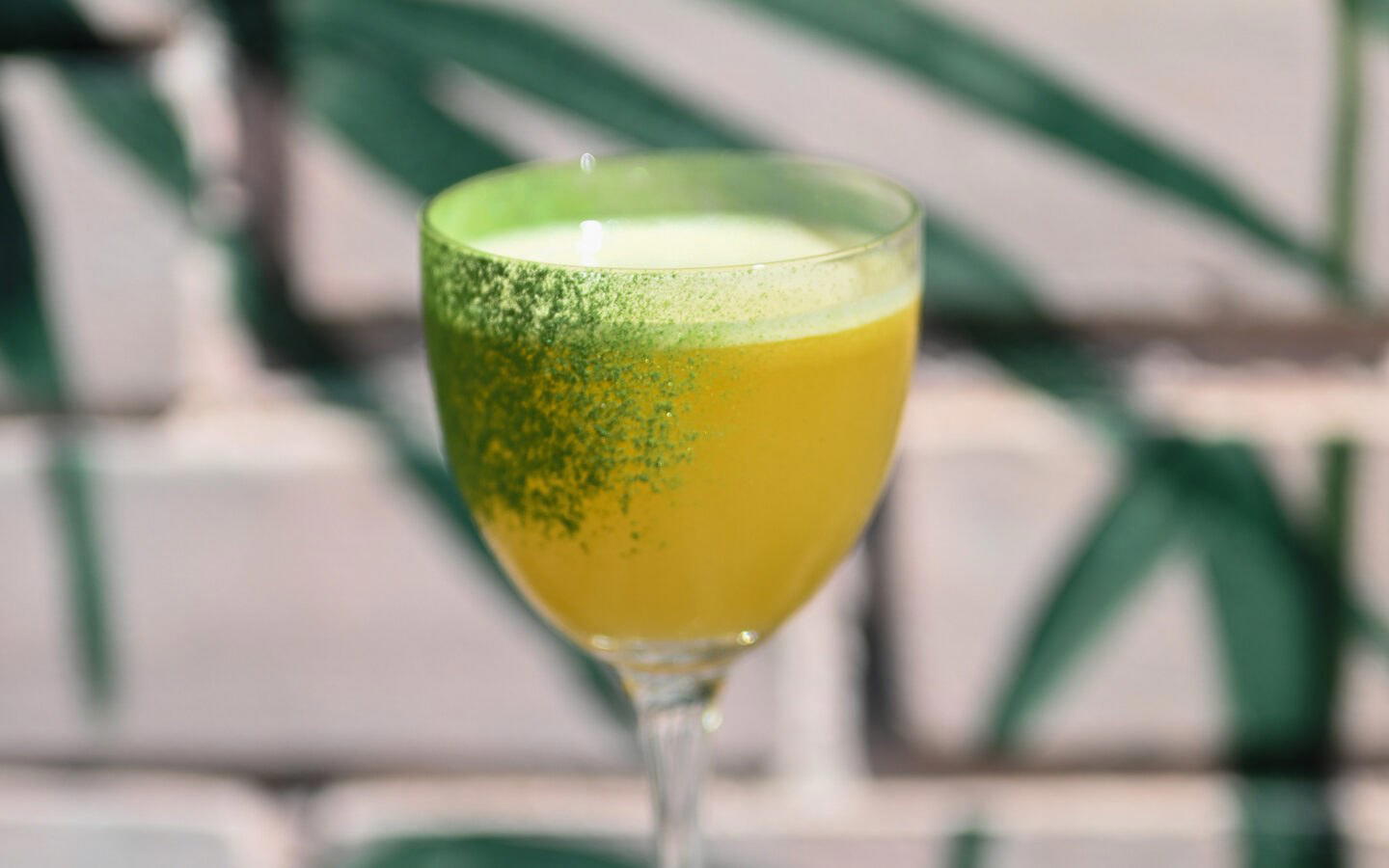
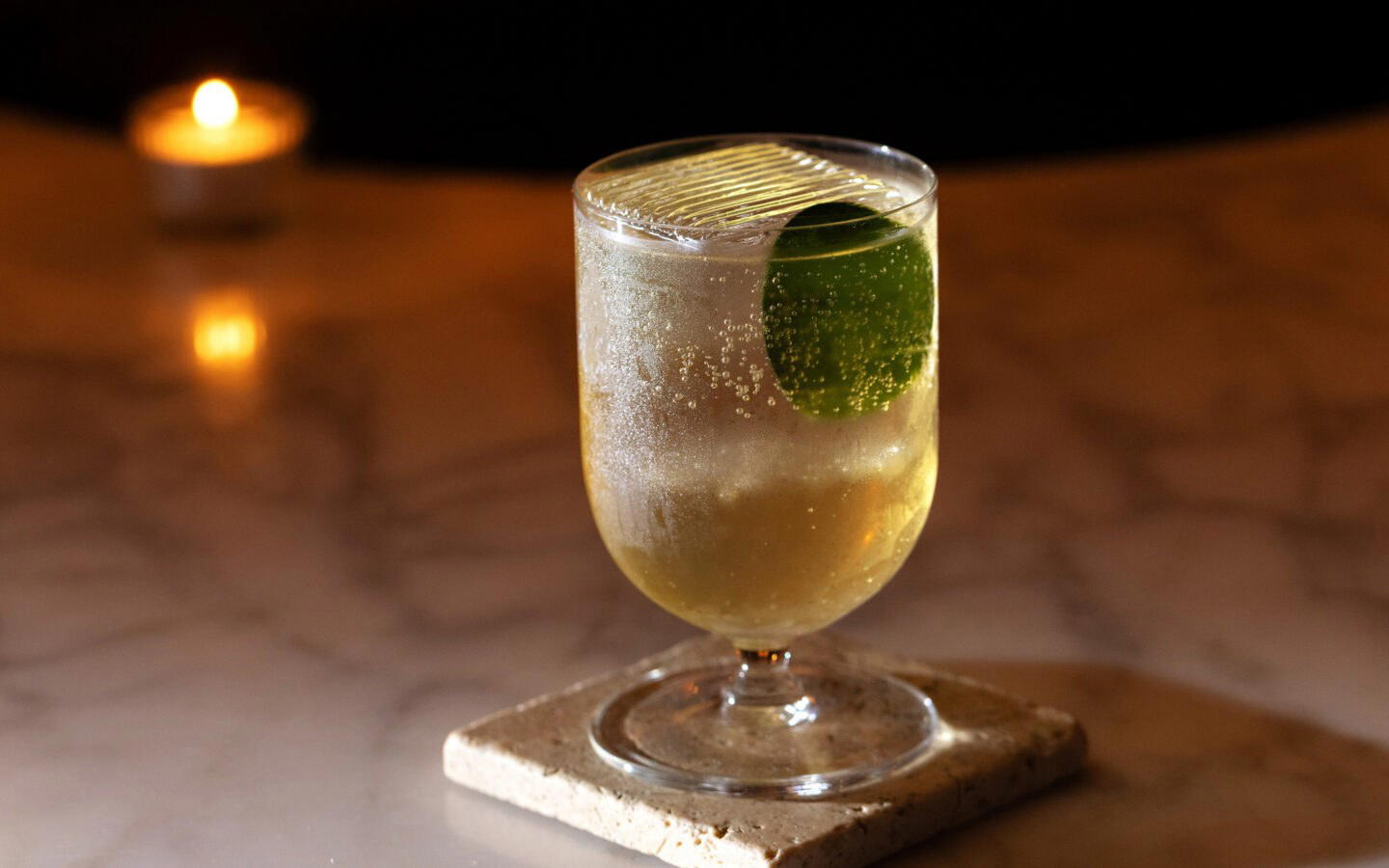
The cocktail programme at Cocktail Bar operates in two registers simultaneously. On one hand, Hoof classics like the Absinthe Whip and the house Manhattan remain on the menu. These are not offered as nostalgia objects but as functional benchmarks, drinks that earned their place through years of repeat orders. On the other hand, the current menu pushes into territory the original programme didn't occupy: a Scotch, miso, and sandalwood Old Fashioned; a raspberry and black cardamom non-alcoholic Negroni. Both directions coexist on the same card, and the logic holds together because the technical foundation is now more developed than it was under previous management.
That technical foundation rests on a significant commitment: all liqueurs served at the bar are made in-house by Juliana Wolkowski and David Greig. In-house production of this kind is not common even among Toronto's more serious programmes. It shifts the bar from a curating operation, one that selects and combines commercially available spirits, to a producing one, where the team controls flavour at the ingredient level. The miso in that Old Fashioned, the black cardamom in the non-alcoholic Negroni, these are not flavour additions dropped into a base spirit. They are part of a production process that begins much earlier in the glass.
Wolkowski's background at Bar Raval and Dreyfus places her within Toronto's established tier of technically serious bartenders. Bar Raval, in particular, is a programme with its own history of precise, Spanish-inflected work. Moving from that environment to taking over the Hoof required navigating a specific kind of reputational pressure: the incoming team was not starting fresh, they were inheriting an audience with strong existing preferences. The fact that the room's regulars and the cocktail press have both responded positively suggests the balance was struck correctly.
Where Cocktail Bar Sits in Toronto's Bar Scene
Toronto's cocktail bar tier has matured considerably over the past decade, moving away from speakeasy formats and novelty presentations toward programmes defined by sourcing discipline, technical precision, and a growing interest in non-alcoholic work alongside the main menu. Cocktail Bar sits inside that shift. The non-alcoholic Negroni riff is not a concession to a trend; it reflects the same approach as the rest of the menu: start with the flavour architecture, then build backward through available techniques and ingredients.
Within the West End specifically, the bar occupies a different register than Civil Liberties, which has its own distinct approach to the whisky-forward part of the cocktail canon. Across the broader Toronto programme, peers worth understanding as context include Bar Mordecai and Bar Pompette, each occupying different aesthetic and stylistic coordinates. None of them are doing exactly what Cocktail Bar is doing, which is partly what makes the 2025 ranking meaningful.
The Top 500 Bars ranking at #321 for 2025 is the bar's clearest external credential. Rankings of this kind aggregate industry and critic opinion across a wide field; appearing at #321 in a global list from a standing start under new management is a signal that the programme change landed with the right audience.
Comparable programmes at the national level include Atwater Cocktail Club in Montreal and Botanist Bar in Vancouver, both of which operate in different registers but share the commitment to ingredient-level thinking that defines the more serious end of Canadian cocktail culture. Further afield, Humboldt Bar in Victoria, Missy's in Calgary, Bearfoot Bistro in Whistler, Grecos in Kingston, and Bar Leather Apron in Honolulu each represent their own local tier of programme seriousness.
Know Before You Go
| Address | 923 Dundas St W, Toronto, ON M6J 1W3 |
|---|---|
| Neighbourhood | Dundas West, Toronto |
| Recognition | Top 500 Bars #321 (2025) |
| Booking | No website or phone number listed publicly; walk-in is the standard approach, though the small room fills quickly on weekends |
| More Toronto | See our full Toronto restaurants and bars guide |
Quick Comparison
Comparable venues nearby, for context on price, style, and recognition.
| Venue | Cuisine | Price | Awards | Notes |
|---|---|---|---|---|
| Cocktail BarThis venue — the venue you are viewing | cocktail_bar | $20–30 | Canada's 100 Best Bars #49 · Top 500 Bars Best Bars #321 | Not listed |
| Sakai Bar | sake_bar | $30–50 | Star Wine List | Little Portugal |
| Paris Paris | wine_bar | $30–50 | Star Wine List | Trinity Bellwoods |
| Grape Witches Dundas | wine_bar | $30–50 | Star Wine List | Trinity Bellwoods |
| Bar Piquette | wine_bar | $30–50 | Not listed | West Queen West |
| The Haam (Sushi & Taco) | Bar | Not listed | Not listed | Entertainment District |
Recognition history
Dated appearances from independent guides and award organizations, with the underlying list record or original source where available.
Canada's 100 Best Bars #49
Canada's 100 Best
Top 500 Bars Best Bars #321
Top 500 Bars
Full recognition history (3 entries)
Canada's 100 Best Bars #9
Canada's 100 Best
Continue exploring
More in Toronto
Bars in Toronto
Browse all →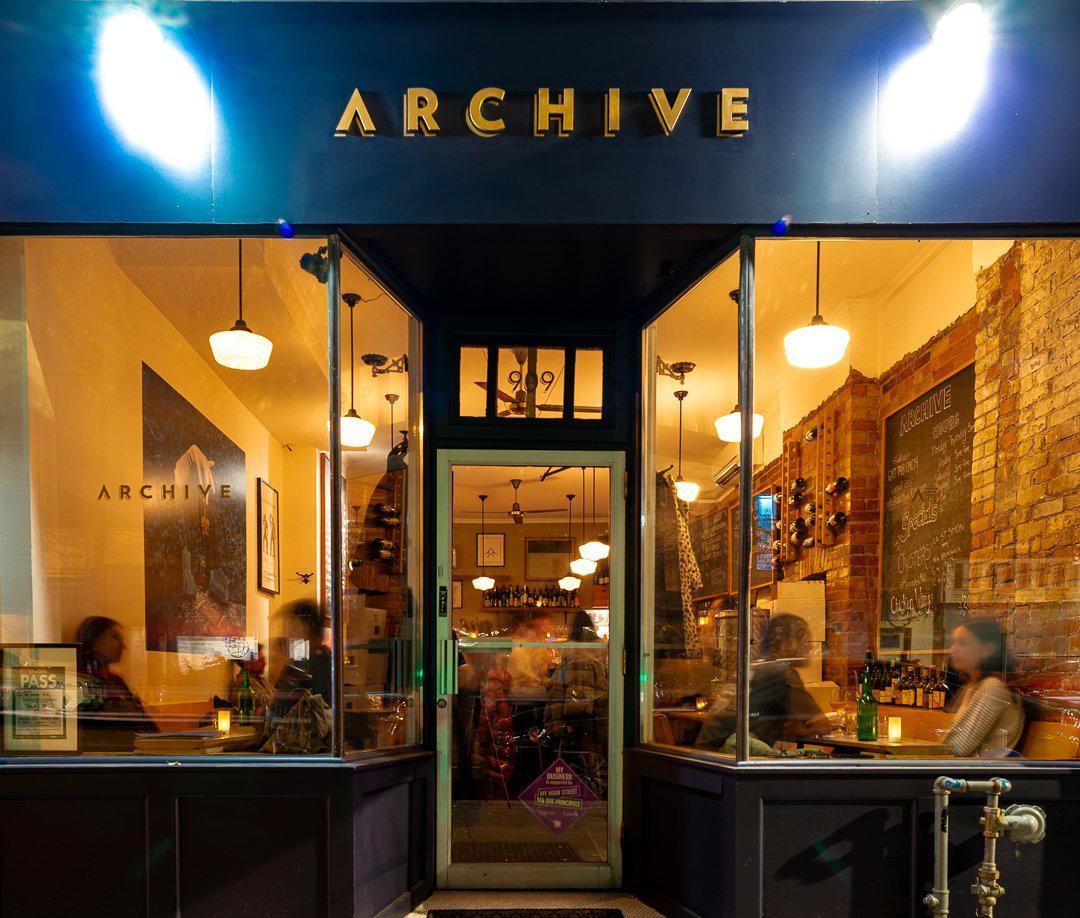
Restaurants in Toronto
Browse all →
Hotels in Toronto
Browse all →

Details
- Cozy
- Intimate
- Trendy
- Date Night
- Casual Hangout
- Standalone
- Seated Bar
- Lounge Seating
- Craft Cocktails
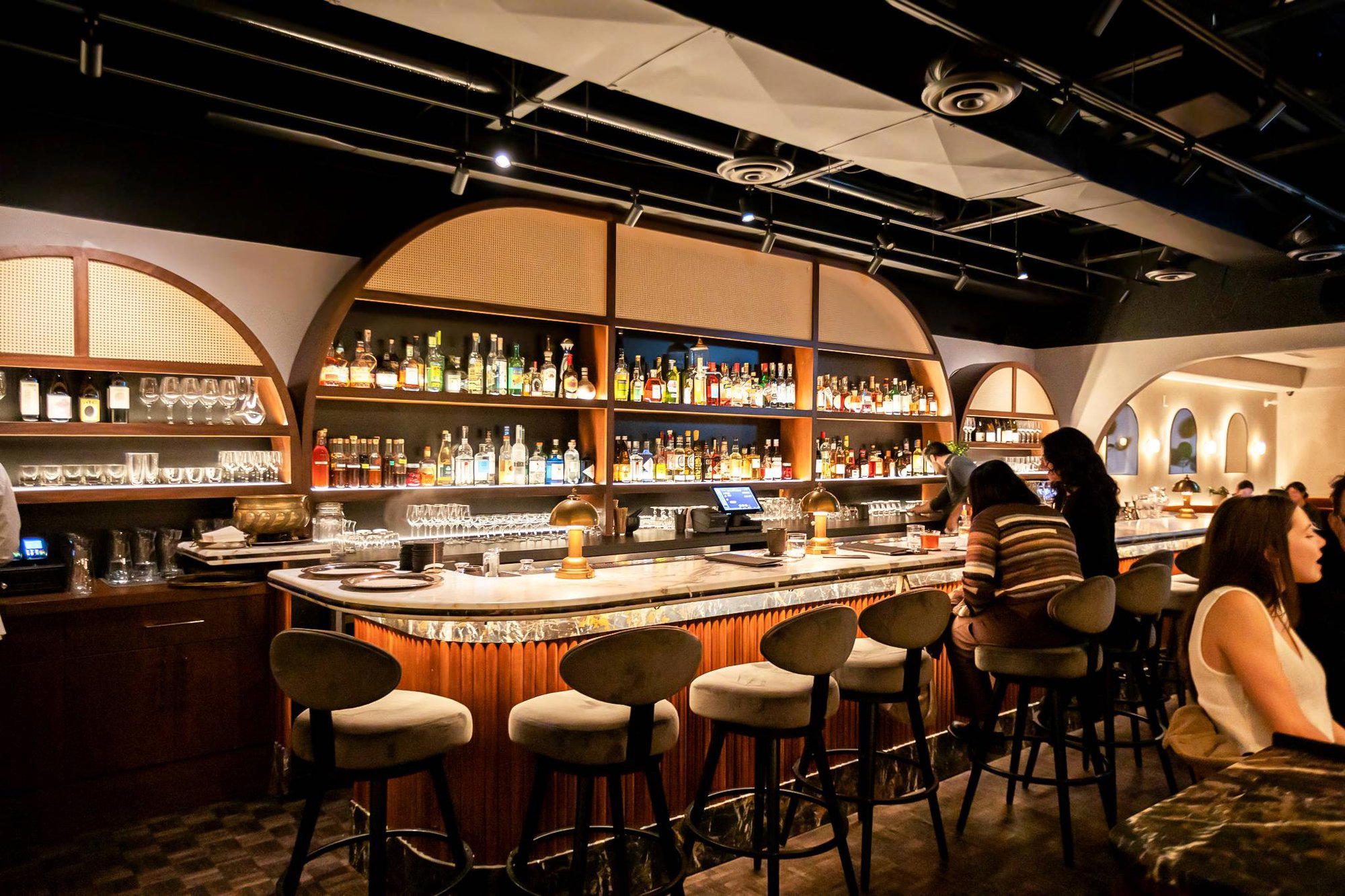
Homey charm with glass country cabinets, wainscoting on the ceiling, white subway tile accent wall, dim lighting, and close-together tables.