Roč is one of Istria's smallest and most intact medieval hill towns, and Ročka Konoba sits inside that context as a konoba in the traditional sense: a family-run dining room where the food follows the land rather than a printed seasonal concept. In a region where ingredient sourcing defines the quality divide, this is a place to eat Istrian cooking grounded in its actual geography.
Pearl is the En Primeur Club membership app — saves, bookings, and concierge access live there. Same editors, same standards.
- Address
- Roč 14/1, 52425, Roč, Croatia
- Phone
- +385915758947
- Directions
- Get directions
 Saves & bookings on Pearl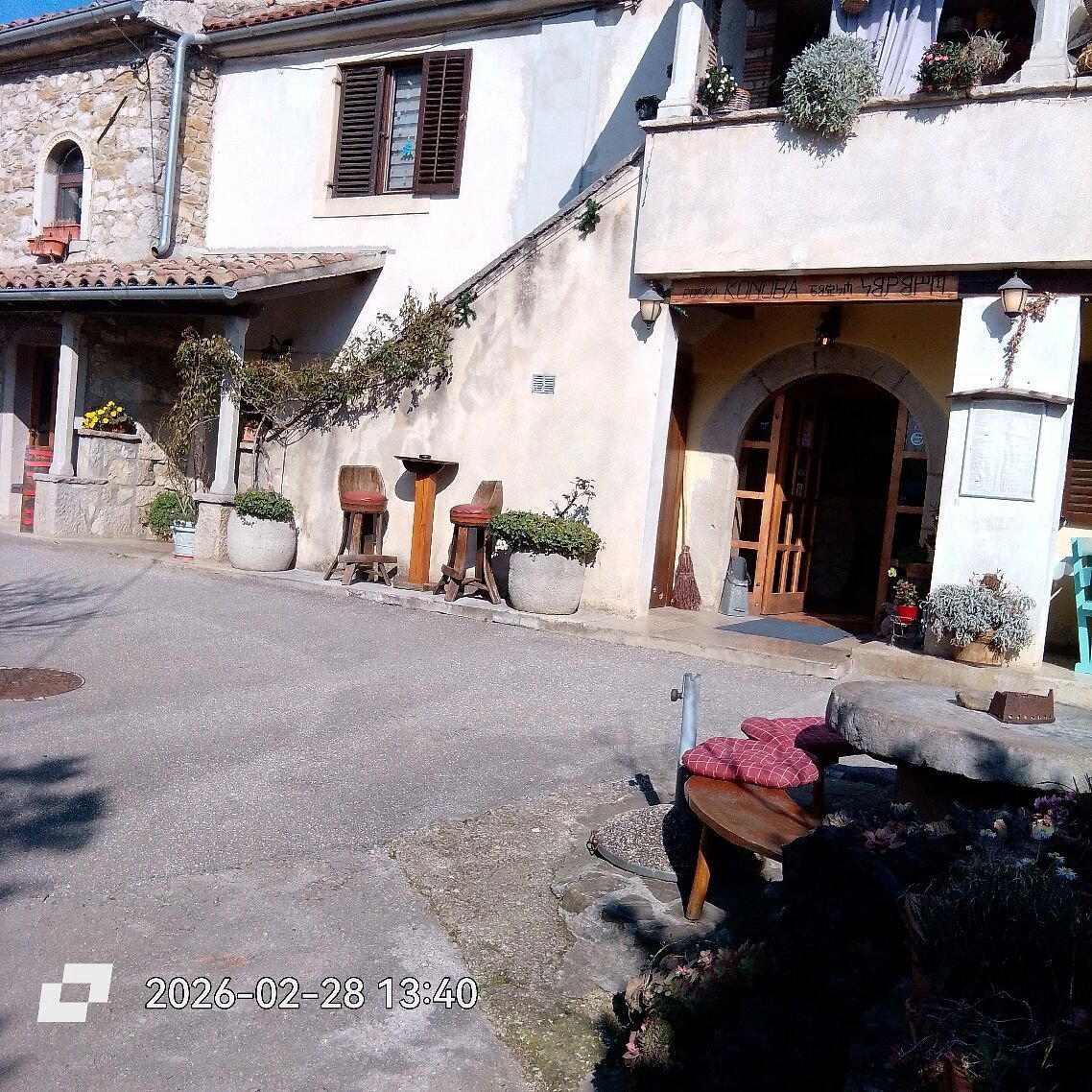
A Medieval Hill Town and the Food That Belongs to It
Roč is easy to miss on the map of Istria. It sits in the interior, away from the coastline that draws most visitors to the peninsula, a walled medieval settlement so small and so preserved that walking its perimeter takes minutes. That physical remoteness is not incidental to the food served here. In the Istrian interior, the absence of tourist volume has kept certain culinary habits intact in ways the coastal towns, now oriented around international visitors and destination-restaurant ambitions, have largely moved past. Ročka Konoba belongs to that inland tradition.
The konoba format across Croatia describes a range of establishments, from simple taverns to refined rooms that use the word as a shorthand for honesty. In the interior hill towns of Istria, it tends to mean something more specific: a dining room attached to its surrounding land, serving food whose primary logic is what the forest, field, and farmyard make available. That sourcing relationship is the editorial point worth understanding before arrival.
Istrian Interior Sourcing: What the Land Dictates
Istrian cuisine splits along a clear geographic axis. The coast reaches for fish, shellfish, and olive oil from the western groves, with restaurants like Agli Amici Rovinj in Rovinj or Cubo in Opatija building menus around maritime produce with contemporary technique. The interior answers with a different pantry: wild asparagus in spring, summer vegetables, cured meats from locally raised pigs, mushrooms from the forests around Motovun and Buzet, and, most significantly, truffles. The Istrian truffle belt runs through this part of the peninsula, and for konobas operating at the summit of the interior tradition, truffles function not as a luxury garnish but as a local ingredient with genuine seasonal logic.
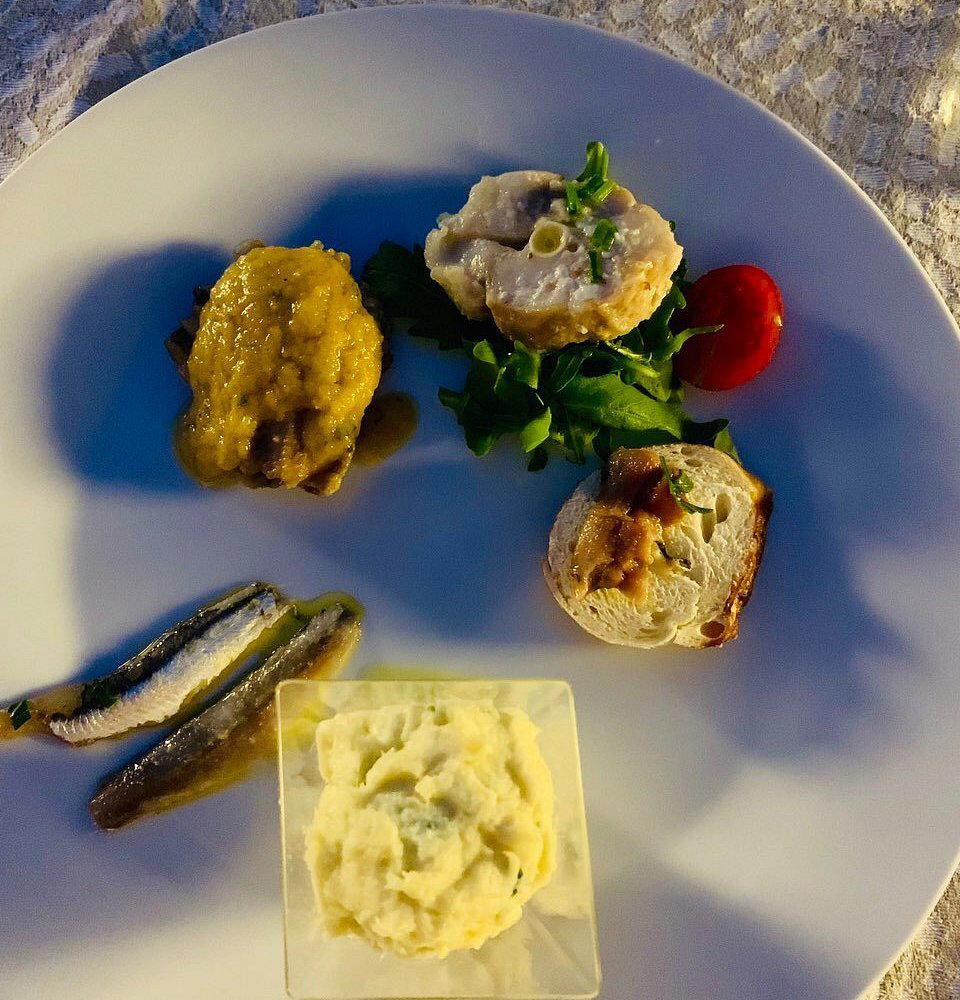
Fuži, the hand-rolled egg pasta that acts as Istria's interior signature, typically carries those truffles in shaved form, or arrives with game ragù or dried meat preparations. Maneštra, a slow-cooked vegetable and bean soup with regional variations across every valley, represents the other pole: deeply unglamorous in concept, entirely dependent on the quality and variety of what goes into it. Neither dish travels well as a restaurant concept. Both reward proximity to their source. Eating them inside Roč, surrounded by the actual landscape that produces them, closes a contextual gap that eating the same dishes in Zagreb or Split, however competently executed, cannot.
For a comparison point on what inland Croatian cooking looks like when it meets fine-dining ambition, Dubravkin Put in Zagreb and Korak in Jastrebarsko show how continental Croatian produce can be handled with significant technique. The konoba register operates differently: restraint here means leaving the ingredient alone rather than constructing around it.
Where Ročka Konoba Sits in the Istrian Dining Conversation
Croatia's most awarded restaurant tables occupy the coastal towns and the major cities. Pelegrini in Sibenik, Restaurant 360 in Dubrovnik, and Nebo by Deni Srdoč in Rijeka represent the contemporary fine-dining tier, where international recognition and formal tasting formats define the experience. LD Restaurant in Korčula and Krug in Split occupy adjacent territory. These are benchmark addresses for Croatian cooking at its most ambitious.
Ročka Konoba operates in a different register entirely. The relevant peer group is not the Michelin-tracked coastal circuit but the cluster of family-run interiors that have kept Istrian cooking legible to its own history. Venues in this category rarely accumulate formal awards, not because the food is inferior in its own terms but because the evaluation criteria used by international guides weight innovation, technique, and service vocabulary in ways that traditional konobas are not optimised for.
If you are arriving from the coastal restaurant circuit and wondering what separates a serious interior konoba from a tourist-facing approximation, the answer is usually in the details that cannot be faked: the quality of the homemade pasta, the depth of the maneštra, whether the cured meats taste of actual pig rather than industrial production, and whether the wine list draws from local Istrian producers rather than generic Croatian selections.
Getting There and Planning the Visit
Roč sits on the Parenzana route in the Istrian interior, roughly between Buzet and Pazin. The town is accessible by car from Pula in approximately an hour; from Rijeka, the drive runs slightly longer depending on the route taken. The surrounding countryside makes a car one practical option for independent travelers. The surrounding area rewards time: Hum, just a few kilometres away and generally cited as the smallest town in the world by population, is worth combining with a visit to Roč on the same afternoon.
Given the size of the village and the format of a family-run konoba, reservations are recommended. Timing a visit for shoulder season, April through May or September through October, means the Istrian countryside looks its leading and the truffle season is either approaching or in full swing.
Other regional comparisons worth reading include Boskinac in Novalja, where island produce meets more formal technique, and Burin in Crikvenica on the Kvarner coast. For the islands, Bodulo in Pag and BioMania Bistro Bol in Bol each demonstrate how Croatian island cooking handles its own sourcing logic. Cantilly Garden Restaurant in Samobor is another reference point for the inland, garden-to-table format. Le Bernardin in New York City or Atomix in New York City clarifies precisely why certain experiences require specific geography to make sense. Alfred Keller in Mali Lošinj represents yet another Croatian coastal register worth understanding in comparison.
Fast Comparison
Comparable venues nearby, for context on price, style, and recognition.
| Venue | Cuisine | Price | Notes |
|---|---|---|---|
| Ročka KonobaThis venue — the venue you are viewing | Authentic Istrian | $$ | Not listed |
| Don Dino Restaurant | Modern Dalmatian Seafood | $$ | Trogir Old Town |
| Konoba Bare | Modern Istrian Mediterranean | $$ | Funtana |
| Kažun Tavern | Traditional Istrian Mediterranean | $$ | Pula center |
| Ružmarin | Mediterranean Pizza & Grill | $$ | Slatina |
| Hotel & Restoran Degenija | Traditional Croatian Regional Grill | $$ | Selište Drežničko, Rakovica |
Continue exploring
More in Roc
Restaurants in Roc
Browse all →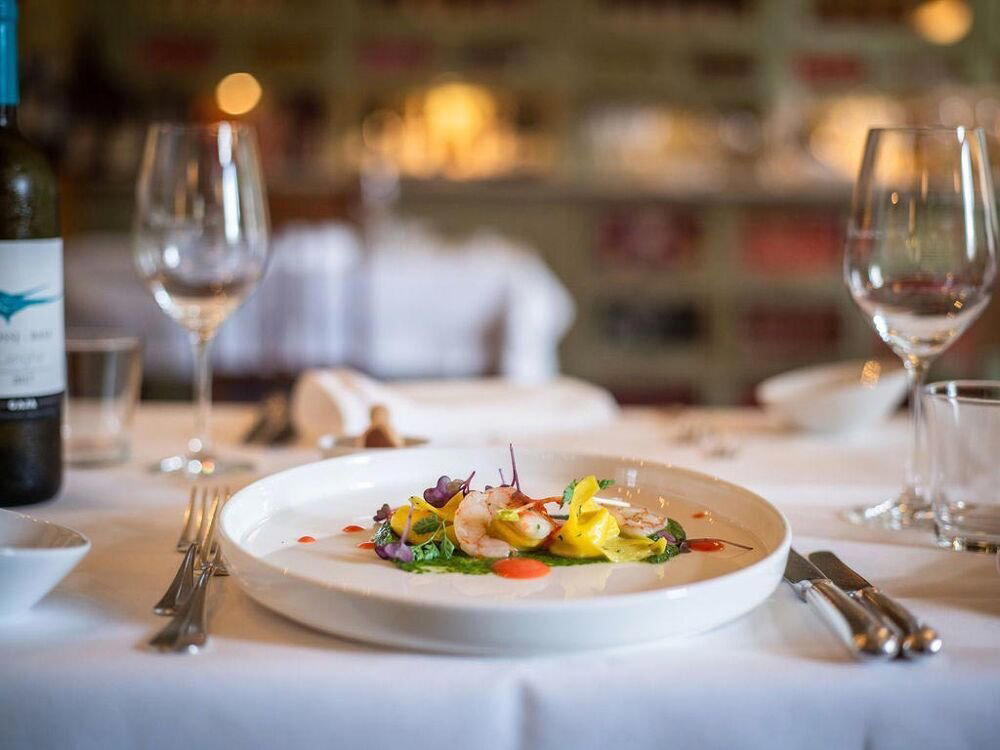
Bars in Roc
Browse all →
Hotels in Roc
Browse all →

At a Glance
- Rustic
- Cozy
- Intimate
- Casual Hangout
- Special Occasion
- Historic Building
- Local Sourcing
Current opening hours
- Monday
- Closed
- Tuesday
- 12–9 PM
- Wednesday
- 12–9 PM
- Thursday
- 12–9 PM
- Friday
- 12–9 PM
- Saturday
- 12–9 PM
- Sunday
- 12–9 PM
Hours can change for holidays and private events. Last verified .
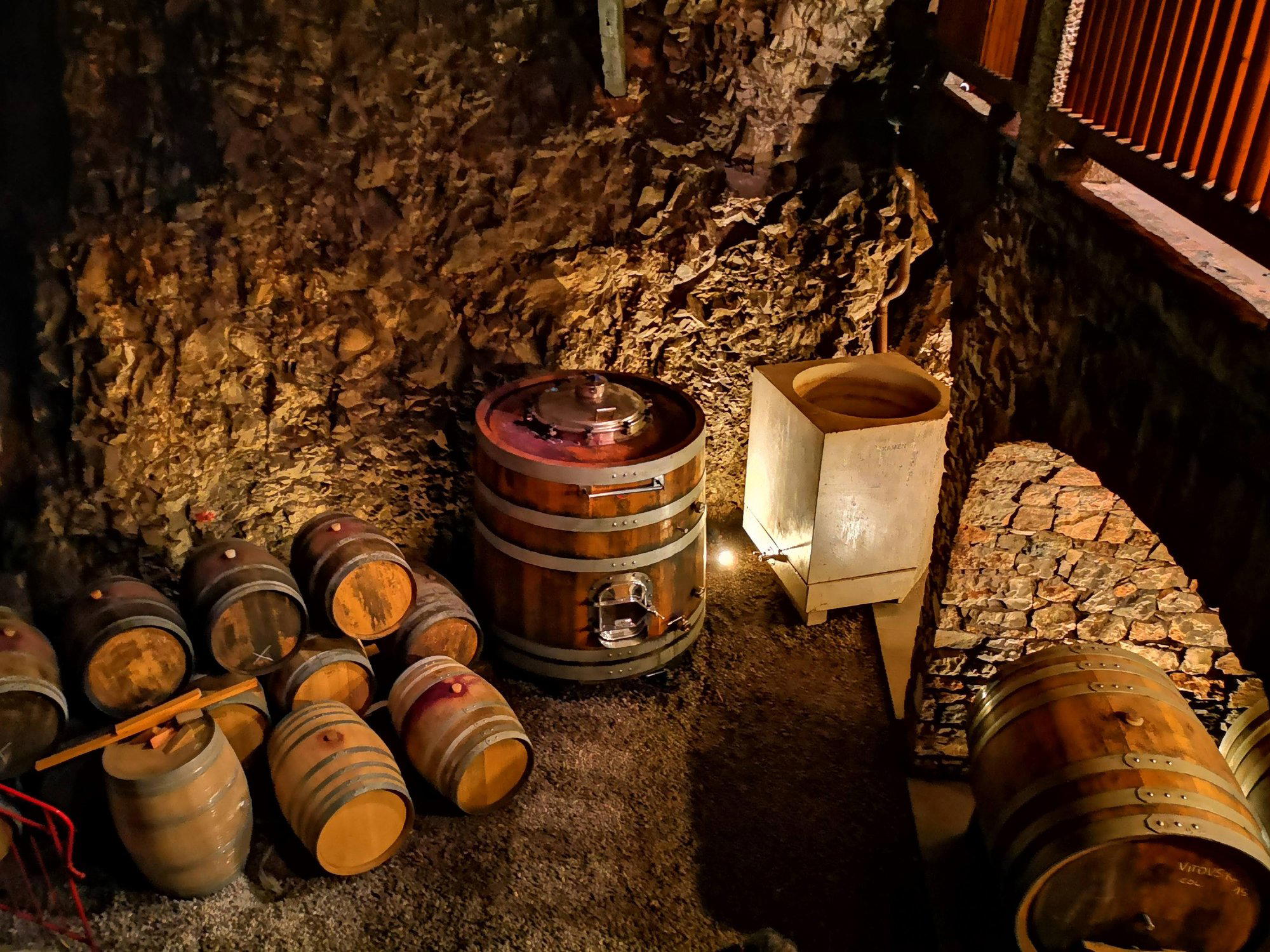
Warm, cozy, and homely rustic atmosphere in a sleepy historic village setting.