Konoba Zijavica


Michelin Plate · Falstaff Restaurant - 93 Falstaff Points
Our verdict
A Michelin Plate-recognised konoba on the Kvarner coast, Konoba Zijavica brings seasonal Croatian cooking to one of the Adriatic's quieter fishing villages. The kitchen draws on local catch and regional produce in a format closer to the unhurried pace of Dalmatian table tradition than to destination-restaurant theatre.

Pearl is the En Primeur Club membership app, where members save venues, book tables and use the concierge.
The menu
What to order
- Kvarner_shrimp
- Adriatic_octopus
- Marinated_red_mullet
This is the defining character of the Dalmatian and Kvarner konoba tradition at its more considered end. A konoba is not a restaurant in the continental European sense. It began as a storage room, became a gathering space, and in its current form occupies an interesting position between informal tavern and serious cooking operation. The leading examples in Croatia have spent the last decade receiving Michelin recognition without abandoning the structural unhurried-ness that made them worth recognising in the first place. Konoba Zijavica holds a Michelin Plate for both 2024 and 2025, placing it inside that cohort of Croatian coastal kitchens that are cooking at a level the Guide considers worth noting, without having crossed into the starred tier occupied by places like Pelegrini in Sibenik or Agli Amici Rovinj in Rovinj.
How the Meal Unfolds
The dining ritual at a konoba of this type follows patterns that have more to do with agricultural and fishing calendars than with any formal tasting menu logic. Seasonal cuisine here means that the menu's backbone shifts with what is available from the Kvarner Gulf and the hinterland above the coast. In late spring and early summer, that means small-boat fish, cephalopods, and the first of the season's vegetables from Istrian and Primorje growers. Autumn pulls toward game, foraged mushrooms, and preserved preparations. The kitchen does not announce these shifts with ceremony; they simply appear or disappear from what is offered.
The pacing at tables in this tradition follows the meal's own gravity rather than a server's agenda. Bread and perhaps a small appetiser establish the register. Fish courses tend to anchor the centre of the meal. Wine selection at restaurants along this coast typically runs toward Malvazija Istarska and lighter Teran for the red side, though the specific list at Konoba Zijavica is not published in advance. The expectation is that you allow the meal to take roughly two hours without treating that as an inconvenience.
This is the kind of table where ordering quickly and leaving quickly signals a misunderstanding of the format.
Placing It in the Croatian Coastal Scene
Croatia's Adriatic dining scene has stratified considerably over the past decade. At the leading end, starred and multi-starred restaurants in Dubrovnik, Rovinj, and Šibenik operate at price points and with reservation difficulty that positions them closer to European fine dining than to regional cooking. Below that, a broader tier of Michelin Plate-recognised and Bib Gourmand kitchens are doing the more interesting work of translating local ingredient culture into something that rewards a serious eater without requiring a fine-dining budget or a months-ahead booking strategy.
Konoba Zijavica at €€€ pricing sits in that second tier. For comparison, Agli Amici Rovinj and Pelegrini both carry €€€€ pricing alongside their Michelin stars. The Plate recognition at Zijavica signals cooking quality without the price escalation that tends to follow the first star. On the Kvarner coast specifically, where the dining scene is less publicised than Dalmatia's, that combination is not common. Nebo by Deni Srdoč in Rijeka, roughly 30 kilometres north, represents a more formal interpretation of the regional ingredient vocabulary. Alfred Keller in Mali Lošinj sits on the island tier of the same regional scene.enprimeurclub.enprimeurclub. Konoba Zijavica's consecutive Michelin Plate citations distinguish it from casual waterfront dining without displacing it from the konoba format that defines the village's eating culture.
For a broader Croatian context, the seasonal cuisine approach at Zijavica connects to a loose national trend visible at places like Korak in Jastrebarsko and Dubravkin Put in Zagreb, where local sourcing discipline and seasonal menus have moved from marketing language to actual kitchen practice. Internationally, the format finds structural parallels in seasonal cuisine operations like Fields by René Mathieu in Luxembourg and Kirchenwirt in Leogang, where the kitchen's seasonal commitment shapes the format of the meal itself rather than just the sourcing notes. Summer months on this stretch of the Kvarner coast draw significant regional tourism, and tables at Michelin-recognised restaurants in small villages book out faster than their urban equivalents might suggest. Arriving without a reservation in July or August carries real risk. The shoulder seasons, May through June and September through October, offer the same kitchen at lower occupancy pressure and, arguably, at the point in the calendar when seasonal Croatian cooking is at its most articulate.
Contact details and online booking options are not currently listed publicly for Konoba Zijavica. Reservations are most reliably secured by phone or by direct inquiry when accommodation in the village is booked, since local hosts typically have working relationships with the restaurants. Dress code conventions at Kvarner konobi lean toward smart-casual; formal attire would read as misaligned with the format.enprimeurclub. For Croatian restaurants operating at Krug's level in Split, see Krug in Split. LD Restaurant in Korčula and Boskinac in Novalja round out the regional comparison set for seasonal-led Croatian coastal cooking.
Frequently asked questions
Where is Konoba Zijavica in Mošćenička Draga?
Konoba Zijavica is located at Šetalište 25. travnja 2, 51417, Mošćenička Draga, Mošćenička Draga.
Does Konoba Zijavica have a Michelin star or similar recognition?
Konoba Zijavica has received recognition including: Michelin Plate (2025); Michelin Plate (2024).
What's the must-try dish at Konoba Zijavica?
Konoba Zijavica holds a Michelin Plate for 2024 and 2025 under a seasonal cuisine designation, meaning the menu tracks the Kvarner fishing calendar and local agricultural produce rather than fixed signature dishes. The Michelin recognition points toward the kitchen's handling of local coastal ingredients, so whatever is freshest from the Kvarner Gulf on a given visit is the logical choice. Arrive with no fixed expectations and follow the server's lead on the day's catch.
How much does it cost to eat at Konoba Zijavica?
Pricing at Konoba Zijavica is listed as €€€.
What's the best way to book Konoba Zijavica?
Given the Michelin Plate recognition in both 2024 and 2025, summer tables at the €€€ price point fill quickly, and arriving without a reservation during peak season is a risk worth avoiding.
Cuisine Context
| Venue | Cuisine | Price | Awards | Notes |
|---|---|---|---|---|
| Konoba ZijavicaThis venue (the venue you are viewing) | Modern Croatian Seafood | $50–100 | Michelin Plate · Falstaff Restaurant - 93 Falstaff Points | Not listed |
| Pelegrini | Modern Dalmatian Fine Dining | $100–150 | 1 Michelin Star · La Liste Top Restaurants | Mediterranean, Modern Cuisine |
| Restaurant 360 | Modern Mediterranean with Asian and French Influences | $200–300 | 1 Michelin Star · La Liste Top Restaurants | International, Modern Cuisine |
| Foša | Modern Seafood | $50–100 | Michelin Plate | Croatian, Classic Cuisine |
| Nautika | Traditional Mediterranean Seafood | $100–150 | Michelin Plate · Star Wine List | Modern European, Classic Cuisine |
| Agli Amici Rovinj | Modern Mediterranean Fine Dining | $200–300 | 2 Michelin Stars · La Liste Top Restaurants | Italian Contemporary |
Recognition history
Dated appearances from independent guides and award organizations, with the underlying list record or original source where available.
Michelin Plate
Michelin · 2026 Michelin Plate
Falstaff Restaurant - 93 Falstaff Points
Falstaff
Full recognition history (4 entries)
Michelin Plate
Michelin
Michelin Plate
Michelin
Continue exploring
More in Mošćenička Draga
Restaurants in Mošćenička Draga
All restaurants in Mošćenička Draga →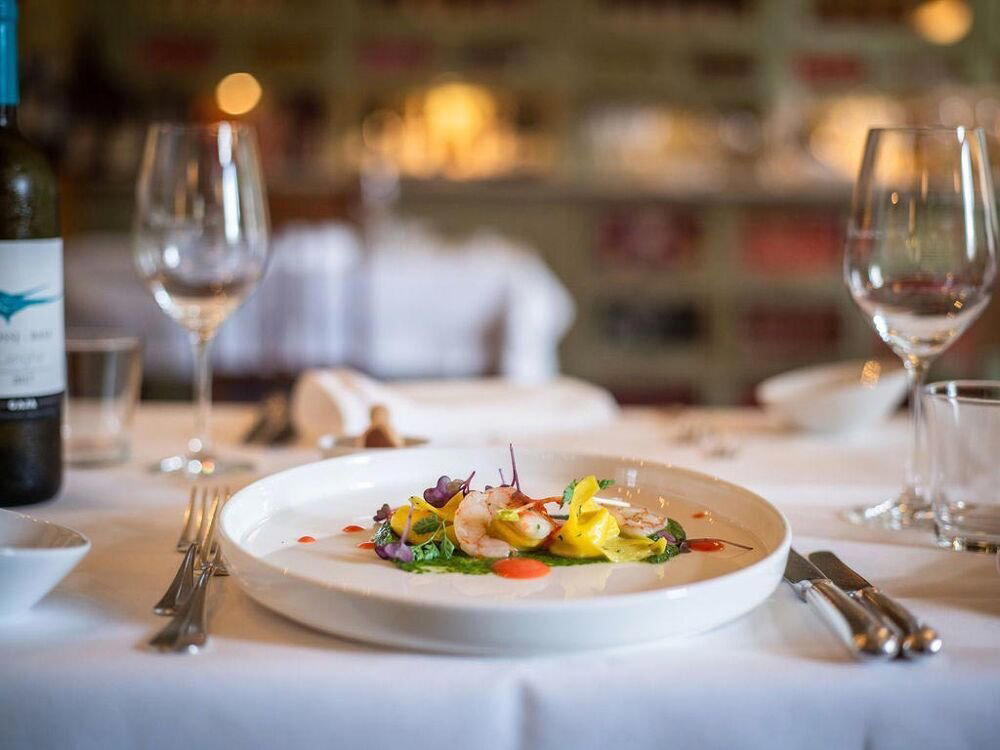

Details
- Romantic
- Rustic
- Cozy
- Scenic
- Intimate
- Date Night
- Special Occasion
- Waterfront
- Terrace
- Extensive Wine List
- Local Sourcing
- Waterfront
- Tasting Menu
- A La Carte
- Wine
- Vegetarian Friendly
- Vegan Options
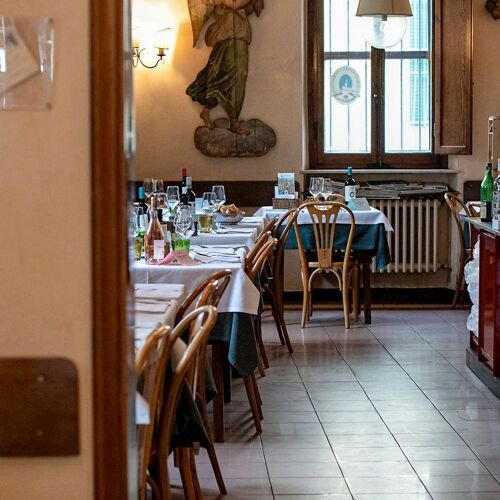
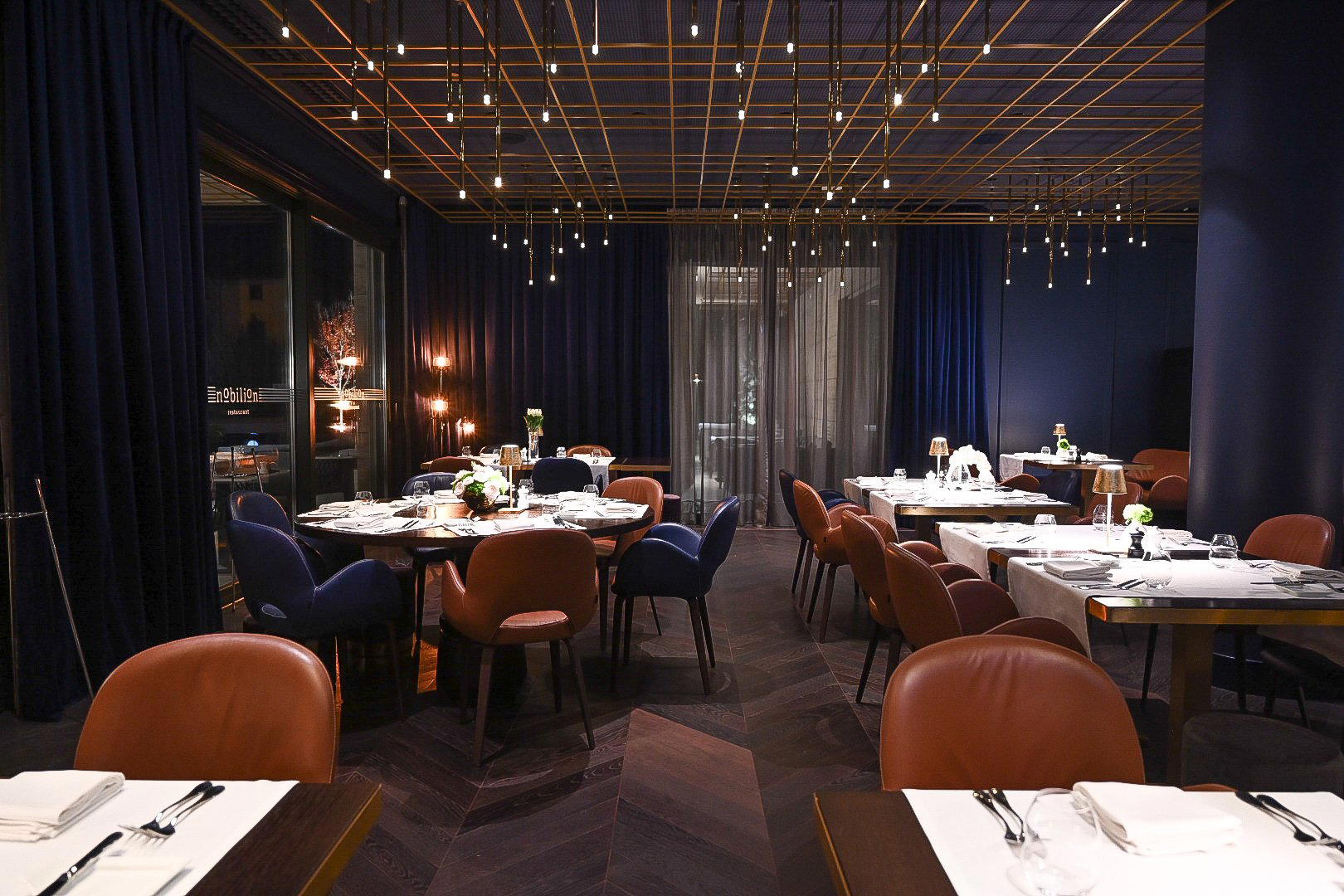
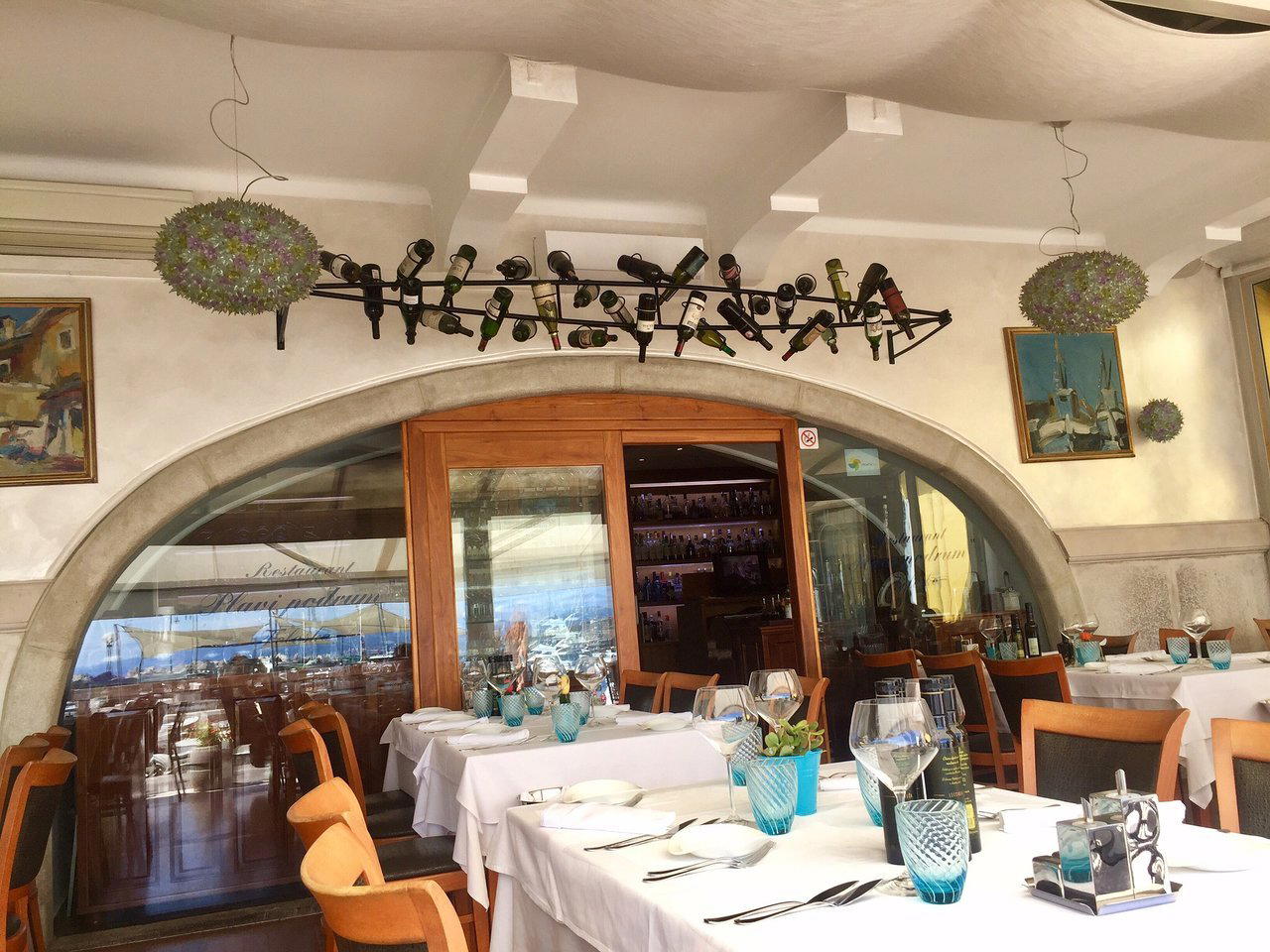
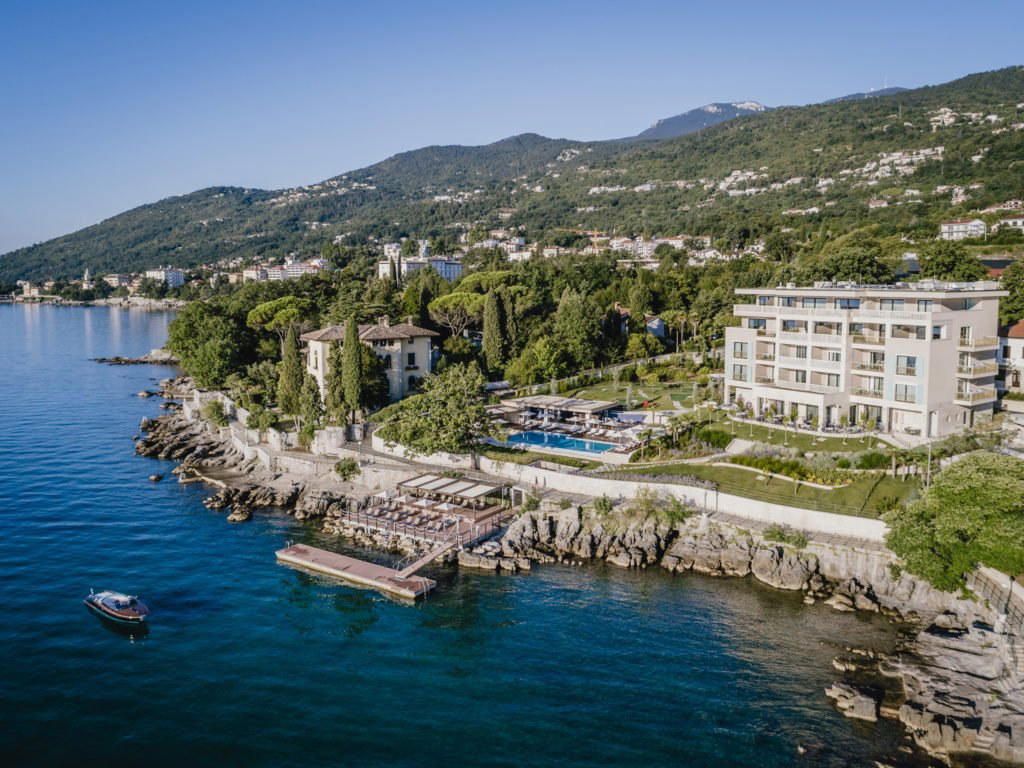
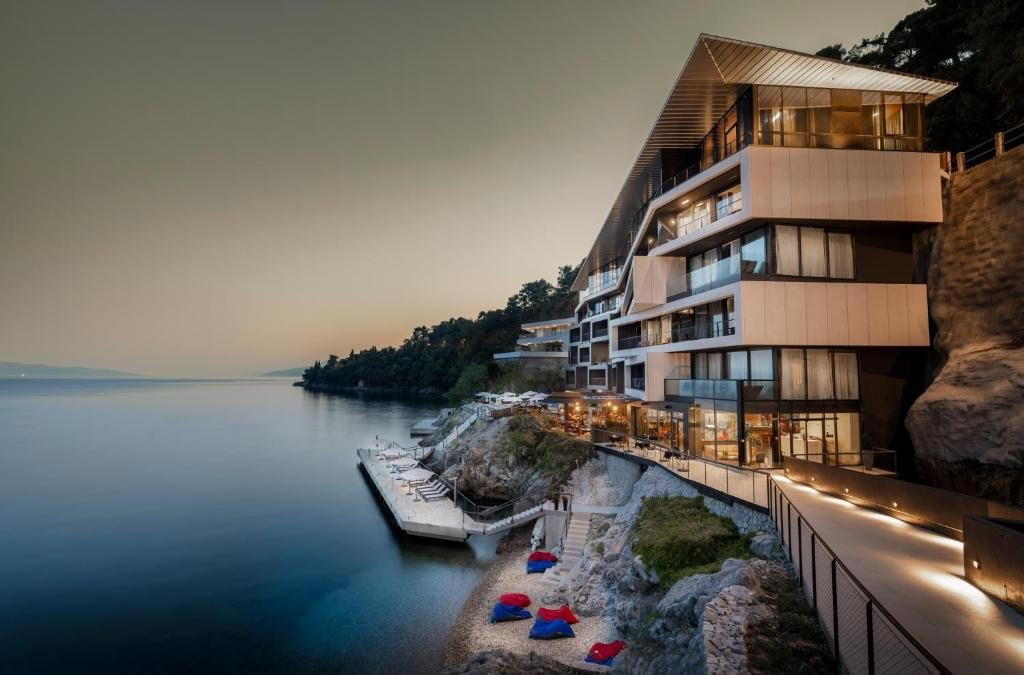
Cozy interior with wood and stone in pastel colors, romantic terrace directly on the beach with dramatic sea views and sound of waves.