Ružmarin occupies a hillside address at Veprinački put 2, above the Kvarner coast resort of Opatija. The restaurant draws on the Liburnian culinary tradition, herbs, olive oil, Adriatic seafood, and positions itself among the more considered dining options in a town better known for grand hotel restaurants. Visit for regional cooking in a quieter register than the waterfront competition.
Pearl is the En Primeur Club membership app — saves, bookings, and concierge access live there. Same editors, same standards.
- Address
- Veprinački put 2, 51410, Opatija, Croatia
- Phone
- +38551712673
- Website
- restaurant-ruzmarin.com
- Directions
- Get directions
 Saves & bookings on Pearl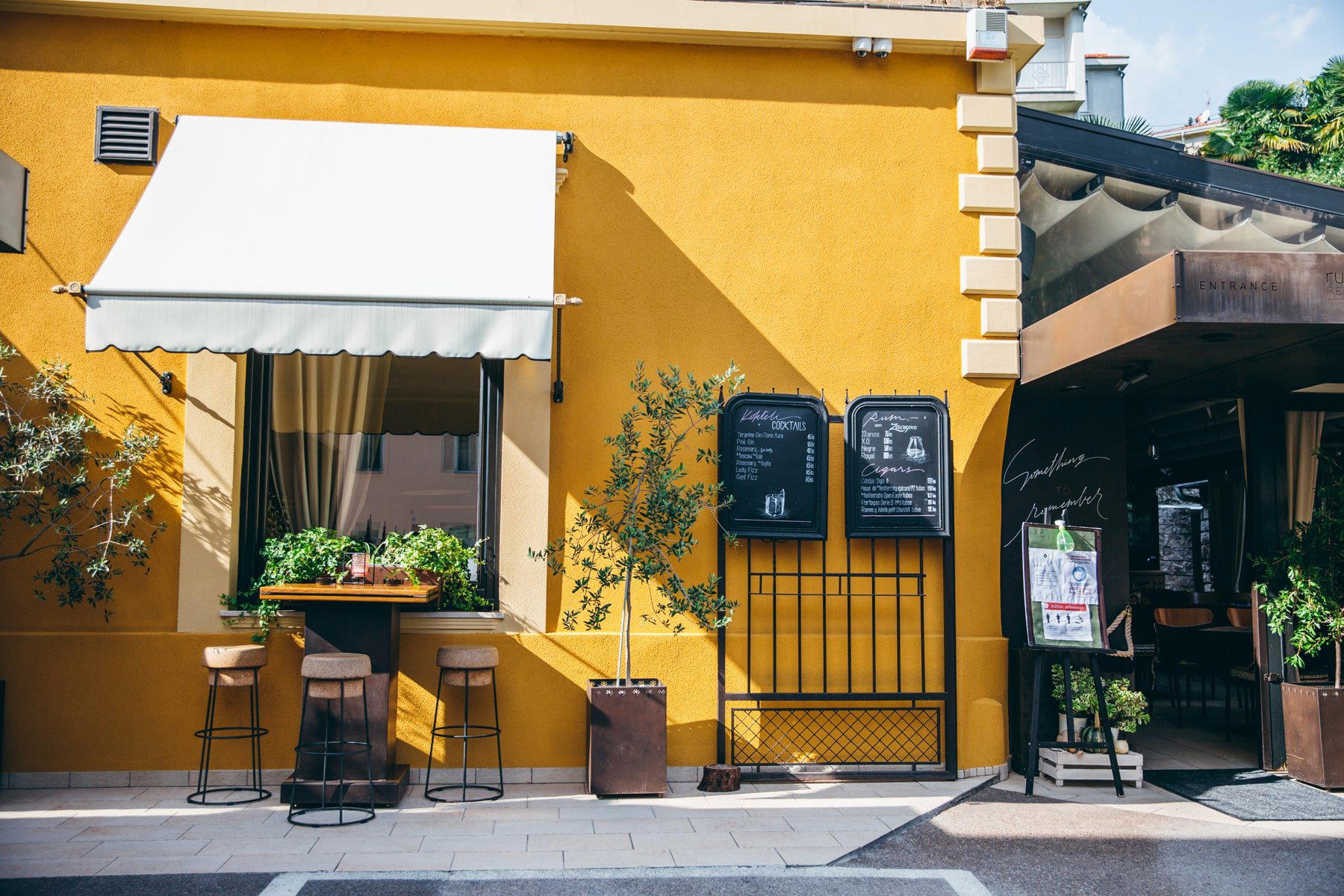
Above the Lungomare: Opatija's Hillside Dining Tier
Opatija's dining scene has always divided along a clear geographic fault line. The Lungomare-facing restaurants, Bevanda prominent among them, command the sea view premium and price accordingly. A separate, smaller tier operates on the slopes above town, where the Habsburg-era villas thin out and the cooking tends to be quieter, more locally anchored, and less dependent on spectacle. Ružmarin, at Veprinački put 2, belongs to that hillside category. The address is on the hillside above Opatija's centre.
That positioning shapes the entire proposition. Where waterfront restaurants in Opatija compete on view and occasion, the hillside tier competes on ingredient sourcing, kitchen discipline, and repeat guests. Ružmarin, the Croatian word for rosemary, a plant that grows across the Kvarner limestone, signals its culinary orientation through its name before a dish arrives.
The Kvarner Culinary Context
Kvarner cooking is a distinct regional tradition. The region draws on Istrian olive oil and truffles, Dalmatian fish preparations, and the Austro-Hungarian café and pastry culture that still shapes Opatija's civic identity. The result is a cuisine that draws from multiple directions without fully belonging to any of them. Lamb from the Kvarner islands, scampi from the Kvarner gulf, wild herbs from the Učka slopes, and Istrian wines, particularly Malvazija and Teran, form the backbone of cooking at this level.
Across Croatia more broadly, the restaurants doing considered work with these ingredients, Agli Amici Rovinj in Rovinj, Pelegrini in Šibenik, LD Restaurant in Korčula, have tended to formalise that local sourcing into structured tasting formats with wine pairings. In Opatija itself, Antiqua Osteria da Ugo operates with a more Italian-inflected frame, while Konoba Istranka anchors the more casual, konoba-style end. Ružmarin occupies the space between those poles: formal enough to be a destination, regional enough to resist the generic Mediterranean register that softer hotel restaurants default to.
The Team Dynamic: How Front-of-House and Kitchen Operate Together
In smaller Croatian restaurants, the collaboration between kitchen and floor tends to be less formally codified. At restaurants of Ružmarin's scale and register, the dynamic is typically more intimate: a compact team where the person explaining the day's fish is often the same person who sourced it that morning, and where wine recommendations draw on a list built around Kvarner and Istrian producers rather than international reference points.
This model has advantages. When front-of-house knowledge of the menu is direct rather than briefed, the conversation about what to order becomes genuinely useful. Guests who come expecting the formality of a Restaurant 360 or the theatrical precision of Atomix in New York will find a different register, less ceremonial, more conversational, and calibrated to the rhythms of a mid-sized Adriatic town rather than a global dining capital.
The parallel is closer to what Korak achieves in Jastrebarsko: a tightly knit operation where the team's collective investment in the local ingredient story does more work than formal service choreography. Seasonal pressure is a real factor in Opatija.
Opatija's Position in the Croatian Fine Dining Picture
Croatia's restaurant scene has developed unevenly across its geography. Zagreb has formally developed fine dining infrastructure, anchored by restaurants like Dubravkin Put. The coast concentrates its higher-end cooking in specific nodes: Dubrovnik, Rovinj, Hvar, and to a lesser extent Opatija and the Kvarner islands, where Alfred Keller in Mali Lošinj and Boskinac in Novalja represent the more destination-driven end of island cooking.
Opatija's challenge is that its identity remains partly anchored to its late 19th-century role as the Austro-Hungarian Riviera, a legacy that attracts an older, return-visit demographic but can make the dining scene feel less dynamic than Rovinj or Split, where Krug has helped establish a more contemporary culinary conversation. Against that backdrop, restaurants like Ružmarin serve a specific function: they give the town a dining option grounded in Kvarner specificity rather than generic holiday cooking, without requiring the kind of advance-booking infrastructure that the Michelin-listed Croatian restaurants now demand.
Planning Your Visit
Ružmarin sits at Veprinački put 2, on the hillside above Opatija's centre. The address is reachable by car or taxi from the Lungomare in a few minutes; on foot from the lower town the route is steep. Opatija's tourism season peaks from June through August, when tables at well-regarded smaller restaurants fill quickly and walk-in availability narrows. The shoulder months, May and September, offer more flexibility and, typically, produce at the transition points that tend to generate particularly interesting plates. Checking the restaurant directly for current hours and reservation availability before travelling is advisable. For context on how Ružmarin compares to other Opatija options across formats and price tiers, Cubo and Nami Sushi Restaurant represent the town's range at the more central, accessible end.
Booking and Cost Snapshot
Comparable venues nearby, for context on price, style, and recognition.
| Venue | Cuisine | Price | Notes |
|---|---|---|---|
| RužmarinThis venue — the venue you are viewing | Slatina, Mediterranean Pizza & Grill | $$ | Not listed |
| Konoba Istranka | Opatija, Traditional Croatian Istrian | $$ | Not listed |
| Plavi podrum | Volosko, Modern Mediterranean Seafood | $$$ | Not listed |
| Roko | Not listed | $$ | Opatija Center, Traditional Croatian Mediterranean Seafood |
| Trattoria Mandrać | Not listed | $$ | Volosko, Traditional Italian Trattoria with Seafood |
| Valle Losca | Volosko, Traditional Croatian Tavern | $$ | Not listed |
Continue exploring
More in Opatija
Restaurants in Opatija
Browse all →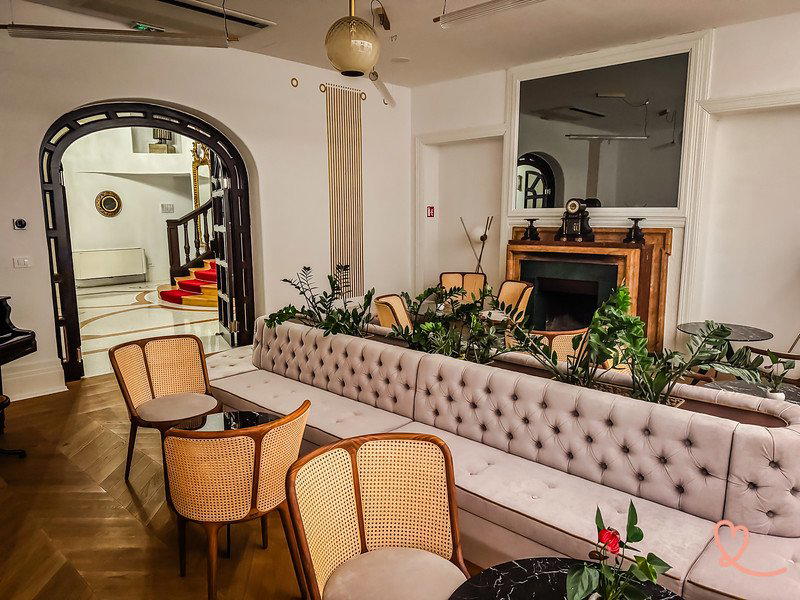
Bars in Opatija
Browse all →

Hotels in Opatija
Browse all →
At a Glance
- Cozy
- Classic
- Intimate
- Family
- Group Dining
- Casual Hangout
Current opening hours
- Monday
- 11 AM–12 AM
- Tuesday
- 11 AM–12 AM
- Wednesday
- 11 AM–12 AM
- Thursday
- 11 AM–12 AM
- Friday
- 11 AM–12 AM
- Saturday
- 11 AM–12 AM
- Sunday
- 11 AM–12 AM
Hours can change for holidays and private events. Last verified .
Pleasant interior full of warm wood with a welcoming atmosphere from the owners and staff.