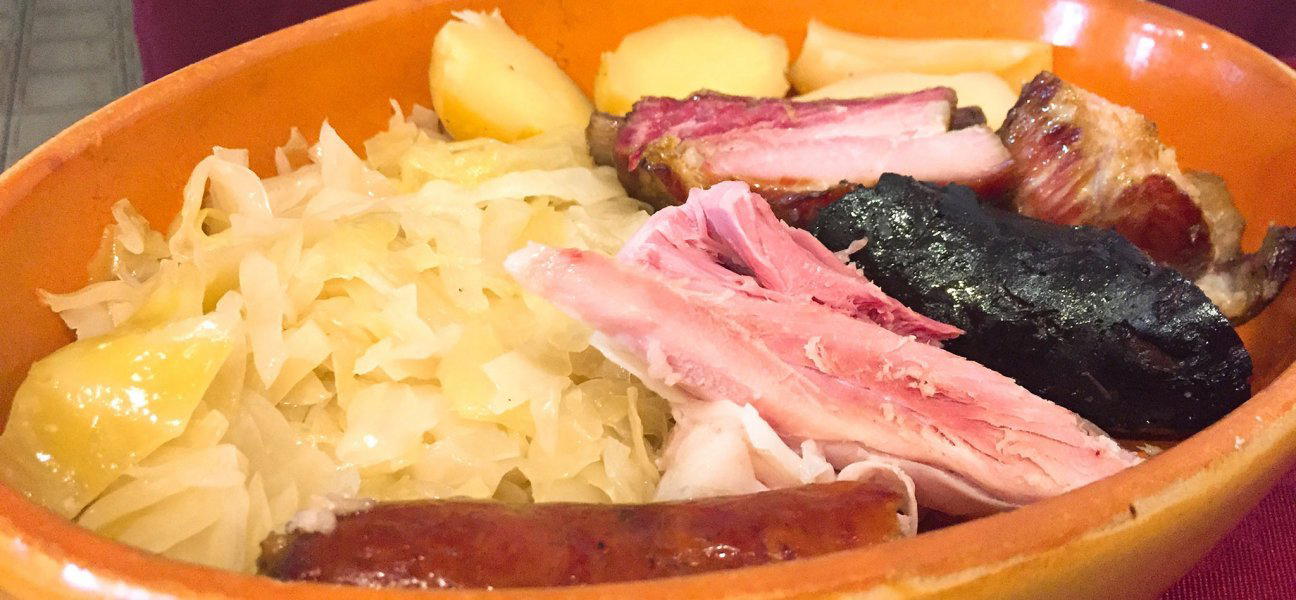
Hotel & Restoran Degenija serves Traditional Croatian Regional Grill as a hotel restaurant with terrace seating, garden and mountain views, and a beer program for lunch or dinner.
Pearl is the En Primeur Club membership app — saves, bookings, and concierge access live there. Same editors, same standards.
- Address
- Seliste Drežničko 57, 47245 Rakovica
- Directions
- Get directions
 Saves & bookings on Pearl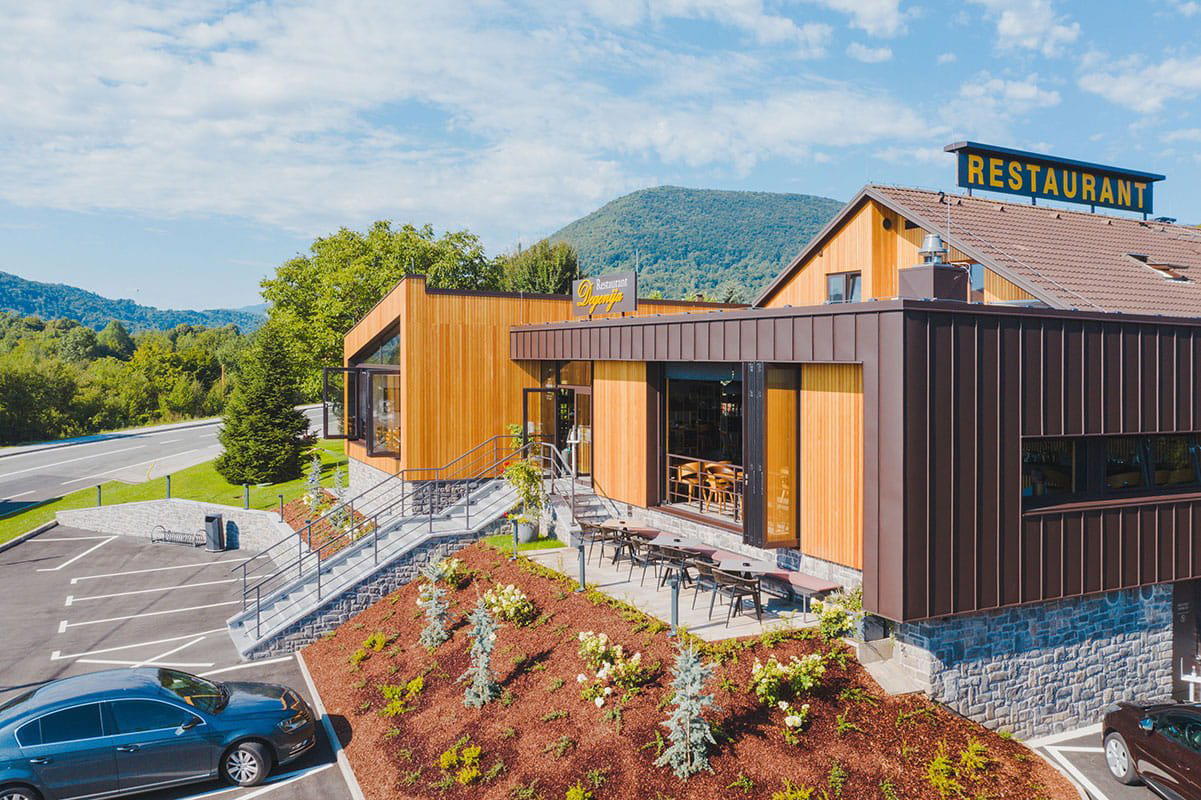
Between Plitvice and the Plate: Dining at the Edge of Croatia's National Park Country
The road into Rakovica runs through forested karst terrain, past limestone outcrops and river valleys that feed the Plitvice Lakes system a few kilometres to the south. This is not a part of Croatia that has historically attracted the same dining attention as Dubrovnik or Split. The visitors who pass through are here for the water, the trails, and the canyon light. Hotel & Restoran Degenija sits at Seliste Drežničko 57 in Rakovica, serving traditional Croatian regional grill near Plitvice Lakes.
That setting matters editorially, because it shapes what the kitchen can plausibly do and what the sourcing logic must be. Restaurants in this part of the Lika-Karlovac region do not draw from the same supply infrastructure that serves Rovinj or Zagreb. They operate closer to what the surrounding land actually produces: game from the forests, freshwater fish from the karst rivers, lamb and dairy from highland grazing. The result is a different kind of regional cooking, one that tends to be heavier, more seasonal in a strict sense, and less dependent on Adriatic produce than most visitors to Croatia encounter.
Sourcing Logic: What the Karst Region Puts on the Table
Croatia's interior has a largely separate food identity from its coast, and the area around Plitvice sits near the fault line between those two traditions. The Lika region historically produced lamb, trout, and game, along with cured meats that reflect Central European influence more than Mediterranean. At a restaurant like Degenija, that regional pantry is not a marketing concept but a practical reality determined by geography and seasonal availability.
Freshwater fish, particularly trout from the cold karst springs that characterise this part of Croatia, appear with regularity on inland menus in this area. The water that carves Plitvice's terraced lakes also supports river fishing upstream and downstream from the park. Similarly, lamb raised on the highland pastures above the karst plateau tends to carry a flavour profile distinct from coastal varieties, shaped by aromatic grasses and altitude. These are ingredients with a direct relationship to the terrain visible from the dining room window, which is a different proposition from the curated sourcing narratives common in urban fine dining.
This sourcing context positions Degenija within a small but distinct tier of Croatian hospitality properties: family-run or regionally anchored establishments near major natural attractions that serve food tied to the immediate landscape rather than to national or international culinary trends. For a counterpoint from Croatia's coastal end of the spectrum, Pelegrini in Sibenik and Agli Amici Rovinj in Rovinj represent what happens when similar regional ambition meets Adriatic produce and Michelin scrutiny. Degenija operates in a quieter register, without that competitive pressure, but also without the distance from its source ingredients that comes with urban fine dining logistics.
The Scene and the Property
Hotel and restaurant combinations on this stretch of road between Karlovac and the Plitvice Lakes serve a practical function: they catch travellers who want to spend a night near the park rather than driving back to Zagreb or the coast after a day of walking. That demand shapes what these properties need to be. The restaurant at Degenija is not a destination dining room in the way that Restaurant 360 in Dubrovnik or Nebo by Deni Srdoč in Rijeka positions itself. It serves guests staying on site, travellers passing through, and locals from the wider Rakovica municipality, which creates a different calibration of ambition and execution.
That calibration is not a criticism. Some of Croatia's most satisfying meals happen in exactly this format: a regional property with a kitchen that knows its territory, a dining room without architectural drama, and a menu that does not try to compete with the coast. Korak in Jastrebarsko and Boskinac in Novalja both demonstrate versions of this model at different price tiers. The value in a place like Degenija lies in the fit between what it is and where it is, not in comparison against Croatia's destination dining tier.
Placing Degenija in the Broader Croatian Dining Map
For travellers building an itinerary that combines the national parks of central Croatia with the coastal restaurant scene, the sequencing matters. The restaurants that define Croatian fine dining are concentrated on the coast and in Zagreb: Dubravkin Put in Zagreb, LD Restaurant in Korčula, Krug in Split. The interior, by contrast, offers fewer options at that tier but a more direct connection to the raw materials of Croatian cooking.
Places like BioMania Bistro Bol in Bol and Burin in Crikvenica pursue ingredient-conscious formats in coastal and island settings. Degenija represents the inland equivalent: a property anchored to its local ecosystem in a region where the food has never needed a coastal identity to justify itself. The surrounding countryside, not the Adriatic, is the reference point.
Visitors who have spent time at Cantilly Garden Restaurant in Samobor or Cubo in Opatija will recognise the pattern of regionally conscious cooking outside the major coastal centres. Degenija fits that pattern from a different geography, closer to the continental interior than the Kvarner Gulf.
For international context, the gap between a property like Degenija and the global fine dining tier represented by Le Bernardin in New York City or Atomix in New York City is vast, but that comparison is not the relevant frame. The relevant question for a Plitvice itinerary is whether the kitchen reflects its territory honestly, and on that measure, an inland Croatian property drawing from karst-country ingredients is doing something the coast cannot replicate.
Planning Your Visit
Degenija is located at Selište Drežničko 57 in Rakovica, a short drive from the northern entrances to Plitvice Lakes National Park. Given the limited density of dining options in this part of Croatia, the property functions as a natural base for park visitors arriving from Zagreb or continuing toward the Dalmatian coast. The combination of hotel and restaurant under one roof is practical for those planning early-morning park access, when having breakfast and a prepared start on site saves time. Also worth considering: Alfred Keller in Mali Lošinj and Bodulo in Pag for island-side comparisons if your route continues to the Kvarner or Dalmatian islands.
Side-by-Side Snapshot
Comparable venues nearby, for context on price, style, and recognition.
| Venue | Cuisine | Price | Notes |
|---|---|---|---|
| Hotel & Restoran DegenijaThis venue — the venue you are viewing | Traditional Croatian Regional Grill | $$ | Not listed |
| Konoba HIBERNICIA | Croatian Lamb Specialist | $$ | Lubenice |
| Konoba kod Guste | Traditional Dalmatian Seafood | $$ | Sukosan |
| Konoba Bačvara | Traditional Dalmatian Seafood | $$ | Lastovo Village |
| Moli Onte | Mediterranean Seafood | $$ | Milna |
| Barba | Traditional Dalmatian Seafood | $$ | Biograd na Moru |
Continue exploring
More in Rakovica
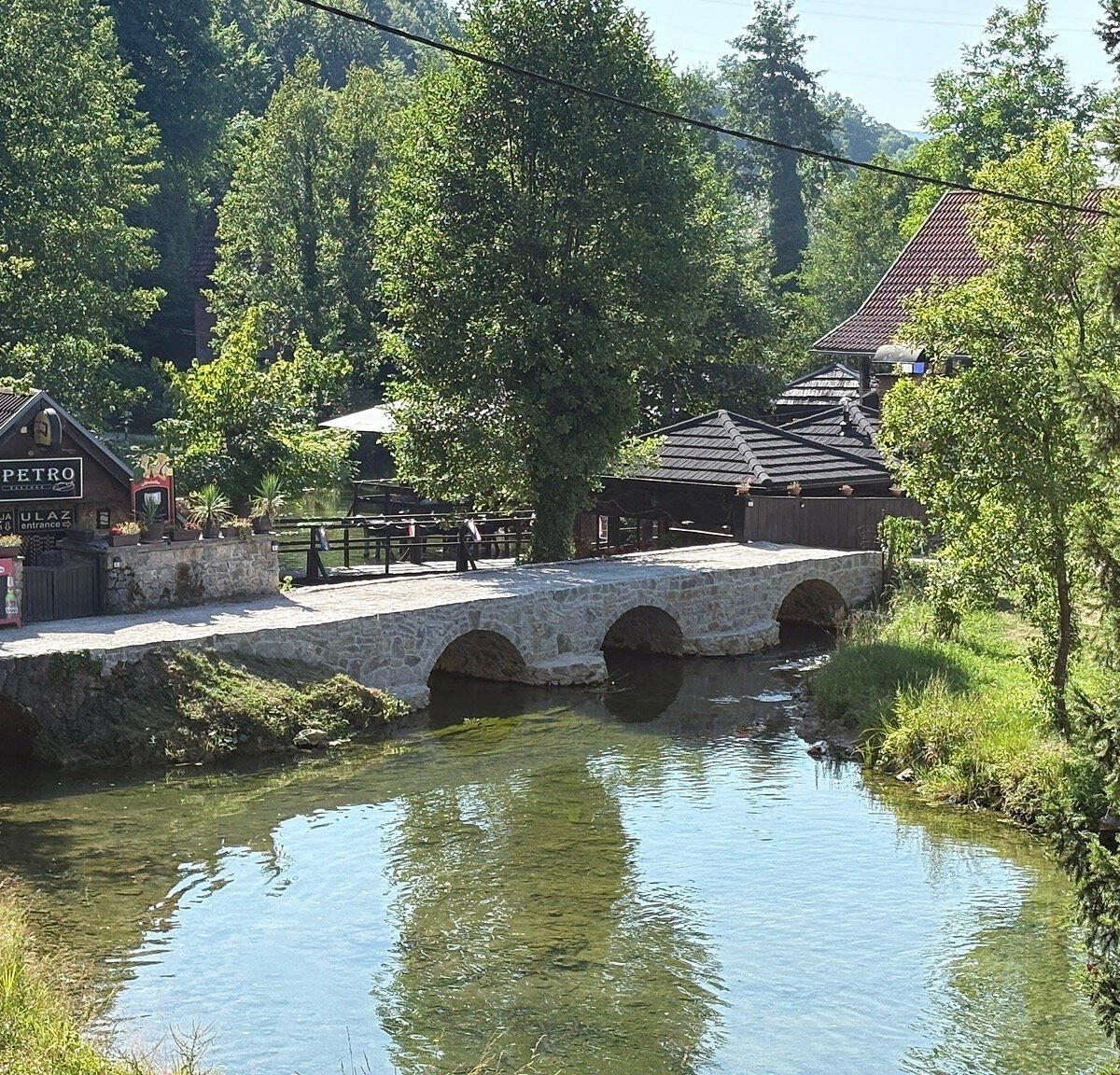
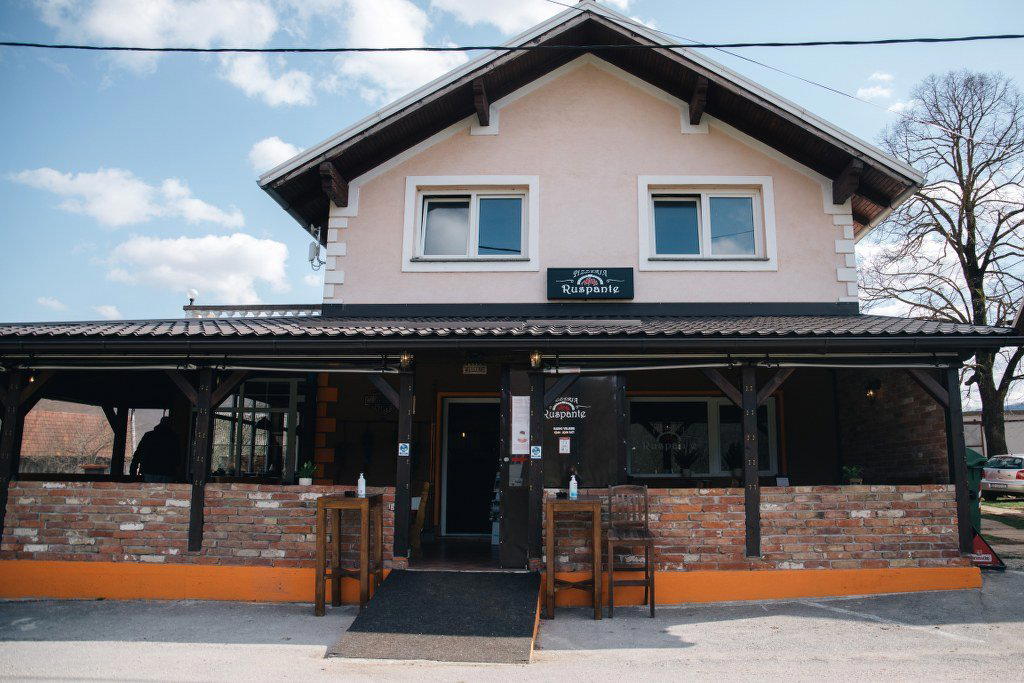
Restaurants in Rakovica
Browse all →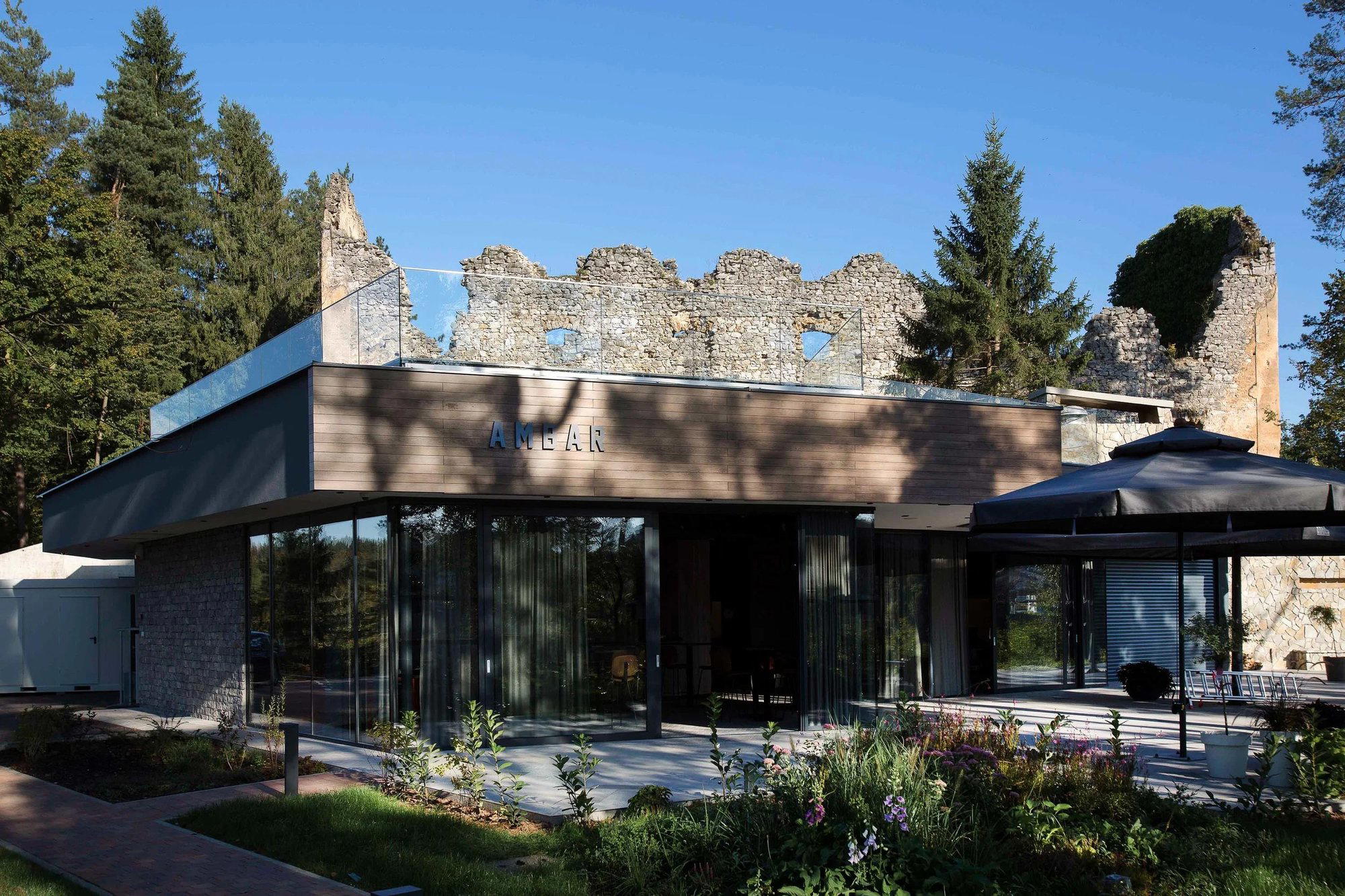
At a Glance
- Rustic
- Scenic
- Cozy
- Classic
- Family
- Group Dining
- Casual Hangout
- Terrace
- Panoramic View
- Garden
- Hotel Restaurant
- Beer Program
- Local Sourcing
- Farm To Table
- Garden
- Mountain
Modern interior combined with traditional Croatian warmth, featuring a comfortable dining room with 92 seats and a scenic terrace with 60 seats overlooking surrounding villages and forested hills.