On the Olmensesteenweg in Tessenderlo-Ham, Ristorante Da Gianni occupies the kind of address that rewards those willing to travel past the more obvious dining corridors of Antwerp or Brussels. The Italian name signals a specific culinary allegiance in a region better known for Flemish creative cooking, and that contrast alone makes it worth tracking for anyone building a serious itinerary through Limburg province.
Pearl is the En Primeur Club membership app — saves, bookings, and concierge access live there. Same editors, same standards.
- Address
- Olmensesteenweg 4, 3945 Tessenderlo-Ham, Belgium
- Phone
- +3211646401
- Website
- facebook.com
- Directions
- Get directions
 Saves & bookings on Pearl
Italian Cooking in Limburg's Quiet Interior
The stretch of Limburg province between Hasselt and the Kempen heathlands does not advertise itself as a dining destination. That is partly what makes it interesting. While Belgian fine dining attention concentrates on Antwerp, Ghent, and the coastal strip, a quieter tier of serious restaurants operates in the province's smaller towns, drawing local regulars and occasional longer-distance visitors who have done their research. Ristorante Da Gianni sits on the Olmensesteenweg in Tessenderlo-Ham, a road that connects the heathland municipality to the surrounding agricultural flat — the kind of address that, in Belgium, often signals a restaurant built on reputation rather than passing footfall.
The Italian name places it immediately outside the dominant tradition of the region. Flanders has produced a generation of creative modern Flemish kitchens — venues like Hof van Cleve in Kruishoutem, Boury in Roeselare, and De Jonkman in Sint-Kruis, that are deeply rooted in Belgian produce and French technique. A restaurant with Italian allegiances in this context is making a deliberate statement about where its loyalties lie, and about the sourcing logic that follows from that choice.
Where Ingredients Begin: The Sourcing Argument for Italian Cooking in Belgium
Italian cuisine, at its most rigorous, is an ingredient-first discipline. The cooking traditions of Lombardy, Emilia-Romagna, and Piedmont are built around produce with protected designations, DOP olive oils, aged parmigiano with specific provenance, San Marzano tomatoes from a defined growing area, and the leading Italian restaurants outside Italy are judged partly on how seriously they engage with that sourcing infrastructure. In Belgium, where the country's own agricultural tradition already produces outstanding raw materials (Limburg asparagus, local game, regional cheeses), an Italian kitchen faces a productive tension: how much of the sourcing comes from Italian supply chains, and how much draws on what grows nearby?
That question is not merely philosophical. It determines whether a restaurant functions as a disciplined outpost of a specific Italian regional tradition or as a hybridised operation that uses Italian framing over local produce. The answer shapes everything from pasta texture to sauce construction to wine list logic. For a venue on the agricultural edge of the Kempen, the proximity to Belgian produce suppliers is a practical reality that any serious kitchen will have to address, and the choices made there define the cooking more than any stated philosophy.
This ingredient-sourcing tension is one that other ambitious Belgian addresses resolve in different ways. Willem Hiele in Oudenburg builds its identity almost entirely on hyper-local coastal and estuary sourcing. L'air du Temps in Liernu works a French-Asian register with produce drawn from its own kitchen garden. The sourcing decision is always also an identity decision, and in the Italian tradition, that identity is specific enough that it carries expectations.
The Setting: Provincial Belgium's Restaurant Character
Restaurants in Ham and Tessenderlo occupy a distinct register in Belgian dining. This is not the urban density of Antwerp, where venues like Zilte operate at altitude above the MAS museum with a self-consciously metropolitan audience. Nor is it the destination-resort logic of a coastal address like Bartholomeus in Heist. Ham is a municipality of around 10,000 people in a province that has historically been less visited by international travellers than the Flemish art cities. The restaurants that survive here do so by serving their communities first, with a secondary audience of regional visitors who treat the province as an alternative to more crowded circuits.
That dynamic tends to produce a particular kind of dining room: grounded, regular-friendly, priced to sustain repeat visits rather than to maximise a single occasion. It also tends to mean that the chef or founding family carries a local reputation that functions as the primary trust signal, in the absence of Michelin stars or international press coverage.
For broader context on what else the area offers, our full Ham restaurants guide maps the options across the municipality. Nearby Tongerlo is home to Maison Colette, which operates in a similarly quiet provincial register. Further south, Nuance in Duffel and Castor in Beveren represent the more decorated end of the Belgian provincial restaurant tier.
Italian Dining in Belgium: Where Da Gianni Sits in the Pattern
Belgian dining has a long-standing relationship with Italian cooking, but that relationship is uneven across price points. At the upper end, Italian restaurants in Belgium tend to cluster in Brussels and Antwerp, where a cosmopolitan clientele supports imported ingredients and higher menu prices. In provincial Flanders and Limburg, Italian restaurants more often occupy the mid-range, serving pasta and pizza to a local audience for whom the Italian name signals comfort and familiarity rather than regional specificity.
No price tier, no awards, and no menu details are documented in the sources consulted for this piece. That absence is itself informative: it suggests a restaurant that operates without the formal credentialing infrastructure that Michelin-tracked or guide-listed venues typically accumulate. The comparison set for understanding it sits not with Bozar in Brussels or with destination venues like La Table de Maxime in Our, but with the layer of regional Italian cooking that Belgium sustains largely through local loyalty rather than national press.
For international reference points on what serious Italian-rooted cooking can look like at the highest tier, Le Bernardin in New York City demonstrates the discipline that ingredient provenance demands at that level, and Atomix in the same city shows what happens when a kitchen commits fully to the sourcing logic of a specific culinary tradition. Those are different contexts entirely, but they clarify the spectrum against which any serious restaurant, in any country, is eventually measured.
Planning a Visit: What to Know Before You Go
Ristorante Da Gianni is at Olmensesteenweg 4, 3945 Tessenderlo-Ham, Belgium. The address is in the municipality of Tessenderlo, which sits in the Hageland-Kempen area of Limburg province, roughly equidistant between Hasselt and Diest. Arriving by car is the practical option for this address; public transport connections to Tessenderlo are limited and do not serve the restaurant road directly. Visitors travelling from Brussels or Antwerp should allow approximately an hour by car, depending on traffic on the E313. Given that no booking method is documented, a telephone or in-person inquiry is likely the most reliable approach for confirming table availability.
For those building a longer itinerary through southern Limburg and the Kempen, La Durée in Izegem and d'Eugénie à Emilie in Baudour offer points of comparison in the broader Belgian provincial register, though both are in different provinces and require separate planning. Le Chalet de la Forêt in Uccle represents the Brussels end of the spectrum for those anchoring in the capital.
Continue exploring
More in Ham
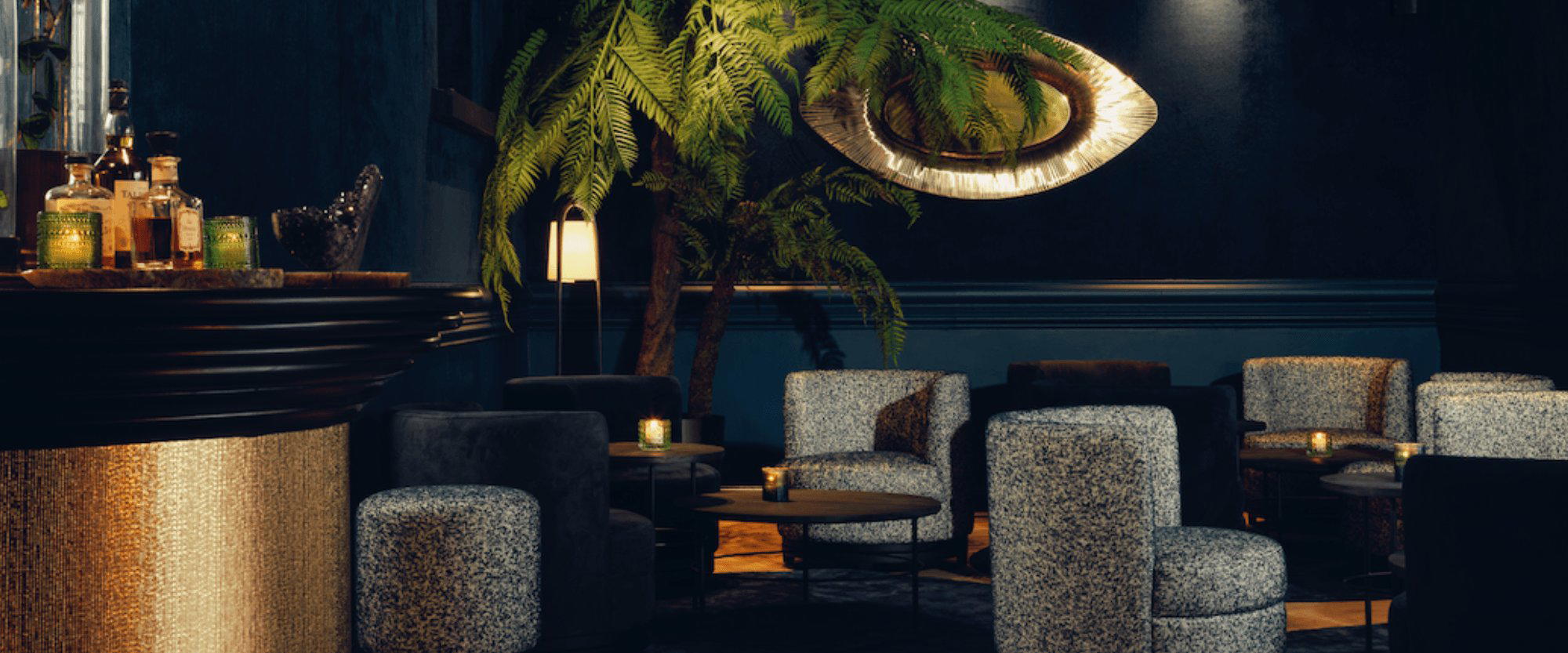
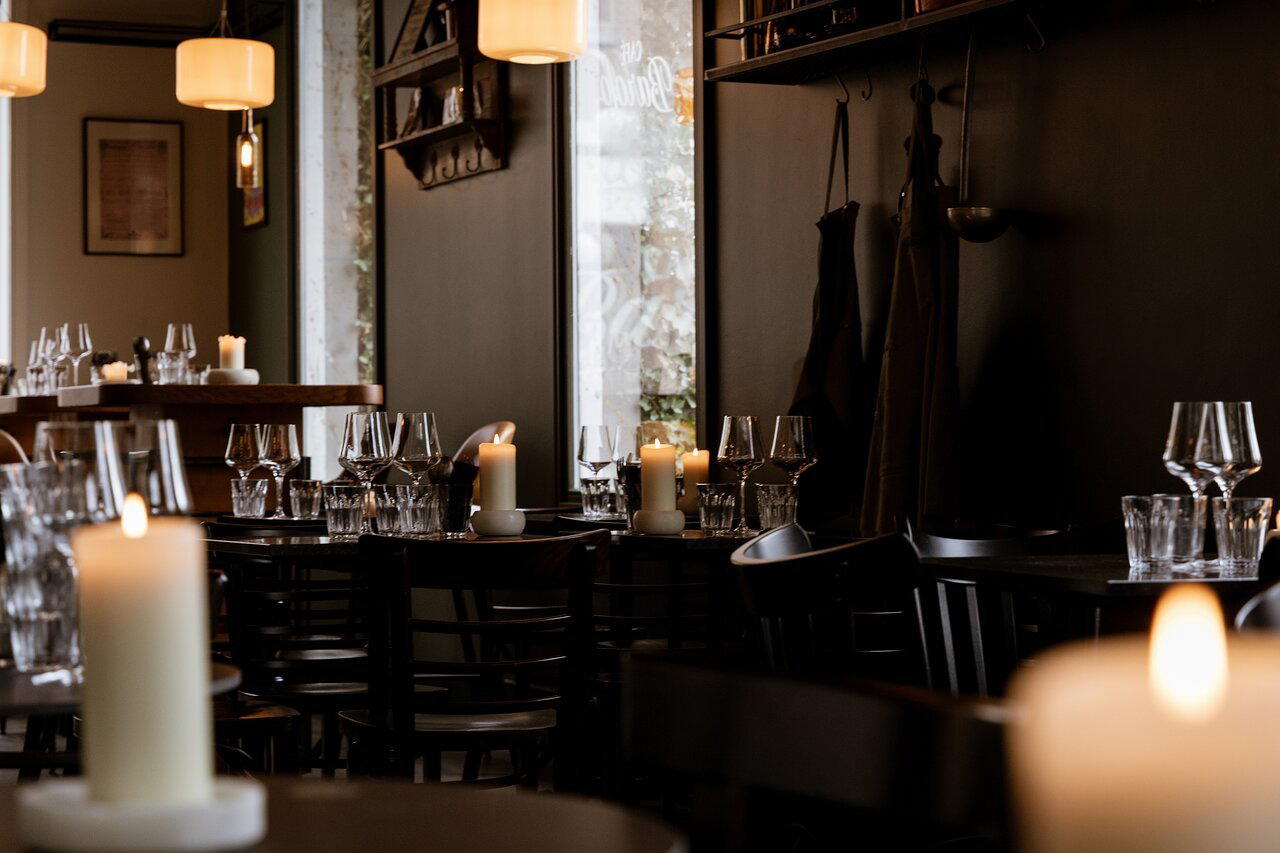
Restaurants in Ham
Browse all →
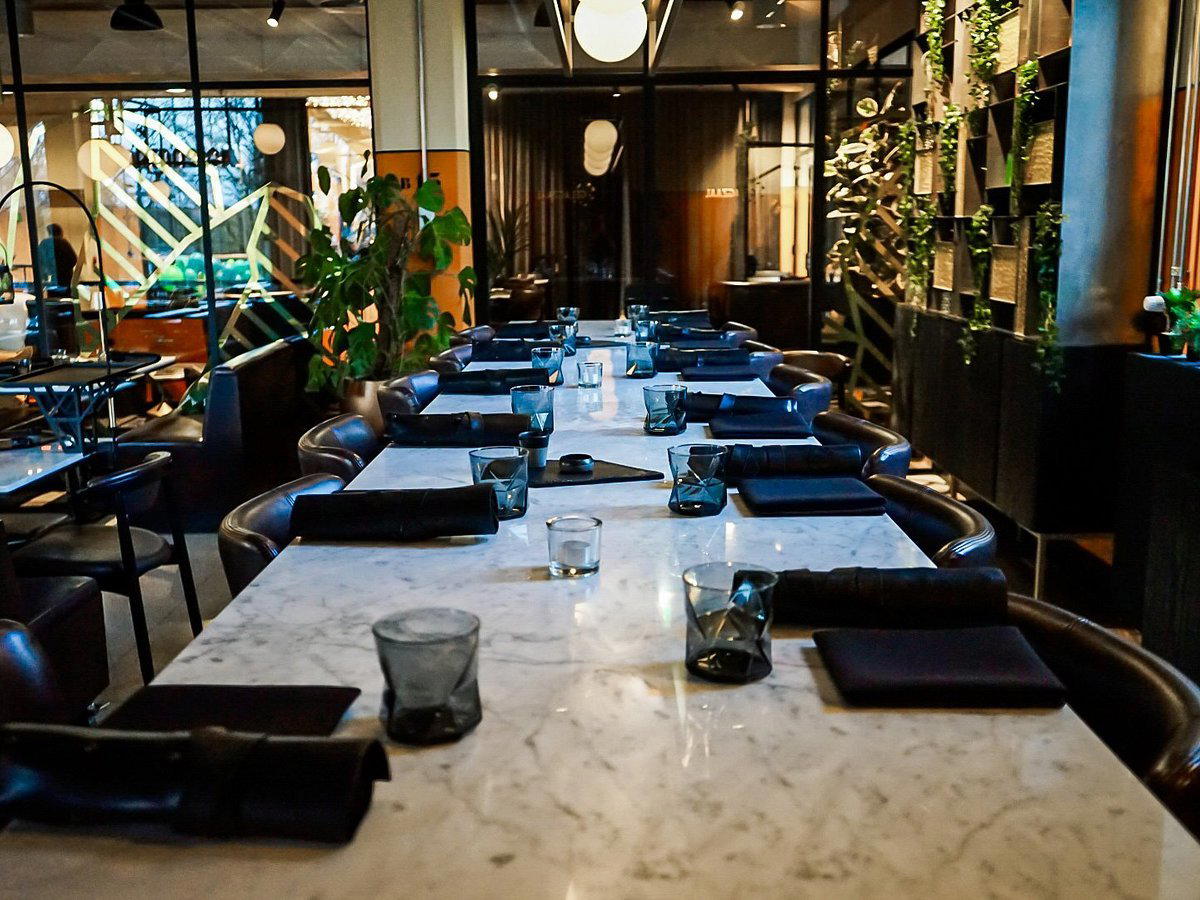
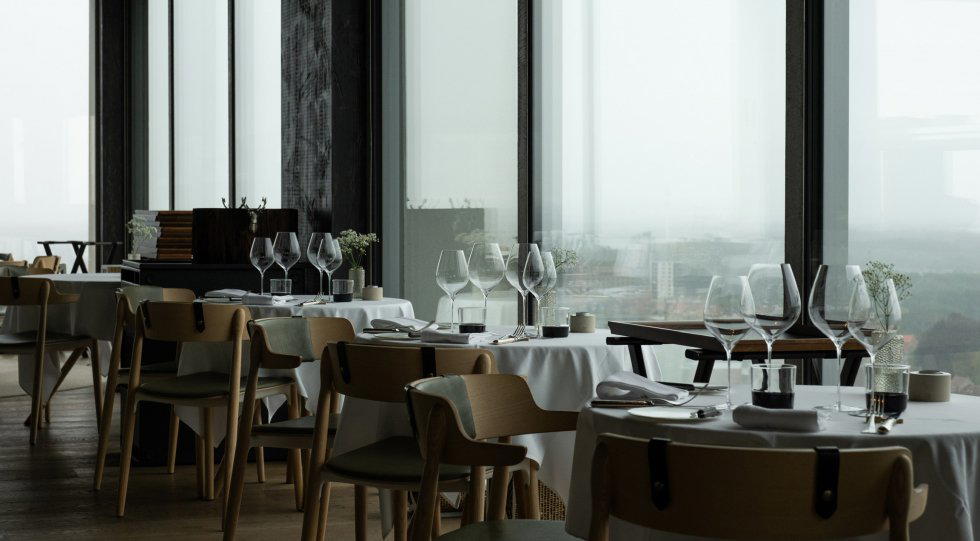
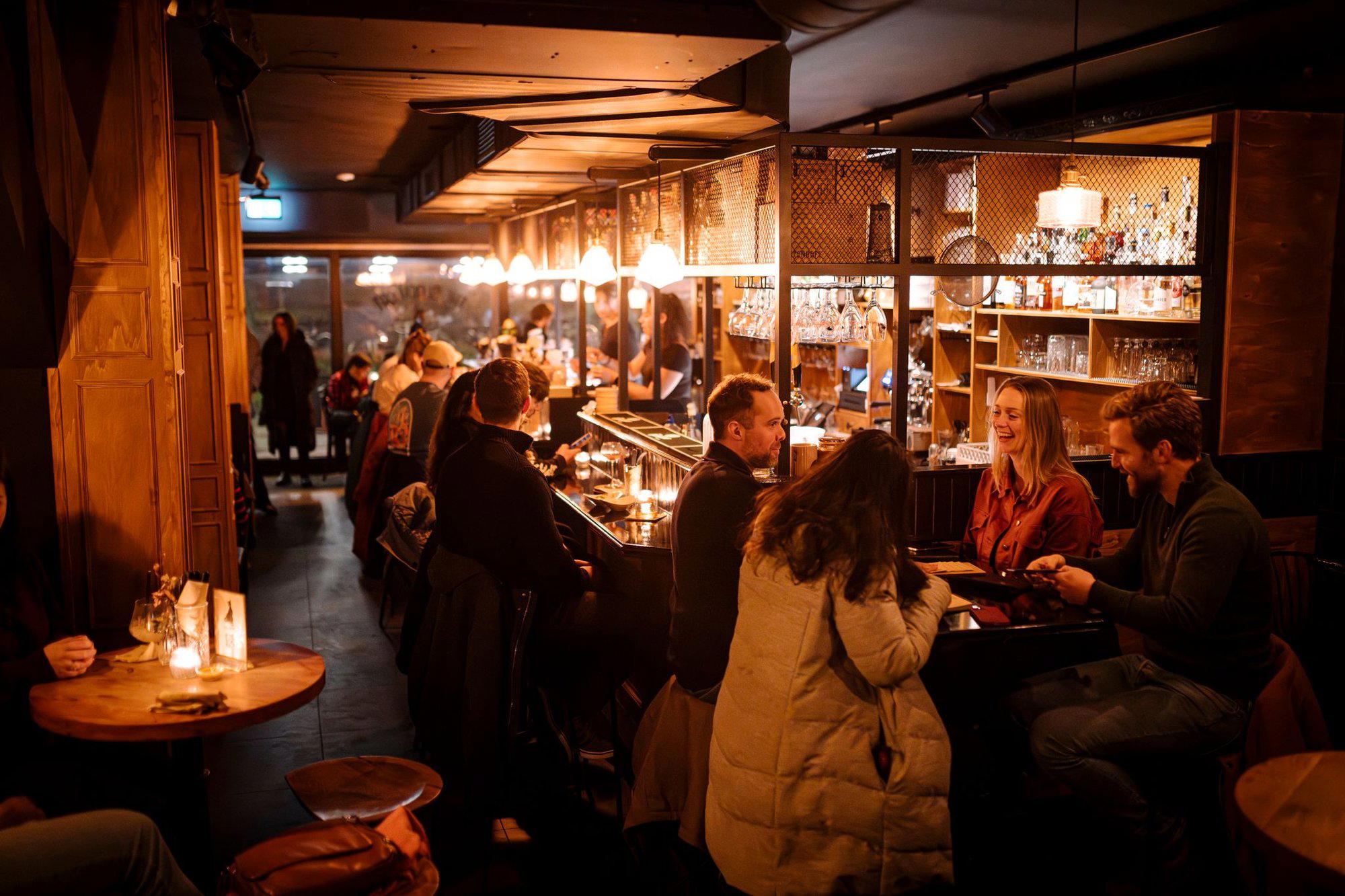
Bars in Ham
Browse all →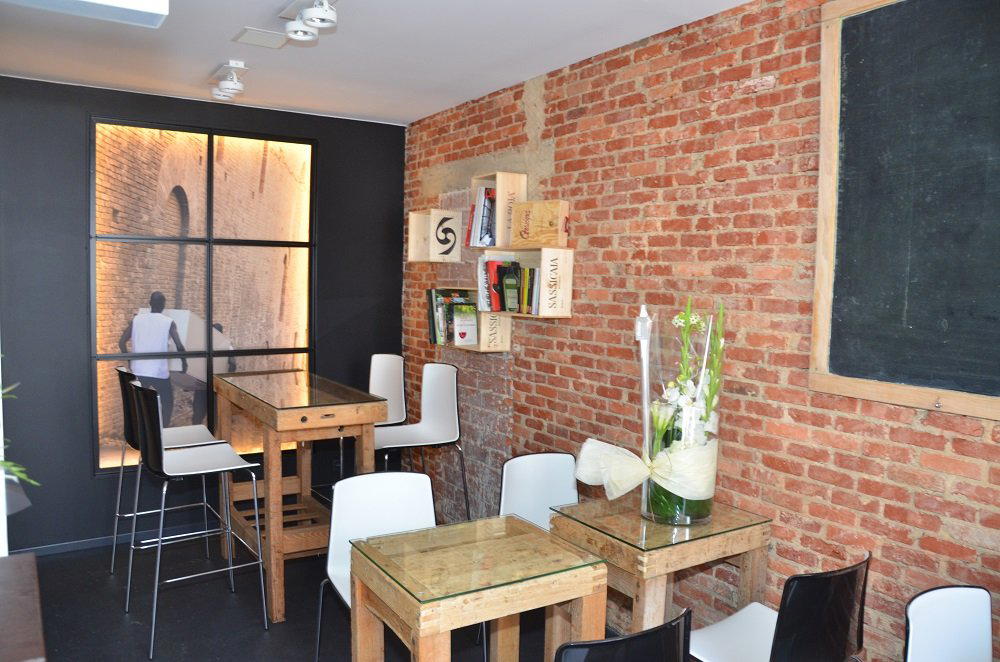
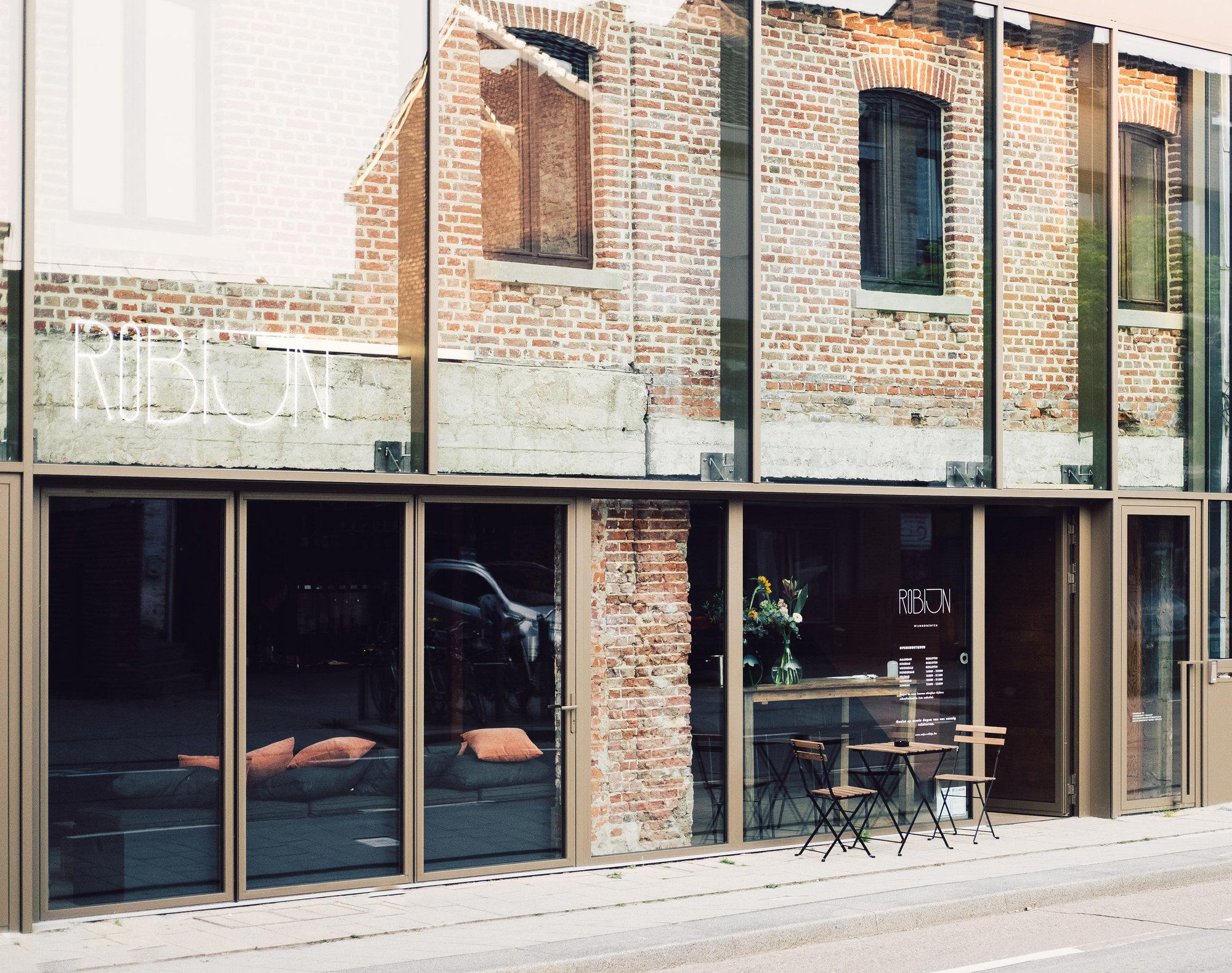
Hotels in Ham
Browse all →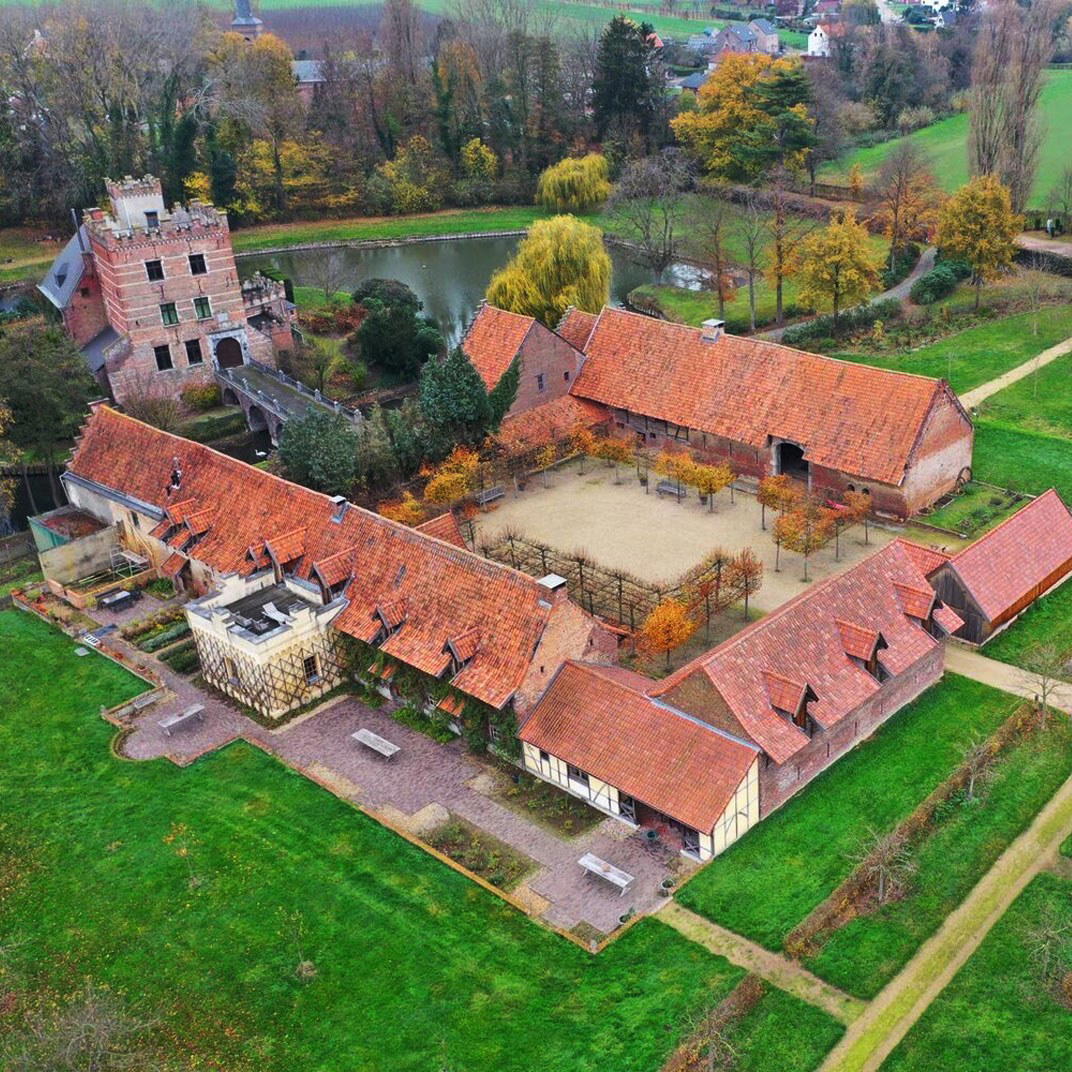

At a Glance
- Intimate
- Cozy
- Romantic
- Elegant
- Date Night
- Special Occasion
- Business Dinner
- Standalone
- Extensive Wine List
Current opening hours
- Monday
- Closed
- Tuesday
- Closed
- Wednesday
- Closed
- Thursday
- 12–2 PM, 6:30–11 PM
- Friday
- 12–2 PM, 6:30–11 PM
- Saturday
- 6:30–11 PM
- Sunday
- 12–1:30 PM, 6:30–11 PM
Hours can change for holidays and private events. Last verified .
Warm, homely, and intimate atmosphere where guests feel like family, with cozy seating and a welcoming personal touch.
Know Before You Go
- Getting there
- Olmensesteenweg 4, 3945 Tessenderlo-Ham, Belgium