


A Michelin-starred address in the Kempen countryside, De Pastorie has built its reputation on produce-driven modern cuisine where vegetables and fruit carry equal weight to protein. Chef Pascal Vandenheulen and the Wens family run one of Belgium's more quietly compelling restaurants, ranked 453rd in Opinionated About Dining's Classical in Europe list for 2025, operating Thursday through Sunday from a converted parish building in Kasterlee.
Pearl is the En Primeur Club membership app — saves, bookings, and concierge access live there. Same editors, same standards.
- Address
- Plaats 2, 2460 Kasterlee, Belgium
- Phone
- +32 14 55 77 86
- Website
- restaurantdepastorie.be
- Directions
- Get directions
 Saves & bookings on Pearl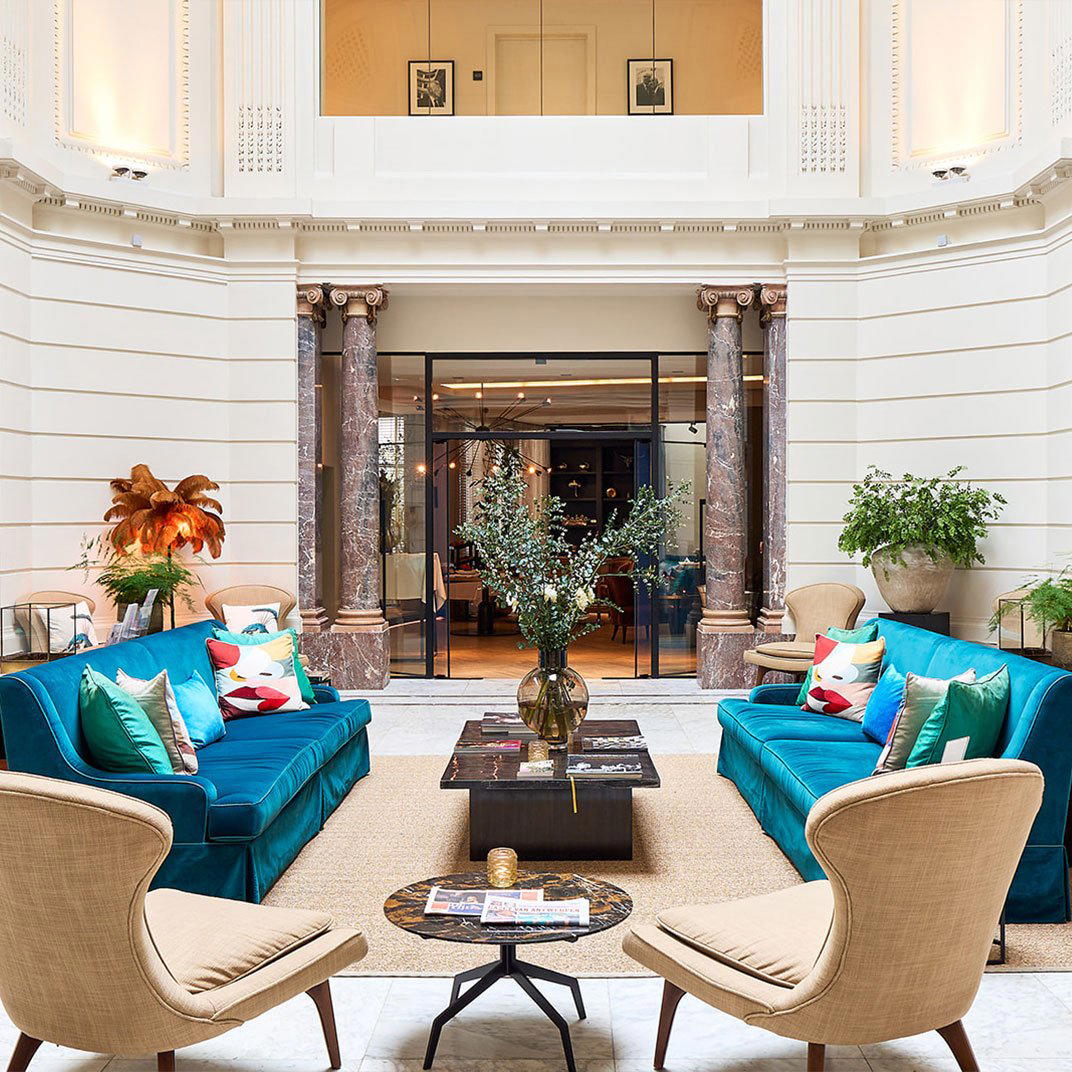
A Village Setting With Serious Kitchen Credentials
The Flemish Kempen is not where most international diners look when they think of Belgium's fine dining map. That map tends to start in Brussels or Ghent, move through Antwerp, and follow the coast toward restaurants like Bartholomeus in Heist. But the region around Kasterlee has its own logic: flat heathland, quiet village squares, and a slower pace that has historically suited the kind of cooking that asks for your full attention. De Pastorie sits on that village square, Plaats 2, in the former parish house, and the building's provenance is part of the point. Converted ecclesiastical spaces carry a particular weight in Flemish dining culture, a sense of occasion that doesn't need to announce itself.
That restraint runs through everything here. This is not a restaurant that competes on spectacle or urban energy. It competes on produce, precision, and a clear sense of what it wants to be. Its Michelin star and strong guest ratings place De Pastorie inside a tier of Belgian restaurants that includes technically demanding kitchens operating well outside the major cities. For context, the broader Belgian fine dining circuit at this price tier, €€€€, includes names like Boury in Roeselare and Zilte in Antwerp, both of which draw on regional produce but operate in quite different cultural registers. De Pastorie's village setting is not a compromise. It is a position.
The Produce Logic: Why Vegetables Lead Here
Belgium's Michelin-starred tier has long accommodated a strong vegetable tradition, a function of the country's market garden heritage and the Flemish tendency toward disciplined sourcing. What distinguishes De Pastorie within that tradition is the degree to which vegetables and fruit are treated as the primary flavour vehicles rather than accompaniments. OAD's description of the kitchen as among the "vegetable heavens" among Belgian restaurants is not marketing language; it reflects a consistent approach across seasons where generous portions of fruit and vegetables bring colour and flavour to each plate, with products remaining recognisable rather than transformed beyond their origin.
This is a meaningful distinction. The move toward vegetable-forward fine dining has accelerated across northern Europe over the past decade, but the execution splits sharply between kitchens that use vegetables as a canvas for technique and those that treat them as the story itself. The restaurant sits in the latter camp. The flavours described in critical assessment are accurate and grounded, the produce identifiable. That approach aligns the restaurant more closely with the produce-driven discipline found at restaurants like Willem Hiele in Oudenburg than with the more transformation-heavy modern Flemish style associated with Hof van Cleve.
Chef Pascal Vandenheulen and the Wens Family Operation
The kitchen runs under chef Pascal Vandenheulen, while Carl and Loes Wens hold the broader hospitality operation. This front-of-house and kitchen division is a model that appears repeatedly in Belgium's stronger rural fine dining addresses, where the dining room is treated as a serious discipline in its own right. The guest experience at €€€€ pricing in a village setting depends heavily on how the room is managed, the pacing, the warmth, the absence of formality that tips into cold distance. OAD's notes specifically reference the way guests are "pampered," which in critical vocabulary points to attentive but unstuffy service rather than theatrical ceremony.
The kitchen's output, consistent enough to hold a Michelin star across consecutive years, indicates a stable and disciplined approach. In the Belgian context, that consistency is its own credential. The country's Michelin retention rate is taken seriously, and a two-year hold at this level in a village location represents a particular kind of achievement: no urban foot traffic, no tourist economy, and a local clientele that returns because the cooking warrants it.
For a broader sense of the Belgian modern cuisine comparable set at this level, the comparison field includes La Durée in Izegem, L'Eau Vive in Arbre, and d'Eugénie à Emilie in Baudour, all operating at €€€€ with French-Belgian creative foundations, and all carrying Michelin recognition. The restaurant's distinguishing feature within that group is the produce emphasis and the rural Kempen setting.
Where De Pastorie Sits on the Belgian Fine Dining Map
Belgium punches well above its population size in serious restaurant terms. The country's density of Michelin stars relative to geography is among the highest in Europe, and its fine dining culture has developed a strong regional character rather than concentrating entirely in the capital. Brussels retains important addresses, Bozar Restaurant among them, but particularly interesting recent developments have often come from provincial kitchens where rents are lower and sourcing relationships with local producers are more direct.
The Kempen region's food culture has historically been understated relative to the Flemish coast or the Ghent restaurant scene, which makes the restaurant's sustained recognition more notable.8 across 428 reviews points to a consistent guest experience over time, and at €€€€ pricing in a location that requires deliberate travel, that score reflects a genuinely satisfied clientele.
For international visitors, the restaurant sits within a broader Flemish fine dining circuit that rewards a multi-day itinerary. Pairing the restaurant with addresses in Antwerp, roughly 30 kilometres west, or with Ralf Berendsen in Neerharen or Sir Kwinten in Sint-Kwintens-Lennik makes geographic and culinary sense. The region's accommodation options are covered in our full Lichtaart hotels guide.
Planning a Visit
The restaurant operates Thursday through Saturday from 9:30 am to midnight, and Sunday from 9:30 am to 5:30 pm, with Monday and Tuesday closed. The Sunday close at 5:30 pm is worth noting for anyone building an itinerary: this is a lunch and early evening address on Sundays, not a late dinner option. Thursday through Saturday extends to midnight, which suggests the kitchen is comfortable with longer dinner services and lingering at the table, consistent with the €€€€ format and the Flemish fine dining culture of unhurried evenings.
The address is Plaats 2, 2460 Kasterlee.
For a sense of how the restaurant's produce-driven format compares against modern cuisine operating at a different scale and register, it is worth looking at globally recognised references like Frantzén in Stockholm or FZN by Björn Frantzén in Dubai.
Fast Comparison
Comparable venues nearby, for context on price, style, and recognition.
| Venue | Cuisine | Price | Awards | Notes |
|---|---|---|---|---|
| De PastorieThis venue — the venue you are viewing | Modern French Fine Dining | $$$$ | Michelin 1 Star | Not listed |
| Hert | Modern French Fine Dining | $$$$ | Michelin 1 Star | Turnova Tower, Turnhout |
| Aurum by Gary Kirchens | French Modern Fine Dining | $$$$ | Michelin 1 Star | Ordingen-Dorp |
| Le Grand Verre | Modern French Fine Dining | $$$$ | Michelin 1 Star | Durbuy |
| Vicomté | Modern French Fine Dining | $$$$ | Michelin 1 Star | Roucourt |
| Philippe Fauchet | Modern French Gastronomic | $$$$ | Michelin 1 Star | Saint-Georges-sur-Meuse |
Recognition history
Dated appearances from independent guides and award organizations, with the underlying list record or original source where available.
Michelin 1 Star
Michelin
Michelin 1 Star
Michelin
Opinionated About Dining Classical in Europe Ranked #453
Opinionated About Dining
We're Smart World 2 Radishes
We're Smart World
Michelin 1 Star
Michelin
Opinionated About Dining Classical in Europe Recommended
Opinionated About Dining
Continue exploring
More in Lichtaart
Restaurants in Lichtaart
Browse all →
Bars in Lichtaart
Browse all →
Hotels in Lichtaart
Browse all →
Wineries in Lichtaart
Browse all →
At a Glance
- Elegant
- Cozy
- Sophisticated
- Rustic
- Intimate
- Date Night
- Special Occasion
- Historic Building
- Garden
- Terrace
- Extensive Wine List
- Local Sourcing
- Garden
Current opening hours
- Monday
- Closed
- Tuesday
- Closed
- Wednesday
- 9:30 AM–12 AM
- Thursday
- 9:30 AM–12 AM
- Friday
- 9:30 AM–12 AM
- Saturday
- 9:30 AM–12 AM
- Sunday
- 9:30 AM–5:30 PM
Hours can change for holidays and private events. Last verified .
Warm, open atmosphere in a stylishly restored historic building with views of lush gardens and water features through large windows.